Curated recipes from 193 countries  •  New seasonal Mediterranean issue out now

Overview

Harissa

Herisa, Harisa, Keshkeg

This Armenian harissa recipe is not the North African chilli paste of the same name — it is a thick, creamy porridge from the Armenian highlands. Hulled wheat berries (korkot) and a whole chicken are cooked together in one pot for hours, until the chicken falls off the bone and the wheat breaks down. The meat is shredded back into the pot and the whole thing is beaten until smooth, so the chicken is part of the porridge itself, not served on top of it. It is finished with a spoonful of browned butter melting into each bowl. One serving is about 350 g.

Harissa is one of Armenia's oldest festive dishes, made from korkot — hulled wheat berries — and meat cooked together in a single pot until they become one dish. It is traditionally cooked for Easter and for church festivals, in huge pots stirred for hours by the whole community. The dish also carries a sombre history: during the defence of Musa Dagh in 1915, the besieged Armenian villagers survived on a pot of harissa, and the dish is still cooked in remembrance of that time. Its name comes from the Armenian word for 'to stir', because the long, steady stirring is what makes it.

Pairs well with: Browned butter, pickled vegetables & fresh herbs

Provenance

Armenia flag Armenia

Armenian Festive Heritage

Nordic & European

Time Dedication

4h 20m

20m prep • 240m cook

Batch Yield

6 Servings

552 kcal per serving

1 serving ≈ 350 g

Technical Skill

Intermediate

Intermediate (Slow Simmer)

Meal Timing & Digestive Fit

Breakfast

Not Advised

Lunch

Hearty Midday Main

Dinner

Ideal Hearty Main

Snack & Tea

Inappropriate

High Protein Occasions: Easter, festive gatherings, winter family dinner, remembrance meals Cost: Low — about $3–4 per serving at home
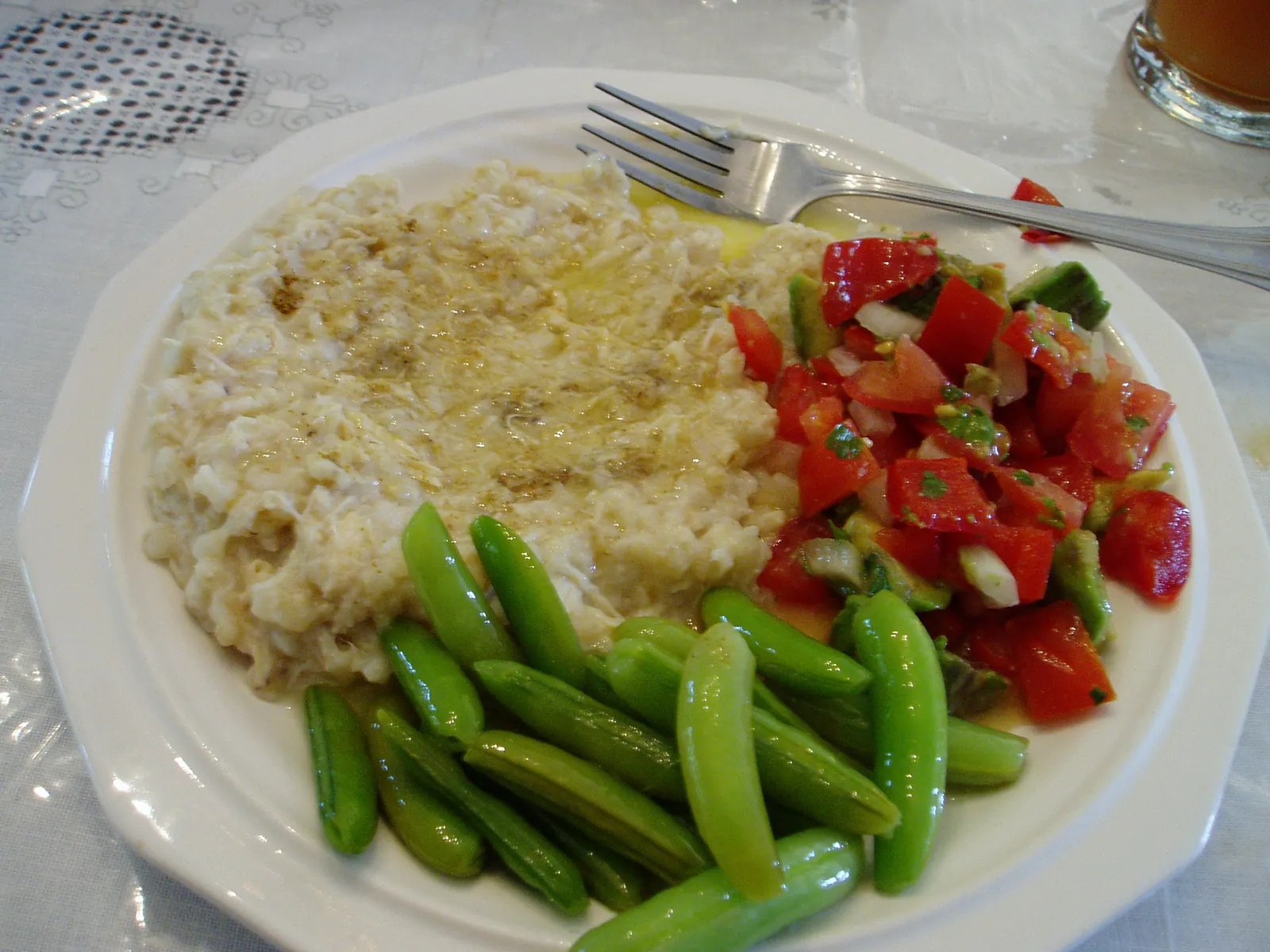
A plate of Armenian harissa, a creamy wheat and chicken porridge topped with melted butter, served with tomato salad and green beans

Armenian Festive Heritage

Photo: Augustgrahl, Public domain, via Wikimedia Commons

The Heritage Formulary

Measured Ingredients

Estimated cost: Low — about $3–4 per serving at home (USD)

Good harissa is thick enough to stand a spoon in, smooth and creamy, with the chicken beaten right into the wheat so you cannot tell where one ends and the other begins.

Execution Methodology & Culinary Technique

Step-by-Step Cooking Guide

Active 4h 20m
P

Prep Stage: Soak the Wheat & Start the Chicken

20 Mins Hands-On + Overnight Soak

The night before, rinse the hulled wheat berries and soak them in plenty of cold water. On the day, drain the wheat and rinse it again. Put the whole chicken in a large, heavy pot with 2.5 litres of cold water and half the salt, and bring it slowly to the boil, skimming off any foam that rises.

Maestro Tip: Soaking the wheat overnight is what makes the long cook possible — dry wheat berries would need far longer and would never break down properly.

  1. 1

    Soak the Wheat

    Overnight (Hands-Off) Room temperature

    Rinse the wheat berries in cold water until the water runs clear, then cover with plenty of cold water and leave to soak overnight, at least 8 hours. Drain and rinse again before cooking.

    If you forgot to soak, simmer the wheat alone in water for 1 hour first — it will not be as soft, but the dish still works.

    Done when: Berries are plump and swollen, with no hard, dry centres.

  2. 2

    Cook the Chicken

    60 Mins Gentle simmer, ~95°C (203°F)

    Put the whole chicken in a large heavy pot with 2.5 litres of cold water and half the salt. Bring slowly to the boil, skim off the foam, then lower the heat to a gentle simmer and cook for about 1 hour, until the meat is falling off the bone and the thickest part of the thigh reaches at least 74°C (165°F).

    Keep the simmer gentle — a rolling boil clouds the broth and toughens the meat.

    Done when: Meat pulls easily from the bone; thigh meat reaches at least 74°C (165°F).

  3. 3

    Pick the Meat

    15 Mins Off the heat

    Lift the chicken out onto a board and let it cool just enough to handle. Pick all the meat off the bones, discarding the skin and bones, and shred the meat into small pieces with your fingers or two forks. Keep the broth in the pot — it is the base of the porridge.

    Pick the meat while it is still warm; cold chicken is much harder to shred finely.

    Done when: About 800 g of shredded meat, with no bones or skin left in it.

  4. 4

    Simmer the Wheat in the Broth

    120 Mins Gentle simmer, ~95°C (203°F)

    Add the drained wheat to the broth and bring back to a gentle simmer. Cook for about 2 hours, stirring every 10–15 minutes and topping up with hot water whenever the pot gets too thick — the wheat should always be covered. The berries will slowly swell, split and break down into a thick, creamy mass.

    Stir from the bottom of the pot, not just the top: wheat settles and catches on the base if it is left alone.

    Done when: Berries are completely soft, split open, and the mixture is thick and porridge-like.

  5. 5

    Beat in the Chicken

    30 Mins Low heat, ~85°C (185°F)

    Return the shredded chicken to the pot and stir it in. Then beat the whole mixture with a wooden spoon or a potato masher, pressing and stirring until the chicken disappears into the wheat and the porridge is smooth, thick and creamy — like oatmeal, but heavier. Add the remaining salt and the pepper, and taste. The porridge should be thick enough to stand a spoon in.

    This beating step is the whole point of harissa: the name comes from the Armenian word for 'to stir'. Keep going until you cannot tell the chicken from the wheat.

    Done when: Thick, smooth porridge; chicken fully integrated, no separate shreds visible.

  6. 6

    Brown the Butter & Serve

    5 Mins Medium heat, ~150°C (300°F)

    Melt the butter in a small pan over medium heat and let it foam, then keep cooking for 2–3 minutes until it smells nutty and turns golden brown. Ladle the harissa into deep bowls and pour a spoonful of the browned butter over each one.

    Watch the butter closely — it goes from golden to burnt in seconds. Take it off the heat the moment it smells nutty.

    Done when: Butter is golden brown and nutty-smelling; each bowl is hot, thick and glossy on top.

Finishing Touches & Plating

Serve the harissa hot in deep bowls, each with its spoonful of browned butter melting on top. Eat it with a spoon, straight from the bowl, while it is still steaming.
Nutritional Physiology & Benefits

Nutrition

Energy

552

kcal / serving

Protein

47g

Complete AA

Carbs

48g

Complex

Fats

20g

Healthy

Per serving (6 servings · 1 serving ≈ 350 g)
Energy552 kcal
Protein47 g
Carbohydrates48 g
Fat20 g
Fibre7.2 g
Sugar0.3 g
Sodium678 mg
Per 100g
Energy158 kcal
Protein13.4 g
Carbohydrates13.6 g
Fat5.7 g
Fibre2.1 g
Sugar0.1 g
Sodium194 mg

Nutrition values are estimated — calculated from USDA FoodData Central values for the listed ingredients.

Vitamins & minerals: Niacin and vitamin B6 (chicken), iron and magnesium (wheat berries), vitamin A (butter), zinc (chicken and wheat). Nutrition values are estimated.

High Protein from Chicken & Wheat

About 47 g of protein per serving, from the chicken beaten into the wheat — a filling, high-protein dinner from just two main ingredients.

Whole-Grain Fibre

Whole wheat berries give about 7.2 g of fibre per serving, which supports normal digestion and helps the porridge keep you full for hours.

Iron, Zinc and B Vitamins

Chicken and whole wheat together supply iron, zinc, niacin and vitamin B6 — the nutrients a slow-cooked, one-pot meal is best at delivering.

Food Pairings

What to Eat With

To optimize nutrient absorption and elevate the sensory depth, pair with these authentic accompaniments:

Sides

Browned Butter

Melted browned butter is the essential finish: its nutty flavour is the contrast the plain, creamy porridge needs, and it is how harissa is always served.

Vegetables

Pickled Vegetables

Sharp pickled cucumber, cabbage or peppers cut through the richness of the porridge and wake the palate up between spoonfuls.

Fresh Tomato and Herb Salad

A simple salad of chopped tomato, onion and herbs — as in the photograph — adds freshness and acidity to a dish that is otherwise soft and mild.

Drinks

Hot Herbal Tea

A hot, unsweetened herbal tea is the traditional drink with harissa: warm, light, and a good match for a heavy winter porridge.

Complete menu

Serve the harissa as the main dish in deep bowls with browned butter, with pickled vegetables and a fresh tomato and herb salad on the side, and hot herbal tea to finish.

Digestive Guardrails

What NOT to Combine

To prevent digestive distress, sluggishness, or palate clash, avoid pairing the dish with these elements:

Confusing It with Chilli Paste

Armenian harissa is a wheat and chicken porridge; the North African harissa is a hot chilli paste. Do not add chilli paste to this dish — the heat would overwhelm the mild, creamy flavour. This is general information, not medical advice.

Undercooked Chicken

The chicken must reach at least 74°C (165°F) in the thickest part of the thigh before it is picked. Never serve chicken that is pink at the bone. This is general information, not medical advice.

General information only, not medical advice — consult a doctor for personal dietary decisions.

Who Should Eat It

Who Should Eat

  • General adultsA complete, filling one-pot dinner — whole grain and chicken in a single bowl.
  • ChildrenSuitable from age 3+; the porridge is soft and easy to eat, and children like the butter on top.
  • ElderlyVery good — soft, warm and easy to swallow, with no chewing needed.
  • Pregnant womenGenerally suitable when the chicken is cooked right through to 74°C (165°F).
  • Breastfeeding womenGenerally suitable; the chicken and wheat supply protein, iron and zinc.
  • AthletesA strong recovery meal — about 47 g of protein with slow whole-grain carbohydrate.
  • Weight gainA good choice — a generous bowl with extra browned butter.
  • Weight lossKeep the portion to one modest bowl and use half the butter.

Health Conditions — Adjust or Avoid

Conditions

  • DiabetesWheat is the main carbohydrate, so keep the portion to one modest bowl; ask your clinician about portions.
  • High blood pressureKeep the added salt to the recipe amount and use unsalted butter if you need less sodium. Ask your clinician about your daily sodium limit.
  • Kidney diseaseWheat and chicken are both moderate in potassium; keep the portion modest if your clinician has advised a low-potassium diet, and ask about portion size.
  • GoutChicken is low in purines compared with red meat, but keep portions moderate. Ask your clinician if gout flares are frequent.
  • Stomach issuesUsually very gentle — a soft, plain porridge that suits most sensitive stomachs; leave out the pepper if needed.
  • Cardiovascular diseaseThe dish is low in saturated fat apart from the butter; use half the butter and skim the broth if you need less fat. Ask your clinician about how often this fits your diet.
  • Fatty liverKeep the portion modest and use half the butter. Ask your clinician about whole-grain portions.
  • Food allergiesContains wheat (gluten) and milk (butter) — do not serve to anyone with a wheat, gluten or milk allergy without suitable substitutes.
  • Special therapeutic dietsIf you follow a prescribed low-sodium or gluten-free diet, use less salt and a gluten-free grain, and check with your clinician.

If you have a medical condition, consult your doctor before changing your diet.

Storage & Use

Storage & Use

How to store
Cool quickly and store in an airtight container.
In the fridge
Cooked harissa 3–4 days; it thickens as it cools.
In the freezer
Up to 2 months.
How to reheat
Reheat gently in a covered pan with a splash of water or broth, stirring often, until steaming hot throughout, to 74°C (165°F).
Freezing recommended
Yes, up to 2 months; stir well after thawing.
Signs it has spoiled
Sour or off smell, grey discolouration, or mould.

More recipes to explore

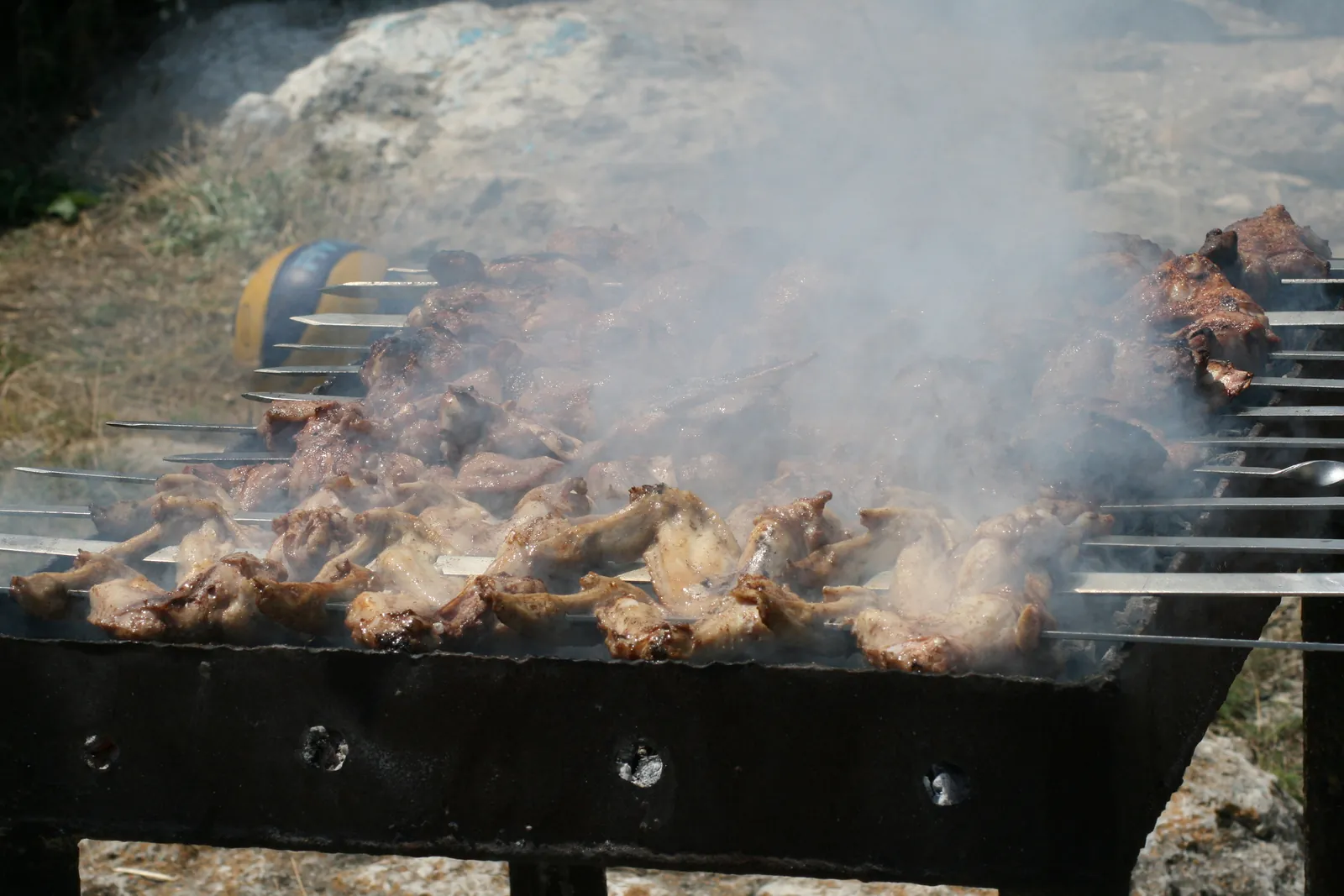
Skewers of marinated meat grilling over charcoal on a mangal, with smoke rising Armenia flag Armenia 4h 55m
Dinner •Armenian Barbecue Heritage

Khorovats

This Armenian khorovats recipe is Armenia's national barbecue: chunks of pork, lamb and beef marinated in onion, lemon and herbs, then grilled on long flat skewers called shampoor over a charcoal mangal until smoky outside and juicy inside. The meat is pulled off the skewers onto warm lavash with grilled peppers and tomatoes, and eaten with the hands. One serving is about 342 g.

Charcoal-Grilled Meat Feast

Marinated pork, lamb and beef grilled over charcoal on flat skewers, served on lavash with grilled vegetables — a smoky, high-protein dinner from Armenia.

Pairs Well With
Warm lavash, grilled vegetables & fresh herbs
High Protein
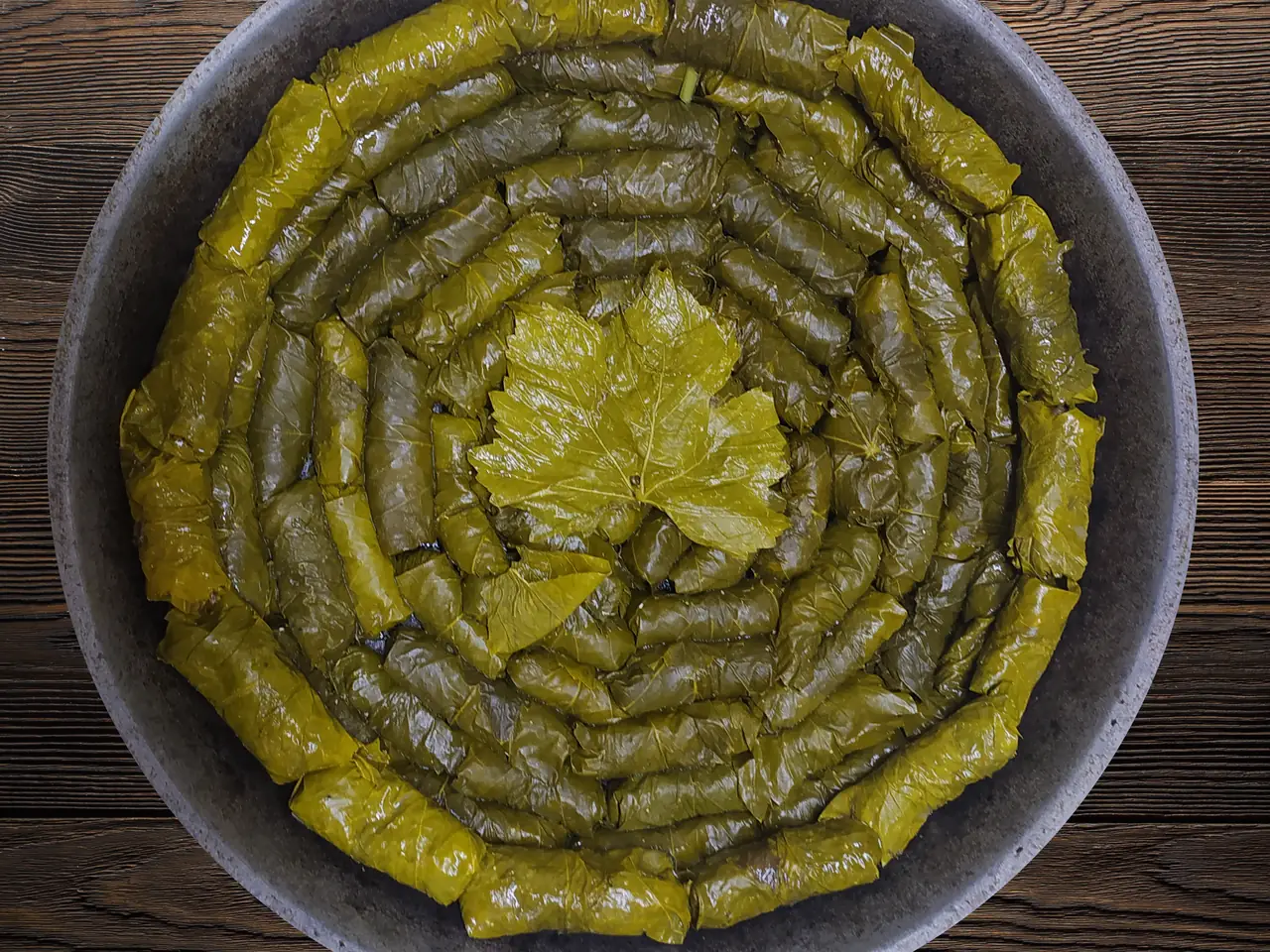
A pan of Armenian dolma, glossy grape-leaf rolls arranged in circles with a grape leaf on top Armenia flag Armenia 1h 45m
Dinner •Armenian Home-Cooking Heritage

Dolma

This Armenian dolma recipe is the classic grape-leaf dolma: brined grape leaves wrapped around a filling of ground beef, short-grain rice, onion and a generous handful of basil, mint, tarragon and parsley. The little rolls are packed tightly in a pot, weighted down, and steamed in their own juices until the leaves are tender and the rice inside is cooked through. They are served warm, with plain yoghurt — matsun — for spooning over the top. One serving is about 275 g.

Grape Leaves Stuffed with Beef & Rice

Brined grape leaves rolled around seasoned ground beef, rice and fresh herbs, steamed until tender and served warm with yoghurt.

Pairs Well With
Plain yoghurt (matsun), fresh herbs & lavash
Bœuf bourguignon — French beef braised in red wine France flag France 4h
Dinner •Burgundy Terroir

Bœuf Bourguignon

Beef braised gently in red wine until the connective tissue melts into a velvet, gelatin-rich sauce — the classic Burgundy Sunday dinner.

Cellular Repair

Beef braised in red wine until spoon-tender, with mushrooms and pearl onions.

Pairs Well With
Parsnip Purée & Steamed French Haricots Verts
High Protein
Vietnamese braised pork belly with golden eggs in caramel sauce Vietnam flag Vietnam 1h 45m
Dinner •One Pot

Vietnamese Braised Pork and Eggs

Pork belly slowly braised in coconut water and caramel until meltingly tender, with golden eggs that soak up the sweet-savoury sauce — the Vietnamese family dish that tastes better the next day.

Comfort & Sustained Energy

Slow-braised pork belly and eggs in coconut water and caramel.

Pairs Well With
Steamed rice & pickled mustard greens
High Protein

The Dinner Gazette

Never wonder what’s for dinner again

One email a week with easy dinner ideas from around the world — ingredients, steps and nutrition, tested in our kitchen first.

Delivered every Thursday morning. Unsubscribe anytime.