Curated recipes from 193 countries  •  New seasonal Mediterranean issue out now

Overview

Arroz de Lisa

Arroz de Lisa Barranquillero, Barranquilla Mullet Rice, Arroz con Pescado

This arroz de lisa recipe desalts and poaches salted mullet, flakes it into a sofrito of spring onion, tomato and sweet pepper, then cooks rice in the fish's own broth with coconut milk until golden with achiote. It is Barranquilla's most loved street food, served on a bijao leaf with fried plantain and avocado. One serving is about 310 g.

Arroz de lisa is the dish Barranquilla is proudest of — the street-corner rice of the Colombian Caribbean, sold by vendors from carts and served hot on a bijao leaf. The lisa is a mullet from the Ciénaga Grande lagoon, salted and dried so it keeps in the heat, then desalted, poached and flaked into rice cooked in its own broth with coconut milk. The achiote turns the rice golden-red, and the plate always comes with bollo de yuca, avocado and suero costeño. During Barranquilla's Carnival it is the food people queue for, and the vendors who sell it are part of the city's living heritage.

Pairs well with: Fried plantain, avocado salad & suero costeño

Provenance

Colombia flag Colombia

Barranquilla Heritage

Latin America & Caribbean

Time Dedication

3h 15m

150m prep • 45m cook

Batch Yield

6 Servings

467 kcal per serving

1 serving ≈ 310 g

Technical Skill

Intermediate

Moderate (Fish & Rice)

Meal Timing & Digestive Fit

Breakfast

Not Advised

Lunch

Prime Metabolic Fit

Dinner

Ideal Hearty Main

Snack & Tea

Inappropriate

Occasions: Street food, family lunch, Barranquilla Carnival, weekend meals, coastal gatherings Cost: Low — about $3–4 per serving at home
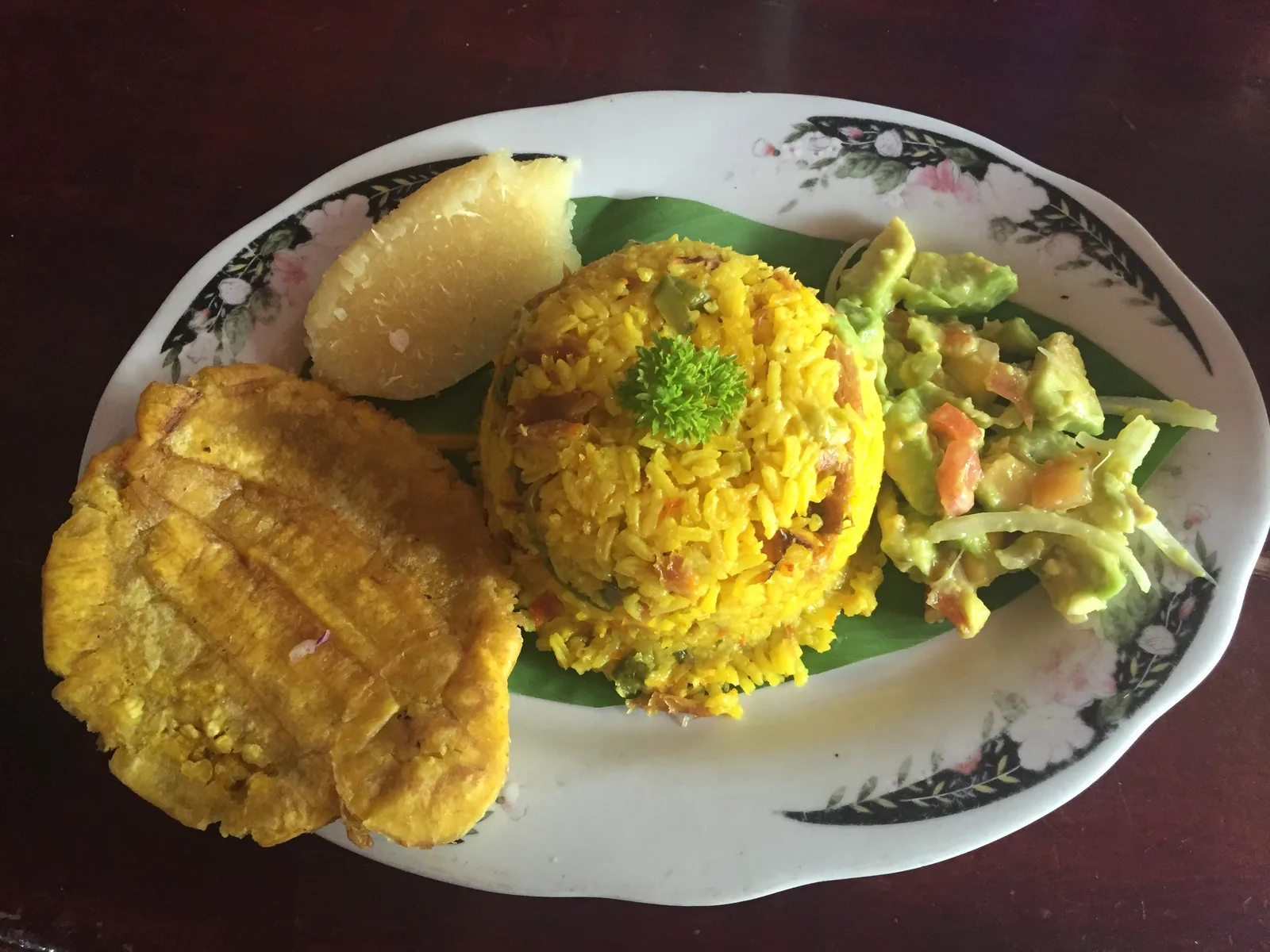
A mound of golden arroz de lisa rice with parsley, served with fried plantain, avocado salad and boiled yuca on a banana leaf

Barranquilla Heritage

Photo: Jdvillalobos, CC BY-SA 4.0, via Wikimedia Commons

The Heritage Formulary

Measured Ingredients

Estimated cost: Low — about $3–4 per serving at home (USD)

Barranquilla's salted mullet rice, golden with achiote and cooked in the fish's own broth with coconut milk.

Execution Methodology & Culinary Technique

Step-by-Step Cooking Guide

Active 3h 15m
P

Desalt and poach the lisa, then build the sofrito

2 hours 30 minutes

Rinse the salted lisa and soak it in cold water for 2 hours, changing the water 3 times, then poach it gently in 480 ml of fresh water for 10 minutes. Lift the fish out, keep the cooking liquid, and flake the flesh off the skin and bones with your fingertips. While the fish soaks, rinse the rice, chop the spring onions, tomato and peppers, mince the garlic and chop the cilantro.

Maestro Tip: The fish's cooking liquid is half the dish — it carries the flavour of the lisa into the rice. Never throw it away, and taste it before adding any salt.

  1. 1

    Desalt and poach the lisa

    2 hours 10 minutes Simmering (95°C / 203°F)

    Rinse the salted lisa under cold water, then soak it in a large bowl of cold water for 2 hours, changing the water 3 times so the salt keeps leaching out. Put the fish in a pot with 480 ml of fresh water and poach gently for 10 minutes, until it flakes easily. Lift the fish out, strain and keep the cooking liquid, then flake the flesh with your fingertips, removing skin and all the fine bones.

    Take your time with the bones — lisa has fine pin bones, and a patient hand makes the difference between a good rice and a crunchy one.

    Done when: Fish flakes easily and tastes pleasantly salty, not harsh; the liquid smells of the sea.

  2. 2

    Cook the sofrito

    11 minutes Medium heat (180°C / 350°F)

    Heat the oil in a large, heavy pot over medium heat. Cook the spring onions, tomato, red pepper and sweet pepper for about 5 minutes until softened, then add the garlic, cumin and annatto and cook for 3 minutes more, stirring, until the mixture turns brick-red and smells sweet. Fold in the flaked lisa and cook for 3 minutes so the fish takes on the sofrito.

    Do not rush the sofrito — the achiote needs a few minutes in the hot oil to give the rice its golden-red colour.

    Done when: Sofrito is soft, brick-red and fragrant, with the flaked fish mixed through.

  3. 3

    Toast the rice and add the liquids

    5 minutes Medium heat (180°C / 350°F)

    Add the drained rice to the pot and stir for about 3 minutes, coating every grain in the sofrito until it looks glossy. Pour in the 480 ml of reserved fish liquid and the coconut milk, add the salt only after tasting, and stir once.

    Taste the liquid now — it should be well seasoned but not salty, because the rice concentrates the salt as it cooks.

    Done when: Rice grains are glossy and coated in the red-orange sofrito; the liquid is golden.

  4. 4

    Simmer, covered

    25 minutes Simmering (95°C / 203°F)

    Bring the pot to a boil, then cover with a tight lid, lower the heat to the gentlest simmer, and cook for 25 minutes without lifting the lid. The rice should absorb all the liquid and the fish should be cooked through to 63°C (145°F).

    Stir only once before covering — after this the rice must be left alone, or it turns sticky. If your lid is loose, lay a clean tea towel under it to seal the steam in.

    Done when: No liquid is visible on the surface; the rice is tender and golden all the way through.

  5. 5

    Rest and serve on a bijao leaf

    5 minutes Serving hot (above 60°C / 140°F)

    Take the pot off the heat and leave it covered for 5 minutes. Lift the lid, scatter the cilantro over the top and fluff the rice gently with a fork. Serve hot on a bijao or banana leaf, with fried plantain, avocado salad, boiled yuca and a hard-boiled egg on the side, and a spoonful of suero costeño over the top.

    Fluff with a fork, never a spoon — a spoon mashes the grains and the fish.

    Done when: Rice is fluffy and separate, golden-red all the way through, with flakes of lisa in every spoonful.

Finishing Touches & Plating

Serve generous mounds of the golden-red rice on a bijao leaf, with fried plantain, avocado salad, boiled yuca and suero costeño alongside, and lime wedges at the table.

Nutritional Physiology & Benefits

Nutrition

Energy

467

kcal / serving

Protein

23g

Complete AA

Carbs

58g

Complex

Fats

15g

Healthy

Per serving (6 servings · 1 serving ≈ 310 g)
Energy467 kcal
Protein23 g
Carbohydrates58 g
Fat15 g
Fibre2.2 g
Sugar2.0 g
Sodium327 mg
Per 100g
Energy151 kcal
Protein7.2 g
Carbohydrates18.8 g
Fat4.9 g
Fibre0.7 g
Sugar0.6 g
Sodium105 mg

Nutrition values are estimated — calculated from USDA FoodData Central values for the listed ingredients.

Vitamins & minerals: The mullet supplies vitamin D, B12 and selenium, the tomato and peppers add vitamin C and vitamin A, and the coconut milk adds a little iron. All nutrition values are estimated.

A filling, protein-rich meal

With about 22.5 g of protein per serving from the mullet, one plate works as a complete main meal that keeps you full for hours.

Fish, rice and vegetables together

Mullet, rice, tomato, peppers and spring onion cook in one pot, so a single plate covers protein, slow-release carbohydrates and vegetables.

Oily fish and coconut

Mullet is an oily fish that supplies vitamin D, B12 and selenium, and the coconut milk adds a little iron to the pot.

Food Pairings

What to Eat With

To optimize nutrient absorption and elevate the sensory depth, pair with these authentic accompaniments:

Sides

Fried plantain (patacón)

Crisp, salty patacón is the classic partner — its crunch contrasts with the soft rice, and its saltiness echoes the fish.

Bollo de yuca and suero costeño

A piece of bollo de yuca to scoop with, and a spoonful of tangy suero costeño over the rice, are how Barranquilla eats it — the sour cream lifts the whole plate.

Vegetables

Avocado salad

Cool avocado with tomato and onion cuts through the richness of the coconut rice and gives the plate freshness.

Drinks

Agua de panela or coconut lemonade

A cold, lightly sweet drink refreshes the palate between bites of the warm, salty rice and keeps the meal from feeling heavy.

Complete menu

Serve the arroz de lisa as the main plate on a bijao leaf with fried plantain, avocado salad, boiled yuca and suero costeño, and agua de panela to drink.

Digestive Guardrails

What NOT to Combine

To prevent digestive distress, sluggishness, or palate clash, avoid pairing the dish with these elements:

Very salty side dishes

The lisa is a salted fish, so the rice already carries salt even after desalting. Pairing it with salty cured meats, salty cheese or extra soy sauce can push sodium far higher, which is a concern for blood pressure. This is general information, not medical advice — ask a clinician about your own sodium limits.

Heavy fried foods on the side

The rice is already rich and filling at about 467 calories per serving. Adding large portions of fried food on top of it makes the meal very heavy and hard to digest. A light salad balances the plate better. This is general information, not medical advice.

General information only, not medical advice — consult a doctor for personal dietary decisions.

Who Should Eat It

Who Should Eat

  • General adultsA complete, satisfying meal in one bowl. Enjoy a normal portion and balance the rest of the day with lighter foods, since the dish is filling and salty.
  • ChildrenSuitable from about age 2 in small portions with the fish checked carefully for bones and the rice cooled a little. Skip the hot sauce and go easy on the salt for young children.
  • ElderlyGood for appetite and protein, and the soft rice is easy to chew. Serve the fish well flaked with no bones, and keep portions moderate because the dish is salty.
  • Pregnant womenSafe when the fish is fully cooked through — to 63°C (145°F) — and the dish is served piping hot. The salt means small portions are wiser; ask your clinician if you have pregnancy-related blood pressure concerns.
  • Breastfeeding womenA nourishing, energy-dense meal that fits well during breastfeeding. Drink water alongside it and keep portions moderate because of the salt.
  • AthletesGood after a hard session: about 22.5 g of protein and 58.3 g of carbohydrates per serving help recovery. Add a salad and fried plantain on the side if you need more energy.
  • Weight gainA good choice — energy-dense, protein-rich and easy to eat in a large portion. Add a full side salad and fried plantains to raise the calories further.
  • Weight lossWorkable at about 467 calories a serving, but the rice is easy to overeat. Take a smaller portion, load it with fish and vegetables, and skip second helpings if you are counting calories.

Health Conditions — Adjust or Avoid

Conditions

  • DiabetesThe rice adds about 58.3 g of carbohydrates per serving, so portion size matters and blood sugar should be monitored. A smaller portion with more fish and vegetables helps; ask your clinician or dietitian for a portion that fits your plan.
  • High blood pressureAt about 327 mg of sodium per serving, this is a moderately salty dish — the salted fish brings salt even after desalting. Go easy on added salt and keep portions moderate. Ask your clinician about your sodium limit.
  • Kidney diseaseThe dish is high in protein and potassium, which may need limiting in kidney disease. This dish may not fit a renal diet — ask your clinician or renal dietitian before eating it.
  • GoutFish is moderate in purines, and the dish has no organ meats or sausage. People prone to gout should still keep portions moderate and not eat it every day; ask your clinician for personal guidance.
  • Stomach issuesA savoury fish rice with tomato and peppers can trigger reflux in sensitive stomachs. Eat a small portion, skip the hot sauce, and avoid it during a flare-up; ask your clinician if symptoms persist.
  • Cardiovascular diseaseThe dish uses fish and vegetable oil rather than sausage or pork, so saturated fat is modest, but it is salty. Occasional normal portions fit most heart-healthy patterns; ask your clinician about your sodium and portion limits.
  • Fatty liverA fish-and-rice dish with modest fat is a reasonable choice, but the rice adds up. Keep the portion moderate and load the plate with extra vegetables; ask your clinician or dietitian for guidance.
  • Food allergiesContains fish (mullet). The dish itself is free of gluten, egg, milk, nuts and shellfish, but check any stock cube or hot sauce for added allergens. If you have a food allergy, confirm every ingredient before eating.
  • Special therapeutic dietsNaturally gluten-free and dairy-free, which suits several therapeutic patterns, but the salt and rice need adjusting for renal, diabetic or low-sodium plans. Ask your clinician or dietitian to adapt the portion for your diet.

If you have a medical condition, consult your doctor before changing your diet.

Storage & Use

Storage & Use

How to store
Cool quickly and store in an airtight container.
In the fridge
3–4 days in the refrigerator.
In the freezer
Up to 3 months in airtight containers; the rice softens slightly after freezing.
How to reheat
Reheat gently in a covered pan or microwave with a splash of water until steaming hot throughout, to 74°C (165°F).
Freezing recommended
Yes, up to 3 months; freeze in single portions for easy reheating.
Signs it has spoiled
Sour or off smell, slimy texture on the fish or rice, or mould on the surface.

More recipes to explore

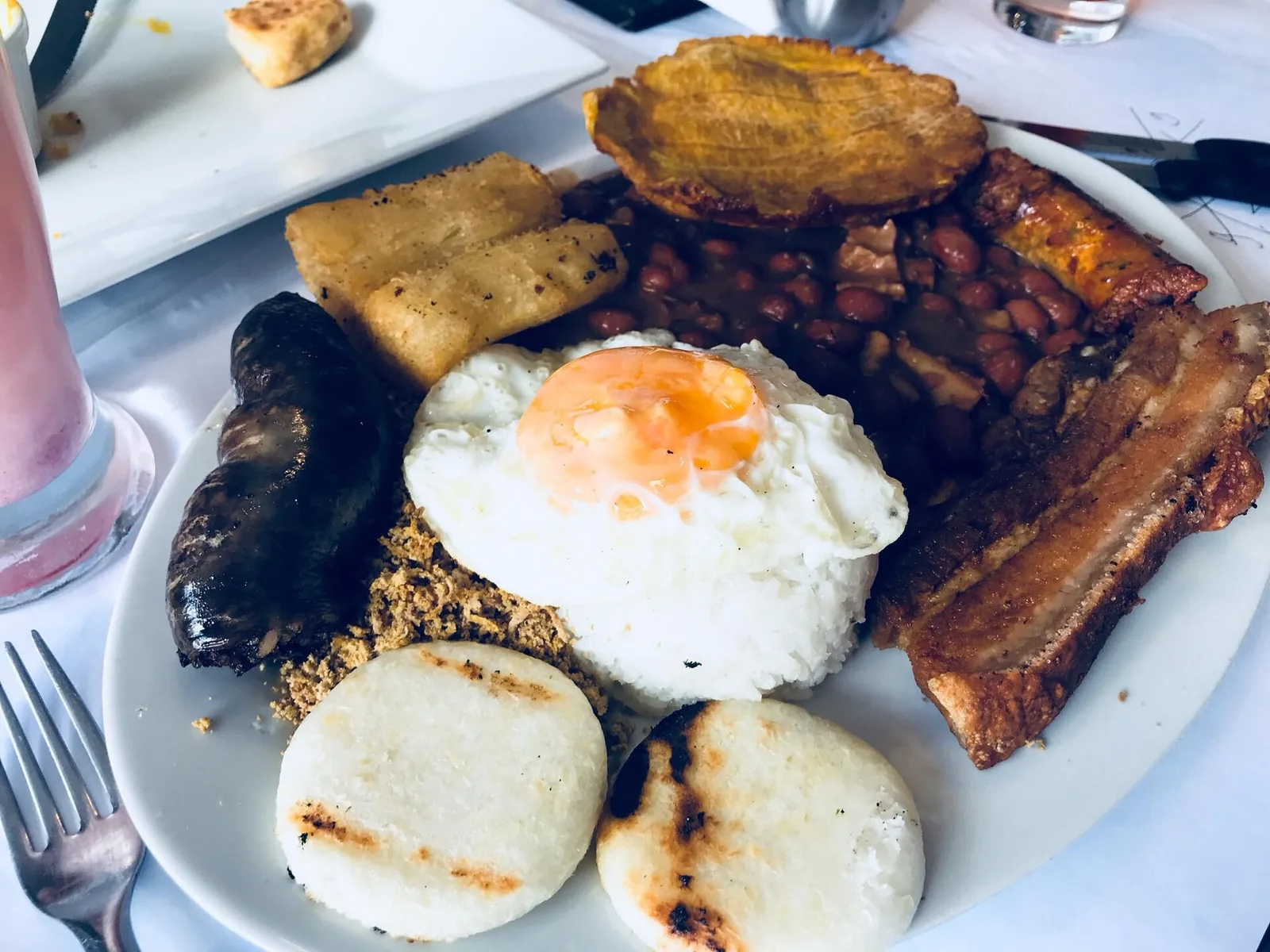
Bandeja paisa on a white plate with red beans, white rice, a fried egg, chicharrón, morcilla, chorizo, fried plantain and two small arepas Colombia flag Colombia 2h
Lunch •Antioquia Heritage

Bandeja Paisa

This bandeja paisa recipe builds the famous platter from Antioquia: red beans simmered with pork, white rice, crisp chicharrón, seasoned ground beef, chorizo and morcilla, a fried egg, sweet fried plantain, avocado, hogao sauce and a small grilled arepa. Every part is cooked separately, then piled onto one wide plate so each bite can mix a little of everything. One serving is about 894 g.

Hearty & Filling

A generous Antioquia platter of beans, rice, meats, egg, plantain and avocado, built to fuel a long working day.

Pairs Well With
A cold glass of panela lemonade or a light lager, with a small green salad on the side.
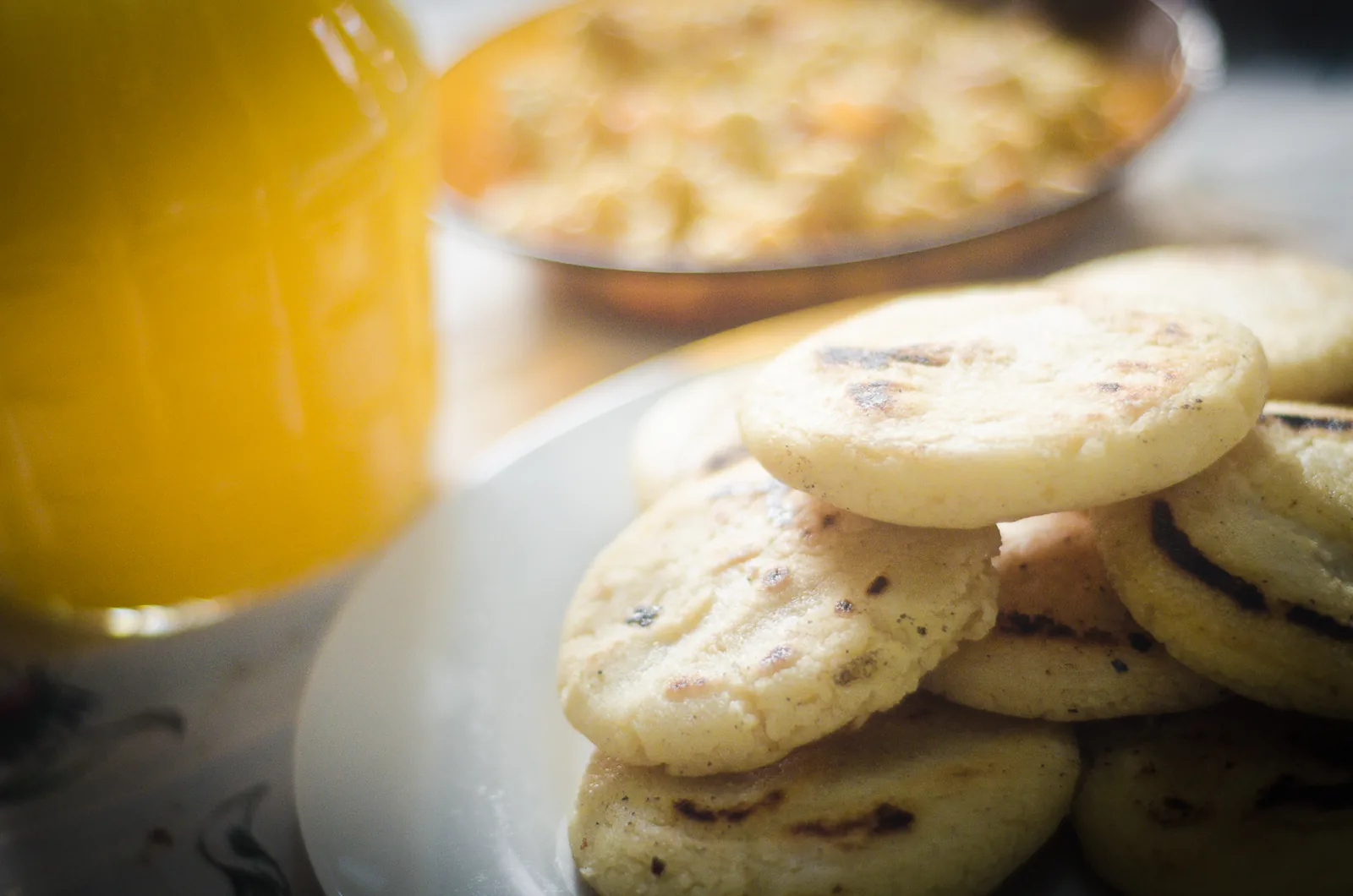
A stack of golden grilled Colombian arepas on a white plate, with a glass of orange juice beside them Colombia flag Colombia 35m
Breakfast •Andean Heritage

Colombian Arepas

This Colombian arepas recipe turns pre-cooked white cornmeal, warm water, butter and cheese into round corn cakes that are grilled until crisp outside and soft inside. The cheese is kneaded right into the dough, so every bite is savoury and gently melty. Colombian arepas are thinner and plainer than the stuffed Venezuelan kind: they are a breakfast bread, split open and filled at the table. One serving is about 220 g, two arepas.

Comfort & Warmth

Golden grilled corn cakes made from white masarepa, with melting cheese kneaded into the dough.

Pairs Well With
Hot chocolate or coffee, with butter and a slice of fresh cheese on the side.
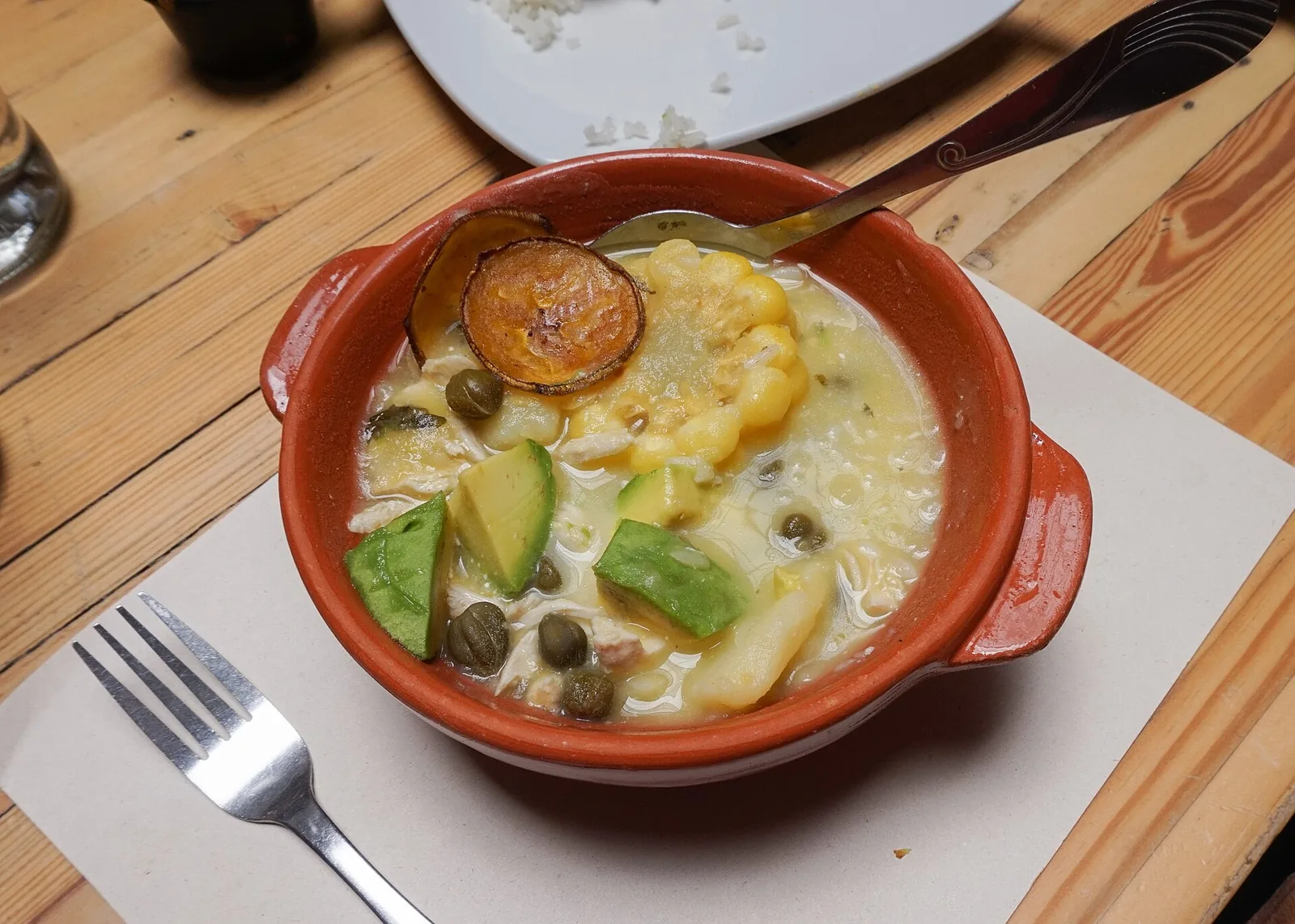
A bowl of ajiaco in a clay bowl, thick golden soup with corn, avocado, capers and shredded chicken Colombia flag Colombia 1h 30m
Lunch •Bogotá Heritage

Ajiaco

This ajiaco recipe is Bogotá's signature soup: chicken simmered with corn on the cob and three kinds of potato — pastusa, sabanera and criolla — until the criolla melts and thickens the broth golden. The herb guascas gives it its unmistakable earthy flavour, and every bowl is finished at the table with heavy cream, briny capers and sliced avocado. One serving is about 750 g, soup and toppings together.

Comfort & Warmth

Bogotá's thick chicken and potato soup, flavoured with guascas and served with cream, capers and avocado.

Pairs Well With
White rice and a small side salad, with the cream, capers and avocado passed around the table.
Soups & Broths
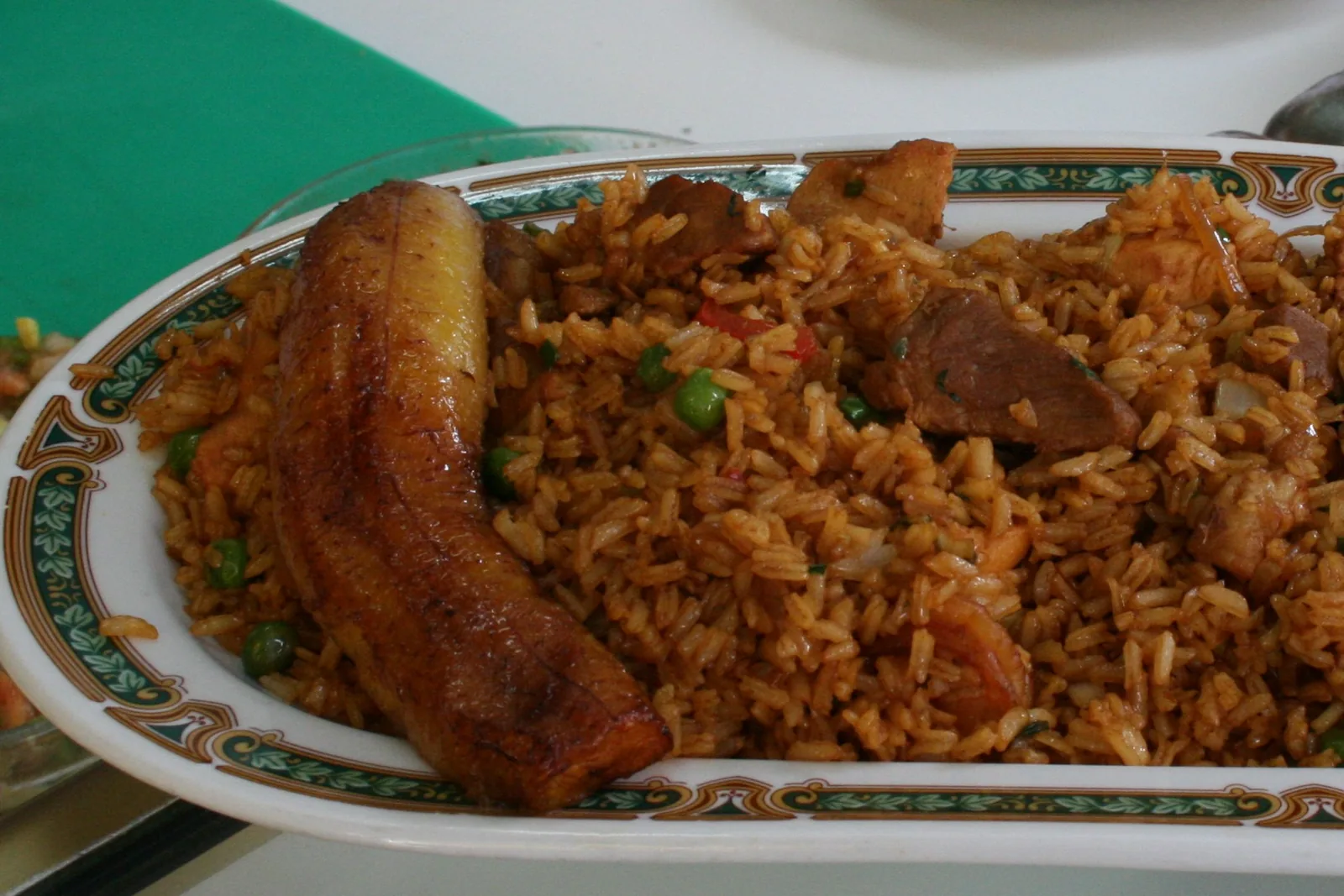
A platter of lechona with golden rice, roast pork pieces, green peas and a fried plantain Colombia flag Colombia 6h
Dinner •Tolima Heritage

Lechona

Lechona is Tolima's great festive roast: a deboned pig — here a pork shoulder with its skin — stuffed with rice and peas, sewn shut and roasted for hours until the meat is spoon-tender and the skin crackles. It is served chopped, a spoon of golden rice with every piece of pork, with arepas and fried plantain on the side. One serving is about 444 g.

Festive & Filling

Pork shoulder stuffed with rice and peas, roasted for hours until the meat is tender and the skin crackles.

Pairs Well With
White arepas, fried plantain and a cold beer
High Protein

The Dinner Gazette

Never wonder what’s for dinner again

One email a week with easy dinner ideas from around the world — ingredients, steps and nutrition, tested in our kitchen first.

Delivered every Thursday morning. Unsubscribe anytime.