Curated recipes from 193 countries  •  New seasonal Mediterranean issue out now

Overview

Lechona

Lechona Tolimense, Tolima Roast Pig, Colombian Stuffed Roast Pig

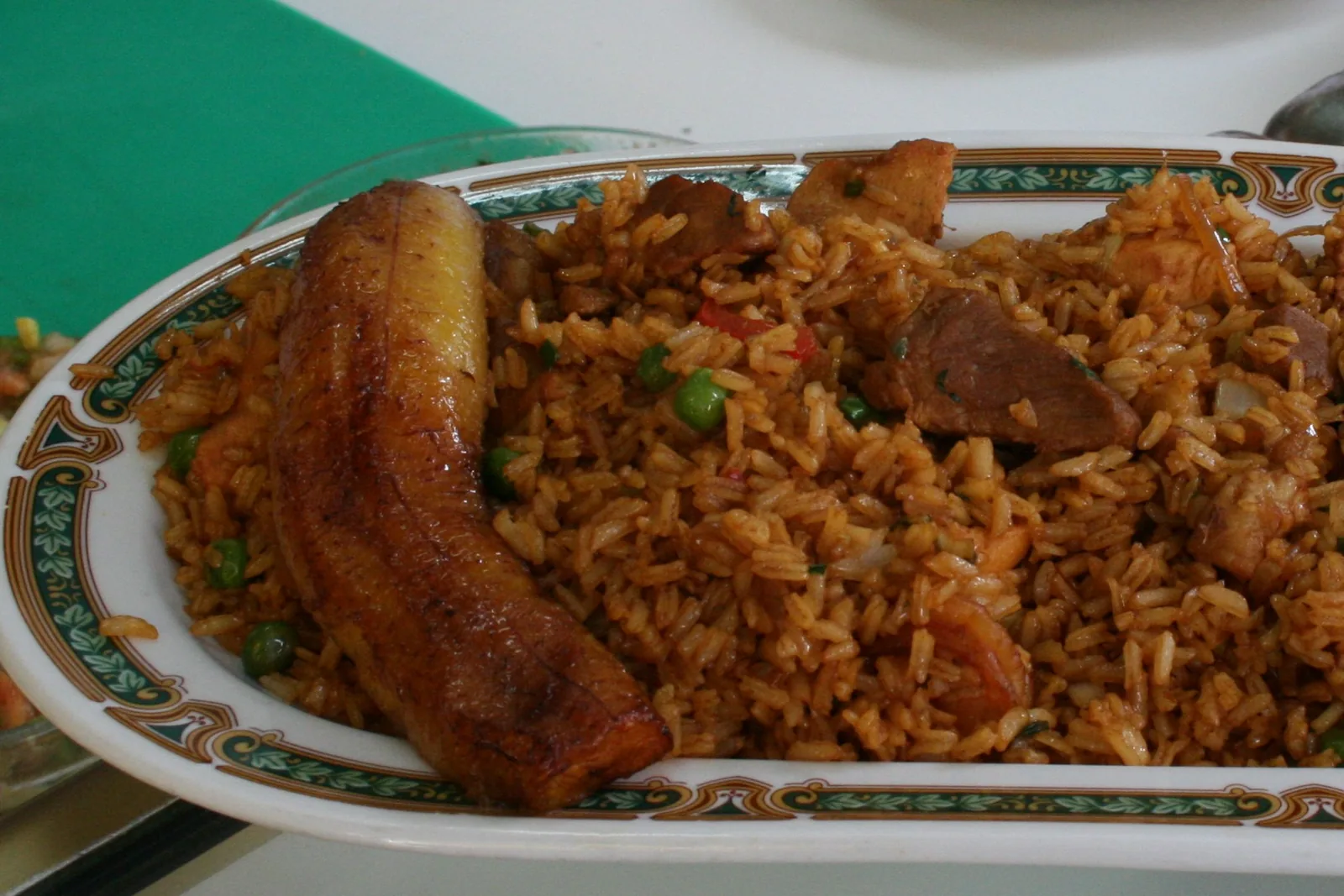
Lechona is Tolima's great festive roast: a deboned pig — here a pork shoulder with its skin — stuffed with rice and peas, sewn shut and roasted for hours until the meat is spoon-tender and the skin crackles. It is served chopped, a spoon of golden rice with every piece of pork, with arepas and fried plantain on the side. One serving is about 444 g.

Lechona comes from Tolima, in central Colombia, where a whole deboned pig stuffed with rice and peas is the centrepiece of festivals, weddings and Christmas. The dish travelled from the Spanish roast pig tradition and took on local rice, peas and cumin, and today a lechona stall at a town fair is one of the most familiar sights in Colombia. Home cooks who cannot roast a whole pig make it with a shoulder, as this recipe does, and the result is the same celebration on a smaller scale.

Pairs well with: White arepas, fried plantain and a cold beer

Provenance

Colombia flag Colombia

Tolima Heritage

Latin America & Caribbean

Time Dedication

6h

45m prep • 315m cook

Batch Yield

10 Servings

863 kcal per serving

1 serving ≈ 444 g

Technical Skill

Advanced

Hard (Festive Roast)

Meal Timing & Digestive Fit

Breakfast

Not Advised

Lunch

Hearty Midday Main

Dinner

Ideal Hearty Main

Snack & Tea

Inappropriate

High Protein Occasions: Festivals, weddings, Christmas, family celebrations, town fairs Cost: Medium — about $5–6 per serving at home
A platter of lechona with golden rice, roast pork pieces, green peas and a fried plantain

Tolima Heritage

Photo: Tamorlan, CC BY-SA 3.0, via Wikimedia Commons

The Heritage Formulary

Measured Ingredients

Estimated cost: Medium — about $5–6 per serving at home (USD)

A good lechona is judged by two things: meat so tender it falls apart, and skin that shatters when you tap it.

Execution Methodology & Culinary Technique

Step-by-Step Cooking Guide

Active 6h
P

Prep Stage: Rice, Season & Stuff

45 Mins • Stuffing & Tying

Cook the rice and peas first and let them cool — hot rice steams the stuffing soggy. While they cool, season the pork inside and out with garlic, salt, cumin and pepper, cook the onion soft, and mix the stuffing. Then lay the pork skin-side down, pile the stuffing in, roll it up and tie it firmly with kitchen string.

Maestro Tip: Cool the rice completely before stuffing: warm rice makes the pork sweat inside and the skin never crisps properly.

  1. 1

    Cook the Rice and Peas

    25 Mins Boiling water, 100°C (212°F)

    Cook 500 g of dry rice in salted water until just tender, about 18 minutes, then drain and spread it on a tray to cool. Boil the peas for 3 minutes, drain and cool them the same way. The rice must be completely cool before it goes near the pork.

    Spread the rice thin on a tray: it cools in minutes instead of steaming itself soft in a pile.

    Done when: Rice tender but separate, peas bright green, both fully cool.

  2. 2

    Season the Pork and Mix the Stuffing

    20 Mins Medium heat, about 160°C (320°F)

    Heat the oil in a pan and cook the onion with half the garlic for 5 minutes until soft. Tip into a big bowl with the cooled rice and peas, the cumin and half the salt and pepper, and mix well. Rub the rest of the garlic, salt and pepper all over the pork, inside and out, and rub the lard over the skin.

    Taste the stuffing and season it boldly — it is the only seasoning the rice will ever get.

    Done when: Stuffing well mixed and well seasoned; pork rubbed all over, skin glossy with lard.

  3. 3

    Stuff, Sew and Tie the Roast

    25 Mins No cooking heat; work at room temperature, about 20°C (68°F)

    Lay the pork skin-side down and spread the stuffing over it in an even layer, leaving a 3 cm border. Roll it up tightly, tucking the stuffing in as you go, then tie it firmly with kitchen string every 8 cm. Fold the ends in and tie them too, so no rice escapes during the long roast.

    Tie it tighter than you think: the stuffing swells as it cooks, and a loose roll bursts open in the oven.

    Done when: A firm, even roll with no stuffing poking out and string holding it at every interval.

  4. 4

    Roast Low and Slow

    240 Mins Oven, 180°C (350°F)

    Place the roll seam-side down in a deep roasting tray, add 250 ml of water to the tray, and cover tightly with foil. Roast at 180°C (350°F) for 4 hours, until the meat is spoon-tender and a thermometer in the centre of the stuffing reads 74°C (165°F). Baste once an hour with the tray juices.

    Keep the foil tight for the whole 4 hours: it is the steam inside that makes the meat fall apart.

    Done when: Meat tender enough to pull with a fork; stuffing centre at 74°C (165°F).

  5. 5

    Crisp the Skin

    30 Mins Oven, 220°C (425°F)

    Remove the foil, brush the skin with the tray juices, and raise the oven to 220°C (425°F). Roast for 30 minutes more, until the skin is deep golden and crackles when tapped. If any spot stays soft, give it a few minutes under the grill, watching it constantly.

    Dry skin crisps, wet skin steams: pat the skin dry with paper before this last blast of heat.

    Done when: Skin deep golden, hard and crackling, with no soft or pale patches.

  6. 6

    Rest and Carve

    20 Mins Rest at room temperature, about 20°C (68°F)

    Lift the roll out, tent it loosely with foil and rest it for 20 minutes so the juices settle. Cut away the string, slice the roll thickly, and chop the slices into bite-sized pieces, mixing a little crispy skin into each portion. Serve each plate with a spoon of the golden stuffing rice.

    Resting is not optional: carving hot sends the juices running out and leaves the meat dry.

    Done when: Slices holding their shape, skin still crisp, rice golden and steaming.

Finishing Touches & Plating

Serve it family-style on a big platter, chopped and mixed, with the crackling broken over the top — lechona is a celebration dish, and it should arrive at the table looking like one.

Nutritional Physiology & Benefits

Nutrition

Energy

863

kcal / serving

Protein

48g

Complete AA

Carbs

44g

Complex

Fats

54g

Healthy

Per serving (10 servings · 1 serving ≈ 444 g)
Energy863 kcal
Protein48 g
Carbohydrates44 g
Fat54 g
Fibre2.7 g
Sugar2.7 g
Sodium642 mg
Per 100g
Energy194 kcal
Protein10.8 g
Carbohydrates10 g
Fat12 g
Fibre0.6 g
Sugar0.6 g
Sodium145 mg

Nutrition values are estimated — calculated from USDA FoodData Central values for the listed ingredients.

Vitamins & minerals: Pork provides B vitamins, selenium and zinc, peas add vitamin K and folate, and the rice supplies B vitamins. All nutrition values are estimated.

Very High in Protein

About 47.9 g of protein per serving from pork and peas — a plate built to keep a crowd full for hours.

Peas and Rice Round It Out

The peas add fibre, folate and vitamin K to the plate, while the rice turns a roast into a complete, satisfying meal.

One Roast Feeds Ten

A single tray, a long slow roast, and ten generous servings — the kind of cooking that lets the host sit down with the guests.

Food Pairings

What to Eat With

To optimize nutrient absorption and elevate the sensory depth, pair with these authentic accompaniments:

Sides

White Arepas

Soft, plain arepas are the traditional partner: they scoop up the rice and pork juices without competing with them.

Vegetables

Fried Plantain

Sweet fried plantain is the classic sweet note against the salty, rich pork — the contrast is what makes the plate work.

Drinks

Aguapanela or Lemonade

A cold, lightly sweet drink refreshes the palate between rich, salty bites and keeps the meal from feeling heavy.

Cold Beer

A cold lager cuts through the pork fat and crackling and is the drink most Colombians reach for with lechona.

Full Menus

Full Menu: Lechona, Arepas and Plantain

Start with arepas and hogao, serve the lechona family-style with fried plantain, and finish with panela sweets and coffee.

Complete menu

Lechona served family-style with white arepas, fried plantain and cold beer — the classic Tolima celebration meal.

Digestive Guardrails

What NOT to Combine

To prevent digestive distress, sluggishness, or palate clash, avoid pairing the dish with these elements:

Stuffing Warm Rice into the Pork

Warm rice steams inside the roll and turns the stuffing to mush while the skin stays soft. Cool it completely first. This is general food information, not medical advice.

Skipping the Rest Before Carving

Cutting into the roast straight from the oven lets the juices run out and dries the meat. Twenty minutes of rest keeps it moist. This is general food information, not medical advice.

Undercooking the Stuffing

Rice stuffed inside meat must reach 74°C (165°F) in the centre to be safe. Check it with a thermometer — time alone is not enough. This is general food information, not medical advice.

General information only, not medical advice — consult a doctor for personal dietary decisions.

Who Should Eat It

Who Should Eat

  • General adultsA rich, festive dinner for most adults; one generous serving is a full meal, so keep the rest of the day light.
  • ChildrenKids love the rice and tender pork; give them a portion with more rice and less crackling, and cut the skin small.
  • ElderlyThe meat is spoon-tender and the rice is soft, so it is easy to eat; the portion is rich and salty, so keep it as stated.
  • Pregnant womenThe pork and stuffing are cooked right through to 74°C (165°F), which is the safe way to eat it in pregnancy; serve it freshly made and hot. Ask your clinician if unsure.
  • Breastfeeding womenA filling, energy-rich dinner for nursing mothers; the protein and rice make it a satisfying plate after a long day.
  • AthletesAbout 47.9 g of protein with rice for carbohydrate makes it a strong recovery dinner; the crackling adds fat, so keep the portion as stated.
  • Weight gainAn energy-dense plate at 863 calories; a second helping of rice or crackling raises it further.
  • Weight lossA heavy plate, so keep the portion as stated, skip a second helping, and save it for a day when dinner is your main meal.

Health Conditions — Adjust or Avoid

Conditions

  • DiabetesAbout 44.2 g of carbohydrate per serving, mostly from the rice stuffing; keep the rice portion as stated and skip a second helping. Ask your clinician about portions.
  • High blood pressureSodium is about 642 mg per serving, mostly from salt and the pork; use less salt in the stuffing if you need to. Ask your clinician about portions.
  • Kidney diseasePork is high in protein and sodium; keep the portion small and infrequent. Ask your clinician.
  • GoutPork and peas can be high in purines; a smaller portion now and then is usually better than a full plate. Ask your clinician.
  • Stomach issuesThe rich, fatty pork and crackling can sit heavily on a sensitive stomach; eat a small portion with more rice and less skin. Ask your clinician if unsure.
  • Cardiovascular diseaseThe roast is rich in saturated fat from pork and lard, so this is a sometimes dish rather than an everyday one. Ask your clinician about portions.
  • Fatty liverA rich, energy-dense plate; using less lard and more peas in the stuffing lightens it. Ask your clinician about portions.
  • Food allergiesContains no common allergens as written, apart from the pork itself. Check that no guest has a pork allergy before serving.
  • Special therapeutic dietsNot suitable for low-protein therapeutic diets as written. The rice and peas alone can be served, but that changes the dish; ask your clinician.

If you have a medical condition, consult your doctor before changing your diet.

Storage & Use

Storage & Use

How to store
Store the meat and rice together in sealed containers in the fridge; keep the crackling separate so it stays crisp.
In the fridge
Up to 3 days at 4°C (40°F) or below in a sealed container.
In the freezer
Freeze the meat and rice for up to 2 months at -18°C (0°F); the crackling does not freeze well.
How to reheat
Reheat in a covered dish in the oven at 180°C (350°F) until steaming and 74°C (165°F) throughout; crisp the skin under the grill for a few minutes. Do not microwave the crackling.
Freezing recommended
Partly — freeze the meat and rice only; eat the crackling fresh.
Signs it has spoiled
Sour or off smell, slimy pork, or any mould — throw it away.

More recipes to explore

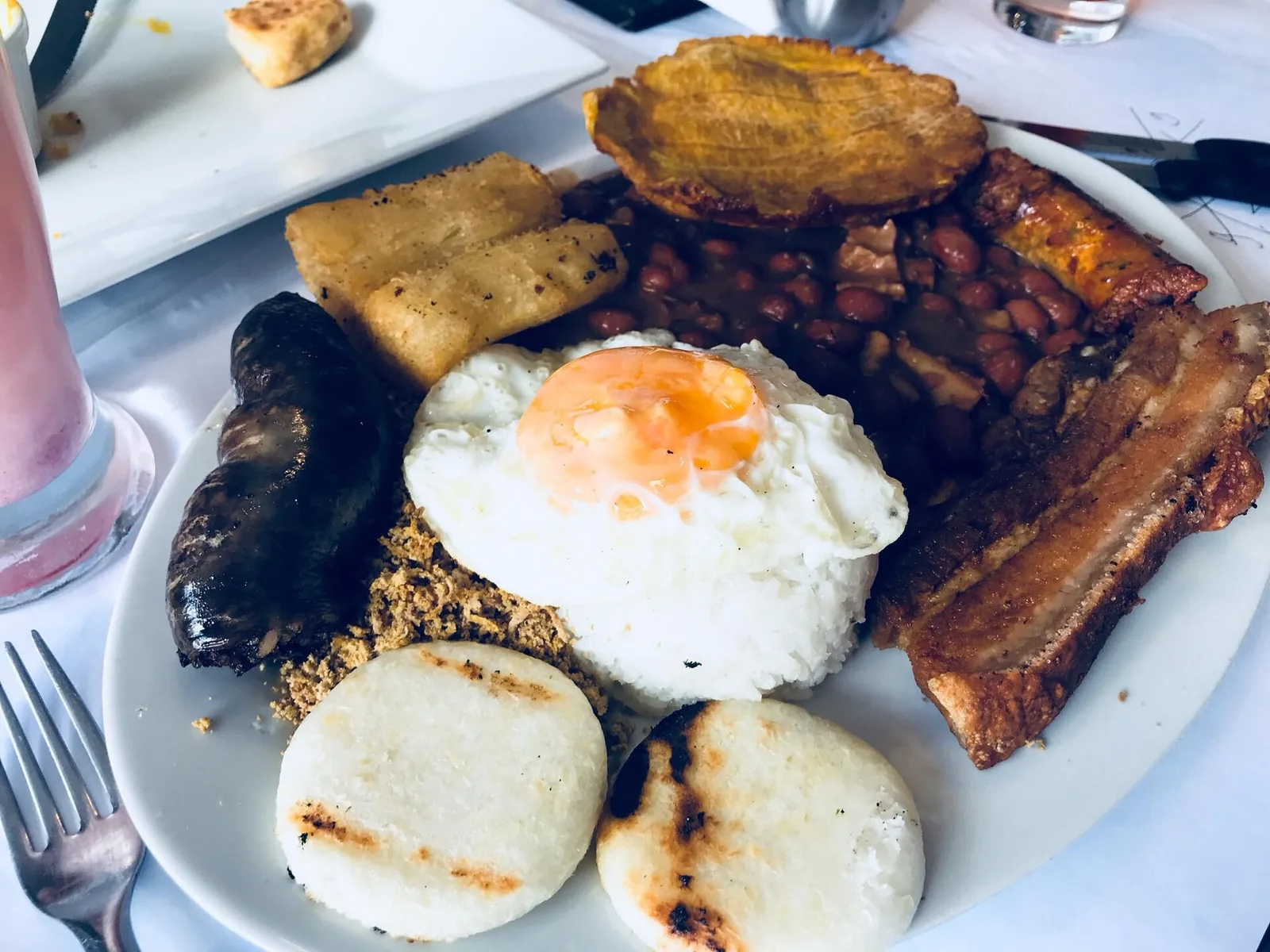
Bandeja paisa on a white plate with red beans, white rice, a fried egg, chicharrón, morcilla, chorizo, fried plantain and two small arepas Colombia flag Colombia 2h
Lunch •Antioquia Heritage

Bandeja Paisa

This bandeja paisa recipe builds the famous platter from Antioquia: red beans simmered with pork, white rice, crisp chicharrón, seasoned ground beef, chorizo and morcilla, a fried egg, sweet fried plantain, avocado, hogao sauce and a small grilled arepa. Every part is cooked separately, then piled onto one wide plate so each bite can mix a little of everything. One serving is about 894 g.

Hearty & Filling

A generous Antioquia platter of beans, rice, meats, egg, plantain and avocado, built to fuel a long working day.

Pairs Well With
A cold glass of panela lemonade or a light lager, with a small green salad on the side.
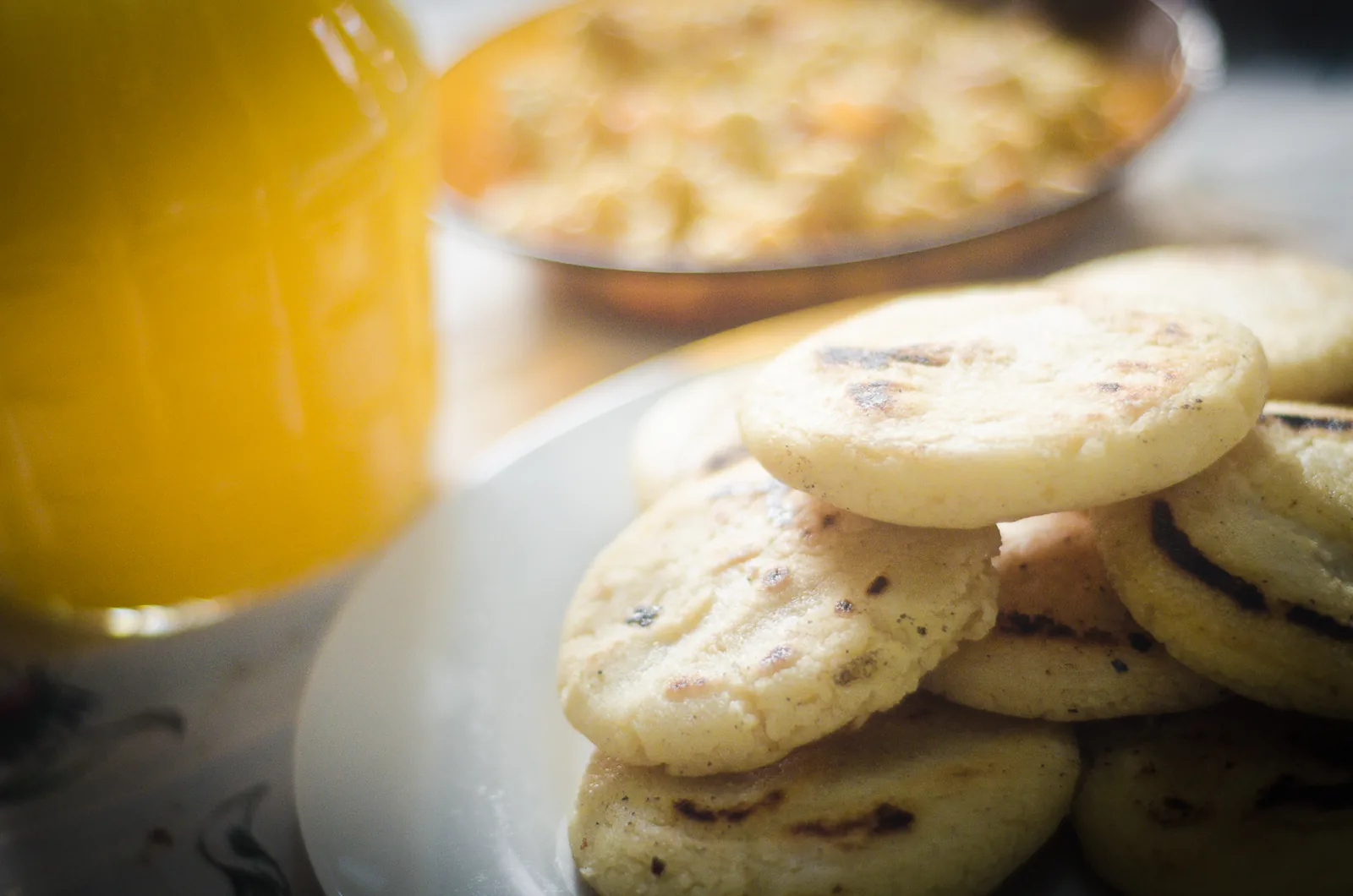
A stack of golden grilled Colombian arepas on a white plate, with a glass of orange juice beside them Colombia flag Colombia 35m
Breakfast •Andean Heritage

Colombian Arepas

This Colombian arepas recipe turns pre-cooked white cornmeal, warm water, butter and cheese into round corn cakes that are grilled until crisp outside and soft inside. The cheese is kneaded right into the dough, so every bite is savoury and gently melty. Colombian arepas are thinner and plainer than the stuffed Venezuelan kind: they are a breakfast bread, split open and filled at the table. One serving is about 220 g, two arepas.

Comfort & Warmth

Golden grilled corn cakes made from white masarepa, with melting cheese kneaded into the dough.

Pairs Well With
Hot chocolate or coffee, with butter and a slice of fresh cheese on the side.
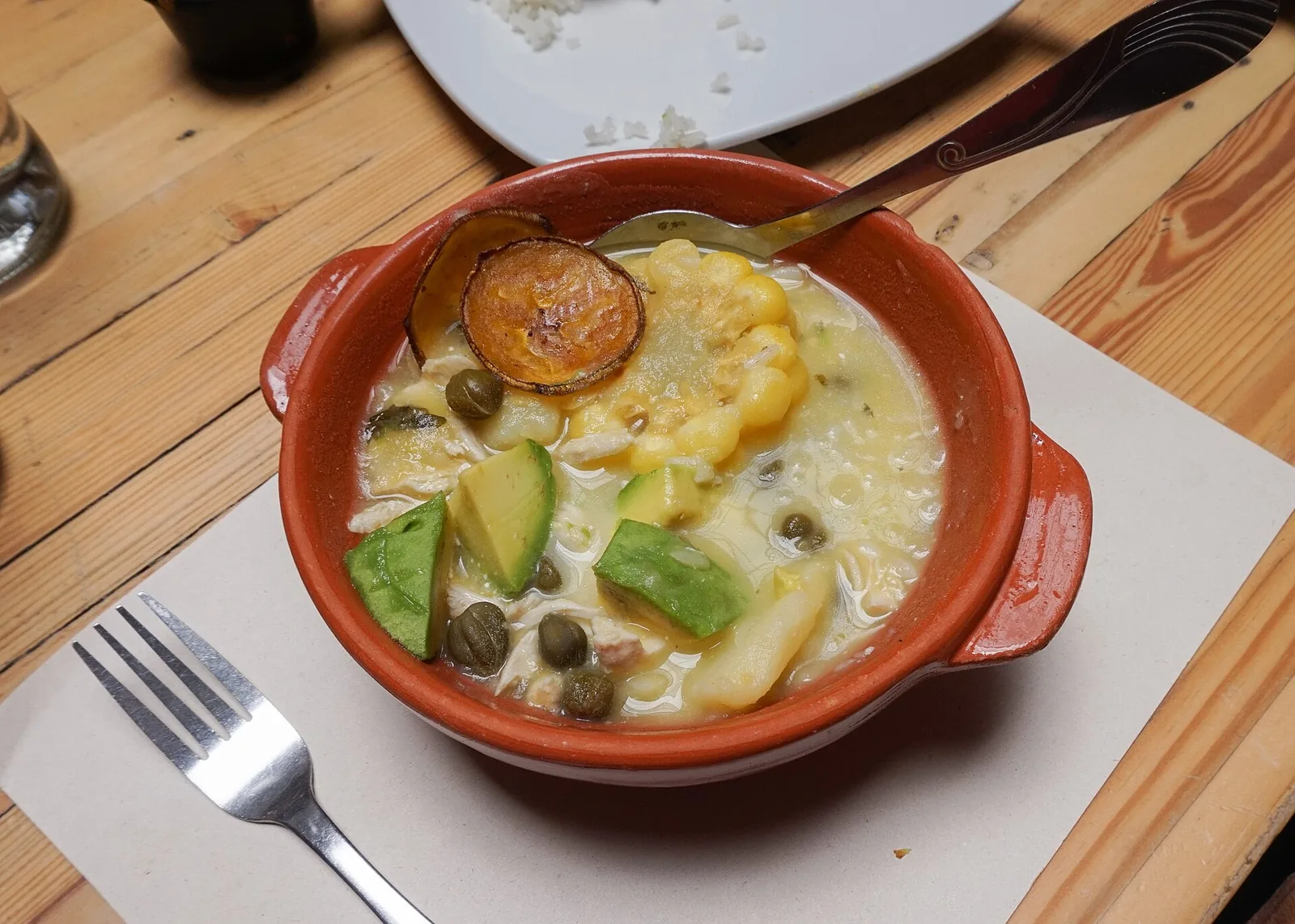
A bowl of ajiaco in a clay bowl, thick golden soup with corn, avocado, capers and shredded chicken Colombia flag Colombia 1h 30m
Lunch •Bogotá Heritage

Ajiaco

This ajiaco recipe is Bogotá's signature soup: chicken simmered with corn on the cob and three kinds of potato — pastusa, sabanera and criolla — until the criolla melts and thickens the broth golden. The herb guascas gives it its unmistakable earthy flavour, and every bowl is finished at the table with heavy cream, briny capers and sliced avocado. One serving is about 750 g, soup and toppings together.

Comfort & Warmth

Bogotá's thick chicken and potato soup, flavoured with guascas and served with cream, capers and avocado.

Pairs Well With
White rice and a small side salad, with the cream, capers and avocado passed around the table.
Soups & Broths
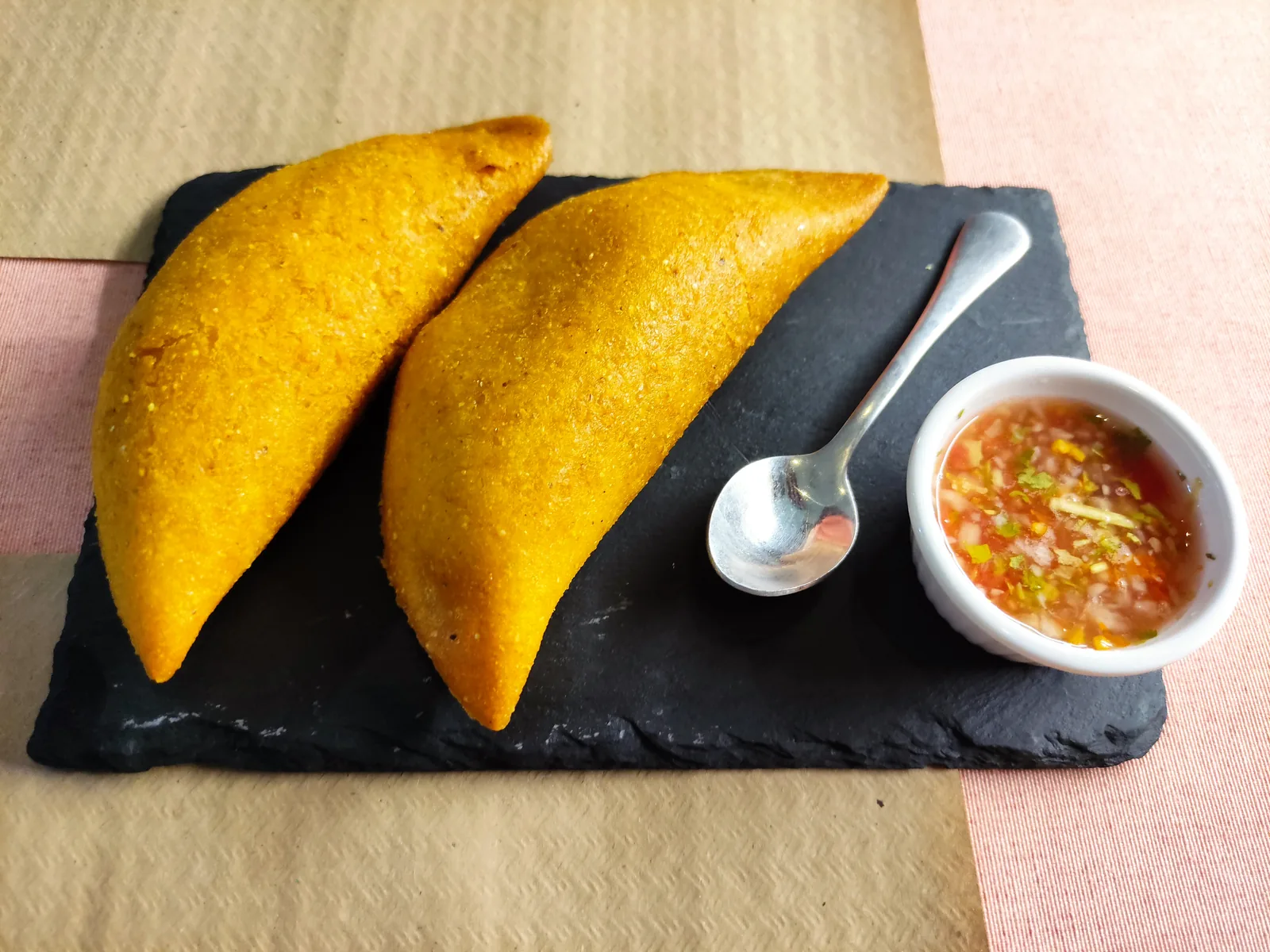
Two golden Colombian empanadas on a black slate with a small bowl of aji sauce and a spoon Colombia flag Colombia 1h 15m
Lunch •Andean Street-Food Classic

Colombian Empanadas

This colombian empanadas recipe fries crisp cornmeal empanadas stuffed with seasoned ground beef and potato, and serves them with a fresh aji sauce. One serving is about 250 g — two empanadas with aji — and carries 459 calories. They are best eaten hot, straight from the oil, with the aji spooned over.

Comfort & Warmth

Crisp golden cornmeal pockets filled with seasoned beef and potato, with a fresh, tangy aji for dipping.

Pairs Well With
Aji sauce and a cold aguapanela or lemonade.

The Dinner Gazette

Never wonder what’s for dinner again

One email a week with easy dinner ideas from around the world — ingredients, steps and nutrition, tested in our kitchen first.

Delivered every Thursday morning. Unsubscribe anytime.