Curated recipes from 193 countries  •  New seasonal Mediterranean issue out now

Overview

Bandeja Paisa

Bandeja Antioqueña, Bandeja Montañera, Paisa Platter

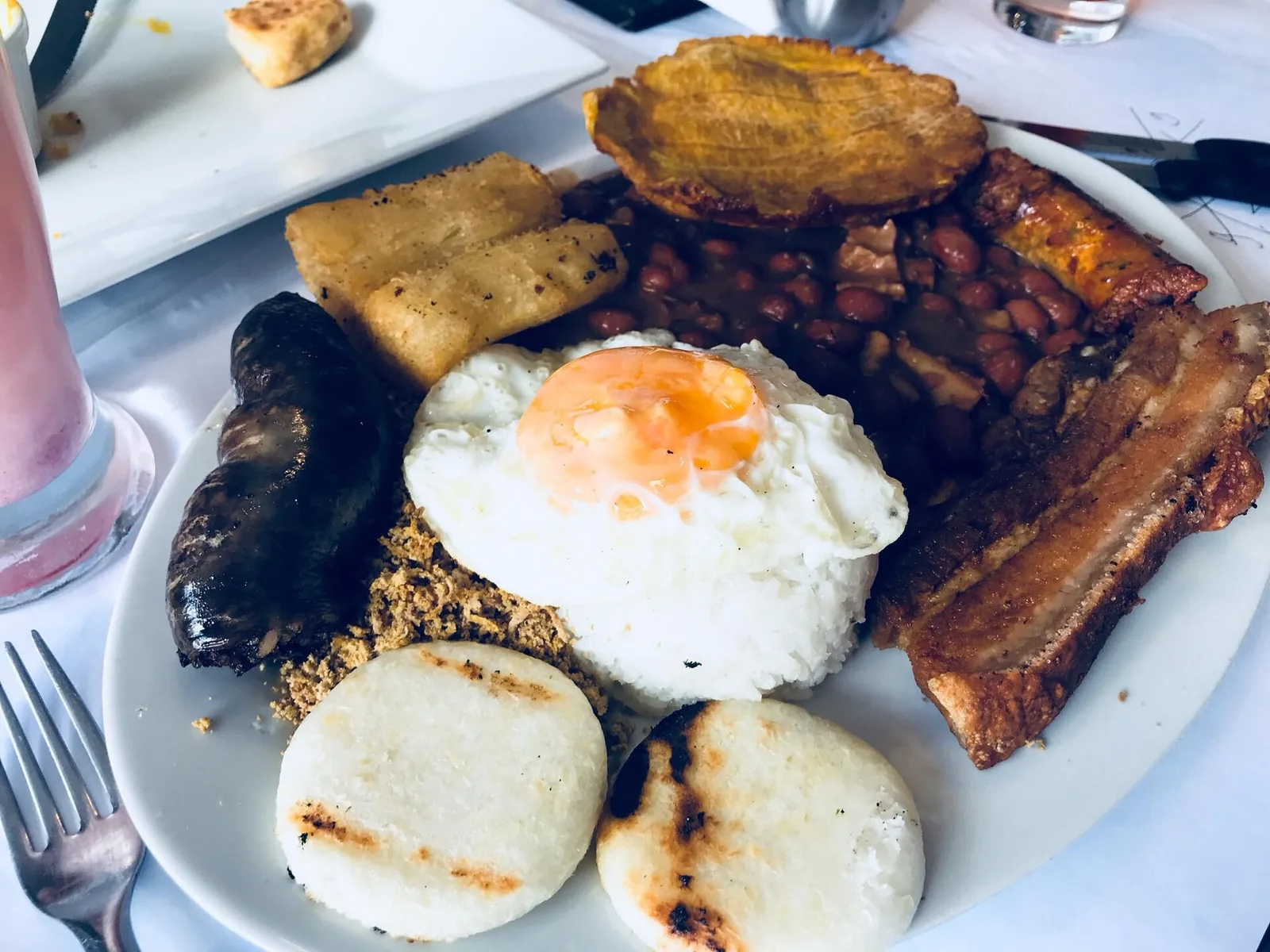
This bandeja paisa recipe builds the famous platter from Antioquia: red beans simmered with pork, white rice, crisp chicharrón, seasoned ground beef, chorizo and morcilla, a fried egg, sweet fried plantain, avocado, hogao sauce and a small grilled arepa. Every part is cooked separately, then piled onto one wide plate so each bite can mix a little of everything. One serving is about 894 g.

Bandeja paisa grew out of the farm meals of Antioquia, in Colombia's Andean highlands, where workers needed one plate that carried beans, rice, several meats, egg, plantain and arepa together. Its name comes from the Paisa people of the region, and the platter is now the best-known dish of Medellín and the coffee country around it. The combination is deliberately generous: each part — the hogao sauce, the crisp chicharrón, the red beans — has its own place on the tray.

Pairs well with: A cold glass of panela lemonade or a light lager, with a small green salad on the side.

Provenance

Colombia flag Colombia

Antioquia Heritage

Latin America & Caribbean

Time Dedication

2h

30m prep • 90m cook

Batch Yield

4 Servings

1785 kcal per serving

1 serving ≈ 894 g

Technical Skill

Advanced

Hard (Big Platter)

Meal Timing & Digestive Fit

Breakfast

Not Advised

Lunch

Prime Metabolic Fit

Dinner

Ideal Hearty Main

Snack & Tea

Inappropriate

Occasions: Weekend family lunches, festive gatherings, a big lunch after outdoor work Cost: Medium — about $6–8 per serving at home
Bandeja paisa on a white plate with red beans, white rice, a fried egg, chicharrón, morcilla, chorizo, fried plantain and two small arepas

Antioquia Heritage

Photo: Edgar Zuniga Jr., CC BY 2.0, via Wikimedia Commons

The Heritage Formulary

Measured Ingredients

Estimated cost: Medium — about $6–8 per serving at home (USD)

Made the traditional way: each part cooked separately, beans simmered with pork, and everything piled hot onto one wide plate.

Execution Methodology & Culinary Technique

Step-by-Step Cooking Guide

Active 2h
P

Prep Stage: Beans, Meats & Hogao

30 Mins • Soaking, Chopping & Seasoning

The night before, soak the beans in cold water. On the day, drain and rinse them, score and cut the pork belly, season the ground beef with garlic, cumin, salt and pepper, and dice the tomato, onion and scallions for the hogao.

Maestro Tip: Start the beans first: they take the longest, and everything else is timed around them.

  1. 1

    Simmer the Beans

    60 Mins Gentle simmer, about 95°C (200°F)

    Put the soaked beans in a large pot with fresh water, half the garlic and a pinch of salt. Simmer gently for about 60 minutes until the beans are tender and the cooking liquid has thickened slightly.

    Do not boil hard: a gentle simmer keeps the skins intact and the broth silky.

    Done when: Beans crush easily between two fingers, skins whole.

  2. 2

    Cook the Rice & Make the Hogao

    25 Mins Medium heat, about 175°C (350°F)

    Cook the rinsed rice in 450 ml water with a pinch of salt until the water is absorbed and the grains are tender, about 20 minutes, then rest it covered. Meanwhile fry the onion, scallion and tomato in 10 ml oil for 8 minutes until soft and jammy, season, and spoon half the hogao into the beans.

    Let the rice rest 5 minutes off the heat before fluffing: the grains finish steaming and stay separate.

    Done when: Rice fluffy and separate; hogao soft, glossy and brick-red.

  3. 3

    Fry the Chicharrón, Chorizo & Morcilla

    25 Mins Medium-high heat, about 190°C (375°F)

    Dry the pork belly strips well, season with salt, and fry skin-side down for about 20 minutes, turning once, until the skin is blistered and crisp and the meat is cooked through. In the same pan, brown the chorizo and morcilla for 8 minutes until heated through and lightly coloured.

    Dry skin is the whole secret: pat the belly very dry and do not crowd the pan, or the skin steams instead of crackling.

    Done when: Skin deeply golden and crackling-crisp; sausages browned outside, hot inside.

  4. 4

    Brown the Ground Beef

    12 Mins Medium-high heat, about 190°C (375°F), to 71°C (160°F)

    Fry the seasoned ground beef in a hot pan, breaking it into small crumbs with a spoon, for about 10 minutes until browned all over and no pink remains. Stir in a spoonful of hogao at the end.

    Spread the beef in a thin layer and leave it alone for a minute before stirring: that is what browns it instead of steaming it.

    Done when: Evenly browned crumbs, no pink, juices clear.

  5. 5

    Fry the Plantain & Eggs

    10 Mins Medium heat, about 175°C (350°F)

    Fry the plantain slices in the remaining oil for about 3 minutes per side until deep golden and caramelised at the edges. Warm the arepas on a dry griddle. Fry the eggs sunny-side up for about 3 minutes until the whites are set and the yolks are still runny.

    Very ripe plantain burns fast, so watch the edges: deep gold is perfect, dark brown is bitter.

    Done when: Plantain golden and soft inside; egg whites set, yolks glossy and runny.

  6. 6

    Build the Platter

    5 Mins Serve hot

    On each wide plate, mound the rice and beans side by side, add the ground beef, a strip of chicharrón, a chorizo and a piece of morcilla, then the fried egg, two plantain slices, avocado and an arepa. Spoon the remaining hogao over the beans.

    Serve everything hot at once: a bandeja paisa is one plate, eaten together, not a row of separate dishes.

    Done when: A full, colourful plate with every component hot and visible.

Finishing Touches & Plating

Serve immediately, while the chicharrón is still crackling and the egg yolk is runny, with hogao on the side for anyone who wants more.
Nutritional Physiology & Benefits

Nutrition

Energy

1785

kcal / serving

Protein

70g

Complete AA

Carbs

134g

Complex

Fats

108g

Healthy

Per serving (4 servings · 1 serving ≈ 894 g)
Energy1785 kcal
Protein70 g
Carbohydrates134 g
Fat108 g
Fibre19.1 g
Sugar14.8 g
Sodium1365 mg
Per 100g
Energy200 kcal
Protein7.8 g
Carbohydrates14.9 g
Fat12.1 g
Fibre2.1 g
Sugar1.7 g
Sodium153 mg

Nutrition values are estimated — calculated from USDA FoodData Central values for the listed ingredients.

Vitamins & minerals: The beans and plantain supply fibre, potassium and folate, the egg adds vitamin B12 and vitamin D, and the avocado adds vitamin E and potassium.

Protein from Many Sources

Beef, pork, egg and beans together give one serving a large amount of protein, which is why this platter is a working lunch in Antioquia.

Fibre from Beans & Plantain

The red beans and plantain add a good amount of fibre, which slows digestion and keeps the meal satisfying for hours.

Potassium & Folate

Beans, plantain and avocado supply potassium and folate, and the egg adds vitamin B12 and vitamin D.

Food Pairings

What to Eat With

To optimize nutrient absorption and elevate the sensory depth, pair with these authentic accompaniments:

Drinks

Panela Lemonade

Cold lemonade sweetened with panela cuts through the rich pork and sausage and refreshes the palate between bites.

Light Lager

A cold, light Colombian lager matches the fried, salty food the way it does at lunch counters across Medellín.

Vegetables

Simple Green Salad

Lettuce, tomato and onion with lime give a crisp, sharp contrast to the soft beans, rice and fried meats.

Sides

Extra Arepa

A second warm arepa is the traditional tool for scooping up beans and hogao, and it soaks up the juices on the plate.

Complete menu

Serve the bandeja paisa with a simple green salad and panela lemonade, and finish with a small cup of Colombian coffee.

Digestive Guardrails

What NOT to Combine

To prevent digestive distress, sluggishness, or palate clash, avoid pairing the dish with these elements:

A Second Heavy Main

One serving already carries a full day's worth of energy for many people, so skip another rich main course at the same meal. This is general food information, not medical advice.

Very Salty Extras

The chorizo, morcilla and hogao are already salty, so extra cured meats, salty cheese or soy sauce push one meal too far. This is general food information, not medical advice.

General information only, not medical advice — consult a doctor for personal dietary decisions.

Who Should Eat It

Who Should Eat

  • General adultsA very filling lunch for active adults; one serving is a large meal, so eat slowly and stop when full.
  • ChildrenChildren usually need a half portion: a little rice, beans, egg and plantain, with the salty sausages kept small.
  • ElderlyBest in a smaller portion; the fried pork and sausages are hard work for slower digestion, so keep the beans and rice as the base.
  • Pregnant womenThe fried meats, salt and large portion make this a rare treat rather than a regular meal; ask your clinician about portions.
  • Breastfeeding womenA filling meal that covers protein and energy, but keep the portion modest and drink water with it.
  • AthletesThe high protein and energy suit a hard training day, but the fat is heavy, so it fits better after training than before.
  • Weight gainOne full serving is genuinely energy-dense, which helps when more calories are needed.
  • Weight lossA full serving is too energy-dense for most weight-loss plans; a half portion with extra salad fits better.

Health Conditions — Adjust or Avoid

Conditions

  • DiabetesRice, beans, plantain and arepa are all starchy, so keep the portion of each small and favour the beans. Ask your clinician about portions.
  • High blood pressureThe chorizo, morcilla and hogao are salty and the serving is large; a half portion with less sausage is safer. Ask your clinician about portions.
  • Kidney diseaseBeans, cured meats and salt are all high in potassium or sodium, so this is not a regular choice. Ask your clinician about portions.
  • GoutRed meat, pork and organ-style sausage are rich in purines, so keep this as an occasional small portion. Ask your clinician about portions.
  • Stomach issuesThe fried pork, sausage and large portion can sit heavily; eat slowly and keep the fried items small. Ask your clinician about portions.
  • Cardiovascular diseaseThe saturated fat and salt in the fried meats and sausages make this a poor regular choice. Ask your clinician about portions.
  • Fatty liverThe platter is high in energy and saturated fat, so it is best kept as a rare treat in a small portion. Ask your clinician about portions.
  • Food allergiesContains egg, pork, beef and corn (arepa). The morcilla may contain rice and spices; check the label of bought sausage. Ask your clinician about allergies.
  • Special therapeutic dietsThe size, salt and fat make it hard to fit most therapeutic diets; a small, sausage-free portion is the closest fit. Ask your clinician about portions.

If you have a medical condition, consult your doctor before changing your diet.

Storage & Use

Storage & Use

How to store
Store each component separately in covered containers; keep the fried egg and avocado for serving fresh only.
In the fridge
Beans, rice, meats and hogao keep 3 days in the fridge at 4°C (40°F) or below.
In the freezer
Beans, rice and ground beef freeze up to 2 months; chicharrón does not freeze well and goes soft.
How to reheat
Reheat meats and beans in a pan until steaming hot, to 74°C (165°F); crisp the chicharrón in a hot oven for a few minutes.
Freezing recommended
Yes — beans, rice and ground beef only.
Signs it has spoiled
Sour smell in the beans or rice, slimy meat, or mould on the arepa.

More recipes to explore

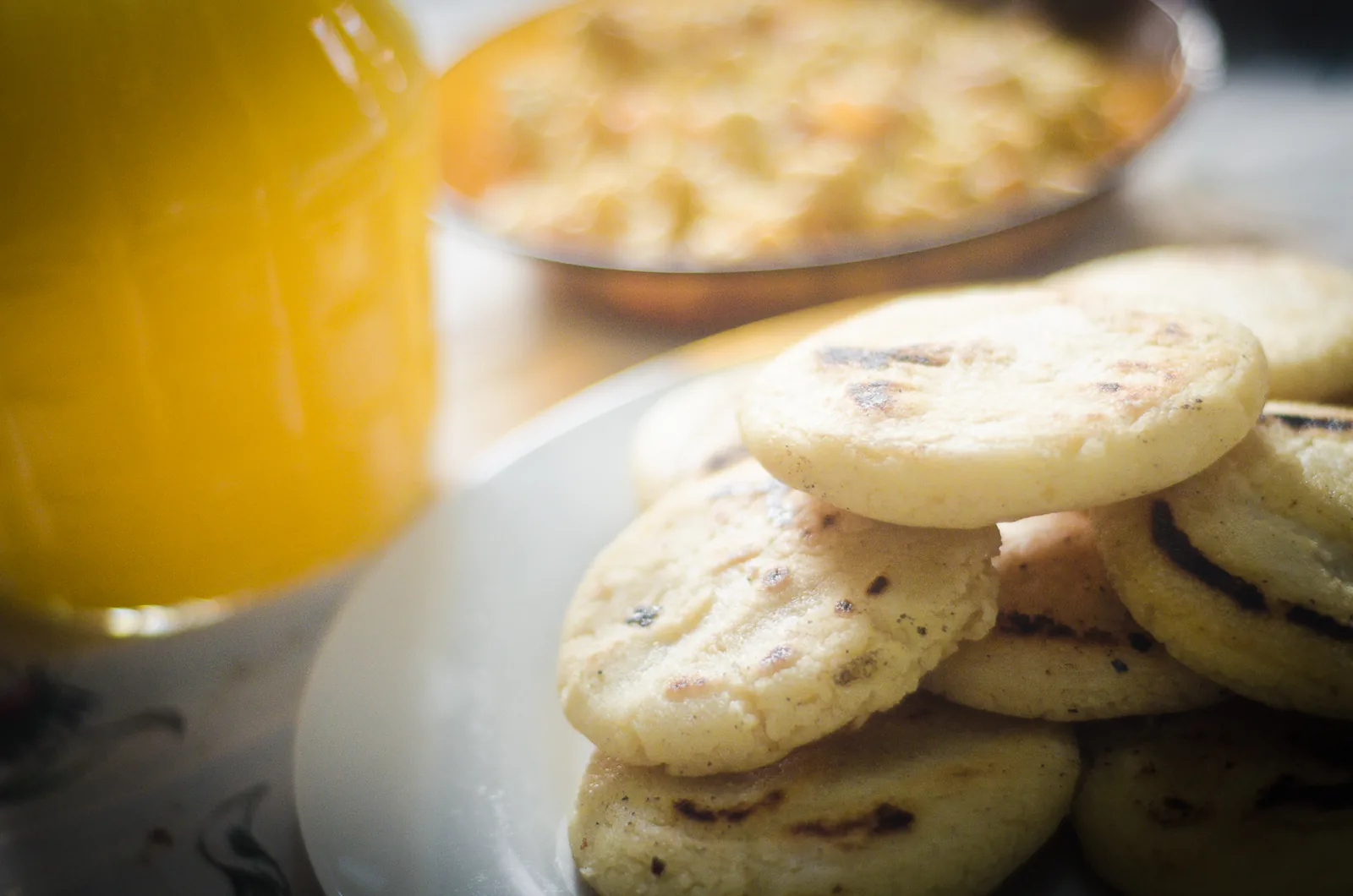
A stack of golden grilled Colombian arepas on a white plate, with a glass of orange juice beside them Colombia flag Colombia 35m
Breakfast •Andean Heritage

Colombian Arepas

This Colombian arepas recipe turns pre-cooked white cornmeal, warm water, butter and cheese into round corn cakes that are grilled until crisp outside and soft inside. The cheese is kneaded right into the dough, so every bite is savoury and gently melty. Colombian arepas are thinner and plainer than the stuffed Venezuelan kind: they are a breakfast bread, split open and filled at the table. One serving is about 220 g, two arepas.

Comfort & Warmth

Golden grilled corn cakes made from white masarepa, with melting cheese kneaded into the dough.

Pairs Well With
Hot chocolate or coffee, with butter and a slice of fresh cheese on the side.
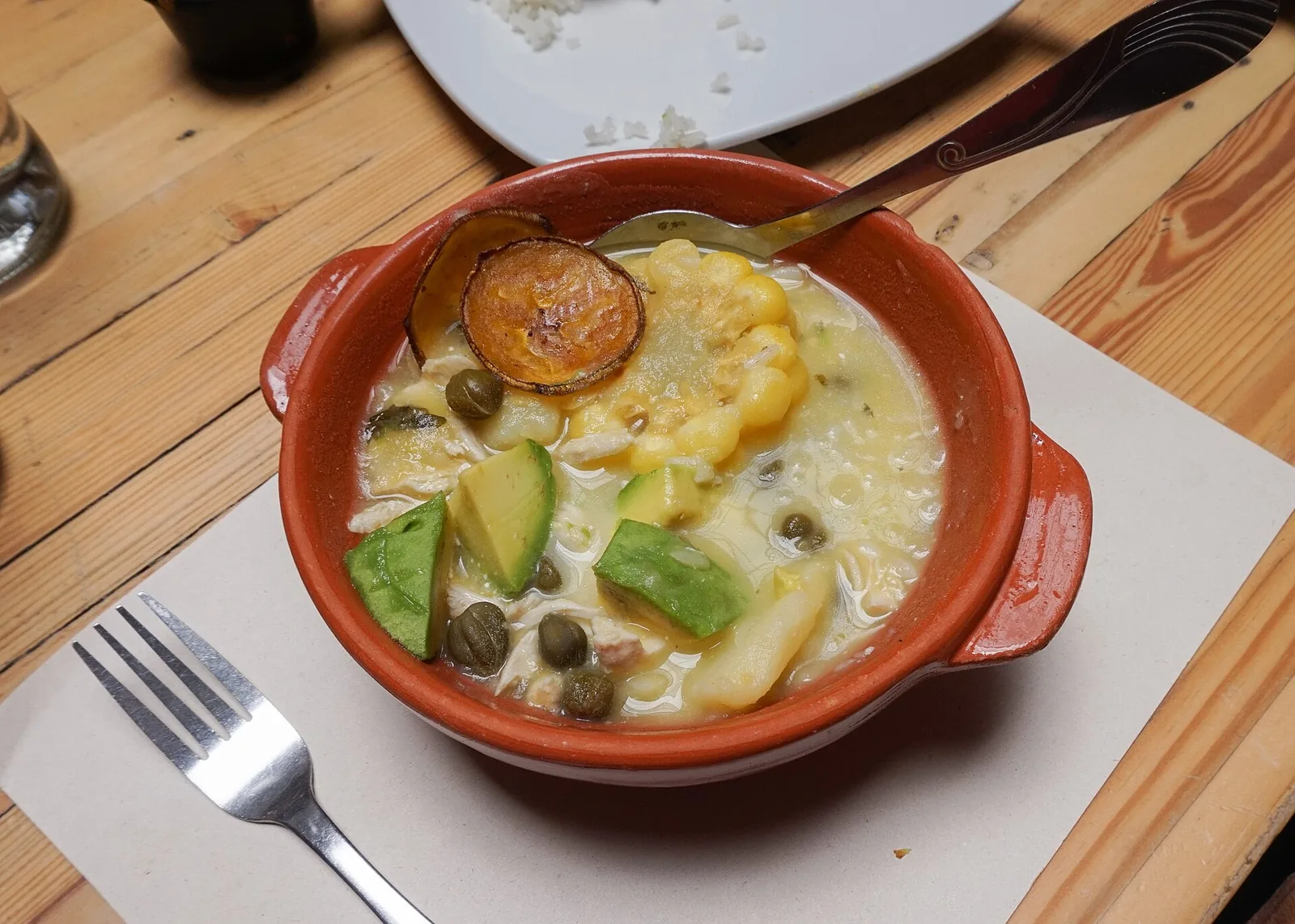
A bowl of ajiaco in a clay bowl, thick golden soup with corn, avocado, capers and shredded chicken Colombia flag Colombia 1h 30m
Lunch •Bogotá Heritage

Ajiaco

This ajiaco recipe is Bogotá's signature soup: chicken simmered with corn on the cob and three kinds of potato — pastusa, sabanera and criolla — until the criolla melts and thickens the broth golden. The herb guascas gives it its unmistakable earthy flavour, and every bowl is finished at the table with heavy cream, briny capers and sliced avocado. One serving is about 750 g, soup and toppings together.

Comfort & Warmth

Bogotá's thick chicken and potato soup, flavoured with guascas and served with cream, capers and avocado.

Pairs Well With
White rice and a small side salad, with the cream, capers and avocado passed around the table.
Soups & Broths
Tagliatelle al ragù Bolognese in a bowl with Parmigiano-Reggiano Italy flag Italy 4h 25m
Lunch •Emilia-Romagna

Tagliatelle al Ragù Bolognese

Slow-braised soffritto and coarse ground heritage meats layered over handmade egg yolk dough for mid-day stamina.

Lean Protein

Slow-simmered beef ragù tossed through fresh egg tagliatelle.

Pairs Well With
Bitter Radicchio & Aged Balsamico di Modena
Pasta & Noodles • High Protein
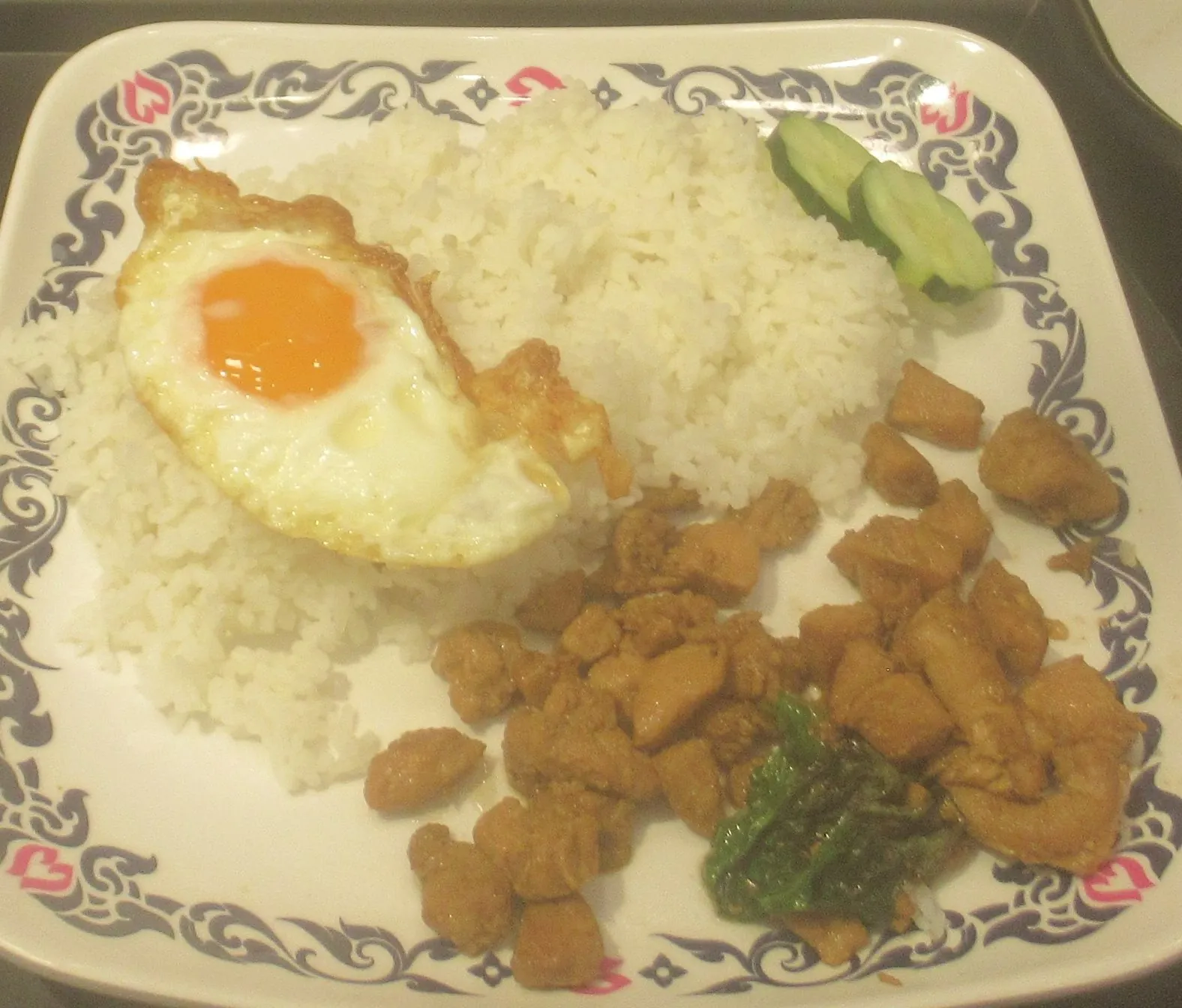
Pad kra pao gai — Thai holy basil chicken with fried egg and rice Thailand flag Thailand 30m
Lunch •Bangkok Street Flame

Pad Kra Pao Gai

High-heat wok flash of holy basil and crushed chillies over minced chicken, served over jasmine rice with a crispy-edged fried egg.

High Energy

Capsaicin brings the heat; holy basil adds a peppery, clove-like aroma.

Pairs Well With
Chilled Cucumber Salad & Fish Sauce Lime Dip
High Protein • Quick Prep (<30m)

The Dinner Gazette

Never wonder what’s for dinner again

One email a week with easy dinner ideas from around the world — ingredients, steps and nutrition, tested in our kitchen first.

Delivered every Thursday morning. Unsubscribe anytime.