
Curated recipes from 193 countries  •  New seasonal Mediterranean issue out now

Overview

Asopado de Mariscos Venezolano

Venezuelan seafood asopado, soupy seafood rice, arroz caldoso de mariscos

This asopado de mariscos venezolano recipe turns shrimp, squid, mussels and white fish into a golden, soupy rice cooked in a quick shrimp-shell stock, with onion, sweet pepper, tomato and a squeeze of lime. It is the Venezuelan coast's answer to a one-pot supper: the rice drinks up the stock, the seafood stays tender, and every spoonful is brothy rather than dry. One serving is about 570 g.

Asopado is the soupy, spoonable cousin of paella found all around the Spanish-speaking Caribbean, and Venezuela's fishing ports have their own versions built on the day's catch. In Puerto la Cruz, on the Anzoátegui coast, cooks simmer shrimp shells and fish heads into a quick stock, then cook rice directly in it so the grains drink up the flavour of the sea. It is the kind of one-pot dinner that stretches a modest amount of seafood into a generous family meal, and it is a natural choice for Holy Week, when Venezuelan tables turn to fish.

Pairs well with: Serve in deep bowls with lime wedges, a crisp cabbage slaw and casabe or crusty bread for the broth.

Provenance

Venezuela flag Venezuela

Venezuelan Coastal Classic

Latin America & Caribbean

Time Dedication

1h 30m

25m prep • 65m cook

Batch Yield

6 Servings

440 kcal per serving

1 serving ≈ 570 g

Technical Skill

Intermediate

Medium (One Pot)

Meal Timing & Digestive Fit

Breakfast

Not Advised

Lunch

Hearty Midday Main

Dinner

Ideal Hearty Main

Snack & Tea

Inappropriate

Soups & Broths Occasions: Family dinners, coastal weekends, Holy Week meals, one-pot suppers Cost: Medium — about $6–7 per serving at home
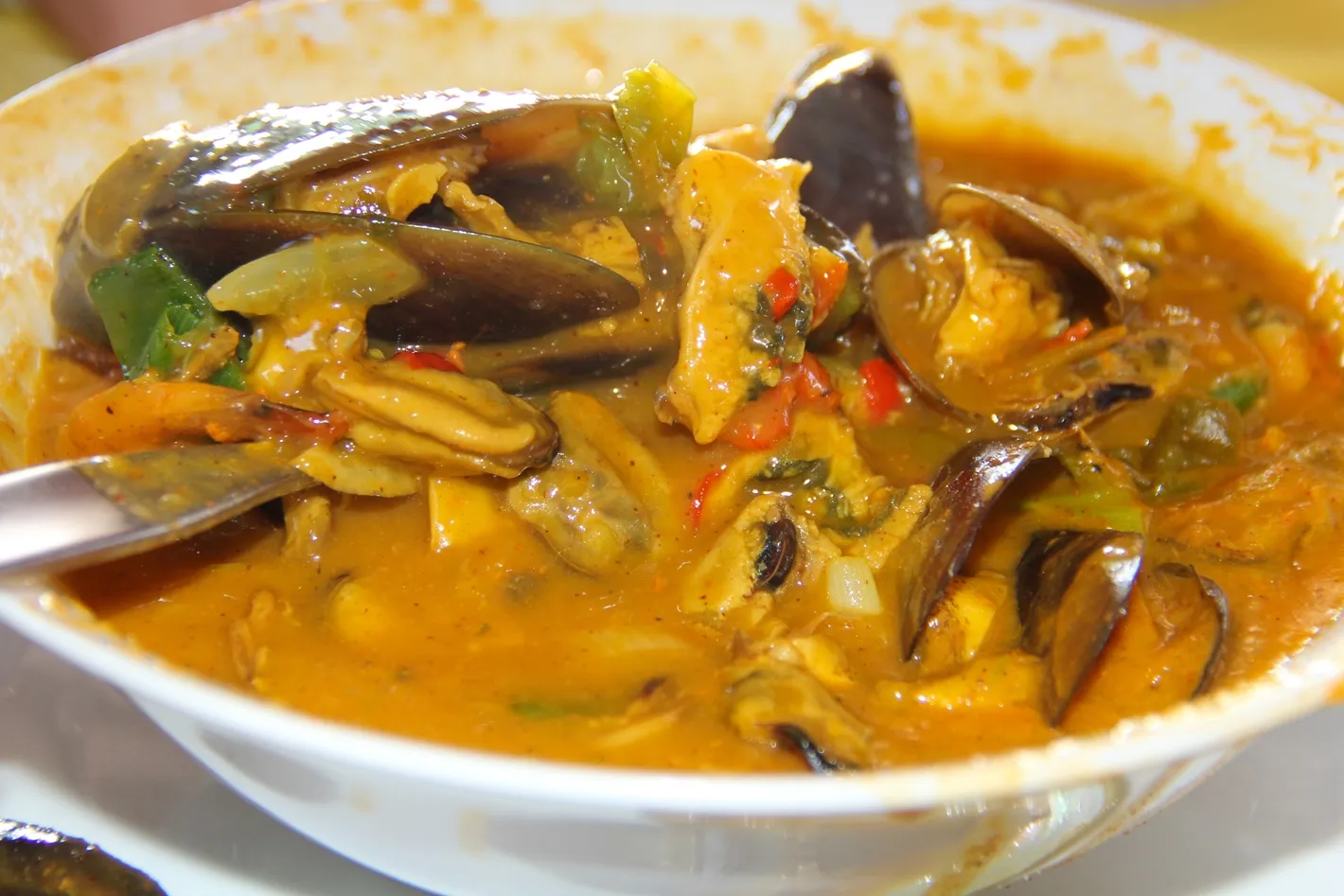
A white bowl of Venezuelan asopado de mariscos, soupy golden rice with open mussels, shrimp and sweet peppers in a rich seafood broth.

Venezuelan Coastal Classic

Photo: Juliocesarat, CC BY-SA 3.0, via Wikimedia Commons

The Heritage Formulary

Measured Ingredients

Estimated cost: Medium — about $6–7 per serving at home (USD)

A good asopado stays soupy to the last spoonful: the rice should be tender and loose in golden broth, the shrimp pink and the mussels just opened.

Execution Methodology & Culinary Technique

Step-by-Step Cooking Guide

Active 1h 30m
P

Prep Stage: Stock, Sofrito & Seafood

25 Mins • Peeling & Chopping

Peel the shrimp and set the shells aside for the stock, clean the squid and mussels, cut the fish, and dice the sofrito vegetables before the pot gets hot — the seafood cooks in minutes at the end, so everything must be ready to go in.

Maestro Tip: Do the stock first: it simmers by itself while you chop, and it is what makes this taste like the sea rather than like plain rice.

  1. 1

    Make the quick shrimp-shell stock

    25 Mins Gentle simmer, about 95°C (203°F)

    Put the reserved shrimp shells and heads in a pot with the 1.5 L of cold water and half the diced onion. Bring to a gentle simmer, skim off any foam, and cook for 20 minutes. Strain through a fine sieve, pressing the shells to squeeze out the flavour, and keep the stock hot. Discard the shells.

    Do not boil the stock hard: a gentle simmer keeps it clear and sweet instead of cloudy and bitter.

    Done when: Stock smells sweetly of shrimp and tastes clearly of the sea.

  2. 2

    Build the sofrito

    10 Mins Medium heat, about 160°C (320°F)

    Heat the olive oil in a wide, heavy pot over medium heat. Add the remaining onion, the bell pepper, the white spring-onion slices and the garlic, and cook for 5 minutes until soft and sweet. Stir in the tomato, cumin, paprika and annatto and cook for 3 minutes until the oil turns deep gold. Pour in the sherry and let it bubble for 1 minute.

    Let the tomato fry until the oil separates at the edges — that is the sofrito done, and it carries the whole dish.

    Done when: Vegetables soft and glossy; oil stained deep gold.

  3. 3

    Toast the rice and add the stock

    20 Mins Gentle simmer, about 95°C (203°F)

    Stir the rinsed rice into the sofrito and toast for 2 minutes until the grains turn opaque at the edges. Pour in all of the hot stock (about 1.3 L), add the salt and pepper, and bring to a gentle simmer. Cover, turn the heat low and cook for 18 minutes, stirring once halfway, until the rice is almost tender and still visibly soupy. Add a splash of hot water if the pot looks dry — an asopado must stay brothy.

    Keep a kettle of hot water beside the pot; cold water shocks the rice and makes it gummy.

    Done when: Rice almost tender, grains swimming in golden broth.

  4. 4

    Add the seafood

    5 Mins Gentle simmer, about 95°C (203°F); fish to 63°C (145°F)

    Nestle the fish chunks, squid rings and mussels into the rice, then lay the shrimp on top. Cover and cook for 4 to 5 minutes until the shrimp are pink, the squid is opaque, the fish flakes at 63°C (145°F) and the mussels have opened. Squeeze in the lime juice and scatter over the spring-onion greens and cilantro.

    Do not stir hard once the seafood is in: gentle folding keeps the fish in chunks instead of shreds.

    Done when: Shrimp pink and curled, mussels open, fish flakes easily.

  5. 5

    Rest and serve

    5 Mins Off the heat

    Take the pot off the heat, cover and rest for 5 minutes so the rice finishes drinking in the broth. Taste and adjust the salt and lime, then ladle into deep bowls, making sure each bowl gets shrimp, mussels, squid and fish along with plenty of broth.

    If the asopado thickens while it rests, loosen it with a ladle of hot water before serving — it should pour, not mound.

    Done when: Brothy and steaming, rice tender and loose in the bowl.

Finishing Touches & Plating

Serve at once in deep bowls with lime wedges on the side and the cilantro scattered over the top. Keep a kettle of hot water nearby: asopado thickens as it sits, and a splash brings it back to soupy.

Nutritional Physiology & Benefits

Nutrition

Energy

440

kcal / serving

Protein

38g

Complete AA

Carbs

51g

Complex

Fats

8g

Healthy

Per serving (6 servings · 1 serving ≈ 570 g)
Energy440 kcal
Protein38 g
Carbohydrates51 g
Fat8 g
Fibre2.6 g
Sugar3.1 g
Sodium653 mg
Per 100g
Energy77 kcal
Protein6.6 g
Carbohydrates8.9 g
Fat1.4 g
Fibre0.4 g
Sugar0.5 g
Sodium115 mg

Nutrition values are estimated — calculated from USDA FoodData Central values for the listed ingredients.

Vitamins & minerals: Rich in vitamin B12 and selenium from the shrimp and mussels, vitamin C from the sweet pepper, tomato and lime, and iodine from the mixed seafood. Nutrition is estimated.

Real Energy in One Bowl

At about 440 kcal with 37.8 g of protein per serving, one bowl is a complete dinner that keeps you full for hours.

Lean Protein from the Sea

Shrimp, squid, mussels and fish supply high-quality protein with only about 8.2 g of fat per serving.

Minerals and Vitamin C

Shellfish bring selenium, iodine and vitamin B12, while the sweet pepper, tomato and lime add vitamin C to the bowl.

Food Pairings

What to Eat With

To optimize nutrient absorption and elevate the sensory depth, pair with these authentic accompaniments:

Sides

Casabe or Crusty Bread

Something to mop with is essential: the golden broth is too good to leave in the bowl, and casabe keeps it Venezuelan.

Vegetables

Cabbage and Lime Slaw

A crisp, sharp slaw cuts through the rich seafood broth and gives the soft, soupy rice something crunchy to play against.

Drinks

Papelón con Limón

The iced sugarcane-and-lime drink is the classic Venezuelan cooler with seafood: its sweetness and acidity balance the salty, savoury broth.

Full Menus

A Coastal Menu

Serve the asopado first with tostones and a green salad on the side, then finish with fresh mango: fried plantain, soupy rice and fruit is the shape of a Venezuelan coastal meal.

Complete menu

Start with tostones and a cabbage-lime slaw, serve the asopado as the main bowl with casabe on the side, and finish with fresh mango and a papelón con limón.

Digestive Guardrails

What NOT to Combine

To prevent digestive distress, sluggishness, or palate clash, avoid pairing the dish with these elements:

Mussels That Stay Shut

Discard any mussel that has not opened after cooking: a shut shell can mean the mussel was dead before cooking, and eating it risks food poisoning. This is general food information, not medical advice.

Leaving the Pot Out for Hours

Seafood rice spoils quickly at room temperature, so refrigerate leftovers within 2 hours and reheat them to 74°C (165°F) before eating. This is general food information, not medical advice.

Very Salty Accompaniments

The asopado already carries about 653 mg of sodium per serving, so salty extras such as soy sauce or heavily salted snacks push the salt load up sharply and drown the seafood flavour. This is general food information, not medical advice.

General information only, not medical advice — consult a doctor for personal dietary decisions.

Who Should Eat It

Who Should Eat

  • General adultsA complete, balanced one-pot dinner; the portion is generous, so a smaller bowl suits a light appetite.
  • ChildrenSuitable for children who eat fish and shellfish, in a smaller portion; check for shellfish allergy first and remove any shell fragments.
  • ElderlySoft, warm and easy to eat, with good protein; serve a smaller, less salty portion if appetite or blood pressure is a concern.
  • Pregnant womenEat only when the shrimp, squid, mussels and fish are fully cooked through and the dish is served piping hot; avoid it if your clinician has advised against shellfish.
  • Breastfeeding womenA nourishing, protein-rich meal; keep portions moderate and watch the baby for any reaction if shellfish is new to your diet.
  • AthletesStrong recovery food: about 37.8 g of protein and 50.8 g of carbohydrate per serving replenish glycogen and muscle after training.
  • Weight gainAt about 440 kcal a serving with plenty of rice and seafood, it is an easy way to add energy without feeling overstuffed.
  • Weight lossFilling and high in protein, but the portion is large: serve about two-thirds of a bowl, skip the bread, and load up the slaw instead.

Health Conditions — Adjust or Avoid

Conditions

  • DiabetesThe rice is the main carbohydrate (about 50.8 g per serving); a smaller portion with extra slaw and seafood helps keep the load down. Ask your clinician about portion size for your plan.
  • High blood pressureAt about 653 mg of sodium per serving this is a salty dish; use less added salt and skip salty accompaniments. Ask your clinician whether it fits your sodium limit.
  • Kidney diseaseHigh in protein, potassium and sodium, so it may not suit a restricted renal diet. Ask your clinician before eating it.
  • GoutShrimp, squid and mussels are rich in purines, which can raise uric acid; eat a small portion and not often if gout is a concern. Ask your clinician for personal advice.
  • Stomach issuesThe broth and soft rice are usually gentle, but the chilli heat, tomato acidity and lime can irritate a sensitive stomach; keep the seasoning mild. Ask your clinician if symptoms flare.
  • Cardiovascular diseaseLow in saturated fat and rich in lean seafood protein, but the sodium is high; a smaller portion with less added salt is the safer way to enjoy it. Ask your clinician.
  • Fatty liverLean protein with little fat fits a liver-friendly pattern; watch the rice portion and skip the bread if you are managing energy intake. Ask your clinician.
  • Food allergiesContains shellfish (shrimp, mussels, squid) and fish — two of the major allergens. Do not serve it to anyone with a shellfish or fish allergy, and ask your clinician about allergy testing if unsure.
  • Special therapeutic dietsNot suitable for low-sodium, low-purine or renal diets without changes. Ask your clinician or dietitian before adapting it.

If you have a medical condition, consult your doctor before changing your diet.

Storage & Use

Storage & Use

How to store
Cool quickly, then store in a sealed container in the fridge.
In the fridge
Up to 2 days in the fridge at or below 4°C (40°F); the rice will absorb broth as it sits, so keep a little hot water aside to loosen it.
In the freezer
Up to 1 month in the freezer, though the rice softens and the mussels turn rubbery on thawing.
How to reheat
Reheat gently on the hob with a splash of water or stock until steaming hot throughout, at least 74°C (165°F); do not reheat more than once.
Freezing recommended
Not really recommended: the texture of the rice and shellfish suffers, and the dish is best eaten fresh.
Signs it has spoiled
Sour or ammonia-like smell, slimy seafood, or rice that has turned grey — throw it away if any of these appear.

More recipes to explore

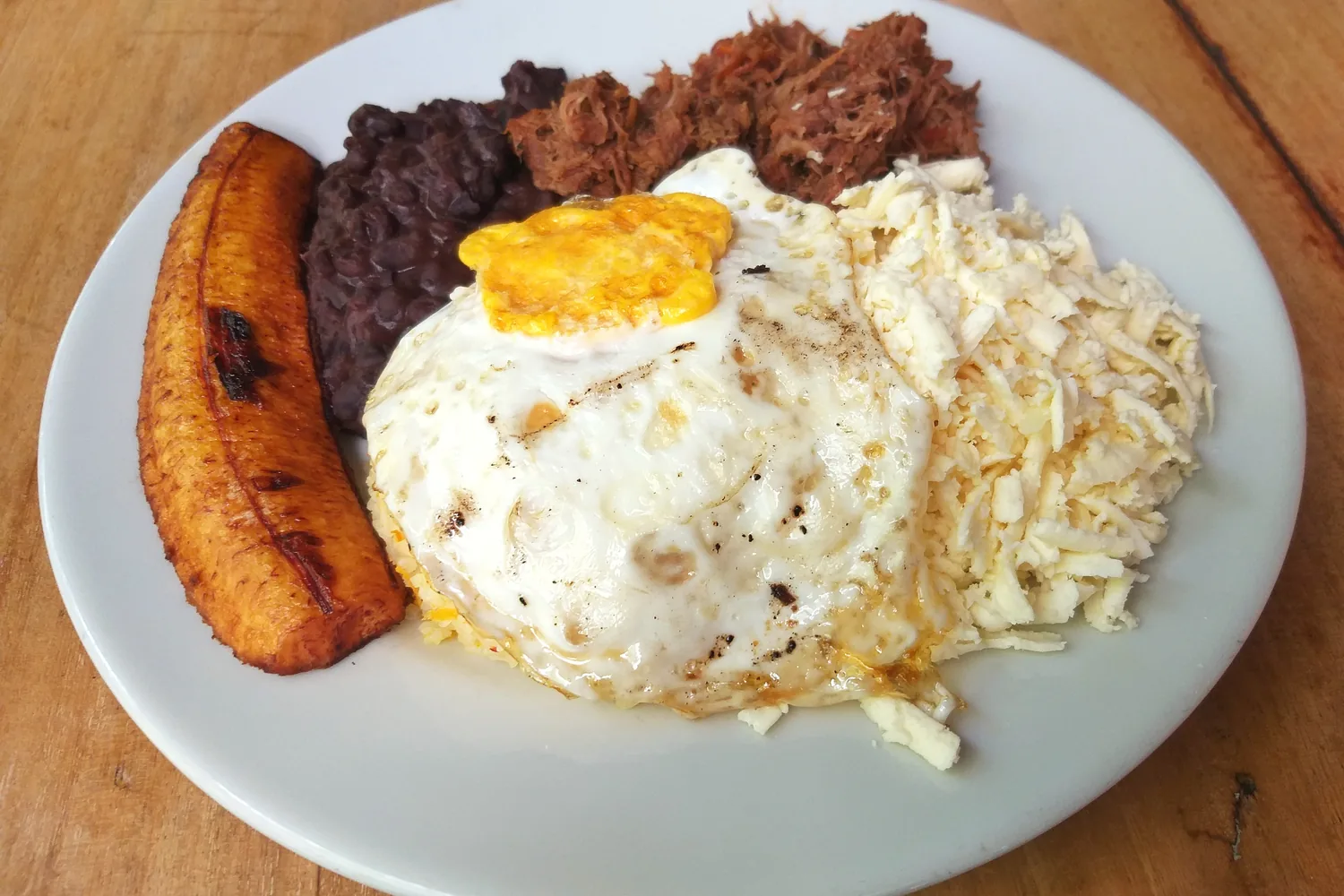
Pabellón Criollo plate with shredded beef, black beans, fried plantain, a fried egg and grated white cheese over white rice Venezuela flag Venezuela 3h
Lunch •Venezuelan National Dish

Pabellón Criollo

This pabellon criollo recipe is Venezuela's national plate: slow-braised shredded beef in a pepper and tomato sofrito, creamy black beans, fluffy white rice, sweet fried plantains and a fried egg, finished with grated white cheese. One serving is about 680 g.

Hearty & Satisfying

A complete plate of beef, beans, rice, plantain and egg that keeps you full for hours.

Pairs Well With
Serve with a cold papelón con limón or a light beer, and a simple avocado salad on the side.
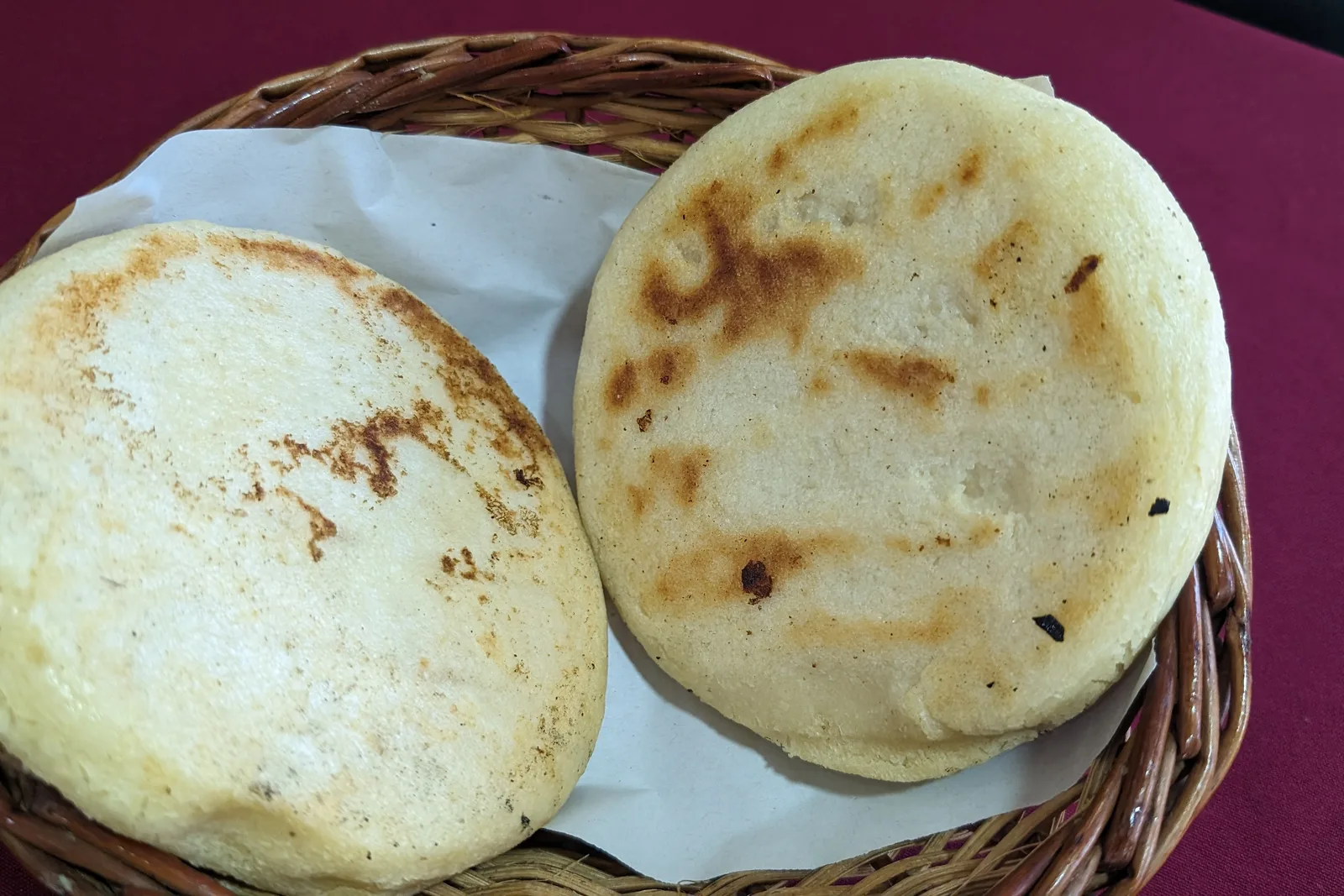
Two golden grilled Venezuelan arepas in a wicker basket lined with white paper Venezuela flag Venezuela 40m
Breakfast •Caracas Heritage

Venezuelan Arepas

This Venezuelan arepas recipe starts with just pre-cooked white cornmeal, warm water and salt, kneaded into a soft dough and shaped into thick cakes. They grill until crisp and golden outside and soft inside, finish in a hot oven so they puff, then get split open and stuffed with melted mozzarella, crumbled queso fresco, creamy avocado and tomato. Venezuelan arepas are the thick, stuffed kind: a whole breakfast you can hold in one hand. One serving is about 275 g, one stuffed arepa.

Comfort & Warmth

Thick grilled corn cakes made from white masarepa, split open like a pocket and stuffed with melting cheese, avocado and tomato.

Pairs Well With
Fresh orange juice or coffee, with a bowl of black beans or scrambled eggs on the side.
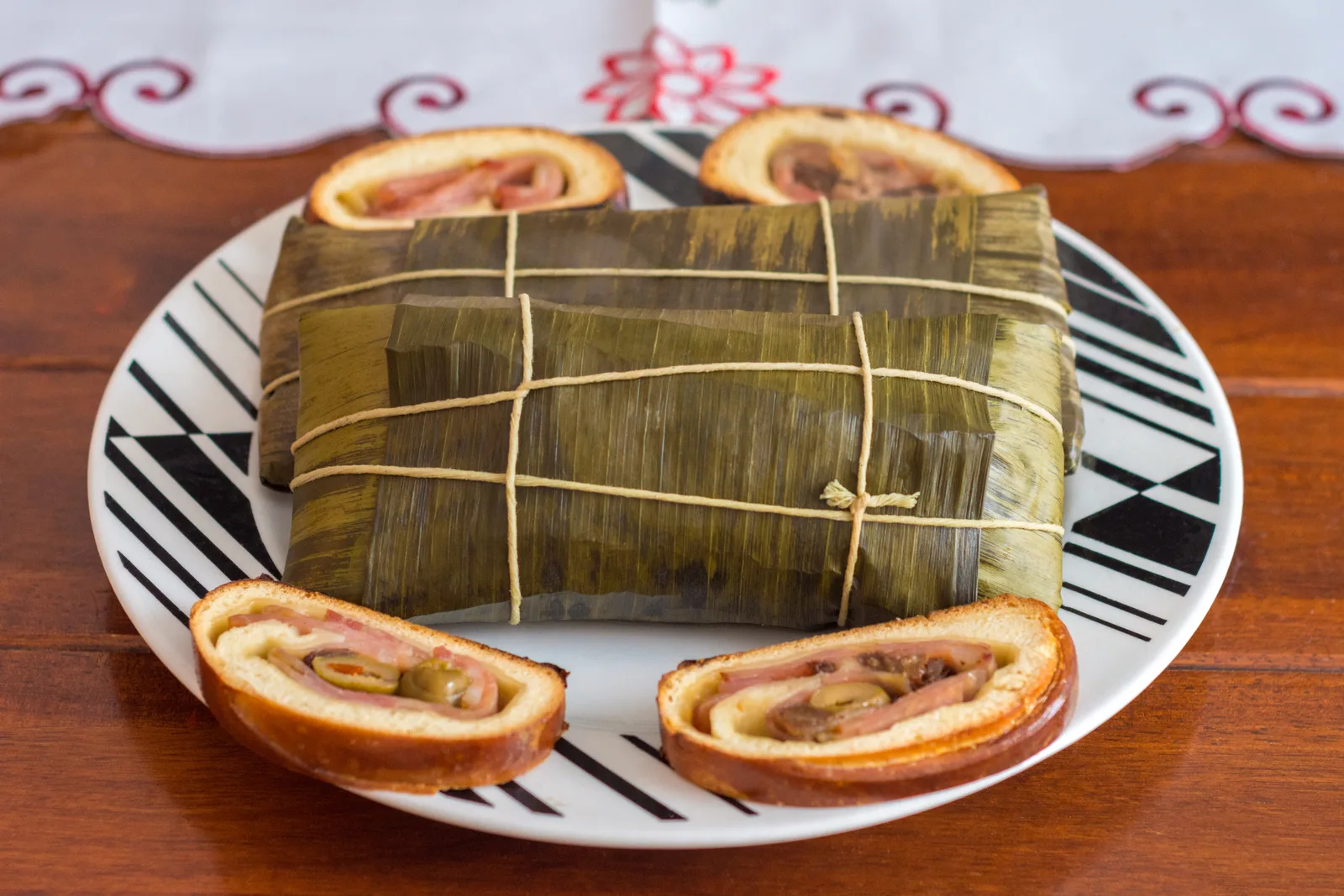
Two hallacas wrapped in banana leaves and tied with string, served on a plate with slices of pan de jamón Venezuela flag Venezuela 5h
Dinner •Venezuela's Christmas Dish

Hallacas

This hallacas recipe makes 12 golden parcels of annatto-coloured corn dough filled with a rich three-meat guiso, garnished with pepper, onion, olives, capers and raisins, then folded in banana leaves and boiled. One hallaca is about 300 g, a full festive dinner on its own. Hallacas are Venezuela's Christmas dish, made in big family batches and served with pan de jamón.

Festive & Filling

Golden annatto corn dough wrapped around a slow-cooked stew of beef, pork and chicken, folded in banana leaves — the parcel Venezuelan families gather to make every December.

Pairs Well With
Pan de jamón and ensalada de gallina, with a glass of ponche crema
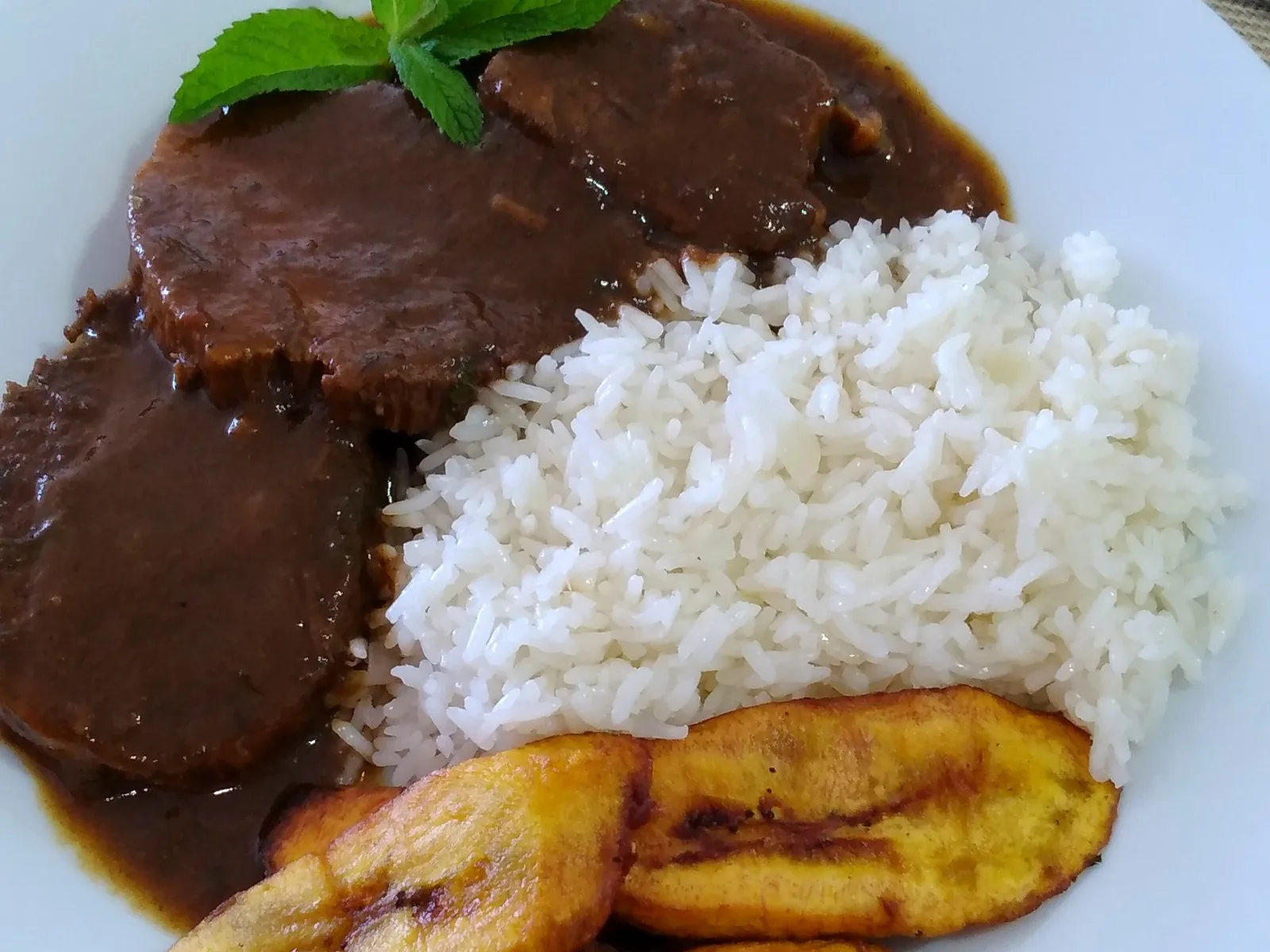
Slices of asado negro in a dark glossy sauce with white rice and golden fried plantains, garnished with mint Venezuela flag Venezuela 3h 30m
Dinner •Caracas Heritage

Asado Negro

Asado negro is Venezuela's dark, glossy beef roast: eye of round seared in caramelized panela, then braised low and slow in red wine, beef stock and soft vegetables until it slices like butter. The sauce is sweet, savoury and almost black, and it belongs over white rice with fried plantains. One serving is about 591 g.

Comfort & Warmth

Beef eye of round seared in caramelized panela, then braised in red wine and stock until tender.

Pairs Well With
White rice, fried plantains and a glass of red wine
High Protein

The Dinner Gazette

Never wonder what’s for dinner again

One email a week with easy dinner ideas from around the world — ingredients, steps and nutrition, tested in our kitchen first.

Delivered every Thursday morning. Unsubscribe anytime.