
Curated recipes from 193 countries  •  New seasonal Mediterranean issue out now

Overview

Australian Meat Pie

Aussie meat pie; Beef pie

The Australian meat pie is a single-serving pie with a shortcrust base, a filling of ground beef simmered in a thick, dark gravy with onion and carrot, and a golden pastry lid. It is the food of football grounds, bakeries and road trips across Australia, eaten by hand with tomato sauce. This recipe makes four individual pies with a proper gravy that stays inside the pie instead of running out. One pie is about 360 g.

The meat pie arrived in Australia with British settlers and became the country's most famous food: by some estimates Australians eat hundreds of millions of pies a year, and the pie is sold at every bakery, football ground and service station in the country. The classic is a hand-held pie with a shortcrust base and a beef gravy filling, eaten with tomato sauce — a combination so Australian that the pie has its own competitions, and the town of Yatala in Queensland is famous for its pie shops.

Pairs well with: Tomato sauce & mashed potato

Provenance

Australia flag Australia

Australian Classic

Oceania & Pacific

Time Dedication

1h 25m

45m prep • 40m cook

Batch Yield

4 Servings

909 kcal per serving

1 serving ≈ 360 g

Technical Skill

Intermediate

Intermediate (Pastry & Gravy)

Meal Timing & Digestive Fit

Breakfast

Not Advised

Lunch

Prime Metabolic Fit

Dinner

Ideal Hearty Main

Snack & Tea

Inappropriate

Occasions: Football games, bakery lunch, road trips, picnics, family dinner, cold-weather comfort food Cost: Low — about $3–4 per serving at home
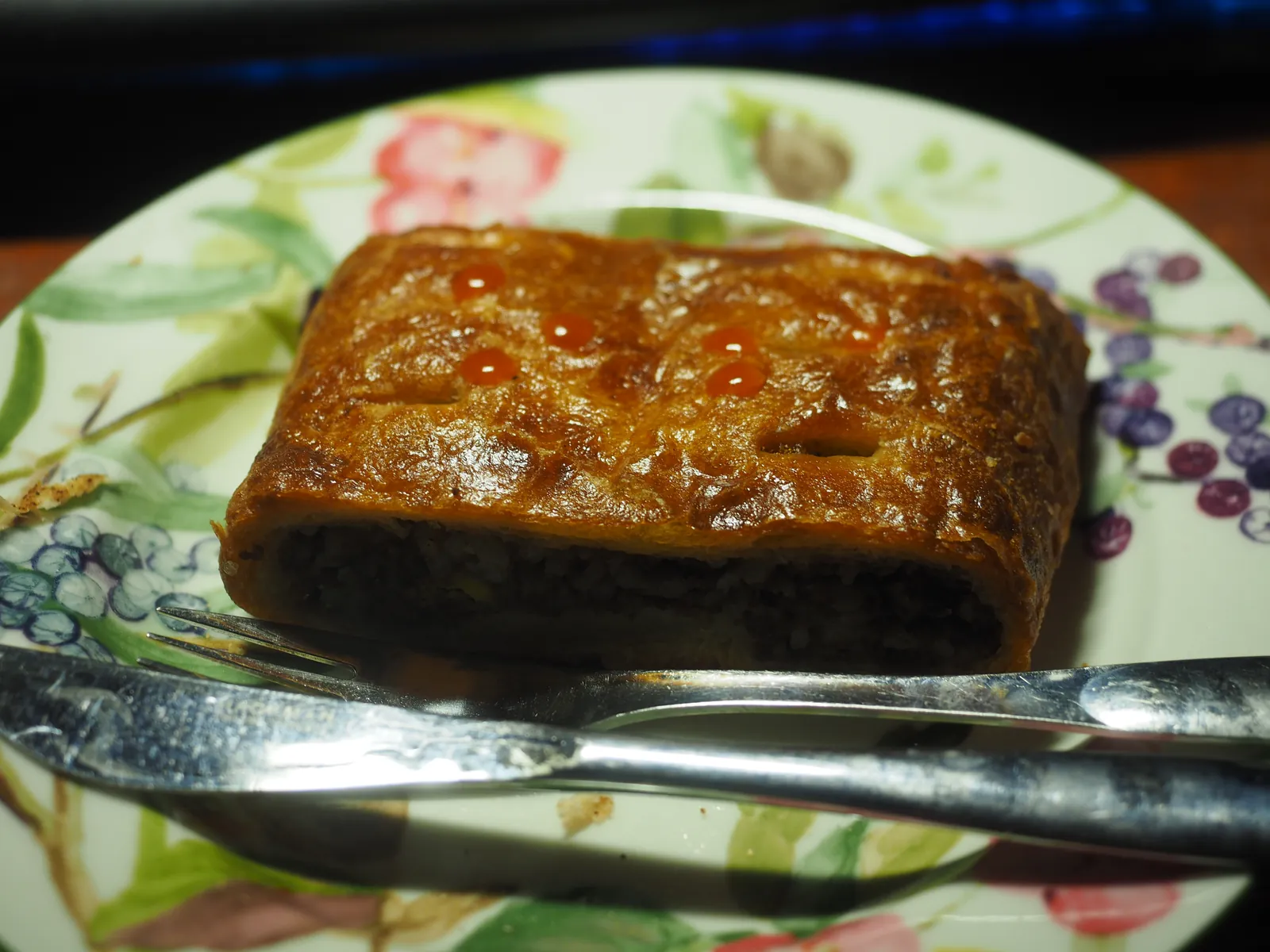
A slice of golden meat pie with rich beef filling on a plate

Australian Classic

Photo: JIP, CC BY-SA 4.0, via Wikimedia Commons

The Heritage Formulary

Measured Ingredients

Estimated cost: Low — about $3–4 per serving at home (USD)

Shortcrust base and lid, thick beef gravy filling, baked until deep gold.

Execution Methodology & Culinary Technique

Step-by-Step Cooking Guide

Active 1h 25m
P

Prep Stage: Pastry Chilling, Filling Cooling

45 Mins • Pastry, Filling

Make the shortcrust first and chill it for 30 minutes — cold pastry bakes crisp instead of shrinking. While it chills, cook the filling: brown the beef with onion and carrot, stir in the tomato paste and flour, add the stock and Worcestershire sauce, and simmer until thick. The filling must be completely cold before it goes into the pastry, or the steam will soften the base.

Maestro Tip: Cook the filling the day before if you can; cold, set filling is far easier to spoon into pie tins.

  1. 1

    Make and chill the pastry

    15 mins Room temperature, then chilled

    Rub 150 g cold butter into 300 g flour and 3 g salt until it looks like coarse crumbs. Add half the beaten egg and 90 ml ice-cold water and bring together into a smooth dough. Wrap and chill for 30 minutes. Cold pastry rolls out cleanly and holds its shape in the oven.

    Handle the dough as little as possible — warm hands melt the butter and the pastry turns tough.

    Done when: Smooth, firm dough that does not stick to your hands.

  2. 2

    Cook the beef filling

    20 mins Medium-high heat

    Heat 10 ml olive oil in a large pan, soften 150 g onion and 80 g carrot for 5 minutes, then add 500 g ground beef and brown it well, breaking it up — about 8 minutes. Stir in 40 g tomato paste and 20 g flour, cook 1 minute, then pour in 200 ml beef stock and 15 ml Worcestershire sauce. Simmer for 8–10 minutes until thick enough to mound on a spoon, then season with 3 g salt and 3 g pepper and cool completely.

    Brown the beef properly — the dark colour is where the gravy's flavour comes from.

    Done when: Thick, glossy gravy that coats the beef; the beef must reach 71°C (160°F).

  3. 3

    Line the tins and fill

    15 mins Room temperature

    Roll two-thirds of the pastry to 3 mm and line four 10 cm pie tins, leaving a small overhang. Fill each with a quarter of the cold beef filling, mounding it slightly in the centre. Brush the rims with the remaining beaten egg.

    Press the pastry into the corners of the tins so there are no air pockets under the base.

    Done when: Four tins lined and filled level, with no gaps at the edges.

  4. 4

    Lid, seal and bake

    40 mins 200°C (400°F)

    Roll the remaining pastry to 3 mm, cut four lids, lay them over the filling and press the edges together firmly, trimming the overhang. Cut a small steam hole in each lid and brush with egg wash. Bake for 30–35 minutes until the lids are deep golden and the filling bubbles at the steam hole. Rest 10 minutes before serving — the gravy is very hot.

    Bake on the lowest oven shelf so the bases crisp instead of staying pale and soft.

    Done when: Deep gold lids, crisp bases, and filling bubbling gently at the steam holes.

Finishing Touches & Plating

Serve the pies hot, straight from the tin or turned out onto a plate, with tomato sauce on top — the Australian way — and mashed potato or mushy peas on the side. The lid should crack as you cut in, and the gravy should be thick enough to stay put.

Nutritional Physiology & Benefits

Nutrition

Energy

909

kcal / serving

Protein

36g

Complete AA

Carbs

70g

Complex

Fats

54g

Healthy

Per serving (4 servings · 1 serving ≈ 360 g)
Energy909 kcal
Protein36 g
Carbohydrates70 g
Fat54 g
Fibre4.0 g
Sugar4.4 g
Sodium914 mg
Per 100g
Energy252 kcal
Protein10 g
Carbohydrates19.4 g
Fat15 g
Fibre1.1 g
Sugar1.2 g
Sodium254 mg

Nutrition values are estimated — calculated from USDA FoodData Central values for the listed ingredients.

Vitamins & minerals: Vitamin B12, niacin and zinc (beef), vitamin A (carrot), vitamin B6 and folate (onion, flour), iron (beef).

Real Staying Power

With about 36 g of protein and 70 g of carbohydrate per pie, this is a proper lunch that keeps you full for hours.

B Vitamins and Iron from Beef

Beef is a strong source of vitamin B12, niacin, zinc and iron, which support normal energy metabolism and red blood cell formation as part of an ordinary varied diet.

Vegetables in the Gravy

Onion and carrot simmered into the filling add fibre, vitamin A and sweetness that balance the rich beef.

Food Pairings

What to Eat With

To optimize nutrient absorption and elevate the sensory depth, pair with these authentic accompaniments:

Sauces

Tomato sauce

The classic topping — its sweetness and acidity cut through the rich beef gravy, and Australians would not eat a pie without it.

Vegetables

Mashed potato

Creamy mash soaks up any gravy and turns a hand-held pie into a sit-down dinner.

Mushy peas

Soft peas add colour, fibre and a gentle sweetness against the dark, savoury filling.

Drinks

A cold lager or sparkling water

A cold beer is the football-ground partner; sparkling water with lemon keeps it lighter.

Full Menus

Full menu: pie, mash, peas, lamingtons

Meat pie with mash and peas, then lamingtons for dessert — an Australian bakery lunch, start to finish.

Complete menu

Serve one pie per person with tomato sauce, mashed potato and mushy peas, followed by lamingtons.

Digestive Guardrails

What NOT to Combine

To prevent digestive distress, sluggishness, or palate clash, avoid pairing the dish with these elements:

Eating the pie straight from the oven

The gravy inside holds heat and can scald your mouth; rest the pies for 10 minutes first. This is general information, not medical advice.

A very sugary drink with a rich pie

Sweet soft drinks add a lot of sugar on top of an already energy-dense pie; water or unsweetened tea is a lighter choice. This is general information, not medical advice.

General information only, not medical advice — consult a doctor for personal dietary decisions.

Who Should Eat It

Who Should Eat

  • General adultsA satisfying lunch for most adults; one pie with peas or salad is a balanced plate.
  • ChildrenChildren love them; cut the pie open first to check the filling has cooled enough.
  • ElderlySoft filling and manageable portions suit older eaters; serve warm, not piping hot.
  • Pregnant womenFine in moderation when the beef is cooked through; the pastry is rich, so one pie with vegetables is often enough.
  • Breastfeeding womenA protein-rich handheld meal that travels well for training days; add peas for extra carbohydrate.
  • AthletesGood post-training food for its protein and carbohydrate; pair with vegetables rather than extra pastry.
  • Weight gainEnergy-dense and easy to eat, which helps when appetite is low.
  • Weight lossRich pastry and a sizeable portion, so half a pie with a large salad is the lighter way to enjoy it.

Health Conditions — Adjust or Avoid

Conditions

  • DiabetesThe pastry adds carbohydrate, so watch the portion — half a pie with vegetables — and ask your clinician about fitting it into your meal plan.
  • High blood pressureStock, Worcestershire sauce and salted pastry are salty; skip extra salty sides and ask your clinician if you are on a low-sodium plan.
  • Kidney diseaseBeef is rich in purines; a small portion occasionally is the safer approach, and ask your clinician for personal advice.
  • GoutThe rich pastry and gravy can feel heavy; eat slowly and avoid eating very hot pie late at night. Ask your clinician if symptoms persist.
  • Stomach issuesHigh in saturated fat from butter and beef; enjoy occasionally and balance with vegetables, and ask your clinician about your overall pattern.
  • Cardiovascular diseaseA rich, fatty pastry is best kept occasional; choose a salad-heavy plate alongside, and ask your clinician for personal guidance.
  • Fatty liverContains wheat (gluten) and egg in the pastry; the filling contains beef. People with wheat or egg allergy should avoid it or substitute carefully.
  • Food allergiesContains wheat and egg; not gluten-free, egg-free or dairy-free as written. Not suitable for vegetarian or vegan diets.
  • Special therapeutic dietsFor therapeutic diets, a gluten-free pastry would be needed — ask your clinician or dietitian before adapting this recipe.

If you have a medical condition, consult your doctor before changing your diet.

Storage & Use

Storage & Use

How to store
Cool completely on a rack, uncovered, so the pastry stays crisp, then store in a covered container.
In the fridge
3 days, in a covered container.
In the freezer
Up to 3 months, wrapped individually; freeze baked pies and reheat from frozen.
How to reheat
Reheat in a 180°C (350°F) oven for 15–20 minutes until hot all the way through, to 74°C (165°F); the oven re-crisps the pastry — the microwave makes it soft.
Freezing recommended
Yes — baked pies freeze well and re-crisp in the oven.
Signs it has spoiled
Sour or off smell, slimy or sticky pastry, mould, or a filling that smells stale — discard, do not taste to check.

More recipes to explore

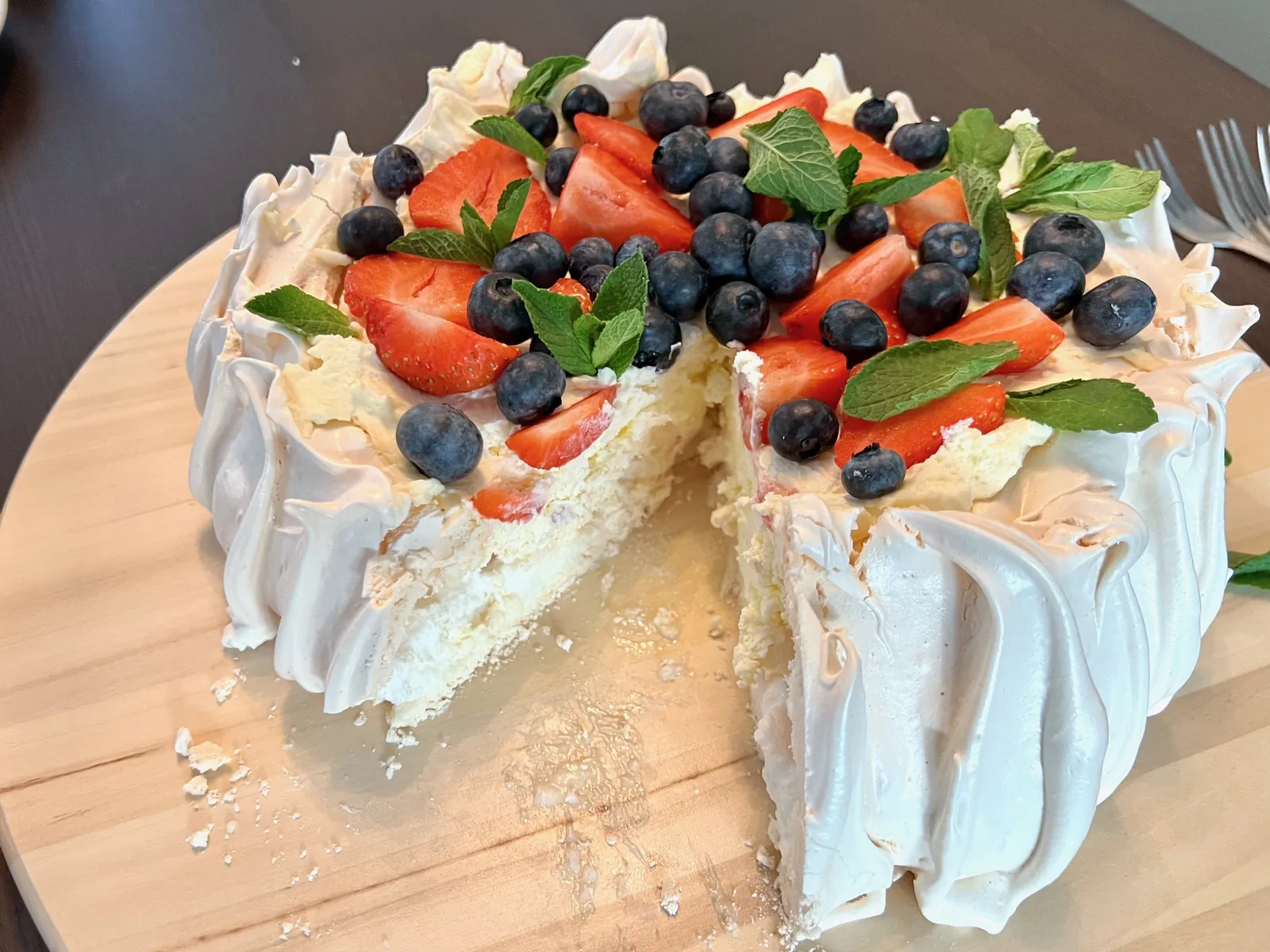
Pavlova meringue cake topped with whipped cream, strawberries and blueberries Australia flag Australia 2h 40m
Snack & Tea •Australian Classic

Australian Pavlova

Pavlova is a meringue cake with a crisp, crackled shell and a soft, marshmallowy middle, crowned with softly whipped cream and fresh fruit. It is named after the Russian ballerina Anna Pavlova, who toured Australia and New Zealand in the 1920s, and both countries claim it — in Australia it is the dessert of Christmas Day and summer barbecues, served with strawberries, kiwi and blueberries. One serving is about 135 g.

Light & Celebratory

A crisp meringue shell with a soft marshmallow centre, piled with whipped cream and fresh fruit — Australia's celebration dessert.

Pairs Well With
Fresh berries & passion fruit
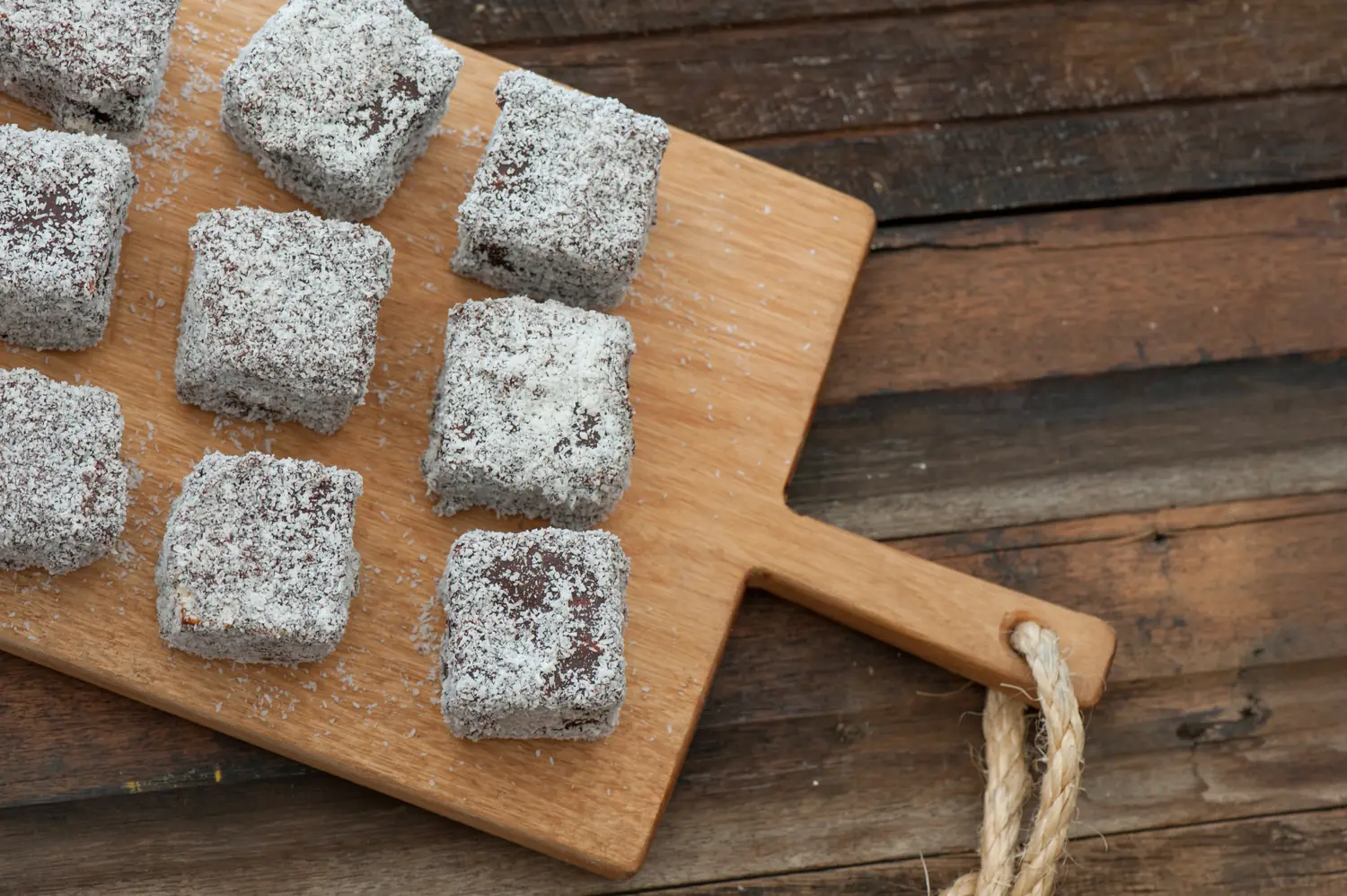
Chocolate and coconut lamington squares on a plate Australia flag Australia 1h
Snack & Tea •Australian Classic

Australian Lamingtons

Lamingtons are squares of light vanilla sponge, dipped in a thin chocolate icing and rolled in desiccated coconut until every side is coated. They are named after Lord Lamington, Governor of Queensland in the 1890s, and they are the cake of Australian school fetes, bake sales and afternoon tea — best eaten the day after baking, when the icing has soaked slightly into the sponge. This recipe makes 16 lamingtons; one serving is two squares, about 155 g.

Sweet & Comforting

Squares of vanilla sponge dipped in chocolate icing and rolled in coconut — the cake Australia eats with its afternoon tea.

Pairs Well With
A cup of tea & fresh berries
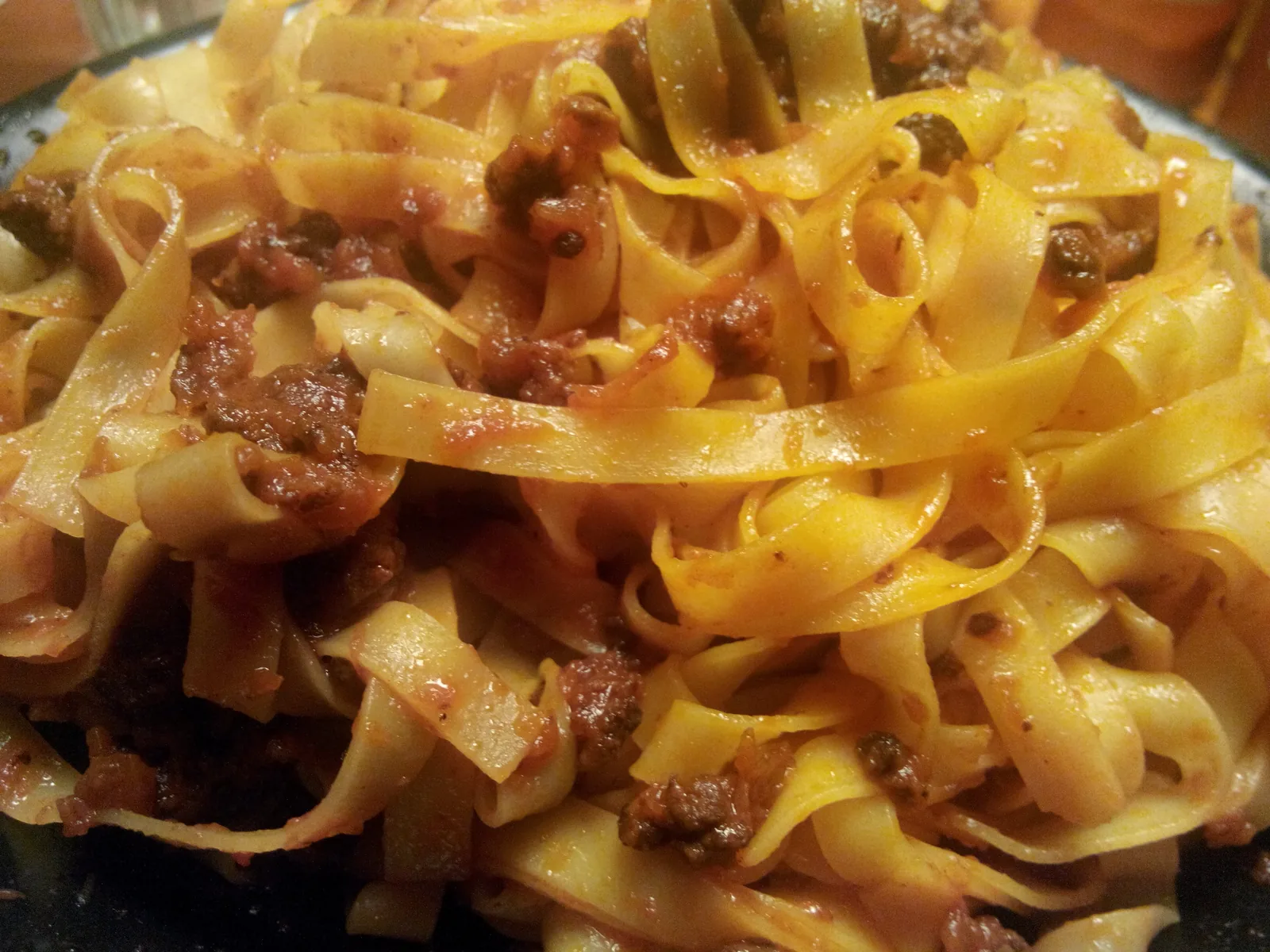
Tagliatelle al ragù Bolognese in a bowl with Parmigiano-Reggiano Italy flag Italy 4h 25m
Lunch •Emilia-Romagna

Tagliatelle al Ragù Bolognese

Slow-braised soffritto and coarse ground heritage meats layered over handmade egg yolk dough for mid-day stamina.

Lean Protein

Slow-simmered beef ragù tossed through fresh egg tagliatelle.

Pairs Well With
Bitter Radicchio & Aged Balsamico di Modena
Pasta & Noodles • High Protein
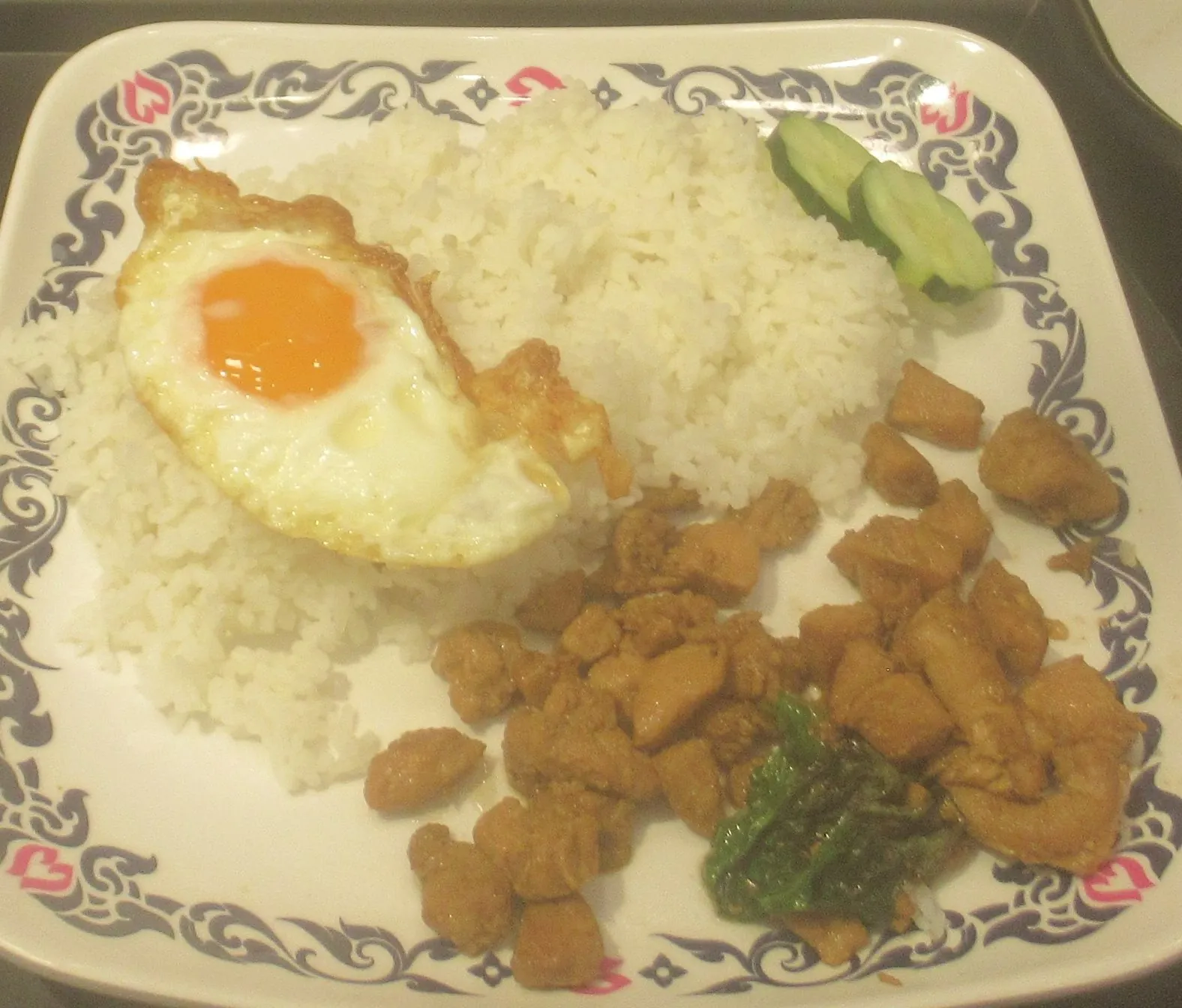
Pad kra pao gai — Thai holy basil chicken with fried egg and rice Thailand flag Thailand 30m
Lunch •Bangkok Street Flame

Pad Kra Pao Gai

High-heat wok flash of holy basil and crushed chillies over minced chicken, served over jasmine rice with a crispy-edged fried egg.

High Energy

Capsaicin brings the heat; holy basil adds a peppery, clove-like aroma.

Pairs Well With
Chilled Cucumber Salad & Fish Sauce Lime Dip
High Protein • Quick Prep (<30m)

The Dinner Gazette

Never wonder what’s for dinner again

One email a week with easy dinner ideas from around the world — ingredients, steps and nutrition, tested in our kitchen first.

Delivered every Thursday morning. Unsubscribe anytime.