
Curated recipes from 193 countries  •  New seasonal Mediterranean issue out now

Overview

Australian Pavlova

Pavlova; Pav

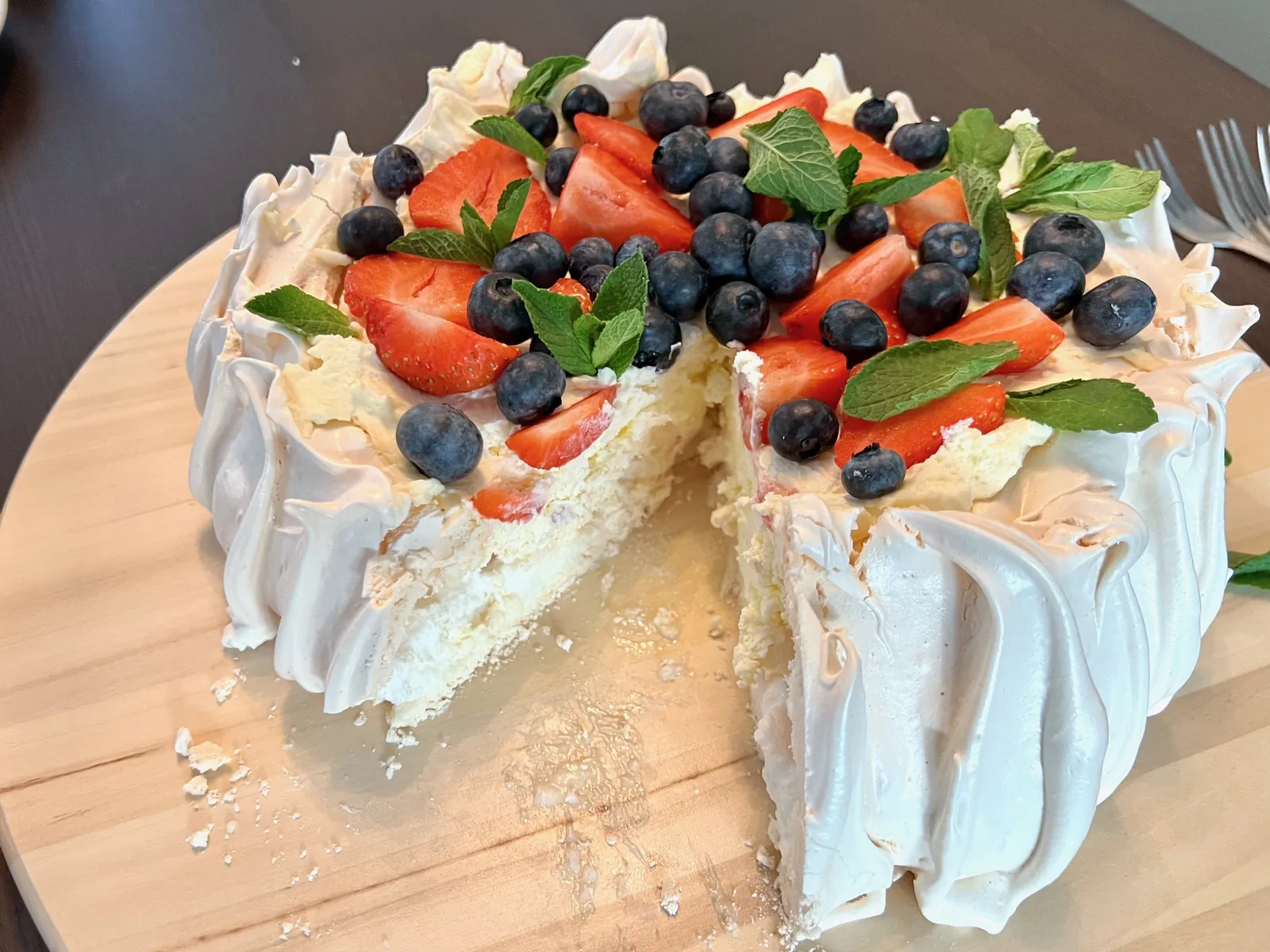
Pavlova is a meringue cake with a crisp, crackled shell and a soft, marshmallowy middle, crowned with softly whipped cream and fresh fruit. It is named after the Russian ballerina Anna Pavlova, who toured Australia and New Zealand in the 1920s, and both countries claim it — in Australia it is the dessert of Christmas Day and summer barbecues, served with strawberries, kiwi and blueberries. One serving is about 135 g.

Pavlova is named after Anna Pavlova, the Russian ballerina whose 1926 tour of Australia and New Zealand inspired chefs in both countries to create a dessert as light as her dancing. Australia and New Zealand have argued over its origin ever since — the earliest printed recipes appear in both countries in the 1930s — but in Australia it has become the defining dessert of Christmas Day, when summer fruit is at its best and the barbecue is already lit.

Pairs well with: Fresh berries & passion fruit

Provenance

Australia flag Australia

Australian Classic

Oceania & Pacific

Time Dedication

2h 40m

25m prep • 135m cook

Batch Yield

8 Servings

291 kcal per serving

1 serving ≈ 135 g

Technical Skill

Intermediate

Intermediate (Meringue)

Meal Timing & Digestive Fit

Breakfast

Not Advised

Lunch

Inappropriate

Dinner

Inappropriate

Snack & Tea

Ideal Light Bite

Occasions: Christmas Day, birthdays, summer barbecues, celebrations, afternoon tea Cost: Low — about $2–3 per serving at home
Pavlova meringue cake topped with whipped cream, strawberries and blueberries

Australian Classic

Photo: Dariusz Więckiewicz, CC BY-SA 4.0, via Wikimedia Commons

The Heritage Formulary

Measured Ingredients

Estimated cost: Low — about $2–3 per serving at home (USD)

Crisp shell, soft marshmallow centre, whipped cream and fresh fruit, topped just before serving.

Execution Methodology & Culinary Technique

Step-by-Step Cooking Guide

Active 2h 40m
P

Prep Stage: Whites at Room Temperature, Oven Low and Slow

25 Mins • Meringue, Fruit

Bring the egg whites to room temperature — cold whites whip slowly and never reach full volume. Line a baking tray with paper and draw a 20 cm circle as a guide. Hull and halve the strawberries, wash the blueberries and slice the kiwi, and keep the cream cold until the moment you whip it. A spotlessly clean, grease-free bowl is essential: any fat at all stops the whites whipping.

Maestro Tip: Wipe the bowl and whisk with a little white vinegar first — it removes any trace of grease.

  1. 1

    Whip the egg whites

    10 mins Room temperature

    Beat 200 g egg whites in a clean, grease-free bowl on medium speed until soft peaks form. Add 250 g caster sugar one tablespoon at a time, beating well after each addition, until the meringue is thick, glossy and stiff — rub a little between your fingers; it should feel smooth, not gritty. Fold in 10 g cornstarch, 10 ml white vinegar and 5 ml vanilla extract.

    Add the sugar slowly. Sugar added too fast never dissolves and the meringue weeps in the oven.

    Done when: Thick, glossy peaks that hold their shape; no gritty sugar when rubbed between fingers.

  2. 2

    Shape and bake low and slow

    75 mins 120°C (250°F)

    Spoon the meringue onto the lined tray inside the drawn circle, shaping it into a round with a slight dip in the centre for the cream. Bake for 75 minutes at 120°C (250°F) until the outside is crisp and dry to the touch and just starting to colour.

    Do not open the oven door during baking — the rush of cool air can crack and collapse the meringue.

    Done when: Crisp, dry shell, pale cream in colour, that sounds hollow when tapped.

  3. 3

    Cool in the oven

    60 mins Oven off, door closed

    Switch the oven off and leave the pavlova inside with the door closed for 60 minutes to cool slowly. This slow cooling is what keeps the centre soft and marshmallowy instead of chewy, and stops the shell cracking as it contracts.

    If you are in a hurry, cool it for at least 30 minutes — but the full hour gives the best texture.

    Done when: Completely cool to the touch, shell crisp, centre soft when pressed gently.

  4. 4

    Top with cream and fruit

    10 mins Room temperature, cream cold

    Whip 300 ml cold heavy cream until soft peaks form — it should hold its shape but still look soft and billowy. Spoon it into the dip in the meringue, then arrange 200 g strawberries, 125 g blueberries and 75 g sliced kiwi on top and scatter with mint leaves. Serve within an hour, before the cream softens the shell.

    Whip the cream only to soft peaks; over-whipped cream turns grainy and heavy.

    Done when: Billowy cream piled high, fruit arranged on top, shell still crisp underneath.

Finishing Touches & Plating

Serve in generous wedges, cutting with a sharp knife in one clean motion so the shell cracks neatly. Eat it the same day — pavlova is at its best within a few hours of being topped, while the shell is still crisp against the soft centre.

Nutritional Physiology & Benefits

Nutrition

Energy

291

kcal / serving

Protein

4g

Complete AA

Carbs

39g

Complex

Fats

14g

Healthy

Per serving (8 servings · 1 serving ≈ 135 g)
Energy291 kcal
Protein4 g
Carbohydrates39 g
Fat14 g
Fibre1.2 g
Sugar4.9 g
Sodium57 mg
Per 100g
Energy216 kcal
Protein2.9 g
Carbohydrates29.1 g
Fat10.2 g
Fibre0.9 g
Sugar3.7 g
Sodium42 mg

Nutrition values are estimated — calculated from USDA FoodData Central values for the listed ingredients.

Vitamins & minerals: Vitamin C (strawberries, kiwi, blueberries), vitamin K (kiwi, strawberries), folate (strawberries), calcium (cream).

Fresh Fruit on Top

Strawberries, blueberries and kiwi bring vitamin C, fibre and colour, and they balance the sweetness of the meringue.

Light and Airy

A pavlova is mostly whipped egg white and air, so a slice feels light after a rich barbecue meal.

Naturally Gluten-Free

Made from egg white, sugar and cornstarch, pavlova contains no flour at all, so it suits gluten-free eaters as written.

Food Pairings

What to Eat With

To optimize nutrient absorption and elevate the sensory depth, pair with these authentic accompaniments:

Vegetables

Passion fruit pulp

Its sharp, tropical acidity cuts the sweetness of the meringue and is the classic Australian topping.

Drinks

Sparkling wine or iced tea

A glass of sparkling wine or a cold, unsweetened iced tea keeps a celebration dessert feeling light.

More Pairings

A scoop of vanilla ice cream

Cold ice cream against the crisp meringue is a lovely contrast on a hot day.

Full Menus

Full menu: barbecue, salad, pavlova

Grilled prawns or steak, a big salad, then pavlova with berries — the classic Australian Christmas lunch.

Complete menu

Serve pavlova after a barbecue with grilled prawns and salad, with passion fruit pulp over the berries.

Digestive Guardrails

What NOT to Combine

To prevent digestive distress, sluggishness, or palate clash, avoid pairing the dish with these elements:

Topping the pavlova hours ahead

Cream and fruit juice soften the crisp shell within a couple of hours; top it just before serving. This is general information, not medical advice.

A humid day for baking

Meringue absorbs moisture from the air and turns sticky; bake on a dry day or run the air conditioning. This is general information, not medical advice.

General information only, not medical advice — consult a doctor for personal dietary decisions.

Who Should Eat It

Who Should Eat

  • General adultsA light dessert for most adults; one slice with plenty of fruit is a reasonable portion.
  • ChildrenChildren love it; the fruit topping makes it a fun dessert, and the meringue is soft inside.
  • ElderlySoft centre and whipped cream are easy to eat; serve a smaller slice with extra fruit.
  • Pregnant womenFine in moderation; the meringue is high in sugar, so keep the slice small and load up on the fruit.
  • Breastfeeding womenA sweet treat that fits a breastfeeding diet; enjoy it as an occasional dessert rather than a daily one.
  • AthletesA light, carbohydrate-rich dessert after a big training day; the fruit adds vitamins.
  • Weight gainEnergy-dense from the sugar, which helps when you need extra calories; add more cream and fruit.
  • Weight lossHigh in sugar, so a small slice with mostly fruit and a light hand on the cream is the lighter option.

Health Conditions — Adjust or Avoid

Conditions

  • DiabetesThe meringue is almost entirely sugar, so keep the slice small, eat it with fruit, and ask your clinician about fitting it into your meal plan.
  • High blood pressureLow in salt as written; the cream adds a little sodium, but the dish is not a major source. Ask your clinician if you are on a low-sodium plan.
  • Kidney diseaseLow in purines and protein; a small portion is generally fine, and ask your clinician for personal advice.
  • GoutLight and easy to digest for most people; the fruit acids can bother very sensitive stomachs, so eat slowly. Ask your clinician if symptoms persist.
  • Stomach issuesLow in fat but high in sugar; enjoy occasionally as a celebration dessert, and ask your clinician about your overall pattern.
  • Cardiovascular diseaseHigh in sugar with little fat; a small slice with extra fruit is the lighter choice, and ask your clinician for personal guidance.
  • Fatty liverContains egg and milk (cream). The fruit topping is free of the major allergens, but people with egg or milk allergy should avoid it or substitute carefully.
  • Food allergiesGluten-free as written. Contains egg and milk; not suitable for vegan diets. For a dairy-free version, use whipped coconut cream.
  • Special therapeutic dietsFor dairy-free therapeutic diets, use whipped coconut cream, and ask your clinician for personal advice.

If you have a medical condition, consult your doctor before changing your diet.

Storage & Use

Storage & Use

How to store
Store the unfilled meringue shell in an airtight container at room temperature, away from humidity.
In the fridge
Once topped, eat within 1 day, covered, in the fridge; the shell will soften.
In the freezer
The unfilled shell freezes well for up to 1 month, wrapped carefully; thaw at room temperature.
How to reheat
Do not reheat; serve at room temperature. Leftover topped pavlova is best eaten cold from the fridge.
Freezing recommended
Yes for the unfilled shell only; never freeze a topped pavlova.
Signs it has spoiled
Sticky or weeping shell, sour cream, soft or mouldy fruit — discard, do not taste to check.

More recipes to explore

A slice of golden meat pie with rich beef filling on a plate Australia flag Australia 1h 25m
Lunch •Australian Classic

Australian Meat Pie

The Australian meat pie is a single-serving pie with a shortcrust base, a filling of ground beef simmered in a thick, dark gravy with onion and carrot, and a golden pastry lid. It is the food of football grounds, bakeries and road trips across Australia, eaten by hand with tomato sauce. This recipe makes four individual pies with a proper gravy that stays inside the pie instead of running out. One pie is about 360 g.

Hearty & Satisfying

A hand-held pie with a crisp shortcrust base, a rich beef gravy filling and a golden lid — Australia's most famous food.

Pairs Well With
Tomato sauce & mashed potato
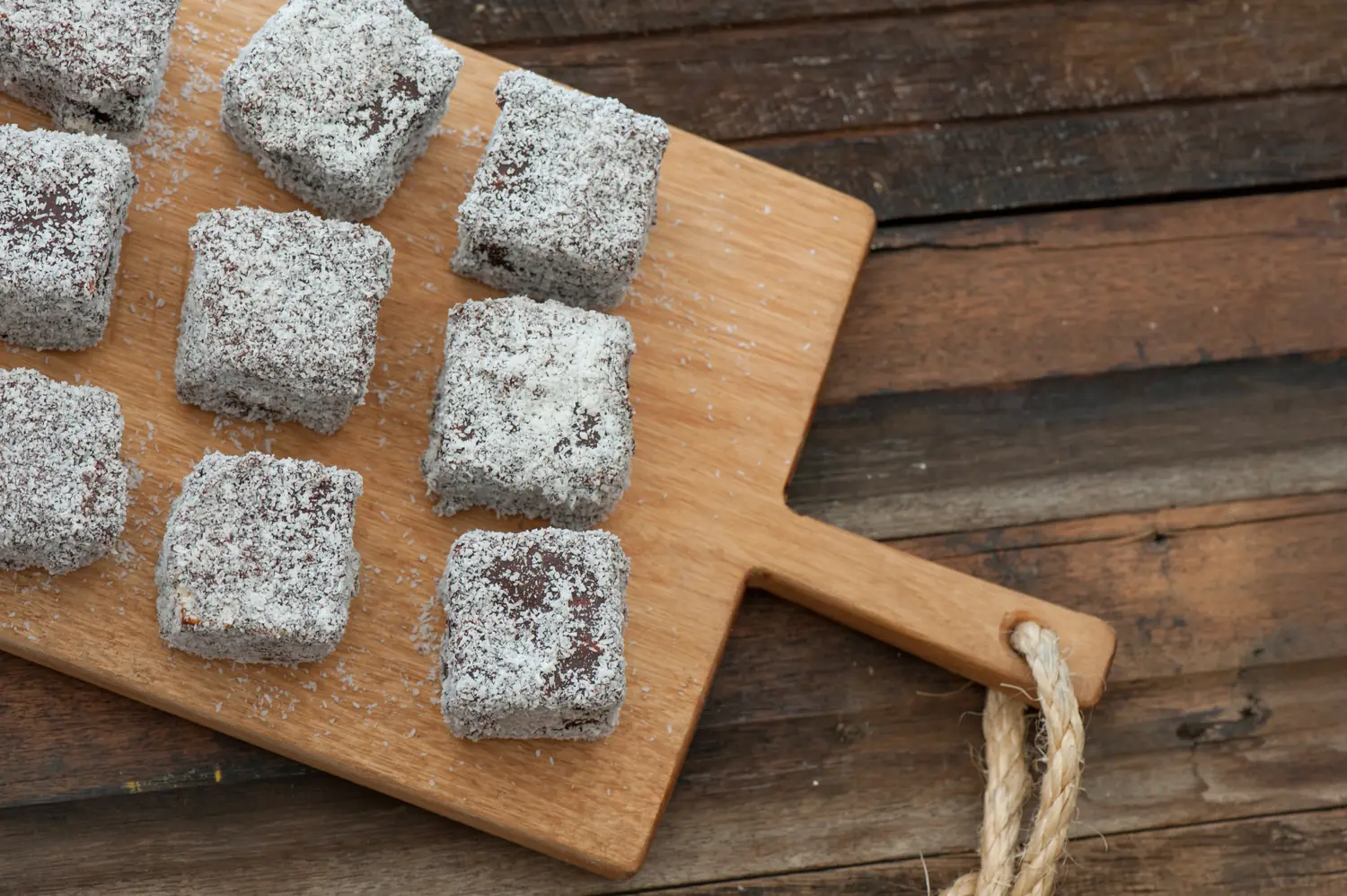
Chocolate and coconut lamington squares on a plate Australia flag Australia 1h
Snack & Tea •Australian Classic

Australian Lamingtons

Lamingtons are squares of light vanilla sponge, dipped in a thin chocolate icing and rolled in desiccated coconut until every side is coated. They are named after Lord Lamington, Governor of Queensland in the 1890s, and they are the cake of Australian school fetes, bake sales and afternoon tea — best eaten the day after baking, when the icing has soaked slightly into the sponge. This recipe makes 16 lamingtons; one serving is two squares, about 155 g.

Sweet & Comforting

Squares of vanilla sponge dipped in chocolate icing and rolled in coconut — the cake Australia eats with its afternoon tea.

Pairs Well With
A cup of tea & fresh berries
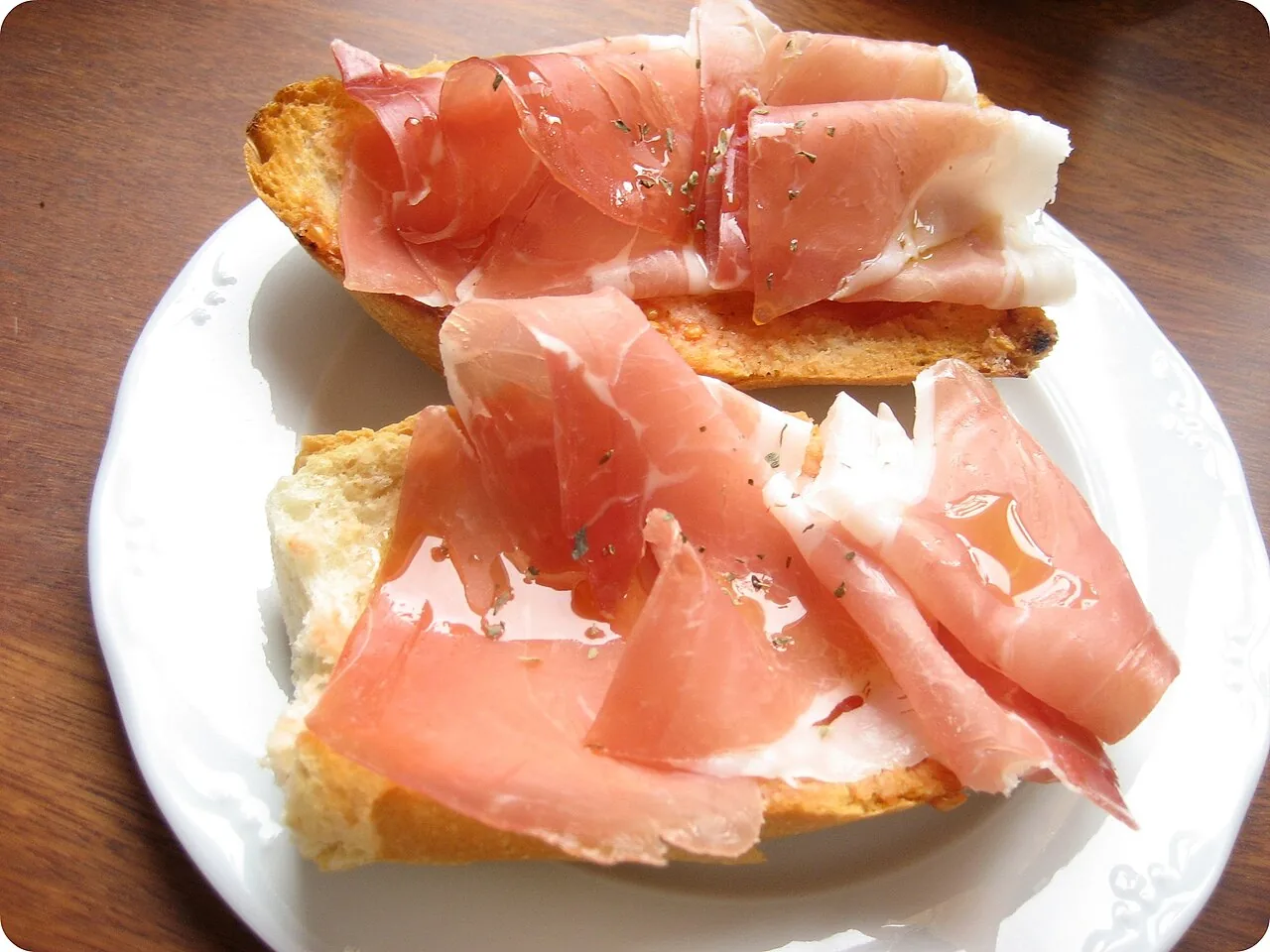
Pan con tomate with jamón ibérico on toasted bread Spain flag Spain 15m
Snack & Tea •Catalan Aperitivo

Pan con Tomate & Jamón Ibérico

Country bread rubbed with ripe Ramallet tomato, drizzled with cold-pressed Arbequina olive oil and topped with jamón ibérico.

Vascular Health

Toasted tomato bread with jamón ibérico, olive oil and olives.

Pairs Well With
Castelvetrano Olives & Sparkling Mineral Water
Quick Prep (<30m)
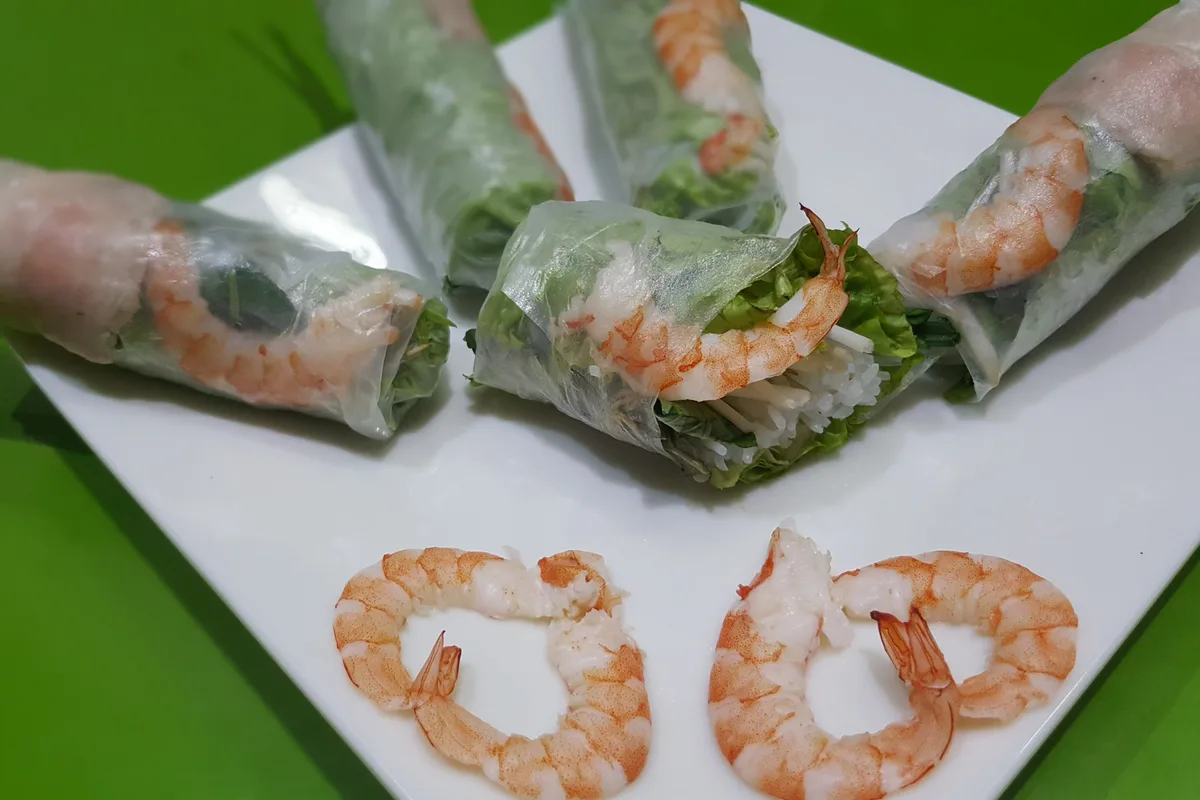
Gỏi cuốn — Vietnamese fresh spring rolls with prawn and pork Vietnam flag Vietnam 1h 5m
Snack & Tea •Saigon Refresh

Gỏi Cuốn Tôm Thịt

Fresh rice paper rolls filled with poached prawns, tender pork, rice vermicelli, lettuce, herbs and carrot, served with a peanut dipping sauce.

Light Digestion

Nothing is fried, so the rolls stay light and fresh — a cool, herb-filled snack for hot days.

Pairs Well With
Artisanal Peanut Dip & Fresh Lotus Root Water
High Protein

The Dinner Gazette

Never wonder what’s for dinner again

One email a week with easy dinner ideas from around the world — ingredients, steps and nutrition, tested in our kitchen first.

Delivered every Thursday morning. Unsubscribe anytime.