Curated recipes from 193 countries  •  New seasonal Mediterranean issue out now

Overview

Banh Chung

Vietnamese Square Sticky Rice Cake

Banh chung is Vietnam's square Tet cake: glutinous rice packed around a core of mashed mung bean and peppered pork belly, wrapped in dong leaves and boiled for eight hours until the rice sets into a firm, sliceable cake. One serving is about 200 g (a quarter of one cake).

According to legend, Prince Lang Lieu, a son of the sixth Hung King, made the square banh chung to honour the earth and the round banh giay to honour the sky, and his cakes won him the throne. Families still gather in the days before Tet to soak rice, wrap cakes and tend the boiling pot together overnight, and the square green parcel has become the centrepiece of the Lunar New Year table in northern Vietnam.

Pairs well with: Pickled scallions, gio lua and hot green tea

Provenance

Vietnam flag Vietnam

Tet Heritage

East & South Asia

Time Dedication

9h 15m

75m prep • 480m cook

Batch Yield

16 Servings

519 kcal per serving

1 serving ≈ 200 g

Technical Skill

Advanced

Advanced (Long Boil)

Meal Timing & Digestive Fit

Breakfast

Not Advised

Lunch

Prime Metabolic Fit

Dinner

Ideal Hearty Main

Snack & Tea

Inappropriate

Occasions: Tet (Lunar New Year), family gatherings, festive lunches Cost: Low — about $1–2 per serving at home
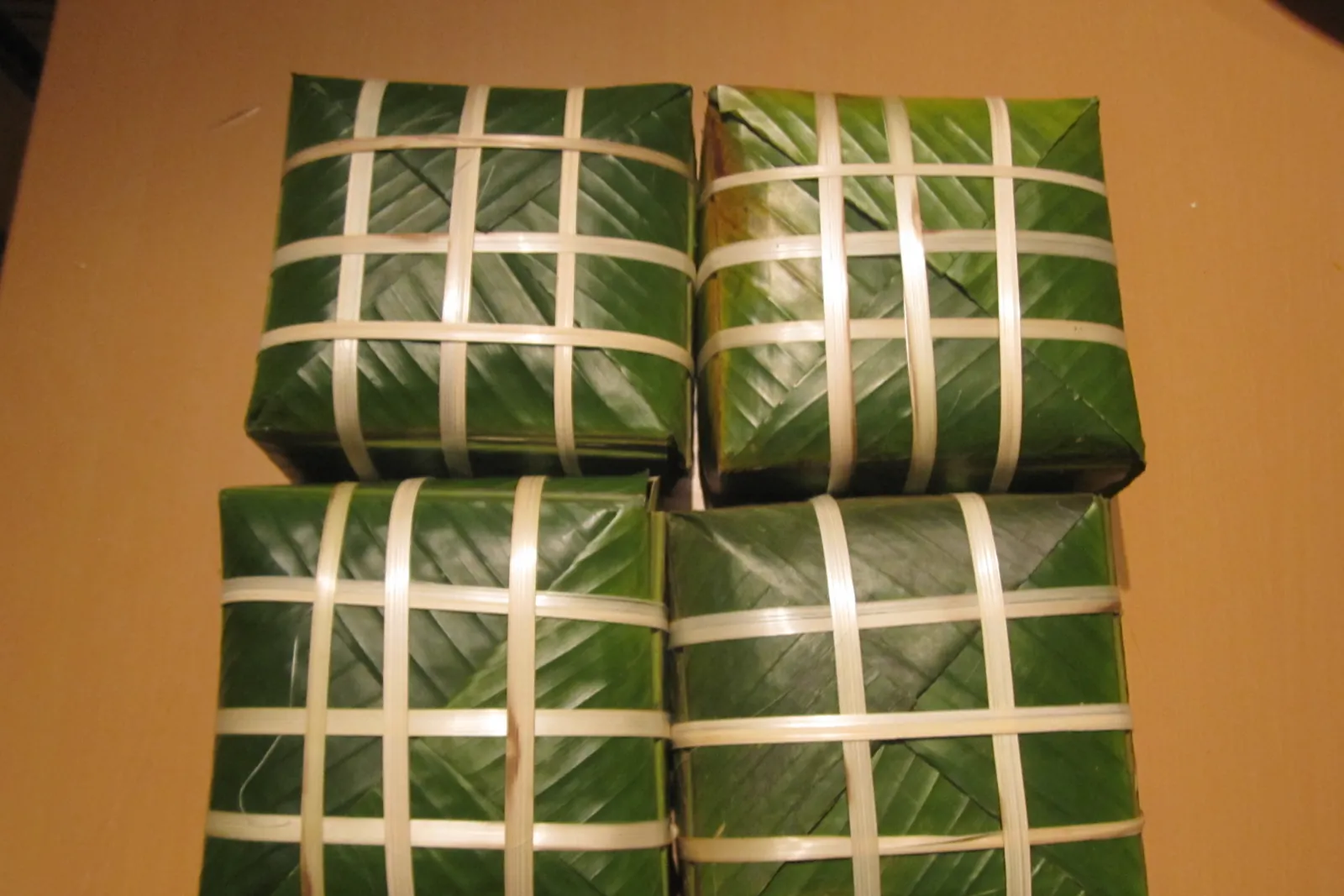
Four square banh chung cakes wrapped in green dong leaves and tied with bamboo string

Tet Heritage

Photo: TRMC, CC BY-SA 3.0, via Wikimedia Commons

The Heritage Formulary

Measured Ingredients

Estimated cost: Low — about $1–2 per serving at home (USD)

A good banh chung holds its square shape when cut, with clear layers of green-tinted rice, yellow mung bean and pork in the middle.

Execution Methodology & Culinary Technique

Step-by-Step Cooking Guide

Active 9h 15m
P

Prep Stage: Soak, Season & Wrap

75 Mins Active • Plus Overnight Soak

Rinse the glutinous rice until the water runs clear and soak it 8 hours or overnight; soak the mung beans 4 hours or overnight. Season the pork belly with fish sauce, black pepper and minced shallot and rest it 30 minutes, steam the mung beans 20 minutes and mash them with salt, then build each cake in layers — rice, mung bean, pork, mung bean, rice — inside a square frame of dong leaves and tie it tight with bamboo string.

Maestro Tip: Do everything the night before Tet: soaked rice and seasoned pork mean the morning is just wrapping and boiling.

  1. 1

    Soak the Rice and Mung Beans

    8 Hours • Overnight Soak Room temperature, ~20°C (68°F)

    Rinse the glutinous rice in several changes of cold water until the water runs clear, then cover with cold water and soak 8 hours or overnight. Rinse the split mung beans the same way and soak 4 hours or overnight. Drain both well before using.

    Do not skip the soak: dry rice packed into the cake will stay hard in the centre even after 8 hours of boiling.

    Done when: Rice grains are plump and opaque white; mung beans are swollen and split easily between the fingers.

  2. 2

    Season the Pork and Steam the Mung Beans

    30 Mins Steam, 100°C (212°F)

    Cut the pork belly into 4 thick pieces of about 150 g each. Rub each piece all over with the fish sauce, black pepper and half the minced shallot, then rest 30 minutes. Meanwhile steam the drained mung beans for 20 minutes until completely soft, then mash with 4 g of salt into a thick, smooth paste. Stir the remaining 8 g of salt through the drained rice.

    Mash the mung beans while they are still hot — they turn smooth with far less effort.

    Done when: Mung bean paste holds its shape on a spoon; pork is evenly coated and smells of pepper and fish sauce.

  3. 3

    Wrap the Square Cakes

    45 Mins Room temperature, ~20°C (68°F)

    Line a square cake frame (about 15 cm / 6 in) with 2 crossed dong leaves, shiny side down. Spread in a layer of salted rice, then a layer of mung bean paste, then one piece of pork in the centre, then more mung bean paste, then a final layer of rice — each layer pressed flat and even. Fold the leaves over the top, lift the frame off, and tie the parcel firmly with bamboo string in a crosshatch of 3 lines each way.

    Press each layer firmly with the back of a spoon and leave no air pockets — loose packing is what makes a cake fall apart when cut.

    Done when: Each parcel is a firm, neat square with the leaves pulled tight and the string holding its shape.

  4. 4

    Boil Low and Slow

    8 Hours • Gentle Boil Gentle boil, 100°C (212°F)

    Pack the 4 cakes snugly into a large pot, cover completely with cold water, and bring to a rolling boil. Reduce to a steady gentle boil, cover with a lid, and cook 8 hours, topping up with boiling water from the kettle whenever the level drops — the cakes must stay submerged the whole time. The long boil cooks the rice through, melts the pork fat into the mung bean, and takes the pork far past the 74°C (165°F) safe temperature.

    Set a timer every hour to check the water level; if a cake ever sits above the water it will cook unevenly and dry out on top.

    Done when: A cake lifted out feels heavy and firm, and the leaves have darkened to olive-green.

  5. 5

    Press, Cool and Cut

    8 Hours Pressing • 15 Mins to Cut Cool to room temperature, ~20°C (68°F)

    Lift the cakes out, rinse the leaves briefly under cold water, and press each cake under a heavy board or weight for 8 hours or overnight — pressing is what sets the square shape and firms the rice. Unwrap, then cut each cake into 4 quarters with a length of bamboo string pulled through the cake (the traditional method) or a thin, wet knife. One quarter is one serving of about 200 g.

    Cut with string, not a sawing knife: pull the string down in one smooth motion for clean layers of rice, mung bean and pork.

    Done when: The cut face shows clear layers — pale green rice, yellow mung bean and pork in the middle — and the slice holds its shape.

Finishing Touches & Plating

Serve the slices at room temperature or lightly warmed, with pickled scallions on the side. A quarter cake per person is a full lunch; the cake's flavour deepens after a day in the fridge.

Nutritional Physiology & Benefits

Nutrition

Energy

519

kcal / serving

Protein

14g

Complete AA

Carbs

68g

Complex

Fats

21g

Healthy

Per serving (16 servings · 1 serving ≈ 200 g)
Energy519 kcal
Protein14 g
Carbohydrates68 g
Fat21 g
Fibre4.1 g
Sugar2.2 g
Sodium459 mg
Per 100g
Energy259 kcal
Protein7 g
Carbohydrates34.1 g
Fat10.3 g
Fibre2.1 g
Sugar1.1 g
Sodium229 mg

Nutrition values are estimated — calculated from USDA FoodData Central values for the listed ingredients.

Vitamins & minerals: B vitamins and iron (pork belly), folate and magnesium (mung beans), manganese (black pepper). Nutrition is estimated.

Long-Lasting Energy

Glutinous rice is a dense source of carbohydrate, and the pork fat slows digestion, so one quarter cake keeps you full for hours.

Protein for Fullness

Pork belly and mung beans together supply about 14 g of protein per serving, which helps the meal feel satisfying.

Fibre and Plant Protein

Mung beans add about 4 g of fibre per serving plus plant protein, folate and magnesium.

Food Pairings

What to Eat With

To optimize nutrient absorption and elevate the sensory depth, pair with these authentic accompaniments:

Sides

Pickled Scallions (Dua Hanh)

The sharp, vinegary bite of pickled scallions cuts through the rich pork fat and dense sticky rice — this is the classic Tet pairing for a reason.

Gio Lua (Pork Sausage)

Slices of lean, delicately seasoned pork sausage add a lighter, springy contrast to the heavy cake on the Tet table.

Vegetables

Cucumber and Fresh Herbs

Cool cucumber and crisp herbs bring water and freshness that balance the cake's density and salt.

Drinks

Hot Green Tea

Unsweetened hot tea cleanses the palate between bites of fatty pork and sticky rice, and it is the traditional drink of the Tet table.

Complete menu

Serve a quarter cake per person with pickled scallions, slices of gio lua and cucumber and herbs, and finish with hot green tea — the classic Tet lunch table.

Digestive Guardrails

What NOT to Combine

To prevent digestive distress, sluggishness, or palate clash, avoid pairing the dish with these elements:

A Very Large Portion Late at Night

Glutinous rice digests slowly and the pork belly is high in fat, so a big serving close to bedtime can feel heavy and may disturb sleep. Eat a modest portion earlier in the day instead. This is general information, not medical advice.

Sugary Soft Drinks With It

Sticky rice already raises blood sugar quickly; a sugary drink adds more fast sugar on top of a heavy, fatty meal. Hot tea or water is the better match. This is general information, not medical advice.

General information only, not medical advice — consult a doctor for personal dietary decisions.

Who Should Eat It

Who Should Eat

  • General adultsA filling festive lunch — one quarter cake (about 200 g) is a full serving.
  • ChildrenSuitable in small portions; cut into small squares and serve with pickled scallions only if they like sour flavours.
  • ElderlySoft and easy to chew, but very filling — serve a smaller portion and go easy on the salty pickles.
  • Pregnant womenGenerally suitable when freshly cooked and served hot; the pork is boiled for 8 hours, well past safe temperatures. Eat a moderate portion and check with your clinician if unsure.
  • Breastfeeding womenGenerally suitable; the protein, iron and energy support recovery — keep portions moderate.
  • AthletesA strong energy-dense meal after hard training, with carbohydrate for glycogen and about 14 g of protein per serving.
  • Weight gainA good choice — energy-dense at 519 kcal per quarter cake, with protein and fat to support extra intake.
  • Weight lossEat a smaller slice (about 100 g) with plenty of cucumber, herbs and pickled scallions, and save the rest for another day.

Health Conditions — Adjust or Avoid

Conditions

  • DiabetesGlutinous rice raises blood sugar quickly — keep to a small slice (about 100 g), pair with vegetables, and check with your clinician about portion size.
  • High blood pressureThe cake is salty (about 459 mg sodium per serving) and the pickled sides add more — eat a modest portion and skip extra fish sauce. Ask your clinician if unsure.
  • Kidney diseaseLimit the portion — the cake is high in sodium and the pork and mung beans add protein and potassium. Ask your clinician about portion size.
  • GoutEat occasionally and in small portions — pork belly and mung beans are both rich in purines. Ask your clinician if unsure.
  • Stomach issuesSticky rice and fatty pork digest slowly and can feel heavy; eat a small portion, chew well, and skip the pickled scallions if your stomach is sensitive.
  • Cardiovascular diseasePork belly is high in saturated fat — treat this as an occasional festive food in a small portion, with vegetables on the side. Ask your clinician if unsure.
  • Fatty liverKeep the portion small and occasional; the combination of dense carbohydrate and pork fat is heavy for the liver. Ask your clinician if unsure.
  • Food allergiesContains pork and fish (fish sauce). Contains mung bean, a legume — people with legume allergy should avoid it. Naturally gluten-free, but confirm the fish sauce brand is certified gluten-free if you have coeliac disease.
  • Special therapeutic dietsIf you follow a prescribed low-sodium, low-fat or low-purine diet, eat only a small portion or skip the pork centre, and check with your clinician.

If you have a medical condition, consult your doctor before changing your diet.

Storage & Use

Storage & Use

How to store
Keep the cake wrapped in its leaves, or wrap slices tightly in cling film or an airtight container.
In the fridge
Up to 5 days in the fridge, wrapped in leaves or sealed.
In the freezer
Up to 3 months, wrapped tightly in cling film and foil; thaw overnight in the fridge.
How to reheat
Steam slices 15–20 minutes or pan-fry in a dry non-stick pan until heated through to 74°C (165°F) and lightly crisp at the edges.
Freezing recommended
Yes — banh chung freezes well for up to 3 months.
Signs it has spoiled
Sour or off smell, slimy surface, or mould on the rice or leaves.

More recipes to explore

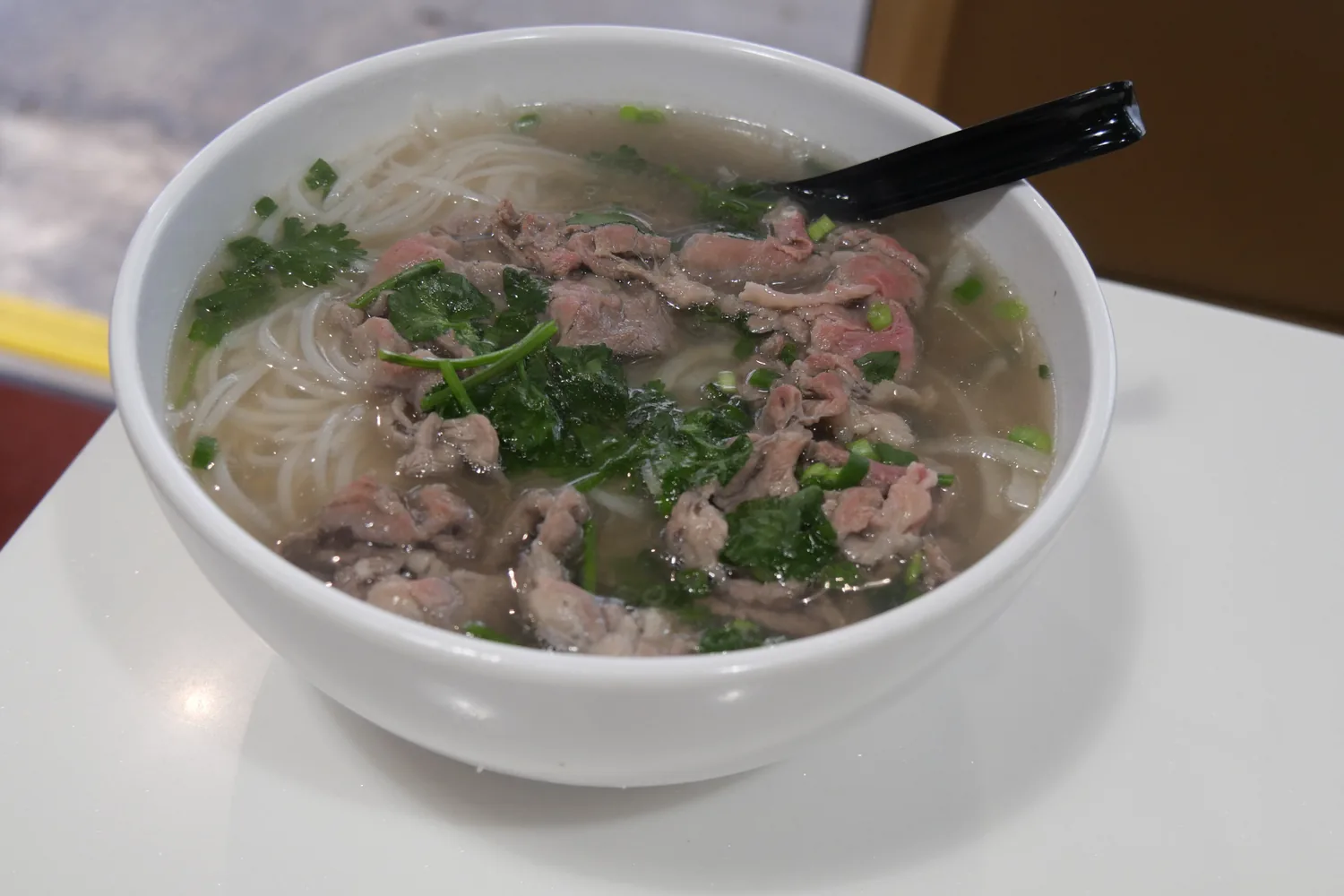
A bowl of Vietnamese phở bò with rare beef, rice noodles and fresh herbs Vietnam flag Vietnam 3h 30m
Breakfast •Hanoi Heritage

Phở Bò Tái Nạm

Slow-simmered star anise and cinnamon bone broth with hand-cut rice noodles, supplying clean restorative warmth and collagen. One serving is about 775 g.

Immunity & Warming

Slow-simmered bone broth with rice noodles, rare beef and fresh herbs.

Pairs Well With
Crispy quẩy, fresh lime & sawtooth coriander
Soups & Broths • High Protein
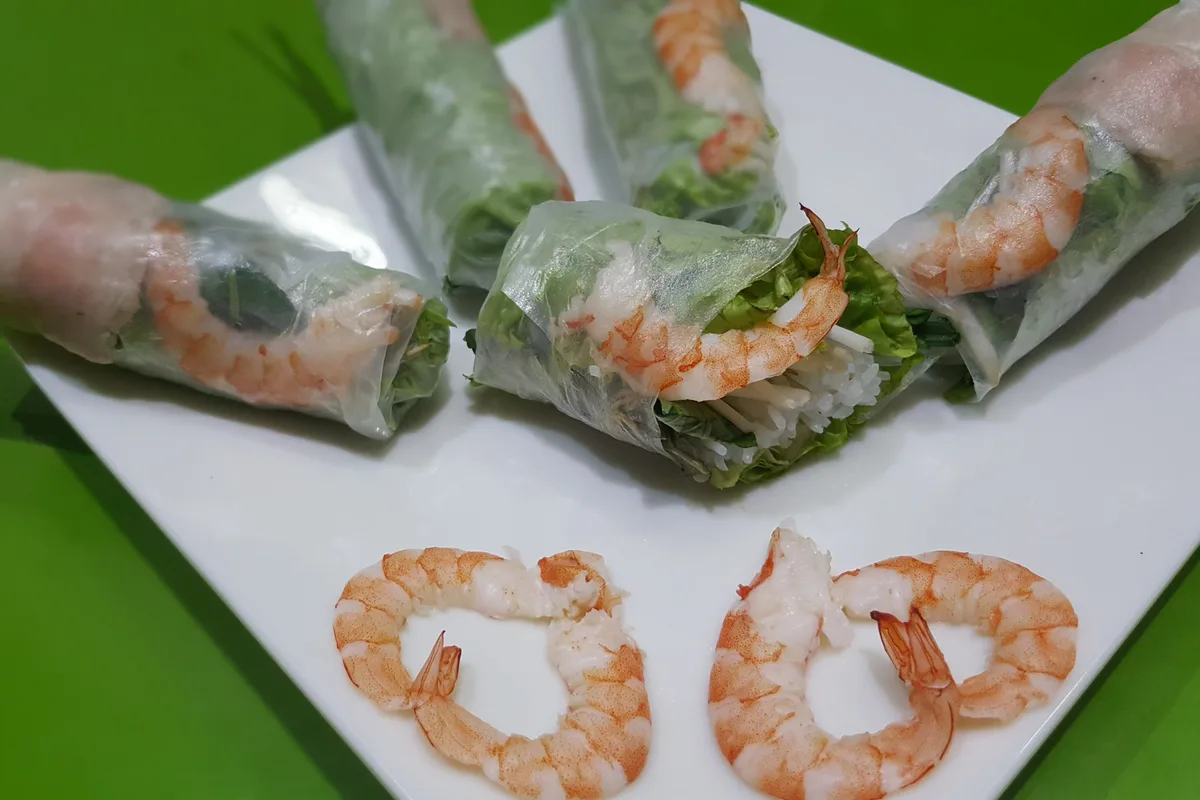
Gỏi cuốn — Vietnamese fresh spring rolls with prawn and pork Vietnam flag Vietnam 1h 5m
Snack & Tea •Saigon Refresh

Gỏi Cuốn Tôm Thịt

Fresh rice paper rolls filled with poached prawns, tender pork, rice vermicelli, lettuce, herbs and carrot, served with a peanut dipping sauce.

Light Digestion

Nothing is fried, so the rolls stay light and fresh — a cool, herb-filled snack for hot days.

Pairs Well With
Artisanal Peanut Dip & Fresh Lotus Root Water
High Protein
Vietnamese braised pork belly with golden eggs in caramel sauce Vietnam flag Vietnam 1h 45m
Dinner •One Pot

Vietnamese Braised Pork and Eggs

Pork belly slowly braised in coconut water and caramel until meltingly tender, with golden eggs that soak up the sweet-savoury sauce — the Vietnamese family dish that tastes better the next day.

Comfort & Sustained Energy

Slow-braised pork belly and eggs in coconut water and caramel.

Pairs Well With
Steamed rice & pickled mustard greens
High Protein
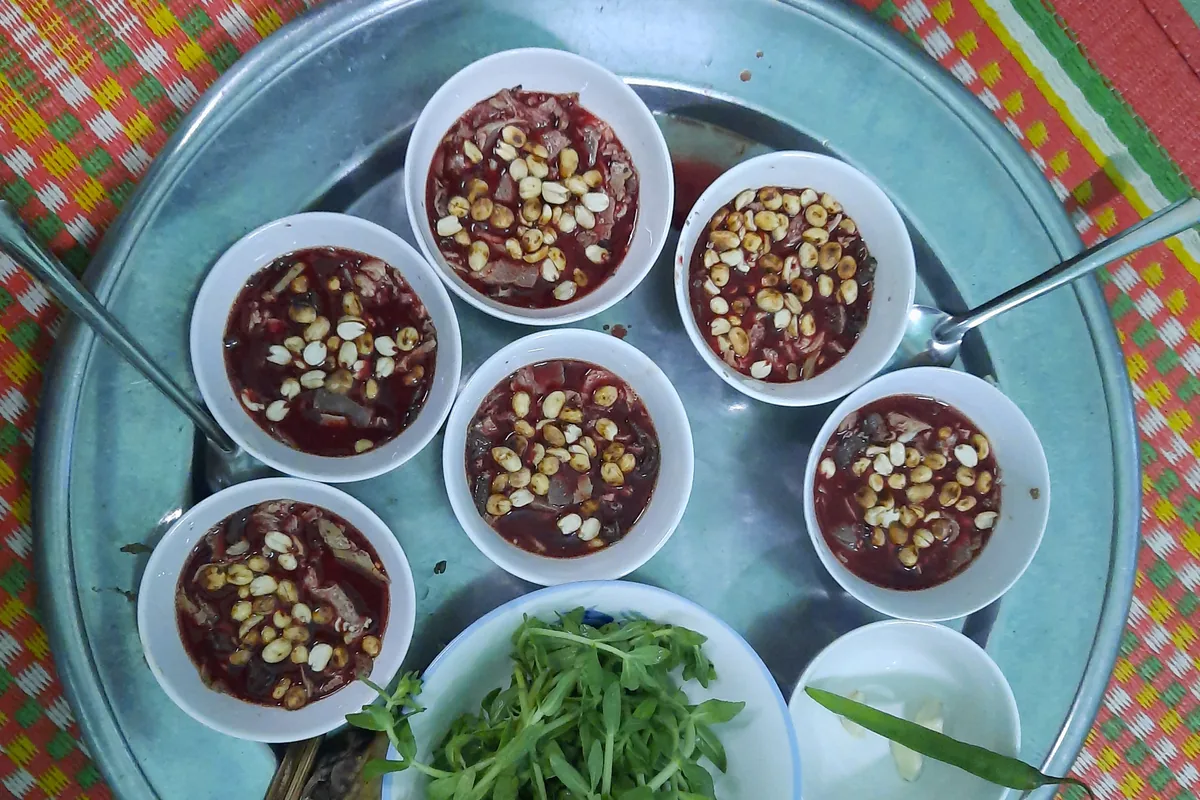
Six small bowls of Vietnamese duck blood pudding topped with roasted peanuts, with fresh herbs and a green chili on a metal tray Vietnam flag Vietnam 1h 10m
Snack & Tea •Hanoi Heritage

Vietnamese Tiết Canh

WARNING: This dish is made from raw duck blood and eating it is NOT recommended. Raw blood can carry Streptococcus suis (which causes meningitis and sepsis — people in Vietnam have died after eating pig-blood tiet canh), avian influenza from duck blood, salmonella and other dangerous germs. Vietnam's Ministry of Health advises against eating tiet canh, and no preparation method — not even blood from a fresh or trusted source — makes raw blood fully safe. This page describes the traditional Hanoi preparation, tiết canh vịt, for cultural knowledge only. One serving is about 241 g: a small bowl of fresh duck blood mixed with fish sauce, poured over finely chopped cooked duck meat and left to set into a soft, trembling jelly, then finished with crushed roasted peanuts, fresh herbs, lime and chili, and served cold.

Cultural Discovery

A traditional northern Vietnamese snack of raw duck blood set into a soft jelly with cooked duck meat, herbs and peanuts — described here for cultural knowledge, with a serious safety warning.

Pairs Well With
Fresh herbs, lime wedges, sliced chili and rice crackers on the side.

The Dinner Gazette

Never wonder what’s for dinner again

One email a week with easy dinner ideas from around the world — ingredients, steps and nutrition, tested in our kitchen first.

Delivered every Thursday morning. Unsubscribe anytime.