Curated recipes from 193 countries  •  New seasonal Mediterranean issue out now

Overview

Bee Sting Cake

Bienenstich, German Bee Sting Cake

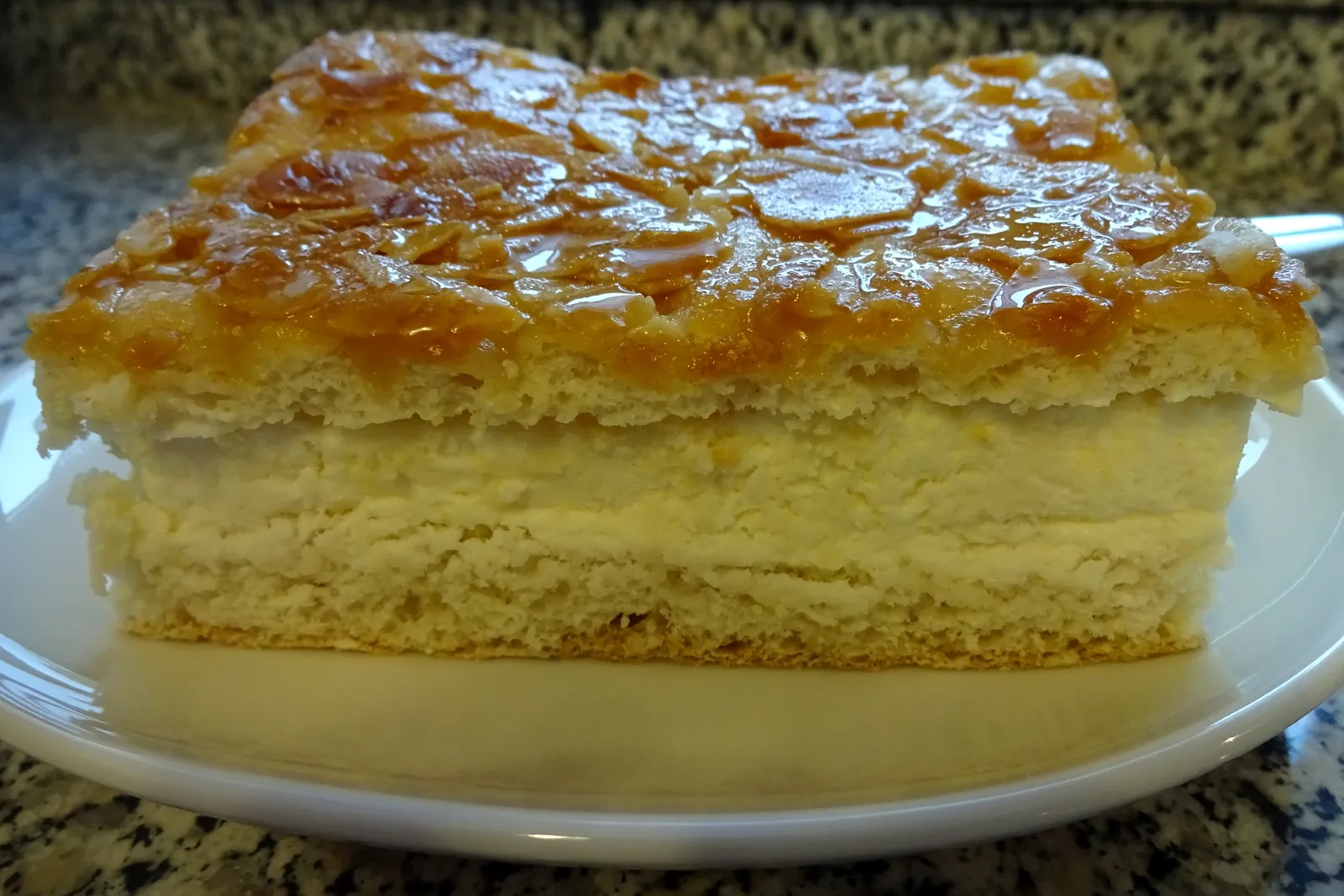
This bee sting cake recipe starts with a soft, enriched yeast dough baked under a crackling topping of butter, honey and sliced almonds, then splits the cooled cake and fills it with a light vanilla pastry cream folded with whipped cream. It is Germany's beloved Bienenstich: buttery, nutty, creamy and not too sweet. One slice is about 145 g.

Bienenstich, literally 'bee sting', is a classic of the Rhineland bakeries of western Germany, and a much-told legend says its name comes from bakers in Andernach who threw beehives at attackers in 1474. Whatever the truth of the story, the cake itself is unmistakable: a soft yeast dough, a topping of butter, honey and almonds that caramelises into a crunchy lid, and a vanilla cream filling. It is still a staple of German Konditoreien, sold by the slice with afternoon coffee.

Pairs well with: Hot coffee, black tea & fresh berries

Provenance

Germany flag Germany

Rhineland Classic

Nordic & European

Time Dedication

2h

90m prep • 30m cook

Batch Yield

12 Servings

459 kcal per serving

1 serving ≈ 145 g

Technical Skill

Intermediate

Medium (Yeast Cake)

Meal Timing & Digestive Fit

Breakfast

Not Advised

Lunch

Inappropriate

Dinner

Inappropriate

Snack & Tea

Ideal Light Bite

Occasions: Coffee time, birthdays, family gatherings, bakery weekends Cost: Low — about $1–2 per serving at home
A slice of bee sting cake with a glossy caramelised almond top and a thick vanilla cream filling on a white plate

Rhineland Classic

Photo: Benreis, CC BY-SA 4.0, via Wikimedia Commons

The Heritage Formulary

Measured Ingredients

Estimated cost: Low — about $1–2 per serving at home (USD)

A true Bienenstich is judged by its topping: deep golden, crackling almonds over a soft, even crumb, with a cream filling that holds its shape.

Execution Methodology & Culinary Technique

Step-by-Step Cooking Guide

Active 2h
P

Prep Stage: Dough, Custard & Topping

90 Mins • Rise & Make

Warm the milk for the dough, weigh the flour, sugar and butter, and grease a 23 cm round springform tin. Make the custard first so it can cool while the dough rises: whisk the cornstarch into the cold milk, heat the rest of the milk with the sugar, then cook them together until thick. Weigh the topping ingredients and slice the almonds ready.

Maestro Tip: Make the custard before the dough — it needs at least an hour to cool, and the dough's rising time is the perfect window.

  1. 1

    Make the Yeast Dough

    70 Mins • Mix & Rise Warm milk, ~35°C (95°F); rise at ~25°C (77°F)

    Stir the yeast and a pinch of the sugar into the warm milk and leave for 5 minutes until it smells yeasty. Mix the flour, remaining sugar and salt in a large bowl, add the yeasty milk, the beaten egg, the vanilla and the softened butter, and knead for 8–10 minutes until the dough is smooth, soft and slightly tacky. Cover and leave in a warm place for about 60 minutes until doubled in size.

    If the milk is hotter than 40°C (104°F) it will kill the yeast — test it on your wrist; it should feel just warm.

    Done when: The dough has doubled, feels puffy, and springs back slowly when poked.

  2. 2

    Cook the Vanilla Custard

    15 Mins • Cook & Cool Medium heat, ~85°C (185°F); do not boil hard

    Whisk the cornstarch and egg yolks into the cold 100 ml milk until completely smooth. Heat the remaining 300 ml milk with the 75 g sugar in a saucepan until it just simmers, then pour in the cornstarch mixture, whisking constantly. Cook for 2–3 minutes until thick like custard, take off the heat, and stir in the butter cubes and vanilla until glossy. Press cling film directly onto the surface and leave to cool completely.

    Film on the surface stops a skin forming — skip it and you will be picking skin out of the cream later.

    Done when: Thick, glossy custard that holds a trail when you lift the whisk.

  3. 3

    Top the Dough and Bake

    30 Mins • Bake Oven 180°C (350°F)

    Press the risen dough into the greased tin in an even layer. Melt the topping butter with the sugar, honey and cream in a small pan, simmer for 2 minutes, take off the heat and stir in the sliced almonds and a splash of vanilla. Spread the hot topping evenly over the dough, right to the edges. Bake for 25–30 minutes until the almonds are deep golden and the centre of the cake reaches 88°C (190°F). Cool in the tin for 10 minutes, then turn out and cool completely.

    Spread the topping to the very edge — bare dough at the rim dries out and the topping shrinks back as it bakes.

    Done when: Deep golden, crackling almond top; a skewer in the centre comes out clean.

  4. 4

    Whip the Cream and Fill

    15 Mins • Whip & Fill Cold cream, ~4°C (39°F)

    Whip the cold 200 ml cream to soft peaks. Whisk the cooled custard until smooth, then fold in the whipped cream in two additions until light and even. Cut the cooled cake horizontally into two layers with a long serrated knife. Cut the almond-topped layer into 12 wedges now, before filling — cutting it later would squeeze the cream out.

    Cutting the top into wedges first is the bakery trick: every slice keeps its crunchy lid intact.

    Done when: Light, mousse-like cream; the top layer is in 12 neat wedges.

  5. 5

    Assemble and Chill

    3 Hours • Chill Fridge, ~4°C (39°F)

    Set the bottom layer on a serving plate, spread the vanilla cream over it in an even dome, then lay the 12 almond wedges on top, matching the cuts. Chill for at least 3 hours, or overnight, so the cream sets and the cake slices cleanly.

    Chill it properly — a warm bee sting cake slides apart the moment you cut it.

    Done when: Firm cream that holds its shape; clean slices with all three layers visible.

Finishing Touches & Plating

Serve cold from the fridge, in the wedges you cut before filling, with the almond top facing up so the crunch shows. The cake keeps its layers best on the day it is filled.

Nutritional Physiology & Benefits

Nutrition

Energy

459

kcal / serving

Protein

8g

Complete AA

Carbs

48g

Complex

Fats

27g

Healthy

Per serving (12 servings · 1 serving ≈ 145 g)
Energy459 kcal
Protein8 g
Carbohydrates48 g
Fat27 g
Fibre2.0 g
Sugar19.3 g
Sodium168 mg
Per 100g
Energy317 kcal
Protein5.7 g
Carbohydrates32.9 g
Fat18.3 g
Fibre1.4 g
Sugar13.3 g
Sodium116 mg

Nutrition values are estimated — calculated from USDA FoodData Central values for the listed ingredients.

Vitamins & minerals: B vitamins and choline (egg yolks), vitamin E and magnesium (almonds), calcium (milk and cream), small amounts of vitamin B2 and phosphorus (milk).

Real Vanilla & Almonds

The filling is a from-scratch vanilla custard and the topping is real sliced almonds — no artificial flavouring or ready-made filling.

Steady Energy

At 459 kcal a slice, with yeast bread, almonds and cream, it is a substantial coffee-time snack that keeps you going between meals.

Lighter Than It Looks

The cream is folded with whipped cream, so the filling is airy rather than heavy, and one slice is a satisfying portion.

Food Pairings

What to Eat With

To optimize nutrient absorption and elevate the sensory depth, pair with these authentic accompaniments:

Drinks

Black Coffee

Unsweetened coffee's bitterness is the classic counterpoint to the honey-almond topping and sweet vanilla cream.

Black Tea

A strong cup of tea cleanses the palate between bites and keeps the rich cake from feeling too heavy.

Sides

Fresh Berries

Raspberries or strawberries add sharp acidity that cuts through the butter and cream.

Full Menus

Coffee & Cake Afternoon

Serve as the centrepiece of a German Kaffee und Kuchen spread with a simple fruit cake and a pot of coffee.

Complete menu

Serve a slice of bee sting cake with black coffee and a few fresh raspberries, as the centrepiece of a German coffee-and-cake afternoon.

Digestive Guardrails

What NOT to Combine

To prevent digestive distress, sluggishness, or palate clash, avoid pairing the dish with these elements:

Eating It Warm from the Oven

Slicing the cake while warm melts the cream filling and the layers slide apart; always cool completely and chill before filling. This is general information, not medical advice.

Very Sweet Drinks

The cake is already sweet, so sugary sodas or sweetened lattes on the side can make the whole snack overwhelmingly sweet — plain coffee or tea is a better match. This is general information, not medical advice.

General information only, not medical advice — consult a doctor for personal dietary decisions.

Who Should Eat It

Who Should Eat

  • General adultsA rich bakery cake at 459 kcal a slice — enjoy one slice with unsweetened coffee rather than two.
  • ChildrenChildren love the crunchy almond top and creamy middle; one slice is plenty, and the nuts should be chewed carefully by younger children.
  • ElderlySoft and easy to chew once the cream has set, but sweet and rich — one slice with tea is a good treat.
  • Pregnant womenThe filling is made with eggs and milk, which supply protein and calcium; the sugar is high, so keep it to one slice and check with your clinician about sugar intake.
  • Breastfeeding womenA satisfying snack that provides energy; keep to one slice because of the sugar, butter and cream.
  • AthletesThe yeast bread and sugar give quick carbohydrate, so it works as a post-training treat, not as food before exercise.
  • Weight gainEnergy-dense for its size, so it can help add calories between meals — one slice as a snack.
  • Weight lossSweet, buttery and energy-dense, so it is a treat rather than an everyday snack — one slice, and skip the sweet drink with it.

Health Conditions — Adjust or Avoid

Conditions

  • DiabetesHigh in sugar and fast carbohydrate, so it raises blood sugar quickly — people with diabetes should eat a small slice only occasionally and check with their clinician.
  • High blood pressureThe butter and salt add up, so keep the portion to one slice if you watch your blood pressure; check with your clinician.
  • Kidney diseaseMilk, cream and eggs add potassium and phosphorus, so people with kidney disease should eat this rarely and in a small portion; ask your clinician.
  • GoutLow in purines, so gout is not a particular concern with this cake; the sugar and fat are the bigger issues.
  • Stomach issuesRich, buttery and creamy, so it can feel heavy on a sensitive stomach — eat slowly and keep to one slice.
  • Cardiovascular diseaseButter and cream are high in saturated fat, so this is an occasional treat rather than a regular snack for heart health; check with your clinician.
  • Fatty liverA sweet, buttery cake is heavy on the liver in large amounts — keep it to one slice occasionally; ask your clinician for guidance.
  • Food allergiesContains wheat (gluten), milk, egg and almond (tree nut). If you are allergic to any of these, do not eat this cake.
  • Special therapeutic dietsNot suitable for low-sugar or low-fat therapeutic diets; a version with less sugar and light cream is lighter but will not taste the same. Ask your clinician for guidance.

If you have a medical condition, consult your doctor before changing your diet.

Storage & Use

Storage & Use

How to store
Cover loosely with cling film or store in a cake box once filled.
In the fridge
3 days, chilled; the almond top softens slightly after the first day.
In the freezer
1 month, unfilled cake layers only, wrapped tightly; thaw in the fridge overnight, then fill fresh.
How to reheat
Do not reheat — serve cold from the fridge. If chilled, leave out for 15 minutes before serving.
Freezing recommended
Only the unfilled cake — the cream filling does not freeze well.
Signs it has spoiled
Sour smell from the cream, slimy filling, or mould spots.

More recipes to explore

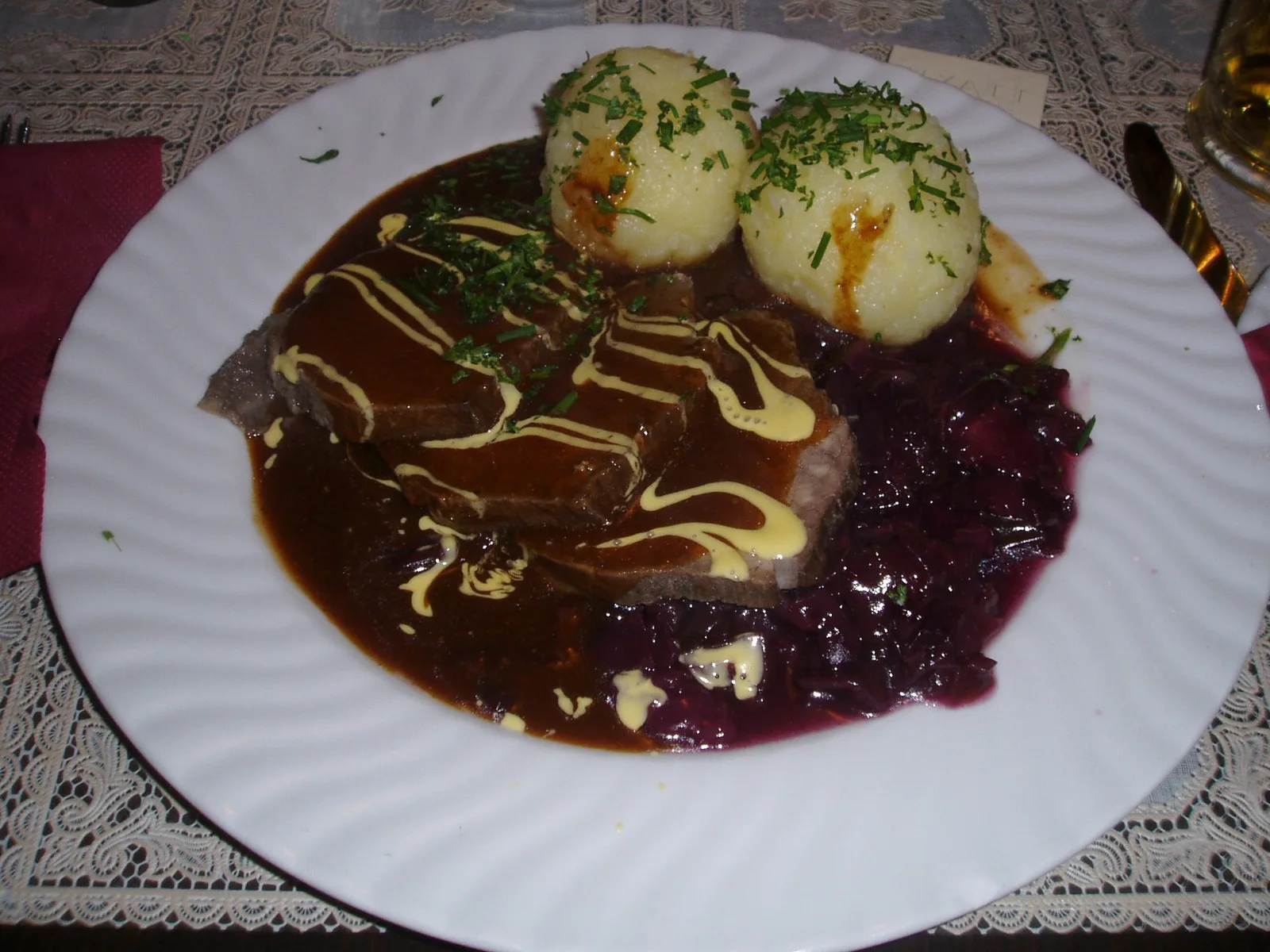
Sliced sauerbraten in dark sweet-sour gravy with potato dumplings and braised red cabbage on a white plate Germany flag Germany 3h 30m
Dinner •Rhineland Heritage

Sauerbraten

This sauerbraten recipe starts with a beef chuck roast steeped for three days in red wine vinegar, red wine and warm spices, then braised slowly until it slices like butter. The marinade becomes a dark, sweet-sour gravy thickened with crushed gingersnaps and studded with raisins, the Rhineland way. One serving is about 300 g, with gravy.

Comfort & Warmth

A slow-braised German pot roast in a sweet-sour vinegar gravy, sliced thick and served hot with potato dumplings and red cabbage.

Pairs Well With
Potato dumplings, braised red cabbage & a glass of Spätburgunder
High Protein
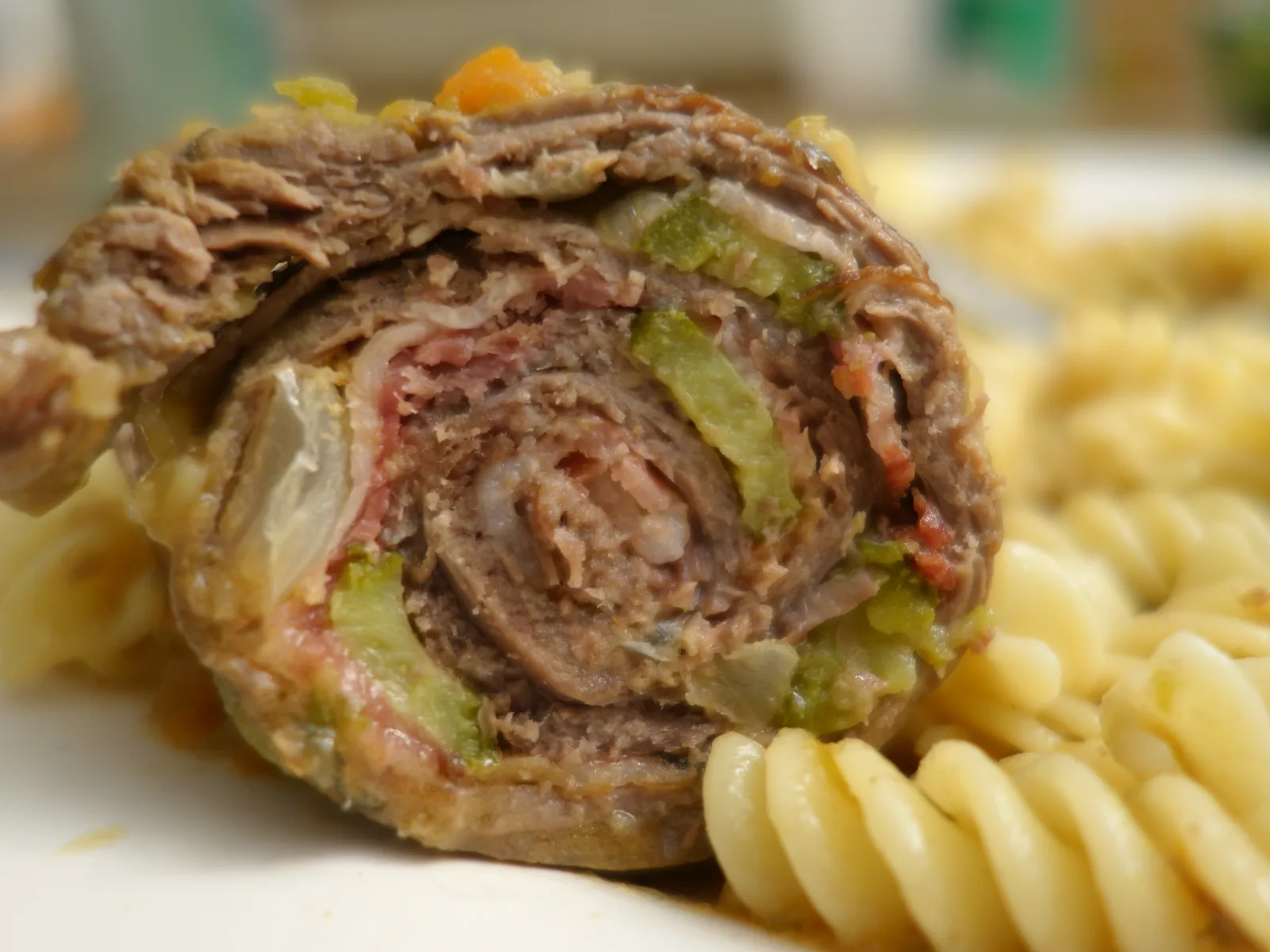
A sliced German beef roulade showing the spiral of beef, bacon and dill pickle, served with pasta Germany flag Germany 2h 10m
Dinner •German Sunday Heritage

Rouladen

This rouladen recipe spreads thin slices of top round with mustard, then rolls them around smoky bacon, dill pickles and onion into neat parcels. The rolls are browned, then braised slowly in red wine and beef stock until tender, and the braising liquid becomes a rich gravy. One serving is about 375 g — two rolls with gravy.

Comfort & Warmth

Thin beef rolls stuffed with bacon, dill pickle and onion, braised in red wine gravy and served hot with dumplings.

Pairs Well With
Potato dumplings, braised red cabbage & a German lager
High Protein
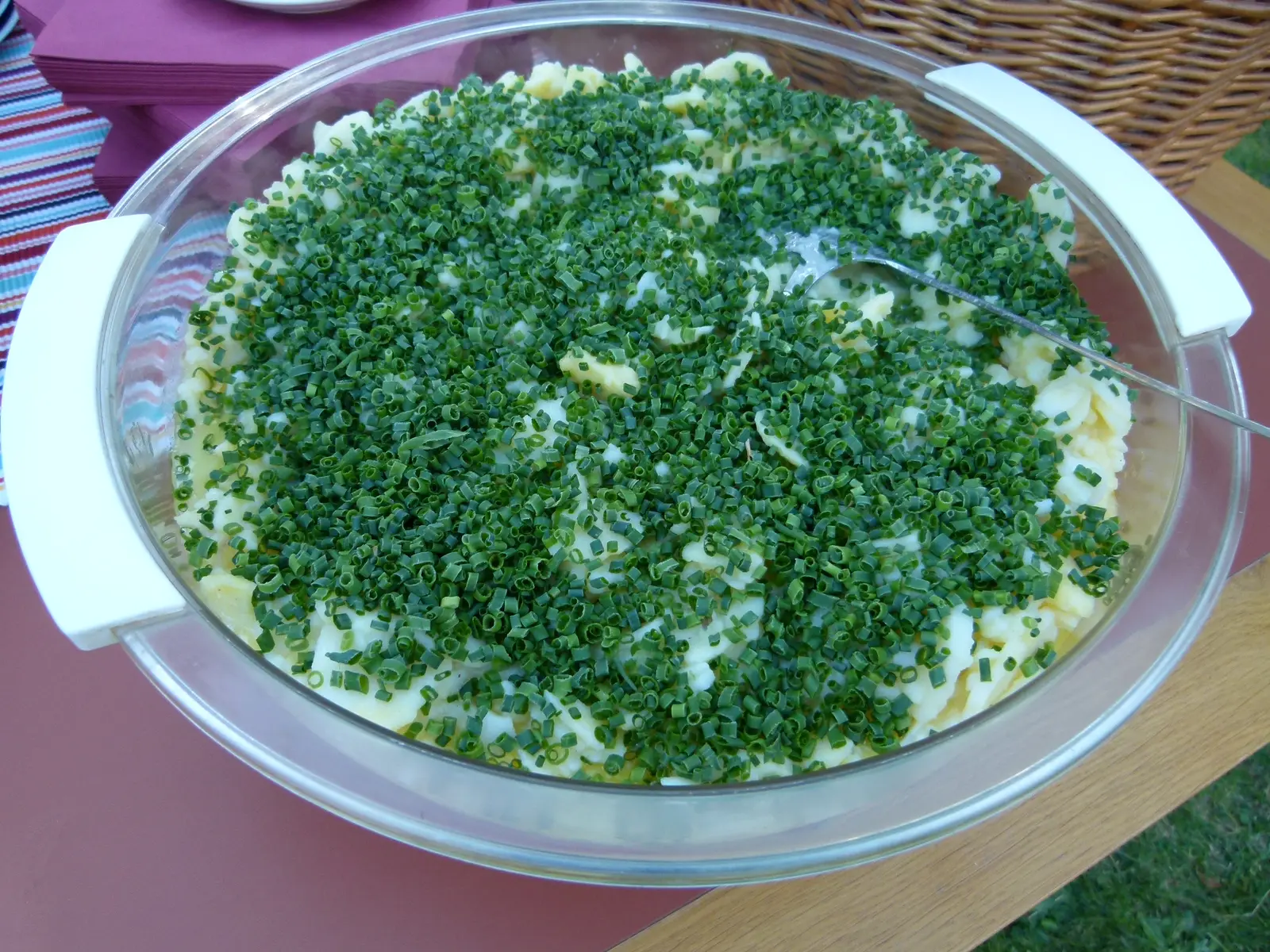
A glass bowl of warm Swabian potato salad topped with chopped chives Germany flag Germany 45m
Lunch •Swabian Heritage

German Potato Salad

This german potato salad recipe is the warm Swabian kind: waxy potatoes sliced while still hot, tossed with crisp bacon, soft onion and sliced egg, then dressed with hot beef stock, vinegar and mustard so every slice drinks up the tangy dressing. No mayonnaise anywhere — the potatoes stay light, glossy and warm. One serving is about 292 g.

Comfort & Warmth

Warm waxy potatoes in a bacon, mustard and vinegar dressing, served straight from the bowl while still steaming.

Pairs Well With
Grilled sausages, schnitzel & a cold German lager
Quick Prep (<30m)
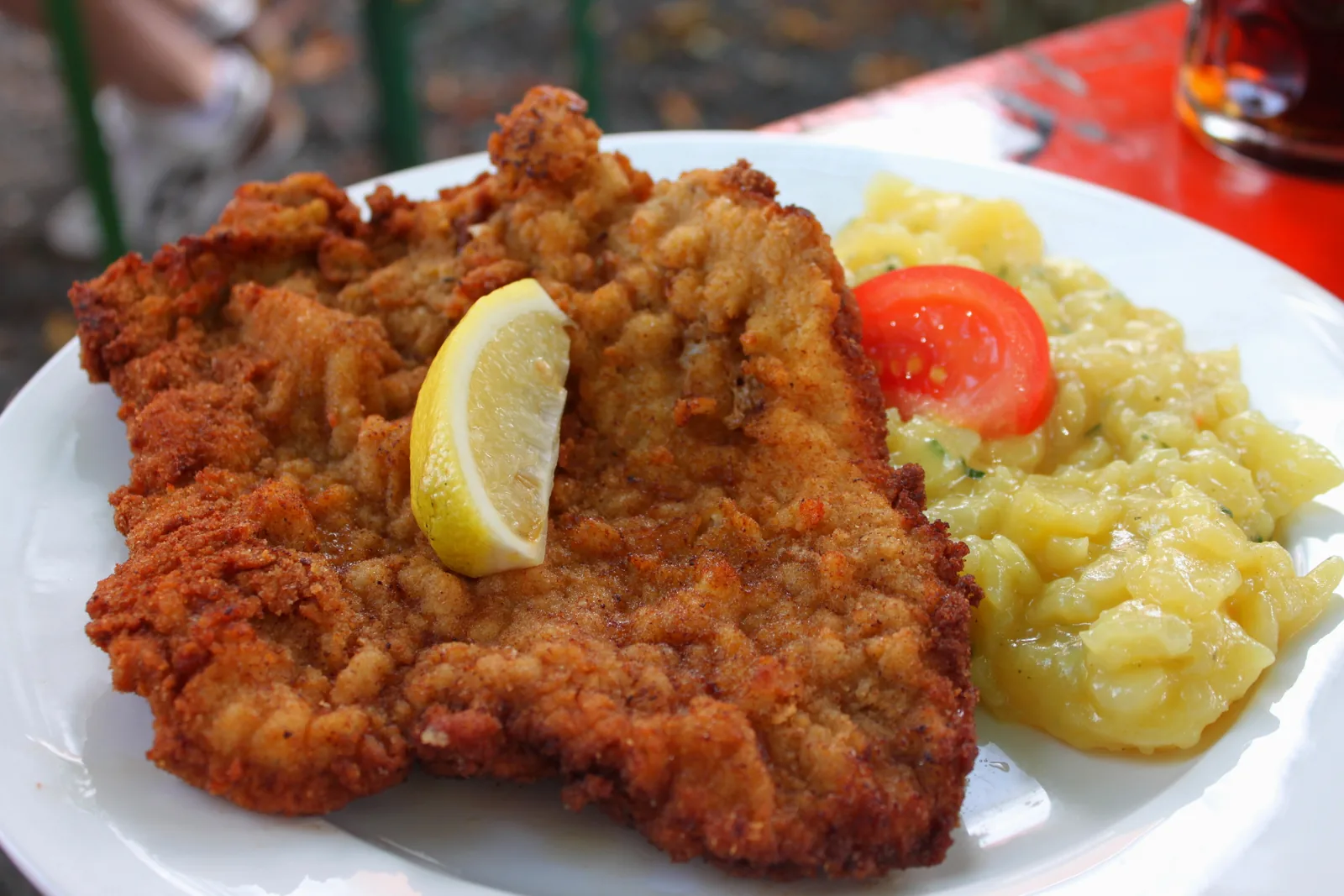
Golden breaded pork schnitzel with a lemon wedge and potato salad on a white plate Germany flag Germany 40m
Dinner •German Heritage

German Pork Schnitzel

German pork schnitzel is the everyday hero of German cooking: a pork cutlet pounded thin, coated in flour, egg and breadcrumbs, and fried in butter until it turns deep golden and crisp. This german schnitzel recipe follows the German way — real pork, a loose crumb, and a wedge of lemon on the side, with potato salad to mop up. One serving is about 200 g.

Classic Comfort

A golden, crisp pork cutlet with lemon and potato salad — a satisfying, protein-rich German dinner.

Pairs Well With
Warm potato salad, cucumber salad and a cold lager.
High Protein

The Dinner Gazette

Never wonder what’s for dinner again

One email a week with easy dinner ideas from around the world — ingredients, steps and nutrition, tested in our kitchen first.

Delivered every Thursday morning. Unsubscribe anytime.