

Curated recipes from 193 countries  •  New seasonal Mediterranean issue out now

Overview

Belgian Hot Chocolate

Chocolat Chaud Belge, Belgian Drinking Chocolate, Brussels Hot Chocolate

Belgian hot chocolate is not cocoa powder stirred into milk: it is real dark chocolate melted into hot whole milk and cream until the drink is thick enough to coat a spoon. This belgian hot chocolate recipe keeps it simple — good dark chocolate, a pinch of salt, a little vanilla — and finishes each mug with whipped cream and a dusting of cocoa. One mug is about 350 g.

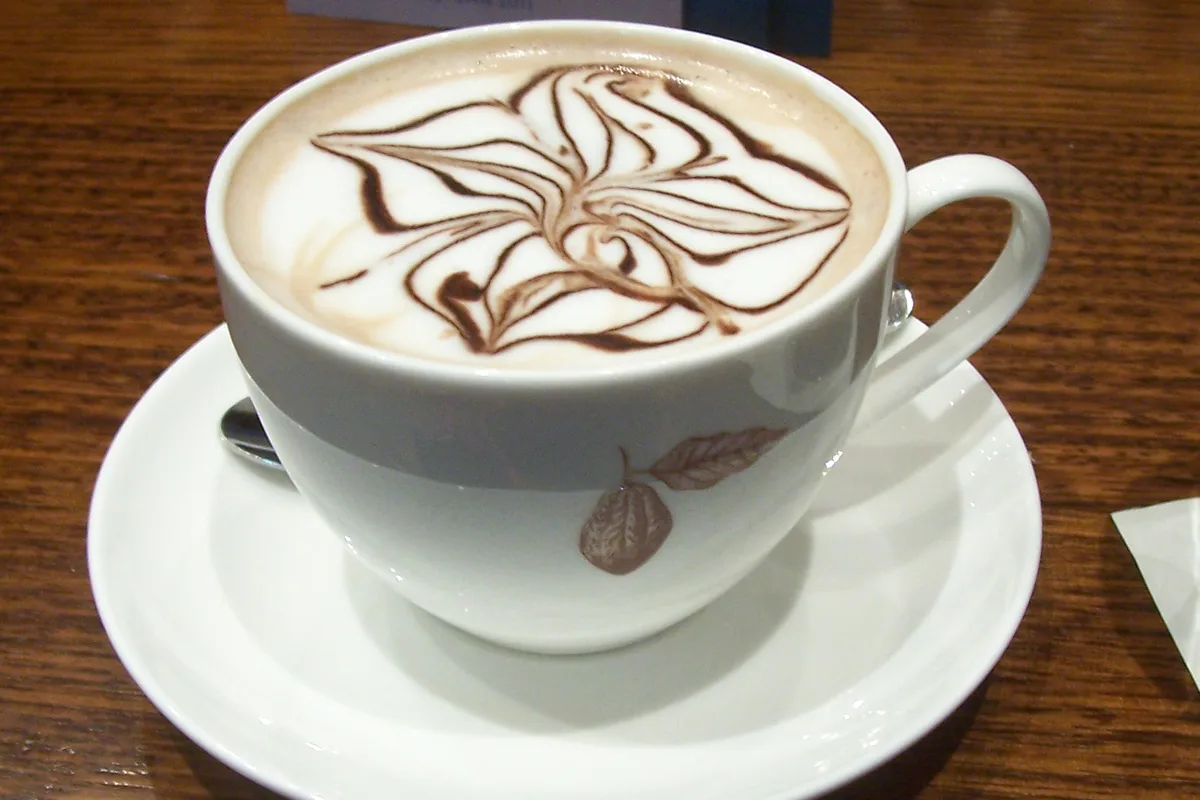
Chocolate reached the Low Countries in the 17th century, when Belgium was under Spanish rule, and the drink took hold long before the praline made Belgian chocolate famous. Belgium's reputation as a chocolate nation grew in the 19th and 20th centuries with makers such as Côte d'Or, founded in 1883, and Callebaut, founded in 1911, and the praline itself was created in Brussels in 1912 by Jean Neuhaus II. In Belgian cafés, from Brussels to Bruges, hot chocolate is still served the old way — thick, made from real melted chocolate rather than powder, and usually crowned with whipped cream. The photograph was taken at Koko Black, a Belgian-style chocolatier café in Canberra, Australia — the drink in the cup is the same thick melted-chocolate style served in Brussels.

Pairs well with: Belgian waffles, speculoos biscuits & black coffee

Provenance

Belgium flag Belgium

Belgian Café Classic

Nordic & European

Time Dedication

15m

5m prep • 10m cook

Batch Yield

2 Servings

608 kcal per serving

1 serving ≈ 350 g

Technical Skill

Easy

Easy (One Pot)

Meal Timing & Digestive Fit

Breakfast

Not Advised

Lunch

Inappropriate

Dinner

Inappropriate

Snack & Tea

Ideal Light Bite

Occasions: Cold winter evenings, Christmas markets, café breaks, after-dinner treat Cost: Low — about $2–3 per serving at home
A white cup of thick Belgian hot chocolate with a dark chocolate swirl on top, on a saucer on a wooden café table

Belgian Café Classic

Photo: Catherine from Australia, CC BY 2.0, via Wikimedia Commons

The Heritage Formulary

Measured Ingredients

Estimated cost: Low — about $2–3 per serving at home (USD)

A good Belgian hot chocolate is thick enough to coat a spoon, glossy and smooth, never grainy or watery.

Execution Methodology & Culinary Technique

Step-by-Step Cooking Guide

Active 15m
P

Prep Stage: Chocolate, Milk, Cream

5 Mins • Chop and Measure

Chop the dark chocolate finely so it melts fast and evenly, and measure out the milk, sugar, salt and vanilla. Keep the cream in the fridge until the last minute — cold cream whips up far better than warm cream. Warm two mugs with hot water while you work, so the drink stays hot when you pour it.

Maestro Tip: Chop the chocolate small: big chunks melt unevenly and can scorch on the bottom of the pan before the rest has melted.

  1. 1

    Chop the Chocolate

    3 Mins Room temperature, about 20°C (68°F)

    Break the 90 g of dark chocolate into small pieces or chop it finely on a board. Put it in a small bowl with the 20 g of sugar and the pinch of salt, and set it beside the stove. Fill two mugs with hot water to warm them, then empty them just before serving.

    Use a bar, not chips — chips contain stabilisers that keep their shape and melt into a grainy drink.

    Done when: Even, pea-sized pieces of chocolate, ready to melt in seconds.

  2. 2

    Warm the Milk Until Steaming

    5 Mins Steaming, about 80°C (175°F) — do not boil

    Pour the 500 ml of whole milk into a small saucepan and warm it over medium-low heat, stirring now and then. Heat it until it is steaming and small bubbles form around the edge of the pan — about 80°C (175°F). Take it off the heat the moment it steams; boiling milk scorches and changes the flavour of the chocolate.

    Watch the edge of the pan, not the middle — the first tiny bubbles at the rim mean the milk is hot enough.

    Done when: Steaming milk with small bubbles at the edge, not a rolling boil.

  3. 3

    Melt the Chocolate into the Milk

    3 Mins Low heat, about 70°C (158°F)

    Add the chopped chocolate, sugar and salt to the hot milk and return the pan to low heat. Whisk constantly for 2–3 minutes until every piece has melted and the drink is smooth, glossy and slightly thick — it should coat the back of a spoon. Stir in the 5 ml of vanilla extract off the heat.

    Whisk in small circles from the centre outwards; this builds a smooth emulsion instead of a streaky one.

    Done when: A smooth, glossy drink that coats a spoon and has no flecks of unmelted chocolate.

  4. 4

    Whip the Cream

    2 Mins Cold cream, about 4°C (40°F)

    While the chocolate rests, whip the cold 80 ml of heavy cream in a chilled bowl until it holds soft peaks — thick enough to sit on a spoon, but still soft and spoonable. Do not whip it stiff, or it will turn buttery and sit like a lump instead of melting gently into the hot drink.

    A cold bowl and cold cream whip in half the time; warm cream can take twice as long and may never peak.

    Done when: Soft peaks that flop over gently when you lift the whisk.

  5. 5

    Pour, Top and Serve

    2 Mins Serve hot, about 65°C (150°F)

    Empty the warmed mugs and pour the hot chocolate into them, dividing it evenly — about 350 g per mug. Spoon the whipped cream generously over the top and dust with the 4 g of cocoa powder. Serve at once, while the drink is hot and the cream is just starting to melt into it.

    For the swirled look in the photo, drag a teaspoon of melted chocolate through the cream in a loose spiral instead of dusting with cocoa.

    Done when: Two hot mugs, cream sitting proud on top, cocoa dusted evenly.

Finishing Touches & Plating

Serve the mugs straight away, while the chocolate is hot and the cream is slowly melting into it. A teaspoon is part of the ritual — stir the cream in as you drink, and the last sips are the richest of all.

Nutritional Physiology & Benefits

Nutrition

Energy

608

kcal / serving

Protein

13g

Complete AA

Carbs

45g

Complex

Fats

42g

Healthy

Per serving (2 servings · 1 serving ≈ 350 g)
Energy608 kcal
Protein13 g
Carbohydrates45 g
Fat42 g
Fibre5.6 g
Sugar35.0 g
Sodium322 mg
Per 100g
Energy174 kcal
Protein3.7 g
Carbohydrates12.9 g
Fat12 g
Fibre1.6 g
Sugar10 g
Sodium92 mg

Nutrition values are estimated — calculated from USDA FoodData Central values for the listed ingredients.

Vitamins & minerals: Calcium and vitamin B12 (milk and cream), iron and magnesium (dark chocolate), vitamin A (cream). All nutrition values are estimated.

Calcium and Protein from Milk

Whole milk and cream give each mug about 13 g of protein and a good share of calcium, which is why this drink feels properly filling, not just sweet.

Quick, Steady Warmth

At about 608 kcal a mug, this is a substantial drink — real energy for a cold afternoon, in a form your body can use right away.

Real Chocolate, Real Fibre

Dark chocolate brings about 5.6 g of fibre per mug, plus iron and magnesium — a small nutritional bonus on top of the comfort.

Food Pairings

What to Eat With

To optimize nutrient absorption and elevate the sensory depth, pair with these authentic accompaniments:

Sides

Belgian Waffles

A crisp, warm waffle is the classic Belgian partner: its buttery crunch contrasts with the thick, smooth drink, and a little of the chocolate is perfect for dipping.

Speculoos Biscuits

Spiced speculoos add cinnamon warmth and a snap of crunch against the silky drink, and they are the biscuit Belgian cafés serve with coffee and chocolate alike.

Drinks

Black Coffee

If one rich drink is not enough, a small black coffee alongside cuts the sweetness and is the standard Belgian café combination.

Full Menus

As a Winter Afternoon Break

Serve it as the centre of a cold-day break — a mug of hot chocolate, a waffle or a biscuit, and nothing heavier before it.

Complete menu

Serve a mug of Belgian hot chocolate with a warm Belgian waffle and a speculoos biscuit, after a light lunch of soup and bread.

Digestive Guardrails

What NOT to Combine

To prevent digestive distress, sluggishness, or palate clash, avoid pairing the dish with these elements:

Boiling the Milk or Chocolate

A full boil scorches the milk and can make the chocolate seize into grainy clumps, turning a silky drink bitter and gritty. Keep the milk at a steam, about 80°C (175°F), and melt the chocolate on low heat. This is general information, not medical advice.

Drinking It Scalding Hot

Fresh from the pan the drink is near boiling and can burn the mouth and throat, especially for children. Let each mug stand for a minute or two until it is comfortably hot, about 65°C (150°F), before the first sip. This is general information, not medical advice.

Piling On Extra-Sweet Toppings

One mug already has about 35 g of sugar; adding marshmallows, chocolate sauce and sweetened cream on top pushes the sugar load much higher without adding anything the drink needs. Keep the topping to plain whipped cream and a dusting of cocoa. This is general information, not medical advice.

General information only, not medical advice — consult a doctor for personal dietary decisions.

Who Should Eat It

Who Should Eat

  • General adultsA rich, satisfying treat: one mug is a proper afternoon break, best enjoyed slowly rather than as an everyday drink.
  • ChildrenSuitable as an occasional treat for children over 2 years; serve it cooled to a comfortable temperature, about 65°C (150°F), and consider a half mug — it is very rich and sweet.
  • ElderlyExcellent comfort drink: warm, soft and easy to enjoy; serve it not too hot, and in a mug with a handle that is easy to hold.
  • Pregnant womenGenerally suitable in moderation; dark chocolate contains a small amount of caffeine, so count this mug in your daily caffeine total and ask your clinician if unsure.
  • Breastfeeding womenGenerally suitable; the milk and cream give useful energy, though the drink is rich and sweet, so keep it to one mug and ask your clinician if unsure.
  • AthletesA good cold-weather recovery drink: about 45 g of carbohydrate and 13 g of protein per mug for refuelling, with plenty of fluid.
  • Weight gainAn easy way to add energy: one full mug with whipped cream, or a second half-mug with a waffle.
  • Weight lossKeep it an occasional treat: use a half portion, skip the whipped cream, and use a lower-sugar dark chocolate.

Health Conditions — Adjust or Avoid

Conditions

  • DiabetesOne mug has about 45 g of carbohydrate and 35 g of sugar, so count it in your meal plan and keep the portion to half a mug if you drink it; ask your clinician if unsure.
  • High blood pressureSodium is moderate at about 322 mg per mug; the cream and chocolate are the main sources of saturated fat, so keep the portion as written and ask your clinician about your target.
  • Kidney diseaseMilk, cream and chocolate are all sources of potassium and phosphorus; keep portions small if you follow a limit, and ask your clinician.
  • GoutThe drink is low in purines and contains no meat or seafood; the sugar is the main thing to watch, and ask your clinician if unsure.
  • Stomach issuesWarm and mild, but very rich — the cream and chocolate can feel heavy on a sensitive stomach, so drink it slowly and keep the portion modest, and ask your clinician if unsure.
  • Cardiovascular diseaseCream and chocolate make this a rich, high-saturated-fat drink; enjoy it as an occasional treat and balance the day with lighter meals, and ask your clinician about your overall diet.
  • Fatty liverKeep the portion small and skip the whipped cream; the sugar and saturated fat add up quickly, and ask your clinician if you follow a prescribed diet.
  • Food allergiesContains milk (whole milk, cream). Dark chocolate may contain traces of nuts depending on the brand — check the label if you have a nut allergy.
  • Special therapeutic dietsFits a vegetarian and gluten-free diet; for a lower-sugar plan, use unsweetened dark chocolate and skip the added sugar, and check with your clinician.

If you have a medical condition, consult your doctor before changing your diet.

Storage & Use

Storage & Use

How to store
Best served fresh. Cool any leftover chocolate quickly and store it in a covered jug or jar in the fridge; keep the whipped cream separate.
In the fridge
Keeps 2 days in the fridge at 4°C (40°F) or below; a skin may form — whisk it back in when reheating.
In the freezer
Do not freeze — the milk and cream split on thawing and the texture turns grainy.
How to reheat
Warm gently in a saucepan over low heat, stirring constantly, until steaming at about 74°C (165°F); do not boil. Whip fresh cream for the topping.
Freezing recommended
No — freezing spoils the smooth texture; make it fresh instead.
Signs it has spoiled
Sour smell, curdled or separated texture, or any mould on the surface.

More recipes to explore

Moules-frites — a black pot of steamed mussels with herbs, served with golden fries at a Brussels brasserie Belgium flag Belgium 1h
Dinner •Brussels Brasserie Classic

Moules-Frites

This moules frites recipe makes the plate Belgium is proudest of: a black pot of mussels steamed open in white wine, shallots and cream, served with a heap of crisp, twice-cooked fries and a pot of mayonnaise. The mussels are sweet and briny, the broth is made for dipping, and the fries stay crisp if you keep them out of the pot. One serving is about 350 g.

Seaside Comfort

Sweet mussels steamed in white wine and cream, piled next to golden twice-cooked fries.

Pairs Well With
Crisp Belgian lager & mayonnaise
High Protein

Belgian waffles — a golden Brussels waffle topped with whipped cream and icing sugar on a white plate Belgium flag Belgium 1h 35m
Breakfast •Brussels Bakery Classic

Belgian Waffles

This Belgian waffles recipe makes the light, yeasted kind: a risen batter cooked in a hot iron until the outside is crisp and golden and the inside stays soft and airy. The deep pockets hold butter, syrup or berries, and a dusting of icing sugar is all they really need. This recipe makes 8 waffles; one serving is 2 waffles, about 210 g. Nutrition is for the plain waffles, before toppings.

Weekend Breakfast Treat

Light, yeasted Brussels waffles with deep pockets, crisp outside and soft inside.

Pairs Well With
Strong coffee & fresh berries
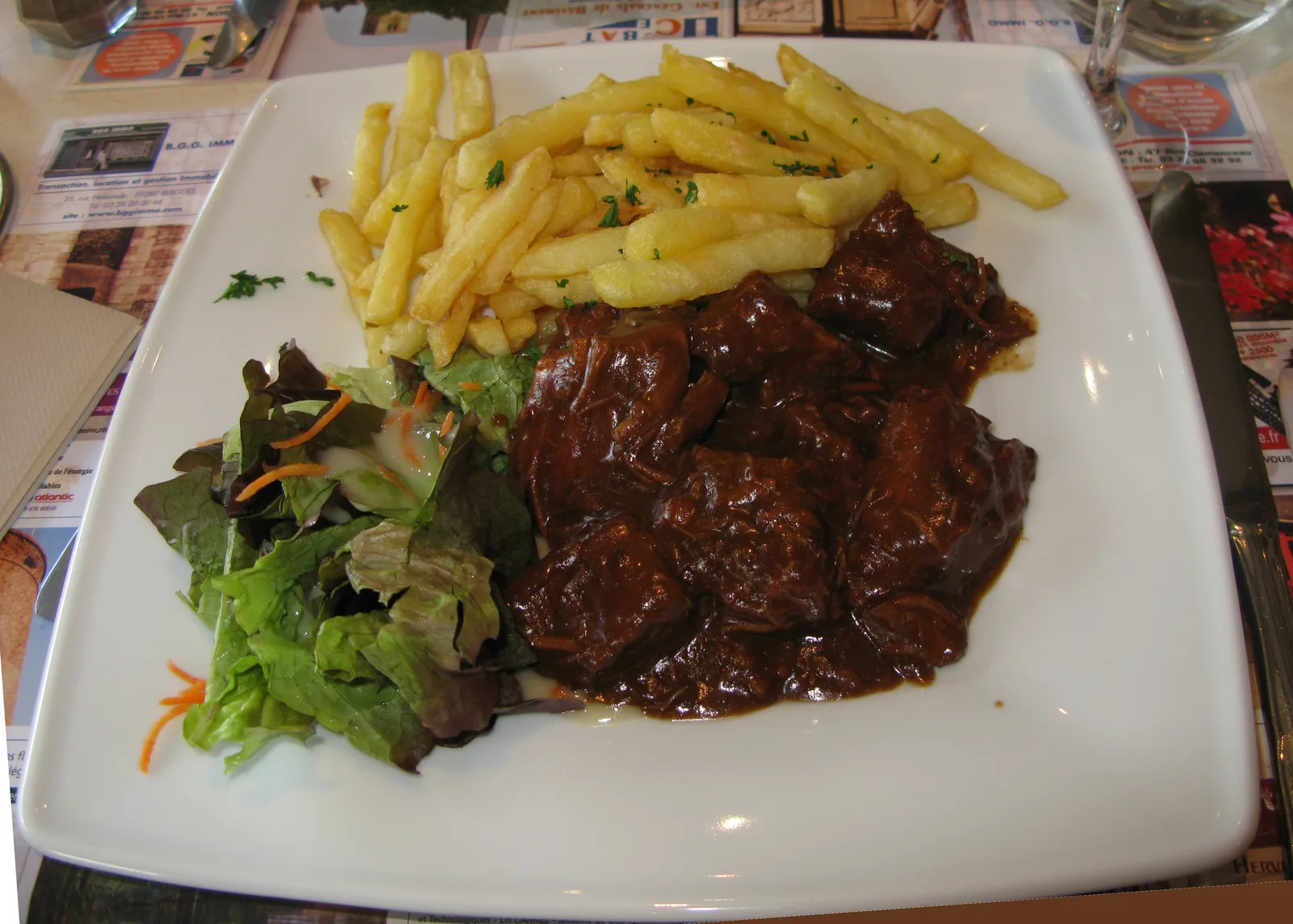
Carbonade flamande — dark beer-braised beef stew with fries and a small salad on a white plate Belgium flag Belgium 2h 55m
Dinner •Flemish Farmhouse Classic

Carbonade Flamande

This carbonade flamande recipe is Flanders' answer to the French beef stew: chunks of beef braised for hours in dark Belgian ale with sweet caramelised onions, thyme and bay, thickened the old way with slices of bread spread with mustard. The sauce turns dark, glossy and sweet-sour, and the beef goes spoon-tender. One serving is about 250 g, not counting the fries or potatoes served alongside.

Slow Sunday Comfort

Beef braised low and slow in dark Belgian ale with onions and mustard bread.

Pairs Well With
Dark Belgian ale & fries
High Protein
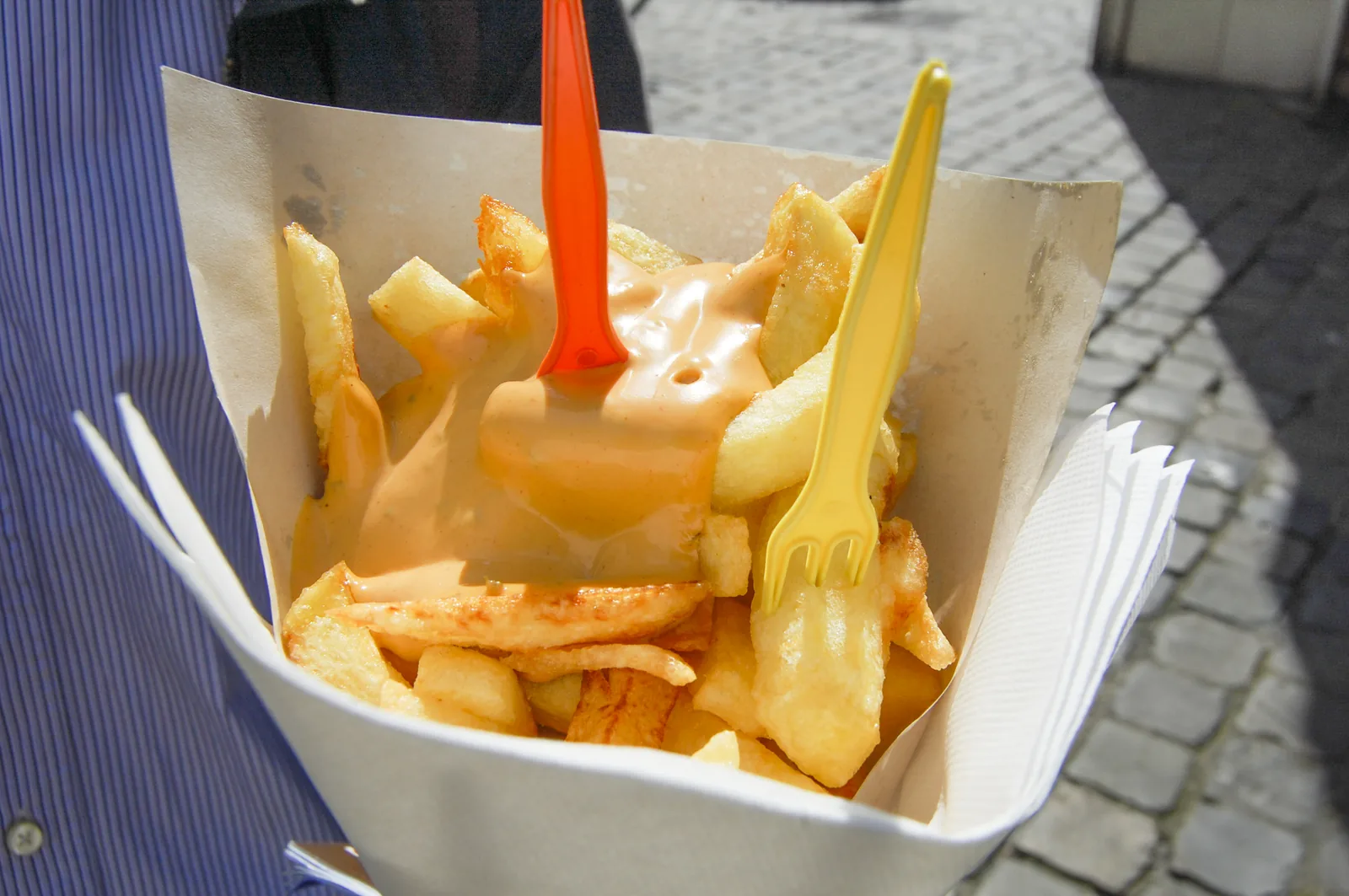
A paper cone of golden Belgian fries topped with andalouse sauce and two small plastic forks. Belgium flag Belgium 55m
Snack & Tea •Brussels Friterie Classic

Belgian Fries

Belgian fries are the real thing: thick batons of floury potato, fried twice — once gently to cook them through, once hot to shatter the outside — and served in a paper cone with andalouse sauce. One serving is about 253 g.

Crisp & Golden

Thick-cut potatoes fried twice in vegetable oil — crisp outside, fluffy inside, with andalouse sauce.

Pairs Well With
Serve hot in a paper cone with andalouse sauce and a cold lager.
Quick Prep (<30m)

The Dinner Gazette

Never wonder what’s for dinner again

One email a week with easy dinner ideas from around the world — ingredients, steps and nutrition, tested in our kitchen first.

Delivered every Thursday morning. Unsubscribe anytime.