Lamb & Prune Tagine
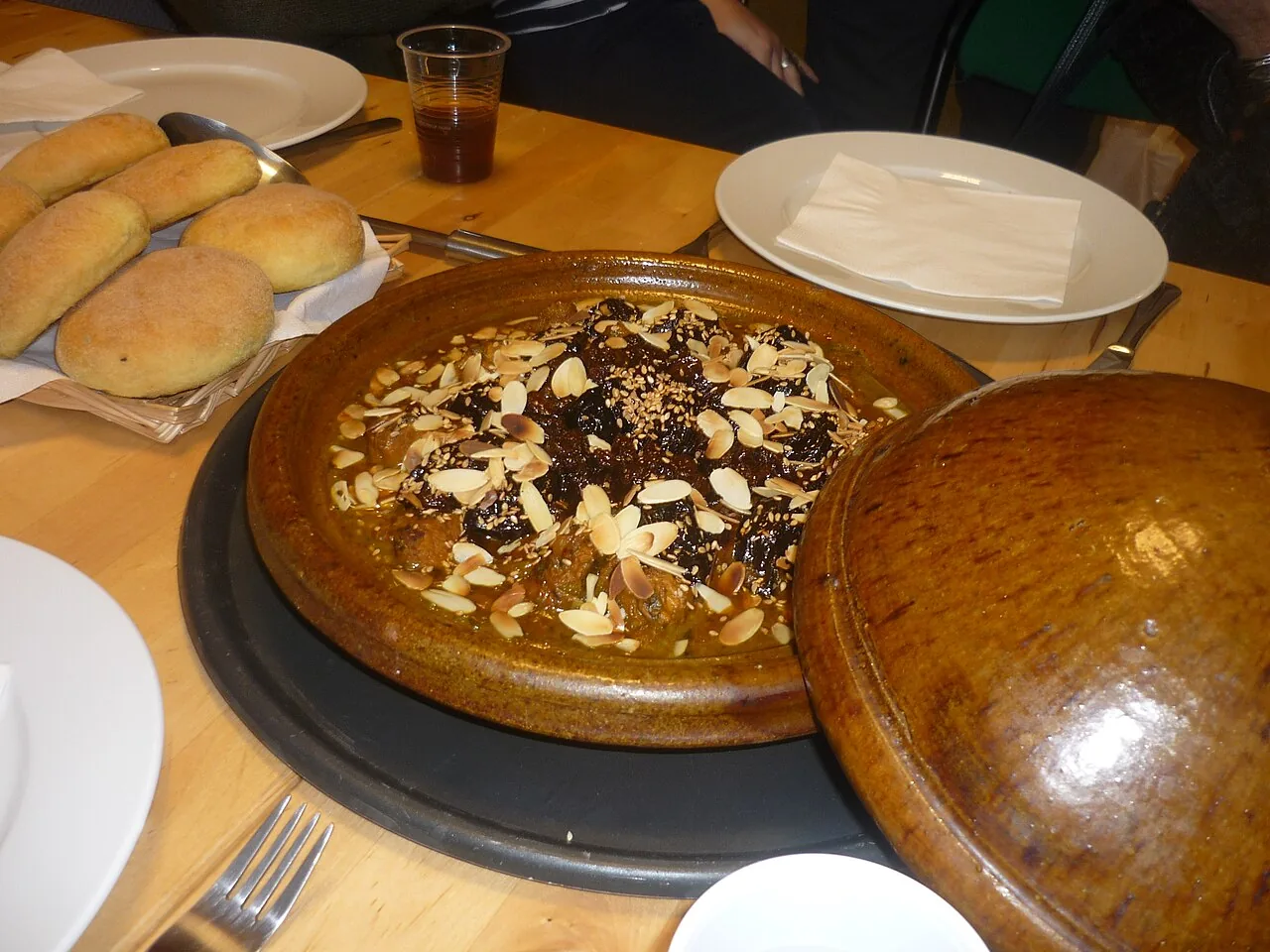
Clay vessel braised lamb shoulder infused with Ras el Hanout, saffron stamens, and natural sun-dried fruit pectins.
Immunity & Warming
Slow-braised lamb with prunes, almonds and couscous.
Spiced Couscous & Preserved Lemon Salad
Bissara Soup, Moroccan Split Pea Soup, Bessara
This bissara recipe simmers dried fava beans until soft, blends them into a smooth soup and finishes each bowl with cumin, paprika and olive oil. One serving is about 351 g.
Bissara is the humble fava-bean soup of northern Morocco, where it is a cold-weather breakfast sold from stalls in town squares and eaten with bread dipped straight into the bowl. Dried split fava beans are simmered with onion and garlic, blended smooth and topped with olive oil, paprika and cumin. The same dish exists in Egypt, where it is often made with fresh herbs and eaten as a dip — but the Moroccan version is served hot, as a soup, and is at its best on a cold morning.
Pairs well with: Crusty bread, olives and mint tea
Provenance
Morocco
Northern Moroccan Breakfast Soup
Middle Eastern
Time Dedication
1h 15m
15m prep • 60m cook
Batch Yield
4 Servings
371 kcal per serving
1 serving ≈ 351 g
Technical Skill
Easy
Easy (One Pot)
Meal Timing & Digestive Fit
Breakfast
Prime Morning Fit
Lunch
Inappropriate
Dinner
Inappropriate
Snack & Tea
Inappropriate
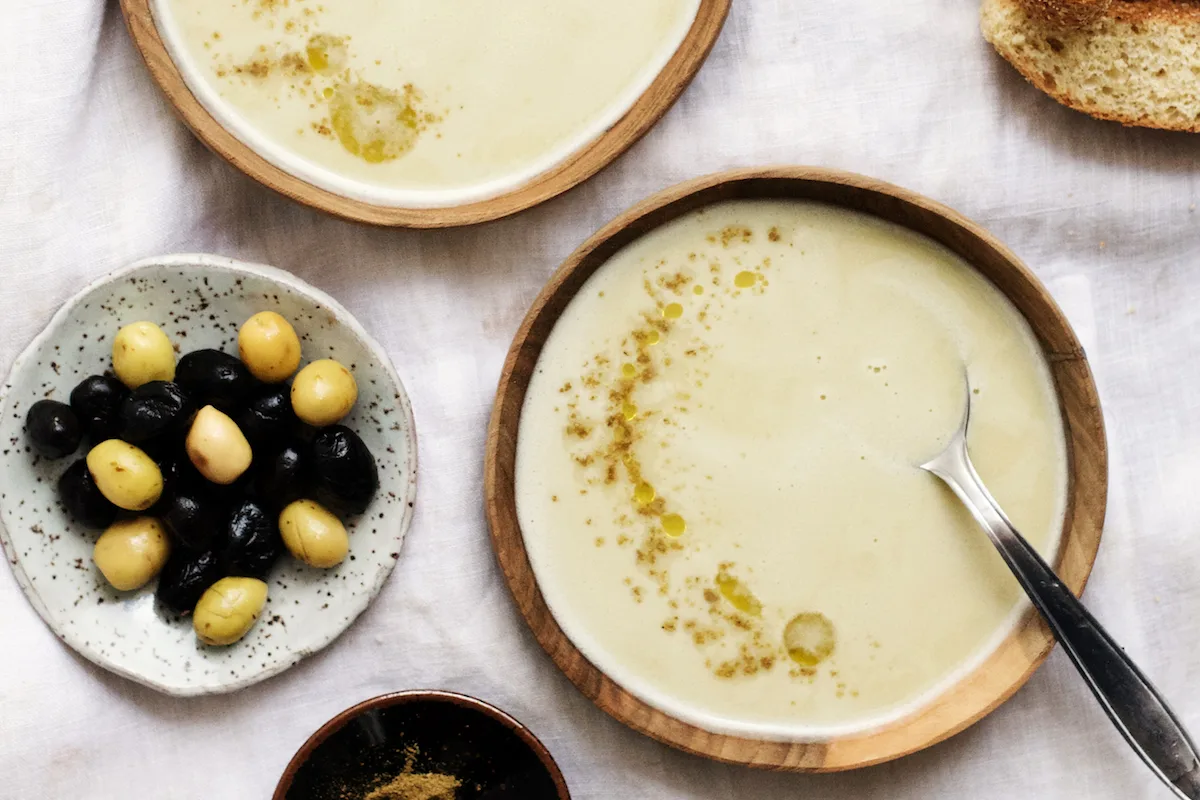
Northern Moroccan Breakfast Soup
Photo: Ruby Josephine Smith, CC BY-SA 4.0, via Wikimedia Commons
The Heritage Formulary
Estimated cost: Low — about $1–2 per serving at home (USD)
Dried fava beans simmered until soft, blended smooth and finished with cumin, paprika and olive oil.
Execution Methodology & Culinary Technique
Prep Stage: Beans, Onion and Garlic
15 Mins • Overnight Soak
Pick over the split fava beans, rinse them and leave them to soak in cold water overnight. In the morning, drain them, peel and roughly chop the onion, peel the garlic and measure out the cumin, paprika and olive oil.
Maestro Tip: Soaking overnight is not optional — it cuts the cooking time in half and makes the beans much easier to digest.
8–12 Hours (Overnight) Room temperature
Put the split fava beans in a large bowl, cover with plenty of cold water and leave overnight, 8–12 hours. Drain and rinse before cooking. (This soaking time is passive and is not counted in the 75 minutes above.)
A pinch of bicarbonate of soda in the soaking water softens the beans even further.
Done when: The beans have swollen and feel soft when pressed between finger and thumb.
50 Mins Boiling, then simmer ~95°C (203°F)
Put the drained beans, onion, garlic and 1200 ml of water in a large pot. Bring to a boil, skim off any foam, then lower the heat, cover and simmer for about 50 minutes until the beans are completely soft and falling apart.
Skim the foam in the first few minutes — it keeps the soup clear and clean-tasting.
Done when: The beans crush easily between your fingers and the onion has melted away.
5 Mins Off the heat
Take the pot off the heat and blend the soup with a stick blender until completely smooth, adding a splash of hot water if it is thicker than you like. It should pour slowly, like thick cream.
Blend for a full minute longer than you think — a silky soup needs time.
Done when: The soup is smooth, pale and creamy, with no flecks of bean skin.
5 Mins Gentle heat, ~80°C (175°F)
Return the pot to low heat and stir in 30 ml of the olive oil, most of the cumin and the salt. Taste and adjust — the soup should taste warmly of cumin, not bland. Stir in the lemon juice at the very end.
Salt after blending, not before: salted beans take longer to soften.
Done when: The soup tastes rounded and savoury, with cumin in the foreground and a bright note of lemon.
5 Mins No heat
Ladle the hot soup into shallow bowls. Drizzle each with the remaining olive oil, dust with the last cumin and the paprika, and scatter the coriander over the top. Serve at once with crusty bread and olives on the side.
Warm the bowls first so the soup stays hot while you eat.
Done when: Each bowl is pale and glossy, with a swirl of olive oil and a dusting of red paprika and brown cumin.
Finishing Touches & Plating
Serve the bissara steaming hot in shallow bowls, with the olive oil, cumin and paprika on top and plenty of bread for dipping.

Nutritional Physiology & Benefits
Energy
371
kcal / serving
Protein
21g
Complete AA
Carbs
49g
Complex
Fats
12g
Healthy
| Energy | 371 kcal |
| Protein | 21 g |
| Carbohydrates | 49 g |
| Fat | 12 g |
| Fibre | 19.9 g |
| Sugar | 5.6 g |
| Sodium | 501 mg |
| Energy | 106 kcal |
| Protein | 5.9 g |
| Carbohydrates | 14 g |
| Fat | 3.3 g |
| Fibre | 5.7 g |
| Sugar | 1.6 g |
| Sodium | 143 mg |
Nutrition values are estimated — calculated from USDA FoodData Central values for the listed ingredients.
Vitamins & minerals: Folate and iron (fava beans), vitamin C (lemon, coriander), vitamin E (olive oil), B vitamins (beans).
Very High in Fibre
Fava beans are one of the richest sources of fibre there is — about 20 g per bowl — which keeps you full for hours.
Plant Protein
A bowl gives about 21 g of plant protein from the beans alone, with no meat needed.
Naturally Vegan
Beans, onion, garlic, olive oil and spices — a complete, satisfying meal made entirely from plants.
Food Pairings
To optimize nutrient absorption and elevate the sensory depth, pair with these authentic accompaniments:
Sides
Crusty Bread
Bread is almost mandatory with bissara — it is the spoon Moroccans eat it with, scooping up the thick soup.
Vegetables
Olives
Salty olives on the side contrast beautifully with the mild, creamy soup and add a briny bite.
Drinks
Mint Tea
Sweet mint tea is the classic Moroccan accompaniment — its freshness lifts the earthy beans.
More Pairings
Pickled Vegetables
A few pickled carrots or chillies add acidity and crunch, which wake up the soft, mild soup.
Complete menu
Serve a bowl of bissara with crusty bread, a small plate of olives and a glass of mint tea for a warming Moroccan breakfast.
Digestive Guardrails
To prevent digestive distress, sluggishness, or palate clash, avoid pairing the dish with these elements:
A Heavy Meat Main Alongside
Bissara is already a complete, protein-rich meal; serving a heavy meat dish with it makes the meal stodgy and hides the soup. Keep the accompaniments light — bread, olives and tea. This is general guidance, not medical advice.
Too Much Extra Salt
The soup needs only a little salt to taste; over-salting hides the cumin and makes a naturally gentle dish harsh. Taste before adding more. This is general guidance, not medical advice.
General information only, not medical advice — consult a doctor for personal dietary decisions.
Who Should Eat It
Health Conditions — Adjust or Avoid
If you have a medical condition, consult your doctor before changing your diet.
Storage & Use
Clay vessel braised lamb shoulder infused with Ras el Hanout, saffron stamens, and natural sun-dried fruit pectins.
Immunity & Warming
Slow-braised lamb with prunes, almonds and couscous.
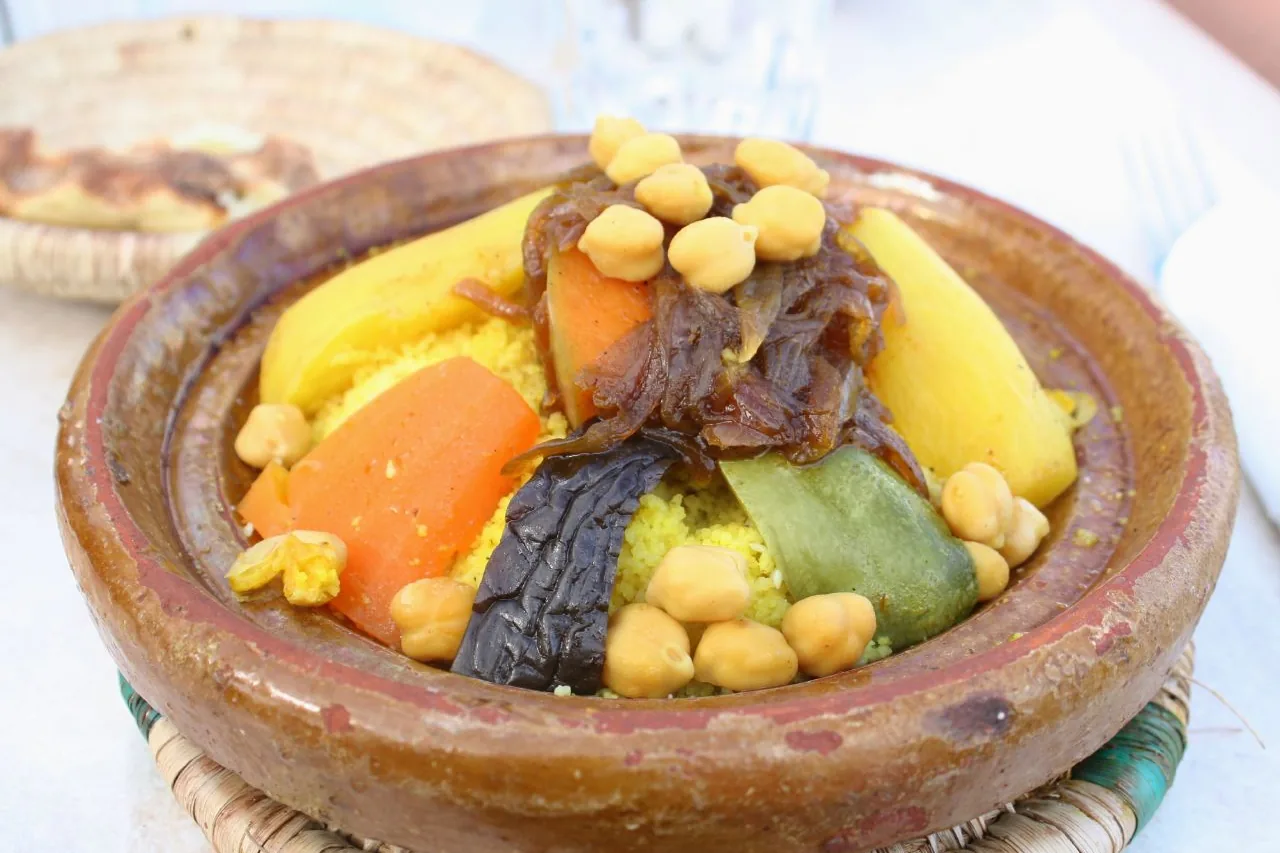
This moroccan couscous recipe steams fine semolina until fluffy, then ladles over a slow-cooked stew of seven vegetables, chickpeas and warm spices. One serving is about 475 g.
Comfort & Warmth
Fluffy steamed semolina with a slow vegetable stew and chickpeas.
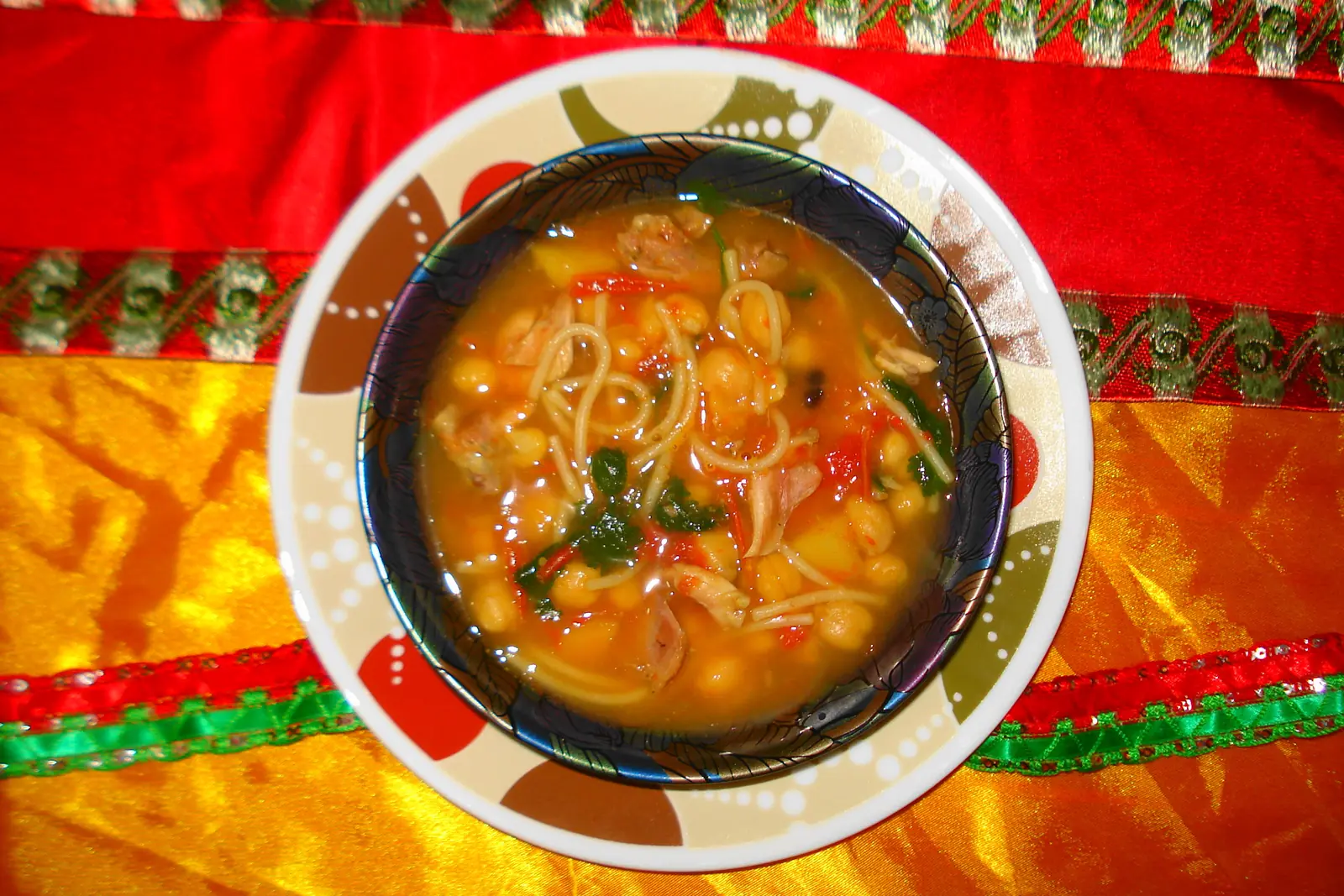
This harira soup recipe simmers lentils, chickpeas, tomatoes and lamb with ginger, cinnamon and fresh herbs, then thickens it the traditional way with a flour slurry. One serving is about 450 g.
Comfort & Warmth
A thick, warming tomato and lentil soup, the soup Moroccans break their fast with.
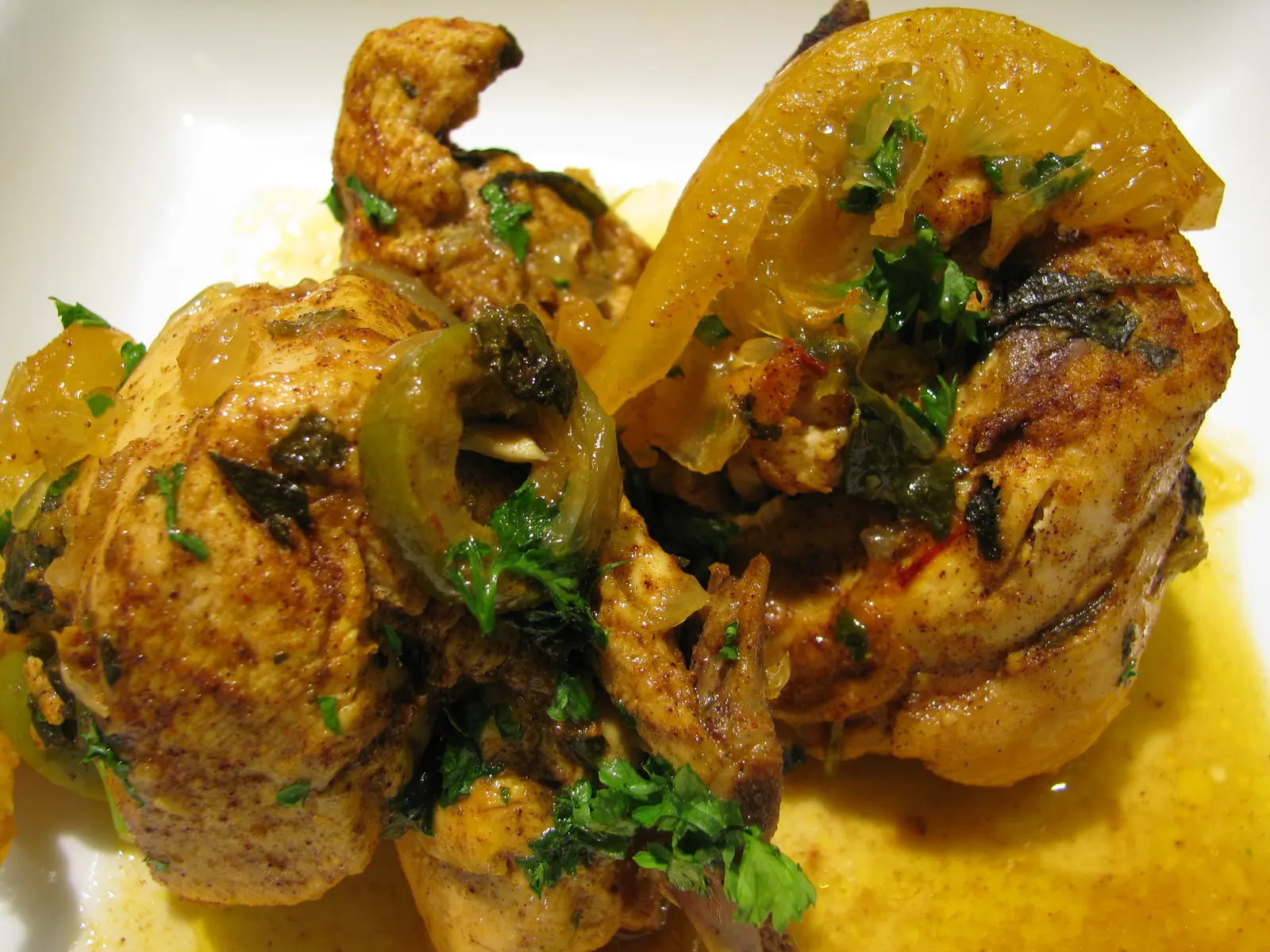
Moroccan chicken tagine is the dish Morocco is best known for: chicken braised slowly with onions, ginger and saffron, then finished with salty preserved lemon and green olives. This moroccan chicken tagine recipe uses a heavy pot instead of a clay tagine, so anyone can make it — the conical lid's job is done by a tight-fitting lid and a gentle flame. One serving is about 315 g.
Slow-Cooked Comfort
Chicken braised slowly with ginger, saffron, preserved lemon and green olives until the meat falls from the bone.