
Curated recipes from 193 countries  •  New seasonal Mediterranean issue out now

Overview

Bolo do Caco

Madeiran Sweet Potato Flatbread, Bolo do Caco da Madeira

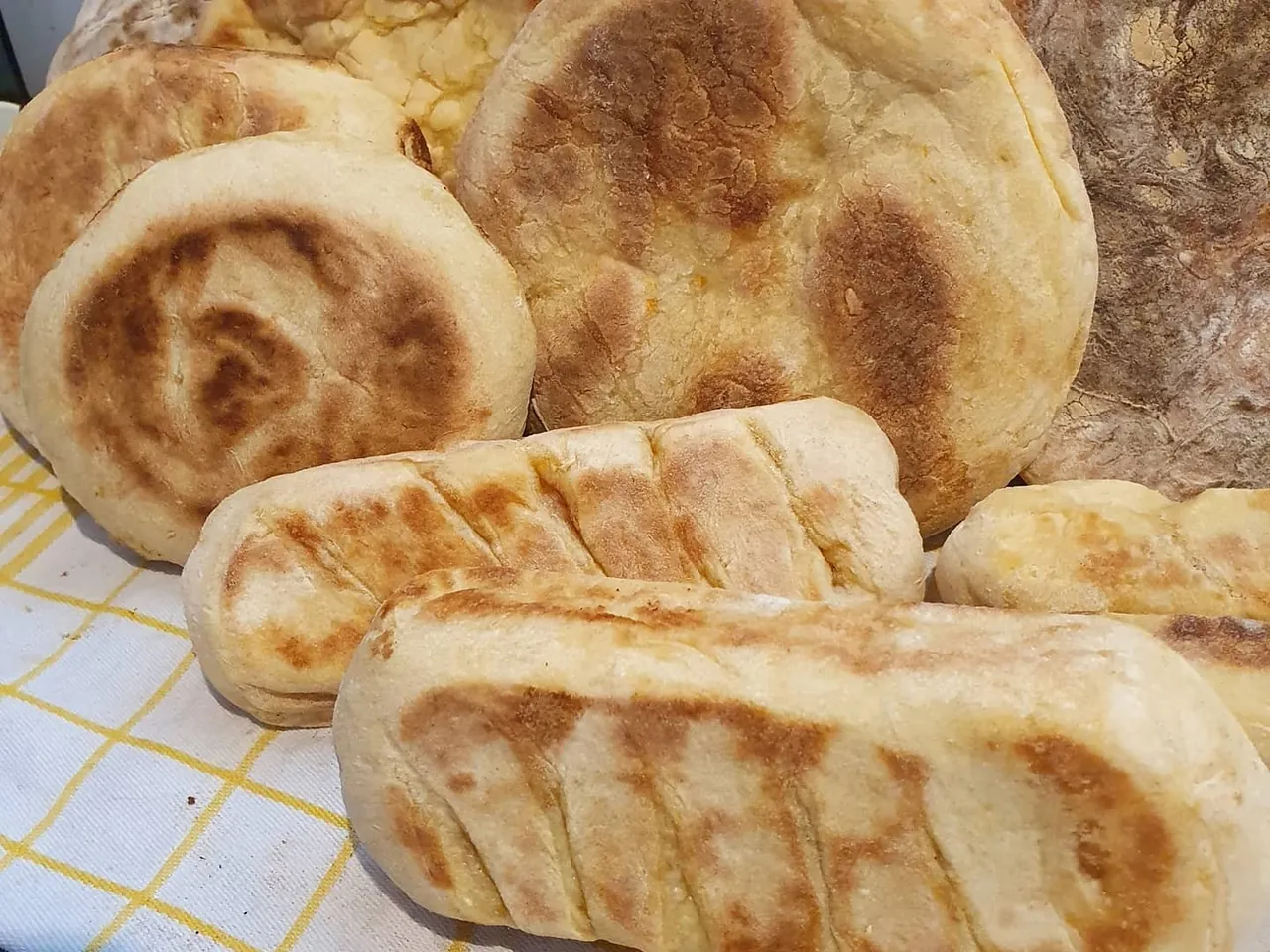
This bolo do caco recipe makes eight soft, golden flatbreads from mashed sweet potato and wheat flour, cooked on a hot griddle the way they are made on the island of Madeira. Split one open while it is still warm, spread it with garlic butter, and it turns into the breakfast the island is famous for. One serving is about 125 g (one flatbread with garlic butter).

Bolo do caco is the everyday bread of Madeira, the Portuguese island in the Atlantic. Its name comes from the caco, the flat basalt stone slab it was traditionally cooked on over hot coals; the stone gave the bread its round, flat shape and its lightly browned, almost scorched patches. Sweet potato was a staple crop on the island, and folding mashed potato into the dough keeps the bread soft for longer than plain wheat bread. Today most Madeiran kitchens use a heavy cast-iron skillet or griddle instead of the stone, and the bread is served warm, split open and spread with garlic butter — or used as the bun for the island's steak sandwich, prego no bolo do caco.

Pairs well with: Garlic butter, soft cheese & strong coffee

Provenance

Portugal flag Portugal

Madeiran Island Classic

Mediterranean & Italy

Time Dedication

1h 50m

90m prep • 20m cook

Batch Yield

8 Servings

336 kcal per serving

1 serving ≈ 125 g

Technical Skill

Intermediate

Intermediate (Yeast Dough & Griddle)

Meal Timing & Digestive Fit

Breakfast

Prime Morning Fit

Lunch

Inappropriate

Dinner

Inappropriate

Snack & Tea

Inappropriate

Occasions: Breakfasts, weekend brunches, picnics, sandwich lunches, market mornings Cost: Low — about $1–2 per serving at home
Freshly griddled bolo do caco flatbreads, golden and round, piled on a yellow-checked cloth

Madeiran Island Classic

Photo: Ana Cake Design, CC BY-SA 4.0, via Wikimedia Commons

The Heritage Formulary

Measured Ingredients

Estimated cost: Low — about $1–2 per serving at home (USD)

A good bolo do caco is soft and springy inside, with a pale, lightly browned crust and a gentle sweetness from the potato — never dry or doughy.

Execution Methodology & Culinary Technique

Step-by-Step Cooking Guide

Active 1h 50m
P

Prep Stage: Mash the Potato, Wake the Yeast

25 Mins • Mixing & Kneading

Boil the 300 g sweet potatoes in their skins for about 20 minutes until a knife slides in easily, then peel and mash them smooth while warm. Stir the 7 g yeast and 10 g sugar into the 180 ml warm water (35–40°C / 95–104°F) and leave it 10 minutes until foamy. Melt the 60 g butter gently, stir in the 12 g minced garlic and 10 g chopped parsley off the heat, and set the garlic butter aside. Oil a heavy cast-iron skillet or griddle lightly with a little of the 15 ml olive oil.

Maestro Tip: Mash the potato while it is warm: cold mashed potato turns gluey and makes the dough heavy.

  1. 1

    Wake the Yeast

    10 Mins Warm water at 35–40°C (95–104°F)

    Stir the 7 g active dry yeast and 10 g sugar into the 180 ml warm water and leave it for 10 minutes. It should turn cloudy and foamy on top — that foam is the yeast waking up and ready to lift the dough.

    No foam after 10 minutes means the yeast is dead or the water was too hot; start again with fresh yeast and cooler water.

    Done when: A thick layer of foam covers the surface of the water.

  2. 2

    Knead the Sweet-Potato Dough

    10 Mins Room temperature

    Tip the 500 g flour and 8 g salt into a large bowl, add the mashed sweet potato, the foamy yeast water and the 15 ml olive oil, and mix to a soft, slightly sticky dough. Knead on a floured surface for 8–10 minutes until smooth and springy — it should bounce back when you press it with a fingertip.

    The dough is meant to be soft and a little wet; do not keep adding flour or the bread turns dense.

    Done when: Smooth, elastic dough that springs back when pressed.

  3. 3

    First Rise

    60 Mins Warm place, about 25°C (77°F)

    Shape the dough into a ball, put it in an oiled bowl, cover with a damp cloth or cling film, and leave it in a warm place for about 60 minutes until it has doubled in size.

    A switched-off oven with the light on is a reliable warm spot on a cool day.

    Done when: The dough has doubled and holds a dent when you press it gently.

  4. 4

    Shape the Rounds

    5 Mins Room temperature

    Knock the air out of the risen dough and divide it into 8 equal pieces. Roll each piece into a ball, then flatten it with your palm into a round disc about 12 cm (5 in) across and 1.5 cm (1/2 in) thick. Cover the discs and leave them to rest for 10 minutes while the pan heats.

    Keep the discs even in thickness so they cook through at the same time.

    Done when: Eight even discs, puffed slightly at the edges after resting.

  5. 5

    Griddle on the Hot Pan

    20 Mins Medium heat, pan surface about 190°C (375°F)

    Heat the oiled cast-iron skillet or griddle over medium heat until a drop of water sizzles. Cook the discs one or two at a time, 5–7 minutes on the first side, then flip and cook 5–7 minutes on the second side, until golden with a few darker brown spots and cooked through — the inside should reach 88–93°C (190–200°F). Press lightly with a spatula so the whole surface touches the pan.

    If the outside browns too fast, turn the heat down: a burnt crust with a raw middle is the one mistake to avoid.

    Done when: Golden on both sides with browned spots, and the bread sounds hollow when tapped.

  6. 6

    Split and Butter

    5 Mins Serve warm

    While each bolo do caco is still warm, split it open horizontally with a fork or knife and spread it generously with the garlic butter, so the butter melts into the soft crumb. Serve at once.

    Split the bread with a fork around the edge first — it opens along its natural seam without tearing.

    Done when: The butter melts straight into the crumb and the bread is hot to the touch.

Finishing Touches & Plating

Serve the bolo do caco warm, split open and spread generously with the garlic butter while the crumb is still steaming. It is at its best in the first hour, when the crust is still crisp at the edges and the middle is soft.

Nutritional Physiology & Benefits

Nutrition

Energy

336

kcal / serving

Protein

8g

Complete AA

Carbs

57g

Complex

Fats

9g

Healthy

Per serving (8 servings · 1 serving ≈ 125 g)
Energy336 kcal
Protein8 g
Carbohydrates57 g
Fat9 g
Fibre2.9 g
Sugar3.5 g
Sodium400 mg
Per 100g
Energy269 kcal
Protein6 g
Carbohydrates45.2 g
Fat6.9 g
Fibre2.3 g
Sugar2.8 g
Sodium320 mg

Nutrition values are estimated — calculated from USDA FoodData Central values for the listed ingredients.

Vitamins & minerals: Vitamin A (sweet potato), B vitamins and iron (flour, yeast), vitamin C (sweet potato, parsley). Nutrition values are estimated.

Sweet Potato for Vitamin A and Fibre

One serving gives about 2.9 g of fibre and a good share of vitamin A from the 300 g of sweet potato in the dough.

Slow, Steady Energy

At about 56.5 g of carbohydrate per serving, one flatbread makes a filling breakfast that keeps you going through the morning.

A Vegetarian Breakfast Bread

With potato, flour, yeast and butter and no meat, this bolo do caco recipe suits a vegetarian table and works as a sandwich bun or a side.

Food Pairings

What to Eat With

To optimize nutrient absorption and elevate the sensory depth, pair with these authentic accompaniments:

Sauces

Garlic Butter

The classic partner: melted butter with garlic and parsley soaks into the warm crumb and is what makes bolo do caco taste like Madeira.

Sides

Soft White Cheese

A mild, creamy cheese tucked inside the split bread adds salt and richness against the gentle sweetness of the potato.

Drinks

Strong Milky Coffee

Madeira drinks its coffee strong and milky; the bitterness balances the buttery, slightly sweet bread.

Vegetables

Tomato and Onion Salad

Sharp tomato and raw onion with a little vinegar cut through the butter and keep a rich breakfast feeling fresh.

Complete menu

Serve bolo do caco for breakfast with garlic butter, a soft white cheese and a strong coffee, or as a sandwich bun with grilled steak, tomato and lettuce for lunch.

Digestive Guardrails

What NOT to Combine

To prevent digestive distress, sluggishness, or palate clash, avoid pairing the dish with these elements:

Piling on Salty Cured Meats

One serving already carries about 400 mg of sodium, and the garlic butter adds more, so a thick layer of salty chorizo or ham on top pushes the salt load up fast — keep cured meat thin if you use it at all. This is general information, not medical advice.

Bagging the Bread While Still Warm

Sealing warm flatbreads in a plastic bag traps steam, and the condensation turns the crisp crust soggy within minutes; cool them on a rack first.

General information only, not medical advice — consult a doctor for personal dietary decisions.

Who Should Eat It

Who Should Eat

  • General adultsA filling breakfast at about 336 kcal per serving.
  • ChildrenSuitable from age 3+; the bread is soft, mild and slightly sweet, and easy to hold. Watch for the hot garlic butter.
  • ElderlyGood in a modest portion — soft to eat and easy to chew; the crust is pale and tender, not hard.
  • Pregnant womenGenerally suitable; the bread is fully cooked through and the garlic butter is mild.
  • Breastfeeding womenGenerally suitable; the sweet potato and flour give steady energy, and the butter adds a little calcium.
  • AthletesA useful pre-training breakfast: about 56.5 g of carbohydrate per serving for fuel, best eaten 1–2 hours before exercise.
  • Weight gainA good choice — two flatbreads with cheese and butter make a hearty, energy-dense breakfast.
  • Weight lossKeep to one flatbread with a light spread of garlic butter and a salad; at about 336 kcal a serving it is filling, but the butter adds most of the fat.

Health Conditions — Adjust or Avoid

Conditions

  • DiabetesOne serving carries about 56.5 g of carbohydrate, mostly from the flour and sweet potato, so it is a substantial carbohydrate load. Ask your clinician about your carbohydrate target.
  • High blood pressureOne serving carries about 400 mg of sodium, which is modest for a bread; keep the garlic butter light and skip salty fillings. Ask your clinician about your daily sodium limit.
  • Kidney diseaseOne serving carries about 7.5 g of protein, which is low for a main dish, so it fits most protein limits; ask your clinician about portion size.
  • GoutEat freely in the usual portion — bread, potato and butter are low in purines. Ask your clinician if gout flares are frequent.
  • Stomach issuesFresh yeast bread can feel heavy and the garlic butter is rich; a small portion eaten slowly is easier to digest, and day-old bread toasted is gentler.
  • Cardiovascular diseaseThe butter is high in saturated fat, so enjoy the garlic butter lightly and keep the portion to one flatbread. Ask your clinician about how often it fits your diet.
  • Fatty liverKeep the portion modest and occasional; the bread is energy-dense and the butter adds saturated fat. Ask your clinician about frequency.
  • Food allergiesContains wheat (gluten) and milk (butter). Do not serve to anyone with a wheat or milk allergy; the dish is vegetarian but not vegan.
  • Special therapeutic dietsIf you follow a prescribed low-sodium diet, cut the salt in the dough in half and use unsalted butter, and check with your clinician.

If you have a medical condition, consult your doctor before changing your diet.

Storage & Use

Storage & Use

How to store
Cool completely on a wire rack, then store in a cloth bag or an airtight container.
In the fridge
3 days at 4°C (39°F) or below; the bread firms up as it cools.
In the freezer
Up to 3 months, wrapped well; thaw at room temperature.
How to reheat
Reheat in a dry pan over medium heat for 2–3 minutes a side, or toast lightly, until hot throughout, to 74°C (165°F).
Freezing recommended
Yes — freeze the flatbreads before buttering them, then split and butter after reheating.
Signs it has spoiled
Mould spots, a sour smell, or a hard, dry crumb that does not soften on reheating.

More recipes to explore

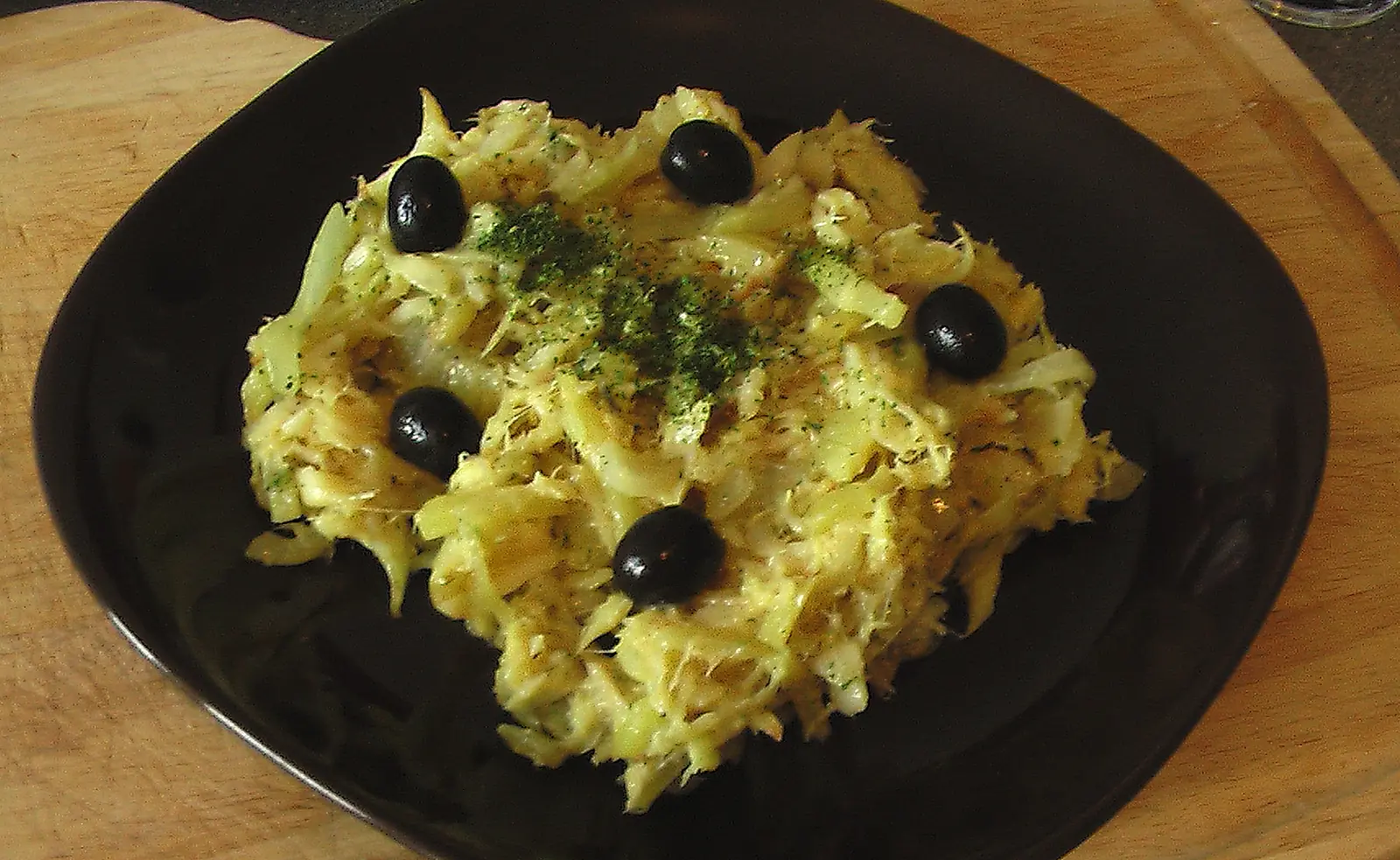
A plate of bacalhau à brás — shredded salt cod with egg and matchstick potatoes, black olives and parsley Portugal flag Portugal 50m
Dinner •Lisbon Tavern Classic

Bacalhau à Brás

Bacalhau à brás recipe: desalted shredded cod, golden matchstick potatoes and softly scrambled egg, finished with black olives and parsley. One serving is about 350 g.

Comfort & Protein

Shredded salt cod folded with egg and crisp matchstick potatoes — a filling, protein-rich Lisbon supper.

Pairs Well With
A simple green salad and a glass of vinho verde
High Protein
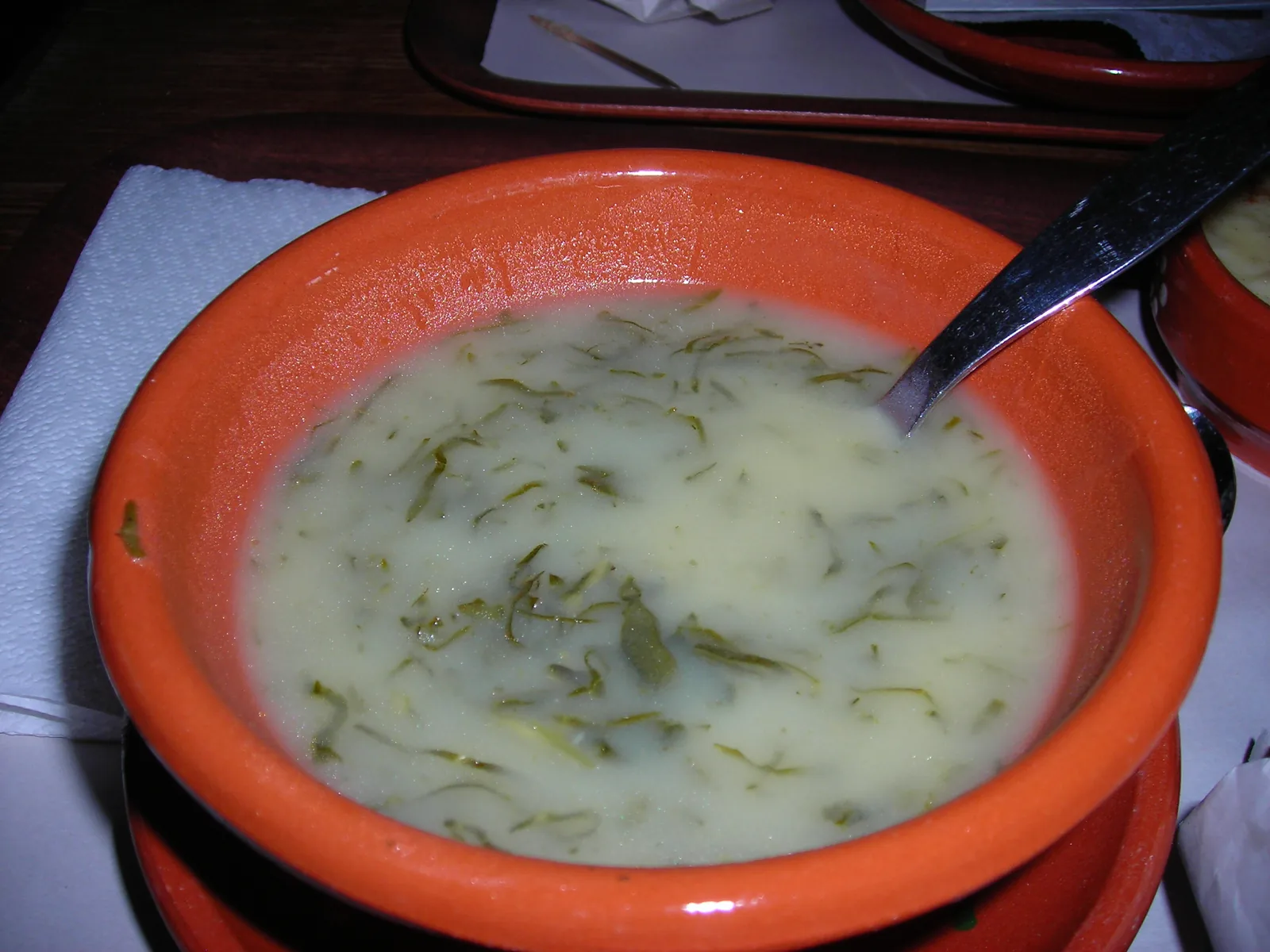
A terracotta bowl of caldo verde — pale potato soup with shredded green kale and a spoon Portugal flag Portugal 50m
Dinner •Minho National Soup

Caldo Verde

Caldo verde recipe: creamy potato soup blended smooth, with ribbons of kale and slices of chouriço, finished with a thread of olive oil. One serving is about 590 g.

Comfort & Warmth

Silky potato soup with finely shredded kale and smoky chouriço — Portugal's best-loved bowl.

Pairs Well With
Crusty broa bread and a glass of vinho verde
Soups & Broths
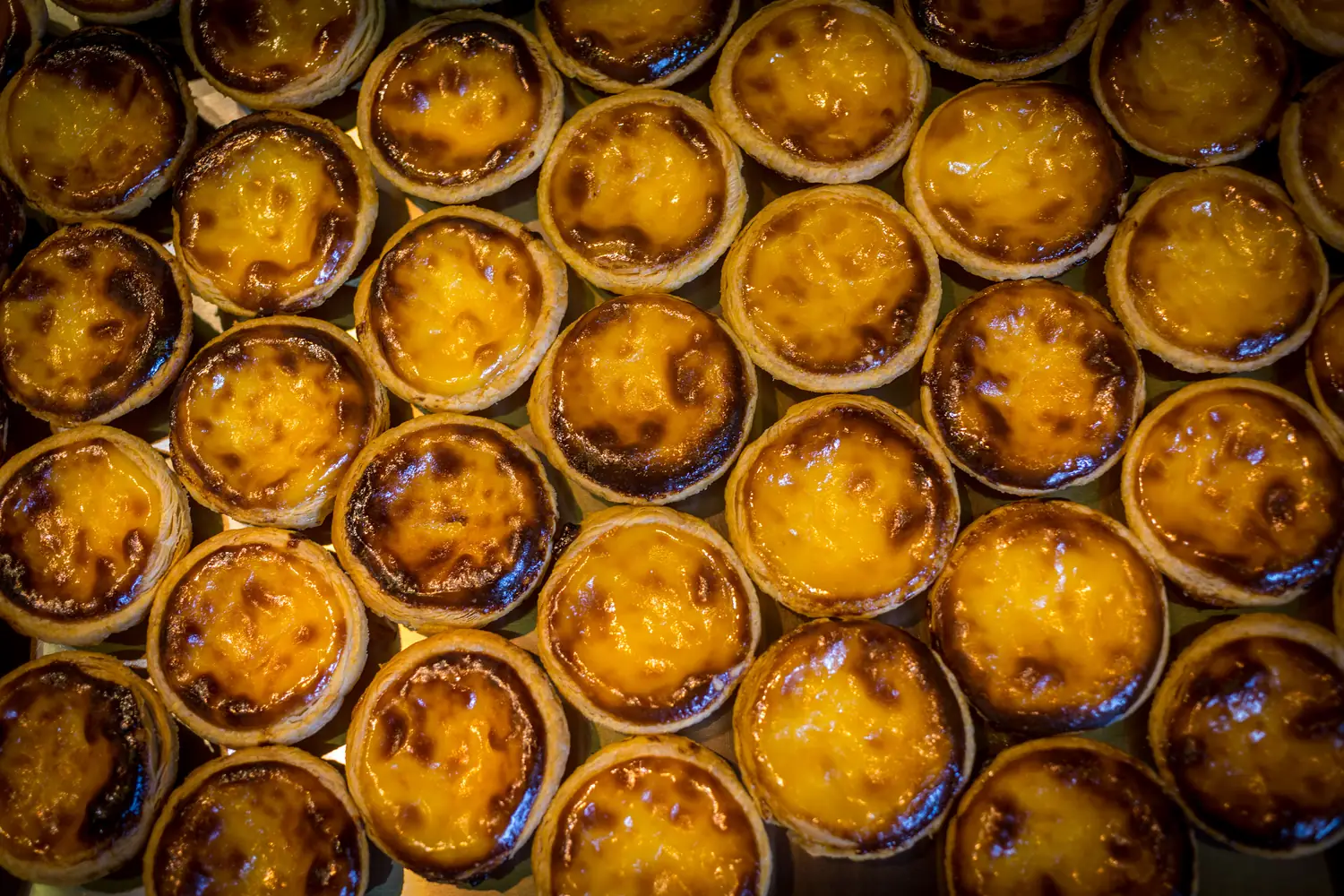
A tray of pastel de nata — golden custard tarts with blistered, caramelised tops in flaky pastry Portugal flag Portugal 50m
Snack & Tea •Belém Monastery Tart

Pastel de Nata

Pastel de nata recipe: shatteringly crisp puff pastry shells filled with warm, vanilla-cinnamon egg custard, baked until blistered on top. One serving is about 187 g (2 tarts).

Sweet Treat

Crisp, flaky pastry cups filled with cinnamon-scented egg custard, blistered in a very hot oven.

Pairs Well With
A small strong coffee (bica) and a dusting of cinnamon
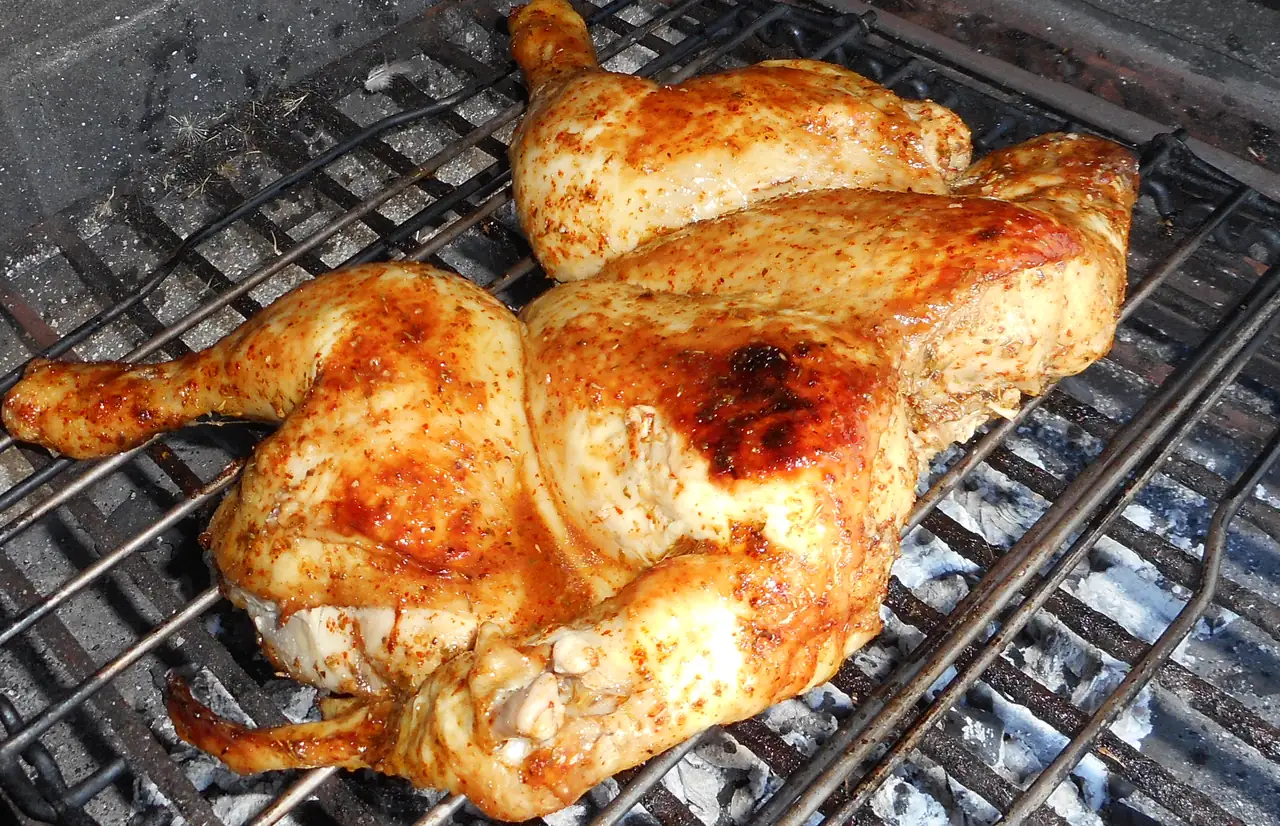
Butterflied piri piri chicken grilling over charcoal, golden-red with chilli spice Portugal flag Portugal 55m
Dinner •Algarve Heritage

Frango Piri Piri

Frango piri piri is Portugal's most famous chicken: a whole bird butterflied flat, rubbed with a fiery paste of piri piri chillies, garlic, lemon and paprika, then grilled over charcoal until the skin turns crisp and red-gold. This piri piri chicken recipe is the Algarve way — an overnight marinade, a hot grill, and a warm butter baste at the end. One serving is about 210 g.

Spicy Char-Grill

A butterflied chicken marinated in piri piri chilli, garlic and lemon, grilled over charcoal until the skin is crisp and reddened.

Pairs Well With
Chips, tomato-onion salad and a cold beer.
High Protein

The Dinner Gazette

Never wonder what’s for dinner again

One email a week with easy dinner ideas from around the world — ingredients, steps and nutrition, tested in our kitchen first.

Delivered every Thursday morning. Unsubscribe anytime.