
Curated recipes from 193 countries  •  New seasonal Mediterranean issue out now

Overview

Bunny Chow

Durban Bunny, Quarter Bunny

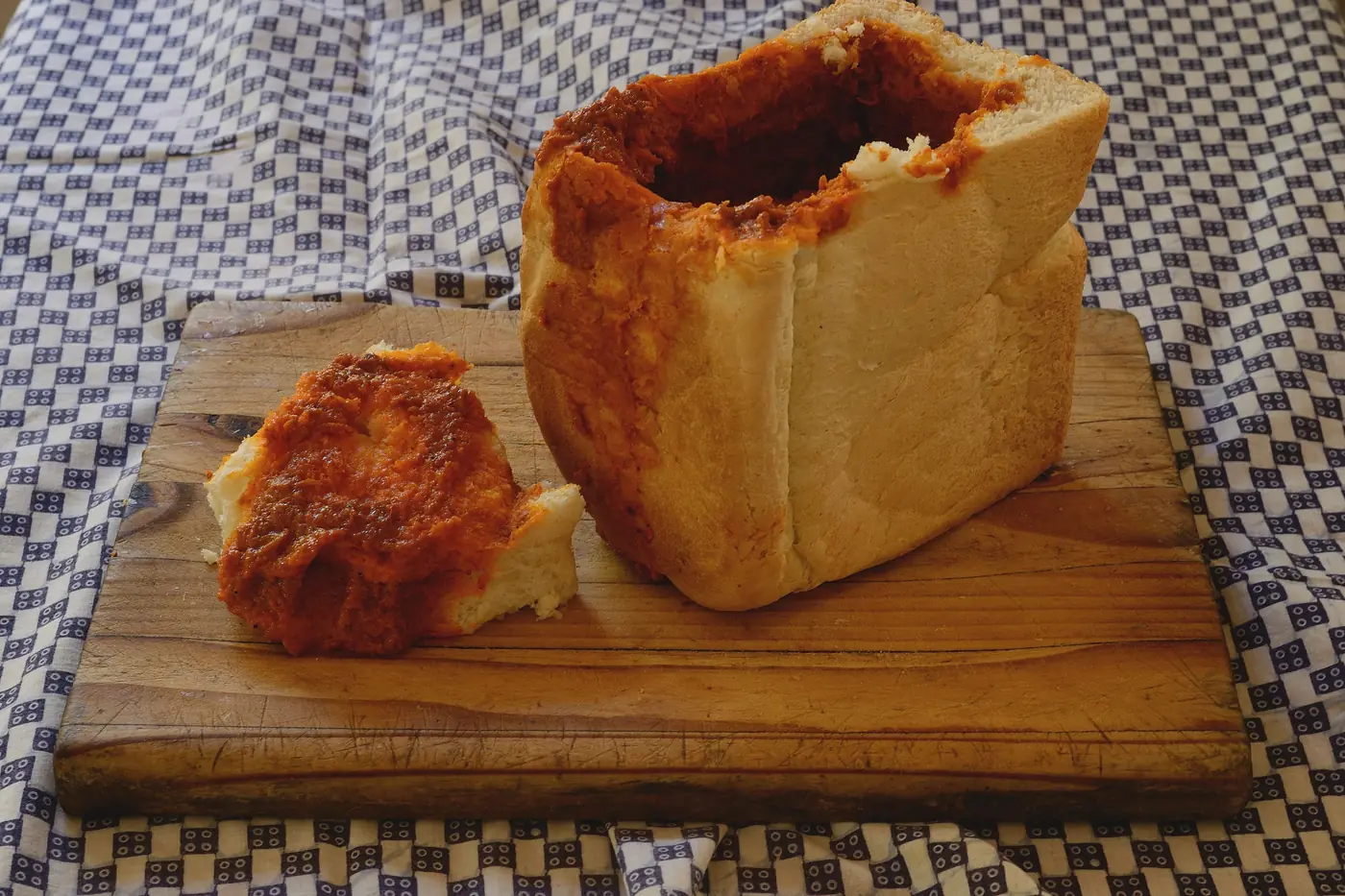
This bunny chow recipe is Durban's famous street food: a quarter loaf of soft white bread hollowed out and filled to the brim with a hot, rich chicken curry, then capped with the scooped-out bread. The gravy soaks into the walls of the loaf as you eat, so the bread itself becomes part of the meal, and a sharp carrot sambal on the side cuts the heat. One serving is about 475 g, one quarter bunny with sambal.

Bunny chow was created in Durban, home to a large community of people of Indian origin, and its creation is dated to the 1940s, although the precise origins are disputed. Indian workers on the sugar cane plantations needed a lunch that was quick to eat and easy to carry, so curry was served inside a hollowed-out loaf of white bread — the cheap loaf replaced roti, which fell apart as a takeaway. One widely told story credits a restaurant run by Banias, a merchant caste, on the corner of Victoria and Albert streets in Durban; the name is said to come from 'Bania's chow'. The dish is now eaten across South Africa, and Durban holds a Bunny Chow Barometer competition every September.

Pairs well with: Carrot sambal, tomato-onion salad & cold beer

Provenance

South Africa flag South Africa

Durban Heritage

African Heritage

Time Dedication

1h 15m

25m prep • 50m cook

Batch Yield

4 Servings

701 kcal per serving

1 serving ≈ 475 g

Technical Skill

Intermediate

Medium (Curry & Bread Bowl)

Meal Timing & Digestive Fit

Breakfast

Not Advised

Lunch

Prime Metabolic Fit

Dinner

Ideal Hearty Main

Snack & Tea

Inappropriate

Occasions: Casual lunch, picnics, beach trips, street-food nights Cost: Low — about $3–4 per serving at home
A chicken curry bunny chow: a hollowed white loaf filled with red-orange curry, with the scooped-out bread beside it

Durban Heritage

Photo: Lucinda jolly, CC BY-SA 4.0, via Wikimedia Commons

The Heritage Formulary

Measured Ingredients

Estimated cost: Low — about $3–4 per serving at home (USD)

A true bunny chow is judged by its bread: crisp on the outside, soaked with gravy on the inside, and filled to the brim.

Execution Methodology & Culinary Technique

Step-by-Step Cooking Guide

Active 1h 15m
P

Prep Stage: Chop, Measure & Hollow the Loaves

25 Mins • Knife Work

Cut the chicken into bite-size pieces. Chop the onion, mince the garlic, grate the ginger, dice the tomatoes and measure all the ground spices. Cut the loaf into 4 quarters and hollow each one out, leaving walls about 2 cm thick — keep the scooped-out bread for dipping. Mix the sambal: grated carrot, the reserved onion and tomato, vinegar, sugar and chilli.

Maestro Tip: Hollow the bread with your fingers, not a knife — fingers leave a rough surface that grips the gravy, and you are less likely to tear through the crust.

  1. 1

    Fry the Onion & Spices

    10 Mins Medium heat, ~170°C (340°F)

    Heat the oil in a large pot over medium heat. Fry 200 g of the onion for 5 minutes until soft and golden. Add the garlic, ginger and all the ground spices and stir for 1 minute until fragrant.

    Blooming the spices in hot oil is what gives a Durban curry its depth; 60 seconds is enough, and longer burns them.

    Done when: Onions are soft and golden; the spices smell warm and fragrant.

  2. 2

    Build the Sauce

    10 Mins Gentle simmer, ~95°C (203°F)

    Add the tomato paste and 300 g of the diced tomatoes and cook for 5 minutes until they soften and break down. Pour in 250 ml of water, add the salt, and simmer for 5 minutes until the sauce thickens slightly.

    Let the tomatoes cook down properly — a raw-tomato taste is the most common fault in a rushed curry.

    Done when: Sauce is thick, deep red and glossy.

  3. 3

    Simmer the Chicken

    30 Mins Gentle simmer, ~95°C (203°F)

    Add the chicken pieces, stir to coat, cover and simmer gently for 25–30 minutes until the chicken is tender and the sauce clings to it. The chicken must reach 74°C (165°F). Stir in the lemon juice and half the fresh coriander at the end.

    Keep the curry at a gentle simmer, not a rolling boil — boiling toughens the chicken and splits the sauce.

    Done when: Chicken is tender, the sauce is thick, and the chicken is 74°C (165°F) inside.

  4. 4

    Fill the Loaves

    5 Mins Hot, ~80°C (176°F)

    Stand each hollowed quarter loaf upright and ladle the hot curry in until it is full to the brim. Cap each bunny with its piece of scooped-out bread, pressing it down lightly so the gravy starts soaking in.

    Fill right to the top — a half-filled bunny dries out, and the soaked bread at the bottom is the best part.

    Done when: Loaves are full, capped, and the gravy is soaking into the bread walls.

  5. 5

    Serve at Once

    2 Mins Hot, ~70°C (158°F)

    Serve each bunny on a plate with a spoonful of the carrot sambal on the side. Eat with your hands, tearing off pieces of the bread cap and the loaf walls to scoop up the curry.

    Bunny chow waits for no one — serve it the moment it is filled, while the bread is still crisp outside and saucy inside.

    Done when: Bunny is hot, the bread is soaking up gravy, and the sambal is on the side.

Finishing Touches & Plating

Eat the bunny with your hands, working your way around the loaf and using the scooped-out bread to mop up every last bit of gravy. The sambal goes on top of each bite for crunch and sharpness.

Nutritional Physiology & Benefits

Nutrition

Energy

701

kcal / serving

Protein

50g

Complete AA

Carbs

83g

Complex

Fats

19g

Healthy

Per serving (4 servings · 1 serving ≈ 475 g)
Energy701 kcal
Protein50 g
Carbohydrates83 g
Fat19 g
Fibre9.4 g
Sugar15.4 g
Sodium1383 mg
Per 100g
Energy148 kcal
Protein10.5 g
Carbohydrates17.5 g
Fat4 g
Fibre2 g
Sugar3.2 g
Sodium291 mg

Nutrition values are estimated — calculated from USDA FoodData Central values for the listed ingredients.

Vitamins & minerals: Vitamin B6 and niacin (chicken), vitamin A (carrot), vitamin C (tomato and lemon), iron (chicken and spices). Nutrition values are estimated.

High in Protein

One serving gives about 50 g of protein from the chicken, which helps keep you full for hours.

Iron, B6 and Niacin

Chicken thigh is a natural source of iron, vitamin B6 and niacin, nutrients the body uses for normal energy metabolism and red blood cell formation.

Fresh Sambal on the Side

The raw carrot, tomato and onion sambal adds crunch, vitamin A and vitamin C, and its sharpness balances the rich, spicy curry.

Food Pairings

What to Eat With

To optimize nutrient absorption and elevate the sensory depth, pair with these authentic accompaniments:

Vegetables

Carrot Sambal

The essential partner: grated carrot, onion and tomato in vinegar is sharp, cool and crunchy, and it cuts straight through the richness of the curry.

Tomato-Onion Salad

A simple salad of tomato, onion and green chilli with vinegar adds a second sharp note and freshens the palate between bites.

Sides

Mango Pickle

A spoonful of hot mango pickle on the side doubles down on the Durban-Indian flavour and adds a sour, spicy kick for those who want more heat.

Drinks

Cold Beer or Sparkling Water

A cold lager is the classic Durban choice with a hot bunny; sparkling water with lemon works the same way, cooling the chilli heat between bites.

Complete menu

Serve the bunny as the main dish with carrot sambal and a tomato-onion salad on the side; a cold beer or sparkling water completes the Durban lunch.

Digestive Guardrails

What NOT to Combine

To prevent digestive distress, sluggishness, or palate clash, avoid pairing the dish with these elements:

Very Sweet Drinks With the Curry

Sugary sodas add a large dose of sugar to an already filling meal; water, sparkling water or beer is the better match. This is general information, not medical advice.

Undercooking the Chicken

Chicken must reach 74°C (165°F) all the way through; undercooked chicken in the middle of a filled loaf is not safe to eat, so check the thickest piece before filling.

General information only, not medical advice — consult a doctor for personal dietary decisions.

Who Should Eat It

Who Should Eat

  • General adultsA big, filling lunch — about 50 g protein per serving in a quarter loaf with sambal.
  • ChildrenSuitable from age 7+ if you use half the chilli powder and a mild curry powder; the bread and chicken are easy to eat.
  • ElderlyGood in a smaller portion — the chicken is soft and the bread is easy to chew; serve half a quarter if a full one is too much.
  • Pregnant womenGenerally suitable if the chicken is cooked right through to 74°C (165°F); avoid raw or undercooked chicken.
  • Breastfeeding womenGenerally suitable; the protein and iron support recovery — keep the chilli moderate.
  • AthletesA strong post-training meal: about 50 g protein per serving with plenty of carbohydrate from the bread.
  • Weight gainA good choice — a full quarter bunny with sambal.
  • Weight lossEat half a quarter and fill up on the sambal; a full bunny is energy-dense at about 701 kcal.

Health Conditions — Adjust or Avoid

Conditions

  • DiabetesA quarter loaf is a large portion of white bread, so keep the bread portion modest and load up on sambal. Ask your clinician about portions.
  • High blood pressureKeep the salt to the recipe amount; most sodium here is the salt. Ask your clinician about your daily sodium limit.
  • Kidney diseaseChicken and bread are high in protein and the curry is salty; keep the portion modest if your clinician has advised limits, and ask about portion size.
  • GoutEat occasionally and in smaller portions — chicken is moderately high in purines. Ask your clinician if gout flares are frequent.
  • Stomach issuesChilli powder and vinegar can irritate a sensitive stomach; use half the chilli and a small portion if needed.
  • Cardiovascular diseaseThe chicken thigh and oil add fat, so enjoy occasionally and keep the portion modest. Ask your clinician about how often it fits your diet.
  • Fatty liverKeep the portion modest and occasional; a full bunny is rich and energy-dense. Ask your clinician about frequency.
  • Food allergiesContains wheat (bread) and may contain traces of egg or milk depending on the loaf. Do not serve to anyone with a wheat allergy; check the loaf label.
  • Special therapeutic dietsIf you follow a prescribed low-sodium diet, use half the salt and a low-salt loaf, and check with your clinician.

If you have a medical condition, consult your doctor before changing your diet.

Storage & Use

Storage & Use

How to store
Store the curry and the bread separately in airtight containers; never store a filled bunny.
In the fridge
Chicken curry 3 days; bread 2 days.
In the freezer
Curry up to 2 months; bread up to 1 month.
How to reheat
Reheat the curry in a pan over medium heat until steaming hot throughout, to 74°C (165°F), then fill a fresh hollowed loaf.
Freezing recommended
Yes for the curry; fill fresh bread on the day.
Signs it has spoiled
Sour or off smell, slimy chicken, or bread gone hard and stale.

More recipes to explore

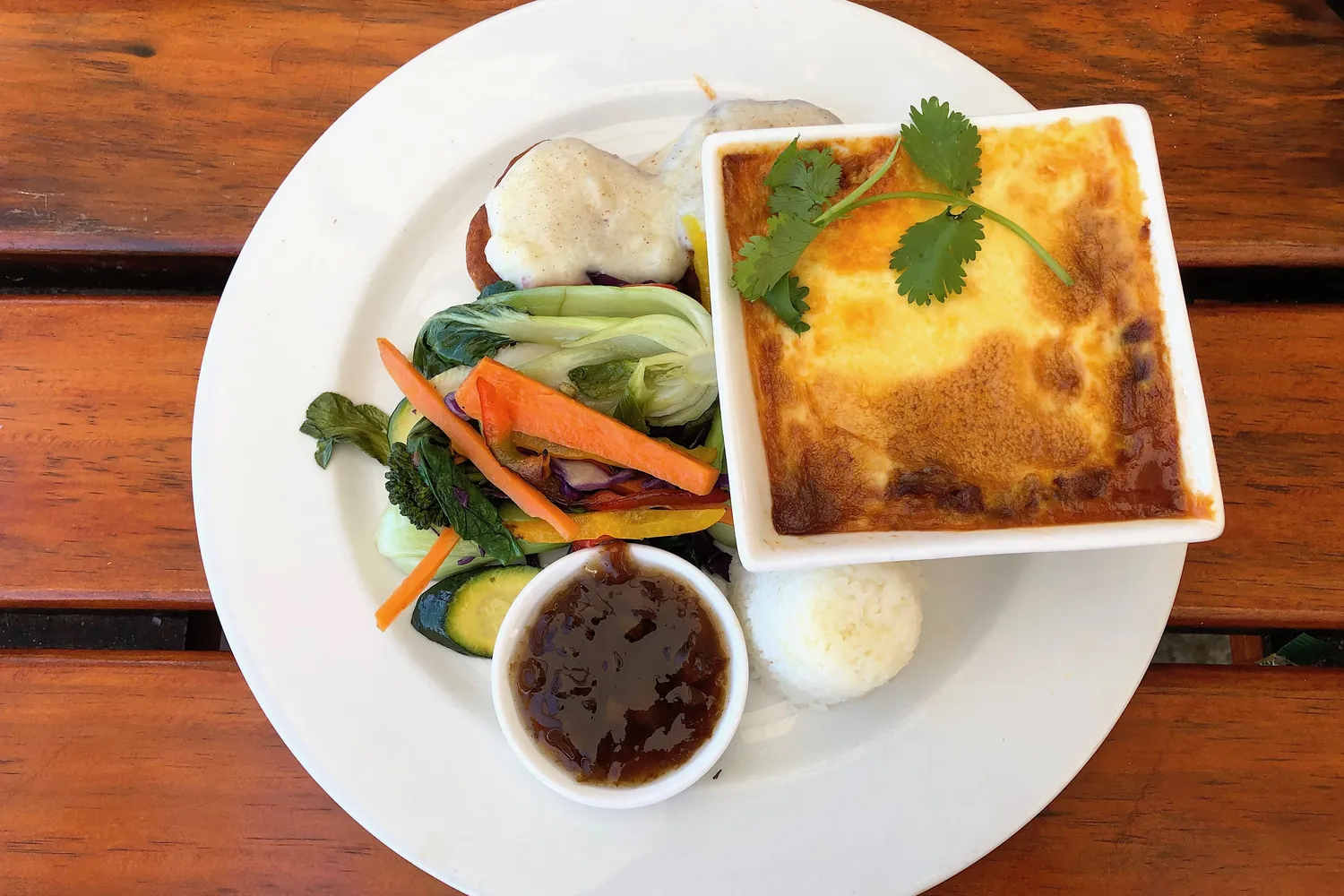
Bobotie with its golden egg custard topping in a square baking dish, served with salad, chutney and rice South Africa flag South Africa 1h 5m
Dinner •Cape Malay Heritage

Bobotie

This bobotie recipe is the Cape Malay classic: gently curried beef mince mixed with milk-soaked bread, apricot jam and raisins, then baked under a golden egg-and-milk custard with bay leaves on top. The sweet dried fruit and warm curry spice balance each other, and the custard sets into a soft golden lid that slices cleanly. One serving is about 305 g, without the rice.

Comfort & Warmth

Spiced beef mince baked under a golden egg custard, sweetened with apricot and raisins — the Cape Malay classic, served with yellow rice.

Pairs Well With
Yellow rice, mango chutney & sambal
High Protein
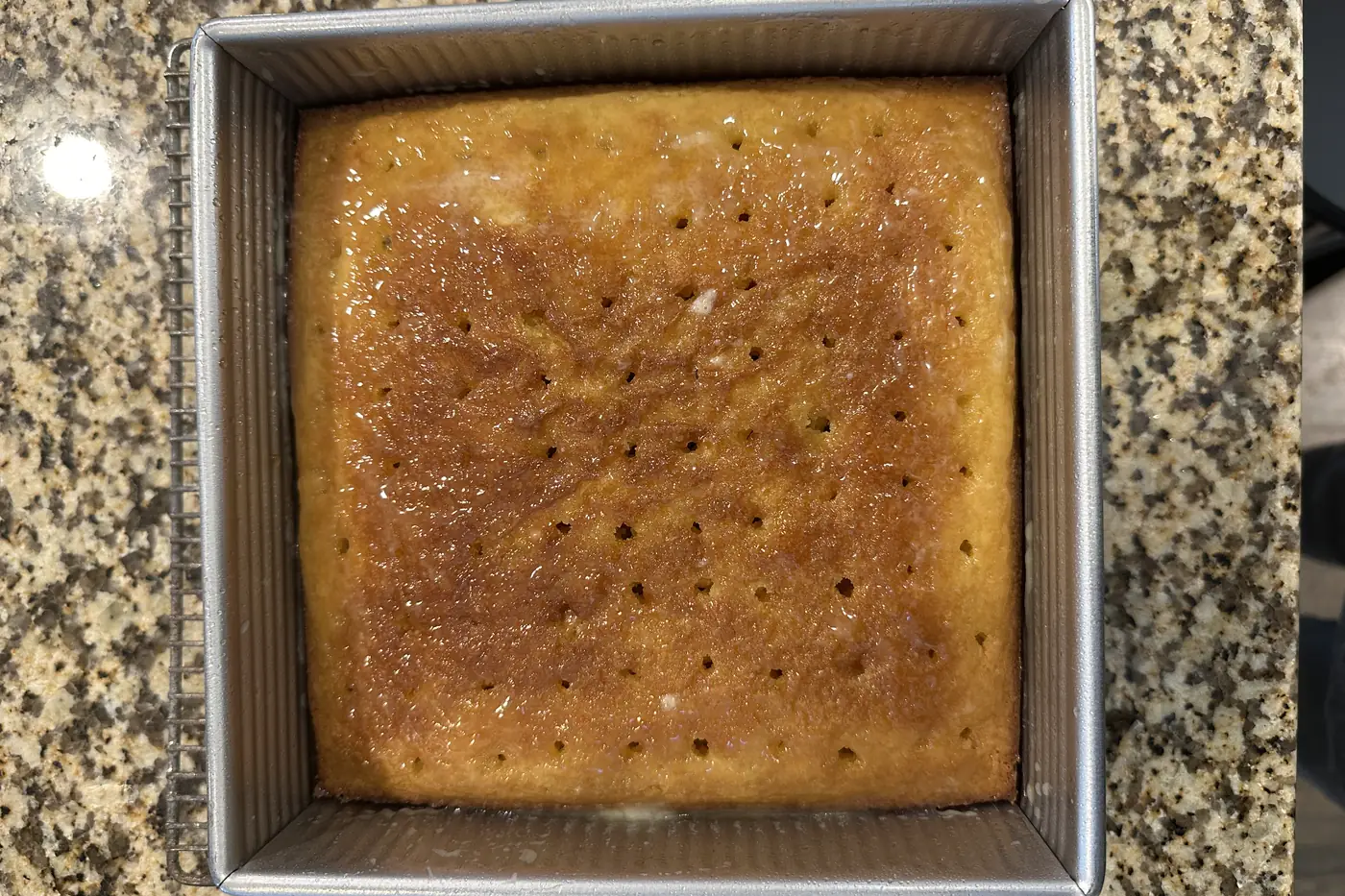
Malva pudding in its baking pan, golden and glossy, pricked with holes where the cream sauce has soaked in South Africa flag South Africa 55m
Snack & Tea •Cape Dutch Heritage

Malva Pudding

This malva pudding recipe is South Africa's best-loved dessert: a soft, spongy apricot sponge baked until golden, pricked full of holes, and soaked while still hot in a warm sauce of butter, sugar and cream. The sauce sinks right through the sponge, so every spoonful is sticky, caramel-sweet and meltingly moist. One serving is about 145 g, served warm with custard or ice cream.

Sweet & Comforting

A spongy apricot sponge baked golden, then soaked while hot in a warm butter, sugar and cream sauce — South Africa's best-loved pudding.

Pairs Well With
Cold custard, vanilla ice cream & rooibos tea
Tagliatelle al ragù Bolognese in a bowl with Parmigiano-Reggiano Italy flag Italy 4h 25m
Lunch •Emilia-Romagna

Tagliatelle al Ragù Bolognese

Slow-braised soffritto and coarse ground heritage meats layered over handmade egg yolk dough for mid-day stamina.

Lean Protein

Slow-simmered beef ragù tossed through fresh egg tagliatelle.

Pairs Well With
Bitter Radicchio & Aged Balsamico di Modena
Pasta & Noodles • High Protein
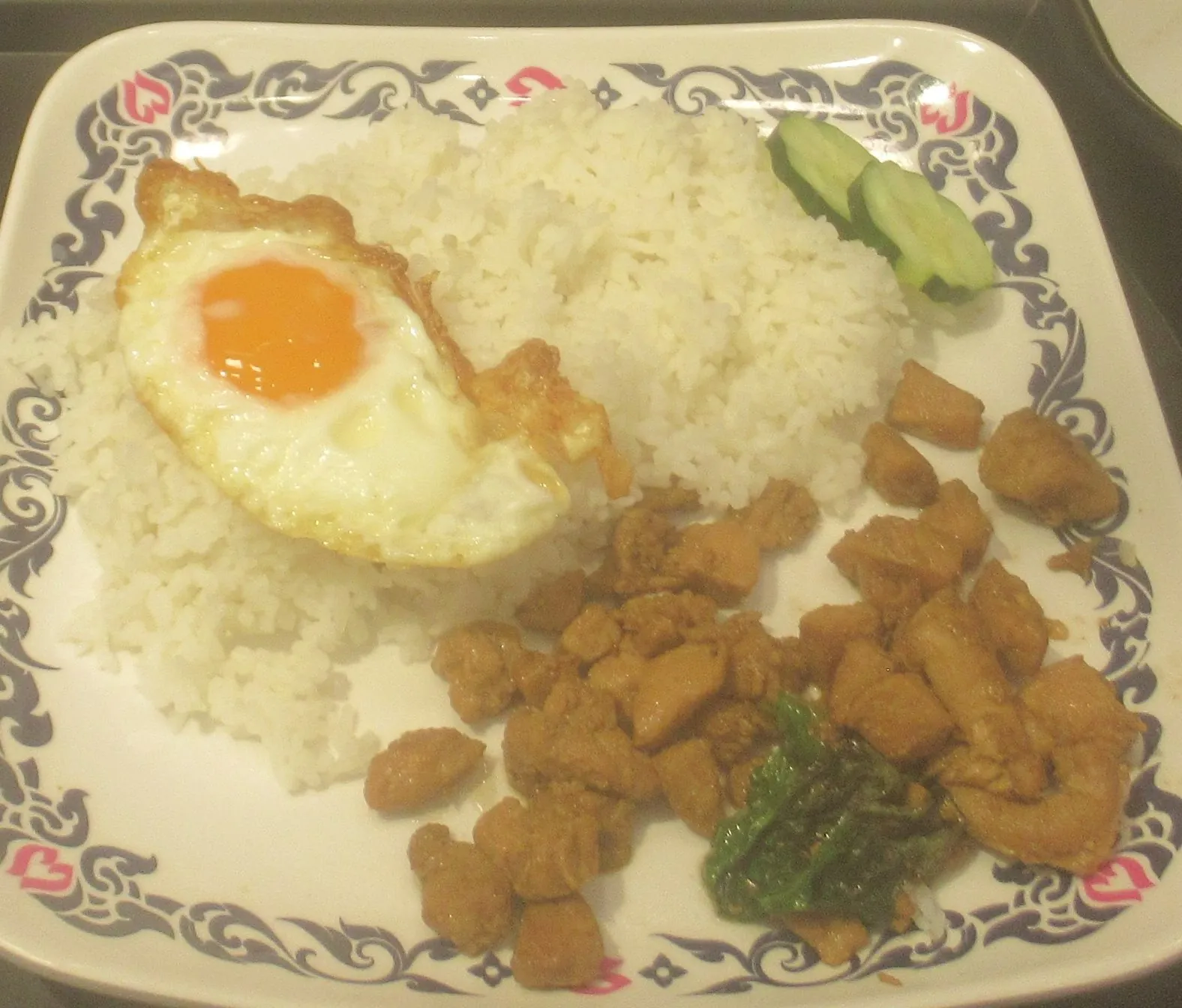
Pad kra pao gai — Thai holy basil chicken with fried egg and rice Thailand flag Thailand 30m
Lunch •Bangkok Street Flame

Pad Kra Pao Gai

High-heat wok flash of holy basil and crushed chillies over minced chicken, served over jasmine rice with a crispy-edged fried egg.

High Energy

Capsaicin brings the heat; holy basil adds a peppery, clove-like aroma.

Pairs Well With
Chilled Cucumber Salad & Fish Sauce Lime Dip
High Protein • Quick Prep (<30m)

The Dinner Gazette

Never wonder what’s for dinner again

One email a week with easy dinner ideas from around the world — ingredients, steps and nutrition, tested in our kitchen first.

Delivered every Thursday morning. Unsubscribe anytime.