
Curated recipes from 193 countries  •  New seasonal Mediterranean issue out now

Overview

Malva Pudding

Malva-Poeding, Telefoenpoeding

This malva pudding recipe is South Africa's best-loved dessert: a soft, spongy apricot sponge baked until golden, pricked full of holes, and soaked while still hot in a warm sauce of butter, sugar and cream. The sauce sinks right through the sponge, so every spoonful is sticky, caramel-sweet and meltingly moist. One serving is about 145 g, served warm with custard or ice cream.

Malva pudding is thought to be of Dutch or Cape Dutch origin, likely based on a pudding brought to the region by Dutch colonists in the mid-1600s. Recipes in South African cookbooks date to the 1970s, and it appeared on the menu of the Boschendal Wine Estate in 1978, where chef Maggie Pepler said she got the recipe from her mother, who called it telefoenpoeding because farmers' wives would call each other up and read the recipe over the phone. The pudding gained fame in the United States after Oprah Winfrey's personal chef, Art Smith, served it for Christmas dinner in 2006.

Pairs well with: Cold custard, vanilla ice cream & rooibos tea

Provenance

South Africa flag South Africa

Cape Dutch Heritage

African Heritage

Time Dedication

55m

15m prep • 40m cook

Batch Yield

8 Servings

527 kcal per serving

1 serving ≈ 145 g

Technical Skill

Intermediate

Easy (Bake)

Meal Timing & Digestive Fit

Breakfast

Not Advised

Lunch

Inappropriate

Dinner

Inappropriate

Snack & Tea

Ideal Light Bite

Occasions: Sunday lunch, family celebrations, Heritage Day, winter evenings Cost: Low — about $1–2 per serving at home
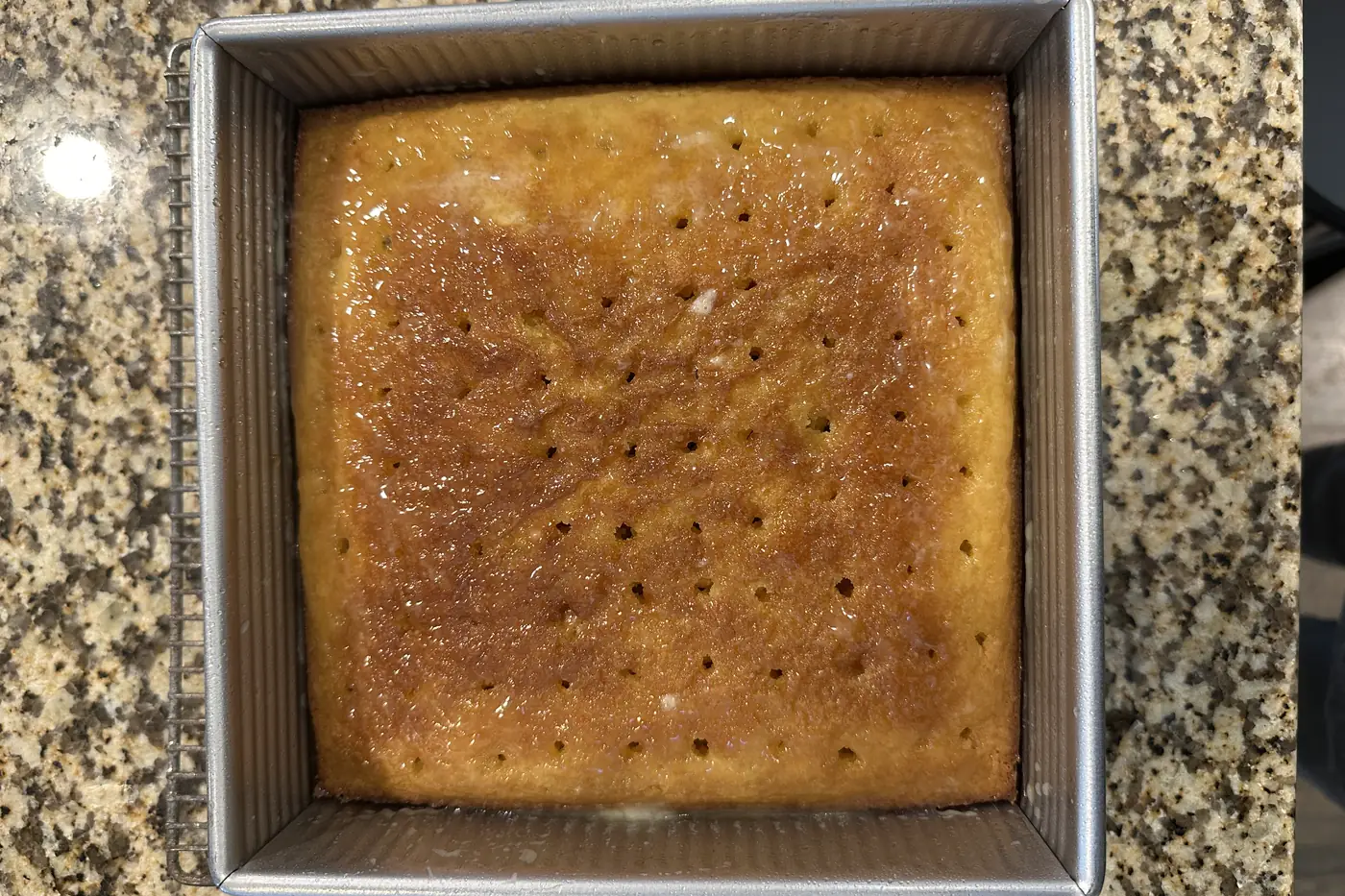
Malva pudding in its baking pan, golden and glossy, pricked with holes where the cream sauce has soaked in

Cape Dutch Heritage

Photo: Valereee, CC0, via Wikimedia Commons

The Heritage Formulary

Measured Ingredients

Estimated cost: Low — about $1–2 per serving at home (USD)

A true malva pudding is judged by its soak: the sauce must disappear right through the sponge, so the bottom is as sticky as the top.

Execution Methodology & Culinary Technique

Step-by-Step Cooking Guide

Active 55m
P

Prep Stage: Measure, Melt & Warm the Oven

15 Mins • Bowls & Scales

Heat the oven to 180°C (350°F) and grease a 20 cm square baking dish. Sift the flour with the salt, melt the 30 g of butter for the sponge, and measure the sugar, jam, milk, vinegar and baking soda. Put the sauce ingredients — 100 g butter, 150 g sugar and the cream — in a small pan, ready to heat.

Maestro Tip: Have the sauce pan ready before the pudding goes in the oven: the sauce must be poured over the pudding while it is still hot, and there is no time to hunt for ingredients then.

  1. 1

    Cream the Sugar & Eggs

    5 Mins Room temperature, ~20°C (68°F)

    Beat the 200 g of sugar with the 2 eggs until pale, thick and creamy — about 3 minutes with an electric whisk. Beat in the apricot jam and the melted butter.

    Beating the eggs and sugar until pale is what gives the sponge its lift; a quick stir will not do it.

    Done when: Mixture is pale, thick and leaves a trail when the whisk is lifted.

  2. 2

    Mix the Batter

    5 Mins Room temperature, ~20°C (68°F)

    Stir the milk and vinegar together. Fold the sifted flour into the egg mixture in two goes, alternating with the milk, then stir in the baking soda last — the batter will fizz slightly. Pour into the greased dish.

    Fold gently and stop as soon as the flour disappears; over-mixing makes a tough, heavy sponge.

    Done when: Batter is smooth, pourable and lightly fizzing.

  3. 3

    Bake Until Golden

    30 Mins 180°C (350°F)

    Bake at 180°C (350°F) for 25–30 minutes until the top is deep golden and a skewer pushed into the centre comes out clean. Start the sauce in the last 10 minutes of baking.

    The pudding is done when it springs back when pressed lightly in the centre; a skewer with wet batter means it needs 5 more minutes.

    Done when: Top is deep golden, sponge springs back, skewer comes out clean.

  4. 4

    Make the Sauce

    10 Mins Gentle simmer, ~95°C (203°F)

    While the pudding bakes, heat the 100 g butter, 150 g sugar and cream in a small pan over medium heat, stirring until the butter melts and the sugar dissolves. Add the vanilla, bring to a gentle simmer for 2 minutes, then take off the heat.

    Do not boil the sauce hard — a gentle simmer keeps the cream smooth and the sauce pourable.

    Done when: Sauce is smooth, glossy and hot, with the sugar fully dissolved.

  5. 5

    Prick, Pour & Rest

    10 Mins Hot, ~80°C (176°F)

    As soon as the pudding comes out of the oven, prick it all over with a skewer or fork, making holes right down to the bottom. Pour the hot sauce slowly and evenly over the top, letting it sink in, then rest for 10 minutes before serving.

    Prick plenty of holes — about 30 across the dish — or the sauce will pool on top instead of soaking through.

    Done when: Sauce has disappeared into the sponge; the top is glossy and sticky.

Finishing Touches & Plating

Serve warm, in squares, with cold custard poured over the top or a scoop of vanilla ice cream on the side. The contrast of hot, sticky pudding and cold custard is the whole point.

Nutritional Physiology & Benefits

Nutrition

Energy

527

kcal / serving

Protein

6g

Complete AA

Carbs

69g

Complex

Fats

26g

Healthy

Per serving (8 servings · 1 serving ≈ 145 g)
Energy527 kcal
Protein6 g
Carbohydrates69 g
Fat26 g
Fibre0.7 g
Sugar49.1 g
Sodium308 mg
Per 100g
Energy363 kcal
Protein3.8 g
Carbohydrates47.8 g
Fat17.9 g
Fibre0.5 g
Sugar33.9 g
Sodium212 mg

Nutrition values are estimated — calculated from USDA FoodData Central values for the listed ingredients.

Vitamins & minerals: Calcium (milk and cream), vitamin A (butter and eggs), vitamin B12 (eggs and cream). Nutrition values are estimated.

Quick Energy

One serving gives about 69 g of carbohydrate, which makes it a fast source of energy — best as an occasional treat, not an everyday snack.

Calcium and Vitamin A

Milk, cream, butter and eggs give the pudding calcium and vitamin A, nutrients the body uses for bones, teeth and normal vision.

Simple, Honest Ingredients

Flour, eggs, milk, butter, apricot jam and cream — a short list of everyday ingredients, with no artificial flavourings.

Food Pairings

What to Eat With

To optimize nutrient absorption and elevate the sensory depth, pair with these authentic accompaniments:

Sides

Cold Custard

Cold custard poured over hot malva pudding is the classic pairing: the cool, creamy custard balances the sticky sweetness and makes each spoonful richer.

Vanilla Ice Cream

A scoop of vanilla ice cream melts slowly into the warm sponge, adding a cold, creamy contrast that keeps the pudding from feeling too sweet.

Drinks

Rooibos Tea

A cup of rooibos, the South African tea, is the traditional drink with malva pudding — its gentle, earthy flavour cleanses the palate between bites.

More Pairings

Fresh Berries

A few fresh berries on the side add sharpness and colour, cutting through the caramel sweetness of the sauce.

Complete menu

Serve malva pudding warm as the dessert after a South African meal such as bobotie, with cold custard or vanilla ice cream and a cup of rooibos tea.

Digestive Guardrails

What NOT to Combine

To prevent digestive distress, sluggishness, or palate clash, avoid pairing the dish with these elements:

A Second Large Sweet Course

Malva pudding is already very sweet, with about 49 g of sugar per serving, so skip a second dessert or a sugary drink with it. This is general information, not medical advice.

Pouring the Sauce on a Cold Pudding

The sauce only soaks in while the pudding is hot; poured on a cold sponge it sits on top and makes the pudding soggy instead of sticky all the way through.

General information only, not medical advice — consult a doctor for personal dietary decisions.

Who Should Eat It

Who Should Eat

  • General adultsA rich, sweet treat — best as an occasional dessert, about 527 kcal per serving.
  • ChildrenUsually a favourite from age 4+; the sponge is soft and sweet. Keep the serving small — one square is enough.
  • ElderlyGood in a small portion — soft, moist and easy to eat; serve warm with custard.
  • Pregnant womenGenerally suitable in a small portion; the eggs and cream are fully cooked in the bake.
  • Breastfeeding womenGenerally suitable as an occasional treat; keep the portion small because of the sugar.
  • AthletesA fast source of energy after training, but low in protein — pair it with a protein-rich meal, not as a meal itself.
  • Weight gainA good choice — a generous serving with custard and ice cream.
  • Weight lossKeep it to a small square on special occasions; at about 527 kcal with 49 g of sugar, it is an energy-dense dessert.

Health Conditions — Adjust or Avoid

Conditions

  • DiabetesHigh in sugar and refined carbohydrate, so keep the serving very small and occasional. Ask your clinician about portions.
  • High blood pressureLow in salt as written; the sugar is the main concern, not the sodium. Ask your clinician about your daily sugar limit.
  • Kidney diseaseModerate in protein and potassium; keep the portion small if your clinician has advised limits, and ask about portion size.
  • GoutNo specific concern from this pudding itself, but keep portions small as part of an overall healthy diet. Ask your clinician if gout flares are frequent.
  • Stomach issuesRich butter and cream can feel heavy on a sensitive stomach; eat a small portion slowly and warm, not cold.
  • Cardiovascular diseaseButter and cream add saturated fat, so enjoy occasionally and keep the portion small. Ask your clinician about how often it fits your diet.
  • Fatty liverHigh in sugar and saturated fat, so keep it occasional and small. Ask your clinician about frequency.
  • Food allergiesContains egg, milk and wheat (flour). Do not serve to anyone with an egg, milk or wheat allergy.
  • Special therapeutic dietsIf you follow a prescribed low-sugar or low-fat diet, this pudding does not fit as written; check with your clinician before eating it.

If you have a medical condition, consult your doctor before changing your diet.

Storage & Use

Storage & Use

How to store
Cool completely and store in an airtight container.
In the fridge
Malva pudding 4 days.
In the freezer
Up to 2 months (freeze in portions, without custard).
How to reheat
Warm in the oven at 160°C (320°F) for 10 minutes or microwave a portion for 30 seconds, until hot throughout; serve with fresh custard.
Freezing recommended
Yes — it freezes well in portions.
Signs it has spoiled
Sour or off smell, mould on the surface, or a slimy texture.

More recipes to explore

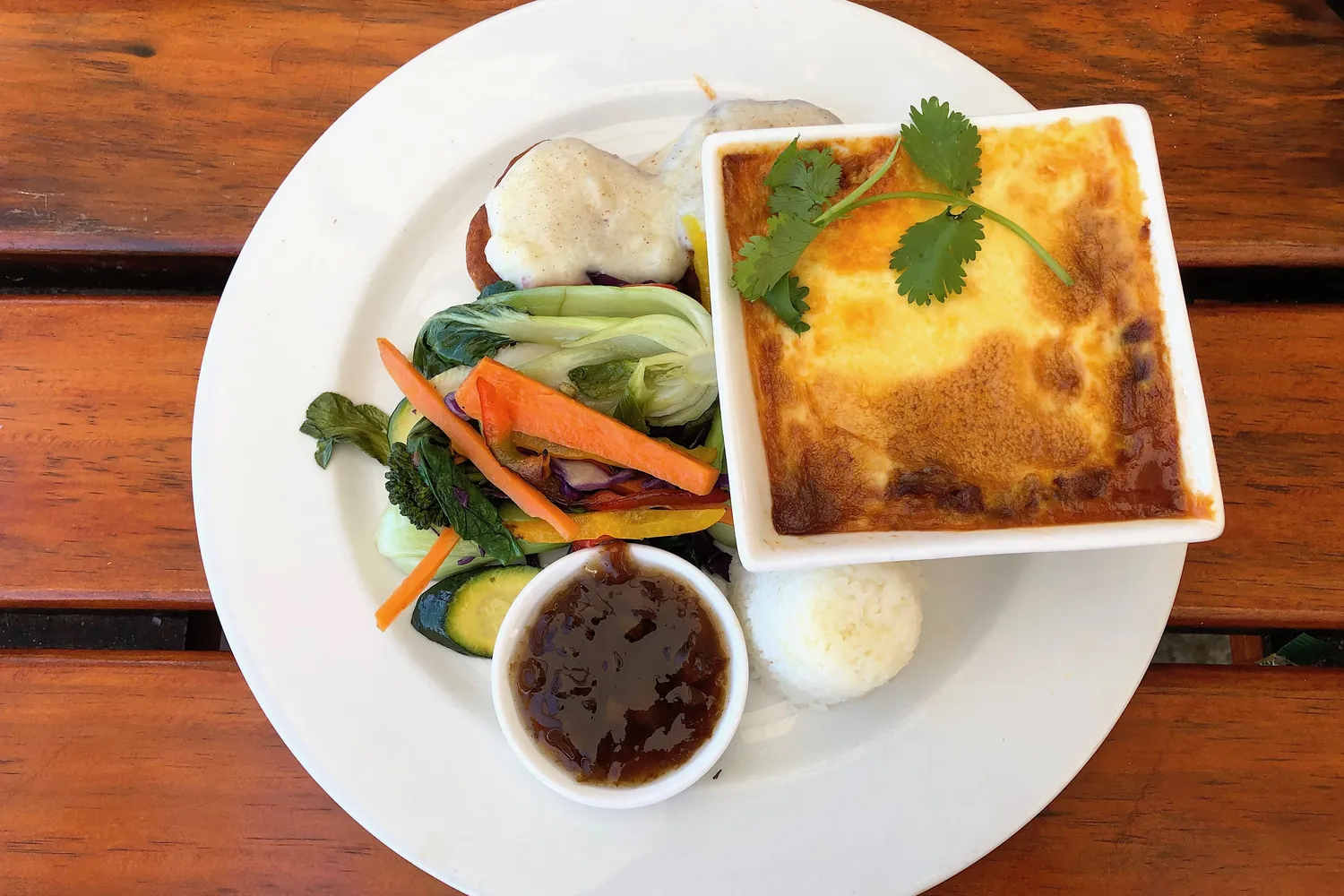
Bobotie with its golden egg custard topping in a square baking dish, served with salad, chutney and rice South Africa flag South Africa 1h 5m
Dinner •Cape Malay Heritage

Bobotie

This bobotie recipe is the Cape Malay classic: gently curried beef mince mixed with milk-soaked bread, apricot jam and raisins, then baked under a golden egg-and-milk custard with bay leaves on top. The sweet dried fruit and warm curry spice balance each other, and the custard sets into a soft golden lid that slices cleanly. One serving is about 305 g, without the rice.

Comfort & Warmth

Spiced beef mince baked under a golden egg custard, sweetened with apricot and raisins — the Cape Malay classic, served with yellow rice.

Pairs Well With
Yellow rice, mango chutney & sambal
High Protein
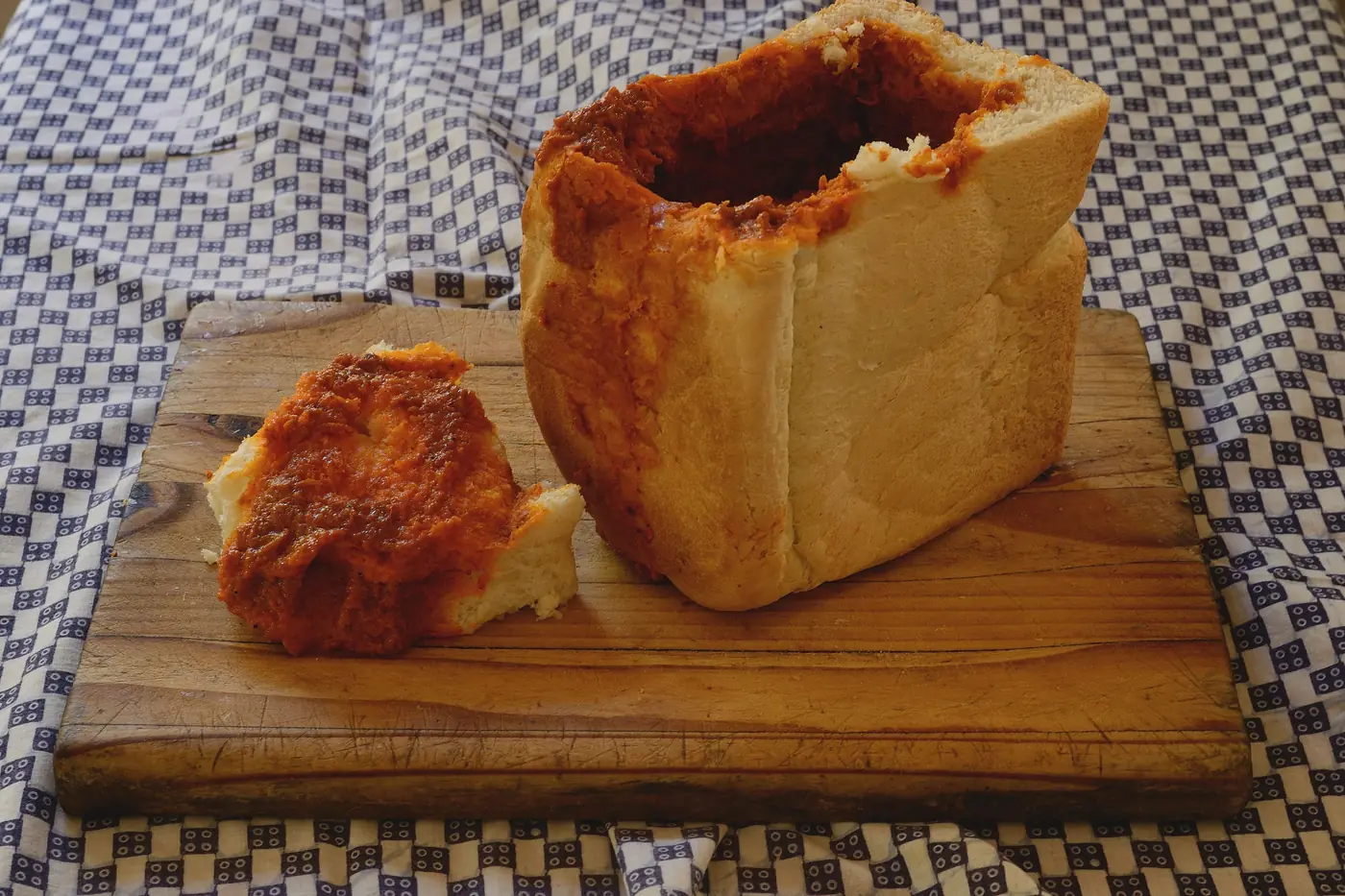
A chicken curry bunny chow: a hollowed white loaf filled with red-orange curry, with the scooped-out bread beside it South Africa flag South Africa 1h 15m
Lunch •Durban Heritage

Bunny Chow

This bunny chow recipe is Durban's famous street food: a quarter loaf of soft white bread hollowed out and filled to the brim with a hot, rich chicken curry, then capped with the scooped-out bread. The gravy soaks into the walls of the loaf as you eat, so the bread itself becomes part of the meal, and a sharp carrot sambal on the side cuts the heat. One serving is about 475 g, one quarter bunny with sambal.

Hearty & Filling

A hollowed white loaf filled with hot Durban chicken curry, eaten by hand with the scooped-out bread and a fresh carrot sambal.

Pairs Well With
Carrot sambal, tomato-onion salad & cold beer
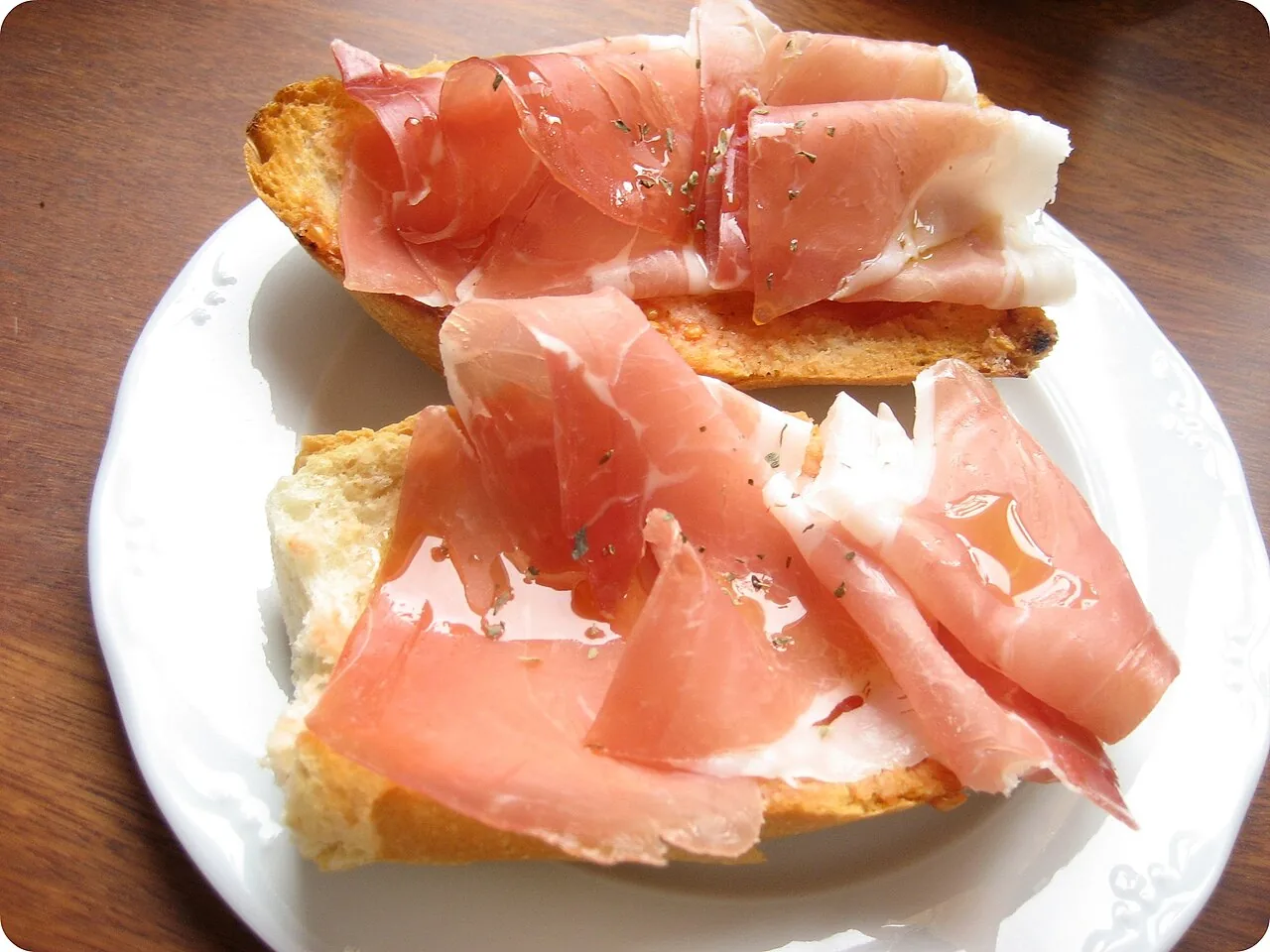
Pan con tomate with jamón ibérico on toasted bread Spain flag Spain 15m
Snack & Tea •Catalan Aperitivo

Pan con Tomate & Jamón Ibérico

Country bread rubbed with ripe Ramallet tomato, drizzled with cold-pressed Arbequina olive oil and topped with jamón ibérico.

Vascular Health

Toasted tomato bread with jamón ibérico, olive oil and olives.

Pairs Well With
Castelvetrano Olives & Sparkling Mineral Water
Quick Prep (<30m)
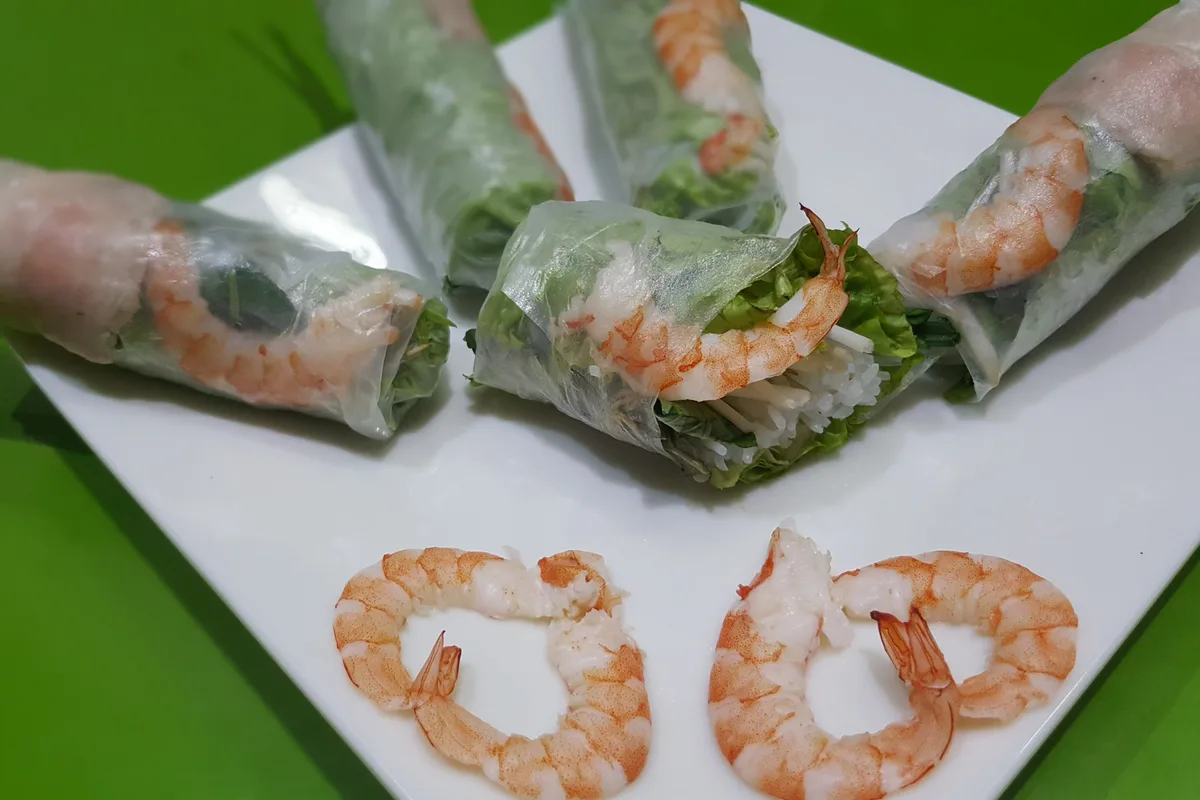
Gỏi cuốn — Vietnamese fresh spring rolls with prawn and pork Vietnam flag Vietnam 1h 5m
Snack & Tea •Saigon Refresh

Gỏi Cuốn Tôm Thịt

Fresh rice paper rolls filled with poached prawns, tender pork, rice vermicelli, lettuce, herbs and carrot, served with a peanut dipping sauce.

Light Digestion

Nothing is fried, so the rolls stay light and fresh — a cool, herb-filled snack for hot days.

Pairs Well With
Artisanal Peanut Dip & Fresh Lotus Root Water
High Protein

The Dinner Gazette

Never wonder what’s for dinner again

One email a week with easy dinner ideas from around the world — ingredients, steps and nutrition, tested in our kitchen first.

Delivered every Thursday morning. Unsubscribe anytime.