
Curated recipes from 193 countries  •  New seasonal Mediterranean issue out now

Overview

Butter Tarts

Canadian butter tarts

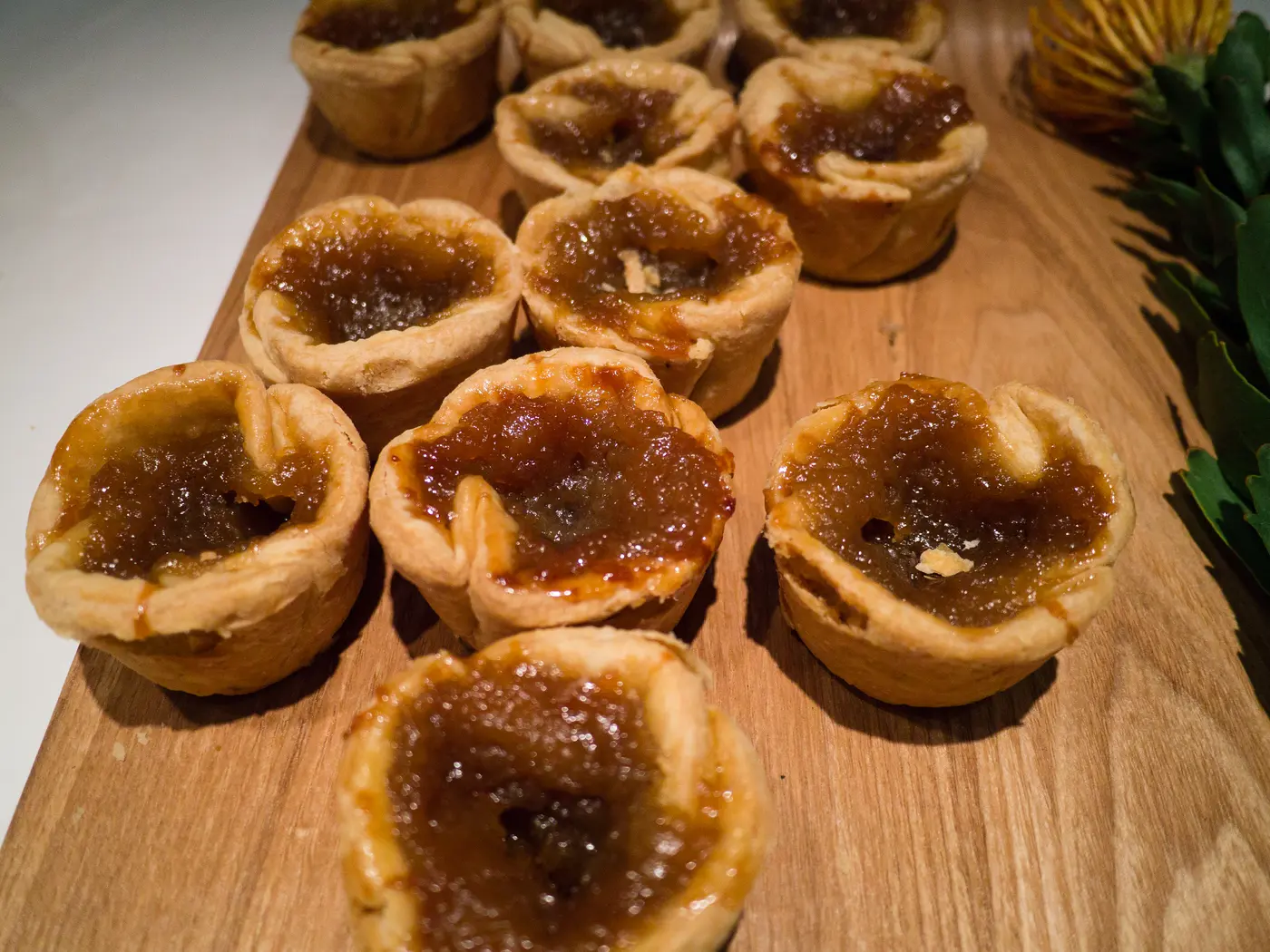
Butter tarts are Canada's most loved small pastry: flaky pastry cups filled with a gooey mixture of butter, brown sugar and egg, sometimes with raisins, baked until the filling bubbles and just sets. This butter tarts recipe makes 12 golden tarts with crisp shells and a soft, caramel centre — the classic Ontario version, firm enough to hold and soft enough to run. One tart is about 75 g.

The butter tart is one of Canada's oldest recorded pastries: the earliest known published recipe appeared in 1900 in the Royal Victoria Hospital Women's Auxiliary cookbook in Barrie, Ontario, calling for sugar, butter, eggs and currants. By the 1920s and 1930s butter tarts had become a fixture of Ontario baking, with fierce local debates — raisins or no raisins, runny or firm — that continue today. Ontario's Kawartha Lakes region now hosts a butter tart tour and an annual festival in Midland.

Pairs well with: Tea & coffee

Provenance

Canada flag Canada

Ontario Classic

North America

Time Dedication

1h 5m

30m prep • 35m cook

Batch Yield

12 Servings

297 kcal per serving

1 serving ≈ 75 g

Technical Skill

Intermediate

Intermediate (Pastry & Filling)

Meal Timing & Digestive Fit

Breakfast

Not Advised

Lunch

Inappropriate

Dinner

Inappropriate

Snack & Tea

Ideal Light Bite

Occasions: Afternoon tea, bake sales, holiday baking, picnics, coffee break, Christmas treats Cost: Low — about $1–2 per tart at home
Golden butter tarts with glossy brown-sugar filling arranged on a wooden board

Ontario Classic

Photo: Rob Campbell, CC BY 2.0, via Wikimedia Commons

The Heritage Formulary

Measured Ingredients

Estimated cost: Low — about $1–2 per tart at home (USD)

Flaky pastry shells, a gooey butter and brown sugar filling, baked until the filling just sets.

Execution Methodology & Culinary Technique

Step-by-Step Cooking Guide

Active 1h 5m
P

Prep Stage: Chilling the Pastry, Plumping the Raisins

30 Mins • Pastry, Raisins

Make the pastry first and chill it for 30 minutes — cold pastry bakes crisp instead of shrinking. While it chills, soak the raisins in hot water so they plump up instead of drying out in the oven, and melt the butter for the filling. Do not mix the filling until the shells are lined, or the sugar starts to dissolve and the filling turns gritty.

Maestro Tip: Keep everything cold — cold butter, cold water, cold hands — and the pastry stays flaky.

  1. 1

    Make and chill the pastry

    15 mins Room temperature, then chilled

    Rub 115 g cold butter into 250 g flour, 10 g sugar and 3 g salt until it looks like coarse crumbs. Add 60 ml ice-cold water a little at a time and bring together into a smooth dough. Wrap and chill for 30 minutes. Cold pastry rolls out cleanly and holds its shape in the tin.

    Handle the dough as little as possible — warm hands melt the butter and the pastry turns tough.

    Done when: Smooth, firm dough that does not stick to your hands.

  2. 2

    Roll out and line the tart tins

    10 mins Room temperature

    Roll the pastry to 3 mm on a lightly floured surface and cut 12 rounds about 10 cm across. Press each round into a muffin tin, letting the edges ruffle naturally, and chill the lined tin for 10 minutes while the oven heats. Cold shells shrink less in the oven.

    If a shell tears, patch it with a scrap of pastry — the filling will seal the join as it bakes.

    Done when: Twelve shells lined, with no holes and ruffled edges standing above the tin.

  3. 3

    Mix the butter-sugar filling

    5 mins Room temperature

    Whisk 200 g brown sugar with 60 g melted butter, 100 g beaten eggs, 80 g maple syrup, 5 ml vinegar and 5 ml vanilla until smooth. Stir in 80 g drained raisins. Do not over-beat — a few small lumps of sugar are fine and melt in the oven.

    Mix the filling just before filling the shells — if it sits, the sugar sinks and the tarts bake unevenly.

    Done when: A smooth, glossy filling that pours in a steady stream.

  4. 4

    Fill and bake until just set

    22 mins 190°C (375°F)

    Spoon the filling into the cold shells, filling each about three-quarters full — the filling bubbles up as it bakes and will overflow if the shells are too full. Bake for 20–22 minutes until the pastry is golden and the filling is bubbling and just set at the edges, still soft in the centre.

    A runny centre is the classic butter tart; a fully firm filling means they are overbaked.

    Done when: Golden pastry, filling bubbling at the edges and soft — not runny — in the centre.

  5. 5

    Cool and lift out

    10 mins Room temperature

    Cool the tarts in the tin for 10 minutes, then lift them out carefully with a small knife and cool on a rack. The filling firms slightly as it cools but should stay soft and glossy inside.

    Run a knife around each tart while it is still warm — once the filling cools and sticks, they are hard to lift out.

    Done when: Tarts that lift out cleanly, with a soft glossy centre.

Finishing Touches & Plating

Serve the tarts warm or at room temperature with tea or coffee. The filling should be soft and glossy in the centre — if it runs when you bite in, that is the classic butter tart, not a mistake.

Nutritional Physiology & Benefits

Nutrition

Energy

297

kcal / serving

Protein

4g

Complete AA

Carbs

43g

Complex

Fats

13g

Healthy

Per serving (12 servings · 1 serving ≈ 75 g)
Energy297 kcal
Protein4 g
Carbohydrates43 g
Fat13 g
Fibre0.8 g
Sugar25.0 g
Sodium117 mg
Per 100g
Energy397 kcal
Protein4.7 g
Carbohydrates57.2 g
Fat17.2 g
Fibre1.1 g
Sugar33.3 g
Sodium156 mg

Nutrition values are estimated — calculated from USDA FoodData Central values for the listed ingredients.

Vitamins & minerals: Small amounts of B vitamins and iron (flour, eggs), calcium (butter), potassium (raisins, maple syrup).

Quick Energy in a Small Tart

About 43 g of carbohydrate per tart gives quick energy — a small, handy snack between meals.

A Little Fibre and Potassium from Raisins

Raisins add a little fibre, potassium and iron to the filling, and maple syrup brings a trace of minerals with it.

A Calming Little Treat

A small, slow pleasure with tea — butter tarts are made to be eaten one at a time, unhurried.

Food Pairings

What to Eat With

To optimize nutrient absorption and elevate the sensory depth, pair with these authentic accompaniments:

Drinks

Black tea or coffee

Unsweetened tea cuts through the very sweet filling and lets the caramel flavour show — the classic Ontario pairing.

Vegetables

Sliced apple or fresh berries

A sharp apple or a few berries add acidity and freshness beside a rich, sugary tart.

More Pairings

Vanilla ice cream

A small scoop of vanilla ice cream turns one tart into a proper dessert and cools the warm filling.

Lightly whipped cream

Whipped cream softens the sweetness and makes the tarts feel like a celebration dessert.

Full Menus

Full menu: butter tarts, black tea, sliced apple

Butter tarts with tea, then sliced apple to finish — a simple Canadian afternoon tea.

Complete menu

Serve one or two butter tarts with tea or coffee after a light lunch, or as the sweet finish to a poutine lunch.

Digestive Guardrails

What NOT to Combine

To prevent digestive distress, sluggishness, or palate clash, avoid pairing the dish with these elements:

Eating butter tarts with a very sweet drink

The filling is mostly sugar and butter, so a sweet drink on the side adds a lot more sugar; unsweetened tea or coffee is the lighter choice. This is general information, not medical advice.

Biting into a tart straight from the oven

The filling is at its hottest straight from the oven and can burn your mouth; let the tarts cool for 10 minutes before eating. This is general information, not medical advice.

General information only, not medical advice — consult a doctor for personal dietary decisions.

Who Should Eat It

Who Should Eat

  • General adultsA sweet, rich snack for most adults; one or two tarts with tea or coffee is a sensible portion.
  • ChildrenChildren love them; serve one tart and let it cool — the filling stays very hot after baking.
  • ElderlySoft pastry and filling are easy to eat; a smaller tart with unsweetened tea suits older eaters.
  • Pregnant womenFine in moderation when the eggs are baked through; the filling is very sweet, so one tart is usually enough.
  • Breastfeeding womenAn energy-rich snack for long days; pair with fruit or nuts rather than a second tart.
  • AthletesQuick carbohydrate after training, though low in protein — better as a treat than a recovery meal.
  • Weight gainSmall, sweet and energy-dense, which helps when appetite is low.
  • Weight lossVery sweet and rich for their size, so one tart with a large cup of tea is the lighter way to enjoy them.

Health Conditions — Adjust or Avoid

Conditions

  • DiabetesVery high in sugar, about 25 g per tart, so one tart only and not every day — ask your clinician about fitting it into your meal plan.
  • High blood pressureLow in sodium per tart, but the rich butter and sugar still make it a treat food; ask your clinician if you are watching your overall pattern.
  • Kidney diseaseLow in protein per tart, which suits some kidney diets, but the sugar and fat are high; ask your clinician for personal advice.
  • GoutButter and sugar are not high in purines, so an occasional tart is usually fine; ask your clinician if you have frequent flare-ups.
  • Stomach issuesVery sweet, buttery pastry can feel heavy and trigger reflux for some people; eat slowly and avoid eating tarts late at night. Ask your clinician if symptoms persist.
  • Cardiovascular diseaseHigh in saturated fat and sugar from butter and brown sugar; keep it an occasional treat, and ask your clinician for personal guidance.
  • Fatty liverHigh in sugar and saturated fat, so one tart occasionally with tea is the better way to enjoy it; ask your clinician about your overall pattern.
  • Food allergiesContains wheat (flour), milk (butter), egg and sometimes sulphites (raisins). Not suitable for gluten-free, dairy-free or egg-free diets as written.
  • Special therapeutic dietsFor therapeutic diets, a sugar-reduced filling would be needed — ask your clinician or dietitian before adapting this recipe.

If you have a medical condition, consult your doctor before changing your diet.

Storage & Use

Storage & Use

How to store
Cool completely on a rack, then store in a covered container at room temperature for a day or in the fridge.
In the fridge
4–5 days, in a covered container.
In the freezer
Up to 3 months, in a single layer in a sealed container; thaw at room temperature.
How to reheat
Warm in a 160°C (325°F) oven for 5 minutes until the filling softens; the microwave makes the pastry soggy.
Freezing recommended
Yes — baked tarts freeze well and thaw in about an hour.
Signs it has spoiled
Sour or off smell, mould, a sticky or slimy filling, or pastry that smells rancid — discard, do not taste to check.

More recipes to explore

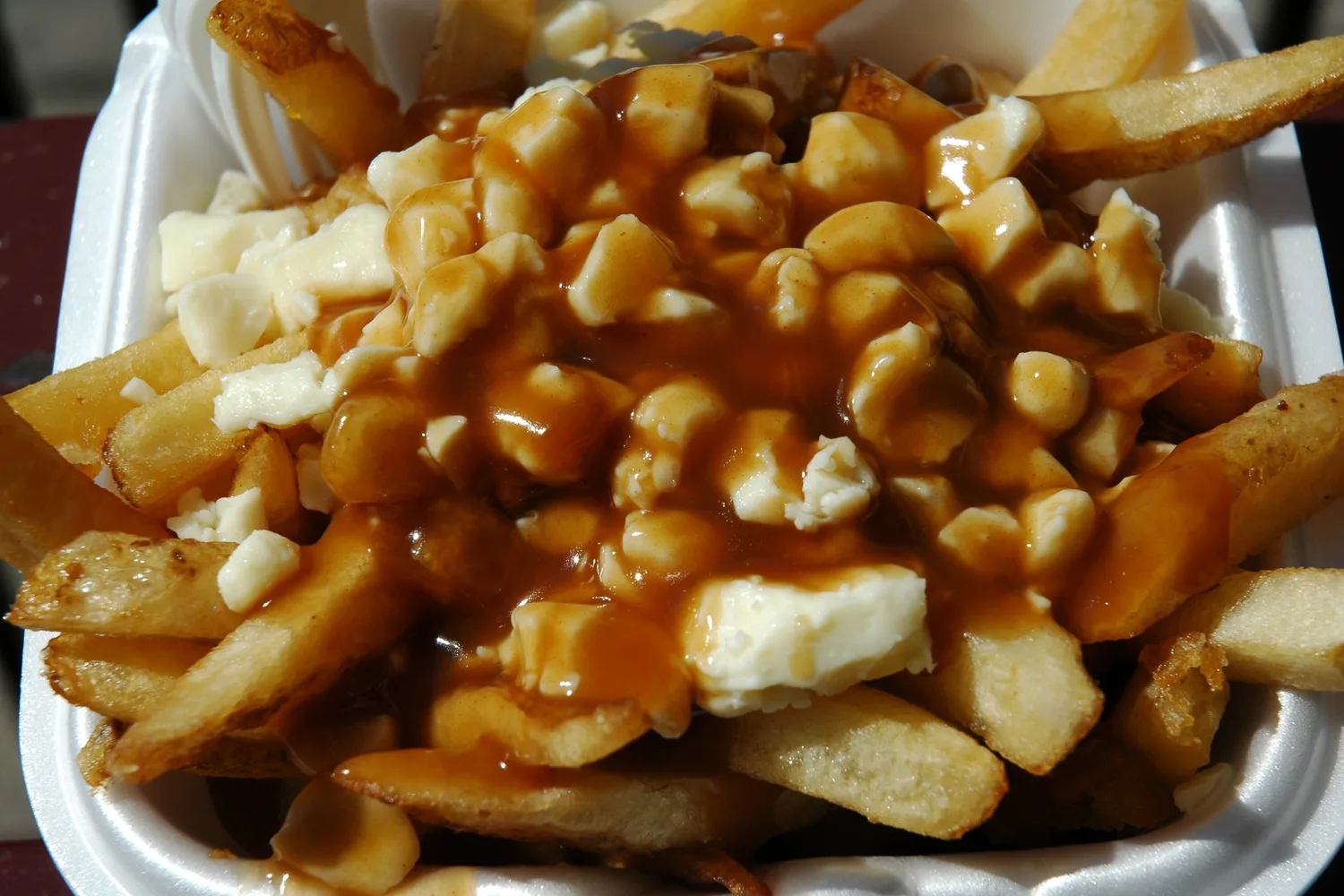
A close-up of classic poutine: golden french fries topped with white cheese curds and glossy brown gravy Canada flag Canada 55m
Lunch •Quebec Classic

Poutine

Poutine is Quebec's most famous dish: hot, crispy french fries topped with fresh cheese curds and a ladle of steaming beef gravy, served the moment the curds start to soften. This poutine recipe uses real cheese curds — never shredded cheese — and fries the potatoes twice so they stay crisp under the gravy. One serving is about 348 g.

Hearty Comfort Food

Crispy double-fried potatoes, squeaky fresh cheese curds and hot beef gravy — Quebec's most famous comfort dish.

Pairs Well With
Green salad & pickles
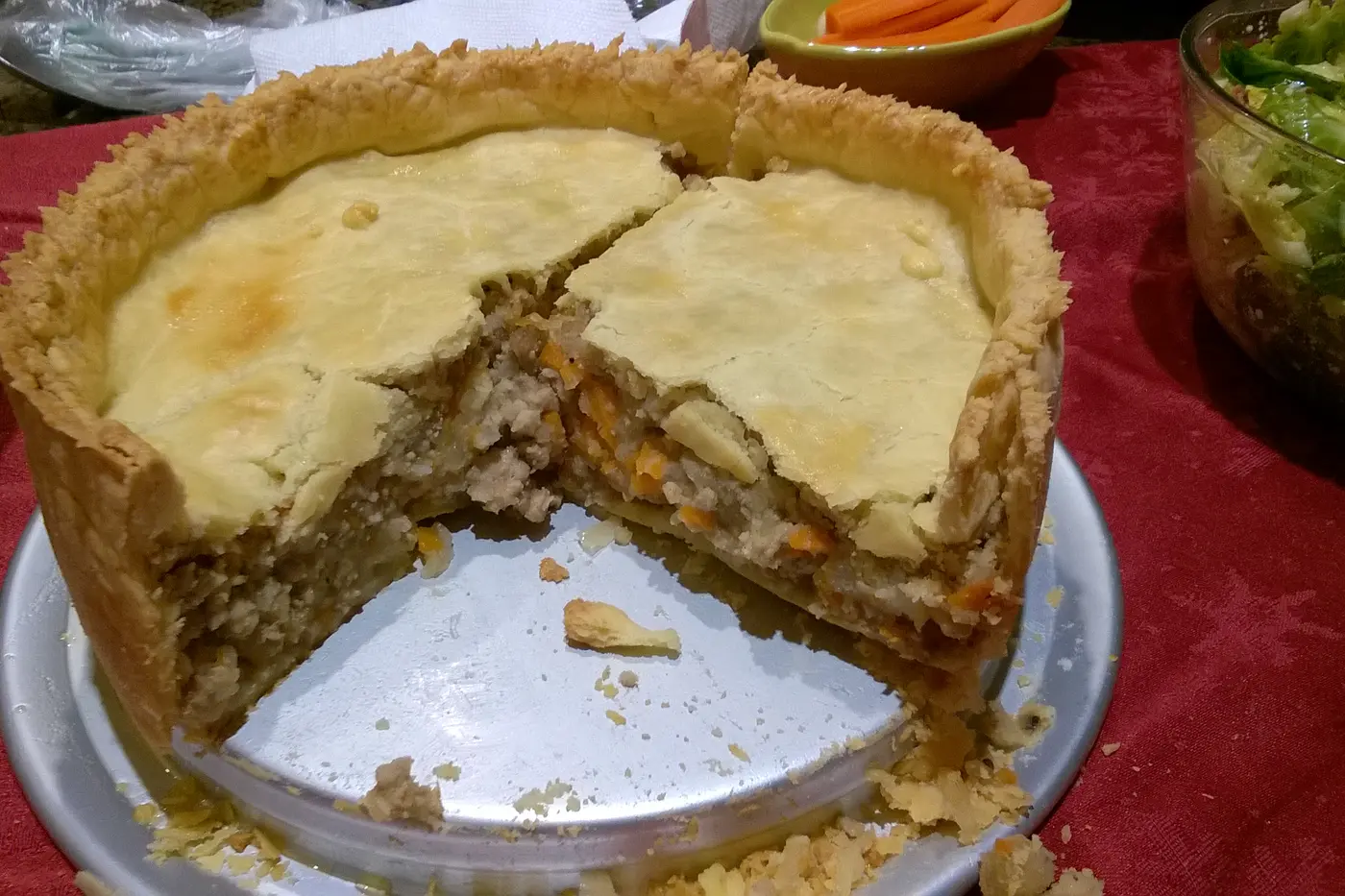
A deep-dish tourtière with a slice cut, showing the spiced ground-meat filling in golden pastry Canada flag Canada 2h
Dinner •Quebec Christmas Classic

Tourtière

Tourtière is the French-Canadian spiced pork pie: a deep-dish pie with a buttery double crust and a filling of ground pork, a little beef, mashed potato and onion, scented with cinnamon, cloves and savoury. It is the centrepiece of Quebec's Christmas Eve réveillon, served after midnight Mass. Unlike the Australian meat pie, which is a hand-held beef pie with tomato sauce, tourtière is a large, sliceable pie built for sharing, and its warm spices — not gravy — are what make it. This tourtiere recipe makes one deep-dish pie for eight. One slice is about 255 g.

Hearty & Festive

A deep-dish pie of spiced ground pork and potato in buttery pastry — the centrepiece of Quebec's Christmas Eve réveillon.

Pairs Well With
Green salad & pickles
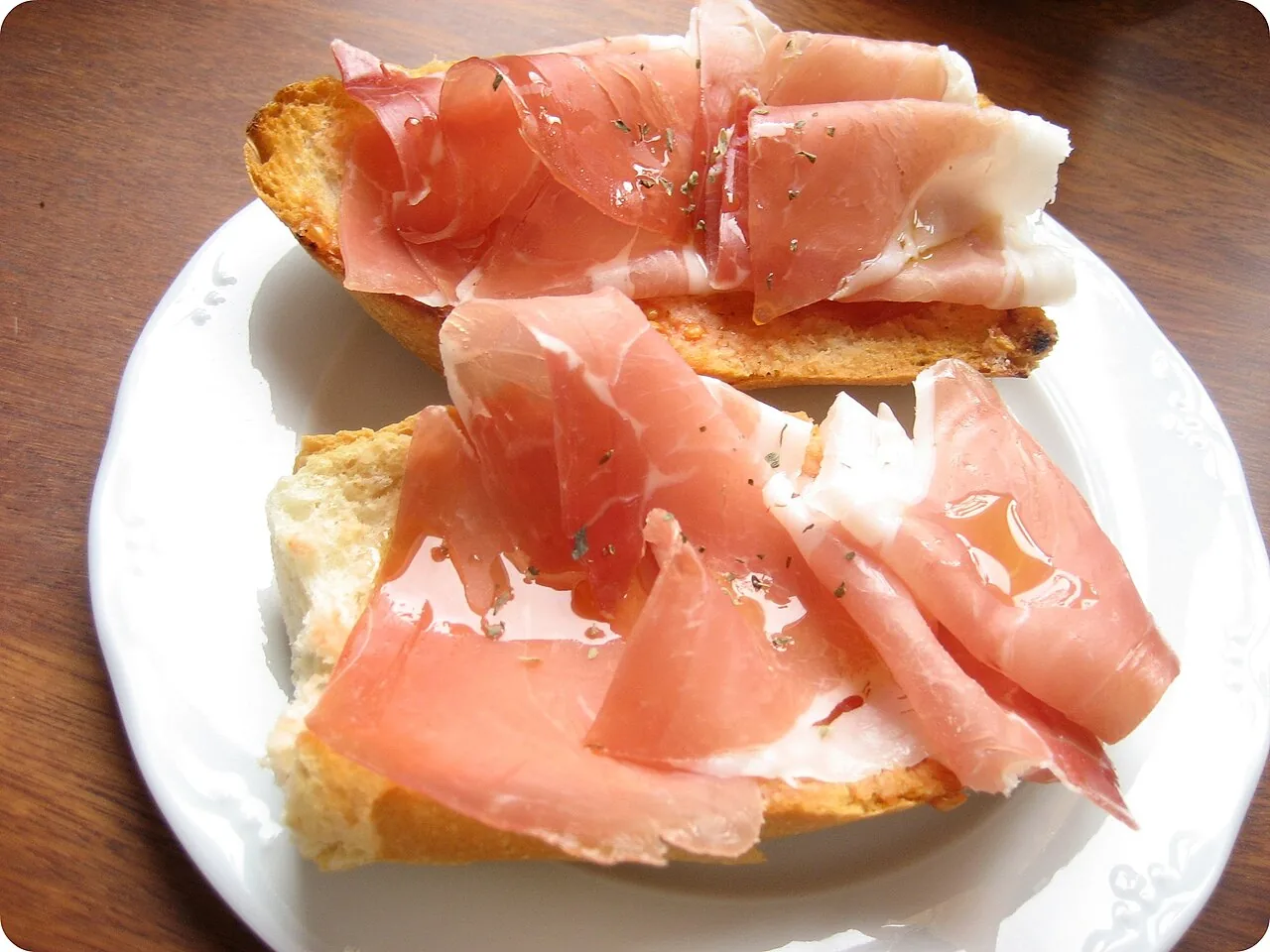
Pan con tomate with jamón ibérico on toasted bread Spain flag Spain 15m
Snack & Tea •Catalan Aperitivo

Pan con Tomate & Jamón Ibérico

Country bread rubbed with ripe Ramallet tomato, drizzled with cold-pressed Arbequina olive oil and topped with jamón ibérico.

Vascular Health

Toasted tomato bread with jamón ibérico, olive oil and olives.

Pairs Well With
Castelvetrano Olives & Sparkling Mineral Water
Quick Prep (<30m)
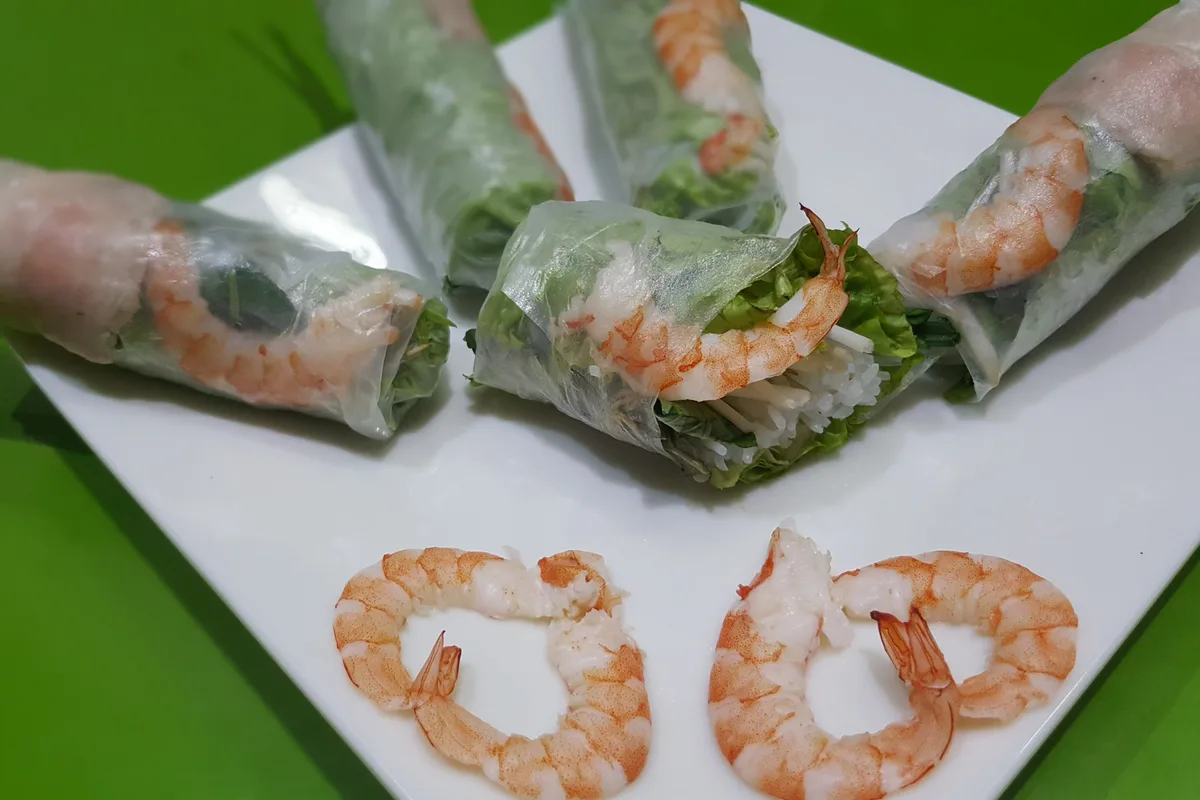
Gỏi cuốn — Vietnamese fresh spring rolls with prawn and pork Vietnam flag Vietnam 1h 5m
Snack & Tea •Saigon Refresh

Gỏi Cuốn Tôm Thịt

Fresh rice paper rolls filled with poached prawns, tender pork, rice vermicelli, lettuce, herbs and carrot, served with a peanut dipping sauce.

Light Digestion

Nothing is fried, so the rolls stay light and fresh — a cool, herb-filled snack for hot days.

Pairs Well With
Artisanal Peanut Dip & Fresh Lotus Root Water
High Protein

The Dinner Gazette

Never wonder what’s for dinner again

One email a week with easy dinner ideas from around the world — ingredients, steps and nutrition, tested in our kitchen first.

Delivered every Thursday morning. Unsubscribe anytime.