
Curated recipes from 193 countries  •  New seasonal Mediterranean issue out now

Overview

Tourtière

French-Canadian meat pie; Tourtière du Québec

Tourtière is the French-Canadian spiced pork pie: a deep-dish pie with a buttery double crust and a filling of ground pork, a little beef, mashed potato and onion, scented with cinnamon, cloves and savoury. It is the centrepiece of Quebec's Christmas Eve réveillon, served after midnight Mass. Unlike the Australian meat pie, which is a hand-held beef pie with tomato sauce, tourtière is a large, sliceable pie built for sharing, and its warm spices — not gravy — are what make it. This tourtiere recipe makes one deep-dish pie for eight. One slice is about 255 g.

Tourtière came to Canada with French settlers in the 1600s, and La Cuisinière canadienne, published in Montreal in 1840 and the first French-language cookbook printed in Canada, already gives several recipes for it. It became the centrepiece of the réveillon, the meal eaten after midnight Mass on Christmas Eve, and is still served on Christmas Eve and New Year's Day across Quebec. The name most likely comes from the dish in which the pies were baked; the old story linking it to the tourte, the now-extinct passenger pigeon, is described as a myth by The Canadian Encyclopedia.

Pairs well with: Green salad & pickles

Provenance

Canada flag Canada

Quebec Christmas Classic

North America

Time Dedication

2h

45m prep • 75m cook

Batch Yield

8 Servings

743 kcal per serving

1 serving ≈ 255 g

Technical Skill

Intermediate

Intermediate (Pastry & Filling)

Meal Timing & Digestive Fit

Breakfast

Not Advised

Lunch

Hearty Midday Main

Dinner

Ideal Hearty Main

Snack & Tea

Inappropriate

Occasions: Christmas Eve réveillon, New Year's Day, holiday dinner, family gatherings, winter comfort food Cost: Moderate — about $4–5 per serving at home
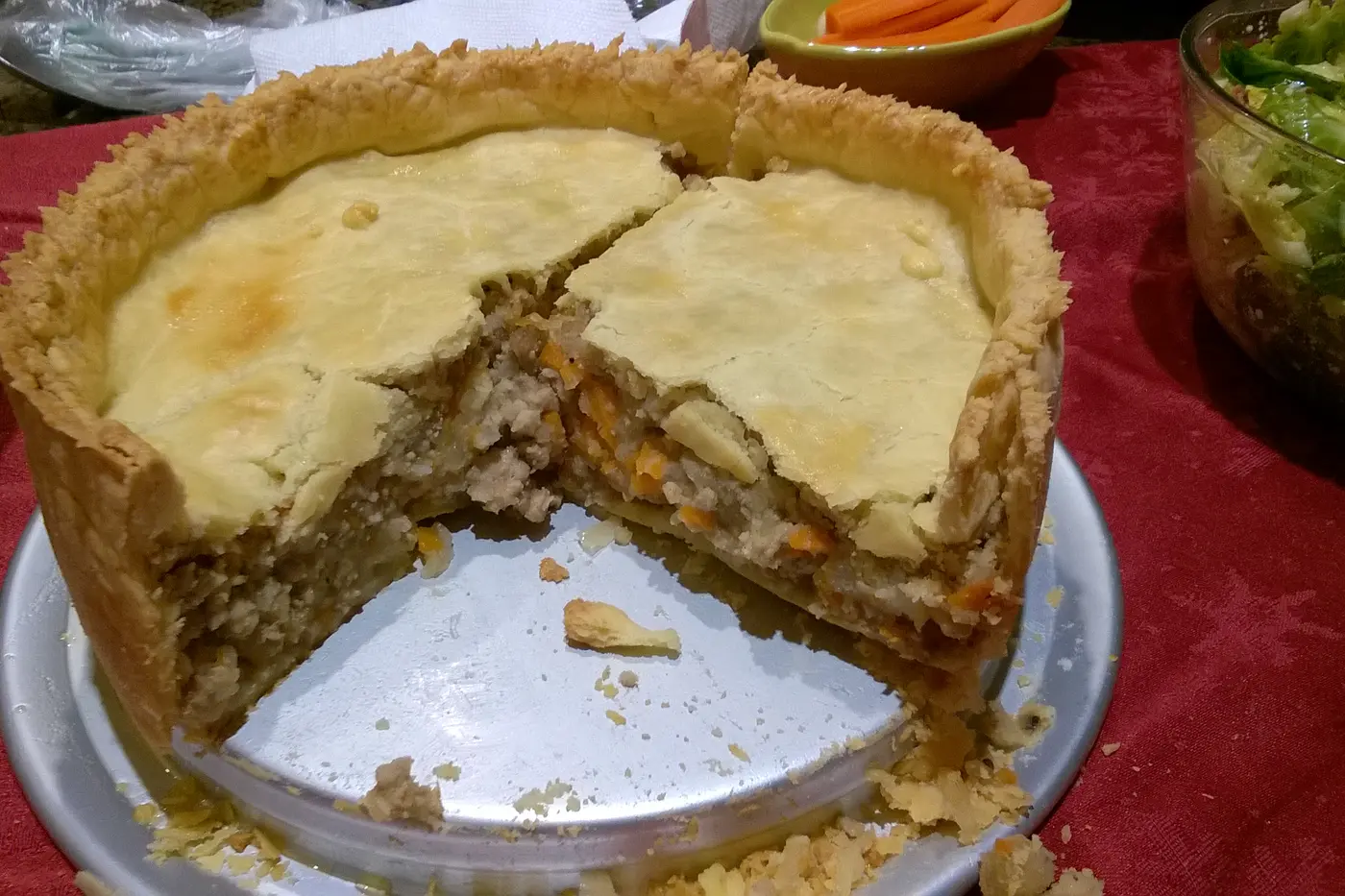
A deep-dish tourtière with a slice cut, showing the spiced ground-meat filling in golden pastry

Quebec Christmas Classic

Photo: Mack Male, CC BY-SA 2.0, via Wikimedia Commons

The Heritage Formulary

Measured Ingredients

Estimated cost: Moderate — about $4–5 per serving at home (USD)

Buttery double pastry, a pork-forward filling with cinnamon, clove and savoury, baked until deep gold.

Execution Methodology & Culinary Technique

Step-by-Step Cooking Guide

Active 2h
P

Prep Stage: Pastry Chilling, Filling Cooling

45 Mins • Pastry, Filling

Make the pastry first and chill it for 30 minutes — cold pastry bakes crisp instead of shrinking. While it chills, cook the filling: brown the pork and beef with onion and garlic, stir in the spices, stock and mashed potato, and simmer until thick. The filling must be completely cold before it goes into the pastry, or the steam will soften the base.

Maestro Tip: Cook the filling the day before if you can; cold, set filling is far easier to spoon into the pie dish and slices cleanly.

  1. 1

    Make and chill the pastry

    15 mins Room temperature, then chilled

    Rub 200 g cold butter into 400 g flour and 3 g salt until it looks like coarse crumbs. Add 120 ml ice-cold water and bring together into a smooth dough. Divide into two pieces — one slightly larger for the base — wrap and chill for 30 minutes. Cold pastry rolls out cleanly and holds its shape in the oven.

    Handle the dough as little as possible — warm hands melt the butter and the pastry turns tough.

    Done when: Smooth, firm dough that does not stick to your hands.

  2. 2

    Cook the spiced pork filling

    30 mins Medium-high heat

    Heat a large pan over medium-high heat, soften 150 g onion and 10 g garlic for 3 minutes, then add 700 g ground pork and 300 g ground beef and brown well, breaking it up — about 10 minutes. Stir in 2 g cinnamon, 1 g clove, 2 g dried savoury, 1 g nutmeg, 2 g pepper and 3 g salt, then pour in 120 ml beef stock. Simmer for 10 minutes, stir in 300 g mashed potato and 40 g breadcrumbs, and cook 5 minutes more until thick enough to mound on a spoon. Cool completely — the filling must reach 71°C (160°F) during cooking and be cold before filling.

    Brown the meat properly — the dark colour is where the filling's flavour comes from, and the spices need the heat to bloom.

    Done when: Thick, fragrant filling that mounds on a spoon; the meat must reach 71°C (160°F).

  3. 3

    Line the dish and fill

    10 mins Room temperature

    Roll the larger piece of pastry to 3 mm and line a 23 cm deep pie dish, leaving a small overhang. Spoon in all of the cold filling and press it down gently so there are no air pockets. Brush the rim with beaten egg.

    Press the pastry into the corners of the dish so there are no air pockets under the base.

    Done when: Dish lined and filled level, with no gaps at the edges.

  4. 4

    Lid, seal and bake

    50 mins 200°C (400°F)

    Roll the remaining pastry to 3 mm, lay it over the filling and press the edges together firmly, trimming the overhang and crimping with a fork. Cut two small steam holes in the centre and brush the lid with beaten egg. Bake for 45–50 minutes until the lid is deep golden and the filling bubbles gently at the steam holes.

    Bake on the lowest oven shelf so the base crisps instead of staying pale and soft.

    Done when: Deep gold lid, crisp base, and filling bubbling gently at the steam holes.

  5. 5

    Rest, then slice

    15 mins Room temperature

    Rest the pie for 15 minutes before slicing — the filling sets as it cools and slices cleanly instead of falling apart. Cut with a sharp knife and serve warm.

    A hot pie cut too soon collapses; fifteen minutes is the difference between a slice and a pile.

    Done when: Slices that hold their shape, with a warm, fragrant filling.

Finishing Touches & Plating

Serve the tourtière warm in thick slices with a sharp green salad and pickles on the side. The filling should hold its shape when cut, and the spices — cinnamon, clove and savoury — should be warm and fragrant, never harsh.

Nutritional Physiology & Benefits

Nutrition

Energy

743

kcal / serving

Protein

30g

Complete AA

Carbs

51g

Complex

Fats

46g

Healthy

Per serving (8 servings · 1 serving ≈ 255 g)
Energy743 kcal
Protein30 g
Carbohydrates51 g
Fat46 g
Fibre3.1 g
Sugar1.6 g
Sodium478 mg
Per 100g
Energy291 kcal
Protein11.8 g
Carbohydrates20.1 g
Fat18.1 g
Fibre1.2 g
Sugar0.6 g
Sodium188 mg

Nutrition values are estimated — calculated from USDA FoodData Central values for the listed ingredients.

Vitamins & minerals: Vitamin B12, niacin, zinc and iron (pork and beef), vitamin B6 and potassium (potato, onion), vitamin A (butter).

Real Staying Power

With about 30 g of protein and 51 g of carbohydrate per slice, tourtière is a proper dinner that keeps you full for hours.

B Vitamins and Iron from Pork and Beef

Pork and beef are strong sources of vitamin B12, niacin, zinc and iron, which support normal energy metabolism and red blood cell formation as part of an ordinary varied diet.

Potato and Onion in the Filling

Potato and onion cooked into the filling add fibre, potassium and vitamin B6, and help the spiced meat hold its shape when sliced.

Food Pairings

What to Eat With

To optimize nutrient absorption and elevate the sensory depth, pair with these authentic accompaniments:

Vegetables

Green salad with vinaigrette

A sharp, vinegary salad cuts through the rich pastry and spiced meat — the classic Quebec counterpoint to tourtière.

Dill pickles

Cold, sour pickles reset your palate between bites of warm, spiced pie, the way Quebec families have served them for generations.

Sauces

Cranberry sauce

Sweet-tart cranberry sauce echoes the warm spices in the filling and brightens the whole plate.

Drinks

Light red wine or sparkling cider

A light red wine or sparkling cider suits the festive table without overwhelming the spices.

Full Menus

Full menu: tourtière, green salad, pickles, butter tarts

Tourtière with green salad, pickles and cranberry sauce, then butter tarts — a full Quebec Christmas dinner.

Complete menu

Serve one slice of tourtière per person with a green salad, pickles and cranberry sauce on the side, followed by butter tarts.

Digestive Guardrails

What NOT to Combine

To prevent digestive distress, sluggishness, or palate clash, avoid pairing the dish with these elements:

Cutting into the pie straight from the oven

The filling holds heat inside the pastry and can scald your mouth; rest the pie for 15 minutes before slicing. This is general information, not medical advice.

Serving tourtière with a very sweet sauce

Sweet cranberry sauce and ketchup add a lot of sugar on top of an already rich pie; sharp pickles or a green salad balance it better. This is general information, not medical advice.

General information only, not medical advice — consult a doctor for personal dietary decisions.

Who Should Eat It

Who Should Eat

  • General adultsA satisfying, festive dinner for most adults; one slice with salad and pickles is a complete plate.
  • ChildrenChildren enjoy the mild, spiced filling; cut a slice open first to check it has cooled enough.
  • ElderlySoft filling and manageable portions suit older eaters; serve warm, not piping hot.
  • Pregnant womenFine in moderation when the pork and beef are cooked through to 71°C (160°F); the pastry is rich, so one slice with vegetables is often enough.
  • Breastfeeding womenA protein-rich meal that helps meet higher energy needs; add salad for freshness.
  • AthletesGood after training for its protein and carbohydrate; pair with vegetables rather than extra pastry.
  • Weight gainEnergy-dense and easy to eat, which helps when appetite is low.
  • Weight lossRich pastry and a sizeable slice, so a half slice with a large salad is the lighter way to enjoy it.

Health Conditions — Adjust or Avoid

Conditions

  • DiabetesThe pastry and potato add carbohydrate, so watch the portion — half a slice with vegetables — and ask your clinician about fitting it into your meal plan.
  • High blood pressureStock, salted pastry and breadcrumbs are salty; skip extra salty sides and ask your clinician if you are on a low-sodium plan.
  • Kidney diseasePork and beef are rich in protein and purines; a small portion occasionally is the safer approach, and ask your clinician for personal advice.
  • GoutPork and beef are rich in purines; enjoy a modest portion occasionally, and ask your clinician if you have frequent flare-ups.
  • Stomach issuesRich pastry and spiced meat can feel heavy and trigger reflux for some people; eat slowly and avoid eating a large slice late at night. Ask your clinician if symptoms persist.
  • Cardiovascular diseaseHigh in saturated fat from butter, pork and beef; keep it an occasional festive treat with a salad-heavy plate, and ask your clinician for personal guidance.
  • Fatty liverEnergy-dense and high in fat, so a modest slice with plenty of vegetables is the better way to enjoy it; ask your clinician about your overall pattern.
  • Food allergiesContains wheat (flour, breadcrumbs), milk (butter) and egg in the pastry. Not suitable for gluten-free, dairy-free or egg-free diets as written.
  • Special therapeutic dietsFor therapeutic diets, a gluten-free pastry would be needed — ask your clinician or dietitian before adapting this recipe.

If you have a medical condition, consult your doctor before changing your diet.

Storage & Use

Storage & Use

How to store
Cool completely on a rack, uncovered, so the pastry stays crisp, then cover and refrigerate or freeze.
In the fridge
3–4 days, covered, in the pie dish.
In the freezer
Up to 3 months, wrapped in slices or whole; freeze the baked pie and reheat from frozen.
How to reheat
Reheat in a 180°C (350°F) oven for 20–25 minutes until hot all the way through, to 74°C (165°F); the oven re-crisps the pastry — the microwave makes it soft.
Freezing recommended
Yes — baked tourtière freezes well and re-crisps in the oven.
Signs it has spoiled
Sour or off smell, slimy or sticky pastry, mould, or a filling that smells stale — discard, do not taste to check.

More recipes to explore

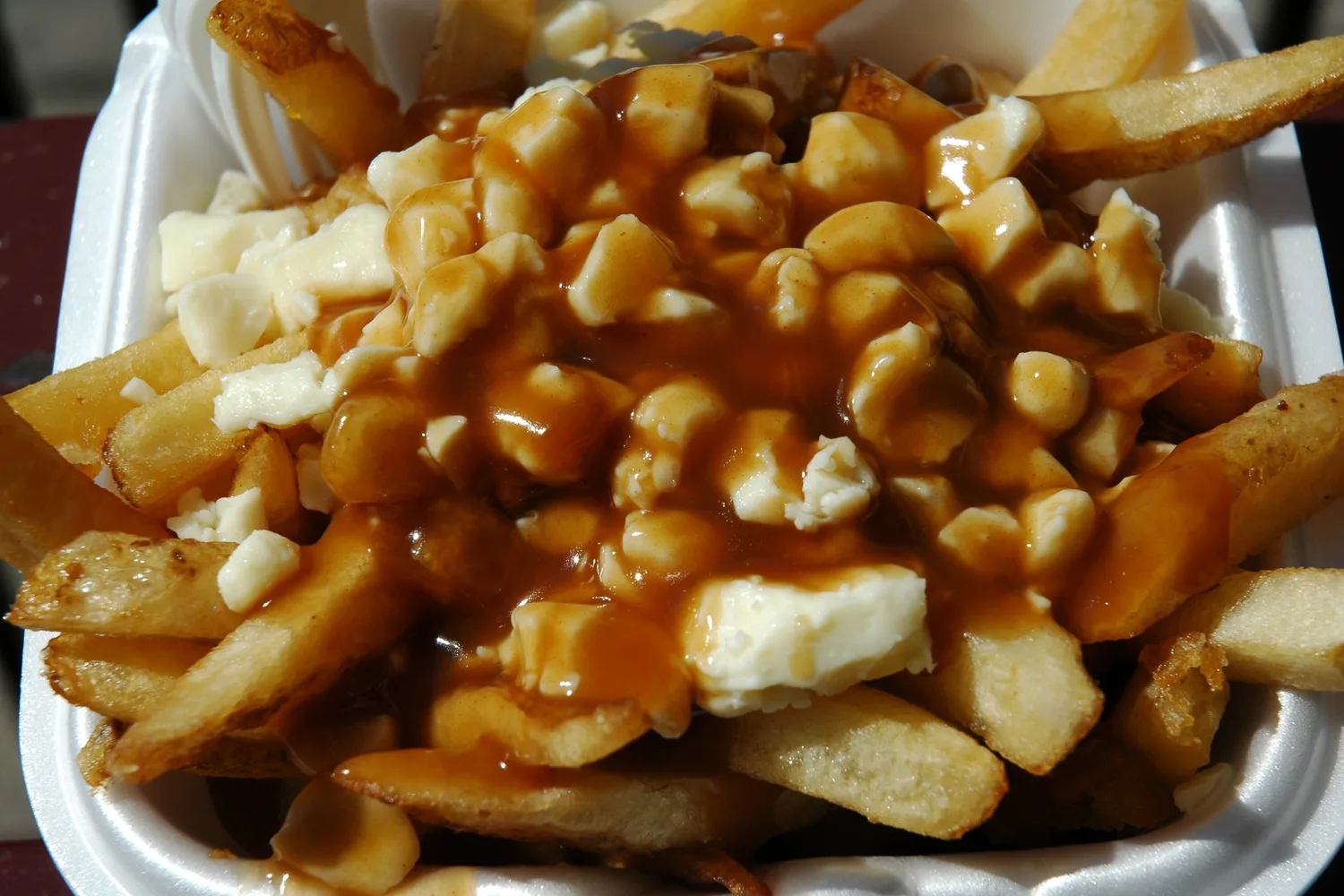
A close-up of classic poutine: golden french fries topped with white cheese curds and glossy brown gravy Canada flag Canada 55m
Lunch •Quebec Classic

Poutine

Poutine is Quebec's most famous dish: hot, crispy french fries topped with fresh cheese curds and a ladle of steaming beef gravy, served the moment the curds start to soften. This poutine recipe uses real cheese curds — never shredded cheese — and fries the potatoes twice so they stay crisp under the gravy. One serving is about 348 g.

Hearty Comfort Food

Crispy double-fried potatoes, squeaky fresh cheese curds and hot beef gravy — Quebec's most famous comfort dish.

Pairs Well With
Green salad & pickles
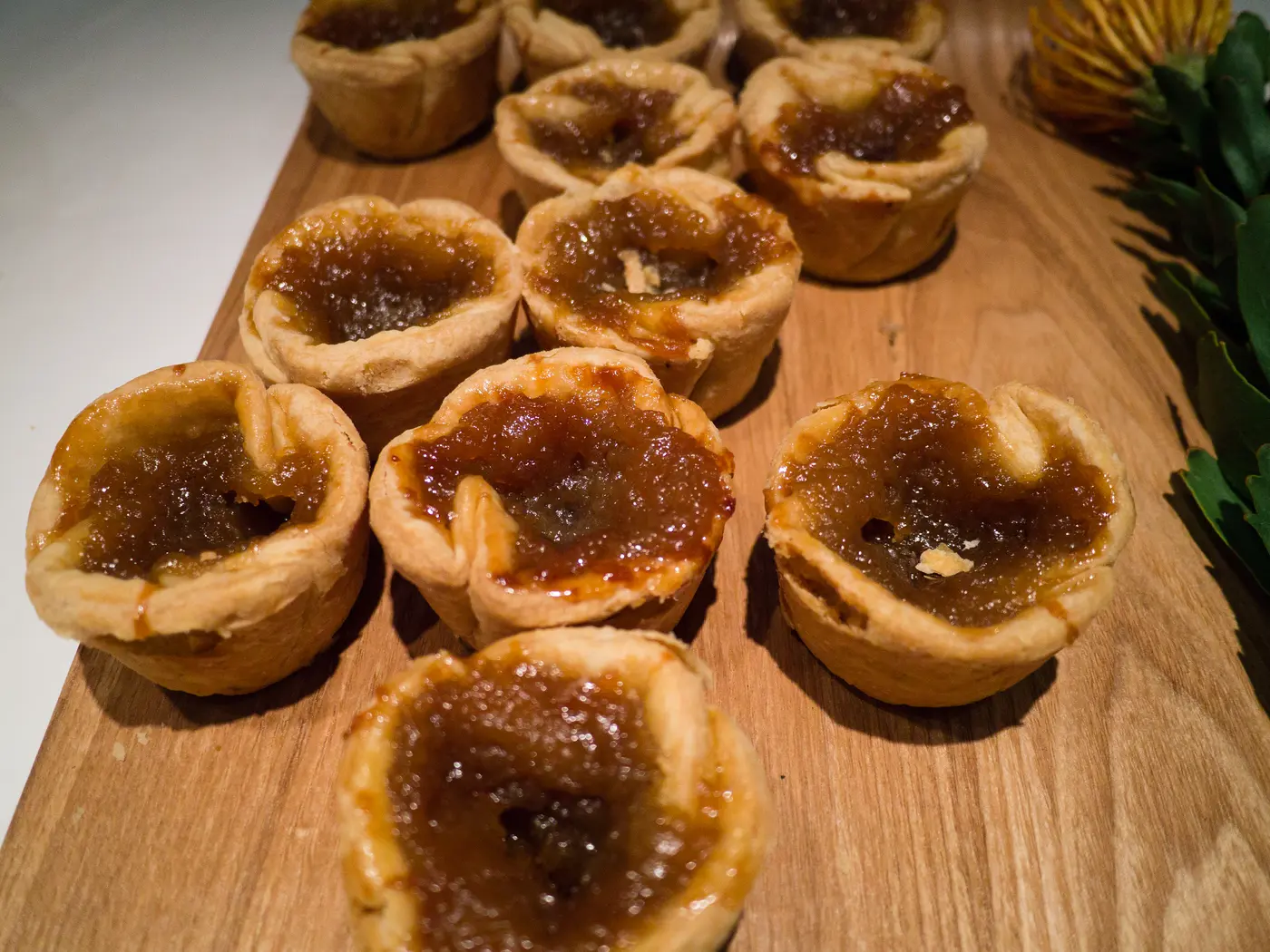
Golden butter tarts with glossy brown-sugar filling arranged on a wooden board Canada flag Canada 1h 5m
Snack & Tea •Ontario Classic

Butter Tarts

Butter tarts are Canada's most loved small pastry: flaky pastry cups filled with a gooey mixture of butter, brown sugar and egg, sometimes with raisins, baked until the filling bubbles and just sets. This butter tarts recipe makes 12 golden tarts with crisp shells and a soft, caramel centre — the classic Ontario version, firm enough to hold and soft enough to run. One tart is about 75 g.

Sweet & Comforting

Flaky pastry cups filled with a gooey butter, brown sugar and egg filling — Canada's most loved small pastry.

Pairs Well With
Tea & coffee
Bœuf bourguignon — French beef braised in red wine France flag France 4h
Dinner •Burgundy Terroir

Bœuf Bourguignon

Beef braised gently in red wine until the connective tissue melts into a velvet, gelatin-rich sauce — the classic Burgundy Sunday dinner.

Cellular Repair

Beef braised in red wine until spoon-tender, with mushrooms and pearl onions.

Pairs Well With
Parsnip Purée & Steamed French Haricots Verts
High Protein
Vietnamese braised pork belly with golden eggs in caramel sauce Vietnam flag Vietnam 1h 45m
Dinner •One Pot

Vietnamese Braised Pork and Eggs

Pork belly slowly braised in coconut water and caramel until meltingly tender, with golden eggs that soak up the sweet-savoury sauce — the Vietnamese family dish that tastes better the next day.

Comfort & Sustained Energy

Slow-braised pork belly and eggs in coconut water and caramel.

Pairs Well With
Steamed rice & pickled mustard greens
High Protein

The Dinner Gazette

Never wonder what’s for dinner again

One email a week with easy dinner ideas from around the world — ingredients, steps and nutrition, tested in our kitchen first.

Delivered every Thursday morning. Unsubscribe anytime.