
Curated recipes from 193 countries  •  New seasonal Mediterranean issue out now

Overview

Cabo Verde Seafood Rice

Arroz de Marisco, Cape Verdean Style

Cabo Verde seafood rice is the islands' answer to the Portuguese arroz de marisco: rice cooked until soupy in a tomato and shellfish broth, crowded with prawns, mussels, clams, squid and white fish, and brought to the table still bubbling in its pot. This Cabo Verde seafood rice recipe serves four generously and is built for sharing. One serving is about 700 g.

Arroz de marisco is a Portuguese dish that crossed the Atlantic with Portuguese cooking and took root in Cabo Verde, where the catch is the point of the meal. The islands sit in rich Atlantic fishing waters, so prawns, mussels, clams and squid go into the pot the same day they are caught. Unlike Spanish paella, which is dried out and crisped at the bottom, the Cape Verdean version stays soupy, the rice swimming in a tomato and shellfish broth, and it is always served in the pot it was cooked in, for sharing.

Pairs well with: Crusty bread, lemon wedges and a green salad

Provenance

Cabo Verde flag Cabo Verde

Cabo Verdean Heritage

African Heritage

Time Dedication

1h 5m

25m prep • 40m cook

Batch Yield

4 Servings

701 kcal per serving

1 serving ≈ 700 g

Technical Skill

Intermediate

Intermediate (One Pot)

Meal Timing & Digestive Fit

Breakfast

Not Advised

Lunch

Hearty Midday Main

Dinner

Ideal Hearty Main

Snack & Tea

Inappropriate

Occasions: Weekend family meals, celebrations, seaside dinners, sharing with friends Cost: Medium — about $6–8 per serving at home
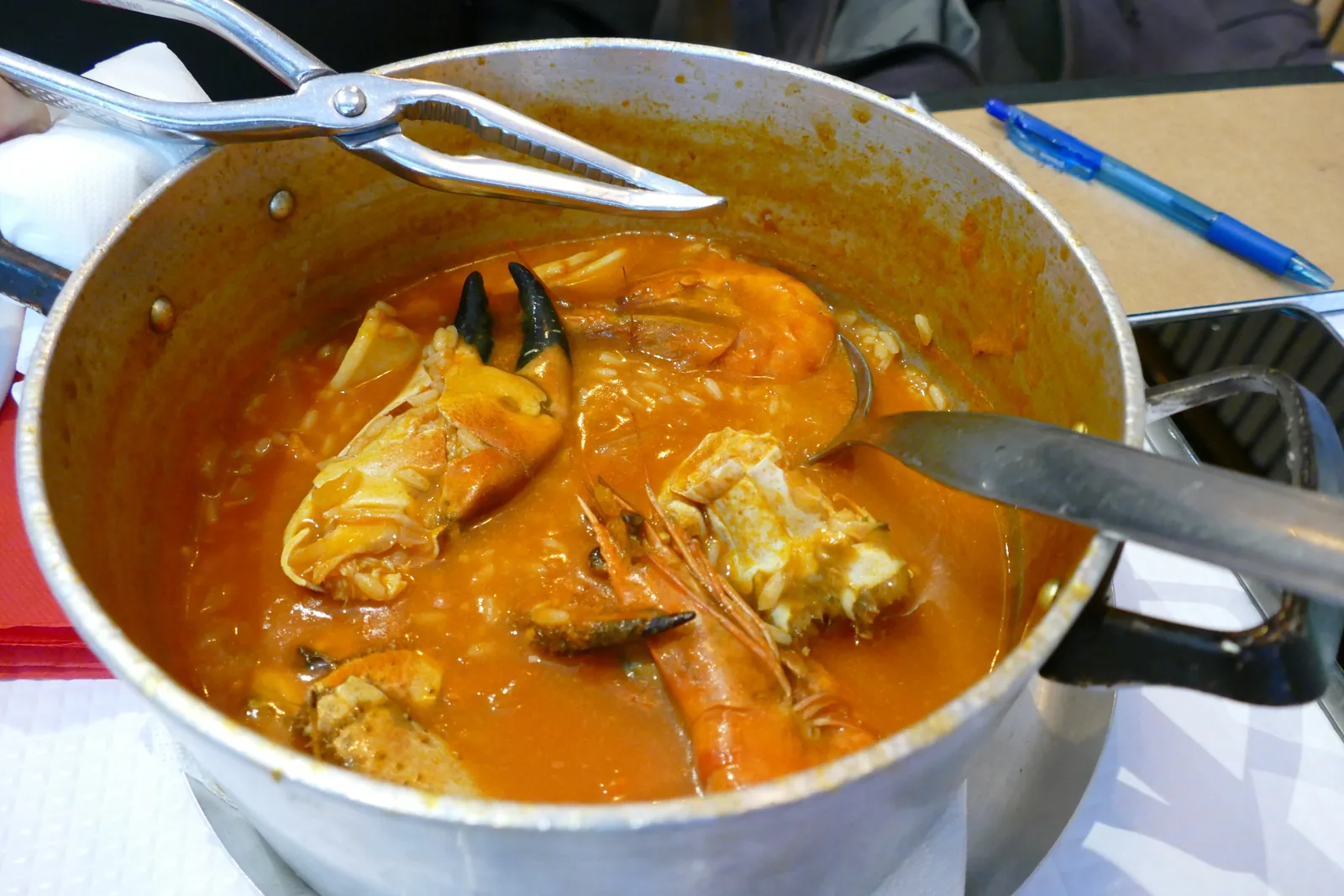
A pot of Cabo Verde seafood rice with prawns and crab in a rich tomato broth

Cabo Verdean Heritage

Photo: Kritzolina, CC BY-SA 4.0, via Wikimedia Commons

The Heritage Formulary

Measured Ingredients

Estimated cost: Medium — about $6–8 per serving at home (USD)

A good seafood rice is judged by its broth: soupy, red and briny, with rice that is tender but not mushy and shellfish that is just opened.

Execution Methodology & Culinary Technique

Step-by-Step Cooking Guide

Active 1h 5m
P

Prep Stage: Clean Shellfish, Hot Stock

25 Mins • Knife Work

Good seafood rice is won or lost before the pot gets hot. Scrub the mussels and clams, discard any that stay open, and purge the clams in salted water. Peel and devein the prawns, cut the squid into rings, chunk the fish, and dice the onion, tomato and pepper. Keep the stock at a simmer in a second pan: cold stock poured into cooking rice stops the cooking and makes the grains gummy.

Maestro Tip: Never cook a mussel or clam that stays open after a tap, or one that stays shut after cooking — discard both.

  1. 1

    Build the Refogado

    10 Mins • Medium Heat Medium heat, about 175°C (350°F) in the pot

    Heat the olive oil in a wide, heavy pot. Soften the onion and pepper for 4 minutes, add the garlic and cook 30 seconds more, then stir in the tomato, tomato paste and paprika and cook until the mixture darkens and the oil turns red, about 4 minutes. Pour in the white wine and let it bubble for 1 minute.

    Frying the tomato paste until it darkens is what gives the broth its depth — pale paste tastes raw and sharp.

    Done when: The base is thick, dark red, and the oil at the edges is stained orange-red.

  2. 2

    Add the Rice and Stock

    5 Mins • Simmer Gentle simmer, about 95°C (203°F)

    Stir in the rinsed rice so every grain is coated in the red base. Pour in the hot seafood stock, add the salt, and bring back to a gentle simmer. Cook uncovered for 12 minutes, stirring once or twice so the rice does not catch.

    Stir only once or twice: constant stirring breaks the grains and turns the dish to porridge.

    Done when: Rice is half-cooked and the broth is still generous — this is a soupy rice, not a dry one.

  3. 3

    Add the Seafood in Order

    12 Mins • Gentle Simmer Gentle simmer, about 95°C (203°F)

    First add the squid and the fish chunks, pushing them down into the broth, and simmer 4 minutes. Then add the mussels and clams, cover the pot, and cook 5 minutes until the shells open. Finally lay the prawns on top, cover again, and cook 3 minutes until they turn pink and opaque. Fish must reach at least 63°C (145°F) at its thickest point; the prawns and fish are done when they are opaque all the way through.

    Add the seafood slowest-cooking first: squid and fish need time, shellfish open fast, and prawns need only minutes — overcooked prawns go rubbery.

    Done when: Mussels and clams are open, prawns are pink and curled, fish flakes easily.

  4. 4

    Rest and Finish

    8 Mins • Off the Heat Resting off the heat, about 70°C (158°F) falling

    Take the pot off the heat, discard any mussels or clams that stayed shut, and stir in the lemon juice and most of the parsley. Cover and rest for 5 minutes so the rice drinks up the last of the broth without drying out. Taste and add salt only if needed — the shellfish and stock have already seasoned it.

    The rest is part of the cooking in this Cabo Verde seafood rice recipe: the rice finishes in its own steam and the broth thickens slightly.

    Done when: Rice is tender and soupy, the broth is rich and red, and the seafood is hot through.

Finishing Touches & Plating

Bring the whole pot to the table on a board, with a ladle, lemon wedges and the remaining parsley scattered over the top. That is the whole point of this Cabo Verde seafood rice recipe: the pot, not the plate, is the serving dish. Serve in deep bowls with bread for the broth — and an empty bowl on the table for the shells.

Nutritional Physiology & Benefits

Nutrition

Energy

701

kcal / serving

Protein

53g

Complete AA

Carbs

79g

Complex

Fats

16g

Healthy

Per serving (4 servings · 1 serving ≈ 700 g)
Energy701 kcal
Protein53 g
Carbohydrates79 g
Fat16 g
Fibre4.2 g
Sugar6.6 g
Sodium873 mg
Per 100g
Energy100 kcal
Protein7.6 g
Carbohydrates11.2 g
Fat2.2 g
Fibre0.6 g
Sugar0.9 g
Sodium125 mg

Nutrition values are estimated — calculated from USDA FoodData Central values for the listed ingredients.

Vitamins & minerals: Vitamin B12 and selenium (shellfish), iodine (seafood), vitamin C (tomato, pepper, lemon), vitamin A (tomato, pepper), iron and zinc (mussels, clams).

Lean Protein from the Sea

Prawns, mussels, clams, squid and white fish give a large amount of lean protein with very little saturated fat.

Iron, Zinc and B12

Mussels and clams are among the richest foods in iron, zinc and vitamin B12, nutrients that support energy and healthy blood.

Light but Satisfying

A soupy, broth-based rice with vegetables and lean seafood fills the bowl without the heaviness of a cream- or butter-rich dish.

Food Pairings

What to Eat With

To optimize nutrient absorption and elevate the sensory depth, pair with these authentic accompaniments:

Sides

Crusty Bread

The broth is half the dish, and bread is the only honest way to finish it — it soaks up the tomato and shellfish juices the spoon leaves behind.

Vegetables

Green Salad with Lemon Dressing

A sharp, simple salad refreshes the palate between rich, briny spoonfuls and keeps the meal balanced.

Drinks

Sparkling Water with Lemon

Cold, fizzy water with lemon cuts through the salt and richness of the shellfish broth and resets the palate.

Full Menus

A Shared Pot at the Centre of the Table

Seafood rice is cooked to be shared, so serve it family-style with the salad and bread around it, and let everyone ladle their own bowl.

Complete menu

Serve the pot at the centre of the table with crusty bread, a green salad with lemon and sparkling water; finish with fresh fruit.

Digestive Guardrails

What NOT to Combine

To prevent digestive distress, sluggishness, or palate clash, avoid pairing the dish with these elements:

Undercooked or Unverified Shellfish

Shellfish from an unverified source, or mussels and clams that stayed shut after cooking, can carry bacteria that cause food poisoning. Buy from a trusted fishmonger, keep shellfish cold, and discard any that stay shut. This is general information, not medical advice.

Heavy Chilli Sauce over a Big Portion

A large bowl of shellfish rice is already rich and salty, and a heavy dose of hot chilli sauce on top can irritate a sensitive stomach. Add heat a little at a time, or skip it. This is general information, not medical advice.

General information only, not medical advice — consult a doctor for personal dietary decisions.

Who Should Eat It

Who Should Eat

  • General adultsA complete, generous dinner — lean protein, carbs and vegetables in one pot.
  • ChildrenSuitable from about age 3 if the fish is boneless and the shellfish are removed from their shells; keep the chilli out.
  • ElderlySoft rice and tender seafood are easy to eat, but check for shellfish allergies and keep the portion moderate.
  • Pregnant womenGenerally suitable when the seafood is fully cooked through and from a trusted source; avoid raw or undercooked shellfish entirely.
  • Breastfeeding womenGenerally suitable; the iron, zinc and B12 in shellfish support recovery — keep the salt in mind.
  • AthletesA strong recovery meal: high protein with carbs for glycogen, and very little fat.
  • Weight gainA good choice — take a generous bowl and finish the broth with bread.
  • Weight lossChoose a smaller bowl, go easy on the bread, and load up on the seafood and salad instead of the rice.

Health Conditions — Adjust or Avoid

Conditions

  • DiabetesRice is the main carbohydrate here; take a smaller bowl, go easy on the bread, and favour the seafood. Ask your clinician about portion size.
  • High blood pressureShellfish, stock and added salt make this a high-sodium dish; use low-salt stock, no extra salt, and eat less of the broth. Ask your clinician about portion size.
  • Kidney diseaseLimit the broth (sodium, potassium) and keep the portion modest; a smaller bowl with more fish is the safer shape of the meal. Ask your clinician.
  • GoutEat occasionally and in smaller portions — shellfish and fish are moderate in purines. Ask your clinician.
  • Stomach issuesThe dish is usually gentle, but the tomato and any chilli can trouble a sensitive stomach; skip the chilli and eat slowly. Ask your clinician if symptoms persist.
  • Cardiovascular diseaseLean seafood and olive oil make this a reasonable choice, but keep the salt and the bread in check. Ask your clinician about portion size.
  • Fatty liverKeep the portion modest and favour the seafood over the rice; skip the second helping of bread. Ask your clinician.
  • Food allergiesContains shellfish (prawns, mussels, clams), molluscs (squid) and fish. Do not serve to anyone with a shellfish, mollusc or fish allergy. Ask your clinician if unsure.
  • Special therapeutic dietsIf you follow a prescribed low-sodium diet, use low-salt stock, no added salt and a smaller portion, and check with your clinician.

If you have a medical condition, consult your doctor before changing your diet.

Storage & Use

Storage & Use

How to store
Cool quickly and store the rice and seafood together in an airtight container.
In the fridge
1 to 2 days; seafood rice is best eaten the day it is made.
In the freezer
Not recommended — the rice turns mushy and the shellfish tough on thawing.
How to reheat
Reheat gently in a pot with a splash of water or stock, covered, until steaming throughout — reheat to 74°C (165°F). Discard any shellfish that were already cooked and reheated once.
Freezing recommended
No — cook only what you will eat.
Signs it has spoiled
Sour or ammonia-like smell, slimy seafood, or rice that smells off.

More recipes to explore

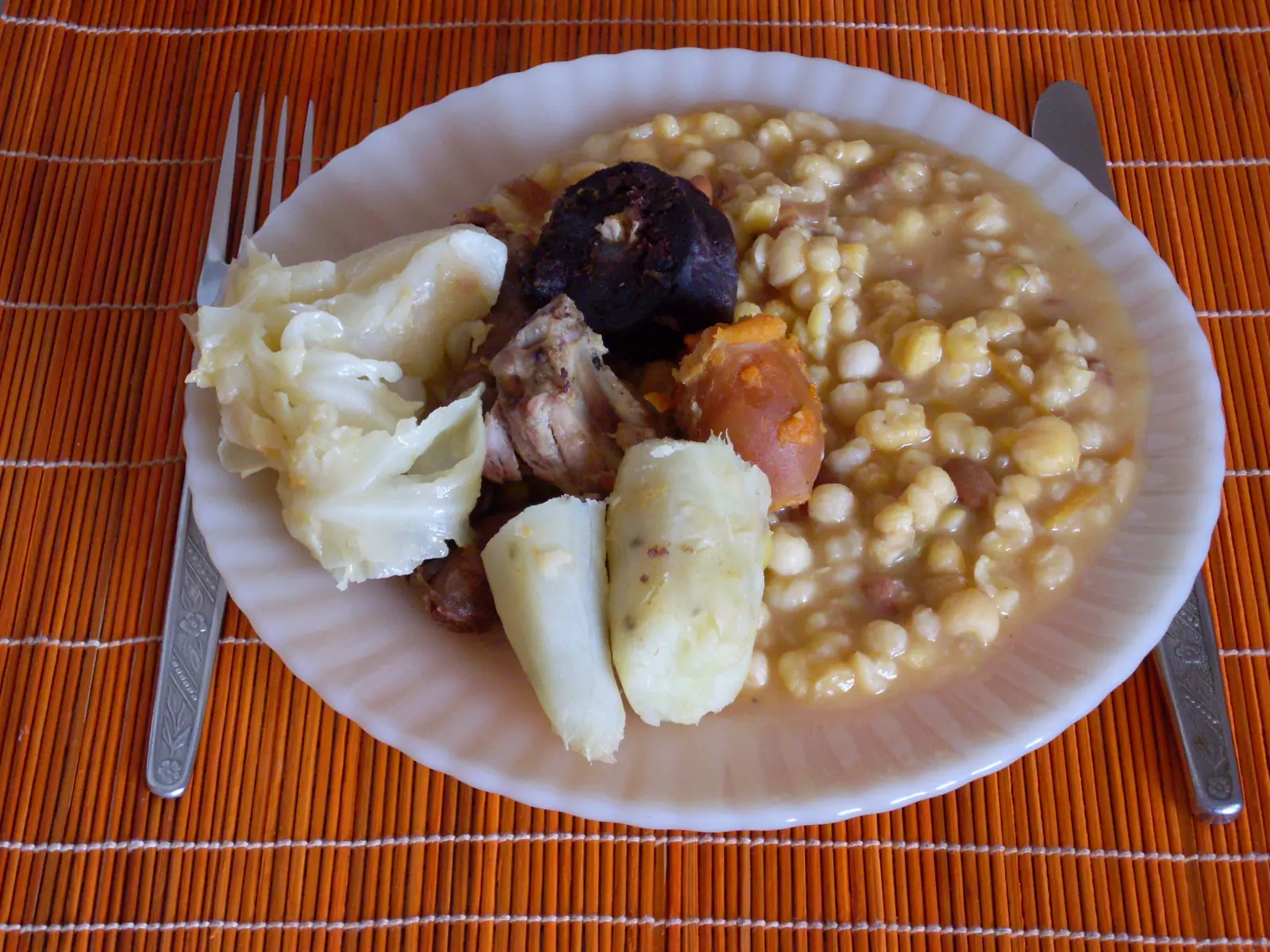
A plate of cachupa with hominy, beans, cabbage, cassava, sweet potato and sausage Cabo Verde flag Cabo Verde 3h 10m
Dinner •Cabo Verdean Heritage

Cachupa

Cachupa is Cabo Verde's national dish: hominy corn and beans simmered for hours with pork, chourico, sweet potato, cassava and greens until everything tastes of everything else. This cachupa recipe makes the rich version, cachupa rica, the one cooked for weekends and family gatherings. One serving is about 610 g.

Comfort & Warmth

Slow-simmered hominy, beans, pork and root vegetables in one filling pot.

Pairs Well With
Crusty bread, fried egg and hot sauce on the side
Soups & Broths
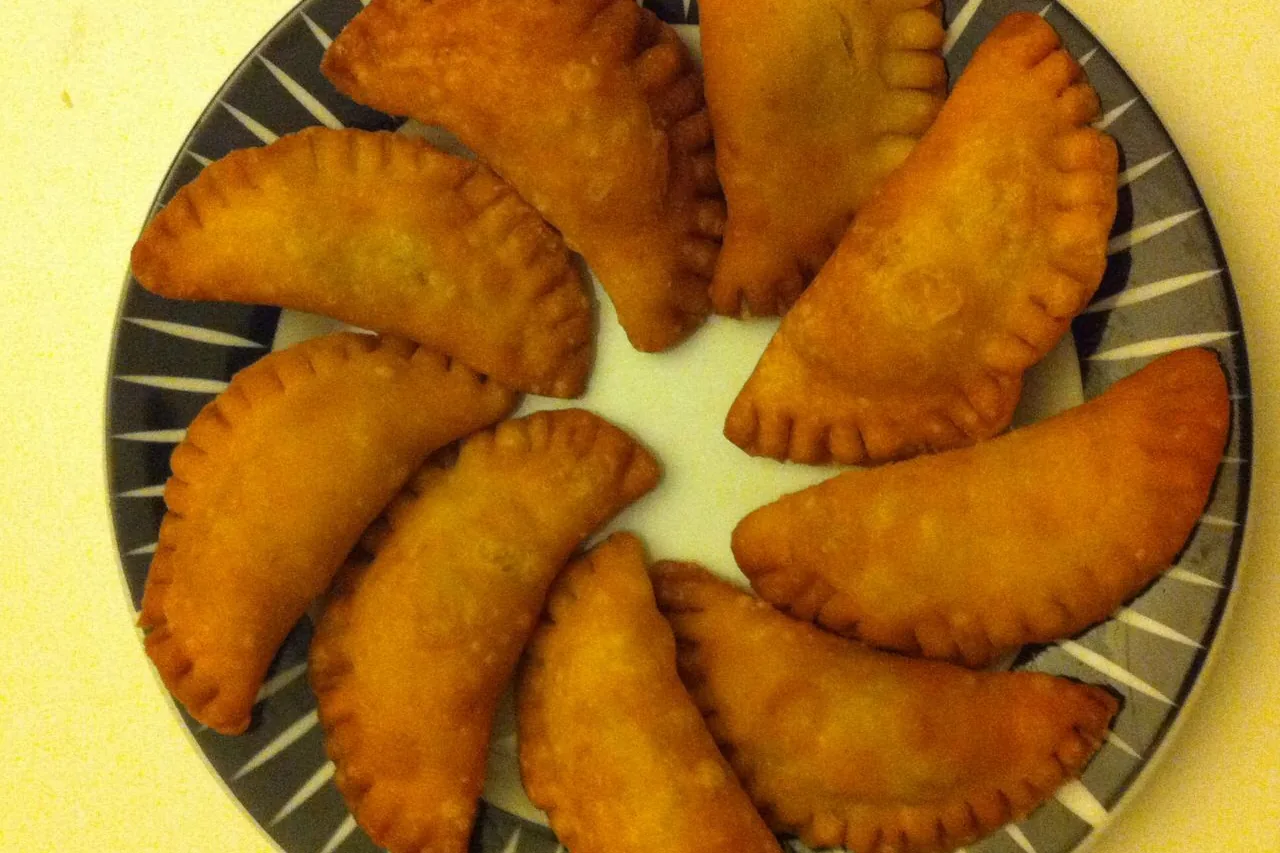
A plate of golden fried pastel de atum, half-moon tuna pastries with crimped edges Cabo Verde flag Cabo Verde 55m
Snack & Tea •Cabo Verdean Heritage

Pastel de Atum

Pastel de atum is the snack Cabo Verde reaches for at parties, on the street and at family gatherings: a golden, crimped half-moon of fried pastry wrapped around tuna cooked down with onion, garlic, tomato and paprika. This pastel de atum recipe uses ready-made empanada discs, so a batch of 20 is on the table in under an hour. One serving is 2 pastries, about 120 g.

Quick Snack & Sharing

Crisp fried pastry pockets filled with seasoned tuna, made for sharing.

Pairs Well With
Spicy tomato sauce and a cold drink
Bœuf bourguignon — French beef braised in red wine France flag France 4h
Dinner •Burgundy Terroir

Bœuf Bourguignon

Beef braised gently in red wine until the connective tissue melts into a velvet, gelatin-rich sauce — the classic Burgundy Sunday dinner.

Cellular Repair

Beef braised in red wine until spoon-tender, with mushrooms and pearl onions.

Pairs Well With
Parsnip Purée & Steamed French Haricots Verts
High Protein
Vietnamese braised pork belly with golden eggs in caramel sauce Vietnam flag Vietnam 1h 45m
Dinner •One Pot

Vietnamese Braised Pork and Eggs

Pork belly slowly braised in coconut water and caramel until meltingly tender, with golden eggs that soak up the sweet-savoury sauce — the Vietnamese family dish that tastes better the next day.

Comfort & Sustained Energy

Slow-braised pork belly and eggs in coconut water and caramel.

Pairs Well With
Steamed rice & pickled mustard greens
High Protein

The Dinner Gazette

Never wonder what’s for dinner again

One email a week with easy dinner ideas from around the world — ingredients, steps and nutrition, tested in our kitchen first.

Delivered every Thursday morning. Unsubscribe anytime.



