
Curated recipes from 193 countries  •  New seasonal Mediterranean issue out now

Overview

Pastel de Atum

Cape Verdean Tuna Pastries

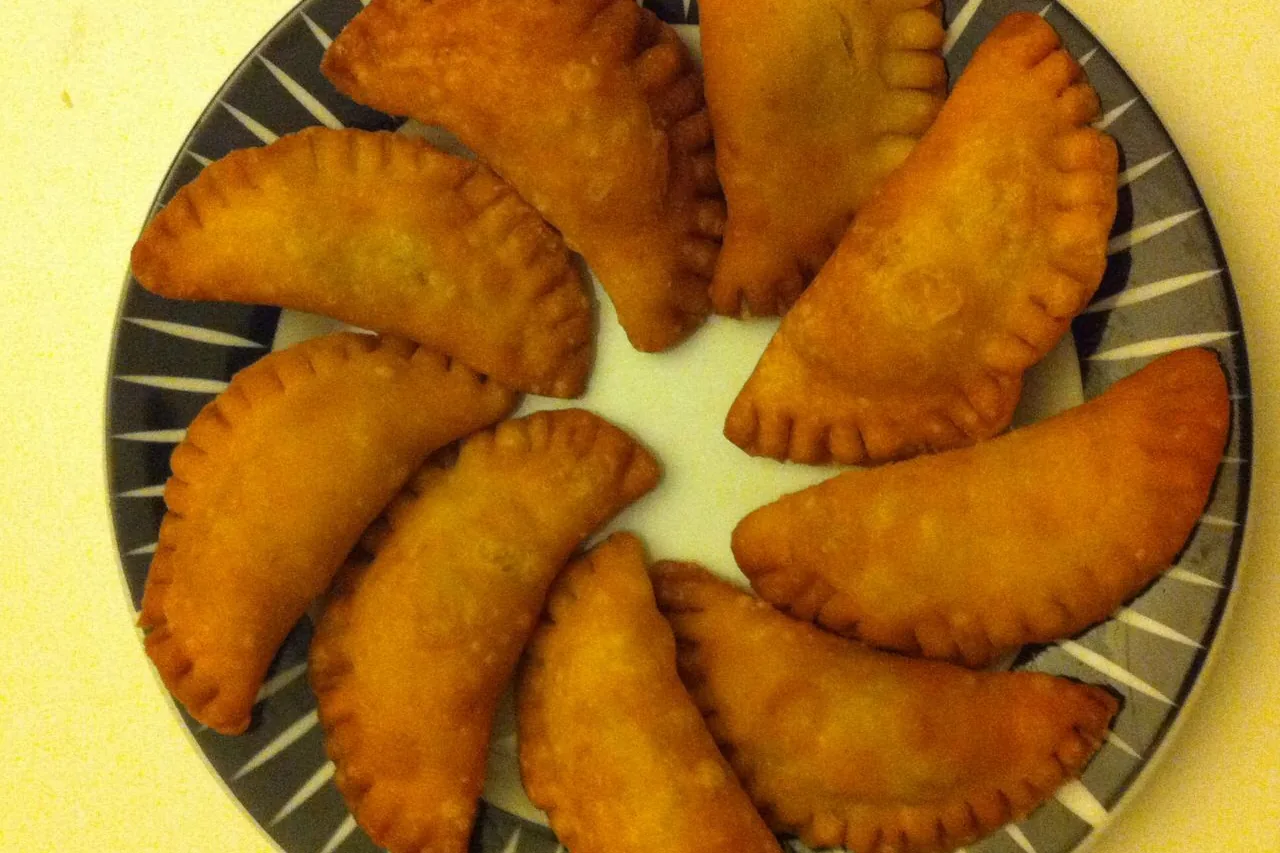
Pastel de atum is the snack Cabo Verde reaches for at parties, on the street and at family gatherings: a golden, crimped half-moon of fried pastry wrapped around tuna cooked down with onion, garlic, tomato and paprika. This pastel de atum recipe uses ready-made empanada discs, so a batch of 20 is on the table in under an hour. One serving is 2 pastries, about 120 g.

Pastel came to Cabo Verde with Portuguese cooking and became a street-food staple of the islands: small fried turnovers, like empanadas, filled with whatever the household had — most often tuna, the fish the islands have in abundance. In Praia they are nicknamed pastels com diabo dentro, pastries with the devil inside, for the chilli in the filling. Sold from trays and cafe counters, they are the food of parties, christenings and Sunday gatherings, and the recipe travels with Cape Verdean families wherever they settle.

Pairs well with: Spicy tomato sauce and a cold drink

Provenance

Cabo Verde flag Cabo Verde

Cabo Verdean Heritage

African Heritage

Time Dedication

55m

35m prep • 20m cook

Batch Yield

10 Servings

355 kcal per serving

1 serving ≈ 120 g

Technical Skill

Intermediate

Intermediate (Frying)

Meal Timing & Digestive Fit

Breakfast

Not Advised

Lunch

Inappropriate

Dinner

Inappropriate

Snack & Tea

Ideal Light Bite

Occasions: Parties, street food, family gatherings, lunchboxes, snacks with friends Cost: Low — about $0.50–0.75 per serving at home
Tags: Fish Savory Fried
A plate of golden fried pastel de atum, half-moon tuna pastries with crimped edges

Cabo Verdean Heritage

Photo: Unknown photographer, CC BY-SA 4.0, via Wikimedia Commons

The Heritage Formulary

Measured Ingredients

Estimated cost: Low — about $0.50–0.75 per serving at home (USD)

A good pastel is judged by its seal and its filling: edges crimped tight, crust deep golden, and a filling dry enough to stay put.

Execution Methodology & Culinary Technique

Step-by-Step Cooking Guide

Active 55m
P

Prep Stage: A Dry Filling, Thawed Discs

35 Mins • Hands-On

The whole trick of a good pastel is a dry filling. Cook the tuna down until it looks almost crumbly and holds together when pressed — wet filling steams inside the pastry, bursts the seal and turns the crust soggy. While the filling cools, thaw the empanada discs, beat the egg, and set up a tray lined with paper towel for the finished pastries.

Maestro Tip: Let the filling cool completely before you fill: warm filling softens the dough and makes sealing hard.

  1. 1

    Cook the Tuna Filling

    10 Mins • Medium Heat Medium heat, about 175°C (350°F) in the pan

    Heat the olive oil in a skillet, soften the onion for 2 minutes, then add the garlic and cook 30 seconds more. Add the drained tuna and break it apart with a wooden spoon. Stir in the tomato paste, paprika, chilli flakes if using, salt and pepper, and cook for 5 to 8 minutes, stirring, until the mixture looks dry and slightly crumbly. Stir in the parsley and set aside to cool completely.

    Keep stirring and let the moisture cook off — the filling should hold its shape when squeezed, not weep liquid.

    Done when: Filling is dry, fragrant and crumbly; a squeezed handful holds together without dripping.

  2. 2

    Fill and Seal

    20 Mins • Hands-On Room temperature, about 21°C (70°F)

    Lay a disc on a clean surface and spoon about 2 tablespoons (30 g) of filling into the centre. Brush the edge with beaten egg, fold the disc over into a half-moon, and press the edges firmly together. Crimp with the tines of a fork, pressing hard enough to leave a clear pattern. Repeat with all 20 discs, keeping the finished pastries covered with a damp cloth so the edges do not dry out.

    Do not overfill: too much tuna stops the edges sealing and the pastry bursts in the oil.

    Done when: Every pastel is sealed all the way round with a neat fork-crimped edge and no filling peeking out.

  3. 3

    Fry Until Golden

    15 Mins • In Batches Oil at 175°C (350°F)

    Heat the canola oil in a deep pan to 175°C (350°F) — a crumb of dough should sizzle at once. Fry 4 to 5 pastries at a time for 1 to 2 minutes per side until deep golden and crisp. Lift out with a slotted spoon and drain on paper towel. The filling inside is already cooked; the frying is about the crust, and the pastries should be steaming hot through, at least 74°C (165°F) in the centre.

    Do not crowd the pan: too many pastries at once drops the oil temperature and the crust turns greasy instead of crisp.

    Done when: Deep golden, crisp and blistered, with no pale soft patches.

  4. 4

    Rest and Serve

    5 Mins Serve hot, about 65°C (150°F)

    Let the pastries rest 3 to 5 minutes on the paper towel so the crust sets and the filling settles. Serve hot, in a pile on a plate, with a spicy tomato sauce for dipping.

    Pastel from this pastel de atum recipe are at their best in the first 20 minutes — the crust softens as they sit.

    Done when: Crust is crisp when tapped, filling is hot and fragrant when bitten.

Finishing Touches & Plating

Serve the pastries hot, straight from the paper towel, with a bowl of spicy tomato sauce in the middle of the table. This pastel de atum recipe is at its best eaten the same day, while the crust is still crisp. They are finger food: no cutlery, no ceremony, and they will disappear faster than you expect.

Nutritional Physiology & Benefits

Nutrition

Energy

355

kcal / serving

Protein

16g

Complete AA

Carbs

43g

Complex

Fats

13g

Healthy

Per serving (10 servings · 1 serving ≈ 120 g)
Energy355 kcal
Protein16 g
Carbohydrates43 g
Fat13 g
Fibre2.2 g
Sugar1.3 g
Sodium487 mg
Per 100g
Energy296 kcal
Protein13 g
Carbohydrates36.2 g
Fat10.7 g
Fibre1.8 g
Sugar1.1 g
Sodium406 mg

Nutrition values are estimated — calculated from USDA FoodData Central values for the listed ingredients.

Vitamins & minerals: Vitamin D and selenium (tuna), vitamin B12 and niacin (tuna), vitamin C (parsley, tomato), iron (tuna, egg).

Protein in a Small Package

Tuna and egg give each serving a useful amount of protein for a snack, which keeps it satisfying rather than just starchy.

Omega-3s and Selenium from Tuna

Tuna supplies long-chain omega-3 fats and selenium, nutrients that oily fish is valued for.

Fresh Aromatics, Not Just Frying

Onion, garlic, tomato and parsley bring vitamin C, fibre and flavour, so the filling is seasoned food, not just salt and fat.

Food Pairings

What to Eat With

To optimize nutrient absorption and elevate the sensory depth, pair with these authentic accompaniments:

Sauces

Spicy Tomato Sauce

The classic Cape Verdean dip: its acidity and heat cut the richness of the fried pastry and echo the tomato already in the filling.

Vegetables

Crisp Green Salad

A small, sharp salad alongside a plate of fried pastries keeps the meal from feeling heavy, and the crunch contrasts with the crisp-soft pastry.

Drinks

Cold Sparkling Water or Light Beer

Something cold and fizzy cleanses the palate between rich, salty bites; sweet drinks would only pile sweetness onto fat.

Full Menus

As Part of a Party Spread

Pastel are made for sharing, so set them out with olives, cheese and fruit as the hot item on a table of small plates.

Complete menu

Serve the pastries hot as the centrepiece of a sharing table with spicy tomato sauce, a crisp green salad and olives; finish with fresh fruit.

Digestive Guardrails

What NOT to Combine

To prevent digestive distress, sluggishness, or palate clash, avoid pairing the dish with these elements:

Sugary Soft Drinks with a Plate of Fried Pastries

Fried pastry is already rich in fat, and a large sugary drink adds fast sugar on top, which can leave you sluggish and over-full. Sparkling water or an unsweetened drink is the better match. This is general information, not medical advice.

Very Hot Chilli Sauce on an Empty Stomach

Capsaicin in strong chilli sauce can irritate an empty stomach, and fried food slows the stomach down, so the combination can cause discomfort for sensitive people. Eat a pastry or two first, then add the sauce. This is general information, not medical advice.

General information only, not medical advice — consult a doctor for personal dietary decisions.

Who Should Eat It

Who Should Eat

  • General adultsA satisfying snack with real protein — two pastries with a salad make a light lunch.
  • ChildrenChildren usually love them; keep the chilli out of their batch and cut pastries in half for small hands.
  • ElderlyBest eaten fresh and hot; the crisp pastry is easy to chew, but keep the portion small because of the salt and frying oil.
  • Pregnant womenGenerally suitable; the tuna is fully cooked in the filling and fried, but keep portions modest and skip the chilli.
  • Breastfeeding womenGenerally suitable; the protein and omega-3s are useful, but keep the fried portion modest.
  • AthletesA handy portable protein snack around training, though the frying oil makes it better as an occasional choice than an everyday one.
  • Weight gainA good choice for a calorie-dense snack — eat a full serving with a dip and a drink.
  • Weight lossKeep to one pastry, choose the baked version below, and skip the dip if it is sugary.

Health Conditions — Adjust or Avoid

Conditions

  • DiabetesOne pastry is about 22 g of carbohydrate from the wheat dough; eat with salad rather than bread or rice. Ask your clinician about portion size.
  • High blood pressureCanned tuna and the dough are both salty; eat fewer pastries and skip extra salt in the filling. Ask your clinician about portion size.
  • Kidney diseaseLimit the fried, salty snack and keep portions small; the baked version with less salt is the kinder choice. Ask your clinician.
  • GoutTuna is moderate in purines; eat occasionally and in small portions. Ask your clinician.
  • Stomach issuesFried pastry and chilli can trouble a sensitive stomach; eat a small portion, skip the chilli, and choose the baked version. Ask your clinician if symptoms persist.
  • Cardiovascular diseaseFried food and salt make this an occasional food; a baked batch with less oil is the better option. Ask your clinician about portion size.
  • Fatty liverAn occasional small portion is fine for most people, but the frying oil adds up; bake instead of frying where you can. Ask your clinician.
  • Food allergiesContains gluten (wheat), fish (tuna) and egg. Do not serve to anyone with a wheat, fish or egg allergy. Ask your clinician if unsure.
  • Special therapeutic dietsIf you follow a prescribed low-sodium diet, use low-salt tuna, no added salt and the baked version, and check with your clinician.

If you have a medical condition, consult your doctor before changing your diet.

Storage & Use

Storage & Use

How to store
Cool completely, then store in an airtight container lined with paper towel.
In the fridge
1 to 2 days; reheat in a hot oven so the crust crisps again.
In the freezer
Up to 1 month (freeze uncooked, sealed pastries on a tray, then bag them; fry or bake from frozen, adding a few minutes).
How to reheat
Reheat in an oven at 190°C (375°F) for 8 to 10 minutes until crisp and steaming hot — reheat to 74°C (165°F) in the centre. Avoid the microwave: it turns the crust soft.
Freezing recommended
Yes — freezing the uncooked pastries works better than freezing cooked ones.
Signs it has spoiled
Soft, soggy crust, sour or fishy smell, or any mould.

More recipes to explore

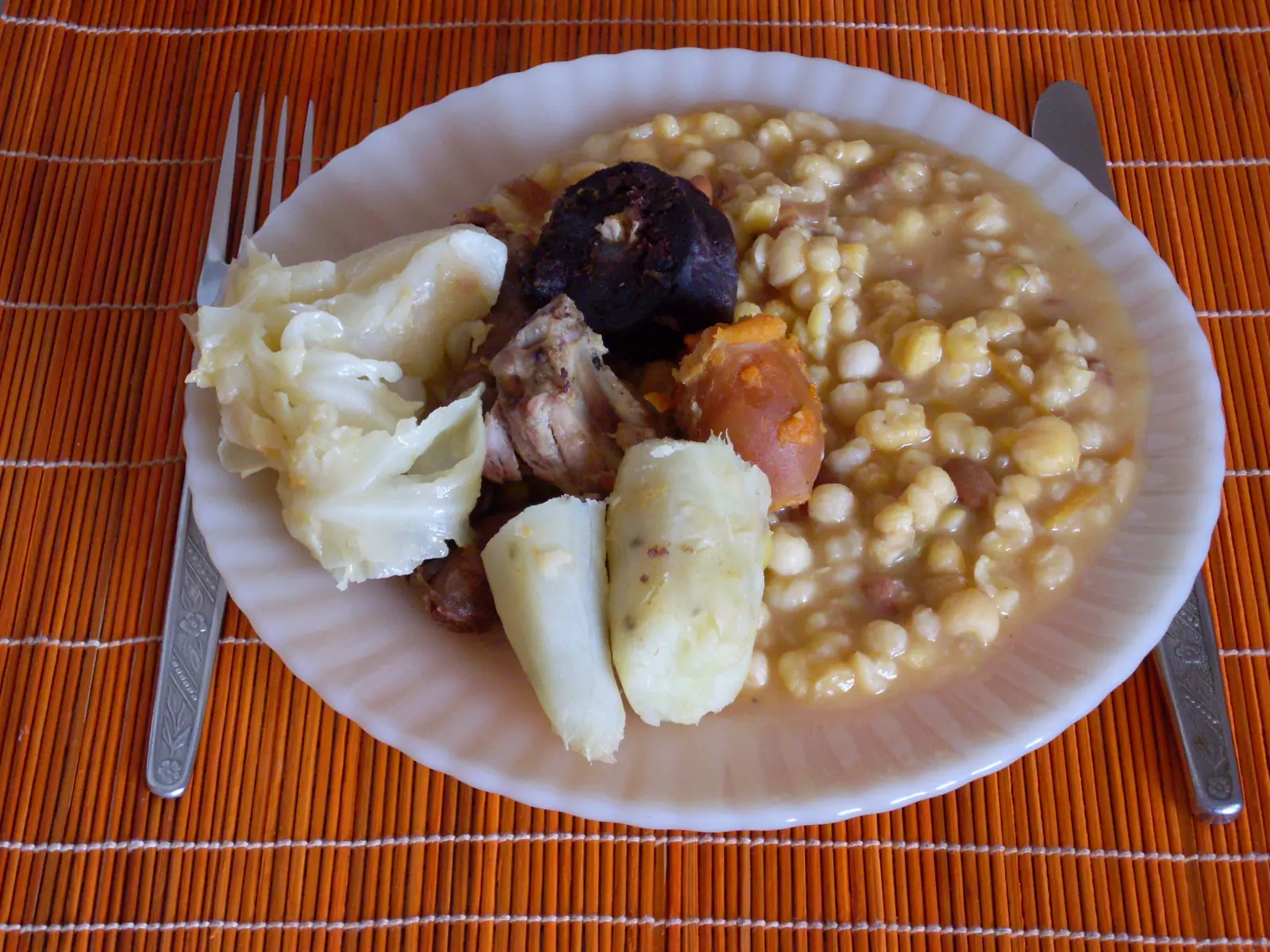
A plate of cachupa with hominy, beans, cabbage, cassava, sweet potato and sausage Cabo Verde flag Cabo Verde 3h 10m
Dinner •Cabo Verdean Heritage

Cachupa

Cachupa is Cabo Verde's national dish: hominy corn and beans simmered for hours with pork, chourico, sweet potato, cassava and greens until everything tastes of everything else. This cachupa recipe makes the rich version, cachupa rica, the one cooked for weekends and family gatherings. One serving is about 610 g.

Comfort & Warmth

Slow-simmered hominy, beans, pork and root vegetables in one filling pot.

Pairs Well With
Crusty bread, fried egg and hot sauce on the side
Soups & Broths
A pot of Cabo Verde seafood rice with prawns and crab in a rich tomato broth Cabo Verde flag Cabo Verde 1h 5m
Dinner •Cabo Verdean Heritage

Cabo Verde Seafood Rice

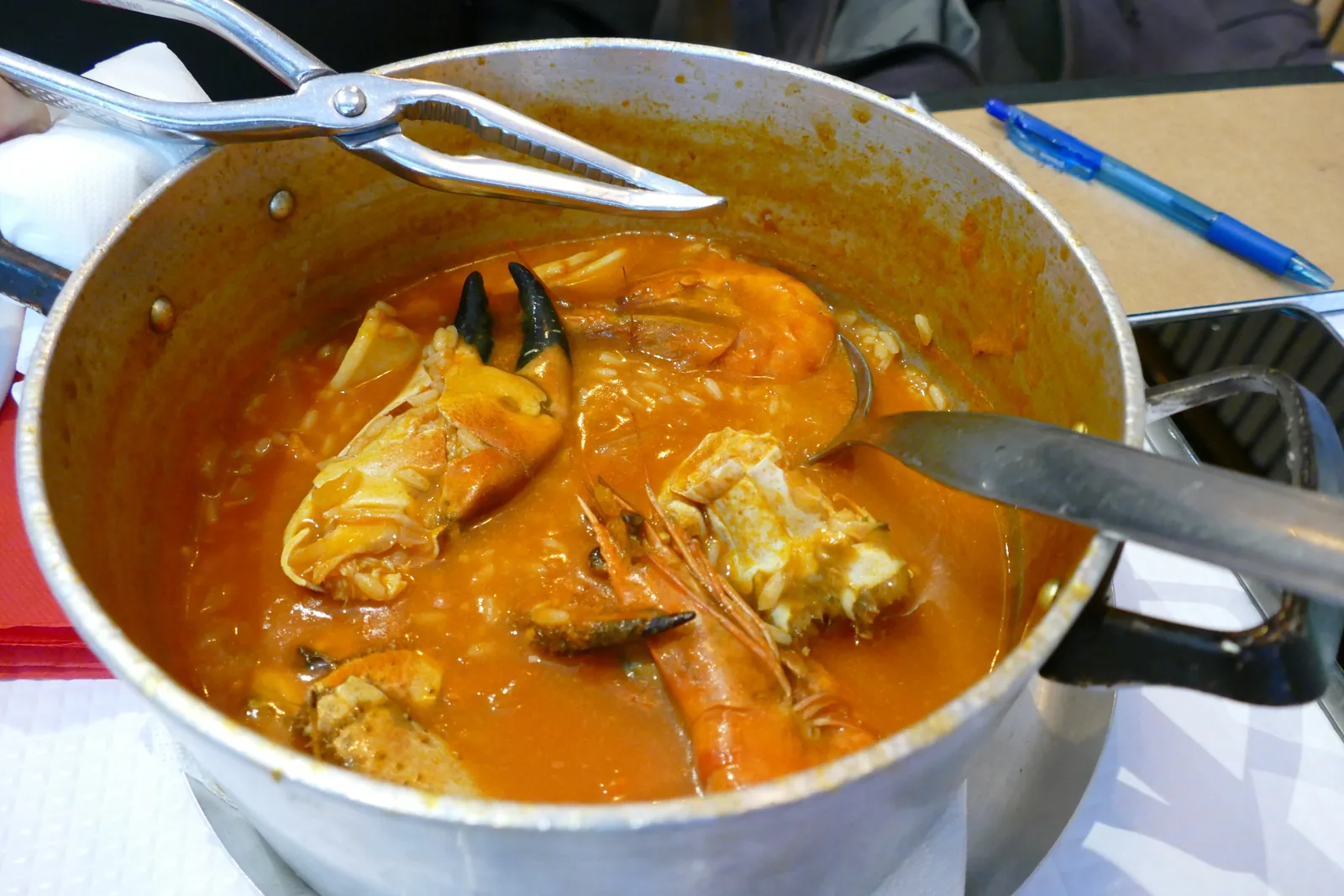
Cabo Verde seafood rice is the islands' answer to the Portuguese arroz de marisco: rice cooked until soupy in a tomato and shellfish broth, crowded with prawns, mussels, clams, squid and white fish, and brought to the table still bubbling in its pot. This Cabo Verde seafood rice recipe serves four generously and is built for sharing. One serving is about 700 g.

Coastal & Fresh

Soupy tomato rice loaded with prawns, mussels, clams, squid and white fish.

Pairs Well With
Crusty bread, lemon wedges and a green salad
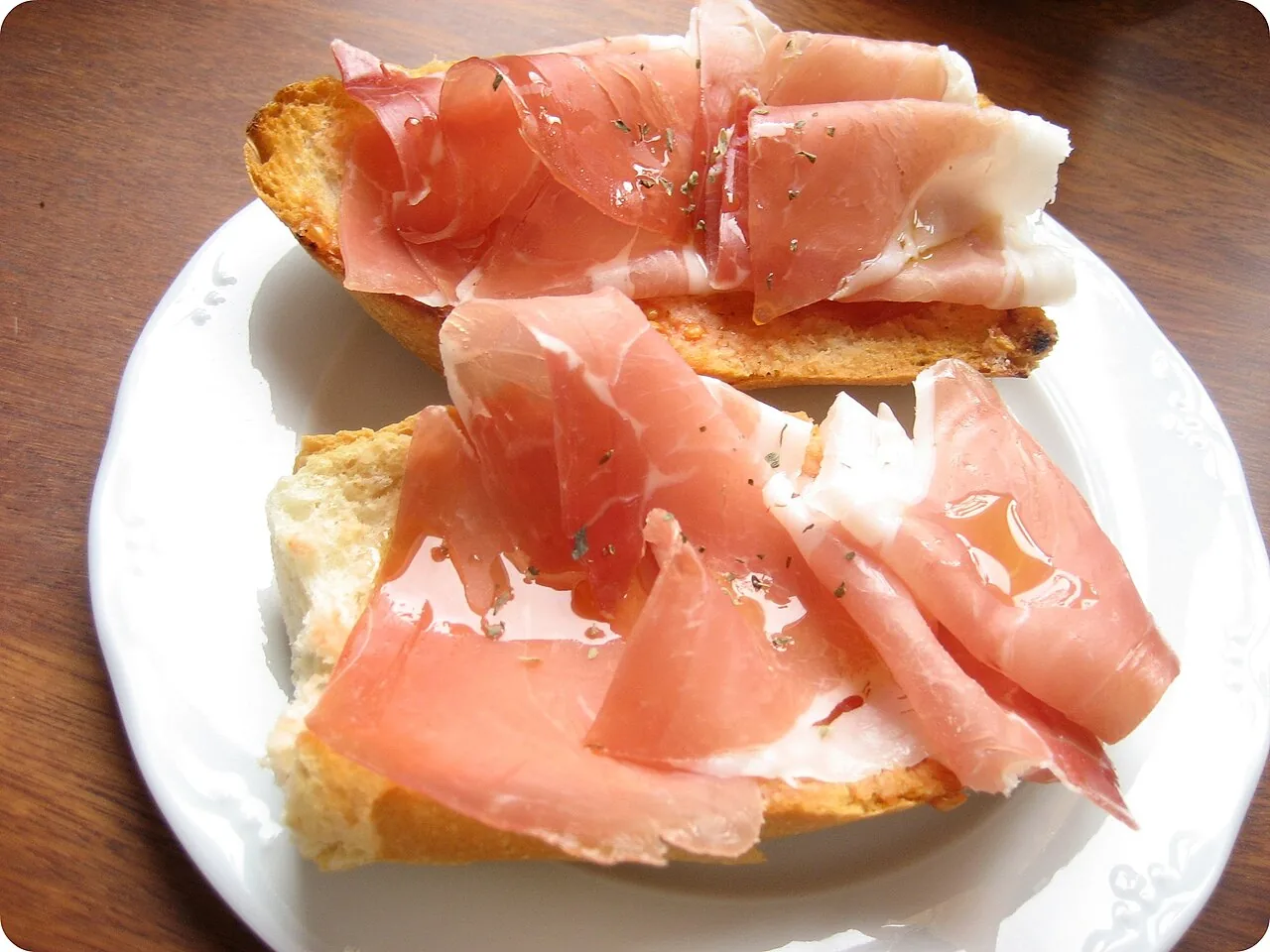
Pan con tomate with jamón ibérico on toasted bread Spain flag Spain 15m
Snack & Tea •Catalan Aperitivo

Pan con Tomate & Jamón Ibérico

Country bread rubbed with ripe Ramallet tomato, drizzled with cold-pressed Arbequina olive oil and topped with jamón ibérico.

Vascular Health

Toasted tomato bread with jamón ibérico, olive oil and olives.

Pairs Well With
Castelvetrano Olives & Sparkling Mineral Water
Quick Prep (<30m)
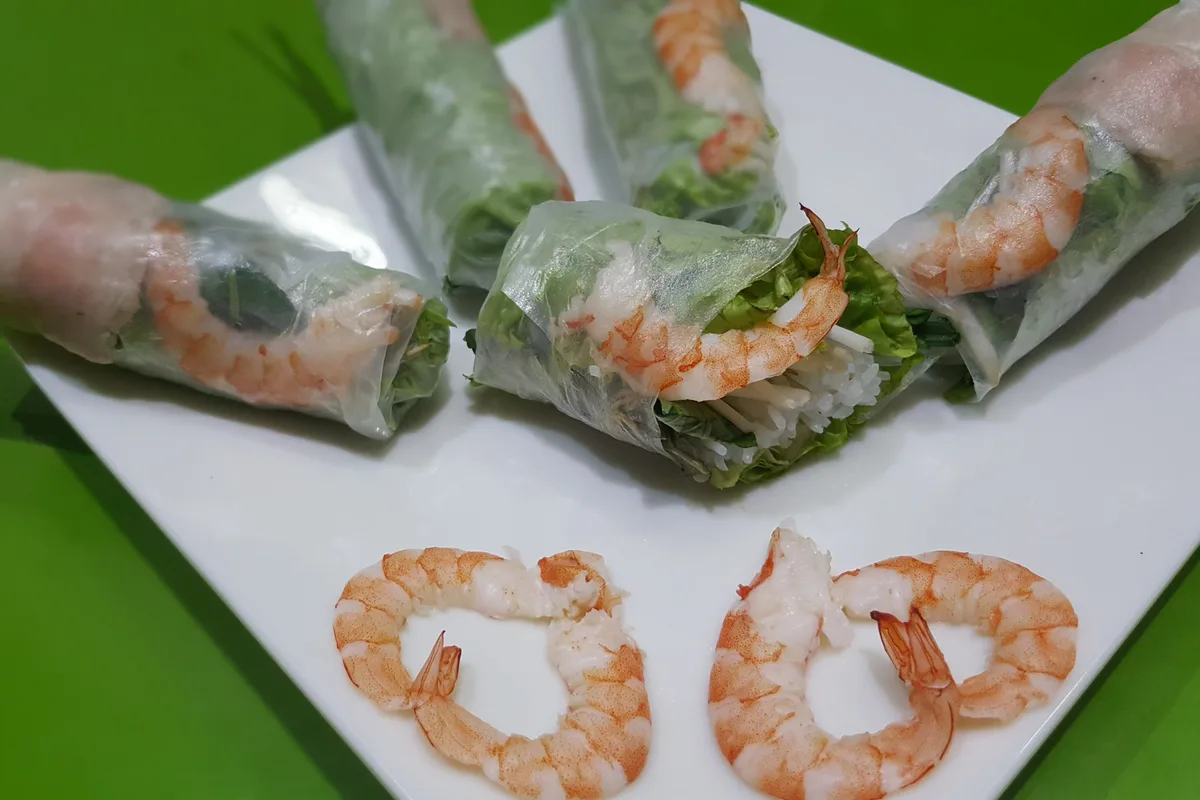
Gỏi cuốn — Vietnamese fresh spring rolls with prawn and pork Vietnam flag Vietnam 1h 5m
Snack & Tea •Saigon Refresh

Gỏi Cuốn Tôm Thịt

Fresh rice paper rolls filled with poached prawns, tender pork, rice vermicelli, lettuce, herbs and carrot, served with a peanut dipping sauce.

Light Digestion

Nothing is fried, so the rolls stay light and fresh — a cool, herb-filled snack for hot days.

Pairs Well With
Artisanal Peanut Dip & Fresh Lotus Root Water
High Protein

The Dinner Gazette

Never wonder what’s for dinner again

One email a week with easy dinner ideas from around the world — ingredients, steps and nutrition, tested in our kitchen first.

Delivered every Thursday morning. Unsubscribe anytime.