

Curated recipes from 193 countries  •  New seasonal Mediterranean issue out now

Overview

Cachupa

Cape Verdean Hominy, Bean and Meat Stew

Cachupa is Cabo Verde's national dish: hominy corn and beans simmered for hours with pork, chourico, sweet potato, cassava and greens until everything tastes of everything else. This cachupa recipe makes the rich version, cachupa rica, the one cooked for weekends and family gatherings. One serving is about 610 g.

Cachupa is the national dish of Cabo Verde, a slow-cooked stew of hominy corn, beans and whatever meat or fish is to hand. Maize arrived from the Americas and beans, cassava and Portuguese sausages came together in the islands' kitchens over centuries of Portuguese and West African influence. Every island, and every family, has its own version — cachupa rica with meats, cachupa pobre with fish or vegetables — and the leftovers fried up the next morning as cachupa refogada are loved at least as much as the stew itself.

Pairs well with: Crusty bread, fried egg and hot sauce on the side

Provenance

Cabo Verde flag Cabo Verde

Cabo Verdean Heritage

African Heritage

Time Dedication

3h 10m

40m prep • 150m cook

Batch Yield

6 Servings

834 kcal per serving

1 serving ≈ 610 g

Technical Skill

Intermediate

Intermediate (Slow Simmer)

Meal Timing & Digestive Fit

Breakfast

Not Advised

Lunch

Hearty Midday Main

Dinner

Ideal Hearty Main

Snack & Tea

Inappropriate

Soups & Broths Occasions: Family weekends, cold evenings, celebrations, big-pot cooking for a crowd Cost: Low — about $3–4 per serving at home
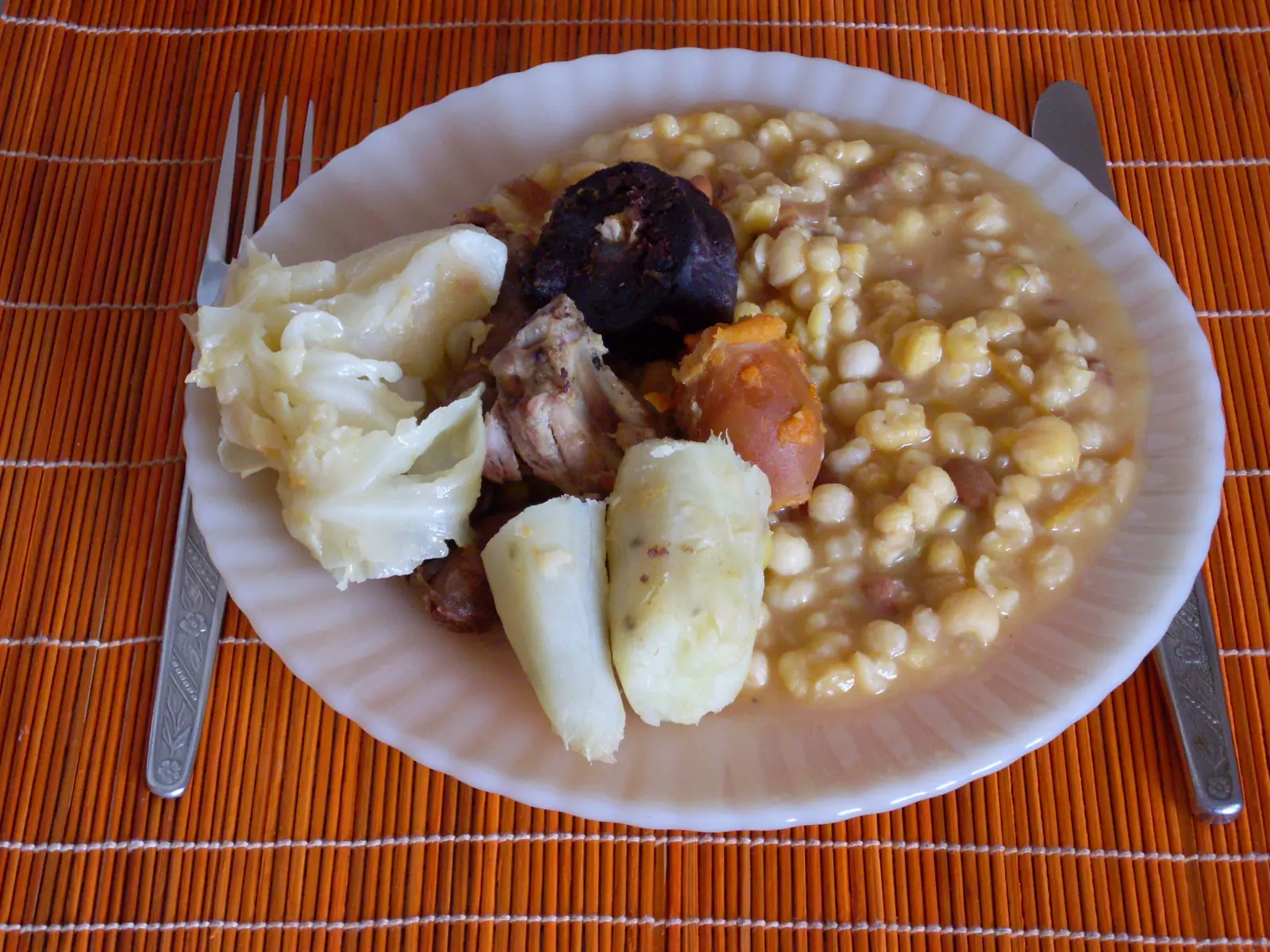
A plate of cachupa with hominy, beans, cabbage, cassava, sweet potato and sausage

Cabo Verdean Heritage

Photo: Unknown photographer, Public domain, via Wikimedia Commons

The Heritage Formulary

Measured Ingredients

Estimated cost: Low — about $3–4 per serving at home (USD)

A good cachupa is judged by its patience: corn and beans cooked until tender, meats browned first, and salt added only at the end.

Execution Methodology & Culinary Technique

Step-by-Step Cooking Guide

Active 3h 10m
P

Prep Stage: The Night Before

40 Mins Active + Overnight Soak

Cachupa starts the night before. Put the hominy in one bowl and the beans in another, cover both generously with cold water, and leave them to soak overnight. The next day, drain and rinse them, cut the pork, peel and chunk the roots, and chop the onion, tomato and garlic. Everything else is a slow simmer from here.

Maestro Tip: Do not skip the soak: in this cachupa recipe the dried hominy and beans cooked from dry stay hard in the middle and the stew never thickens properly.

  1. 1

    Simmer the Hominy and Beans

    90 Mins • Gentle Simmer Bare simmer, about 95°C (203°F)

    Put the soaked hominy and beans in a large heavy pot with 2.5 litres of cold water and the bay leaves. Bring to a boil, skim off any foam, then turn down to the barest simmer, cover, and cook for 90 minutes until the corn is tender but still holds its shape.

    Keep the heat low and steady; a hard boil breaks the kernels to mush.

    Done when: Hominy is soft and chewy, beans are tender, and the cooking liquid has turned lightly starchy.

  2. 2

    Brown the Meats

    15 Mins • Medium Heat Medium heat, about 175°C (350°F) in the pan

    While the pot simmers, heat the olive oil in a wide pan. Fry the bacon until it gives up its fat, add the pork chunks and brown them on all sides, then add the chourico rounds for 2 minutes. Stir in the onion, garlic, tomato, tomato paste and paprika and cook until the onion softens and the tomato paste darkens.

    Browning the pork first is what gives the stew its depth; do not crowd the pan or the meat steams instead.

    Done when: Pork is browned on the outside, onion is soft and sweet-smelling.

  3. 3

    Bring the Pot Together

    45 Mins • Gentle Simmer Bare simmer, about 95°C (203°F)

    Tip the whole pan, fat and all, into the hominy pot. Add the sweet potato, cassava and cabbage wedges. Top up with hot water if the liquid no longer covers everything, then simmer covered for 45 minutes. The pork must reach at least 63°C (145°F) at its centre; in practice it will be well past that after this simmer.

    Do not stir hard once the roots go in, or the sweet potato and cassava break apart.

    Done when: Pork yields to a fork, sweet potato and cassava are soft through, cabbage is tender.

  4. 4

    Add the Greens and Finish

    15 Mins • Gentle Simmer Bare simmer, about 95°C (203°F)

    Stir in the kale and simmer 10 to 15 minutes more until the leaves are wilted and dark. Fish out the bay leaves. Taste and add the salt, a little at a time — the bacon and chourico have already salted the pot. Rest the pot, covered, for 15 minutes before serving so the flavours settle.

    Salt only at the end: the cured meats concentrate as the pot reduces, and early salt can leave the stew over-salted.

    Done when: Kale is soft, the stew is thick enough to coat a spoon, and the broth tastes balanced, not salty.

Finishing Touches & Plating

Ladle into deep bowls with a piece of pork, a round of chourico and some of everything else in each serving. Eat it as it comes, or save a portion: this cachupa recipe also makes tomorrow's fried cachupa, cachupa refogada, a Cape Verdean breakfast in its own right.

Nutritional Physiology & Benefits

Nutrition

Energy

834

kcal / serving

Protein

43g

Complete AA

Carbs

101g

Complex

Fats

31g

Healthy

Per serving (6 servings · 1 serving ≈ 610 g)
Energy834 kcal
Protein43 g
Carbohydrates101 g
Fat31 g
Fibre20.2 g
Sugar8.1 g
Sodium1010 mg
Per 100g
Energy137 kcal
Protein7 g
Carbohydrates16.6 g
Fat5 g
Fibre3.3 g
Sugar1.3 g
Sodium166 mg

Nutrition values are estimated — calculated from USDA FoodData Central values for the listed ingredients.

Vitamins & minerals: Vitamin A (sweet potato, kale), vitamin C (cabbage, tomato, kale), iron and zinc (pork, beans), folate and magnesium (beans, greens), potassium (sweet potato, cassava).

Steady, Filling Energy

Hominy and beans together supply slow-digesting starch and fibre, so a bowl keeps you full for hours without a sharp rise and fall in energy.

Real Protein for Recovery

Pork, beans and sausage provide a substantial amount of protein per serving, useful after physical work or training.

Greens and Roots in Every Bowl

Kale, cabbage, sweet potato and cassava add vitamin A, vitamin C, folate and potassium to an otherwise meat-and-starch stew.

Food Pairings

What to Eat With

To optimize nutrient absorption and elevate the sensory depth, pair with these authentic accompaniments:

Sides

Crusty Bread

A thick slice of crusty bread is the practical tool for the job: it soaks up the starchy broth that the spoon cannot catch.

Vegetables

Simple Green Salad with Lemon

A sharp, lemon-dressed salad cuts through the richness of the pork and sausage, and its acidity brightens the earthy beans.

Drinks

Sparkling Water with Lemon

Cold sparkling water cleanses the palate between spoonfuls of a rich, salty stew far better than a sweet drink, which would only add to the heaviness.

Full Menus

Cachupa Refogada the Next Morning

Leftover cachupa fried in a little oil with a fried egg on top is the classic second act: the starches crisp at the edges and the flavours deepen overnight.

Complete menu

Start with a green salad with lemon, serve the cachupa as the main pot with crusty bread on the side, and finish with fresh fruit; keep a portion back for tomorrow's fried cachupa with egg.

Digestive Guardrails

What NOT to Combine

To prevent digestive distress, sluggishness, or palate clash, avoid pairing the dish with these elements:

Grogue or Strong Spirits with the Meal

A very rich, fatty stew already slows the stomach, and strong sugarcane spirit (grogue) on top of it can worsen heartburn and leave you sluggish. If you drink, keep it small and with food, not on an empty stomach. This is general information, not medical advice.

A Second Large Helping Late at Night

Cachupa is high in fibre, fat and salt, so a big bowl close to bedtime can sit heavily and disturb sleep. Eat the main portion earlier in the evening and save the rest for tomorrow's refogada. This is general information, not medical advice.

General information only, not medical advice — consult a doctor for personal dietary decisions.

Who Should Eat It

Who Should Eat

  • General adultsA complete, filling dinner — protein, slow carbs, fibre and vegetables in one bowl.
  • ChildrenSuitable from about age 3 with the chourico kept mild and the meat cut small; skip extra salt and hot sauce for young children.
  • ElderlySoft, warm and easy to chew once the meats are tender; keep the portion moderate because of the salt from the cured meats.
  • Pregnant womenGenerally suitable; make sure the pork is cooked through and keep the cured-meat portion modest.
  • Breastfeeding womenGenerally suitable; the iron from meat and beans and the protein support recovery — watch the salt.
  • AthletesA strong post-training meal: substantial protein with slow carbs for glycogen, plus potassium from the roots.
  • Weight gainA good choice — take a generous bowl and add bread; the beans and hominy make it easy to eat a lot.
  • Weight lossChoose a smaller bowl, go easy on the bacon and chourico, and load up on the cabbage, kale and beans.

Health Conditions — Adjust or Avoid

Conditions

  • DiabetesBeans and hominy are high in fibre and slow to digest, but keep the sweet potato and cassava portions modest and skip the bread. Ask your clinician about portion size.
  • High blood pressureThe cured meats and added salt make this a high-sodium dish; halve the bacon and chourico, add no extra salt, and eat less of the broth. Ask your clinician about portion size.
  • Kidney diseaseLimit the broth and the cured meats (sodium, potassium from beans and roots); a smaller portion with more cabbage is the safer shape of the meal. Ask your clinician.
  • GoutEat occasionally and in smaller portions — pork, sausage and rich broth are high in purines. Ask your clinician.
  • Stomach issuesThe stew is usually gentle, but the beans and cabbage can cause gas; eat slowly and skip the chilli if your stomach is sensitive. Ask your clinician if symptoms persist.
  • Cardiovascular diseaseChoose leaner pork, go easy on the bacon and chourico, and favour the beans, roots and greens. Ask your clinician about portion size.
  • Fatty liverKeep the portion modest, favour the beans and vegetables over the fatty meats, and skip the fried leftover version. Ask your clinician.
  • Food allergiesContains pork and processed sausage. Naturally gluten-free, but check the chourico label for allergens and additives if you have a food allergy. Ask your clinician if unsure.
  • Special therapeutic dietsIf you follow a prescribed low-sodium or low-purine diet, use less cured meat, no added salt and a smaller portion, and check with your clinician.

If you have a medical condition, consult your doctor before changing your diet.

Storage & Use

Storage & Use

How to store
Cool quickly and store in an airtight container.
In the fridge
3 to 4 days.
In the freezer
2 to 3 months; the roots soften a little on thawing.
How to reheat
Reheat in a pot over medium heat, adding a splash of water, until steaming throughout and piping hot — reheat to 74°C (165°F).
Freezing recommended
Yes — cachupa freezes well, up to 3 months.
Signs it has spoiled
Sour or off smell, slimy surface, or mould.

More recipes to explore

A plate of golden fried pastel de atum, half-moon tuna pastries with crimped edges Cabo Verde flag Cabo Verde 55m
Snack & Tea •Cabo Verdean Heritage

Pastel de Atum

Pastel de atum is the snack Cabo Verde reaches for at parties, on the street and at family gatherings: a golden, crimped half-moon of fried pastry wrapped around tuna cooked down with onion, garlic, tomato and paprika. This pastel de atum recipe uses ready-made empanada discs, so a batch of 20 is on the table in under an hour. One serving is 2 pastries, about 120 g.

Quick Snack & Sharing

Crisp fried pastry pockets filled with seasoned tuna, made for sharing.

Pairs Well With
Spicy tomato sauce and a cold drink
A pot of Cabo Verde seafood rice with prawns and crab in a rich tomato broth Cabo Verde flag Cabo Verde 1h 5m
Dinner •Cabo Verdean Heritage

Cabo Verde Seafood Rice

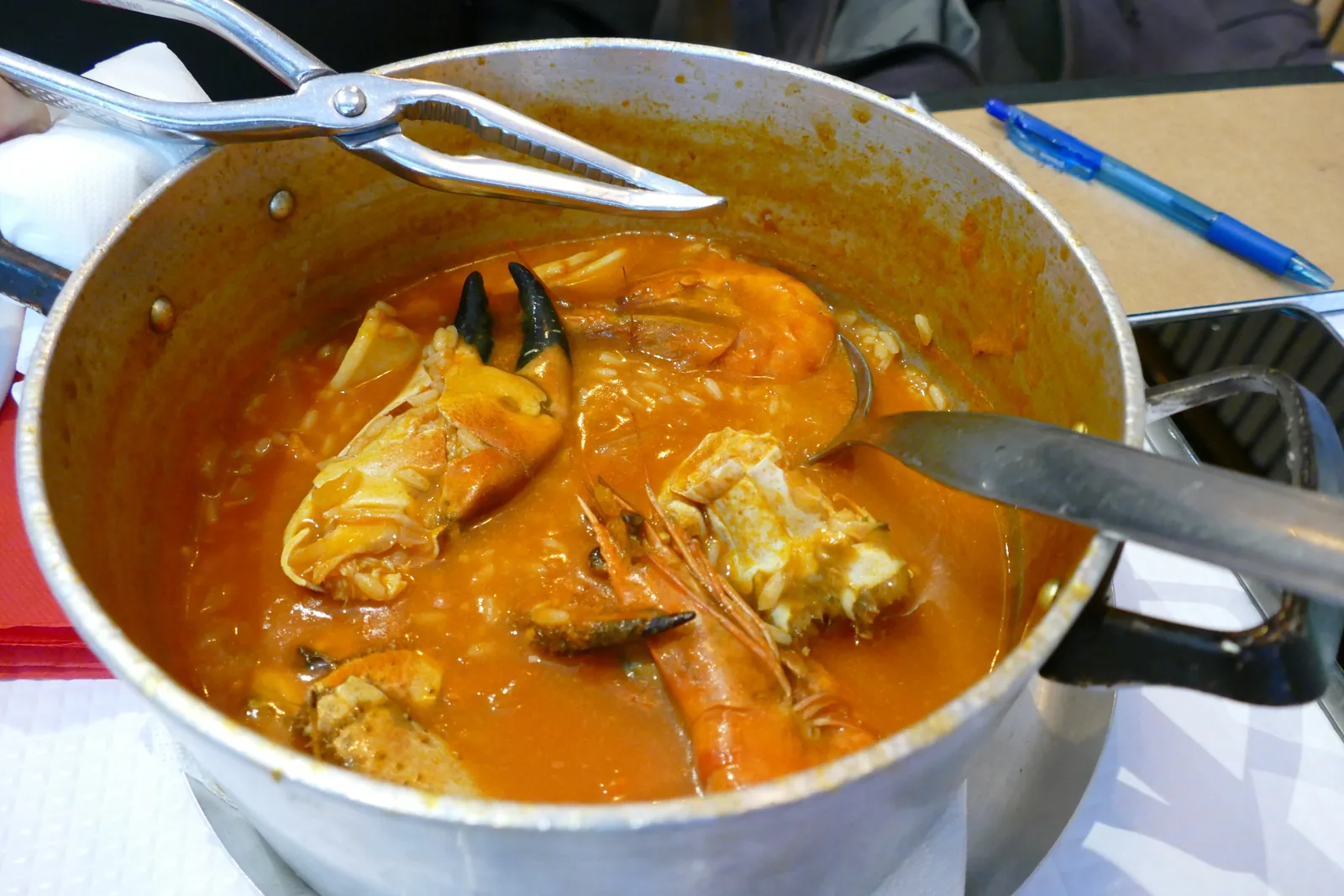
Cabo Verde seafood rice is the islands' answer to the Portuguese arroz de marisco: rice cooked until soupy in a tomato and shellfish broth, crowded with prawns, mussels, clams, squid and white fish, and brought to the table still bubbling in its pot. This Cabo Verde seafood rice recipe serves four generously and is built for sharing. One serving is about 700 g.

Coastal & Fresh

Soupy tomato rice loaded with prawns, mussels, clams, squid and white fish.

Pairs Well With
Crusty bread, lemon wedges and a green salad
Bœuf bourguignon — French beef braised in red wine France flag France 4h
Dinner •Burgundy Terroir

Bœuf Bourguignon

Beef braised gently in red wine until the connective tissue melts into a velvet, gelatin-rich sauce — the classic Burgundy Sunday dinner.

Cellular Repair

Beef braised in red wine until spoon-tender, with mushrooms and pearl onions.

Pairs Well With
Parsnip Purée & Steamed French Haricots Verts
High Protein
Vietnamese braised pork belly with golden eggs in caramel sauce Vietnam flag Vietnam 1h 45m
Dinner •One Pot

Vietnamese Braised Pork and Eggs

Pork belly slowly braised in coconut water and caramel until meltingly tender, with golden eggs that soak up the sweet-savoury sauce — the Vietnamese family dish that tastes better the next day.

Comfort & Sustained Energy

Slow-braised pork belly and eggs in coconut water and caramel.

Pairs Well With
Steamed rice & pickled mustard greens
High Protein

The Dinner Gazette

Never wonder what’s for dinner again

One email a week with easy dinner ideas from around the world — ingredients, steps and nutrition, tested in our kitchen first.

Delivered every Thursday morning. Unsubscribe anytime.