
Curated recipes from 193 countries  •  New seasonal Mediterranean issue out now

Overview

Cafe Cubano

Cafecito, Cuban Coffee, Cuban Espresso, Colada

This cafe cubano recipe brews dark-roast espresso in a moka pot and whips the first strong drops with demerara sugar into a thick golden espuma. One serving is one small cup, about 60 g. It is the tiny, powerful coffee Cuba shares by the trayful — strong, sweet and gone in a few sips.

Cafe cubano is espresso sweetened the Cuban way: the first strong drops of coffee are whipped with demerara sugar into espuma, a thick golden foam that floats on the cup. Coffee reached Cuba with Spanish colonists in the 1700s, and the drink became the island's daily ritual — and, in Miami and Tampa, the drink of the ventanita, the little window where workers order a colada, a tray of small cups, to share on a break. A cortadito adds steamed milk to the sweetened shot, and a cafe con leche is the traditional breakfast, poured over hot milk and drunk with buttered Cuban toast.

Pairs well with: Pastelitos de guayaba, buttered Cuban toast and a glass of cold water

Provenance

Cuba flag Cuba

Havana Colada Classic

Latin America & Caribbean

Time Dedication

10m

5m prep • 5m cook

Batch Yield

4 Servings

51 kcal per serving

1 serving ≈ 60 g

Technical Skill

Easy

Easy (Moka Pot)

Meal Timing & Digestive Fit

Breakfast

Not Advised

Lunch

Inappropriate

Dinner

Inappropriate

Snack & Tea

Ideal Light Bite

Occasions: Morning coffee, afternoon break, after dinner, sharing a colada with friends Cost: Low — about $0.30 per serving at home
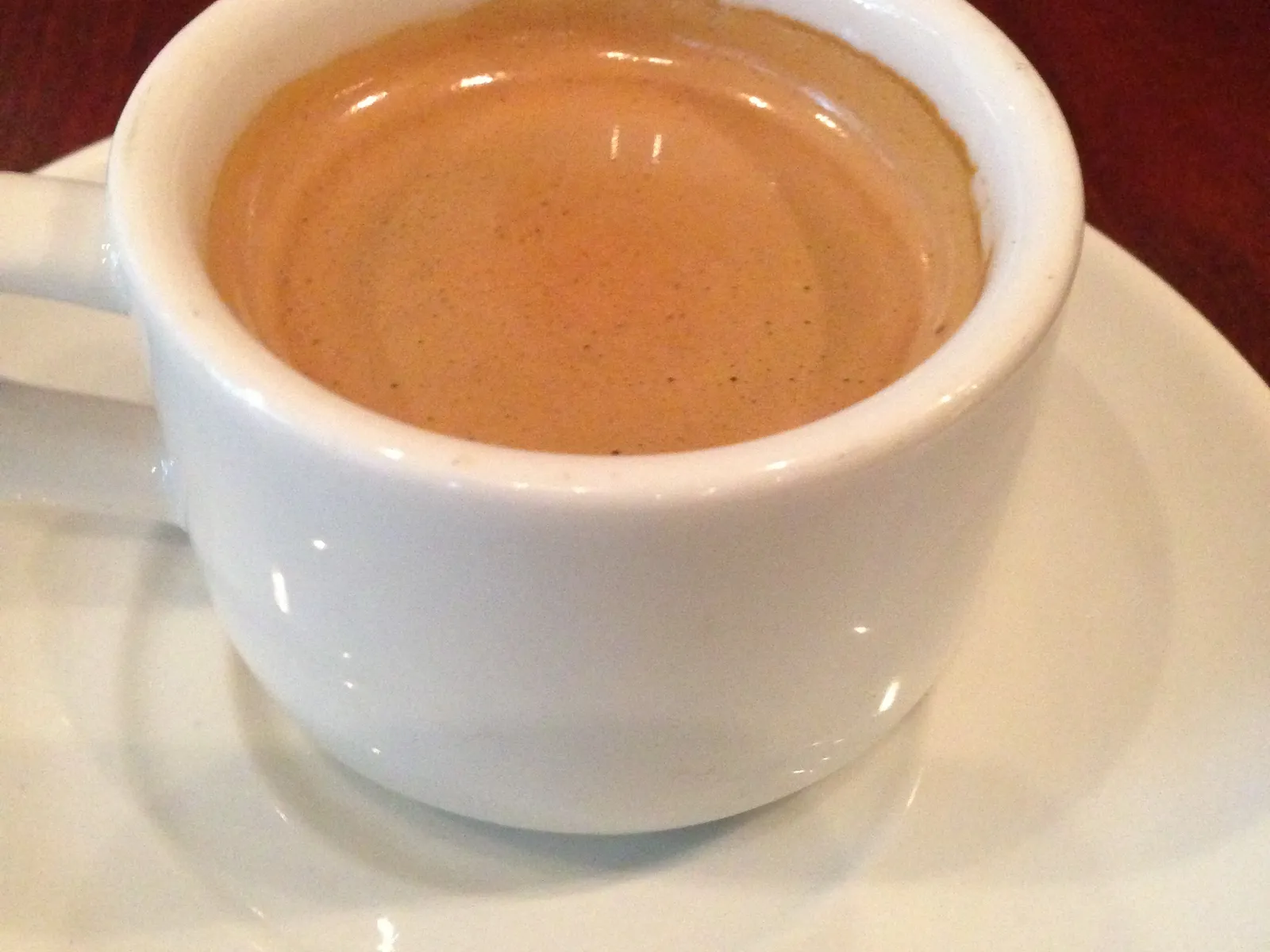
A small white cup of cafe cubano with a thick golden espuma

Havana Colada Classic

Photo: Colinkb7, CC BY-SA 3.0, via Wikimedia Commons

The Heritage Formulary

Measured Ingredients

Estimated cost: Low — about $0.30 per serving at home (USD)

A true cafe cubano is espresso whipped with sugar into a thick golden espuma — the foam is the signature, not an afterthought.

Execution Methodology & Culinary Technique

Step-by-Step Cooking Guide

Active 10m
P

Prep Stage: Sugar, Moka Pot and Small Cups

5 Mins • Measuring & Setting Up

Put the demerara sugar in a small cup or measuring jug and set out four small demitasse cups. Fill the moka pot base with water to just below the valve, fill the basket with finely ground dark-roast coffee without pressing it down, and screw the top on. Have a spoon ready — the espuma is whipped the moment the first coffee appears.

Maestro Tip: Use finely ground dark-roast coffee and do not press it down — pressed grounds choke the moka pot and the coffee comes out bitter.

  1. 1

    Brew the Espresso

    5 Mins Medium heat; water about 93°C (200°F)

    Set the moka pot over medium heat with the lid open. Watch the spout: as soon as the first dark, strong drops of coffee appear, spoon about 1 tablespoon of the hot coffee into the cup of sugar. Turn the heat down low and let the rest of the coffee brew through.

    Catch the very first drops — they are the strongest and sweetest, and they make the best espuma.

    Done when: Dark coffee is flowing steadily from the spout and the pot is gurgling gently.

  2. 2

    Whip the Espuma

    2 Mins No heat

    Beat the sugar and the spoonful of hot coffee together with a spoon, fast and hard, for about 2 minutes. The mix turns pale, thick and creamy — a golden foam called espuma or espumita. Keep beating until it holds soft peaks and looks like light caramel.

    Beat hard and do not stop early — a thin espuma dissolves into the coffee instead of floating on it.

    Done when: A pale golden foam, thick enough to hold its shape on the spoon.

  3. 3

    Fold in the Rest of the Coffee

    1 Min Hot, about 70°C (158°F)

    When the moka pot has finished brewing, pour the hot coffee into the espuma in a slow, thin stream, stirring gently with the spoon as you pour. The foam rises and spreads across the top of the coffee instead of sinking.

    Pour slowly down the side of the cup — a fast pour knocks the foam flat.

    Done when: The coffee is topped with an even layer of golden foam.

  4. 4

    Pour into Small Cups

    1 Min Serve hot, about 65°C (149°F)

    Divide the coffee between the four small cups, making sure each cup gets its share of the foam on top. A colada is meant to be shared, so spoon a little foam into each cup first, then top up with coffee.

    Spoon a little foam into each cup first — the last cup poured gets the least foam if you do not.

    Done when: Four small cups, each with a golden foam cap.

  5. 5

    Serve at Once

    1 Min Serve hot, about 65°C (149°F)

    Serve immediately, with pastelitos or buttered Cuban toast. Cafe cubano is drunk in a few hot sips, standing at the counter or passed around at work — do not let it sit, or the espuma melts away.

    For a cortadito, top a shot with an equal amount of hot steamed milk — the milk is added to the sweetened coffee, not the other way round.

    Done when: Hot cups, golden foam intact, ready to drink.

Finishing Touches & Plating

Drink it hot, in small sips, while the espuma is still thick — and pass the tray around, because a colada is meant to be shared.

Nutritional Physiology & Benefits

Nutrition

Energy

51

kcal / serving

Protein

0g

Complete AA

Carbs

13g

Complex

Fats

0g

Healthy

Per serving (4 servings · 1 serving ≈ 60 g)
Energy51 kcal
Protein0 g
Carbohydrates13 g
Fat0 g
Fibre0.0 g
Sugar12.0 g
Sodium3 mg
Per 100g
Energy84 kcal
Protein0.1 g
Carbohydrates21.5 g
Fat0 g
Fibre0 g
Sugar20 g
Sodium5 mg

Nutrition values are estimated — calculated from USDA FoodData Central values for the listed ingredients.

Vitamins & minerals: Small amounts of potassium, magnesium and niacin from the coffee. Nutrition is estimated.

Caffeine for Alertness

About 120 mg of caffeine per small cup can help you feel more alert — roughly the same as a double espresso.

Small Cup, Modest Calories

At about 51 kcal a cup, a cafe cubano is a light sweet treat, not a heavy drink.

No Milk Needed

Brewed black with sugar, it is naturally free from milk and dairy.

Food Pairings

What to Eat With

To optimize nutrient absorption and elevate the sensory depth, pair with these authentic accompaniments:

Sides

Pastelitos de Guayaba

Cuban coffee is traditionally bought with pastelitos — the flaky, sweet guava pastry is the classic partner for the strong, sweet cup.

Buttered Cuban Toast (Tostada)

A slice of buttered, toasted Cuban bread is the traditional breakfast partner — the butter softens the coffee's edge and the toast soaks up the sweetness.

Fresh Mango

A few slices of ripe mango bring cool, juicy freshness against the hot, intense coffee.

Drinks

A Glass of Cold Water

Cold water between sips cleanses the palate and lets the next sip of strong coffee taste fresh again.

Complete menu

Start with a cafe cubano and a pastelito de guayaba, then buttered Cuban toast — the classic Cuban breakfast at the ventanita.

Digestive Guardrails

What NOT to Combine

To prevent digestive distress, sluggishness, or palate clash, avoid pairing the dish with these elements:

Late-Night Cups

About 120 mg of caffeine per cup can keep you awake for hours — keep cafe cubano to the morning and afternoon if sleep matters to you. This is general information, not medical advice.

Extra Sugar at the Table

Each cup already carries about 12.0 g of sugar from the espuma — adding more sweetener on top adds sugar without adding flavour.

Drinking It on an Empty Stomach

Strong coffee on an empty stomach can feel harsh and jittery for some people — a slice of toast first makes it gentler. This is general information, not medical advice.

General information only, not medical advice — consult a doctor for personal dietary decisions.

Who Should Eat It

Who Should Eat

  • General adultsOne small cup is a quick, sweet lift at about 51 kcal — two cups is plenty for most people, with about 240 mg of caffeine between them.
  • ChildrenNot suitable for children — a small cup carries about 120 mg of caffeine, far more than a child should have.
  • ElderlyThe caffeine can raise blood pressure briefly and disturb sleep — keep to one small cup in the morning and ask your clinician if you take blood-pressure medicine.
  • Pregnant womenCaffeine should be limited during pregnancy — one small cup carries about 120 mg, so ask your clinician whether it fits your daily limit.
  • Breastfeeding womenCaffeine passes into breast milk in small amounts — keep to one small cup, preferably right after a feed, and ask your clinician if your baby seems unsettled.
  • AthletesA small cup before training can feel energising, but it does not replace water — drink water alongside it, not instead of it.
  • Weight gainAt about 51 kcal a cup it adds little energy — pair it with toast or a pastelito if you want the calories.
  • Weight lossOne small cup at about 51 kcal is a light sweet treat — the sugar is the only thing to watch, so skip a second cup.

Health Conditions — Adjust or Avoid

Conditions

  • DiabetesAbout 12.9 g of carbohydrate and 12.0 g of sugar per cup from the demerara sugar — keep to one small cup and ask your clinician about your portion.
  • High blood pressureCaffeine can raise blood pressure briefly after drinking — if you monitor your pressure, ask your clinician about your limit.
  • Kidney diseaseA small cup adds little fluid, and black coffee is low in potassium — ask your clinician whether it fits your plan.
  • GoutCoffee is low in purines and is not a common gout trigger — the sugar is the part to watch; ask your clinician.
  • Stomach issuesStrong, sweet coffee can irritate a sensitive stomach — drink it after food, not before, and ask your clinician if it keeps bothering you.
  • Cardiovascular diseaseCaffeine can quicken the heartbeat briefly — keep to one small cup and ask your clinician about your limit.
  • Fatty liverBlack coffee itself is low in calories; the sugar is what adds energy — keep to one small cup and ask your clinician.
  • Food allergiesContains no major allergens. Free from milk, egg, wheat, peanut, tree nut, fish, soy and shellfish.
  • Special therapeutic dietsFits a dairy-free plan as brewed; ask your clinician or dietitian before adding it to a low-sugar or low-caffeine plan.

If you have a medical condition, consult your doctor before changing your diet.

Storage & Use

Storage & Use

How to store
Brew fresh and drink at once — the espuma is the point, and it fades within minutes.
In the fridge
Leftover coffee keeps 1 day in a sealed jar in the fridge, but the espuma will be gone.
In the freezer
Not recommended — freezing ruins the flavour and the foam.
How to reheat
Warm gently in a pan until hot, about 70°C (158°F); do not boil. The espuma will not come back.
Freezing recommended
No — the texture and flavour do not survive freezing.
Signs it has spoiled
Flat, stale taste or a sour smell — make a fresh pot.

More recipes to explore

A plate of ropa vieja, shredded beef in tomato sauce, with yellow rice, black beans and fried plantains Cuba flag Cuba 3h
Dinner •Cuba's National Dish

Ropa Vieja

This ropa vieja recipe braises flank steak low and slow until it falls into long shreds, then simmers it in a tomato, pepper and olive sauce. One serving is about 310 g. Serve it over white rice with black beans and fried plantains, the way Cuban families do.

Comfort & Warmth

Slow-braised shredded beef in a tomato and pepper sauce, served with rice and black beans.

Pairs Well With
White rice, black beans and fried plantains
High Protein
A pressed Cuban sandwich cut in half, with melted Swiss cheese and layers of ham and pork, served with pickle spears Cuba flag Cuba 25m
Lunch •Havana Classic

Cuban Sandwich

This cuban sandwich recipe layers mojo roast pork, ham, Swiss cheese, pickles and mustard on Cuban bread, then presses it flat until the crust crackles and the cheese melts. One serving is about 345 g. It is a great use for leftover roast pork and comes together in 25 minutes.

Comfort & Warmth

A pressed sandwich of roast pork, ham, Swiss cheese, pickles and mustard on Cuban bread.

Pairs Well With
Plantain chips and a cold lager or lime soda
A plate of dark moros y cristianos rice cooked with black beans, served with slices of roast pork and golden fried plantains Cuba flag Cuba 1h 30m
Lunch •Cuban Heritage

Moros y Cristianos

This moros y cristianos recipe cooks Cuban black beans and rice together in one pot: dried black beans simmered until tender, then long-grain rice cooked in the dark bean liquid with a sofrito of onion, green pepper and garlic, cumin, oregano and bay leaf. The grains come out dark, fragrant and fluffy, never pale or plain. One serving is about 272 g.

Comfort & Warmth

Cuban black beans and white rice cooked together in one pot with sofrito, cumin, oregano and bay leaf, until the grains turn dark.

Pairs Well With
Roast pork or ropa vieja with fried sweet plantains and a crisp cabbage salad, the classic Cuban plate.
A plate of Cuban lechon asado with shredded mojo pork, onions and lime, yellow rice with black beans and fried plantains Cuba flag Cuba 5h 30m
Dinner •Havana Heritage

Cuban Lechon Asado

This cuban lechon asado recipe marinates a pork shoulder overnight in mojo — sour orange juice, a whole head of garlic, oregano and cumin — then roasts it low and slow until the meat is so tender it pulls apart with a fork. It is the centrepiece of Nochebuena, the Cuban Christmas Eve feast, and it is nothing like Filipino lechon: there is no whole crispy-skinned pig here, just a mojo-soaked shoulder roast. One serving is about 250 g.

Celebration & Sharing

A whole pork shoulder marinated overnight in sour-orange mojo, then roasted low and slow until it pulls apart — the centrepiece of Nochebuena.

Pairs Well With
Shredded mojo pork with black beans, yellow rice and fried plantains
High Protein

The Dinner Gazette

Never wonder what’s for dinner again

One email a week with easy dinner ideas from around the world — ingredients, steps and nutrition, tested in our kitchen first.

Delivered every Thursday morning. Unsubscribe anytime.