
Curated recipes from 193 countries  •  New seasonal Mediterranean issue out now

Overview

Cao Lau

Cao Lau Hoi An, Hoi An Noodles

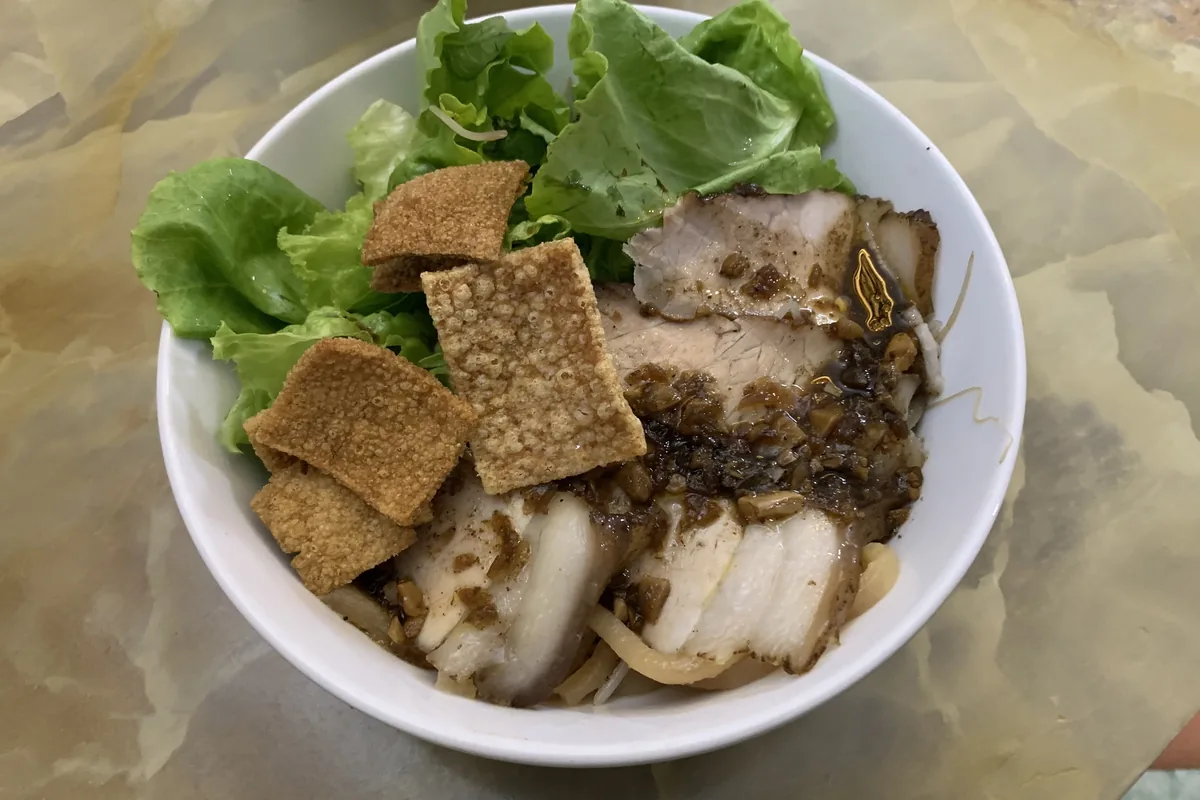
Cao lau is the dish Hoi An is proudest of, and it is not a soup: thick, chewy noodles are served almost dry, with just a spoonful of rich braised-pork sauce, slices of five-spice pork, crisp bean sprouts, lettuce and a pile of fresh herbs, plus crunchy rice crackers on top. The noodles are made with lye water, which gives them their firm bite and pale yellow colour, and the pork is marinated in soy sauce and five-spice the way Chinese char siu is. One serving is about 350 g.

Cao lau is Hoi An's signature dish, and its story is the story of the old trading port itself. The thick noodles are made with lye water, traditionally said to use water from the ancient Ba Le well and ash from trees on the nearby Cham Islands, which gives them their firm, springy chew. The five-spice pork carries Chinese roots, the noodles echo Japanese udon, and the pile of fresh herbs is Vietnamese — a blend that grew out of the Chinese and Japanese merchant communities who traded in Hoi An from the 17th century. The name is often explained as 'high floor', from the upper floors of merchant houses where the dish was served.

Pairs well with: A small bowl of chilli sauce and a glass of iced tea, with extra herbs on the side.

Provenance

Vietnam flag Vietnam

Hoi An Heritage

East & South Asia

Time Dedication

1h 5m

30m prep • 35m cook

Batch Yield

4 Servings

448 kcal per serving

1 serving ≈ 350 g

Technical Skill

Intermediate

Medium (Marinated Pork)

Meal Timing & Digestive Fit

Breakfast

Not Advised

Lunch

Prime Metabolic Fit

Dinner

Ideal Hearty Main

Snack & Tea

Inappropriate

Pasta & Noodles Occasions: Weekend lunches, family meals, introducing friends to Vietnamese food, market-day cooking Cost: Medium — about $4–5 per serving at home
A bowl of cao lau in Hoi An with thick noodles, sliced pork, crispy rice crackers, lettuce and fresh herbs

Hoi An Heritage

Photo: Chainwit., CC BY 4.0, via Wikimedia Commons

The Heritage Formulary

Measured Ingredients

Estimated cost: Medium — about $4–5 per serving at home (USD)

Made the Hoi An way: five-spice pork marinated in soy sauce, seared and braised, served over thick chewy noodles with only a little sauce, fresh herbs and crispy crackers.

Execution Methodology & Culinary Technique

Step-by-Step Cooking Guide

Active 1h 5m
P

Prep Stage: Pork Marinade & Herbs

30 Mins • Marinating, Washing & Measuring

Mix the soy sauce, sugar, crushed garlic and five-spice into a marinade and coat the pork loin, leaving it for at least 30 minutes. While it marinates, wash and tear the lettuce, pick the herbs, rinse the bean sprouts and slice the spring onions.

Maestro Tip: Give the pork the full 30 minutes — the marinade is the only seasoning the meat gets.

  1. 1

    Marinate the Pork

    30 Mins No heat — marinating

    Mix the soy sauce, sugar, crushed garlic and a pinch of five-spice powder in a bowl. Rub the marinade all over the pork loin, cover, and leave it at room temperature for 30 minutes.

    Turn the pork once halfway through so the marinade reaches every side.

    Done when: Pork evenly coated, marinade absorbed into the surface.

  2. 2

    Sear and Braise the Pork

    20 Mins Medium-high heat, ~190°C (375°F), then low simmer

    Heat the oil in a pan over medium-high heat and sear the pork for 3 minutes on each side until browned. Pour in the pork broth, turn the heat down low, cover, and simmer gently for 12 to 15 minutes until the pork is cooked through. Lift the pork out and keep the braising liquid hot.

    Sear hard first — the brown crust is where the flavour lives.

    Done when: Pork browned outside, no pink inside, and the thickest part at 71°C (160°F); braising liquid dark and savoury.

  3. 3

    Cook the Noodles and Sprouts

    8 Mins Boiling water, 100°C (212°F)

    Bring a large pot of water to a rolling boil and cook the noodles until just tender and chewy, about 5 to 6 minutes for fresh noodles. In the last 30 seconds, drop in the bean sprouts. Drain well and rinse briefly with hot water.

    Do not overcook — cao lau noodles should be firm and springy, not soft.

    Done when: Noodles tender with a firm, chewy bite; sprouts just wilted.

  4. 4

    Slice the Pork

    3 Mins No heat — slicing

    Rest the pork for 3 minutes, then slice it thinly across the grain. Spoon a little of the hot braising liquid over the slices to keep them moist.

    Slice across the grain and keep the slices thin — thick slices are tough.

    Done when: Thin, even slices, still glossy with braising liquid.

  5. 5

    Assemble the Bowls

    4 Mins No heat — plating

    Divide the noodles between four bowls. Lay the pork slices on top, spoon over just 2 to 3 tablespoons of the hot braising liquid per bowl — this is not a soup — then add the lettuce, herbs, bean sprouts, spring onions and crispy rice crackers.

    Little broth is the point: too much turns cao lau into a noodle soup, which it is not.

    Done when: Noodles glossy with a little sauce, pork and herbs piled on top, crackers crisp.

Finishing Touches & Plating

Serve at once with lime wedges and chilli sauce on the table. Toss everything together in the bowl before eating, so the noodles pick up the sauce and the crackers stay crisp against the herbs.

Nutritional Physiology & Benefits

Nutrition

Energy

448

kcal / serving

Protein

26g

Complete AA

Carbs

58g

Complex

Fats

12g

Healthy

Per serving (4 servings · 1 serving ≈ 350 g)
Energy448 kcal
Protein26 g
Carbohydrates58 g
Fat12 g
Fibre3.5 g
Sugar5.7 g
Sodium994 mg
Per 100g
Energy128 kcal
Protein7.5 g
Carbohydrates16.6 g
Fat3.3 g
Fibre1 g
Sugar1.6 g
Sodium284 mg

Nutrition values are estimated — calculated from USDA FoodData Central values for the listed ingredients.

Vitamins & minerals: The pork and noodles supply B vitamins and iron, the bean sprouts and herbs add vitamin C and vitamin K, and the lettuce adds folate.

Herbs and Greens in Every Bowl

Lettuce, mint, basil and bean sprouts bring fibre, vitamin C, vitamin K and folate to a bowl that is mostly noodles and pork.

Protein That Fills You Up

One serving carries about 26.2 g of protein from the pork, which is what makes a bowl of noodles a proper lunch rather than a snack.

Light on Broth, Big on Flavour

Because cao lau is served almost dry, the flavour comes from the marinade and the herbs rather than a bowl of salty broth, so the bowl feels lighter than a soup noodle.

Food Pairings

What to Eat With

To optimize nutrient absorption and elevate the sensory depth, pair with these authentic accompaniments:

Drinks

Iced Tea

Cold, unsweetened iced tea is the everyday drink with cao lau in Hoi An because its chill and mild bitterness balance the rich, five-spice pork.

Vegetables

Extra Herbs & Lettuce

More mint, basil and lettuce are always welcome — their cool, peppery freshness is the contrast the warm pork and chewy noodles need.

Sides

Chilli Sauce

A spoonful of chilli sauce on the side lets each person add heat to their own bowl without changing the dish for everyone else.

Soups

Clear Vegetable Soup

A light, clear soup with greens gives a warm, mild counterpoint to the dry noodle bowl, and it turns the lunch into a full meal.

Full Menus

Fresh Spring Rolls & Fruit

Start with a fresh spring roll and finish with sliced mango or dragon fruit — light at both ends, with the rich noodle bowl in the middle.

Complete menu

Serve cao lau with a fresh spring roll and iced tea, then finish with sliced mango or dragon fruit.

Digestive Guardrails

What NOT to Combine

To prevent digestive distress, sluggishness, or palate clash, avoid pairing the dish with these elements:

Drowning the Bowl in Broth

Cao lau is served with only a few spoonfuls of sauce, so adding a full ladle of salty broth makes the bowl far too salty at about 995 mg sodium per serving already. This is general food information, not medical advice.

Undercooked Pork

Pork loin must be cooked right through, so always check the thickest part before slicing — pink, undercooked pork is not safe to eat. This is general food information, not medical advice.

General information only, not medical advice — consult a doctor for personal dietary decisions.

Who Should Eat It

Who Should Eat

  • General adultsA satisfying lunch — about 448 kcal and 26.2 g protein per serving, best eaten hot with the herbs tossed through.
  • ChildrenMild and easy to eat once the pork is sliced thin; keep the chilli sauce off their bowl and let them pick the herbs they like.
  • ElderlySoft noodles and thin pork are easy to chew, but the dish is salty — one bowl with plenty of lettuce and herbs is the comfortable choice.
  • Pregnant womenFine as an occasional lunch when the pork is cooked right through and the herbs are washed well. Ask your clinician about portions.
  • Breastfeeding womenAn energy-rich, protein-rich lunch; the noodles and pork are filling, so one bowl is usually enough.
  • AthletesGood fuel after training, with about 448 kcal and 58.2 g carbohydrate per serving — add extra pork rather than extra sauce.
  • Weight gainEnergy-dense at about 448 kcal and easy to eat in a good amount, so it suits weight gain when eaten as a full bowl.
  • Weight lossReasonable for a lunch at about 448 kcal; use a smaller mound of noodles and more lettuce and herbs to lighten it.

Health Conditions — Adjust or Avoid

Conditions

  • DiabetesThe noodles are the main carbohydrate, so keep the mound as stated and eat the pork and lettuce first to slow the rise. Ask your clinician about portions.
  • High blood pressureOne serving carries about 995 mg sodium from the soy sauce and braising liquid, so do not add extra sauce or salty sides to the same meal. Ask your clinician about portions.
  • Kidney diseasePortions should stay modest, and the salt and protein content matter for some kidney diets. Ask your clinician about portions.
  • GoutPork is the main purine source here, so keep to one modest serving and drink water with the meal. Ask your clinician about portions.
  • Stomach issuesChilli sauce and rich pork can irritate a sensitive stomach; eat the noodles and lettuce first and keep the chilli to a small amount. Ask your clinician about portions.
  • Cardiovascular diseaseThe pork and oil add fat, so one modest serving with plenty of lettuce and herbs is a better balance than a second helping. Ask your clinician about portions.
  • Fatty liverThe dish is energy-dense, so keep portions modest and avoid eating it late at night. Ask your clinician about portions.
  • Food allergiesContains wheat (noodles) and soy (soy sauce). People with wheat or soy allergy should not eat it unless safe substitutes are used. Ask your clinician about safe alternatives.
  • Special therapeutic dietsNot suitable for gluten-free or low-sodium diets as written; gluten-free noodles and tamari would be needed. Ask your clinician about safe alternatives.

If you have a medical condition, consult your doctor before changing your diet.

Storage & Use

Storage & Use

How to store
Cool the noodles, pork and sauce separately and store them in covered containers; keep the herbs, lettuce and crackers separate.
In the fridge
Cooked cao lau keeps 2 days in the fridge at 4°C (40°F) or below; the herbs and crackers are best fresh.
In the freezer
The pork and sauce freeze for up to 1 month; the noodles and herbs do not freeze well.
How to reheat
Reheat the pork and sauce in a pan until steaming hot throughout, to 74°C (165°F); warm the noodles briefly in hot water and assemble fresh.
Freezing recommended
Yes — the pork and sauce only, without the noodles, herbs or crackers.
Signs it has spoiled
Sour smell in the noodles or broth, slimy pork, or herbs gone dark and limp.

More recipes to explore

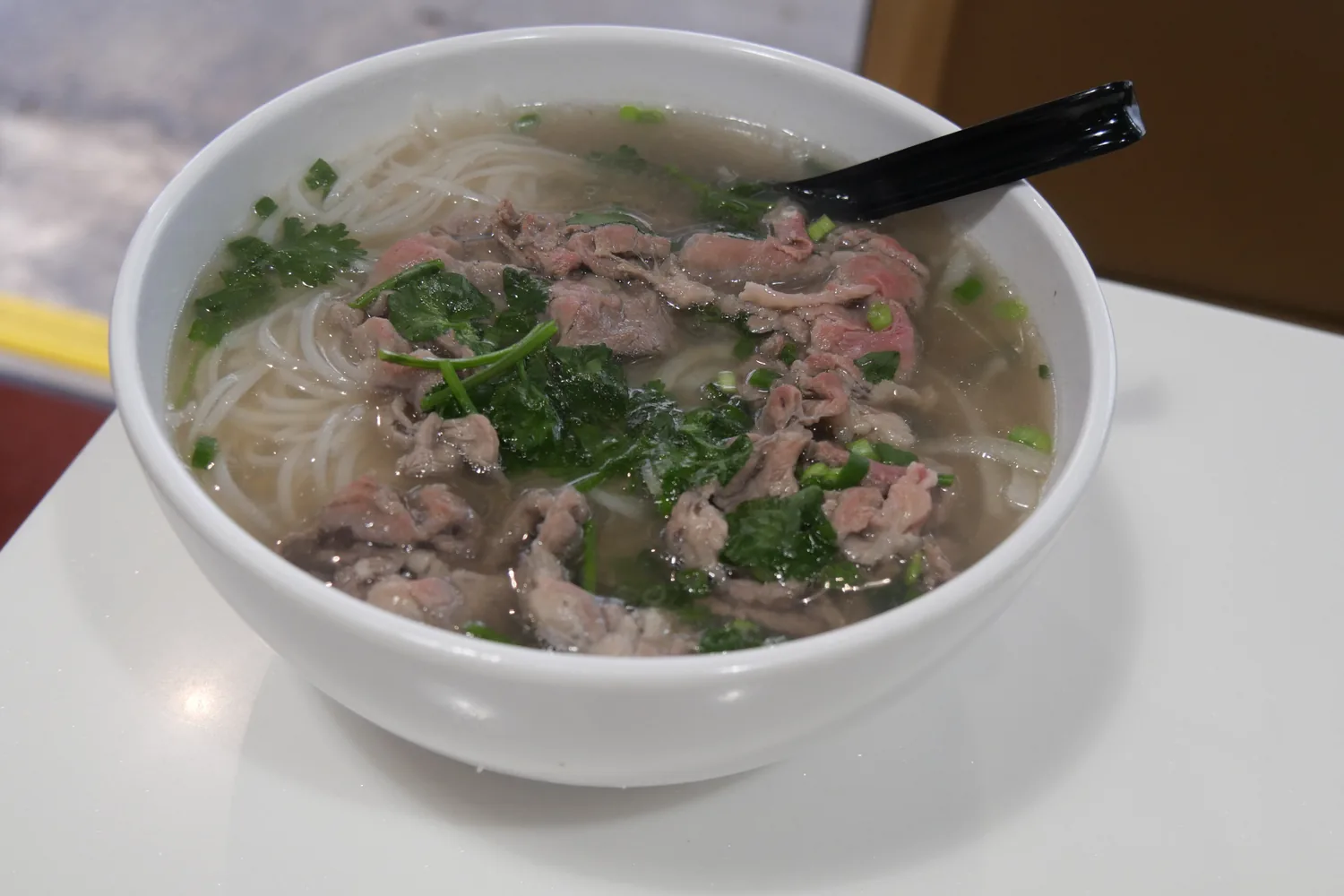
A bowl of Vietnamese phở bò with rare beef, rice noodles and fresh herbs Vietnam flag Vietnam 3h 30m
Breakfast •Hanoi Heritage

Phở Bò Tái Nạm

Slow-simmered star anise and cinnamon bone broth with hand-cut rice noodles, supplying clean restorative warmth and collagen. One serving is about 775 g.

Immunity & Warming

Slow-simmered bone broth with rice noodles, rare beef and fresh herbs.

Pairs Well With
Crispy quẩy, fresh lime & sawtooth coriander
Soups & Broths • High Protein
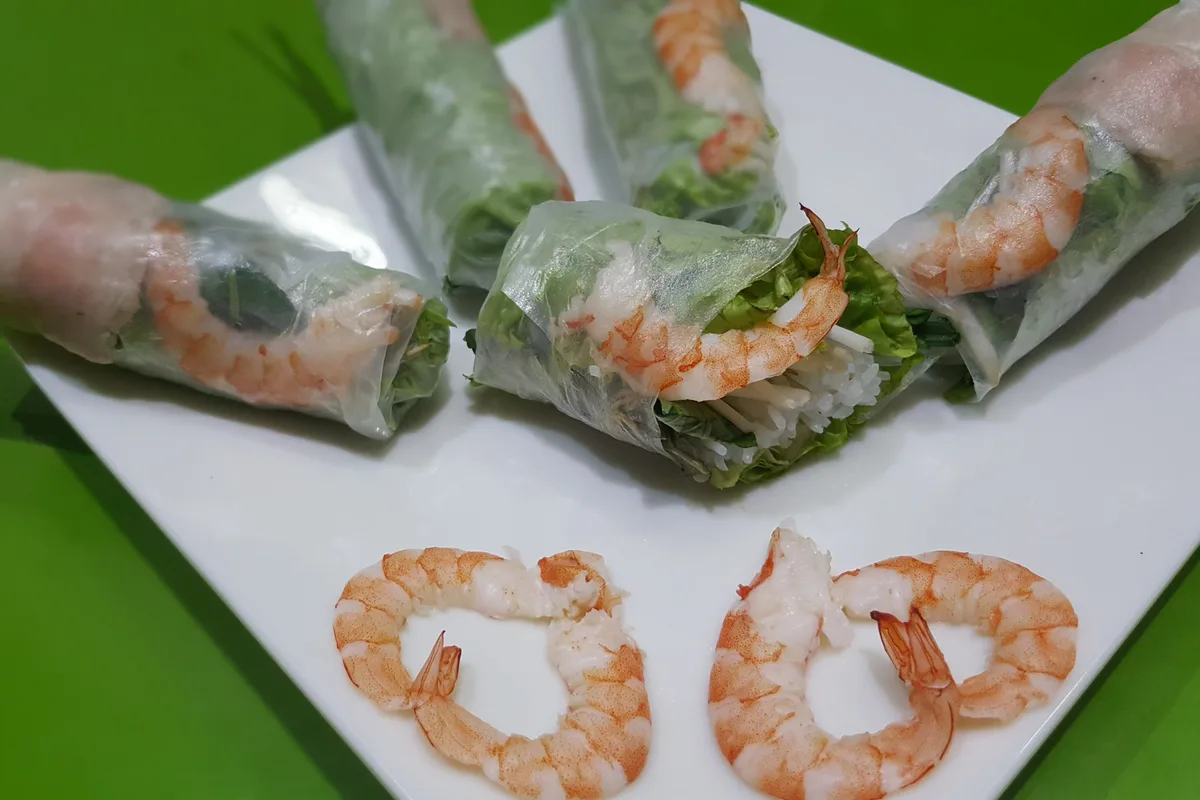
Gỏi cuốn — Vietnamese fresh spring rolls with prawn and pork Vietnam flag Vietnam 1h 5m
Snack & Tea •Saigon Refresh

Gỏi Cuốn Tôm Thịt

Fresh rice paper rolls filled with poached prawns, tender pork, rice vermicelli, lettuce, herbs and carrot, served with a peanut dipping sauce.

Light Digestion

Nothing is fried, so the rolls stay light and fresh — a cool, herb-filled snack for hot days.

Pairs Well With
Artisanal Peanut Dip & Fresh Lotus Root Water
High Protein
Vietnamese braised pork belly with golden eggs in caramel sauce Vietnam flag Vietnam 1h 45m
Dinner •One Pot

Vietnamese Braised Pork and Eggs

Pork belly slowly braised in coconut water and caramel until meltingly tender, with golden eggs that soak up the sweet-savoury sauce — the Vietnamese family dish that tastes better the next day.

Comfort & Sustained Energy

Slow-braised pork belly and eggs in coconut water and caramel.

Pairs Well With
Steamed rice & pickled mustard greens
High Protein
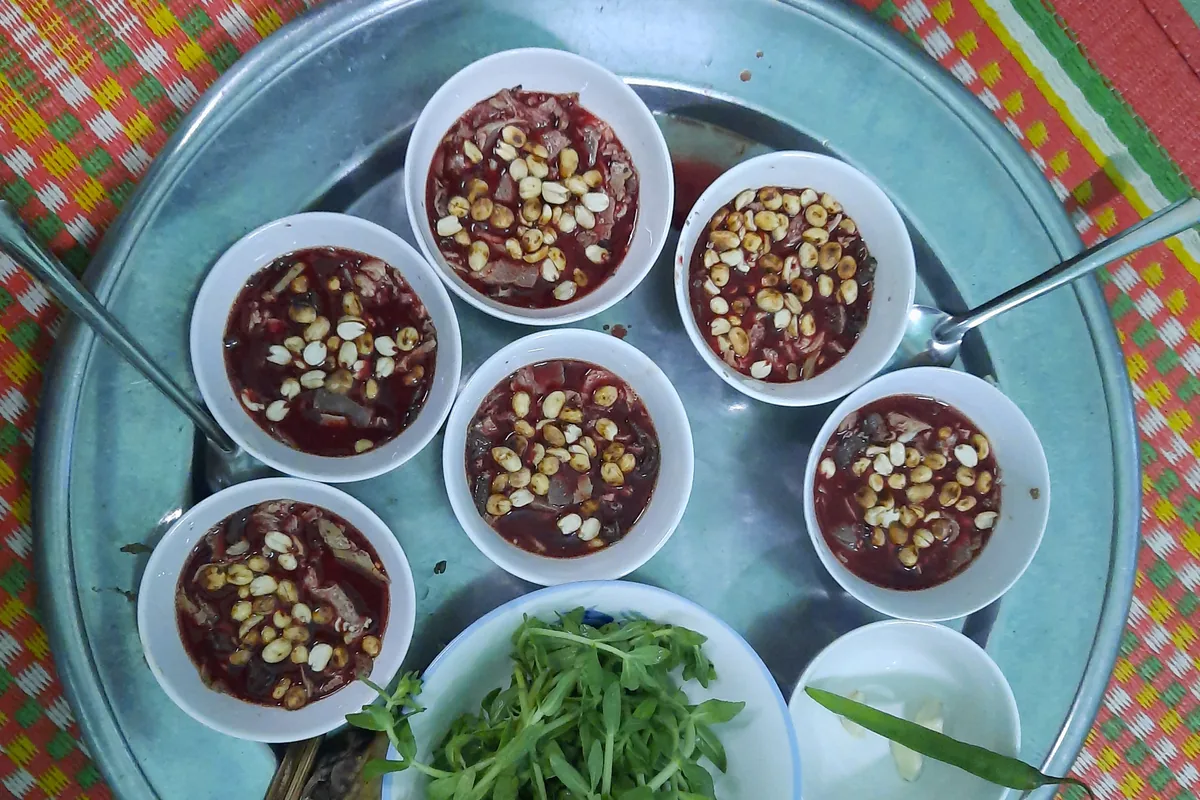
Six small bowls of Vietnamese duck blood pudding topped with roasted peanuts, with fresh herbs and a green chili on a metal tray Vietnam flag Vietnam 1h 10m
Snack & Tea •Hanoi Heritage

Vietnamese Tiết Canh

WARNING: This dish is made from raw duck blood and eating it is NOT recommended. Raw blood can carry Streptococcus suis (which causes meningitis and sepsis — people in Vietnam have died after eating pig-blood tiet canh), avian influenza from duck blood, salmonella and other dangerous germs. Vietnam's Ministry of Health advises against eating tiet canh, and no preparation method — not even blood from a fresh or trusted source — makes raw blood fully safe. This page describes the traditional Hanoi preparation, tiết canh vịt, for cultural knowledge only. One serving is about 241 g: a small bowl of fresh duck blood mixed with fish sauce, poured over finely chopped cooked duck meat and left to set into a soft, trembling jelly, then finished with crushed roasted peanuts, fresh herbs, lime and chili, and served cold.

Cultural Discovery

A traditional northern Vietnamese snack of raw duck blood set into a soft jelly with cooked duck meat, herbs and peanuts — described here for cultural knowledge, with a serious safety warning.

Pairs Well With
Fresh herbs, lime wedges, sliced chili and rice crackers on the side.

The Dinner Gazette

Never wonder what’s for dinner again

One email a week with easy dinner ideas from around the world — ingredients, steps and nutrition, tested in our kitchen first.

Delivered every Thursday morning. Unsubscribe anytime.