Curated recipes from 193 countries  •  New seasonal Mediterranean issue out now

Overview

Chad Beef Shank Stew

Jarret de Bœuf, Chadian Slow-Braised Beef Shank

Chad beef shank stew is a slow pot of bone-in beef shank — known in Chad as jarret de bœuf — simmered for hours with tomato, onion, carrot, sweet potato and eggplant until the meat falls from the bone and the broth turns silky. It is Sunday food: unhurried, generous and made to be shared. One serving is about 500 g.

Jarret de bœuf — beef shank — is the cut Chadian cooks reach for when a meal must feed many and cost little: a tough, bony cut that a long, slow simmer turns tender and rich. Chad's French colonial history left its mark on the name, but the cooking is Sahelian — one pot, local vegetables like sweet potato and eggplant, and a staple of millet or rice to carry the broth. It is the kind of dish that starts on the stove in the morning and is ready when the family gathers.

Pairs well with: Steamed millet or rice, tomato and onion salad, mint tea

Provenance

Chad flag Chad

Chadian Family Cooking

African Heritage

Time Dedication

3h

30m prep • 150m cook

Batch Yield

6 Servings

402 kcal per serving

1 serving ≈ 500 g

Technical Skill

Intermediate

Intermediate (Long Braise)

Meal Timing & Digestive Fit

Breakfast

Not Advised

Lunch

Hearty Midday Main

Dinner

Ideal Hearty Main

Snack & Tea

Inappropriate

High Protein Occasions: Sunday family dinners, festive meals, cold evenings, recovery meals Cost: Medium — about $4–5 per serving at home
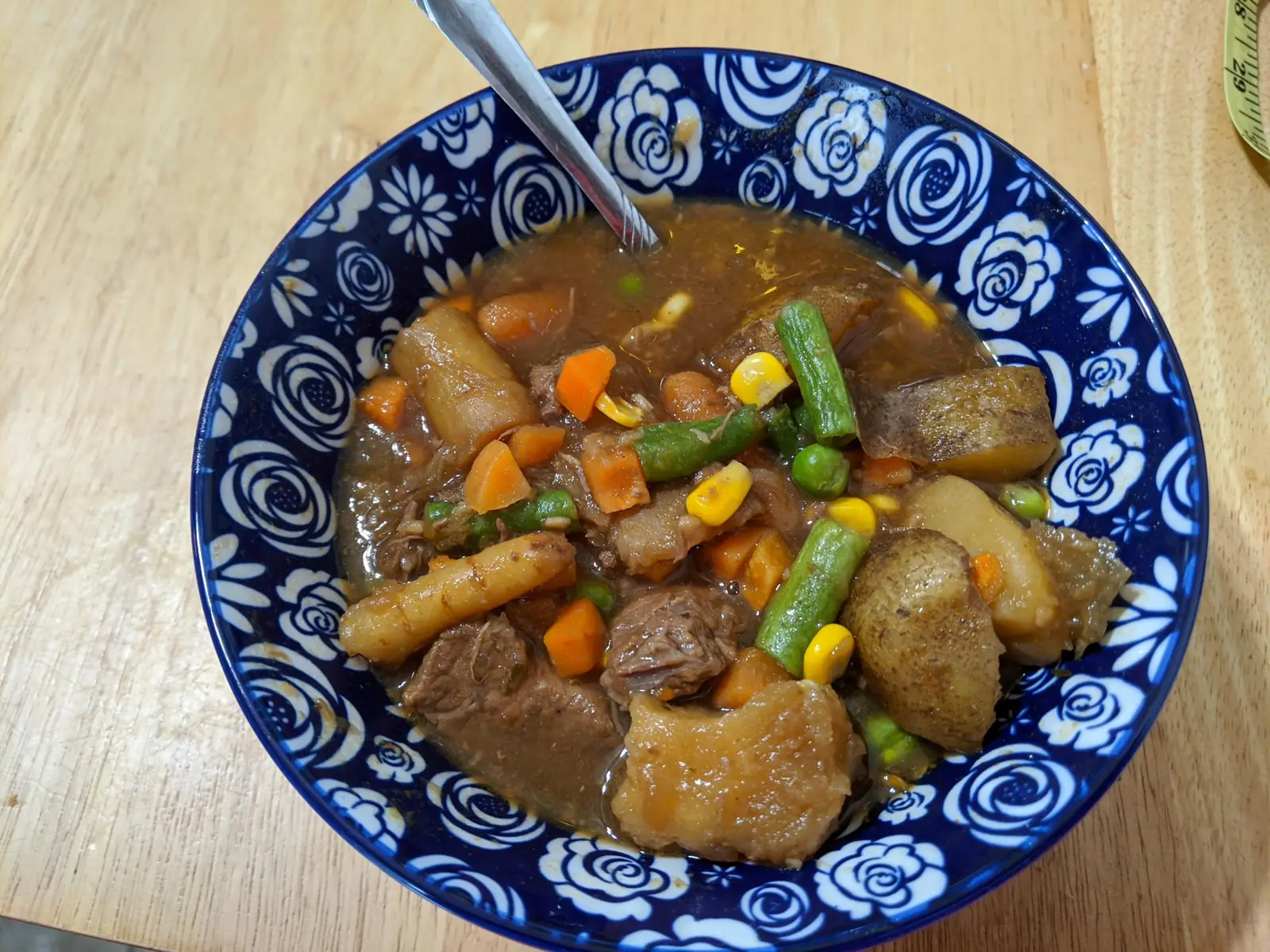
A bowl of beef stew with chunks of beef, potato, carrot and green beans in a rich brown broth

Chadian Family Cooking

Photo: 3steph14, CC BY-SA 4.0, via Wikimedia Commons

The Heritage Formulary

Measured Ingredients

Estimated cost: Medium — about $4–5 per serving at home (USD)

A good shank stew is judged by the meat: it should yield to a fork and slip from the bone, with a broth that coats the spoon rather than running thin.

Execution Methodology & Culinary Technique

Step-by-Step Cooking Guide

Active 3h
P

Prep Stage: Trim, Dry and Chop

30 Mins • Knife Work & Trimming

Trim the thickest fat from the shank, rinse and pat the meat dry — dry meat browns, wet meat steams. Slice the onions, mince the garlic, chop the tomatoes and cut the carrot, sweet potato and eggplant into even cubes so they cook at the same pace.

Maestro Tip: Pat the shank very dry with paper towels before it touches the pot; a dry surface is what gives you a deep brown crust.

  1. 1

    Brown the Shank

    15 Mins Medium-high heat, ~190°C (375°F)

    Heat the oil in a large heavy pot or Dutch oven over medium-high heat until it shimmers. Season the shank pieces with half the salt and the black pepper, then brown them in batches, about 4 minutes a side, until deep brown all over. Lift out and set aside.

    Brown in batches and never crowd the pot — crowded meat steams grey instead of browning, and the crust is where the flavour lives.

    Done when: Deep brown crust on all sides; the pot bottom is coated with browned bits.

  2. 2

    Build the Braising Liquid

    10 Mins Medium heat, ~160°C (320°F)

    Lower the heat to medium, add half the sliced onion and cook 4 minutes until soft, then add the garlic, tomato paste and cumin and cook 1 minute more. Add the tomatoes and 1.2 litres of water, scraping the browned bits off the bottom of the pot.

    Scraping up the browned bits — the fond — is the cheapest flavour in the pot. Do it properly before the meat goes back in.

    Done when: The pot bottom is clean, the tomatoes are breaking down and the liquid is brick-red.

  3. 3

    Slow-Braise for Two Hours

    2 Hours Low heat, bare simmer ~95°C (203°F)

    Return the shank to the pot with the bay leaves and the remaining salt. Bring to a gentle simmer, cover with the lid slightly ajar and cook on the lowest heat for 2 hours, turning the meat once halfway. The meat must stay below a boil the whole time.

    A bare simmer — a bubble breaking the surface every few seconds — is the whole secret. Boiling toughens shank instead of tenderising it.

    Done when: The meat yields easily to a fork and the broth has turned silky.

  4. 4

    Add the Vegetables

    30 Mins Gentle simmer, ~95°C (203°F); meat above 74°C (165°F)

    Add the carrot, sweet potato and eggplant, with the remaining sliced onion, and simmer 30 minutes more until the vegetables are tender. The beef's internal temperature should be well above 74°C (165°F) — after 2 hours it will be, but check the thickest piece if you are unsure.

    Add the vegetables late, not at the start — two and a half hours would turn sweet potato into soup.

    Done when: Vegetables are tender, the meat slips from the bone, and the broth coats a spoon.

  5. 5

    Pull the Meat and Serve

    10 Mins Serving temperature, above 63°C (145°F)

    Lift the shanks out, pull the meat from the bones in large pieces and return it to the pot. Fish out the bay leaves, stir in the lemon juice and taste for salt. Serve in wide bowls with the broth ladled over.

    Taste the broth only after the lemon goes in — the acid changes the salt balance, and most stews need less salt than you think at this point.

    Done when: Meat in tender pieces, broth balanced — savoury first, with a bright finish from the lemon.

Finishing Touches & Plating

Lift the shanks out, pull the meat from the bone in large pieces and return it to the pot. Taste and adjust the salt, stir in the lemon juice, and serve in wide bowls with steamed millet or rice and the cooking broth ladled over.
Nutritional Physiology & Benefits

Nutrition

Energy

402

kcal / serving

Protein

36g

Complete AA

Carbs

25g

Complex

Fats

18g

Healthy

Per serving (6 servings · 1 serving ≈ 500 g)
Energy402 kcal
Protein36 g
Carbohydrates25 g
Fat18 g
Fibre5.5 g
Sugar9.4 g
Sodium508 mg
Per 100g
Energy80 kcal
Protein7.3 g
Carbohydrates5 g
Fat3.5 g
Fibre1.1 g
Sugar1.9 g
Sodium102 mg

Nutrition values are estimated — calculated from USDA FoodData Central values for the listed ingredients.

Vitamins & minerals: Vitamin A (sweet potato, carrot, tomato), vitamin C (tomato, eggplant, lemon), iron and zinc (beef), potassium (sweet potato, tomato).

High-Protein Slow Braise

Bone-in shank is rich in protein — about 36.4 g per serving — and the long, slow braise turns its collagen into a silky broth.

Iron, Zinc and Vitamins

Beef supplies iron and zinc, and the tomato, sweet potato and eggplant in the same pot add vitamin A, vitamin C and fibre.

Vegetables in Every Bowl

Carrot, sweet potato and eggplant give about 5.5 g of fibre per serving, which helps the rich stew feel balanced rather than heavy.

Food Pairings

What to Eat With

To optimize nutrient absorption and elevate the sensory depth, pair with these authentic accompaniments:

Sides

Steamed Millet

Millet is the traditional Chadian partner for a braised stew: it soaks up the broth and turns a bowl of meat into a full meal.

Kisra (Sorghum Flatbread)

Torn kisra scoops the meat and broth together, and its gentle sourness lifts the stew the way lemon does.

Vegetables

Tomato and Onion Salad

Raw tomato and onion with a pinch of salt give sharp acidity and crunch, which cuts through the richness of the slow-braised beef.

Drinks

Sweet Mint Tea

Sweet mint tea is the Sahel's way of closing a rich meal — warm, sweet and refreshing after the savoury stew.

Complete menu

Serve the shank stew as the main dish with steamed millet, a tomato and onion salad, and sliced cucumber; finish with fresh mango and mint tea.

Digestive Guardrails

What NOT to Combine

To prevent digestive distress, sluggishness, or palate clash, avoid pairing the dish with these elements:

Very Sweet Drinks with the Meal

A very sweet drink on top of a rich beef stew adds a lot of sugar and can make the meal feel heavy. Water or unsweetened tea lets the stew's own flavour stand. This is general nutrition information, not medical advice.

Raw Onion and Raw Chilli for Sensitive Stomachs

Raw onion and raw chilli sprinkled over the stew are traditional in some places, but for young children and anyone with a sensitive stomach they can cause discomfort — serve them on the side instead. This is general nutrition information, not medical advice.

General information only, not medical advice — consult a doctor for personal dietary decisions.

Who Should Eat It

Who Should Eat

  • General adultsA hearty, protein-rich dinner — about 36.4 g of protein per serving with vegetables and broth.
  • ChildrenSuitable from age 2+ if you leave out the chilli flakes and serve the meat shredded; the long braise makes the shank very tender.
  • ElderlyVery suitable — the meat is fall-apart tender and the vegetables are soft; serve with well-cooked millet or rice and watch the salt.
  • Pregnant womenGenerally suitable; the beef must be cooked through until tender (it will be, after 2 hours) and the iron is valuable. Eat the stew hot and freshly made.
  • Breastfeeding womenGenerally suitable; the protein and iron support recovery. Keep the chilli gentle if your baby is sensitive to spice.
  • AthletesAn excellent post-training meal: about 36.4 g of protein and 24.9 g of carbohydrate per serving, plus iron and zinc from the beef.
  • Weight gainA strong choice — generous protein and energy; have a full portion with millet and the cooking broth.
  • Weight lossKeep the portion to one bowl, favour the vegetables and broth, and go easy on the millet; the shank is satisfying but the stew is rich.

Health Conditions — Adjust or Avoid

Conditions

  • DiabetesThe sweet potato is the main carbohydrate here; keep to the stated portion and fill the bowl with the other vegetables. Ask your clinician about portion size.
  • High blood pressureDo not add extra salt — the stew already carries about 508 mg of sodium per serving — and drink the broth in moderation, as most of the salt sits in it.
  • Kidney diseaseBeef and its broth are high in protein, potassium and purines; keep the portion small and ask your clinician whether this stew fits your plan.
  • GoutBeef and rich meat broth are high in purines, so eat this stew occasionally and in a modest portion; ask your clinician if you have frequent flares.
  • Stomach issuesThe long braise is gentle, but skip the chilli flakes and go easy on raw onion if your stomach is sensitive; the cooked vegetables are usually well tolerated.
  • Cardiovascular diseaseShank is a leaner cut once trimmed, but the stew is rich — keep the portion moderate, trim visible fat, and favour the vegetables.
  • Fatty liverKeep the portion to one bowl, trim the fat from the shank before cooking, and fill the plate with the vegetables rather than extra millet.
  • Food allergiesContains no gluten, egg, milk, peanut or soy as written. Check the bouillon or spice blends if you add any, as some contain wheat or celery.
  • Special therapeutic dietsIf you follow a prescribed low-purine or low-protein diet, use a smaller portion and more vegetables, and check with your clinician.

If you have a medical condition, consult your doctor before changing your diet.

Storage & Use

Storage & Use

How to store
Cool within 2 hours and store the meat in its broth in an airtight container.
In the fridge
3–4 days.
In the freezer
Up to 3 months.
How to reheat
Reheat gently on the stove until it reaches 74°C (165°F) throughout; add a splash of water if the broth has thickened. Do not reheat more than once.
Freezing recommended
Yes — this stew freezes very well for up to 3 months; thaw overnight in the fridge.
Signs it has spoiled
Sour or off smell, slimy meat, or mould on the surface of the broth.

More recipes to explore

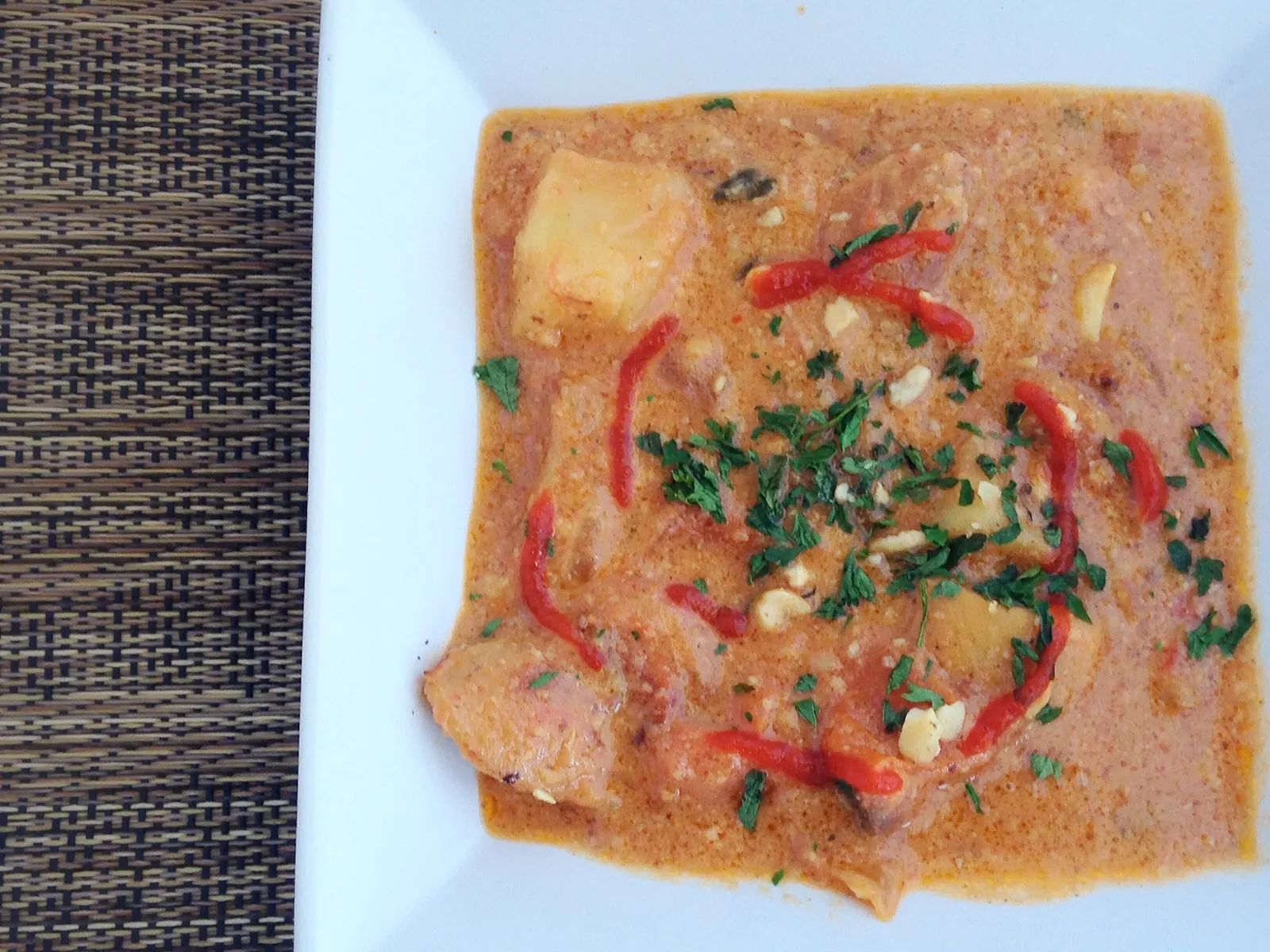
A white plate of creamy peanut stew with vegetables, red pepper strips and chopped herbs Chad flag Chad 1h
Dinner •Chadian Home Cooking

Daraba

Daraba is Chad's everyday one-pot stew: okra, tomato, sweet potato, eggplant and leafy greens simmered together, then folded into a creamy peanut sauce. It is the kind of cooking that asks for one pot, a wooden spoon and half an hour of patience. One serving is about 550 g.

Comfort & Warmth

A one-pot peanut, okra and vegetable stew from Chad, thickened naturally by okra and finished with peanut butter.

Pairs Well With
Steamed millet, white rice or kisra, with lemon wedges on the side
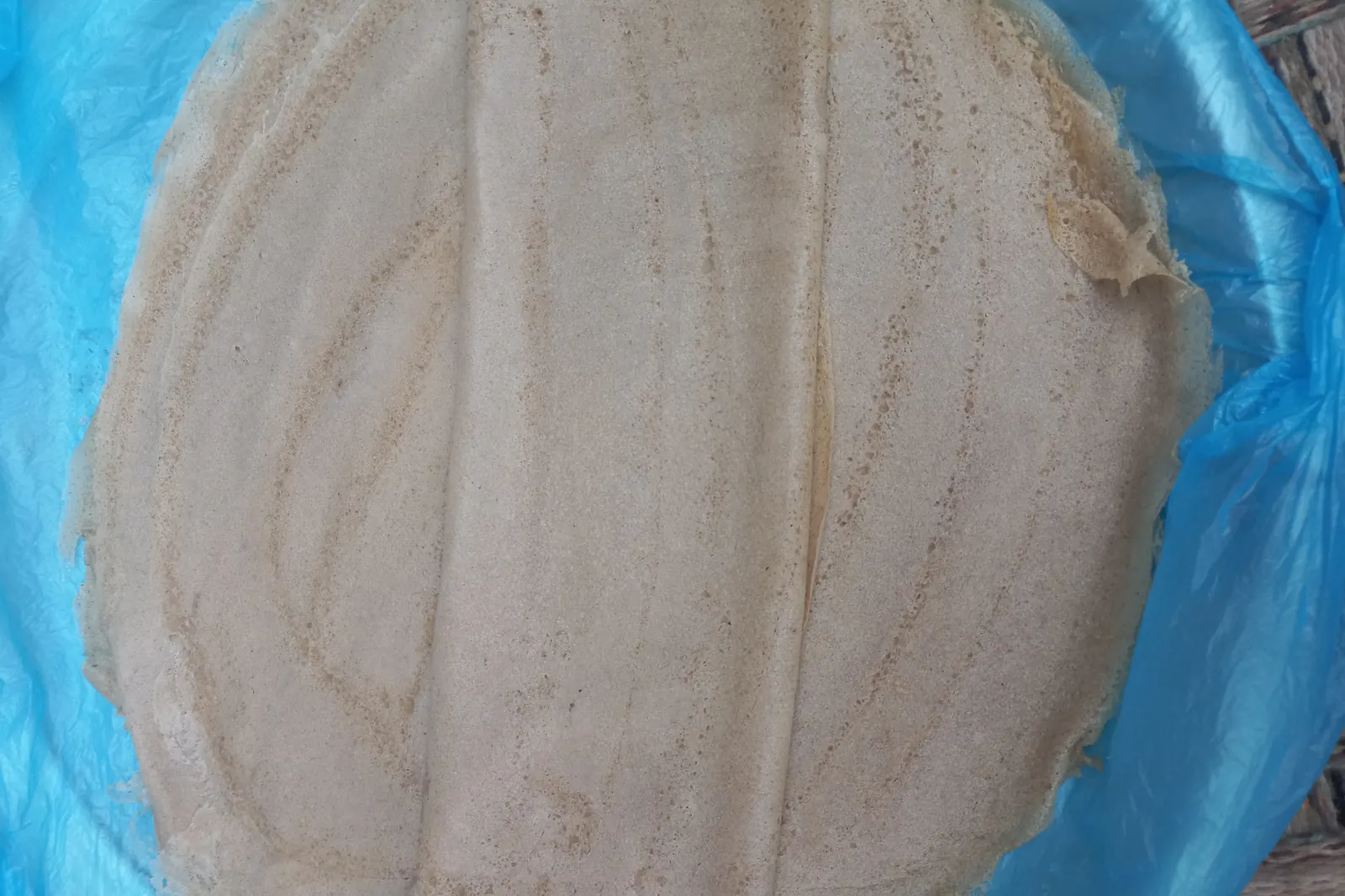
Folded sheets of pale, thin kisra sorghum flatbread on a blue cloth Chad flag Chad 45m
Breakfast •Chadian & Sudanese Staple

Kisra

Kisra is the paper-thin fermented sorghum bread of Chad and Sudan: a smooth batter left overnight to turn pleasantly sour, then spread on a hot griddle and cooked in about a minute a sheet. It tears easily and is made for scooping stews. One serving is about 140 g (two sheets).

Everyday Staple

A thin fermented sorghum flatbread from Chad and Sudan, cooked on a hot griddle in about a minute per sheet.

Pairs Well With
Daraba, beef shank stew, or any Chadian sauce, with mint tea
Bœuf bourguignon — French beef braised in red wine France flag France 4h
Dinner •Burgundy Terroir

Bœuf Bourguignon

Beef braised gently in red wine until the connective tissue melts into a velvet, gelatin-rich sauce — the classic Burgundy Sunday dinner.

Cellular Repair

Beef braised in red wine until spoon-tender, with mushrooms and pearl onions.

Pairs Well With
Parsnip Purée & Steamed French Haricots Verts
High Protein
Vietnamese braised pork belly with golden eggs in caramel sauce Vietnam flag Vietnam 1h 45m
Dinner •One Pot

Vietnamese Braised Pork and Eggs

Pork belly slowly braised in coconut water and caramel until meltingly tender, with golden eggs that soak up the sweet-savoury sauce — the Vietnamese family dish that tastes better the next day.

Comfort & Sustained Energy

Slow-braised pork belly and eggs in coconut water and caramel.

Pairs Well With
Steamed rice & pickled mustard greens
High Protein

The Dinner Gazette

Never wonder what’s for dinner again

One email a week with easy dinner ideas from around the world — ingredients, steps and nutrition, tested in our kitchen first.

Delivered every Thursday morning. Unsubscribe anytime.