
Curated recipes from 193 countries  •  New seasonal Mediterranean issue out now

Overview

Kisra

Kissra, Sudanese Sorghum Flatbread

Kisra is the paper-thin fermented sorghum bread of Chad and Sudan: a smooth batter left overnight to turn pleasantly sour, then spread on a hot griddle and cooked in about a minute a sheet. It tears easily and is made for scooping stews. One serving is about 140 g (two sheets).

Kisra is the daily bread of Sudan, South Sudan and Chad, made from sorghum — the hardy grain that thrives where wheat will not. The batter is left to ferment overnight, a tradition shared with Ethiopian injera, and the same fermented base can be cooked thin into kisra rhaheefa sheets or thickened into a porridge called aseeda. A portion of one batch, the khammar, is kept to start the next, so a household's starter can live for years.

Pairs well with: Daraba, beef shank stew, or any Chadian sauce, with mint tea

Provenance

Chad flag Chad

Chadian & Sudanese Staple

African Heritage

Time Dedication

45m

20m prep • 25m cook

Batch Yield

6 Servings

194 kcal per serving

1 serving ≈ 140 g

Technical Skill

Intermediate

Intermediate (Fermentation + Spreading)

Meal Timing & Digestive Fit

Breakfast

Prime Morning Fit

Lunch

Inappropriate

Dinner

Inappropriate

Snack & Tea

Inappropriate

Occasions: Breakfast, family mornings, serving with stews, Ramadan and festive meals Cost: Very low — about $0.30–0.50 per serving at home
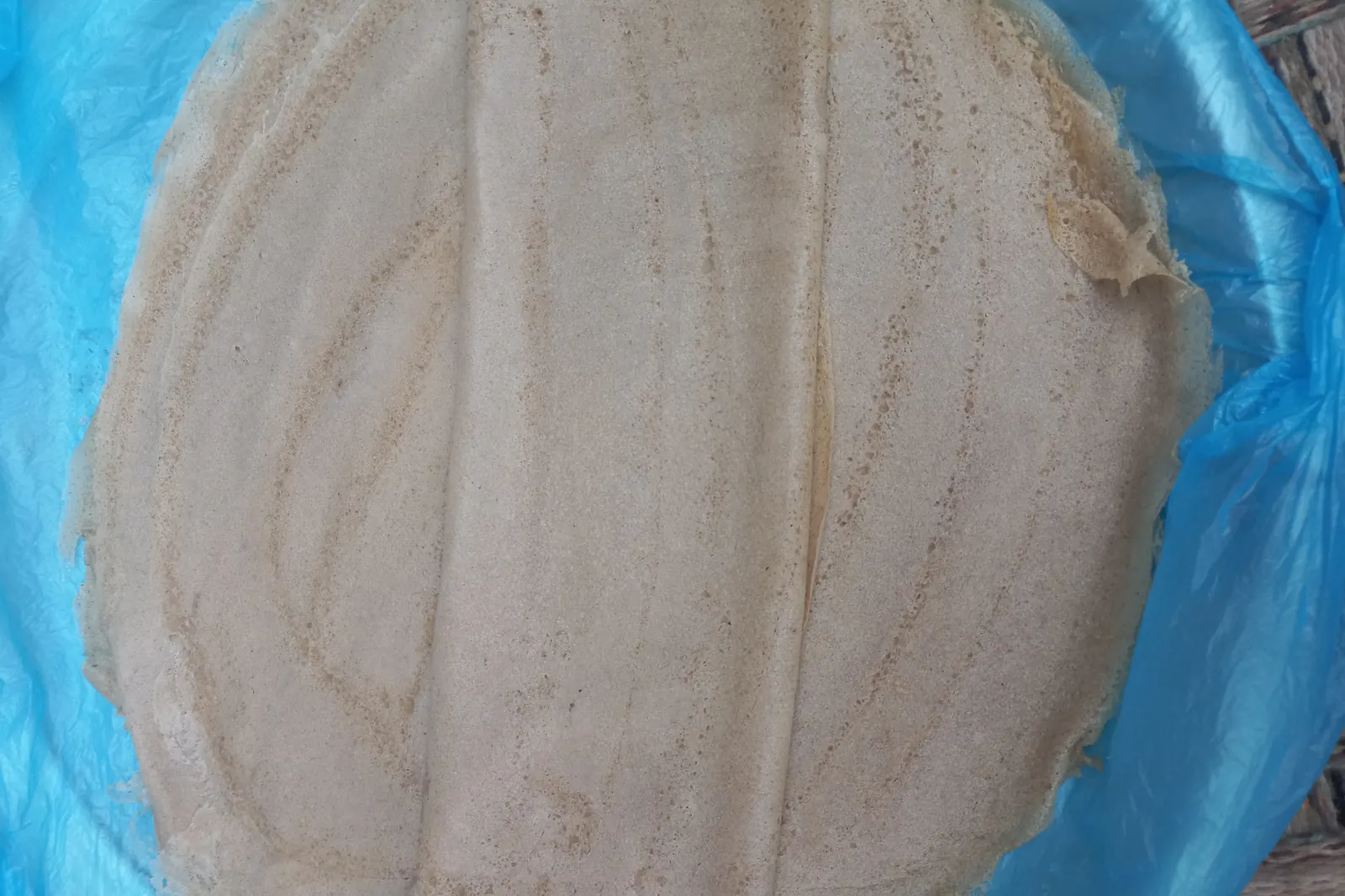
Folded sheets of pale, thin kisra sorghum flatbread on a blue cloth

Chadian & Sudanese Staple

Photo: Marwa Siddig Aljally Altaueb, CC0, via Wikimedia Commons

The Heritage Formulary

Measured Ingredients

Estimated cost: Very low — about $0.30–0.50 per serving at home (USD)

A good kisra is paper-thin, flexible enough to fold without cracking, and gently sour — never thick, stiff or bland.

Execution Methodology & Culinary Technique

Step-by-Step Cooking Guide

Active 45m
P

Prep Stage: Mix the Batter and Let It Ferment

20 Mins Active + 12–18 Hours Fermenting • Whisk & Wait

Whisk the sorghum flour and wheat flour with 710 ml of warm water until completely smooth — no lumps at all. Whisk in the optional yeast, cover loosely with a clean cloth, and leave the bowl in a warm spot for 12–18 hours. The batter is ready when the surface is bubbly and it smells pleasantly sour, like mild yogurt.

Maestro Tip: Do not seal the bowl tightly — the fermenting batter releases gas, and a loose cloth lets it breathe while keeping dust out.

  1. 1

    Ferment the Batter Overnight

    12–18 Hours (Passive) Room temperature, warm spot ~22–28°C (72–82°F)

    Whisk the sorghum flour, wheat flour and 710 ml warm water (about 35°C / 95°F) in a large bowl until smooth. Whisk in the optional yeast, cover loosely with a clean cloth and leave in a warm place for 12–18 hours, until the surface is bubbly and the batter smells pleasantly sour.

    In a cool kitchen give it the full 18 hours; in a hot kitchen 12 hours is enough. If it races ahead, refrigerate the batter after 10–12 hours.

    Done when: Bubbles across the surface and a mild, yogurt-like sour smell.

  2. 2

    Thin the Batter

    5 Mins Room temperature

    The next morning, stir the salt into the batter, then whisk in the 120 ml of cool water a little at a time until the batter flows like heavy cream — thin enough to pour, thick enough to coat a spoon.

    Salt goes in only now, after fermenting — salt added the night before slows the fermentation.

    Done when: Batter ribbons off the whisk and smooths itself flat in seconds.

  3. 3

    Spread the First Sheet

    10 Mins (for the batch) Medium heat, griddle ~200°C (400°F)

    Set a wide flat griddle or large non-stick pan over medium heat until hot, about 200°C (400°F). Wipe it with a thin film of oil using the oiled paper towel, then pour about 60 ml (1/4 cup) of batter at the far edge and spread it at once into a thin round, 25–30 cm across, with a flat spatula or the back of a ladle.

    Work fast — the batter sets within seconds on a hot griddle. If it tears, the batter is too thick; whisk in a spoonful more water.

    Done when: A paper-thin round, even and translucent at the edges.

  4. 4

    Cook the Sheets, One Side Only

    15 Mins Medium heat, griddle ~200°C (400°F)

    Cook on one side only, about 45–60 seconds, until the edges lift and curl and the top looks set and matte. Lift the sheet off with a spatula, fold it in half and lay it in a cloth-lined basket. Wipe the griddle with oil and repeat until the batter is gone — about 12 sheets.

    Do not flip kisra — it is cooked on one side only, which is what keeps the top soft and porous. Keep the stack covered so the sheets stay flexible.

    Done when: Edges curl up, surface is dry and matte, and the sheet folds without cracking.

Finishing Touches & Plating

Stack the finished sheets in a clean cloth as you cook, folding each one in half so it stays soft. Serve warm the same morning, torn into pieces for scooping daraba, okra stew or any Chadian sauce.

Nutritional Physiology & Benefits

Nutrition

Energy

194

kcal / serving

Protein

6g

Complete AA

Carbs

39g

Complex

Fats

3g

Healthy

Per serving (6 servings · 1 serving ≈ 140 g)
Energy194 kcal
Protein6 g
Carbohydrates39 g
Fat3 g
Fibre3.2 g
Sugar1.1 g
Sodium195 mg
Per 100g
Energy139 kcal
Protein4.1 g
Carbohydrates27.8 g
Fat2.3 g
Fibre2.3 g
Sugar0.8 g
Sodium140 mg

Nutrition values are estimated — calculated from USDA FoodData Central values for the listed ingredients.

Vitamins & minerals: B vitamins and iron (sorghum), magnesium and phosphorus (sorghum, wheat flour), small amounts of vitamin E (oil).

Whole-Grain Fibre

Sorghum is a whole grain, and each serving carries about 3.2 g of fibre from the flour alone.

Naturally Fermented

The overnight fermentation by lactic acid bacteria and wild yeasts gives kisra its gentle sour flavour and makes the grain easier to digest.

Gentle, Easy-to-Eat Bread

Sorghum is naturally gluten-free on its own; this version adds a small amount of wheat flour for pliability, so it is not a gluten-free bread — see the allergy note below.

Food Pairings

What to Eat With

To optimize nutrient absorption and elevate the sensory depth, pair with these authentic accompaniments:

Sides

Daraba (Peanut & Okra Stew)

Daraba is kisra's classic partner: the sour, paper-thin sheet scoops the creamy peanut stew, and the tang cuts the richness.

Vegetables

Tomato and Cucumber Salad

Fresh tomato, onion and cucumber give crunch and acidity next to the soft, mild bread, and they need no cooking at all.

Drinks

Sweet Mint Tea

Sweet mint tea is the morning drink across the Sahel; its warmth and sweetness balance kisra's gentle sourness.

Full Menus

Beef Shank Stew for Breakfast

Tear kisra over a bowl of beef shank stew so the sheets soak up the broth — the bread becomes part of the meal, not just a side.

Complete menu

Serve kisra warm with daraba or a beef shank stew for breakfast, plus sliced tomato and cucumber on the side and sweetened mint tea to finish.

Digestive Guardrails

What NOT to Combine

To prevent digestive distress, sluggishness, or palate clash, avoid pairing the dish with these elements:

Very Sweet Spreads on Kisra

A very sweet jam or honey spread masks kisra's gentle sour tang and turns a light bread into a sugary snack. Save sweet spreads for other breads. This is general nutrition information, not medical advice.

Reheating Kisra Dry

Kisra dries out quickly once it cools, and reheating it in a dry pan makes it brittle. Reheat it wrapped in a damp cloth or briefly steamed, and always keep the stack covered. This is general nutrition information, not medical advice.

General information only, not medical advice — consult a doctor for personal dietary decisions.

Who Should Eat It

Who Should Eat

  • General adultsA light, tangy bread that pairs with almost any stew; two sheets make a satisfying breakfast portion.
  • ChildrenSuitable from age 1+ once the family eats sorghum — soft, easy to tear and mild in flavour. Serve with stew, not dry, so it is easy to swallow.
  • ElderlyVery suitable — soft, easy to chew and easy to tear; serve fresh and warm with a moist stew.
  • Pregnant womenGenerally suitable; the fermentation and sorghum supply iron and B vitamins. Eat with a protein-rich stew for a balanced meal.
  • Breastfeeding womenGenerally suitable; the whole-grain sorghum gives steady energy. Serve with a protein-rich stew.
  • AthletesA good carbohydrate base — about 38.9 g of carbohydrate per serving — best paired with a protein-rich stew or beans after training.
  • Weight gainEasy to eat more of: have three sheets instead of two and pair with a rich peanut or meat stew.
  • Weight lossStick to two sheets and fill up on the stew and vegetables that go with it; kisra itself is light, at 194 kcal per serving.

Health Conditions — Adjust or Avoid

Conditions

  • DiabetesTwo sheets carry about 38.9 g of carbohydrate; pair with a vegetable or protein stew rather than a starchy one, and ask your clinician about portion size.
  • High blood pressureThe bread itself is low in sodium before salt is added; keep the salt as written and watch salty sauces served with it.
  • Kidney diseaseWhole-grain sorghum contains moderate potassium and phosphorus; keep to the stated portion and ask your clinician whether it fits your plan.
  • GoutA grain-based bread with no meat or purine-rich ingredients, so it is usually a comfortable choice in normal portions.
  • Stomach issuesThe fermentation makes kisra gentle for many people, but if sour foods bother you, use a shorter ferment (12 hours) and eat it with a mild stew.
  • Cardiovascular diseaseLow in fat and free of added sugar; a sound everyday bread when served with vegetables and lean protein.
  • Fatty liverA whole-grain bread with no added sugar; keep the portion to two sheets and pair with vegetables rather than fried foods.
  • Food allergiesContains wheat (gluten) — the small amount of all-purpose flour in this version means it is NOT gluten-free. For a gluten-free kisra, use rice flour instead and confirm all flour is certified gluten-free. Contains no egg, milk, peanut or soy.
  • Special therapeutic dietsIf you follow a gluten-free diet, use the rice-flour version above; for a low-sodium diet, reduce the salt slightly and check with your clinician.

If you have a medical condition, consult your doctor before changing your diet.

Storage & Use

Storage & Use

How to store
Cool, then stack in a clean cloth inside an airtight bag.
In the fridge
2 days, wrapped tightly in a cloth and a bag.
In the freezer
Up to 1 month, stacked with baking paper between sheets.
How to reheat
Warm briefly in a covered pan or wrapped in a damp cloth over steam until soft and warm, about 74°C (165°F) through; do not reheat it dry or it turns brittle.
Freezing recommended
Only if needed — kisra is best fresh, but it freezes acceptably for up to 1 month.
Signs it has spoiled
Sour milk smell stronger than the usual tang, mould spots, or sheets that have dried hard and crack.

More recipes to explore

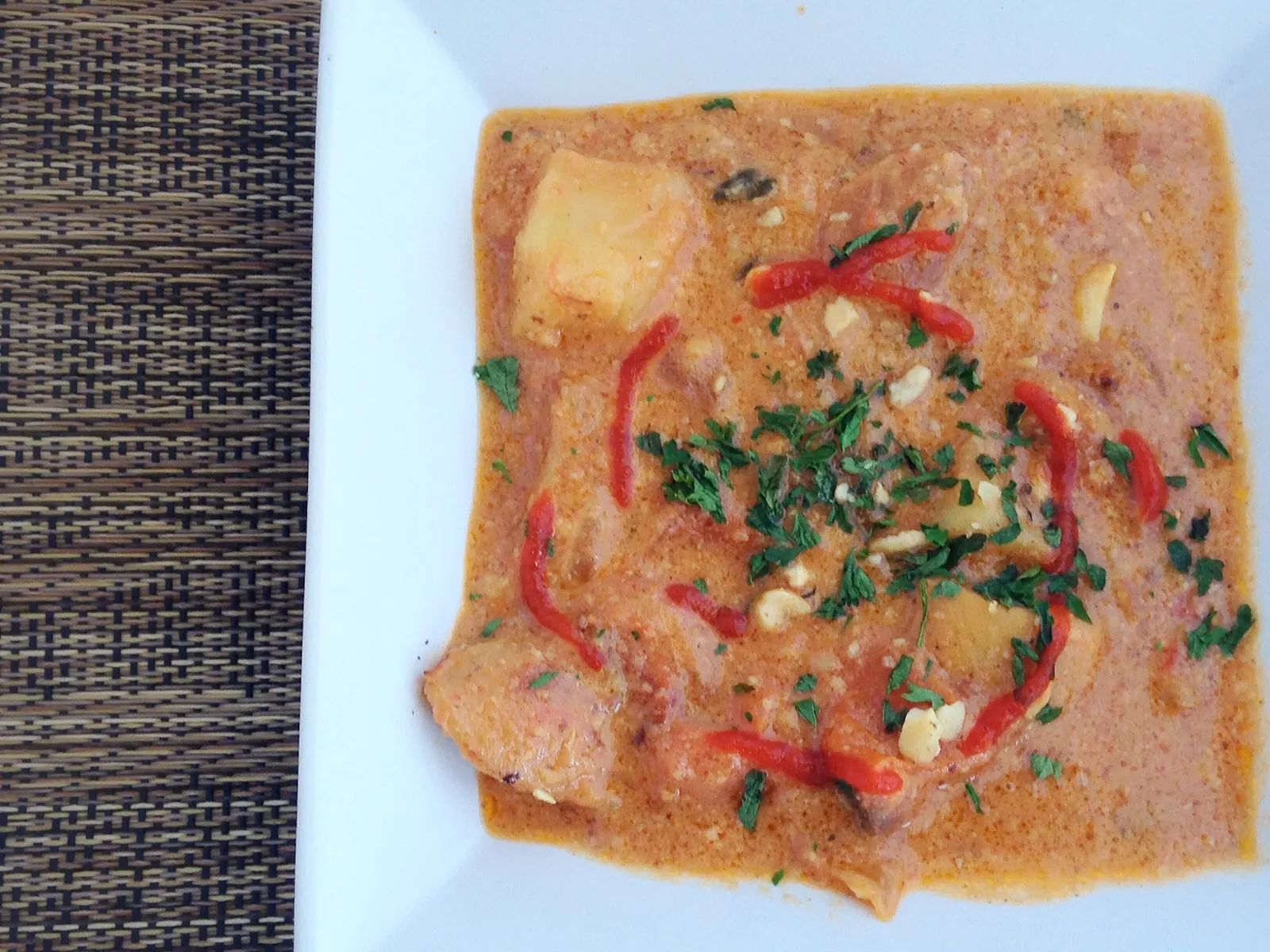
A white plate of creamy peanut stew with vegetables, red pepper strips and chopped herbs Chad flag Chad 1h
Dinner •Chadian Home Cooking

Daraba

Daraba is Chad's everyday one-pot stew: okra, tomato, sweet potato, eggplant and leafy greens simmered together, then folded into a creamy peanut sauce. It is the kind of cooking that asks for one pot, a wooden spoon and half an hour of patience. One serving is about 550 g.

Comfort & Warmth

A one-pot peanut, okra and vegetable stew from Chad, thickened naturally by okra and finished with peanut butter.

Pairs Well With
Steamed millet, white rice or kisra, with lemon wedges on the side
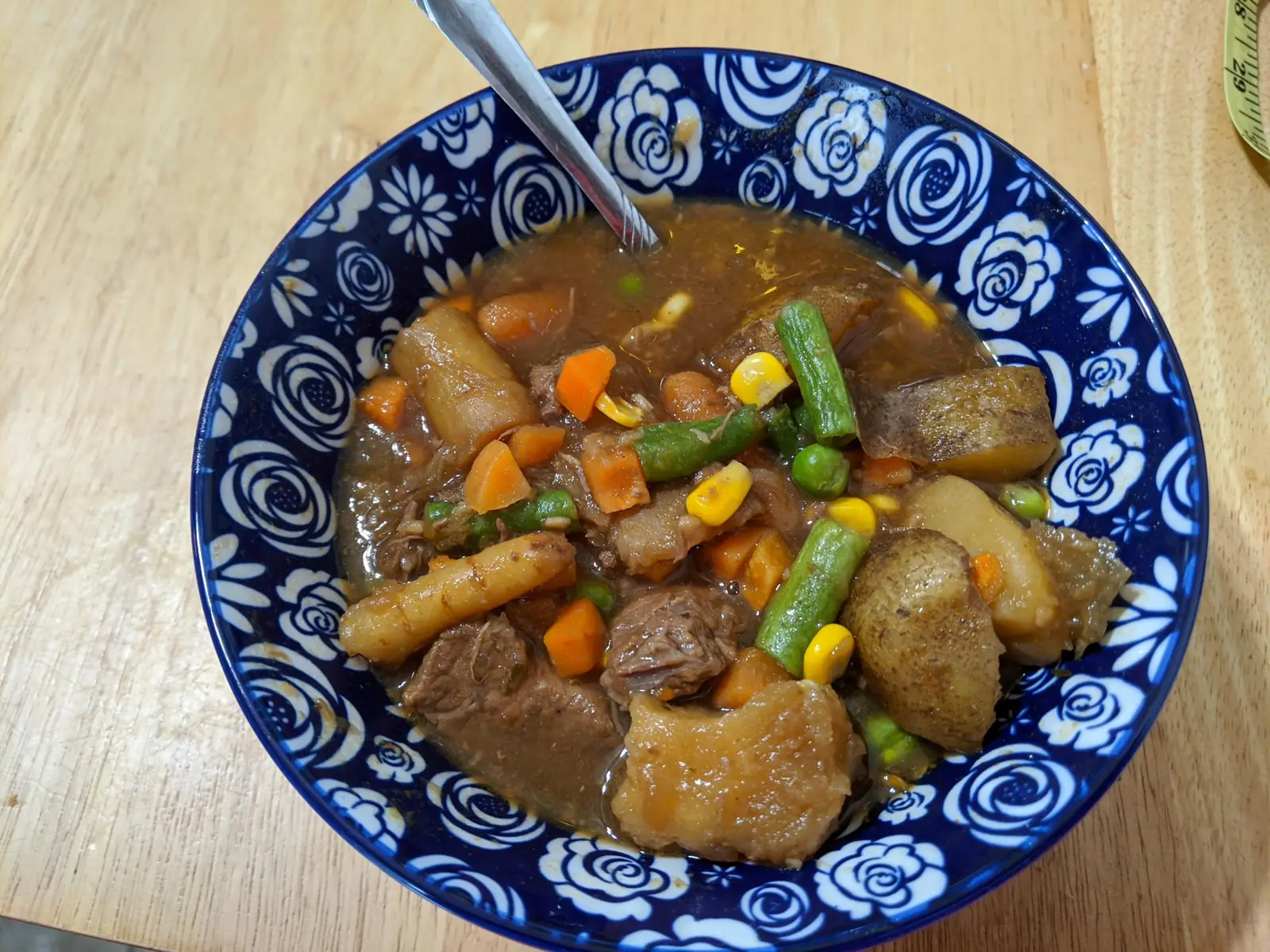
A bowl of beef stew with chunks of beef, potato, carrot and green beans in a rich brown broth Chad flag Chad 3h
Dinner •Chadian Family Cooking

Chad Beef Shank Stew

Chad beef shank stew is a slow pot of bone-in beef shank — known in Chad as jarret de bœuf — simmered for hours with tomato, onion, carrot, sweet potato and eggplant until the meat falls from the bone and the broth turns silky. It is Sunday food: unhurried, generous and made to be shared. One serving is about 500 g.

Strength & Recovery

Bone-in beef shank slow-braised with tomato, sweet potato and eggplant until tender, served with millet or rice.

Pairs Well With
Steamed millet or rice, tomato and onion salad, mint tea
High Protein
A bowl of Vietnamese phở bò with rare beef, rice noodles and fresh herbs Vietnam flag Vietnam 3h 30m
Breakfast •Hanoi Heritage

Phở Bò Tái Nạm

Slow-simmered star anise and cinnamon bone broth with hand-cut rice noodles, supplying clean restorative warmth and collagen. One serving is about 775 g.

Immunity & Warming

Slow-simmered bone broth with rice noodles, rare beef and fresh herbs.

Pairs Well With
Crispy quẩy, fresh lime & sawtooth coriander
Soups & Broths • High Protein
Golden butter croissants on a wooden board France flag France 20m
Breakfast •Parisian Boulangerie

Croissant au Beurre & Café

Laminated cultured butter pastry paired with washed Arabica, for a slow, pleasurable Parisian morning — best with a little protein alongside. One serving is about 390 g.

Sustained Focus

Flaky all-butter croissant with café au lait, Comté and green apple.

Pairs Well With
Comté cheese wedge & Green apple slices
Quick Prep (<30m)

The Dinner Gazette

Never wonder what’s for dinner again

One email a week with easy dinner ideas from around the world — ingredients, steps and nutrition, tested in our kitchen first.

Delivered every Thursday morning. Unsubscribe anytime.