Curated recipes from 193 countries  •  New seasonal Mediterranean issue out now

Overview

Chakalaka

Chakalaka relish, South African bean relish

This chakalaka recipe simmers tinned baked beans with grated carrot, onion, green pepper, chilli and curry spices into a thick, spicy-sweet relish — a cooked relish, never a raw salsa — served hot or cold beside pap and braai meat. It is the spoonful that belongs on every South African braai table. One serving is about 205 g.

Chakalaka grew up in the townships around Johannesburg, where it became the relish of the braai — a way to stretch a meal with tinned baked beans, carrots, peppers and curry spices, all cooked down together in one pot. Its exact origins are often debated, with one popular account tracing it to Mozambican mine workers cooking in the hostels, but what is certain is its place today: no South African braai table is complete without a bowl of it beside the pap and the meat.

Pairs well with: Serve hot or cold with pap, braai meat and crusty bread.

Provenance

South Africa flag South Africa

South African Braai Heritage

African Heritage

Time Dedication

40m

15m prep • 25m cook

Batch Yield

6 Servings

167 kcal per serving

1 serving ≈ 205 g

Technical Skill

Easy

Easy (One Pot)

Meal Timing & Digestive Fit

Breakfast

Not Advised

Lunch

Hearty Midday Main

Dinner

Ideal Hearty Main

Snack & Tea

Inappropriate

Occasions: Braai days, Heritage Day (24 September), family lunches, potlucks, make-ahead sides Cost: Low — about $1–2 per serving at home
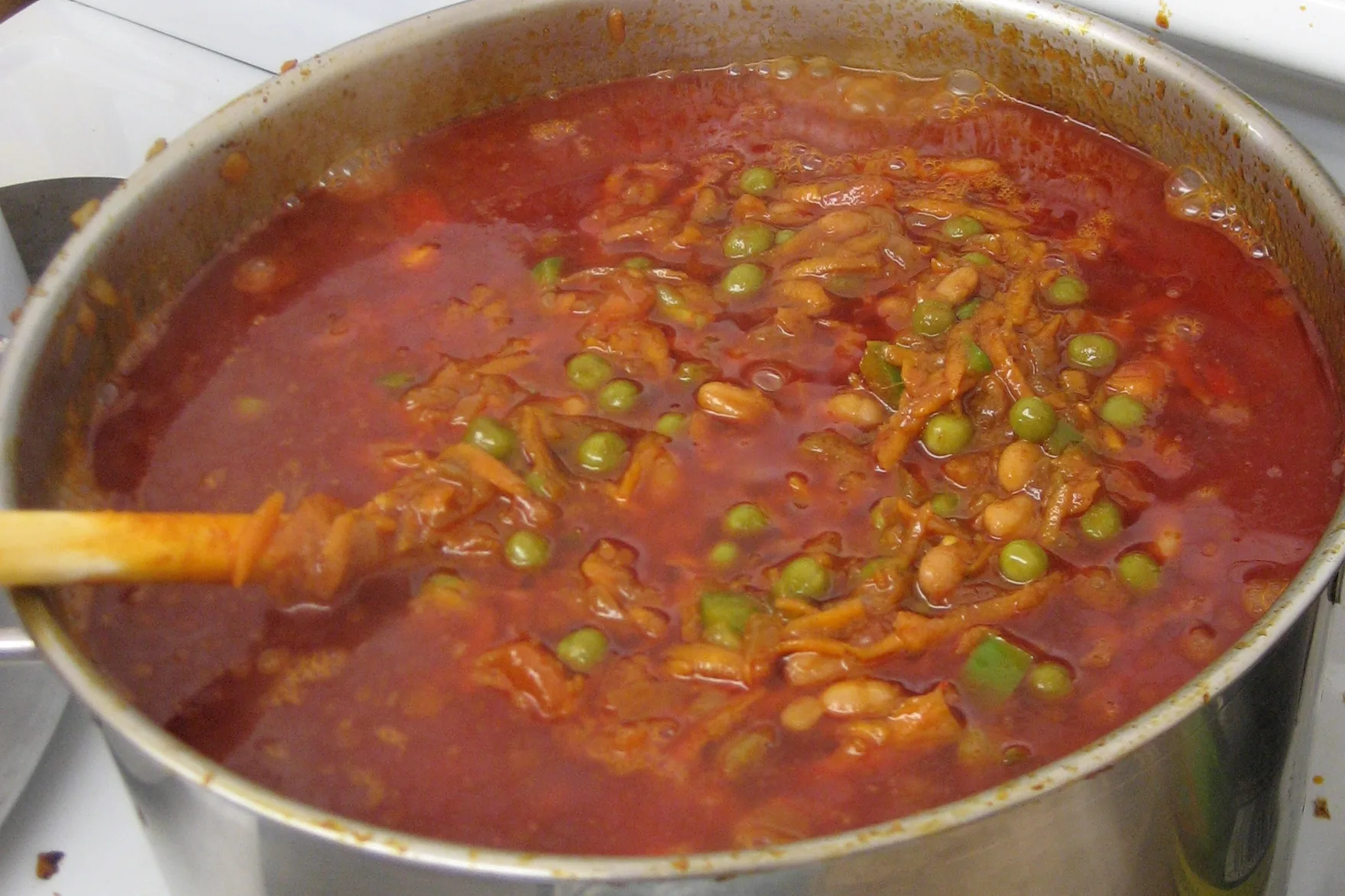
A pot of chakalaka simmering — a spicy red relish of baked beans, peas, grated carrot and green pepper with a wooden spoon

South African Braai Heritage

Photo: philipp from cape town, south africa, CC BY 2.0, via Wikimedia Commons

The Heritage Formulary

Measured Ingredients

Estimated cost: Low — about $1–2 per serving at home (USD)

Good chakalaka is thick enough to mound on a spoon, glossy with oil and tomato, sweet, spicy and tangy at once — never watery, and never a raw salad.

Execution Methodology & Culinary Technique

Step-by-Step Cooking Guide

Active 40m
P

Prep Stage: Vegetables Grated, Beans Opened, Spices Measured

15 Mins • One Board, One Pot

Grate the carrots coarsely, dice the onion, green pepper and tomatoes, and chop the chilli, garlic and ginger. Open the tin of baked beans and measure out the curry powder, paprika, sugar, salt, oil and water so everything is within reach — once the pan is hot, the spices go in fast and there is no time to measure.

Maestro Tip: Grate the carrots first: they take the longest to prep, and the onion and pepper can be diced while the pan heats.

  1. 1

    Soften the onion, pepper and carrot

    8 minutes Medium heat 160°C (320°F)

    Heat the sunflower oil (30 ml) in a large pot over medium heat. Add the diced onion (150 g) and fry for 3 minutes until soft and translucent, then add the diced green pepper (100 g) and grated carrot (200 g) and cook for 5 more minutes, stirring often, until the carrot softens and the pepper loses its raw edge.

    Keep the heat at medium — the carrot should soften slowly, not brown and go bitter.

    Done when: Onion translucent, carrot softened, pepper tender but still holding its shape.

  2. 2

    Bloom the spices with garlic, ginger and chilli

    2 minutes Medium heat 160°C (320°F)

    Stir in the crushed garlic (9 g), grated ginger (10 g) and chopped chilli (15 g), then sprinkle over the curry powder (8 g) and paprika (5 g). Stir constantly for 1–2 minutes until the spices smell warm and fragrant and coat the vegetables evenly.

    Do not walk away here — ground spices burn in seconds on a hot pot, and burnt curry powder turns the whole relish bitter.

    Done when: Fragrant and evenly coloured, with no dry patches of spice.

  3. 3

    Add tomatoes and simmer the base

    8 minutes Medium-low heat 150°C (300°F)

    Add the diced tomatoes (200 g) and the water (120 ml), stir well and bring to a gentle simmer. Cook for 6–8 minutes, stirring now and then, until the tomatoes collapse into the vegetables and the base turns thick and saucy.

    If the base looks dry before the tomatoes collapse, add a splash more water — it should simmer, not fry.

    Done when: Tomatoes broken down into a thick, glossy sauce with no watery puddles.

  4. 4

    Stir in the baked beans and peas

    12 minutes Medium-low heat 150°C (300°F)

    Stir in the baked beans with all their sauce (410 g), the frozen peas (100 g), the sugar (8 g) and the salt (3 g). Simmer gently for 10–12 minutes, stirring now and then, until the relish is thick, glossy and bubbling slowly, and the beans are heated right through. This is the cooked-relish stage: the beans, carrot and pepper must simmer together, not just be mixed cold.

    Stir from the bottom so the beans do not catch and scorch — a scorched pot will flavour the whole batch.

    Done when: Thick enough to mound on a spoon, beans hot through, no pooling liquid.

  5. 5

    Rest, taste and serve hot or cold

    5 minutes No heat needed

    Take the pot off the heat and let the chakalaka rest for 5 minutes. Taste and adjust: a little more salt if it tastes flat, a pinch more sugar if the chilli dominates, more chilli only if you want it hotter. Serve warm with pap and braai meat, or cool it to room temperature — it is just as good cold.

    Chakalaka improves as it sits — make it a few hours ahead, or the day before, and the flavours settle together.

    Done when: Seasoned to taste, thick and glossy, ready to spoon.

Finishing Touches & Plating

Spoon the chakalaka into a bowl and serve it warm beside pap and grilled meat, or let it cool completely — it keeps its spicy-sweet flavour cold, and it is often better the next day, once the flavours have settled together.

Nutritional Physiology & Benefits

Nutrition

Energy

167

kcal / serving

Protein

6g

Complete AA

Carbs

28g

Complex

Fats

5g

Healthy

Per serving (6 servings · 1 serving ≈ 205 g)
Energy167 kcal
Protein6 g
Carbohydrates28 g
Fat5 g
Fibre6.6 g
Sugar12.3 g
Sodium457 mg
Per 100g
Energy82 kcal
Protein2.8 g
Carbohydrates13.8 g
Fat2.6 g
Fibre3.2 g
Sugar6 g
Sodium223 mg

Nutrition values are estimated — calculated from USDA FoodData Central values for the listed ingredients.

Vitamins & minerals: Provides vitamin A from the carrots, vitamin C from the peppers and tomatoes, folate and iron from the beans, and fibre from the beans, peas and carrots. Nutrition is estimated.

High in fibre

Each serving carries about 6.6 g of fibre from the beans, peas and carrots, which helps keep you full and supports normal digestion as part of a varied diet.

Beans, carrots and peppers

The beans add plant protein, iron and folate, the carrots add vitamin A, and the peppers and tomatoes add vitamin C — a small bowl covers several nutrients at once.

Naturally vegan and light

No animal products at all as written, and only about 5.3 g of fat per serving — a plant-based side that still brings protein and fibre to a braai plate.

Food Pairings

What to Eat With

To optimize nutrient absorption and elevate the sensory depth, pair with these authentic accompaniments:

Sides

Soft pap

Stiff maize porridge is the classic partner — its mild, soft bulk soaks up the spicy sauce and cools the chilli heat, bite after bite.

Boerewors or grilled chicken

Smoky grilled meat is what chakalaka was made to sit next to — the relish's heat and acidity cut through rich, fatty meat and lift the whole plate.

Vegetables

Simple green salad

Crisp lettuce, cucumber and a lemon dressing add cool crunch and freshness against the warm, spicy relish.

Drinks

Rooibos iced tea

Cold rooibos with lemon is caffeine-free and mildly sweet, a refreshing contrast to the chilli heat of the relish.

Complete menu

Serve the chakalaka warm with soft pap, boerewors or grilled chicken and a green salad, plus rooibos iced tea — finish with melktert if you want something sweet afterwards.

Digestive Guardrails

What NOT to Combine

To prevent digestive distress, sluggishness, or palate clash, avoid pairing the dish with these elements:

Doubling up on heat

Chakalaka is already spicy from chilli, curry powder and paprika. Piling on extra hot sauce or raw chilli in the same meal can irritate the stomach lining and trigger reflux or discomfort in sensitive people. Taste the relish first, then add heat only if you want more. This is general information, not medical advice.

Leaving it out in the heat

A cooked bean relish left sitting warm at a braai for hours can grow bacteria quickly. Keep leftovers cool and refrigerate within 2 hours, and reheat until steaming hot before serving again. This is general information, not medical advice.

General information only, not medical advice — consult a doctor for personal dietary decisions.

Who Should Eat It

Who Should Eat

  • General adultsA flavourful side as written; one serving is light at 167 kcal, so it fits easily into a balanced braai plate alongside pap and grilled meat.
  • ChildrenFine for children over 2 years in a small portion — serve the milder version with the chilli left out or halved, and let it cool to a safe temperature first.
  • ElderlySoft, spoonable and easy to chew, with good fibre from the beans and carrots; serve warm rather than piping hot and mind the salt if portions are large.
  • Pregnant womenSafe when served freshly cooked and steaming hot; avoid portions that have sat out at a braai for hours, and skip it if you cannot confirm it was kept cool or reheated properly.
  • Breastfeeding womenFine in a normal portion; no special restriction, though very spicy food can occasionally unsettle a sensitive baby — eat a smaller portion first if you are unsure.
  • AthletesA useful carbohydrate and fibre side after training, but at only 5.6 g of protein per serving it needs a protein partner such as boerewors, chicken or eggs.
  • Weight gainAt 167 kcal per serving it is a light side, so pair it with pap and grilled meat, and take a second spoonful, if you want a higher-energy plate.
  • Weight lossA good choice: high in fibre and volume for few calories, so a generous spoonful with pap and lean grilled meat keeps the plate satisfying without loading it with energy.

Health Conditions — Adjust or Avoid

Conditions

  • DiabetesOne serving carries about 28.2 g of carbohydrate, mainly from the beans and the small amount of added sugar; the fibre slows digestion. Keep to one serving with pap, and ask your clinician about portion size.
  • High blood pressureAt about 457 mg of sodium per serving this is moderately salty, mostly from the tinned beans and the added salt. Use low-sodium baked beans and skip the extra salt if you are watching sodium, and ask your clinician.
  • Kidney diseaseBeans are high in potassium and this dish is moderately high in sodium, so it may not fit a restricted diet. Ask your clinician or dietitian before eating it regularly.
  • GoutBeans contain moderate purines, so very large or frequent portions may matter for some people with gout. Keep portions modest and ask your clinician if you have gout.
  • Stomach issuesChilli, curry spices and onion can trigger reflux or discomfort for some people. If that is you, leave out the chilli, use half the curry powder, and eat a smaller portion. Ask your clinician if symptoms persist.
  • Cardiovascular diseaseLow in saturated fat and rich in fibre from beans and vegetables, which fits a heart-friendly pattern well; just watch the salt by choosing low-sodium beans. Ask your clinician about how often it fits your diet.
  • Fatty liverLow in fat and energy with good fibre, so it suits a lighter plate; the small amount of added sugar is the part to keep modest. Ask your clinician for personalised advice.
  • Food allergiesFree of the major allergens as written — no gluten, dairy, egg, nuts or soy — but check the baked bean tin, since some brands add flavourings. Ask your clinician if you have a food allergy.
  • Special therapeutic dietsSuitable for vegetarian and vegan diets as written; for a low-sodium therapeutic diet use no-salt-added beans and omit the salt. Ask your clinician or dietitian before adapting it.

If you have a medical condition, consult your doctor before changing your diet.

Storage & Use

Storage & Use

How to store
Cool quickly and store in a sealed container; keep away from raw meat in the fridge.
In the fridge
Keeps 3–4 days in the fridge in a sealed container.
In the freezer
Freezes well for up to 3 months in portions; thaw overnight in the fridge.
How to reheat
Reheat in a pan over medium heat until steaming hot all the way through, to 74°C (165°F), stirring often; add a splash of water if it has thickened.
Freezing recommended
Yes — it freezes well and the flavour holds up after thawing.
Signs it has spoiled
Sour smell, mould, slimy texture or fizzing — discard if any appear.

More recipes to explore

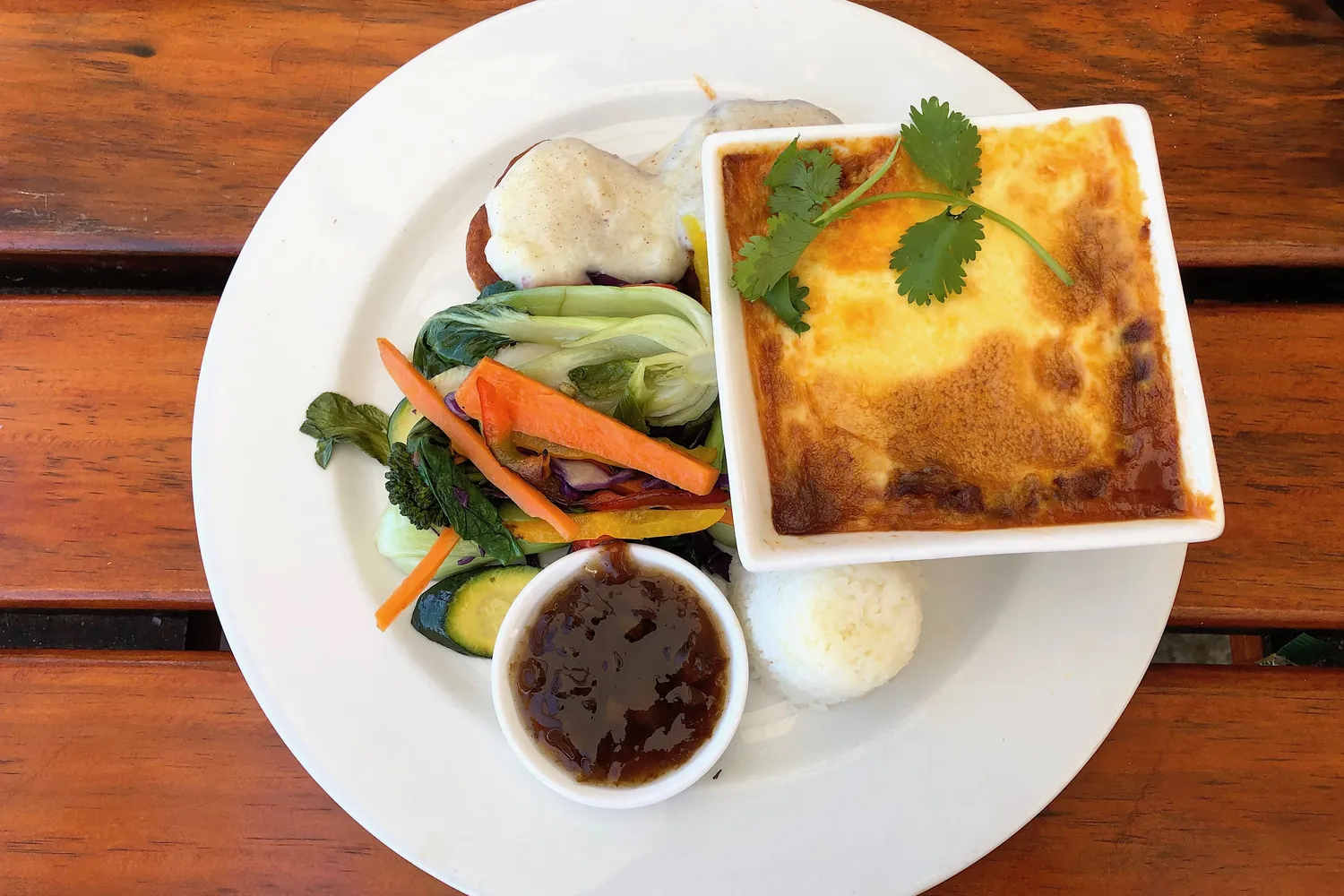
Bobotie with its golden egg custard topping in a square baking dish, served with salad, chutney and rice South Africa flag South Africa 1h 5m
Dinner •Cape Malay Heritage

Bobotie

This bobotie recipe is the Cape Malay classic: gently curried beef mince mixed with milk-soaked bread, apricot jam and raisins, then baked under a golden egg-and-milk custard with bay leaves on top. The sweet dried fruit and warm curry spice balance each other, and the custard sets into a soft golden lid that slices cleanly. One serving is about 305 g, without the rice.

Comfort & Warmth

Spiced beef mince baked under a golden egg custard, sweetened with apricot and raisins — the Cape Malay classic, served with yellow rice.

Pairs Well With
Yellow rice, mango chutney & sambal
High Protein
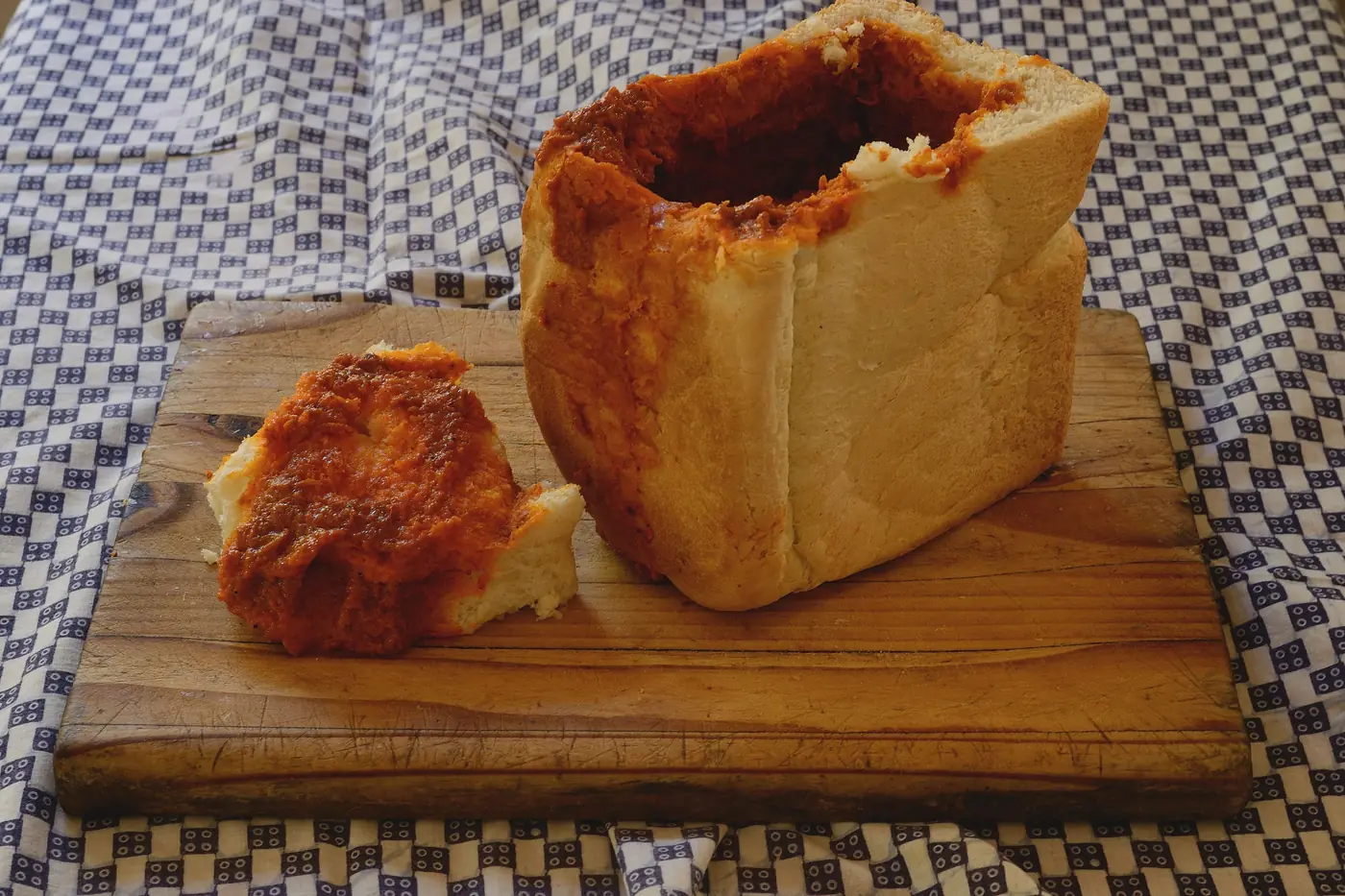
A chicken curry bunny chow: a hollowed white loaf filled with red-orange curry, with the scooped-out bread beside it South Africa flag South Africa 1h 15m
Lunch •Durban Heritage

Bunny Chow

This bunny chow recipe is Durban's famous street food: a quarter loaf of soft white bread hollowed out and filled to the brim with a hot, rich chicken curry, then capped with the scooped-out bread. The gravy soaks into the walls of the loaf as you eat, so the bread itself becomes part of the meal, and a sharp carrot sambal on the side cuts the heat. One serving is about 475 g, one quarter bunny with sambal.

Hearty & Filling

A hollowed white loaf filled with hot Durban chicken curry, eaten by hand with the scooped-out bread and a fresh carrot sambal.

Pairs Well With
Carrot sambal, tomato-onion salad & cold beer
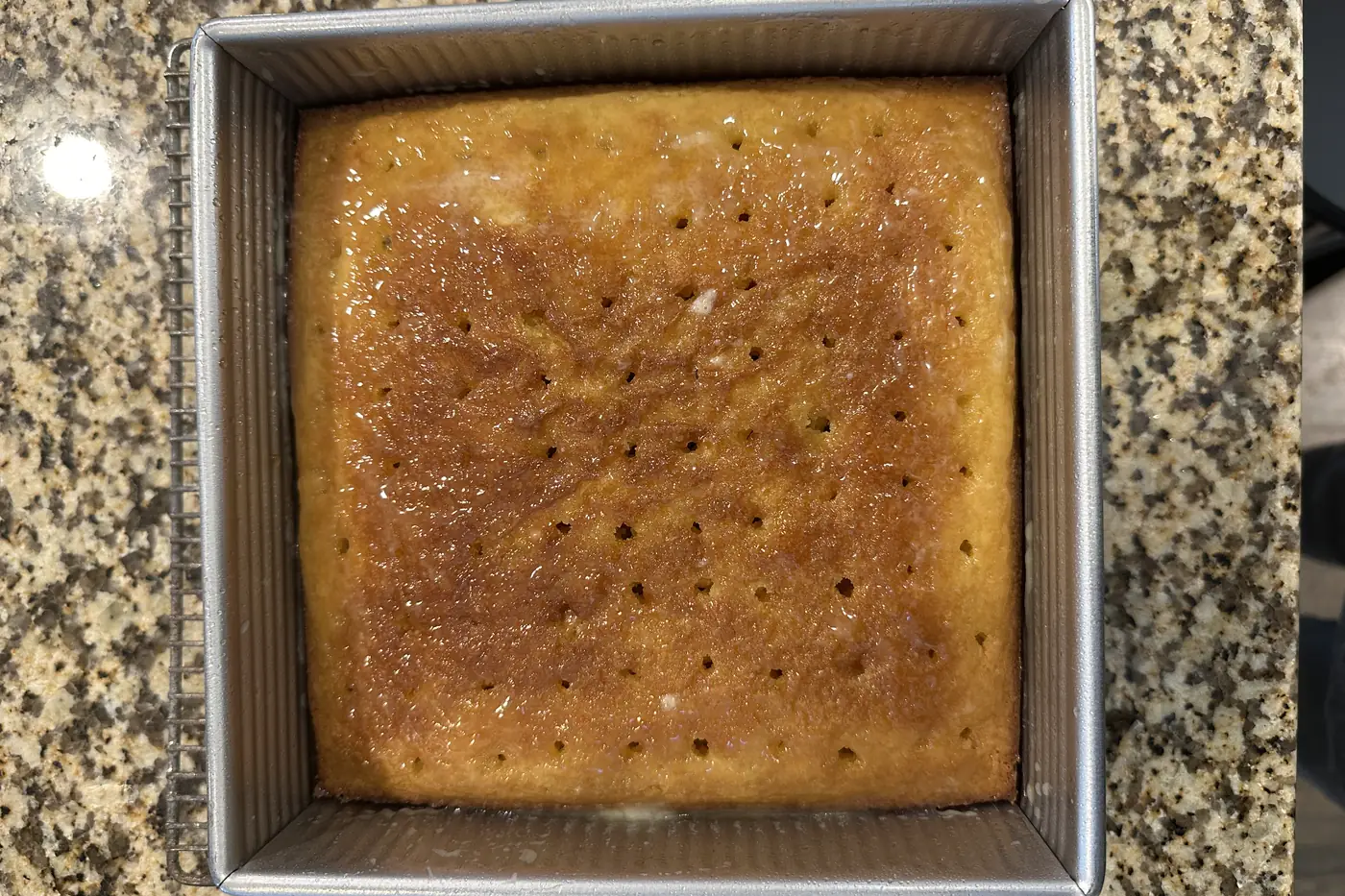
Malva pudding in its baking pan, golden and glossy, pricked with holes where the cream sauce has soaked in South Africa flag South Africa 55m
Snack & Tea •Cape Dutch Heritage

Malva Pudding

This malva pudding recipe is South Africa's best-loved dessert: a soft, spongy apricot sponge baked until golden, pricked full of holes, and soaked while still hot in a warm sauce of butter, sugar and cream. The sauce sinks right through the sponge, so every spoonful is sticky, caramel-sweet and meltingly moist. One serving is about 145 g, served warm with custard or ice cream.

Sweet & Comforting

A spongy apricot sponge baked golden, then soaked while hot in a warm butter, sugar and cream sauce — South Africa's best-loved pudding.

Pairs Well With
Cold custard, vanilla ice cream & rooibos tea
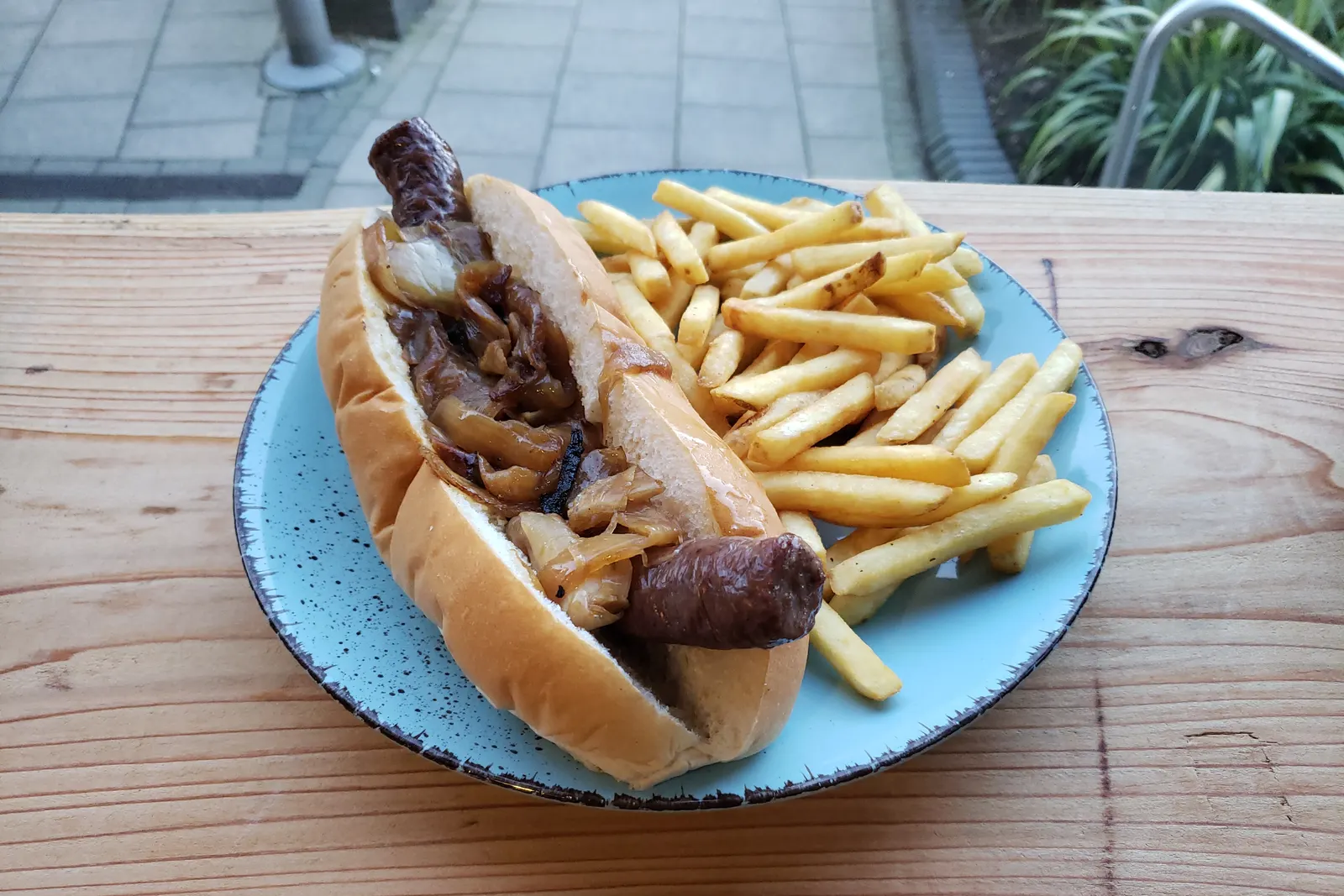
A grilled boerewors sausage in a soft white roll with sautéed onions, served with fries on a blue plate on a wooden table South Africa flag South Africa 35m
Lunch •South African Braai Heritage

Boerewors Roll

This boerewors roll recipe grills juicy boerewors over hot coals, the way it is done at a South African braai, then tucks the sausage into a soft buttered roll with sautéed onions and a quick tomato-onion relish. It is street food you can hold in one hand and the first thing to disappear from any braai table. One serving is about 304 g.

Hearty & Satisfying

A grilled beef sausage in a soft roll with tomato-onion relish — the filling, hand-held centrepiece of a South African braai lunch.

Pairs Well With
Serve with chakalaka or a simple green salad and an ice-cold rooibos iced tea or lager.

The Dinner Gazette

Never wonder what’s for dinner again

One email a week with easy dinner ideas from around the world — ingredients, steps and nutrition, tested in our kitchen first.

Delivered every Thursday morning. Unsubscribe anytime.