
Curated recipes from 193 countries  •  New seasonal Mediterranean issue out now

Overview

Chawanmushi

Japanese Steamed Egg Custard, Tea-Cup Custard

This chawanmushi recipe makes the classic Japanese steamed egg custard: eggs whisked into seasoned dashi, poured over shrimp, chicken and shiitake in lidded cups, then steamed gently until it sets like silk. A ginkgo nut and a slice of kamaboko hide at the bottom of each cup as a small surprise. One serving is about 260 g.

Chawanmushi, literally steamed in a tea cup, has been served in Japan since the Edo period, when the lidded cup and the gentle steam turned a simple egg custard into a course of its own. It is a standard part of kaiseki meals and a familiar home dish, with the fillings changing by season — shrimp and shiitake in winter, takenoko bamboo in spring.

Pairs well with: Steamed rice and a small bowl of miso soup

Provenance

Japan flag Japan

Kyoto Tea-Cup Classic

East & South Asia

Time Dedication

40m

15m prep • 25m cook

Batch Yield

4 Servings

166 kcal per serving

1 serving ≈ 260 g

Technical Skill

Intermediate

Medium (Gentle Steaming)

Meal Timing & Digestive Fit

Breakfast

Not Advised

Lunch

Prime Metabolic Fit

Dinner

Ideal Hearty Main

Snack & Tea

Inappropriate

Occasions: Light lunch, starter for a Japanese meal, comfort food when appetite is low Cost: Low — about $3–4 per serving at home
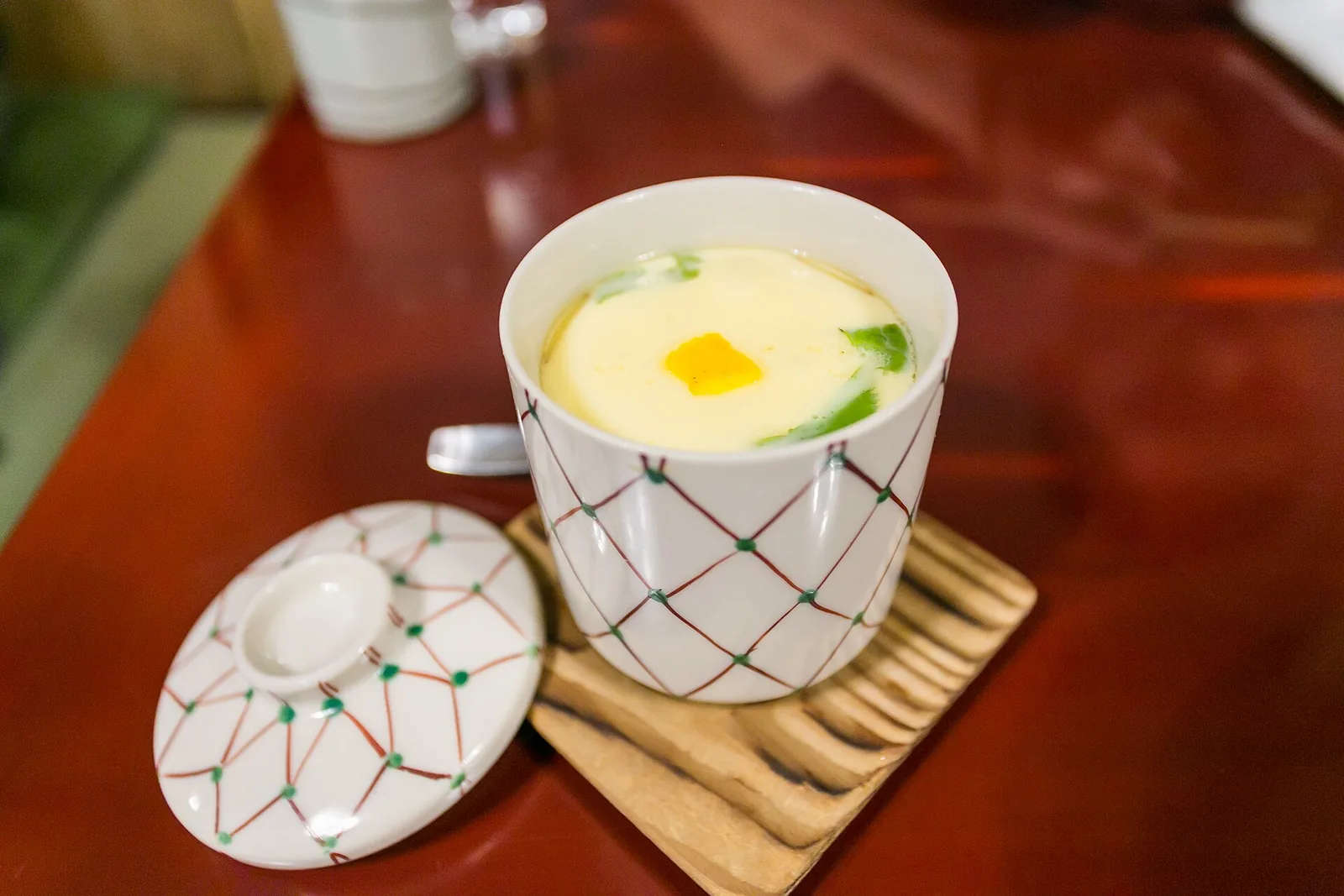
A lidded ceramic cup of chawanmushi, the pale silky egg custard topped with shiitake mushroom, mitsuba and a pink slice of kamaboko

Kyoto Tea-Cup Classic

Photo: City Foodsters, CC BY 2.0, via Wikimedia Commons

The Heritage Formulary

Measured Ingredients

Estimated cost: Low — about $3–4 per serving at home (USD)

The custard is steamed gently, never boiled, so it sets smooth and silky without bubbles.

Execution Methodology & Culinary Technique

Step-by-Step Cooking Guide

Active 40m
P

Prep Stage: Whisk the Custard and Fill the Cups

15 Mins • Whisk + Fill

Beat the eggs lightly, whisk in the warm dashi, soy sauce, mirin and salt, then strain the mixture through a fine sieve into a jug — this is what makes the custard silky instead of bubbly. Divide the shrimp, chicken, shiitake, kamaboko and ginkgo between four lidded cups, pour the custard over, and set the lids on lightly.

Maestro Tip: Strain the custard and never whisk it hard — air bubbles are the difference between silk and sponge.

  1. 1

    Whisk and Strain the Custard

    5 Mins Room temperature, about 20°C (68°F)

    Beat the 4 eggs gently in a bowl, just until the yolks and whites combine. Whisk in the 500 ml warm dashi, 10 g soy sauce, 10 g mirin and 2 g salt, then strain the whole mixture through a fine sieve into a jug. Skim off any foam on the surface.

    Stir, do not whip — a frothy custard steams up full of holes.

    Done when: A smooth, pale-gold liquid with no foam and no streaks of white.

  2. 2

    Fill the Cups

    5 Mins Room temperature, about 20°C (68°F)

    Divide the 120 g shrimp, 100 g diced chicken, 60 g sliced shiitake, 40 g kamaboko and 20 g ginkgo nuts evenly between four lidded cups (about 200 ml each). Pour the strained custard over the fillings, leaving 1 cm at the top, and lay a mitsuba leaf on each. Set the lids on, slightly ajar.

    Put the heaviest pieces at the bottom so they stay hidden until the spoon finds them.

    Done when: Four cups filled evenly, custard just below the rim, lids resting lightly.

  3. 3

    Steam Gently Until Just Set

    20 Mins Gentle steam, about 90°C (195°F)

    Set the cups in a steamer over simmering water, or in a deep pan with 2 cm of water and a tight lid. Steam on low heat for 18–20 minutes. The water must simmer, never boil hard. The custard is done when it trembles like jelly when you tilt a cup, and a skewer pushed into the centre comes out clean.

    Wrap the steamer lid in a cloth so drips of water do not pit the custard surface.

    Done when: The custard is just set, trembling gently, with no bubbles and no water on top. The shrimp is pink and opaque (fish is safe at 63°C / 145°F) and the chicken reads 74°C (165°F).

  4. 4

    Rest and Serve Hot

    5 Mins Off the heat, cooling from about 90°C (195°F)

    Lift the cups out carefully, rest them for 5 minutes so the custard firms a little, then serve hot with the lids on and a small spoon. Eat with a spoon, digging down to find the shrimp, chicken and ginkgo at the bottom.

    Serve the cups on small saucers — they are hot and the lids can slip.

    Done when: Hot cups, custard glossy and set, lids lifted at the table.

Finishing Touches & Plating

Lift the lid at the table so the steam rises, and eat with a small spoon, digging down to the shrimp, chicken and ginkgo hidden at the bottom of the cup.

Nutritional Physiology & Benefits

Nutrition

Energy

166

kcal / serving

Protein

21g

Complete AA

Carbs

6g

Complex

Fats

6g

Healthy

Per serving (4 servings · 1 serving ≈ 260 g)
Energy166 kcal
Protein21 g
Carbohydrates6 g
Fat6 g
Fibre0.5 g
Sugar1.3 g
Sodium1002 mg
Per 100g
Energy64 kcal
Protein8.1 g
Carbohydrates2.4 g
Fat2.3 g
Fibre0.2 g
Sugar0.5 g
Sodium385 mg

Nutrition values are estimated — calculated from USDA FoodData Central values for the listed ingredients.

Vitamins & minerals: Provides vitamin B12 and selenium from the egg and shrimp, vitamin D from the shiitake, and iodine from the dashi.

High in Protein, Light in Calories

About 21 g of protein per serving from egg, shrimp and chicken, at only about 166 kcal — a genuinely light but filling lunch.

Gentle and Easy to Eat

The soft steamed custard needs almost no chewing, which is why chawanmushi is a classic choice when appetite or digestion is delicate.

Seafood and Mushroom Goodness

Shrimp brings selenium and vitamin B12, shiitake brings vitamin D and fibre, and the dashi keeps the whole cup savoury without frying.

Food Pairings

What to Eat With

To optimize nutrient absorption and elevate the sensory depth, pair with these authentic accompaniments:

Vegetables

Steamed Rice

Plain rice is the quiet partner a delicate custard needs — it soaks up the savoury dashi without competing with it.

Sides

Grilled Fish

A small piece of grilled salmon or mackerel turns the light cup into a full lunch, and its richness balances the custard's softness.

Soups

Miso Soup

A small bowl of miso soup on the side keeps the meal in the Japanese register and adds a warm, salty counterpoint.

Drinks

Green Tea

Unsweetened green tea cleans the palate between spoonfuls and suits the gentle flavour of the custard.

Complete menu

Serve one cup of chawanmushi first, then steamed rice with grilled fish and miso soup for a complete light Japanese lunch.

Digestive Guardrails

What NOT to Combine

To prevent digestive distress, sluggishness, or palate clash, avoid pairing the dish with these elements:

Boiling the Steamer Hard

Boiling water makes the custard bubble, split and turn spongy — gentle simmering is the whole technique. This is general food information, not medical advice.

Raw or Undercooked Egg and Shrimp

The custard must be fully set and the shrimp pink and opaque all the way through; eggs and seafood served undercooked carry a food-safety risk, especially for pregnant women and older eaters. This is general food information, not medical advice.

General information only, not medical advice — consult a doctor for personal dietary decisions.

Who Should Eat It

Who Should Eat

  • General adultsA light, protein-rich lunch — about 166 kcal and 21 g of protein per serving.
  • ChildrenSoft and easy to eat, and children usually love finding the hidden shrimp — but check for egg and shellfish allergy first, and serve it warm, not hot.
  • ElderlySoft texture and gentle flavour suit older eaters; serve warm and check the shrimp is fully cooked.
  • Pregnant womenFine when the egg is fully set and the shrimp and chicken are cooked right through to 74°C (165°F) for the chicken. Ask your clinician about portions.
  • Breastfeeding womenA light, protein-rich lunch that is easy to eat; keep to one cup with rice. Ask your clinician about portions.
  • AthletesAbout 21 g of protein per serving makes it a good light recovery meal — pair it with rice and fish for more energy.
  • Weight gainLight at about 166 kcal, so it suits weight gain only as part of a larger meal with rice and fish.
  • Weight lossAt about 166 kcal a serving it fits a weight-loss plan well — filling protein with very little fat.

Health Conditions — Adjust or Avoid

Conditions

  • DiabetesOnly about 6.3 g of carbohydrate per serving, so it is easy to fit into a diabetes-friendly meal — the rice is the part to watch. Ask your clinician.
  • High blood pressureAbout 1,002 mg of sodium per serving from the dashi, soy sauce and salt — use low-sodium dashi and less soy sauce if salt matters. Ask your clinician.
  • Kidney diseaseHigh in protein and fairly salty, so keep to one cup and watch the salt. Ask your clinician about portions.
  • GoutEgg and shrimp both contribute purines, and the portion is small — one cup is usually fine, but keep portions modest. Ask your clinician.
  • Stomach issuesSoft, steamed and gentle, so it is usually kind to a sensitive stomach — skip the ginkgo if it bothers you. Ask your clinician.
  • Cardiovascular diseaseLow in fat and light overall, which suits a heart-friendly meal — the sodium is the part to watch. Ask your clinician.
  • Fatty liverVery low in fat at about 5.9 g per serving, so it fits a liver-friendly meal well. Ask your clinician.
  • Food allergiesContains egg and shellfish (shrimp) — the two main allergens here. Anyone allergic to egg or shrimp must not eat it.
  • Special therapeutic dietsSoft texture and high protein suit many therapeutic diets, but the sodium and the egg and shrimp allergens matter — check with your clinician.

If you have a medical condition, consult your doctor before changing your diet.

Storage & Use

Storage & Use

How to store
Cool the cups, then cover each with cling film and refrigerate.
In the fridge
1 day — the custard is best eaten the same day.
In the freezer
Not recommended — the custard turns watery and rubbery.
How to reheat
Steam gently for 5 minutes until hot all the way through, to 74°C (165°F); do not microwave on high or the custard will split.
Freezing recommended
No — the steamed custard does not freeze well.
Signs it has spoiled
Sour smell, watery custard that has separated, or slimy shrimp.

More recipes to explore

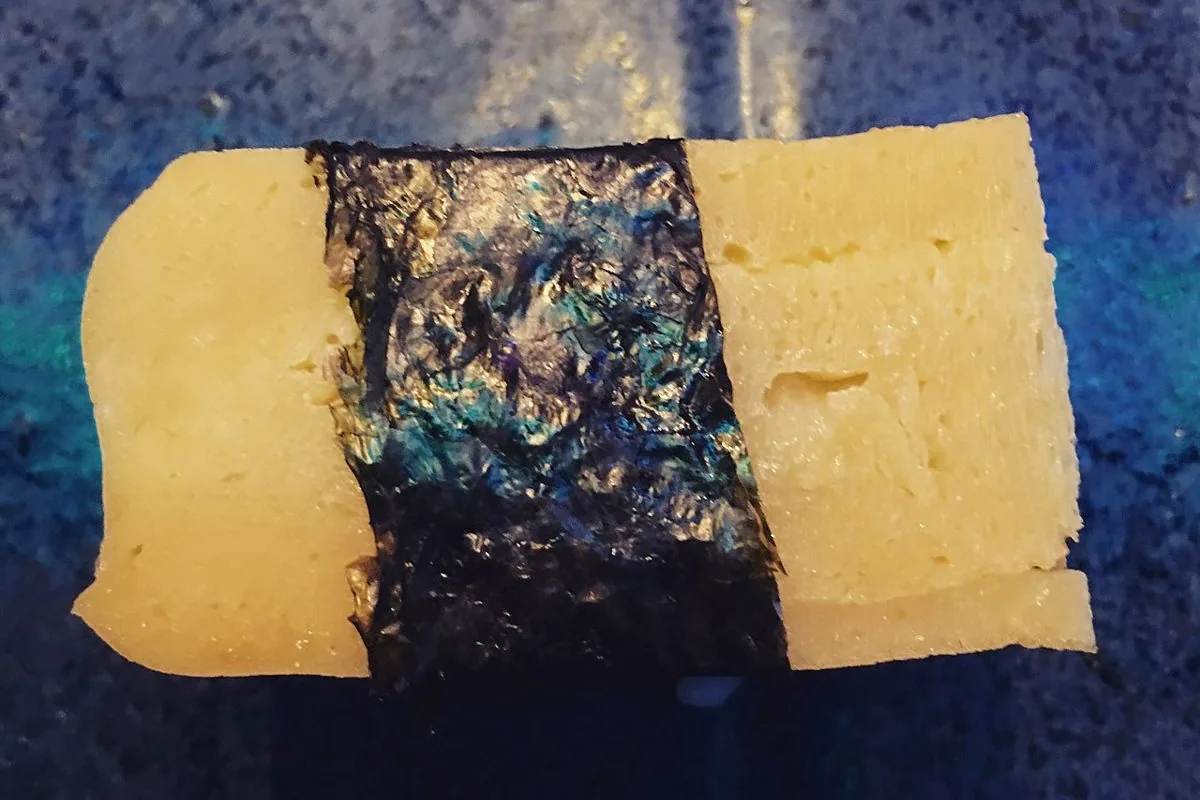
Sliced tamagoyaki rolled omelette wrapped in nori on a blue plate Japan flag Japan 25m
Breakfast •Edo Traditional

Tamagoyaki, Miso & Gohan

Dashi-infused rolled omelet served with live cultured miso broth and sea kelp for foundational gastrointestinal conditioning. One serving is about 580 g.

Digestive Gut Health

Silky rolled omelette with miso soup and steamed rice.

Pairs Well With
Fermented Natto & Sencha Green Tea
High Protein • Fermented / Gut Health • Quick Prep (<30m)
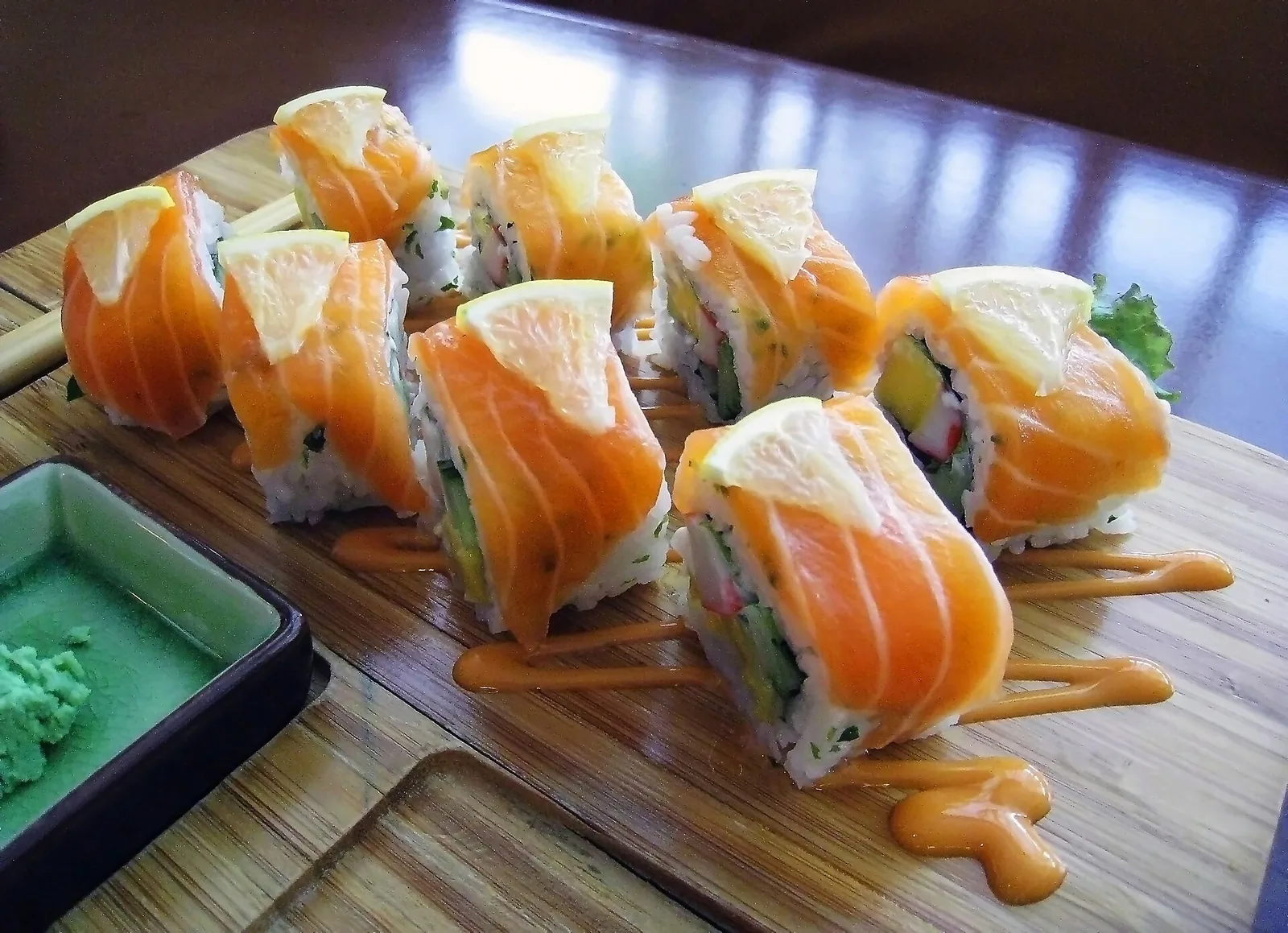
Salmon sushi rolls topped with salmon and lemon wedges on a wooden board, with wasabi Japan flag Japan 1h
Lunch •Edo-Style Sushi

Salmon Sushi Rolls (Maki)

This salmon sushi rolls recipe shows how to season sushi rice, slice sashimi-grade salmon and roll neat maki with cucumber and avocado. One serving is about 393 g — one full roll, cut into 8 pieces.

Light & Fresh

Sushi rice, sashimi-grade salmon and cucumber rolled in nori — light, fresh and protein-rich.

Pairs Well With
Miso soup, pickled ginger and a pot of green tea
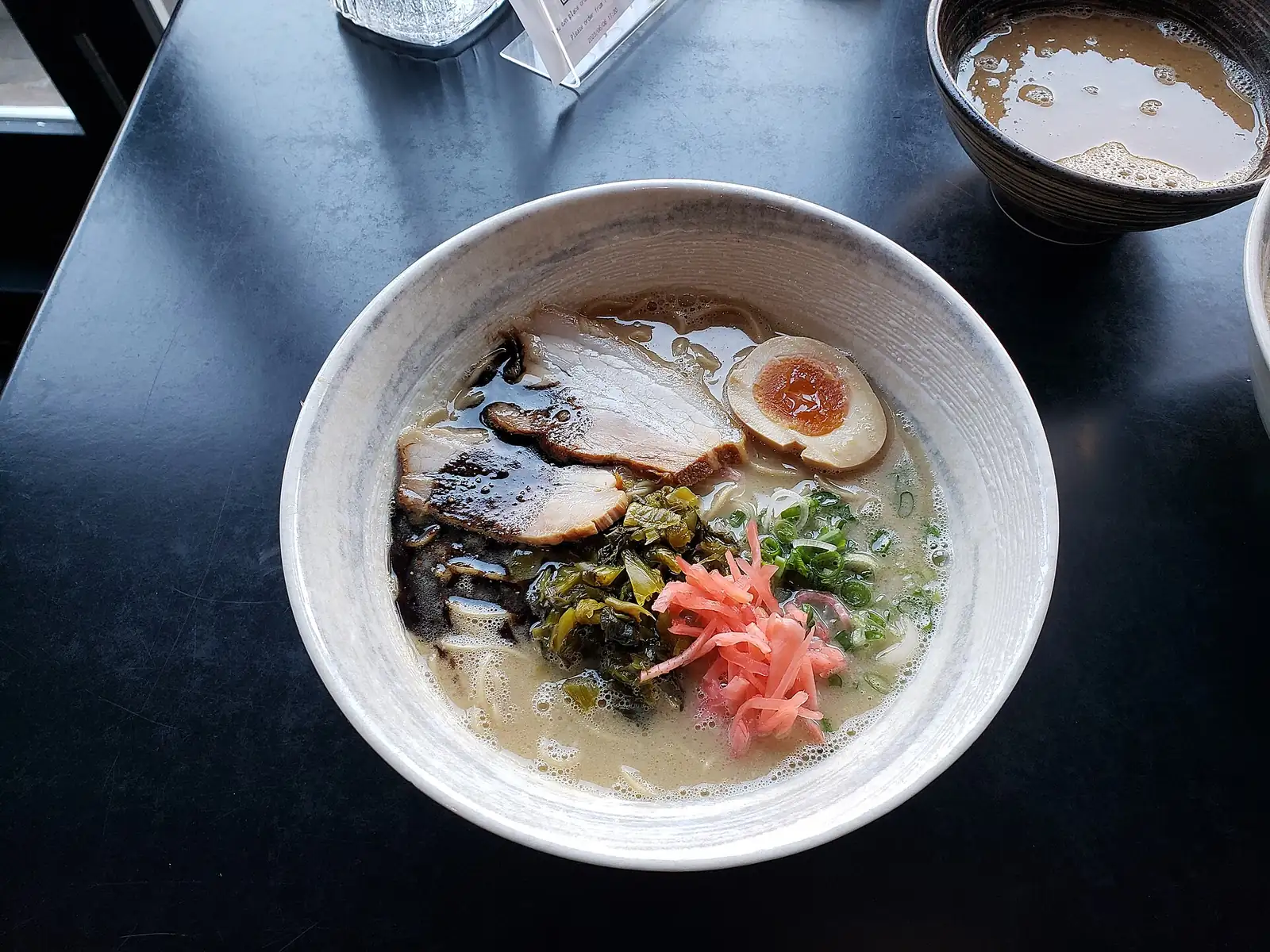
A bowl of tonkotsu ramen with chashu pork, a soft egg, spring onion and pickled ginger Japan flag Japan 3h 30m
Lunch •Hakata Yatai Style

Tonkotsu Ramen

This tonkotsu ramen recipe uses a pressure cooker to get the milky, pork-bone broth that normally takes all day, then builds the bowl with thin noodles, chashu pork and a soft egg. One serving is about 760 g.

Rich & Warming

Milky pork-bone broth, thin noodles, chashu pork and a soft egg — the richest bowl in ramen.

Pairs Well With
Gyoza, pickled ginger and a cold beer or iced barley tea
Soups & Broths • High Protein
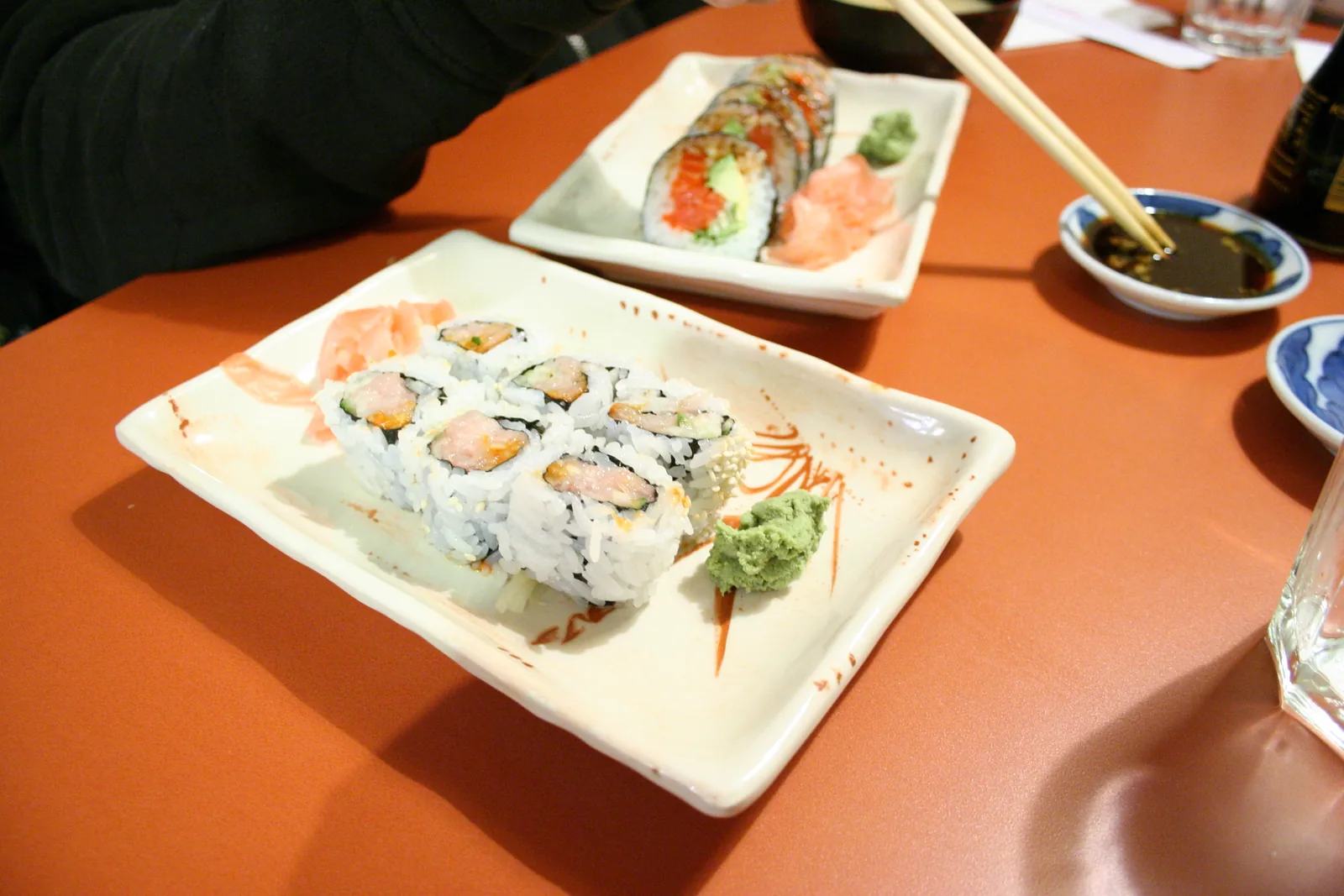
A plate of spicy tuna uramaki rolls with pickled ginger and wasabi, the pink tuna filling visible in the cut rolls Japan flag Japan 1h
Lunch •American Sushi Classic

Spicy Tuna Roll

This spicy tuna roll recipe shows how to season sushi rice, chop sashimi-grade tuna with spicy mayo, and roll neat rice-outside uramaki with cucumber and avocado. One serving is about 355 g — one full roll, cut into 8 pieces.

Light & Fresh

A cool, light sushi roll with raw tuna, cucumber and avocado — fresh, filling and quick to assemble once the rice is ready.

Pairs Well With
Miso soup, pickled ginger and iced green tea

The Dinner Gazette

Never wonder what’s for dinner again

One email a week with easy dinner ideas from around the world — ingredients, steps and nutrition, tested in our kitchen first.

Delivered every Thursday morning. Unsubscribe anytime.