
Curated recipes from 193 countries  •  New seasonal Mediterranean issue out now

Overview

Tonkotsu Ramen

Hakata Ramen — Pork Bone Ramen

This tonkotsu ramen recipe uses a pressure cooker to get the milky, pork-bone broth that normally takes all day, then builds the bowl with thin noodles, chashu pork and a soft egg. One serving is about 760 g.

Tonkotsu ramen began in Kurume, in Fukuoka Prefecture, where a food stall called Nankin Senryo started serving pork-bone noodle soup in 1937. The first broth was clear — the milky-white soup we know today came about by accident in 1947, when a cook at another Kurume stall, Sankyu, left a pot of pork bones boiling too hard and found it had turned opaque and creamy. The style moved north to Hakata, where thin, straight noodles and yatai food carts made it famous.

Pairs well with: Gyoza, pickled ginger and a cold beer or iced barley tea

Provenance

Japan flag Japan

Hakata Yatai Style

East & South Asia

Time Dedication

3h 30m

30m prep • 180m cook

Batch Yield

4 Servings

838 kcal per serving

1 serving ≈ 760 g

Technical Skill

Advanced

Advanced (Long Broth)

Meal Timing & Digestive Fit

Breakfast

Not Advised

Lunch

Prime Metabolic Fit

Dinner

Ideal Hearty Main

Snack & Tea

Inappropriate

Soups & BrothsHigh Protein Occasions: Cold days, weekend cooking, ramen nights, when only a rich bowl will do Cost: Medium — about $4–5 per serving at home
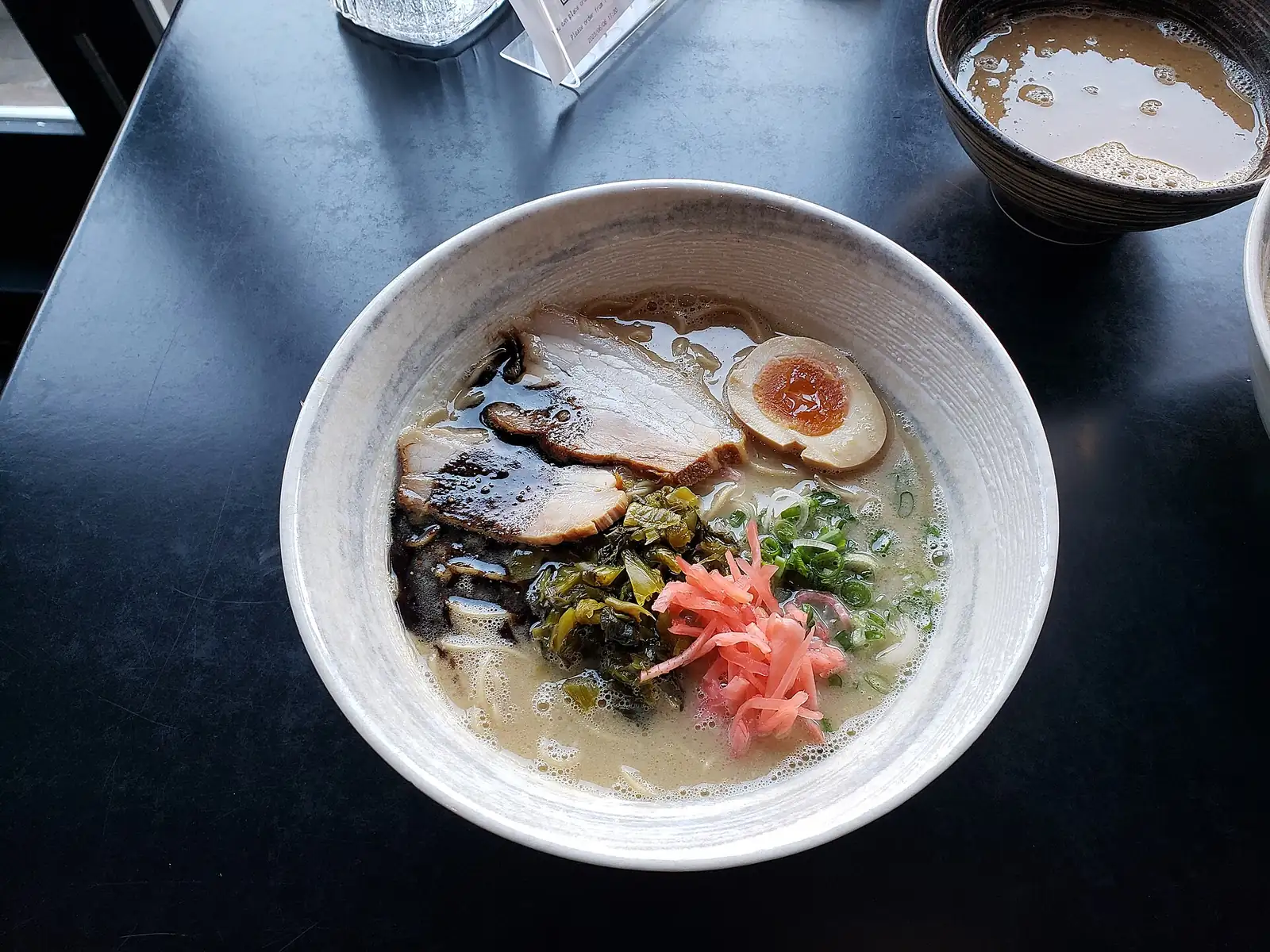
A bowl of tonkotsu ramen with chashu pork, a soft egg, spring onion and pickled ginger

Hakata Yatai Style

Photo: Andy Li, CC0, via Wikimedia Commons

The Heritage Formulary

Measured Ingredients

Estimated cost: Medium — about $4–5 per serving at home (USD)

A true tonkotsu broth is milky-white from a hard, rolling boil — never clear, and never thickened with anything but bones and time.

Execution Methodology & Culinary Technique

Step-by-Step Cooking Guide

Active 3h 30m
P

Prep Stage: Parboil the Bones

30 Mins • Pot Work

Put the bones in a large pot, cover with cold water, and boil hard for 10 minutes. Drain, rinse the bones and the pot clean — this step is what keeps the broth from tasting muddy. While the bones parboil, roll and tie the pork belly and sear it on all sides.

Maestro Tip: Never skip the parboil: a cloudy, grey broth cannot be fixed later.

  1. 1

    Pressure-Cook the Broth

    150 Mins Pressure cooker, high pressure, about 120°C (248°F)

    Put the clean bones, garlic and ginger in the pressure cooker with 2 litres of cold water. Cook at high pressure for 2½ hours, then let the pressure release naturally. Strain the broth and skim off the loose fat, keeping the milky liquid.

    A rolling boil is what turns the broth milky — a gentle simmer makes a clear soup instead.

    Done when: The broth is opaque, milky-white and coats a spoon.

  2. 2

    Braise the Chashu

    60 Mins Gentle simmer, about 95°C (203°F)

    While the broth cooks, simmer the seared pork belly roll in a little of the strained broth with 20 ml of soy sauce for 1 hour, until a skewer slides in easily. Rest 10 minutes, then slice thinly.

    Rest the pork before slicing or the juices run out onto the board.

    Done when: The pork is tender, slices cleanly, and the fat has turned silky.

  3. 3

    Make the Ajitama Eggs

    10 Mins Boiling water, 100°C (212°F)

    Boil the eggs for exactly 6½ minutes, then plunge them into ice water. Peel carefully and marinate in 20 ml of soy sauce with a splash of water for at least 30 minutes. Halve just before serving.

    Ice water stops the cooking at once — that is how the yolk stays jammy instead of chalky.

    Done when: The white is set, the yolk is deep orange and jammy in the middle.

  4. 4

    Cook the Noodles

    3 Mins Rolling boil, 100°C (212°F)

    Bring a separate large pot of water to a rolling boil. Cook the noodles for 2–3 minutes until just firm — Hakata noodles are served extra firm. Drain well and divide between warmed bowls.

    Never cook noodles in the broth: the starch would cloud it and the noodles would soak up the seasoning.

    Done when: The noodles are springy and firm, not soft.

  5. 5

    Assemble the Bowls

    5 Mins Broth at a rolling boil, 100°C (212°F)

    Put 5 ml of soy sauce tare and a few drops of sesame oil in each warmed bowl. Ladle in the boiling broth and stir, then add the noodles and top with chashu, half an egg, shiitake, spring onion, pickled ginger and a sheet of nori. Serve at once, with chopsticks and a spoon.

    The broth must be boiling when it hits the bowl, or the noodles cool it down too fast.

    Done when: The bowl is steaming, the broth is milky, and the toppings sit proudly on top.

Finishing Touches & Plating

Eat the noodles first, while they are still firm, and drink the broth as you go — a tonkotsu bowl is meant to be eaten in the first ten minutes. Ask for kaedama, an extra portion of noodles, if the broth is still going.

Nutritional Physiology & Benefits

Nutrition

Energy

838

kcal / serving

Protein

33g

Complete AA

Carbs

60g

Complex

Fats

51g

Healthy

Per serving (4 servings · 1 serving ≈ 760 g)
Energy838 kcal
Protein33 g
Carbohydrates60 g
Fat51 g
Fibre3.3 g
Sugar2.2 g
Sodium1447 mg
Per 100g
Energy110 kcal
Protein4.3 g
Carbohydrates7.9 g
Fat6.7 g
Fibre0.4 g
Sugar0.3 g
Sodium190 mg

Nutrition values are estimated — calculated from USDA FoodData Central values for the listed ingredients.

Vitamins & minerals: B12 and iron (pork), vitamin B6 (pork, egg), vitamin C (spring onion), vitamin A (egg yolk).

Deep, Lasting Fullness

Pork, egg and noodles give about 33 g of protein per serving, so one bowl genuinely carries you through the afternoon.

Collagen-Rich Broth

Hours of boiling dissolve collagen from the bones into the broth, giving it the body that makes tonkotsu feel so nourishing.

Warming Comfort

A steaming, milky broth with ginger and garlic is the definition of comfort food on a cold day.

Food Pairings

What to Eat With

To optimize nutrient absorption and elevate the sensory depth, pair with these authentic accompaniments:

Sides

Gyoza Dumplings

Crisp-bottomed gyoza add a crunchy, savoury contrast to the soft noodles and rich broth.

Vegetables

Pickled Ginger

The sharp, vinegary ginger cuts through the fatty broth and resets the palate between spoonfuls.

Drinks

Iced Barley Tea

Cold, roasted and unsweetened, barley tea washes down the rich broth without adding sugar or competing flavours.

Full Menus

As a Ramen-Shop Meal

Order the ramen as the main event with gyoza on the side — the way a Hakata yatai would serve it.

Complete menu

Serve the ramen as the main event with gyoza on the side and iced barley tea; finish by drinking the last of the hot broth.

Digestive Guardrails

What NOT to Combine

To prevent digestive distress, sluggishness, or palate clash, avoid pairing the dish with these elements:

Drinking All the Broth Every Day

The broth is delicious but very salty and rich; finishing every drop daily adds a lot of sodium and fat to your week. Enjoy it, but not as a daily habit. This is general guidance, not medical advice.

Overcooking the Noodles

Hakata noodles are meant to be firm — soft, swollen noodles soak up the broth, turn mushy and drag the whole bowl down.

General information only, not medical advice — consult a doctor for personal dietary decisions.

Who Should Eat It

Who Should Eat

  • General adultsA rich, filling lunch — enjoy it as an occasional treat rather than an everyday meal.
  • ChildrenSuitable from age 5+ with a mild broth and less salt; cut the noodles short and the pork small.
  • ElderlyEnjoy a small portion — the broth is rich and salty, and the noodles are easy to eat.
  • Pregnant womenGenerally suitable if the pork and egg are fully cooked; keep the broth portion modest because of the salt.
  • Breastfeeding womenGenerally suitable; the protein supports recovery — keep the broth portion moderate.
  • AthletesA strong post-workout meal: about 33 g of protein per serving with fast carbs for glycogen.
  • Weight gainA good choice — take a full bowl and an extra serving of noodles (kaedama).
  • Weight lossAn occasional treat — the broth is rich; take a smaller bowl and load up on the spring onion and ginger.

Health Conditions — Adjust or Avoid

Conditions

  • DiabetesThe noodles are the main source of carbs — keep the noodle portion modest and ask your clinician about portion size.
  • High blood pressureMost of the sodium sits in the broth and tare; drink only part of the broth and skip extra soy sauce. Ask your clinician about a suitable portion.
  • Kidney diseaseLimit the broth (sodium and potassium); ask your clinician about portion size.
  • GoutEat occasionally and in smaller portions — pork and rich broth are high in purines.
  • Stomach issuesThe broth is usually gentle, but the fat can upset a sensitive stomach — skim the fat well and keep the portion modest.
  • Cardiovascular diseaseAn occasional food — the broth is high in saturated fat; balance the rest of the day.
  • Fatty liverAn occasional treat — the broth is rich; keep the portion small and favour the egg and mushrooms.
  • Food allergiesContains wheat (noodles), egg, soy and sesame. Check the noodle label if you have coeliac disease; gluten-free rice noodles work as a substitute.
  • Special therapeutic dietsIf you follow a prescribed low-sodium or low-fat diet, take a small bowl, skim the fat and drink little of the broth, and check with your clinician.

If you have a medical condition, consult your doctor before changing your diet.

Storage & Use

Storage & Use

How to store
Cool the broth quickly and store broth, noodles and toppings separately in airtight containers.
In the fridge
Broth 4 days; chashu 3 days; eggs 2 days; cook noodles fresh.
In the freezer
Broth 3 months; chashu 2 months.
How to reheat
Bring the broth to a rolling boil; warm the chashu in the hot broth; cook noodles fresh. Reheat to 74°C (165°F).
Freezing recommended
Yes — the broth freezes very well for up to 3 months.
Signs it has spoiled
Sour or off smell, cloudy film on the broth surface, or slimy pork.

More recipes to explore

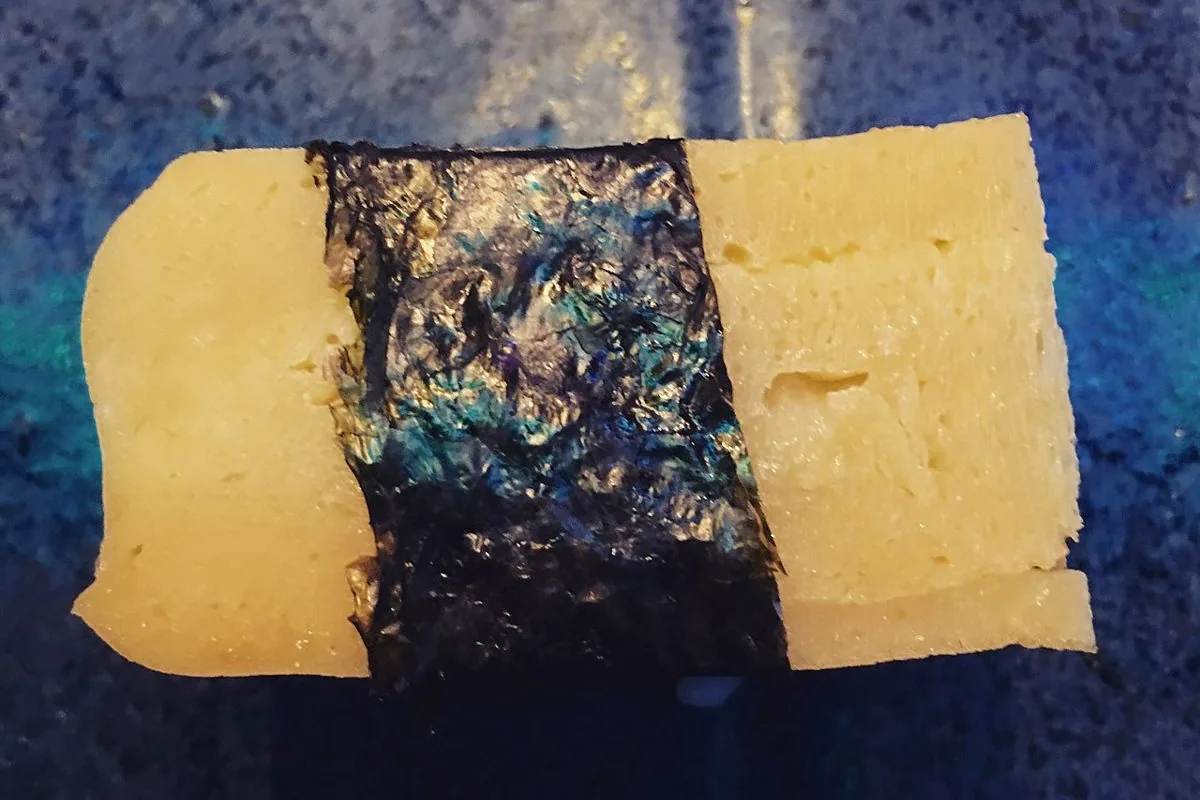
Sliced tamagoyaki rolled omelette wrapped in nori on a blue plate Japan flag Japan 25m
Breakfast •Edo Traditional

Tamagoyaki, Miso & Gohan

Dashi-infused rolled omelet served with live cultured miso broth and sea kelp for foundational gastrointestinal conditioning. One serving is about 580 g.

Digestive Gut Health

Silky rolled omelette with miso soup and steamed rice.

Pairs Well With
Fermented Natto & Sencha Green Tea
High Protein • Fermented / Gut Health • Quick Prep (<30m)
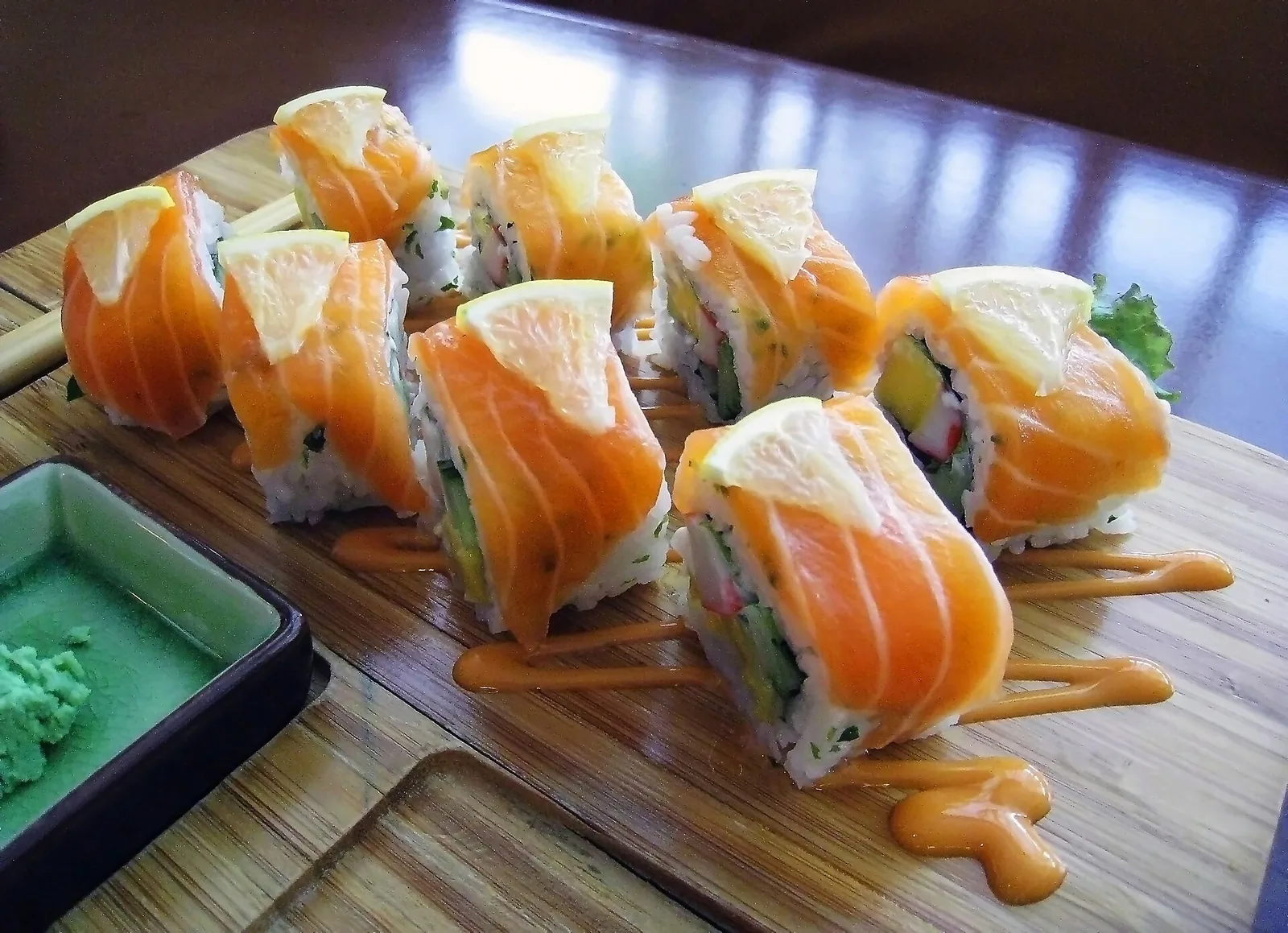
Salmon sushi rolls topped with salmon and lemon wedges on a wooden board, with wasabi Japan flag Japan 1h
Lunch •Edo-Style Sushi

Salmon Sushi Rolls (Maki)

This salmon sushi rolls recipe shows how to season sushi rice, slice sashimi-grade salmon and roll neat maki with cucumber and avocado. One serving is about 393 g — one full roll, cut into 8 pieces.

Light & Fresh

Sushi rice, sashimi-grade salmon and cucumber rolled in nori — light, fresh and protein-rich.

Pairs Well With
Miso soup, pickled ginger and a pot of green tea
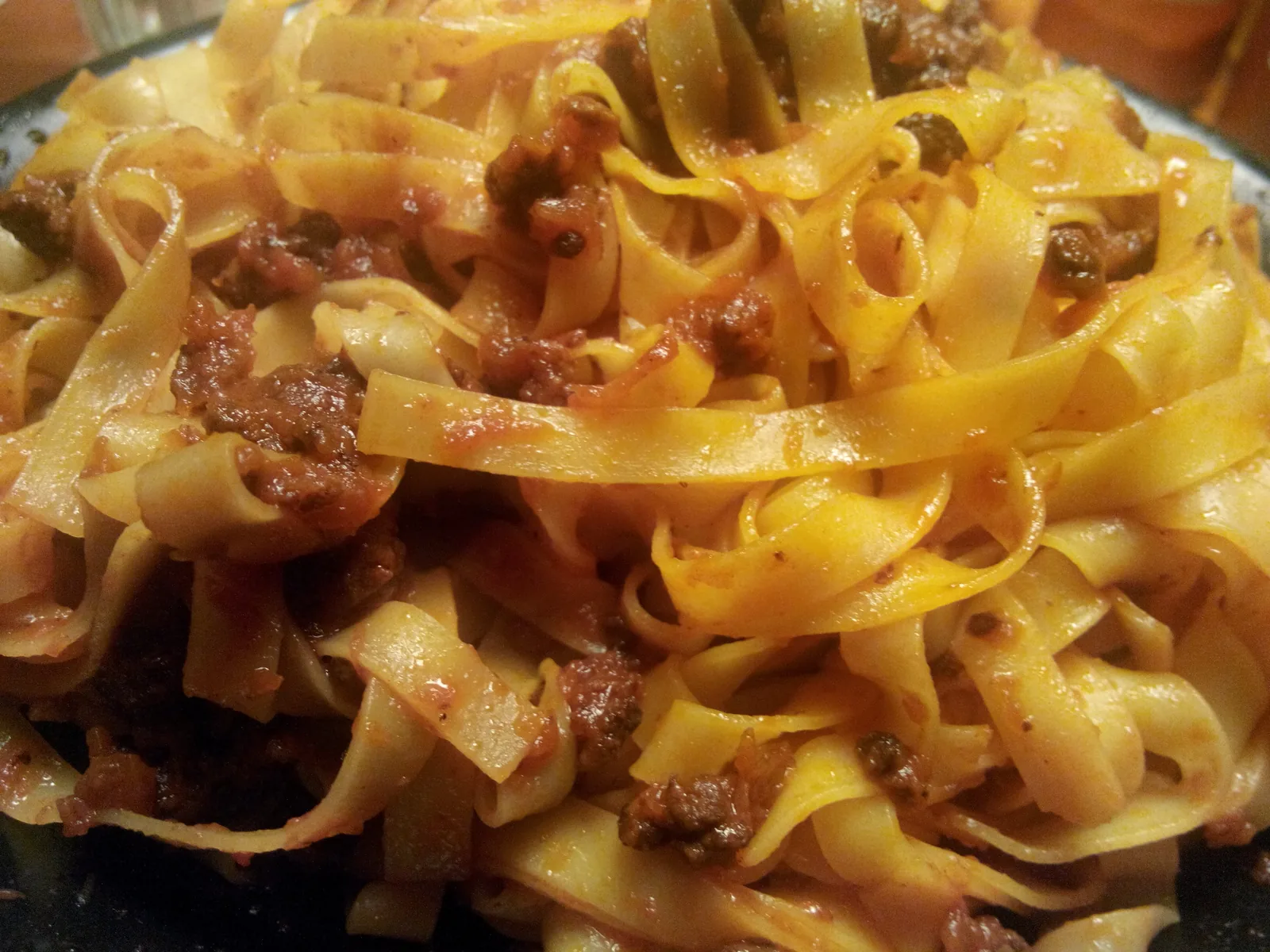
Tagliatelle al ragù Bolognese in a bowl with Parmigiano-Reggiano Italy flag Italy 4h 25m
Lunch •Emilia-Romagna

Tagliatelle al Ragù Bolognese

Slow-braised soffritto and coarse ground heritage meats layered over handmade egg yolk dough for mid-day stamina.

Lean Protein

Slow-simmered beef ragù tossed through fresh egg tagliatelle.

Pairs Well With
Bitter Radicchio & Aged Balsamico di Modena
Pasta & Noodles • High Protein
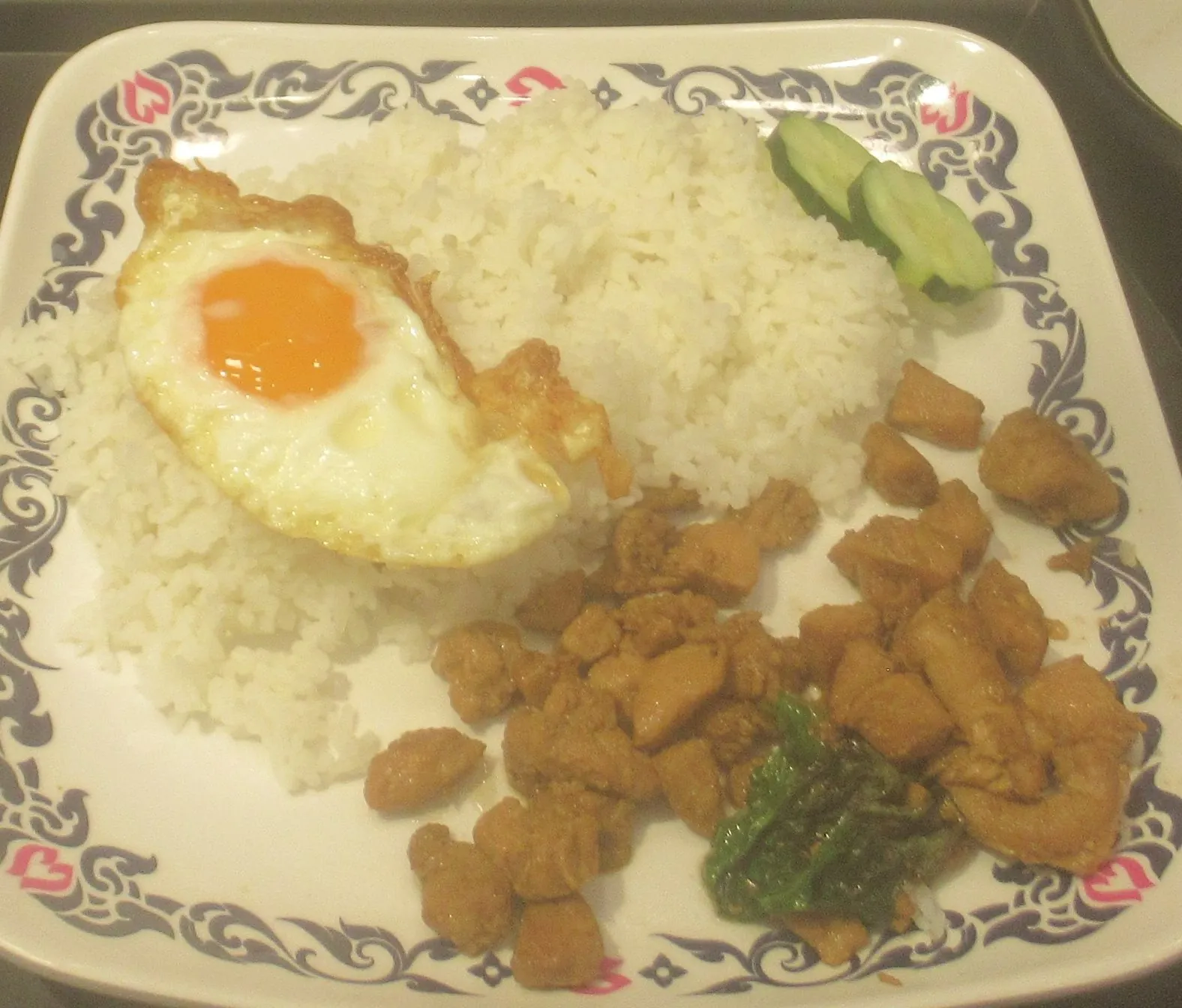
Pad kra pao gai — Thai holy basil chicken with fried egg and rice Thailand flag Thailand 30m
Lunch •Bangkok Street Flame

Pad Kra Pao Gai

High-heat wok flash of holy basil and crushed chillies over minced chicken, served over jasmine rice with a crispy-edged fried egg.

High Energy

Capsaicin brings the heat; holy basil adds a peppery, clove-like aroma.

Pairs Well With
Chilled Cucumber Salad & Fish Sauce Lime Dip
High Protein • Quick Prep (<30m)

The Dinner Gazette

Never wonder what’s for dinner again

One email a week with easy dinner ideas from around the world — ingredients, steps and nutrition, tested in our kitchen first.

Delivered every Thursday morning. Unsubscribe anytime.