
Curated recipes from 193 countries  •  New seasonal Mediterranean issue out now

Overview

Chicken Tikka Masala

British Tikka Masala

Chicken marinated in yogurt, ginger, garlic and garam masala is grilled until charred at the edges, then simmered in a silky sauce of tomatoes, butter and cream. This chicken tikka masala recipe is mild, rich and deeply comforting, with the smoky edges that make the dish. One serving is about 420 g.

Chicken tikka masala is a British invention, not an Indian one: grilled tikka chicken served in a spiced tomato-cream sauce. The most repeated account traces it to Glasgow in the 1970s, where a customer is said to have sent dry tikka back asking for gravy, and the chef answered with a creamy tomato sauce. In 2001 a Glasgow MP campaigned for the dish to be recognised as a British national dish, and it is now one of the most ordered curries in Britain, with around 23 million portions a year served in Indian restaurants.

Pairs well with: Basmati rice, butter naan & cucumber raita

Provenance

United Kingdom flag United Kingdom

British Curry House Classic

Nordic & European

Time Dedication

1h 5m

30m prep • 35m cook

Batch Yield

4 Servings

525 kcal per serving

1 serving ≈ 420 g

Technical Skill

Intermediate

Medium (Curry Night)

Meal Timing & Digestive Fit

Breakfast

Not Advised

Lunch

Hearty Midday Main

Dinner

Ideal Hearty Main

Snack & Tea

Inappropriate

High Protein Occasions: Family dinners, weekend cooking, Friday curry night, comfort food nights Cost: Moderate — about $4–5 per serving at home
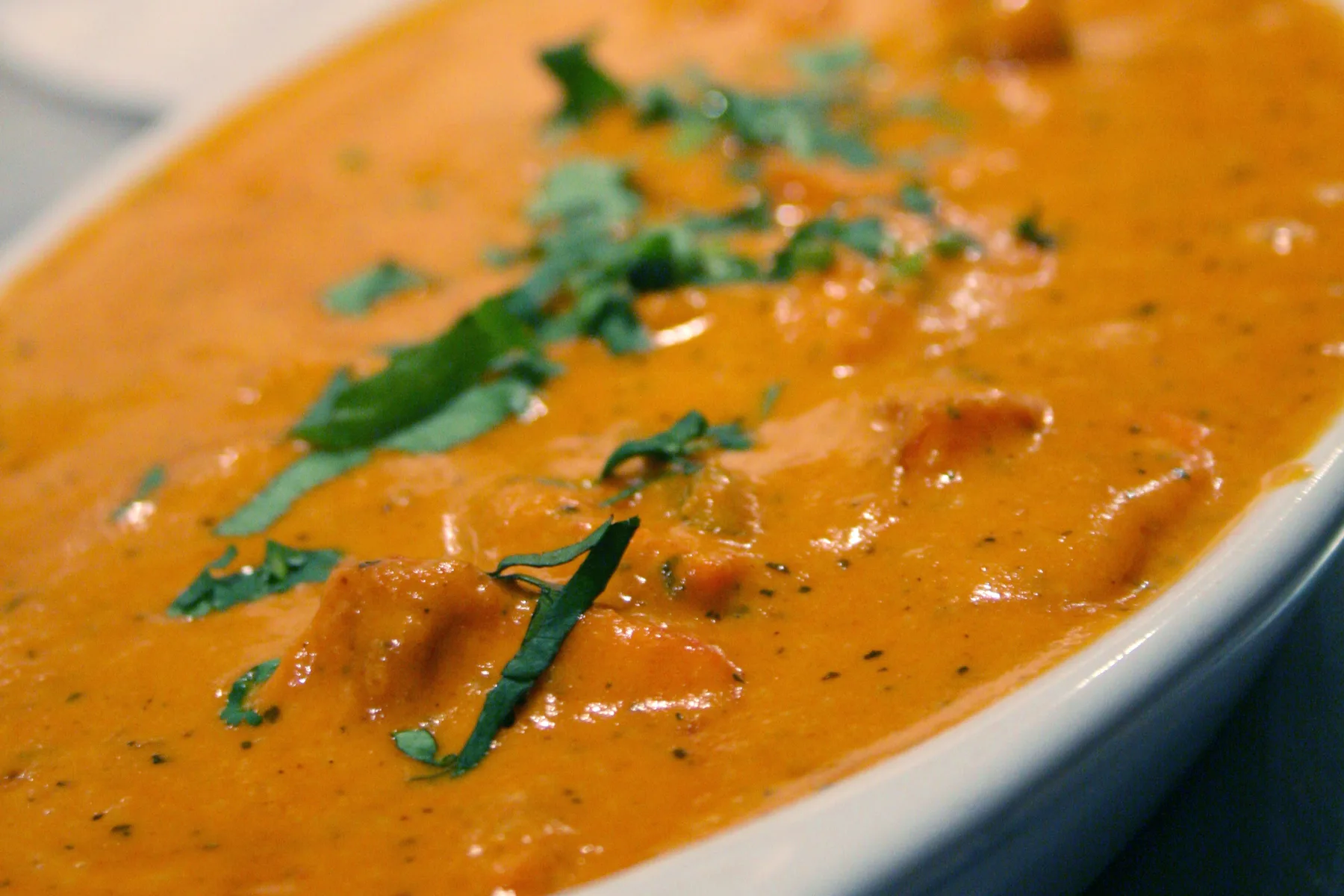
A bowl of creamy orange chicken tikka masala garnished with coriander, with naan bread behind it

British Curry House Classic

Photo: Michael Hays, CC BY 2.0, via Wikimedia Commons

The Heritage Formulary

Measured Ingredients

Estimated cost: Moderate — about $4–5 per serving at home (USD)

A good tikka masala is judged by its sauce: silky, glossy and tomato-sweet, with charred edges on the chicken and a gentle warmth that never burns.

Execution Methodology & Culinary Technique

Step-by-Step Cooking Guide

Active 1h 5m
P

Prep Stage: Marinate & Measure

30 Mins • Marinate

Toss the chicken chunks with the yogurt, half the lemon juice, half the ginger and garlic, half the spice mix and half the salt, and leave it for 30 minutes in the fridge. While it marinates, chop the onion, grate the rest of the ginger and garlic, and measure out the sauce spices so everything is ready when the pan is hot.

Maestro Tip: Do not marinate longer than 2 hours — the lemon and yogurt will start to break the chicken down and make it mushy.

  1. 1

    Marinate the Chicken

    30 Mins Fridge, 4°C (39°F)

    Mix the yogurt, half the lemon juice, half the grated ginger and garlic, half the spice mix and half the salt in a bowl. Add the chicken chunks and turn them until every piece is coated. Cover and rest for 30 minutes in the fridge.

    Coat every piece — bare spots will not brown or taste of anything.

    Done when: Chicken is evenly coated and the marinade has clung to the surface.

  2. 2

    Grill the Chicken

    12 Mins Grill on high, about 250°C (480°F)

    Heat the grill to its highest setting. Shake the excess marinade off the chicken, lay the pieces on a foil-lined tray, brush lightly with 1 tbsp of the oil, and grill for 10–12 minutes, turning once, until charred at the edges and cooked through.

    Charred edges are flavour, not a mistake — that smokiness is what makes tikka masala taste like tikka masala.

    Done when: The chicken is browned and charred at the edges and reads 74°C (165°F) at the thickest part.

  3. 3

    Build the Sauce Base

    10 Mins Medium heat

    Melt the butter with the remaining oil in a large pan over medium heat. Add the onion with a pinch of salt and cook for 6–7 minutes until soft and golden. Stir in the rest of the ginger and garlic, the tomato paste and the remaining spice mix, and fry for 1 minute until fragrant.

    Frying the spices in fat wakes them up — raw spice powder stirred into liquid tastes flat and dusty.

    Done when: The onion is soft and golden and the spices smell warm and fragrant.

  4. 4

    Simmer the Sauce

    15 Mins Low heat, gentle simmer

    Pour in the crushed tomatoes and the remaining lemon juice, then simmer gently for 12–15 minutes, stirring now and then, until the sauce thickens and turns a deep orange-red and the oil begins to separate at the edges.

    If the sauce spits, turn the heat down and put a lid on half the pan — a gentle simmer, not a boil, keeps it silky.

    Done when: The sauce is thick enough to coat a spoon and the surface looks glossy with tiny beads of oil.

  5. 5

    Finish with Cream & Chicken

    8 Mins Low heat

    Stir in the cream and sugar, then slide the grilled chicken and any tray juices into the sauce. Simmer gently for 5 minutes so the chicken soaks up the sauce, then taste and adjust the salt. Scatter with coriander and serve.

    Do not boil hard after the cream goes in, or the sauce can split.

    Done when: The sauce is creamy and glossy, the chicken is hot through, and the flavour is balanced — tomato-sweet, gently spiced, not sharp.

Finishing Touches & Plating

Rest the pan off the heat for 2 minutes, scatter with the chopped coriander, and serve straight away with hot basmati rice or butter naan so the sauce is still glossy.

Nutritional Physiology & Benefits

Nutrition

Energy

525

kcal / serving

Protein

44g

Complete AA

Carbs

23g

Complex

Fats

28g

Healthy

Per serving (4 servings · 1 serving ≈ 420 g)
Energy525 kcal
Protein44 g
Carbohydrates23 g
Fat28 g
Fibre4.0 g
Sugar13.5 g
Sodium572 mg
Per 100g
Energy125 kcal
Protein10.5 g
Carbohydrates5.5 g
Fat6.8 g
Fibre1 g
Sugar3.2 g
Sodium136 mg

Nutrition values are estimated — calculated from USDA FoodData Central values for the listed ingredients.

Vitamins & minerals: Vitamin B6, B12 and niacin (chicken), vitamin A and lycopene (tomatoes), vitamin C (lemon, tomatoes), calcium (yogurt, cream), iron (chicken, spices).

High-Protein Dinner

With about 44 g of protein per serving from the chicken and yogurt, this is a genuinely filling dinner that supports muscle maintenance after a training day.

Lycopene & Vitamin A

Cooked tomatoes are a good source of lycopene, and the tomatoes and cream contribute vitamin A — both present in meaningful amounts in a tomato-based sauce.

Gentle, Mild Spice

Kashmiri chilli gives colour with very little heat, and the yogurt marinade keeps the dish mild, so it is easy on sensitive stomachs compared with hotter curries.

Food Pairings

What to Eat With

To optimize nutrient absorption and elevate the sensory depth, pair with these authentic accompaniments:

Sides

Butter Naan

Soft, blistered naan is made for this sauce — it scoops up the creamy masala far better than a fork, and its mild yeasty flavour lets the tomato and spices shine.

Basmati Rice

Fluffy, fragrant basmati soaks up the sauce without competing with it, and the light grains balance the richness of the cream and butter.

Vegetables

Cucumber Raita

Cool yogurt, cucumber and a pinch of salt cut through the richness and reset the palate between bites — the same reason yogurt is in the marinade.

Drinks

Mango Lassi

A cold, sweet mango lassi cools the gentle chilli warmth and echoes the creamy texture of the sauce, making the whole meal feel complete.

Full Menus

Full Menu: Samosa, Tikka Masala & Rice

Start with a crisp vegetable samosa, serve the tikka masala as the centrepiece with basmati rice, naan and raita, and finish with a mango lassi.

Complete menu

Start with a crisp vegetable samosa, serve the chicken tikka masala as the main dish with basmati rice and butter naan for scooping, cucumber raita on the side, and a mango lassi to finish.

Digestive Guardrails

What NOT to Combine

To prevent digestive distress, sluggishness, or palate clash, avoid pairing the dish with these elements:

Very Spicy Pickles in Large Amounts

Fiery pickles can overwhelm the mild, creamy balance of the sauce and may irritate a sensitive stomach when eaten in large amounts alongside a rich meal. A small spoonful is fine. This is general information, not medical advice.

Heavy Alcoholic Drinks With the Meal

A rich, creamy sauce slows digestion, and alcohol on top of a heavy meal can add to that sluggish, uncomfortable feeling. Water, lassi or a light drink is the easier match. This is general information, not medical advice.

Storing the Cream Sauce at Room Temperature

A dairy-rich sauce is perishable: leaving it out for more than 2 hours lets bacteria grow quickly. Cool and refrigerate promptly. This is general food-safety information, not medical advice.

General information only, not medical advice — consult a doctor for personal dietary decisions.

Who Should Eat It

Who Should Eat

  • General adultsA satisfying, complete dinner — rich and filling, so one serving with rice or naan is plenty for most adults.
  • ChildrenVery suitable — the dish is mild by design. Leave out any extra chilli and serve with rice for younger children.
  • ElderlySoft, easy-to-chew chicken in a mild sauce, with good protein — serve with rice and go easy on the chilli.
  • Pregnant womenFine when the chicken is cooked through to 74°C (165°F) and the cream is fresh. Keep the chilli mild. Ask your clinician if unsure.
  • Breastfeeding womenA nourishing, energy-dense meal that supports the extra calories of breastfeeding — enjoy a full serving with rice.
  • AthletesAbout 44 g of protein per serving with rice on the side makes a solid recovery meal after training.
  • Weight gainIdeal — at about 525 kcal per serving before rice or naan, it is an easy way to add calories with plenty of protein.
  • Weight lossKeep the portion to one serving, use half the cream, and serve with salad or cauliflower rice instead of naan.

Health Conditions — Adjust or Avoid

Conditions

  • DiabetesThe sauce itself is low in carbohydrate (about 23 g per serving), but watch the rice and naan — keep those portions modest and favour salad and raita. Ask your clinician about portion sizes.
  • High blood pressureSodium is moderate at about 572 mg per serving, mostly from the added salt. Use less salt, choose no-salt-added tomatoes and skip extra salty sides. Ask your clinician about a suitable portion.
  • Kidney diseaseHigh in protein (about 44 g per serving) and potassium from the tomatoes — both may need limiting. Ask your clinician before eating a full serving.
  • GoutChicken and tomato sauce are moderate in purines; a single serving is usually manageable, but avoid large portions and seconds. Ask your clinician for advice.
  • Stomach issuesThe dish is mild by design, but the cream, butter and spices can still bother a sensitive stomach. Eat a small portion and skip extra chilli. Ask your clinician if symptoms persist.
  • Cardiovascular diseaseThe cream and butter add saturated fat (about 28 g of fat per serving). Use half the cream and less butter, and keep portions modest. Ask your clinician about a suitable portion.
  • Fatty liverA rich, creamy sauce — use less cream and butter, favour grilled chicken and salad, and keep the portion small. Ask your clinician about portion sizes.
  • Food allergiesContains milk (yogurt, cream, butter) and mustard-family spices may cross-react for some people. Naan served alongside usually contains gluten. This is general information, not medical advice.
  • Special therapeutic dietsSuitable for a halal diet when halal chicken is used; not suitable for dairy-free or low-fat diets without changes. Ask your clinician or dietitian about adapting it.

If you have a medical condition, consult your doctor before changing your diet.

Storage & Use

Storage & Use

How to store
Cool the sauce and chicken quickly (within 2 hours) and store in a shallow airtight container in the fridge.
In the fridge
3 days.
In the freezer
Up to 3 months; freeze the sauce and chicken together, but add the cream fresh after reheating.
How to reheat
Reheat gently on the stove over low heat, stirring often, until steaming hot throughout (74°C / 165°F). Add a splash of water or cream if it has thickened.
Freezing recommended
Yes — the sauce freezes well, up to 3 months. Stir in fresh cream after reheating for the best texture.
Signs it has spoiled
Sour or off smell, a grey or dull surface on the sauce, or a slimy texture on the chicken — discard if any of these appear.

More recipes to explore

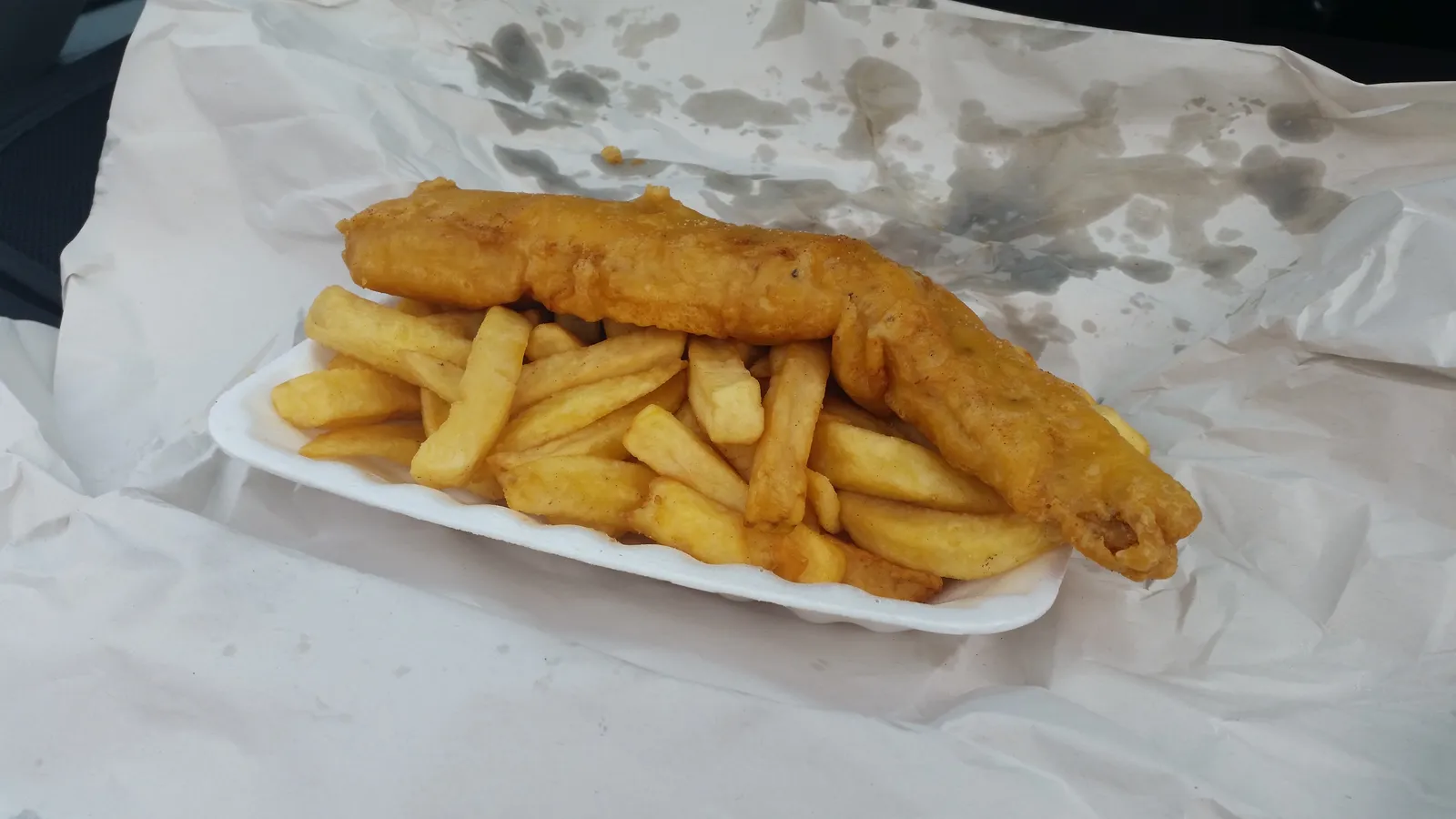
Golden battered fish on thick-cut chips in a takeaway tray United Kingdom flag United Kingdom 50m
Dinner •British Seaside Classic

Fish and Chips

Fish and chips is Britain's seaside icon: thick cod fillets in a crisp beer batter, fried golden, served with fat hand-cut chips, salt, malt vinegar and lemon. One serving is about 400 g.

Comfort & Satisfaction

Crisp beer-battered cod with golden thick-cut chips and lemon.

Pairs Well With
Mushy peas, tartar sauce and a wedge of lemon
High Protein
A golden shepherd's pie in a baking dish with a crisp mashed potato top United Kingdom flag United Kingdom 1h 20m
Dinner •British Farmhouse Classic

Shepherd's Pie

Shepherd's pie is Britain's great farmhouse bake: minced lamb simmered with onion, carrot and peas in a rich gravy, topped with buttery mashed potato and Cheddar, then baked until the top turns crisp and golden. One serving is about 350 g.

Comfort & Warmth

Rich lamb and vegetables under a golden cheesy mashed-potato crust.

Pairs Well With
Buttered green peas or steamed green beans on the side
High Protein
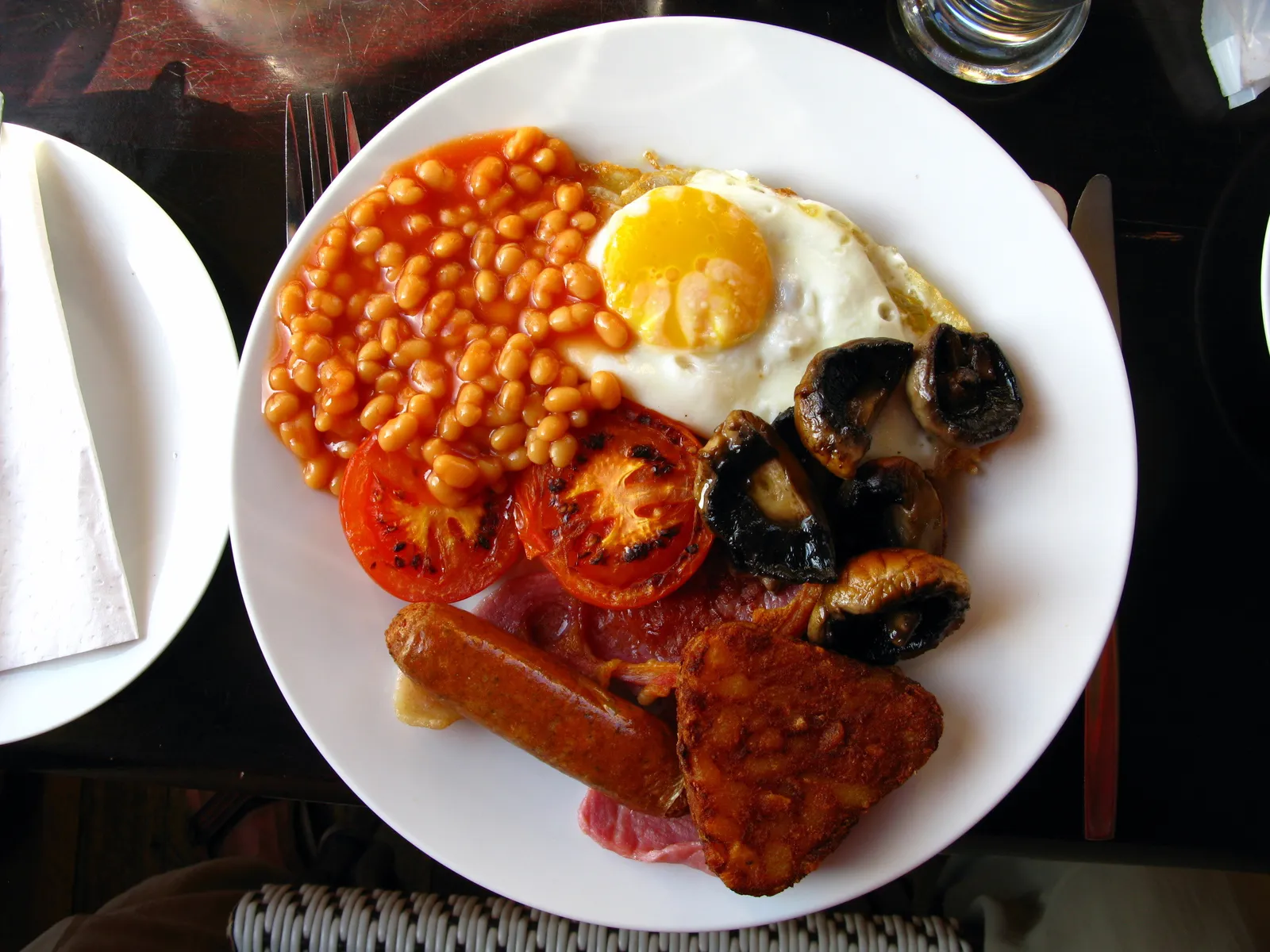
A full English breakfast plate with beans, fried egg, tomato, mushrooms, sausage and bacon United Kingdom flag United Kingdom 35m
Breakfast •British Breakfast Classic

Full English Breakfast

The Full English is Britain's great fry-up: pork sausages, back bacon, fried eggs, black pudding, baked beans, mushrooms and grilled tomato, with buttered toast on the side — all cooked in one pan and eaten hot. One serving is about 450 g.

Hearty & Filling

Sausages, bacon, eggs, black pudding, beans, mushrooms and tomato on one plate.

Pairs Well With
Buttered toast and a strong cup of tea
High Protein
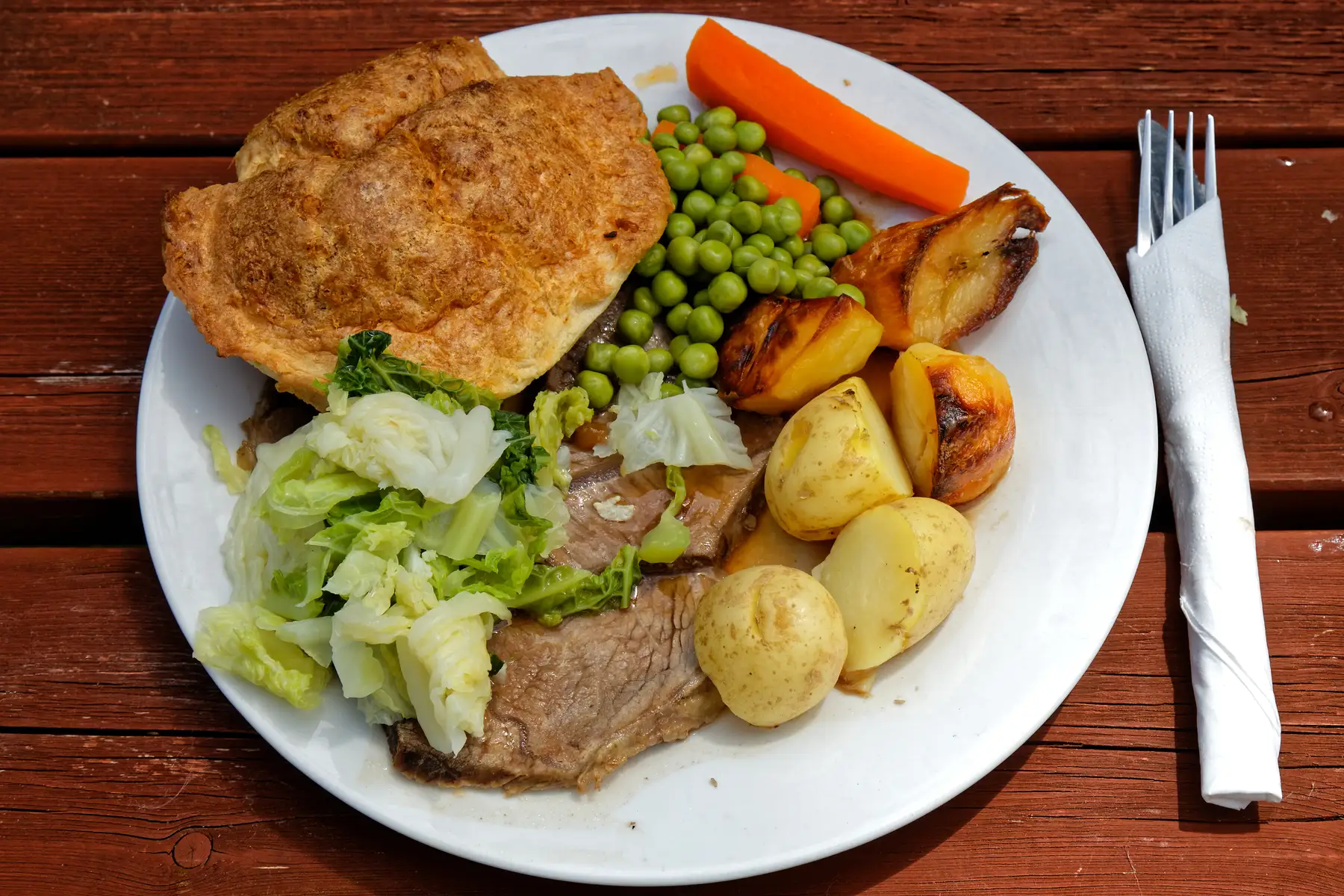
A plate of roast beef with a large Yorkshire pudding, roast potatoes, peas, carrots and cabbage on a wooden pub table United Kingdom flag United Kingdom 2h 40m
Dinner •English Sunday Roast

Roast Beef with Yorkshire Pudding

A topside joint roasted until blushing pink, served with golden Yorkshire puddings risen in beef dripping, crisp roast potatoes, carrots and peas, and a proper pan gravy. This roast beef with yorkshire pudding recipe is the full Sunday spread, built for a slow afternoon and a full table. One serving is about 660 g.

Comfort & Warmth

Pink roast beef, towering Yorkshire puddings, crisp roast potatoes and rich gravy — the Sunday dinner Britain is famous for.

Pairs Well With
Horseradish sauce, roast potatoes & a glass of red wine
High Protein

The Dinner Gazette

Never wonder what’s for dinner again

One email a week with easy dinner ideas from around the world — ingredients, steps and nutrition, tested in our kitchen first.

Delivered every Thursday morning. Unsubscribe anytime.