Curated recipes from 193 countries  •  New seasonal Mediterranean issue out now

Overview

Chifles

Fried Green Plantain Chips, Ecuadorian Plantain Chips, Chifles de Platano Verde

This chifles recipe makes the thin, golden chips of coastal Ecuador: green plantains sliced paper-thin and fried once in hot oil until they turn crisp all the way through, then salted while still hot. They are nothing like thick twice-fried patacones — these are light, shattering chips, made to be scooped up by the handful. One serving is about 120 g.

Chifles are the thin fried green-plantain chips of the Pacific coast, eaten across coastal Ecuador and northern Peru, where street vendors sell them by the bag and cevicherías serve them beside every cold, lime-cured ceviche. The plantain is sliced lengthways, paper-thin, and fried once until it turns to glass — a single fry, which is exactly what sets chifles apart from patacones, the thick green-plantain discs that are fried, smashed flat and fried a second time. In Ecuador a bowl of chifles is a snack in its own right and the crunch that comes with ceviche de palmito, encebollado and grilled fish.

Pairs well with: Ají criollo, ceviche de palmito, or an ice-cold limeade

Provenance
Ecuador flag Ecuador

Ecuadorian Coastal Snack

Latin America & Caribbean

Time Dedication

25m

10m prep • 15m cook

Batch Yield

4 Servings

308 kcal per serving

1 serving ≈ 120 g

Technical Skill

Easy

Easy (One Fry)

Meal Timing & Digestive Fit

Breakfast

Not Advised

Lunch

Inappropriate

Dinner

Inappropriate

Snack & Tea

Ideal Light Bite

Quick Prep (<30m) Occasions: Afternoon snacks, party nibbles, beach days, ceviche nights, game day Cost: Low — about $1–2 per serving at home

A pile of golden, thin fried green plantain chips (chifles) filling the frame

Ecuadorian Coastal Snack

Photo: MiguelAlanCS, CC BY-SA 4.0, via Wikimedia Commons

The Heritage Formulary

Measured Ingredients

Estimated cost: Low — about $1–2 per serving at home (USD)
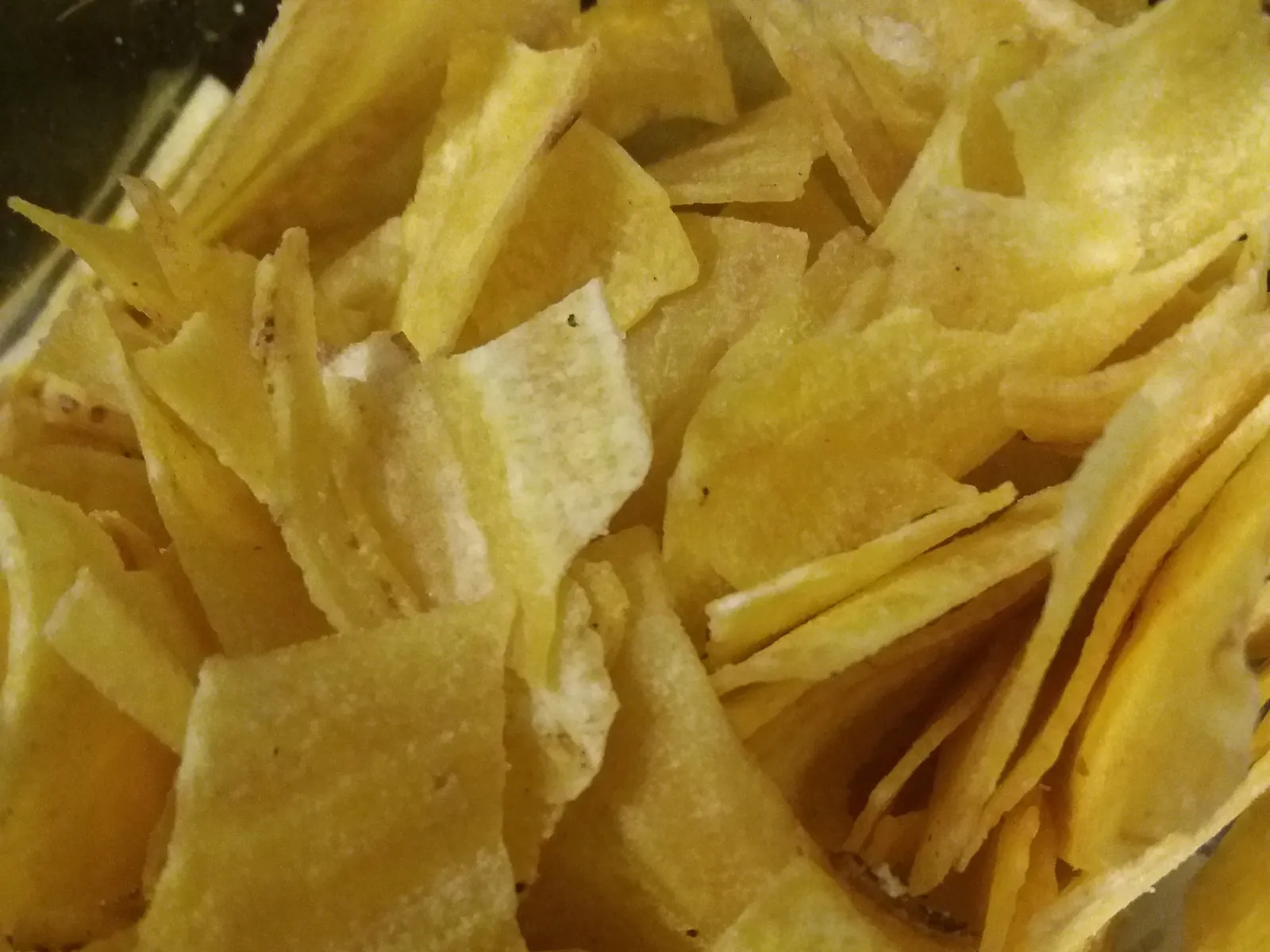
Made with green plantains sliced paper-thin and fried once at 180°C (350°F) until crisp; nutrition is estimated from USDA values.

Execution Methodology & Culinary Technique

Step-by-Step Cooking Guide

Active 25m
P

Prep Stage: Peel, Slice Paper-Thin

10 Mins • Peel & Slice

Cut both ends off each green plantain, score the skin lengthways in two or three places, and pry the peel away in strips — green plantain skin clings and will not slip off like a banana’s. Slice the peeled plantains lengthways as thin as you possibly can, 1-2 mm, with a mandoline or a sharp knife, keeping the strips even so they all crisp at the same rate. Pat the slices dry.

Maestro Tip: Thin is everything: a slice you can almost see through fries crisp in two minutes, while a thick one stays leathery in the middle.

  1. 1

    Peel and Slice the Plantains

    10 Mins No heat

    Cut the ends off the green plantains and score the skin lengthways, then peel in strips. Slice each plantain lengthways into paper-thin strips, 1-2 mm thick, and pat the slices dry with a clean towel so no water hits the hot oil.

    Work with one plantain at a time and keep the slices in a single layer — a pile of damp slices sticks together and fries unevenly.

    Done when: A neat pile of even, almost translucent strips, dry to the touch.

  2. 2

    Heat the Oil

    5 Mins 180°C (350°F)

    Pour the oil into a deep, heavy pan to a depth of about 4 cm and heat over medium-high heat until it reaches 180°C (350°F). If you have no thermometer, drop in one strip: it should sizzle hard at once and float within seconds.

    Hold the heat steady — oil cooler than about 170°C (340°F) soaks into the chips instead of crisping them.

    Done when: The oil shimmers and a test strip sizzles fiercely on contact.

  3. 3

    Fry in Small Batches

    6 Mins 180°C (350°F)

    Lay a small handful of strips into the oil, keeping them in one loose layer, and fry for 2-3 minutes, turning once, until deep golden and the furious bubbling calms down. Lift them out with a slotted spoon and drain on a wire rack, not on paper, so steam escapes and they stay crisp. Repeat with the rest, letting the oil come back to 180°C (350°F) between batches.

    Do not crowd the pan — too many strips at once drops the oil temperature and the chips turn greasy instead of glassy.

    Done when: Deep golden, rigid strips that feel light and snap rather than bend.

  4. 4

    Salt While Hot

    2 Mins No heat

    Scatter the salt over each batch the moment it leaves the oil, while the surface is still glistening, and toss gently. Let the chips cool on the rack for a minute or two — they crisp further as they cool.

    Salt sticks only to hot, oily chips; once they are cool and dry, it just falls to the bottom of the bowl.

    Done when: Evenly salted chips, completely crisp at room temperature.

  5. 5

    Serve at Once

    2 Mins No heat

    Pile the chifles into a wide bowl or a tall cup and set out lime wedges and ají criollo alongside. Eat them the same day, while they are still shatteringly crisp.

    Serve them in the open, not under a lid or a cloth — trapped steam is the fastest way to turn crisp chips soft.

    Done when: A full bowl of golden chips that crackle when you pick one up.

Finishing Touches & Plating

Serve the chifles hot and crisp, piled high in a bowl with lime wedges and ají criollo on the side — they are at their best in the first hour after frying.

Nutritional Physiology & Benefits

Nutrition

Energy

308

kcal / serving

Protein

2g

Complete AA

Carbs

57g

Complex

Fats

11g

Healthy

Per serving (4 servings · 1 serving ≈ 120 g)
Energy308 kcal
Protein2 g
Carbohydrates57 g
Fat11 g
Fibre4.1 g
Sugar27.0 g
Sodium298 mg
Per 100g
Energy257 kcal
Protein2 g
Carbohydrates47.9 g
Fat8.9 g
Fibre3.5 g
Sugar22.5 g
Sodium248 mg

Nutrition values are estimated — calculated from USDA FoodData Central values for the listed ingredients.

Vitamins & minerals: Provides potassium and vitamin B6 from the green plantain, with some vitamin C. Nutrition is estimated.

Quick, Steady Energy

About 57.4 g of carbohydrate per serving from the green plantain, with potassium and vitamin B6 — a filling snack that actually satisfies.

Three Ingredients, Nothing Hidden

Green plantain, oil and salt only. Naturally vegan and gluten-free, with no additives, no sugar and nothing processed.

A Snack You Can Portion

One serving is about 120 g, so weighing out a bowl keeps a crunchy snack from quietly becoming a whole meal.

Food Pairings

What to Eat With

To optimize nutrient absorption and elevate the sensory depth, pair with these authentic accompaniments:

Sauces

Ají Criollo

The sharp, herby heat of Ecuadorian ají cuts through the rich fried chips and is the classic dip for them.

Full Menus

Ceviche de Palmito

Chifles are the traditional crunch served with Ecuadorian ceviche — the cool, lime-cured palmito against the hot, salty chips is the pairing the coast is built on.

More Pairings

Guacamole

Creamy avocado cools the salty crunch and turns a handful of chips into a proper snack; the mild fat balances the fried edges.

Drinks

Ice-Cold Limeade

Cold, sharp limeade cleanses the palate after the salty, oily chips and keeps the snack feeling light.

Complete menu

Serve the chifles as the crunchy centre of a coastal snack board with ceviche de palmito, ají criollo and lime wedges, plus ice-cold limeade to drink.

Digestive Guardrails

What NOT to Combine

To prevent digestive distress, sluggishness, or palate clash, avoid pairing the dish with these elements:

Oil That Is Not Hot Enough

Frying below about 170°C (340°F) lets the strips drink oil instead of crisping, leaving them greasy and heavy. Wait for a full, fierce sizzle before the first batch goes in. This is general food information, not medical advice.

A Second Very Salty Snack Alongside

The chips already carry about 298 mg of sodium per serving, so pairing them with salted nuts or salty cured meats stacks the salt quickly. Keep the company fresh — lime, ají, avocado. This is general food information, not medical advice.

Storing Them Covered or Damp

A lid or a plastic bag traps steam and turns crisp chifles leathery within the hour. Cool them fully on a rack and keep them open to the air, or in a dry paper bag. This is general food information, not medical advice.

General information only, not medical advice — consult a doctor for personal dietary decisions.

Who Should Eat It

Who Should Eat

  • General adultsA light, crunchy snack — one 120 g serving is satisfying without spoiling dinner.
  • ChildrenChildren love the salty crunch; serve older children a small bowl and keep the ají mild or on the side.
  • ElderlyVery crisp and hard, so they can be tough on dentures — break them into smaller pieces and serve with a soft dip like guacamole.
  • Pregnant womenFine as an occasional snack — the chips are fully cooked and the plantain is a good source of potassium; keep the salt light.
  • Breastfeeding womenA quick energy-rich snack between feeds; the spice level is yours to control.
  • AthletesAbout 57.4 g of carbohydrate and 308 kcal per serving, with potassium — useful quick fuel after training.
  • Weight gainEasy to enrich: eat a full serving with guacamole or alongside a meal rather than instead of one.
  • Weight lossAt about 308 kcal a serving they are easy to overeat by the handful — weigh out one 120 g bowl and put the rest away.

Health Conditions — Adjust or Avoid

Conditions

  • DiabetesOne serving carries about 57.4 g of carbohydrate, mostly starch from the plantain. Keep to a single measured serving and pair it with protein or salad. Ask your clinician about portion size.
  • High blood pressureEach serving carries about 298 mg of sodium, mostly from the salt. Use a lighter hand with the salt and skip extra-salty dips. Ask your clinician about your sodium target.
  • Kidney diseaseGreen plantain is high in potassium — roughly 875 mg per serving — which may not suit a potassium-restricted diet. Ask your clinician before making this a regular snack.
  • GoutPlantain is low in purines, so the chips themselves are not a gout trigger; the frying oil adds calories rather than purines. Ask your clinician if flare-ups are frequent.
  • Stomach issuesFried food and the fibre in green plantain can bother reflux or a sensitive stomach; eat a small portion and skip the hot ají. Ask your clinician if symptoms persist.
  • Cardiovascular diseaseThe chips are fried and carry about 10.7 g of fat per serving, so this is an occasional snack rather than an everyday one. Keep the portion to one serving. Ask your clinician about fitting it into your eating plan.
  • Fatty liverA fried, energy-dense snack is a lot for one sitting; keep portions modest and balance the day with fresh vegetables. Ask your clinician for personal guidance.
  • Food allergiesContains no major allergen as written — plantain, vegetable oil and salt. If you fry in peanut oil instead, that introduces a peanut allergen.
  • Special therapeutic dietsSuitable for vegan and gluten-free diets. Not suitable for low-carbohydrate diets, which the plantain starch rules out. Ask your clinician or dietitian about your specific plan.

If you have a medical condition, consult your doctor before changing your diet.

Storage & Use

Storage & Use

How to store
Cool the chips completely on a wire rack, then keep them in a dry paper bag or an uncovered bowl at room temperature.
In the fridge
Best eaten the same day; they keep up to 2 days at room temperature in a dry container. Do not refrigerate — the cold and moisture turn them soft.
In the freezer
Do not freeze — frozen chifles thaw limp and soggy.
How to reheat
Re-crisp in a 180°C (350°F) oven for 3-4 minutes; do not microwave, which steams them soft.
Freezing recommended
No — freezing ruins the crunch that defines them.
Signs it has spoiled
Soft or leathery texture, a stale or rancid oil smell, or any dampness in the bag.

More recipes to explore

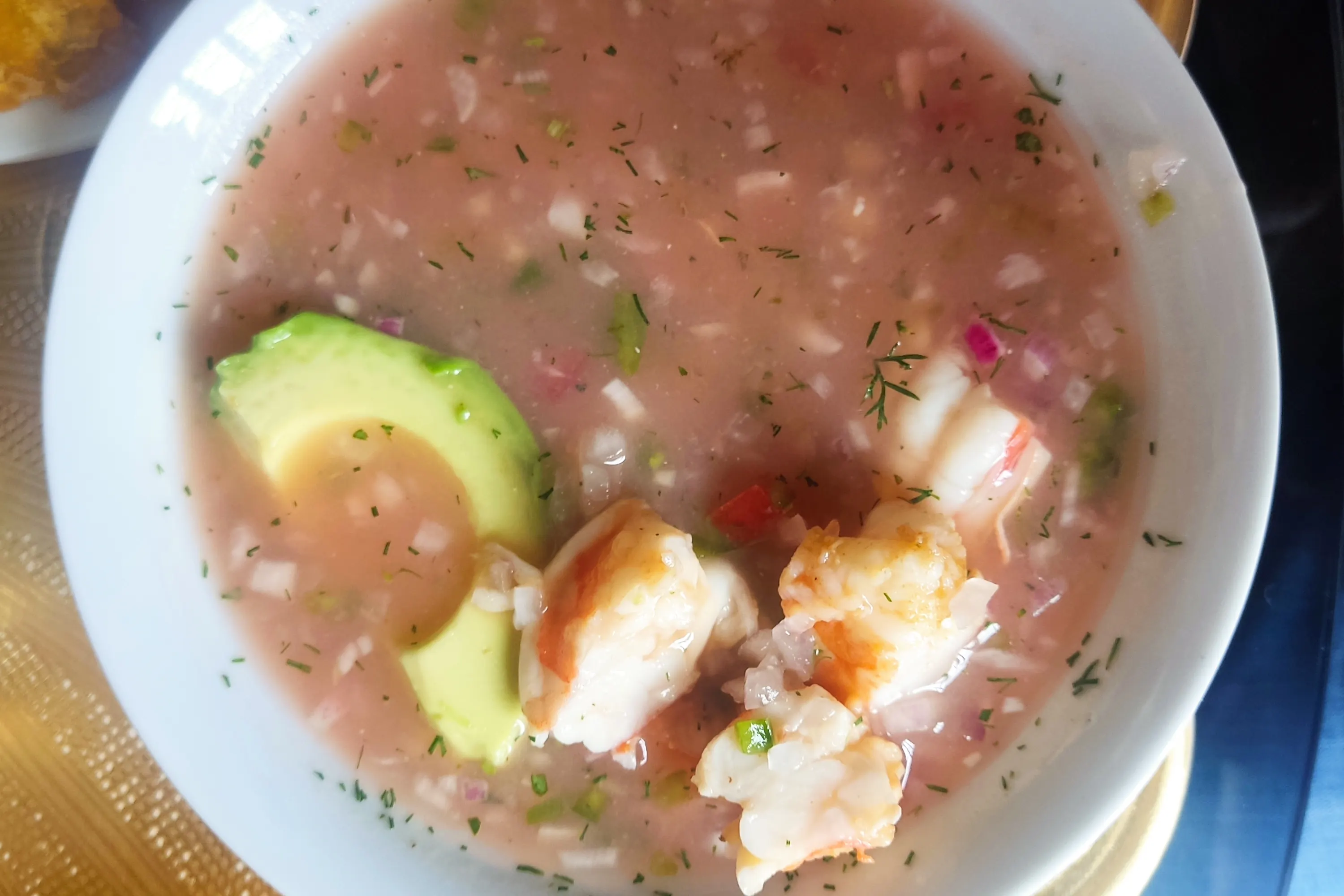
A white bowl of Ecuadorian shrimp ceviche in pink tomato-citrus sauce with cooked shrimp, red onion, cilantro and an avocado slice Ecuador flag Ecuador 30m
Lunch •Coastal Ecuador

Ecuadorian Ceviche

Ecuadorian ceviche is a bowl of poached shrimp in a pink-orange sauce of tomato, lime and orange juice, with red onion and cilantro. Unlike the Peruvian version, where raw fish is cured in lime juice, the shrimp here is cooked first, so the dish is saucy, cold and gentle rather than sharp. One serving is about 341 g.

Light & Fresh

Poached shrimp in a bright lime, orange and tomato sauce, served chilled with crunchy sides.

Pairs Well With
Chifles, popcorn and avocado slices
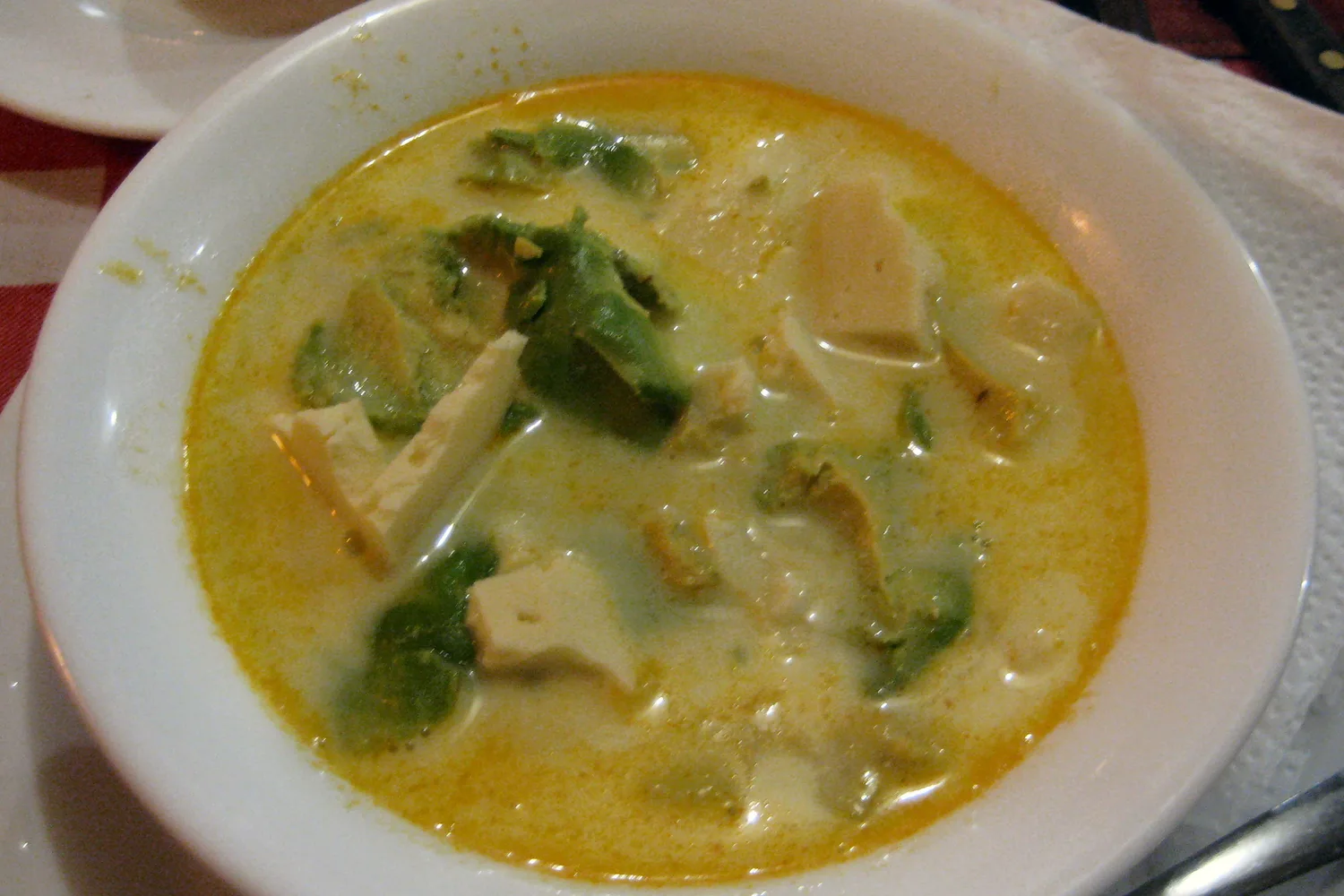
A bowl of golden locro de papa, Ecuadorian potato and cheese soup, topped with avocado chunks and cubes of white cheese Ecuador flag Ecuador 55m
Dinner •Andean Heritage

Locro de Papa

Locro de papa is Ecuador's golden potato and cheese soup, thickened by the potatoes themselves and finished with creamy avocado and crumbled queso fresco. One serving is about 675 g. It is a one-pot, meat-free dinner that tastes like the cool Andean evenings it comes from.

Comfort & Warmth

A thick, golden potato and cheese soup from the Ecuadorian highlands, finished with fresh avocado.

Pairs Well With
Crusty bread and a simple lettuce and tomato salad, with hot panela water or herbal tea to drink.
Soups & Broths
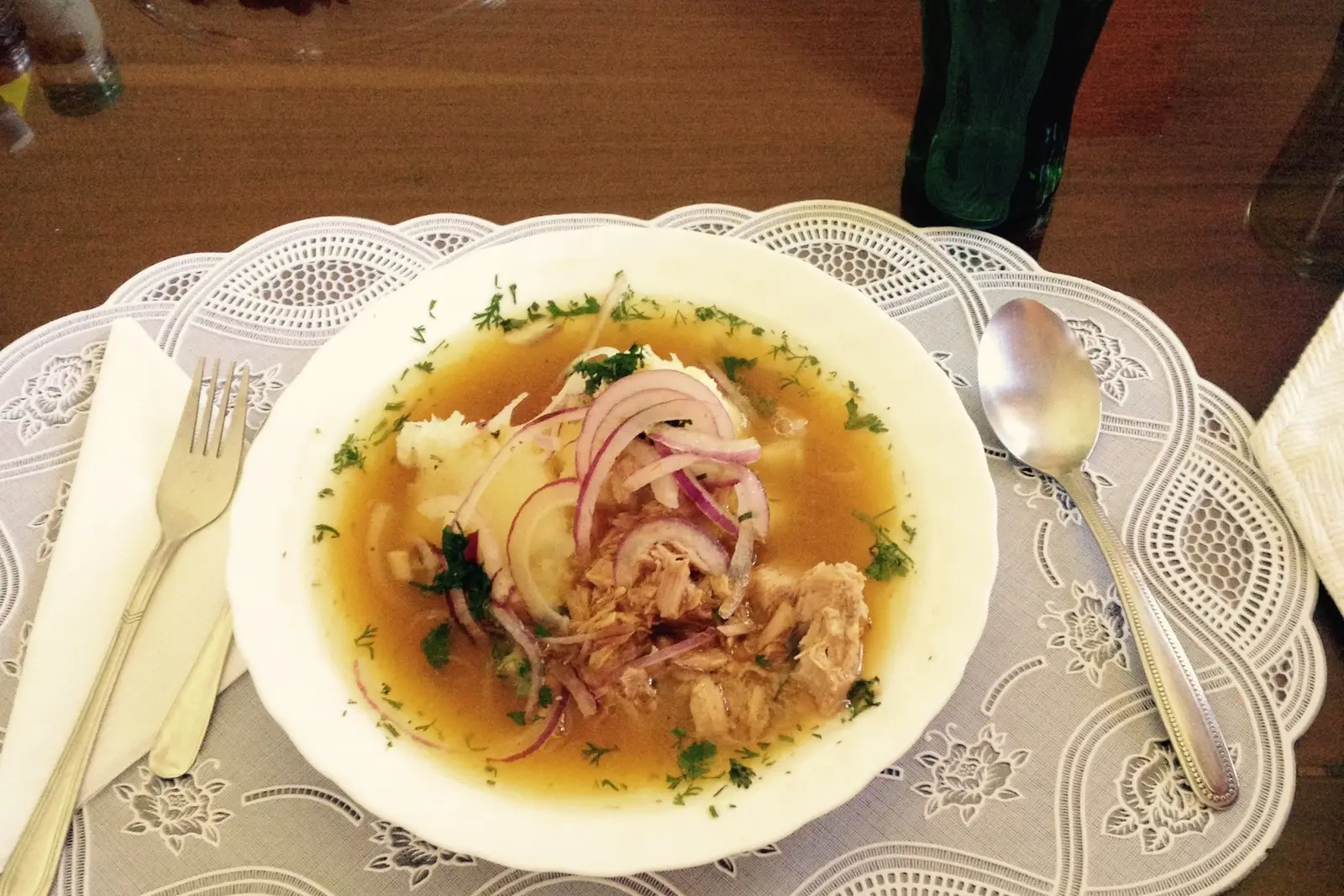
A bowl of encebollado with flaked tuna, pickled red onion rings, yuca and golden broth, sprinkled with cilantro Ecuador flag Ecuador 1h 20m
Lunch •Guayaquil Heritage

Encebollado

This encebollado recipe is Ecuador's beloved coastal soup: fresh albacore tuna simmered in a tomato, onion and cumin broth with tender chunks of yuca, then ladled into bowls under a bright mound of lime-pickled red onion and tomato. The broth is light and savoury, the onion topping is sharp and fresh, and the chifles and tostado on the side add the crunch every Ecuadorian expects. One serving is about 600 g, soup and toppings together.

Comfort & Warmth

Fresh tuna and yuca simmered in a tomato-cumin broth, finished with lime-pickled red onion and crunchy plantain chips.

Pairs Well With
Chifles (plantain chips) and tostado (toasted corn) for crunch, avocado slices, and lime wedges to squeeze over the bowl.
Soups & Broths
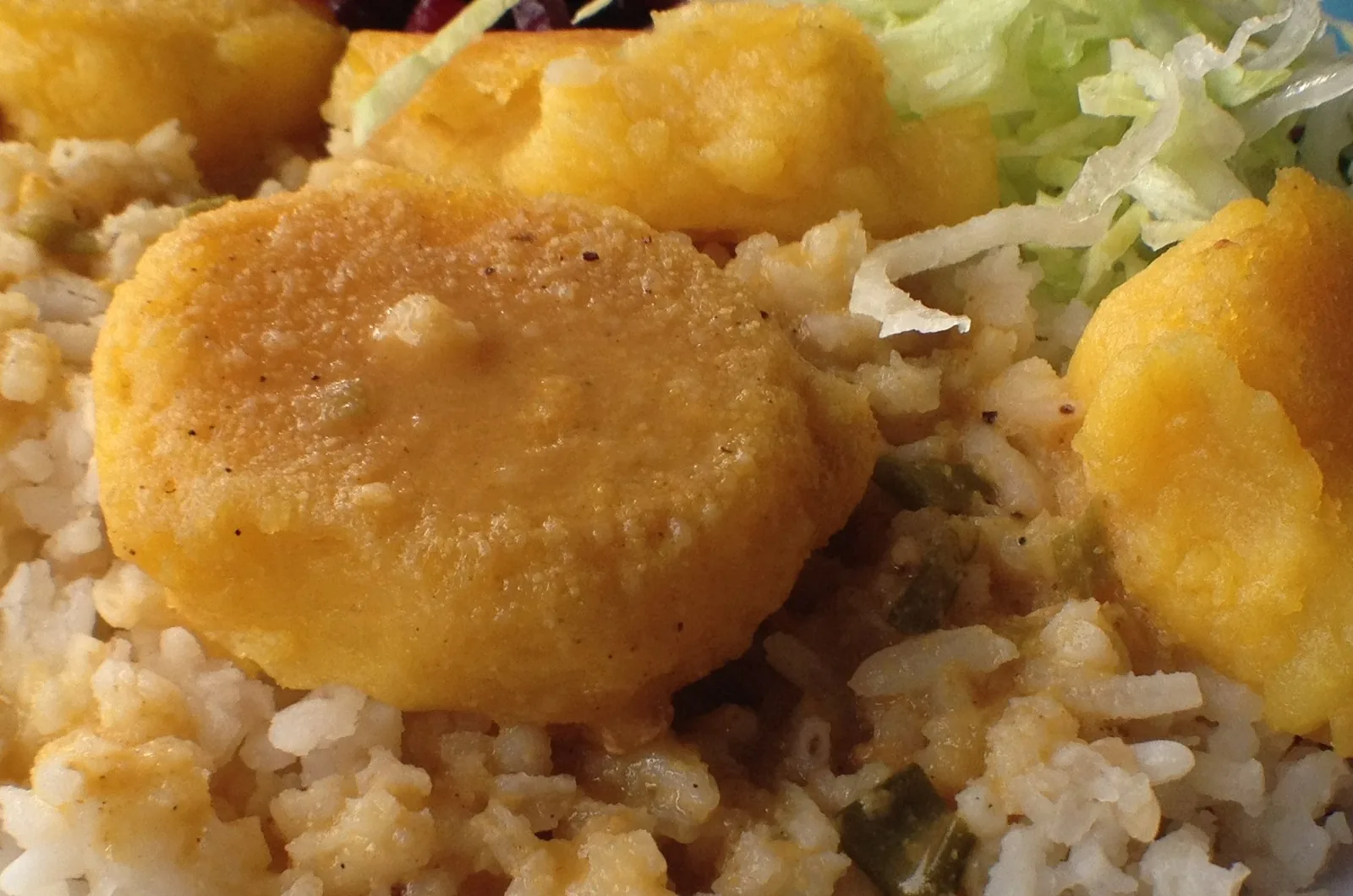
Golden llapingacho potato patties on rice with peanut sauce and shredded lettuce Ecuador flag Ecuador 1h
Lunch •Andean Heritage

Llapingacho

Llapingacho is Ecuador's most loved potato dish: mashed potato mixed with onion and annatto oil, wrapped around fresh cheese, flattened into cakes and fried until the outside is crisp and golden and the centre turns gooey. It is served with a fried egg, peanut sauce and a little salad. One serving is about 464 g.

Golden & Comforting

Mashed potato mixed with onion and annatto oil, stuffed with fresh cheese and fried golden.

Pairs Well With
Fried egg, peanut sauce and a fresh salad

The Dinner Gazette

Never wonder what’s for dinner again

One email a week with easy dinner ideas from around the world — ingredients, steps and nutrition, tested in our kitchen first.

Delivered every Thursday morning. Unsubscribe anytime.