
Curated recipes from 193 countries  •  New seasonal Mediterranean issue out now

Overview

Chikanda

Kinaka, Chinaka, African Polony

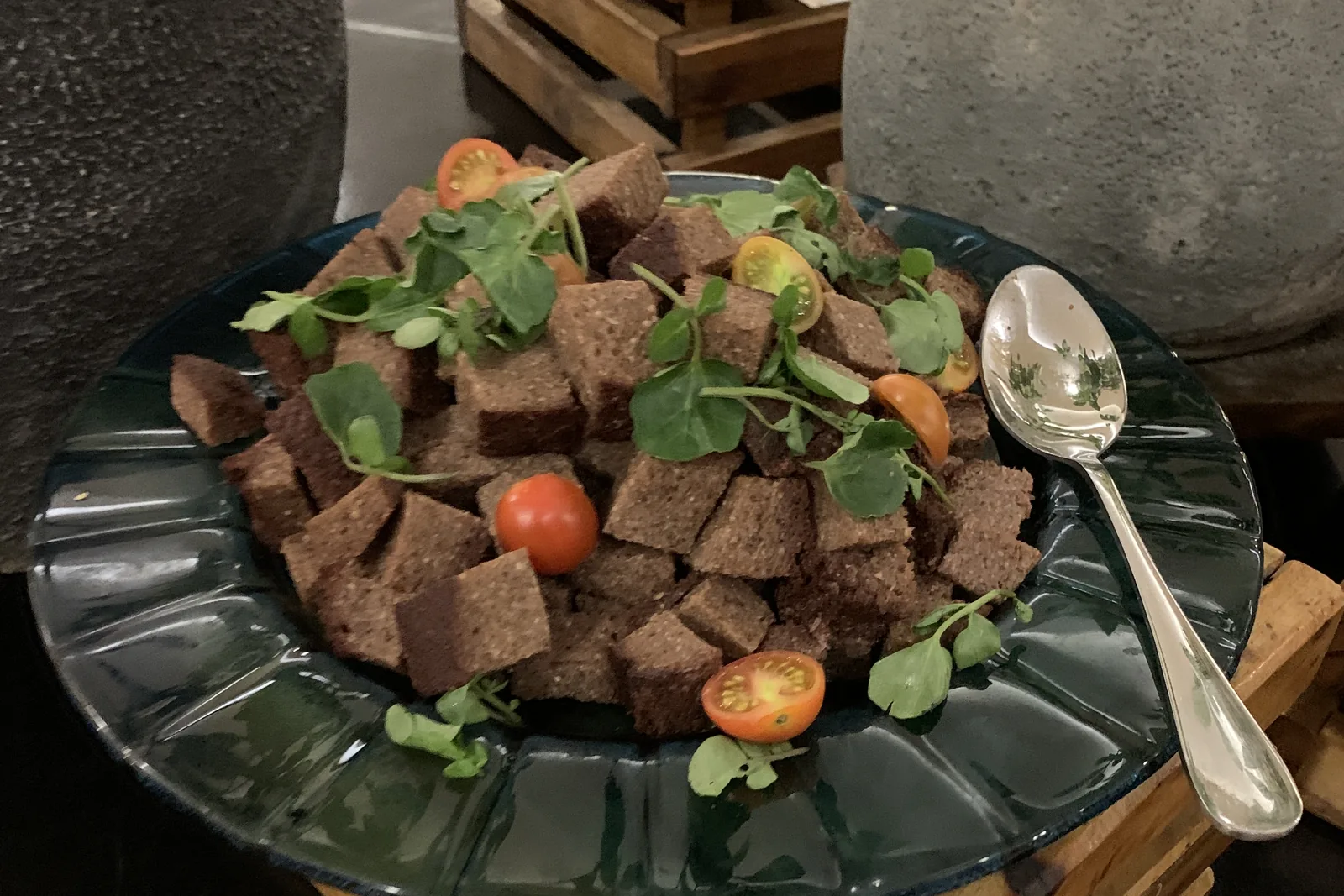
This chikanda recipe boils orchid-tuber meal and groundnut meal into a thick slurry, sets it with a little baking soda, and lets it cool into a firm, sliceable cake. It looks like bologna and slices like it, but it contains no meat at all — just tubers, peanuts and spice. One serving is about 158 g.

Chikanda is a Bemba dish from north-eastern Zambia, eaten for hundreds of years and traditionally served at weddings and celebrations. The Bemba turned a famine food — the small tubers of wild terrestrial orchids — into a prized cake that looks and slices like bologna, which is why it is called African polony. Today it is sold by the slice in markets across Zambia, but the wild orchids it depends on are under severe pressure from overharvesting, and researchers are working on ways to grow them.

Pairs well with: Chilli sauce & tomato relish

Provenance

Zambia flag Zambia

Bemba Heritage Snack

African Heritage

Time Dedication

1h 5m

15m prep • 50m cook

Batch Yield

6 Servings

286 kcal per serving

1 serving ≈ 158 g

Technical Skill

Intermediate

Intermediate (Stovetop Cake)

Meal Timing & Digestive Fit

Breakfast

Not Advised

Lunch

Inappropriate

Dinner

Inappropriate

Snack & Tea

Ideal Light Bite

High Protein Occasions: Snack time, market food, weddings and celebrations, picnic Cost: Low — about $2–3 per serving at home
Cubed chikanda cake garnished with cherry tomatoes and herbs on a dark green plate

Bemba Heritage Snack

Photo: LittleT889, CC BY-SA 4.0, via Wikimedia Commons

The Heritage Formulary

Measured Ingredients

Estimated cost: Low — about $2–3 per serving at home (USD)

Good chikanda is firm and sliceable, with a smooth, jelly-like bite and a mild, nutty flavour — never crumbly or gritty.

Execution Methodology & Culinary Technique

Step-by-Step Cooking Guide

Active 1h 5m
P

Prep Stage: Measure the Meals, Grease the Mould

15 Mins • Measure & Mix

Sift the chikanda meal into a bowl and stir in the groundnut meal, salt and chilli flakes so the dry ingredients are evenly mixed before any water meets them. Lightly oil a loaf tin or a deep bowl — the cake sets firm and needs a clean release. Measure the baking soda separately and keep it by the stove; it goes in last.

Maestro Tip: Mixing the two meals dry first is what stops lumps forming when the water goes in.

  1. 1

    Make the Slurry

    5 Mins Room temperature, ~21°C (70°F)

    Whisk the mixed meals with 700 ml of cold water a little at a time, stirring until you have a smooth, thin batter with no lumps. It should pour like thin cream — if it is thick already, add a splash more water.

    Cold water first: hot water straight onto the meal makes instant lumps that never come out.

    Done when: The batter is smooth, lump-free and pours easily.

  2. 2

    Boil and Thicken

    20 Mins Simmer, ~95°C (203°F)

    Pour the slurry into a heavy pot and bring to a gentle simmer over medium heat, stirring constantly with a wooden spoon. After about 10 minutes it starts to thicken; keep stirring for 10 minutes more until it turns into a heavy, glossy paste that pulls away from the sides of the pot.

    Do not walk away — the slurry catches and burns on the bottom in seconds once it thickens.

    Done when: The paste is thick, glossy and pulls cleanly from the pot sides.

  3. 3

    Set with Soda and Spice

    10 Mins Low simmer, ~90°C (194°F)

    Sprinkle in the baking soda and stir hard — the paste will loosen, bubble slightly and then firm up again as the soda works through it. Keep stirring over low heat for 10 minutes more until the mixture is very thick, holds its shape on the spoon, and has a faintly soapy, savoury smell.

    The soda is what turns a sticky porridge into a sliceable cake — do not leave it out.

    Done when: The mixture is very thick, holds a peak on the spoon, and smells faintly savoury.

  4. 4

    Mould and Cool

    10 Mins + 1 Hour Cooling Cool to room temperature, ~21°C (70°F)

    Scrape the hot paste into the oiled tin and smooth the top with a wet spoon, then press it down firmly so no air pockets remain. Leave it to cool completely — at least 1 hour — before you touch it. The cake firms as it cools, so do not rush this step.

    A wet spoon smooths the top without sticking; a dry one drags.

    Done when: The cake is cool, firm and releases cleanly from the tin.

  5. 5

    Slice and Serve

    5 Mins Serve at room temperature, ~21°C (70°F)

    Turn the cake out onto a board and slice it with a sharp, wet knife into slices about 1 cm thick. Serve with chilli sauce or a tomato relish on the side.

    Wet the knife between cuts for clean slices — the cake is sticky when warm.

    Done when: Slices hold their shape with clean edges and a firm, jelly-like bite.

Finishing Touches & Plating

Cool the cake completely before slicing — a warm cake crumbles and will not hold its shape. Leftover slices fry well in a little oil until the edges crisp, which is how many Zambian vendors serve them.

Nutritional Physiology & Benefits

Nutrition

Energy

286

kcal / serving

Protein

7g

Complete AA

Carbs

35g

Complex

Fats

14g

Healthy

Per serving (6 servings · 1 serving ≈ 158 g)
Energy286 kcal
Protein7 g
Carbohydrates35 g
Fat14 g
Fibre3.4 g
Sugar2.0 g
Sodium492 mg
Per 100g
Energy181 kcal
Protein4.3 g
Carbohydrates22 g
Fat9 g
Fibre2.1 g
Sugar1.3 g
Sodium311 mg

Nutrition values are estimated — calculated from USDA FoodData Central values for the listed ingredients.

Vitamins & minerals: Niacin and vitamin E (groundnuts), potassium and magnesium (tuber meal), small amounts of B vitamins.

Protein Without Meat

About 6.7 g of protein per serving comes from the groundnuts, so this meat-free cake is surprisingly filling for a snack.

Fibre from Tubers and Nuts

Orchid-tuber meal and groundnuts bring about 3.4 g of fibre per serving, which slows digestion and keeps the snack satisfying.

Light and Easy to Carry

Chikanda is served cold, sliced and ready to eat, so it travels well as a market snack or picnic food with no reheating needed.

Food Pairings

What to Eat With

To optimize nutrient absorption and elevate the sensory depth, pair with these authentic accompaniments:

Sauces

Chilli Sauce

A hot chilli sauce wakes up the mild, earthy cake — Zambian vendors almost always serve chikanda with something spicy on the side.

Vegetables

Tomato Relish

A fresh tomato and onion relish adds acidity and juice against the dense, dry crumb of the cake.

Drinks

Ginger Tea

A warm, lightly sweet ginger tea balances the earthy flavour of the cake and makes a simple afternoon snack feel complete.

Full Menus

As Part of a Zambian Spread

Serve sliced chikanda beside nshima, ifisashi and kapenta at a gathering — it is the snack everyone reaches for first.

Complete menu

Serve sliced chikanda with chilli sauce and tomato relish as a snack, or add it to a Zambian spread with nshima, ifisashi and kapenta.

Digestive Guardrails

What NOT to Combine

To prevent digestive distress, sluggishness, or palate clash, avoid pairing the dish with these elements:

Harvesting Wild Orchids

The wild orchids used for chikanda are under severe pressure from overharvesting, and many are now scarce. Buy the meal from reputable sellers and never dig up wild orchids yourself. This is general guidance, not medical advice.

Wheat Flour as a Substitute

Wheat flour cannot replace orchid-tuber meal — it lacks the mucilaginous tuber starch that sets the cake, so the mixture stays a sticky porridge and never slices. If you cannot find chikanda meal, wait until you can.

General information only, not medical advice — consult a doctor for personal dietary decisions.

Who Should Eat It

Who Should Eat

  • General adultsA filling, unusual snack — a slice or two with chilli sauce is plenty.
  • ChildrenSuitable from age 5+; serve small slices with a mild relish and keep the chilli sauce on the side.
  • ElderlySuitable in small slices; the cake is soft and easy to chew, but dense — eat slowly.
  • Pregnant womenGenerally suitable; the cake is cooked right through and served cold — eat it fresh, not left out for hours.
  • Breastfeeding womenGenerally suitable as a snack; the peanuts and energy support recovery.
  • AthletesA handy portable snack: carbs and a little protein in a slice, good between meals.
  • Weight gainA good choice — take two or three slices with relish and a sweet drink.
  • Weight lossEnjoy one slice as a snack, not a meal — the cake is dense and easy to overeat.

Health Conditions — Adjust or Avoid

Conditions

  • DiabetesThe tuber meal is starchy — keep it to one or two slices and pair it with vegetables, not extra starch. Ask your clinician about portion size.
  • High blood pressureThe baking soda and salt add a lot of sodium; keep the portion small and season lightly. Ask your clinician about a suitable portion.
  • Kidney diseaseThe dish is salty and the peanuts add potassium and phosphorus; keep the portion small and ask your clinician about frequency.
  • GoutEat occasionally and in small portions — peanuts are moderately high in purines. Ask your clinician if you have frequent flares.
  • Stomach issuesThe cake is dense and the baking soda can cause bloating in sensitive stomachs — eat a small slice slowly and chew well.
  • Cardiovascular diseaseA salty snack — keep the portion small and balance the rest of the day with lighter food. Ask your clinician about a suitable portion.
  • Fatty liverKeep the portion to one slice and favour the relish over extra oil; the groundnuts add a lot of fat. Ask your clinician about a suitable portion.
  • Food allergiesContains peanuts — the main allergen in this dish. Do not serve to anyone with a peanut allergy; there is no safe substitute that keeps the dish the same.
  • Special therapeutic dietsIf you follow a prescribed low-sodium diet, this dish is hard to fit — the soda and salt are part of how it sets — so check with your clinician.

If you have a medical condition, consult your doctor before changing your diet.

Storage & Use

Storage & Use

How to store
Cool completely, then wrap tightly in cling film or store in an airtight container.
In the fridge
4 days.
In the freezer
1 month, sliced.
How to reheat
Eat cold, or fry slices in a little oil until the edges crisp and the centre is hot, about 74°C (165°F).
Freezing recommended
Yes — slice first and freeze for up to 1 month; thaw in the fridge.
Signs it has spoiled
Sour or musty smell, slimy surface, or mould.

More recipes to explore

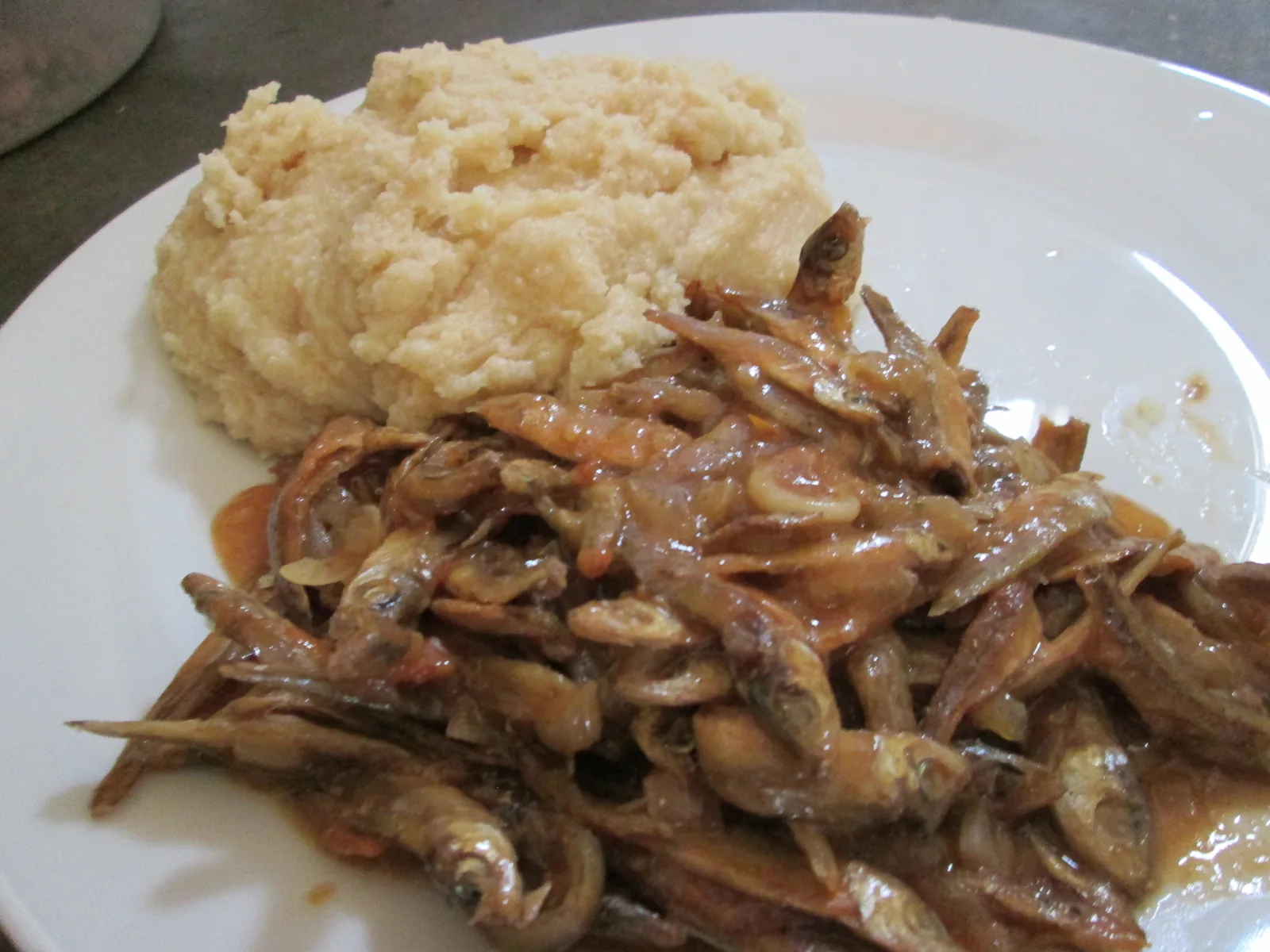
A plate of stewed kapenta fish in tomato sauce served beside a mound of nshima Zambia flag Zambia 50m
Dinner •Lake Kariba Table

Zambian Kapenta

This kapenta recipe stews tiny dried fish from Lake Kariba with tomato, onion and garlic, with a spoonful of groundnut powder to round out the sauce. The little fish soften in the pan and soak up the tomato, turning rich and savoury. Serve it beside a mound of nshima and eat it the Zambian way, with your fingers. One serving is about 390 g.

Comfort & Warmth

Tiny lake fish stewed in a tomato-onion sauce, served with nshima for a filling family dinner.

Pairs Well With
Nshima & a side of greens
High Protein
A bowl of ifisashi — leafy greens in a creamy peanut sauce Zambia flag Zambia 1h
Dinner •Zambian Home Table

Ifisashi

This ifisashi recipe simmers spinach, pumpkin leaves and sweet potato in a creamy sauce of ground peanuts, tomato and onion until everything turns soft and nutty. The greens are the heart of the dish, not a garnish — they wilt down into the peanut sauce and carry its flavour. Serve it with nshima for a proper Zambian dinner. One serving is about 375 g.

Everyday Nourishment

Leafy greens simmered in a creamy groundnut sauce — a filling, meat-free Zambian classic.

Pairs Well With
Nshima & roasted peanuts
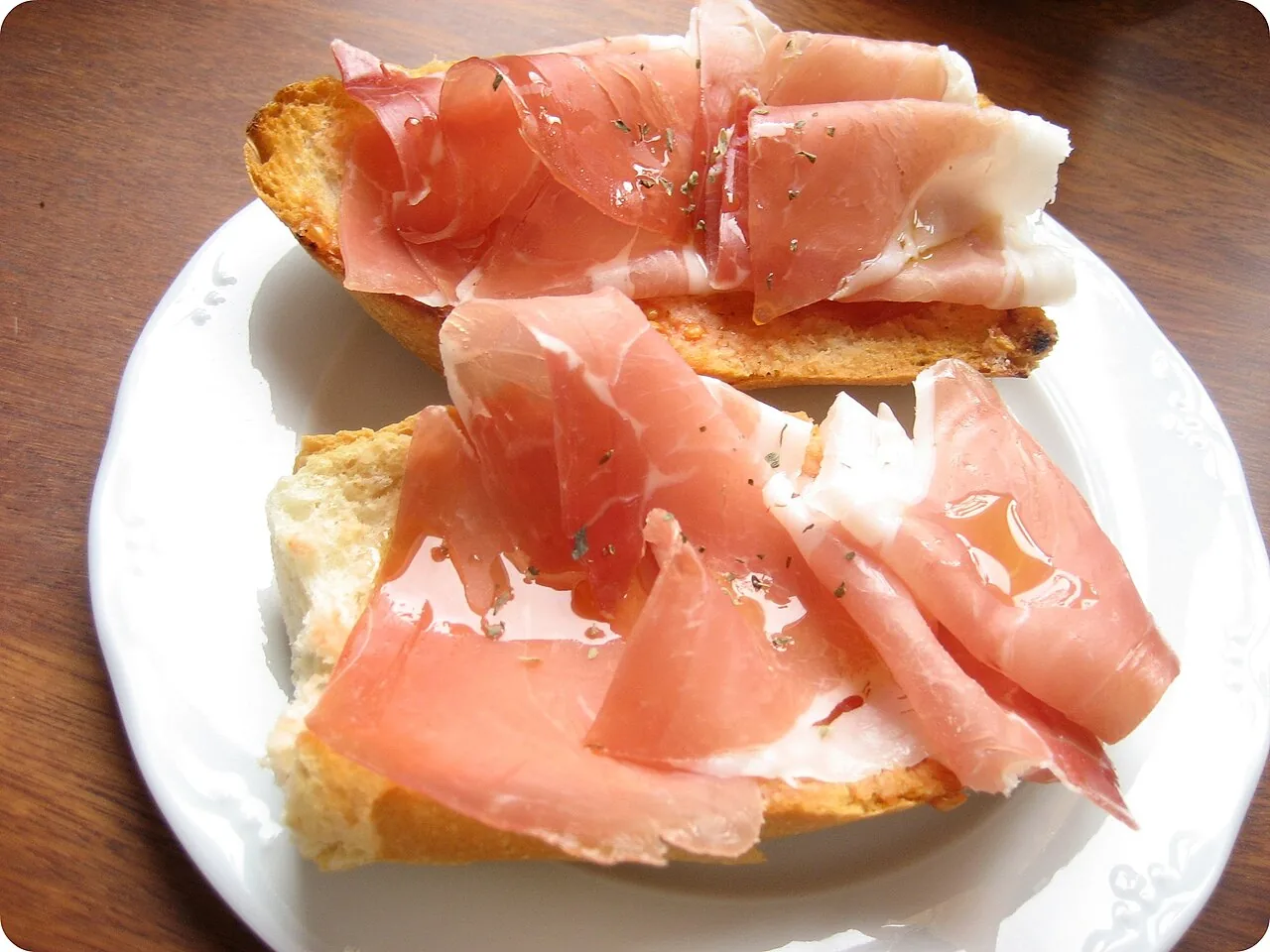
Pan con tomate with jamón ibérico on toasted bread Spain flag Spain 15m
Snack & Tea •Catalan Aperitivo

Pan con Tomate & Jamón Ibérico

Country bread rubbed with ripe Ramallet tomato, drizzled with cold-pressed Arbequina olive oil and topped with jamón ibérico.

Vascular Health

Toasted tomato bread with jamón ibérico, olive oil and olives.

Pairs Well With
Castelvetrano Olives & Sparkling Mineral Water
Quick Prep (<30m)
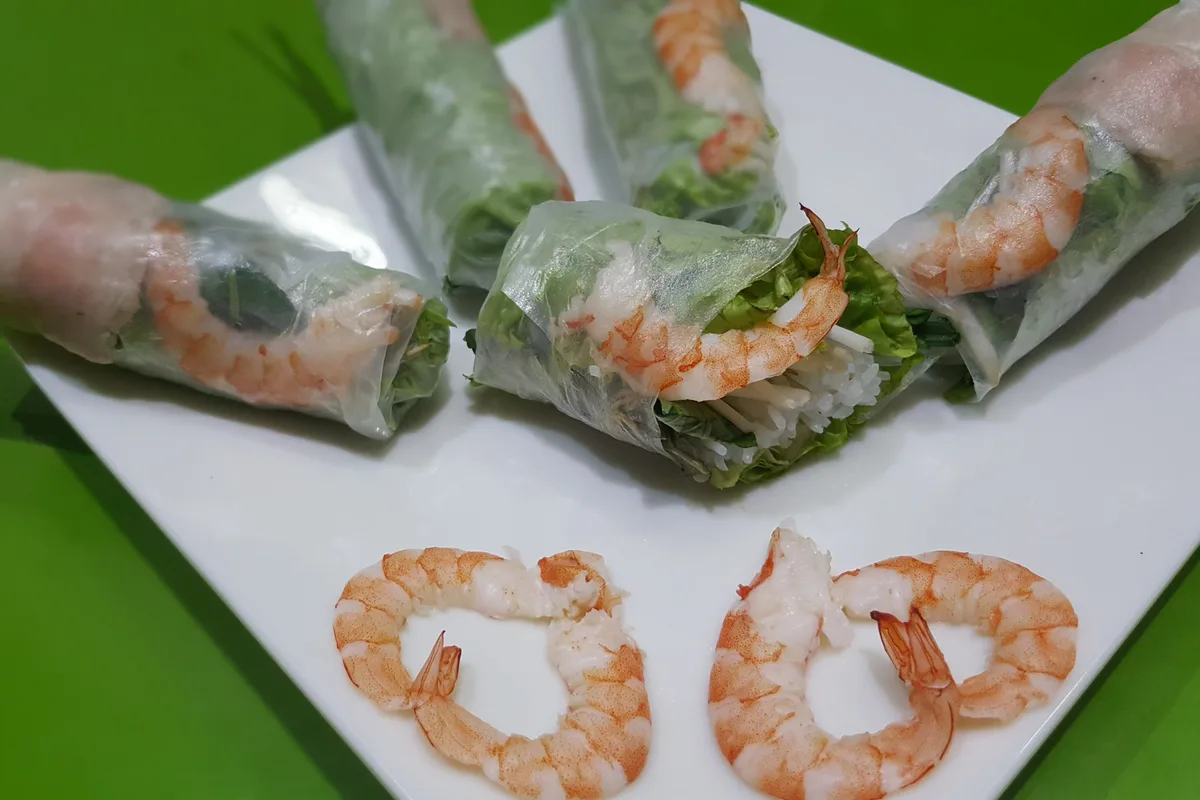
Gỏi cuốn — Vietnamese fresh spring rolls with prawn and pork Vietnam flag Vietnam 1h 5m
Snack & Tea •Saigon Refresh

Gỏi Cuốn Tôm Thịt

Fresh rice paper rolls filled with poached prawns, tender pork, rice vermicelli, lettuce, herbs and carrot, served with a peanut dipping sauce.

Light Digestion

Nothing is fried, so the rolls stay light and fresh — a cool, herb-filled snack for hot days.

Pairs Well With
Artisanal Peanut Dip & Fresh Lotus Root Water
High Protein

The Dinner Gazette

Never wonder what’s for dinner again

One email a week with easy dinner ideas from around the world — ingredients, steps and nutrition, tested in our kitchen first.

Delivered every Thursday morning. Unsubscribe anytime.