Curated recipes from 193 countries  •  New seasonal Mediterranean issue out now

Overview

Zambian Kapenta

Matemba, Stewed Kapenta

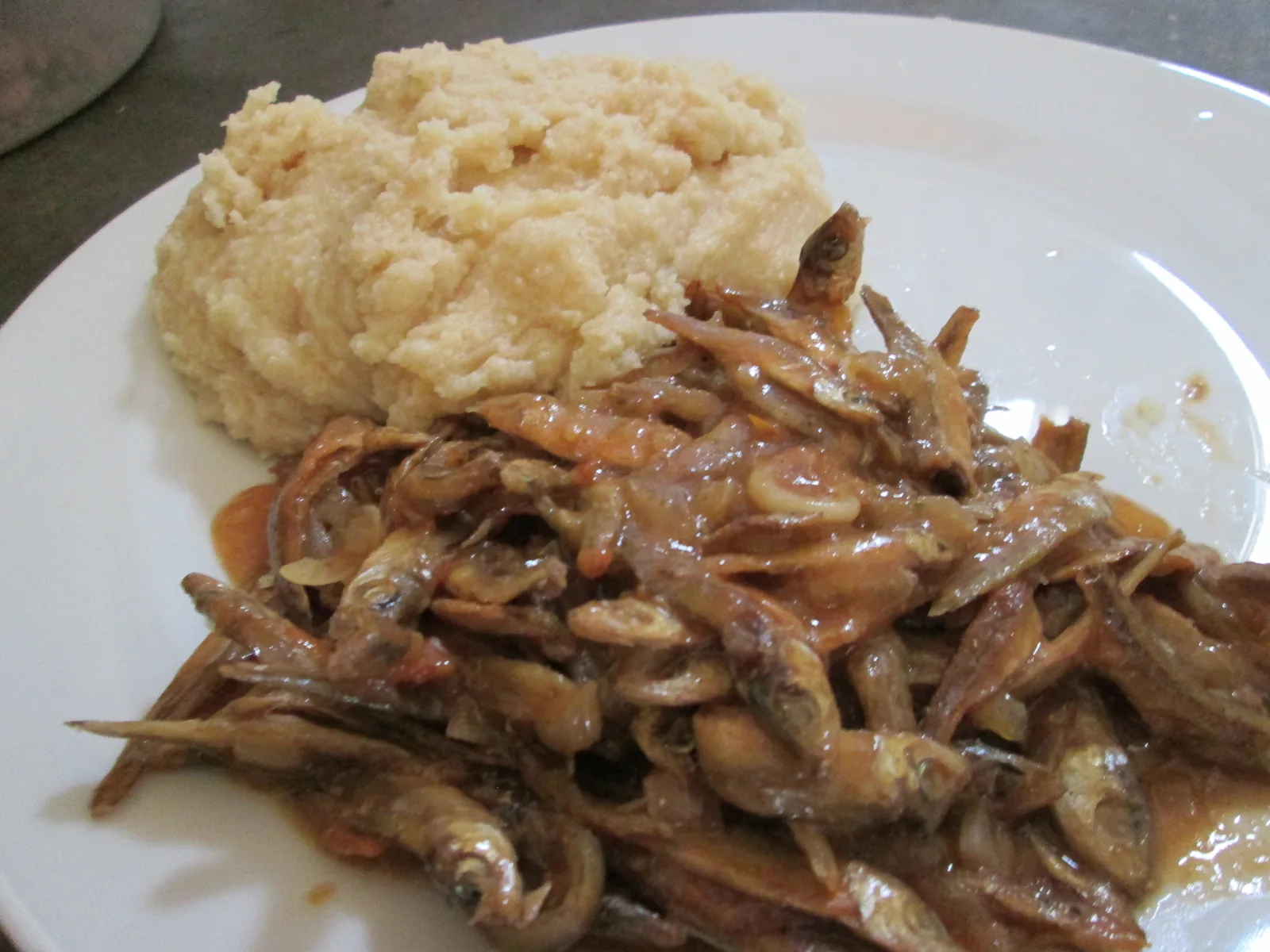
This kapenta recipe stews tiny dried fish from Lake Kariba with tomato, onion and garlic, with a spoonful of groundnut powder to round out the sauce. The little fish soften in the pan and soak up the tomato, turning rich and savoury. Serve it beside a mound of nshima and eat it the Zambian way, with your fingers. One serving is about 390 g.

Kapenta (Limnothrissa miodon) is a tiny sardine-like fish from Lake Tanganyika that was introduced to Lake Kariba in the late 1960s, where it now supports one of the lake's biggest fisheries. Zambian and Zimbabwean families sun-dry the catch on racks, which keeps it for months without refrigeration, then stew it with tomato and onion and serve it with nshima. Around the lake it is an everyday protein, cheap, filling and eaten whole.

Pairs well with: Nshima & a side of greens

Provenance

Zambia flag Zambia

Lake Kariba Table

African Heritage

Time Dedication

50m

15m prep • 35m cook

Batch Yield

4 Servings

620 kcal per serving

1 serving ≈ 390 g

Technical Skill

Intermediate

Intermediate (One Pot)

Meal Timing & Digestive Fit

Breakfast

Not Advised

Lunch

Hearty Midday Main

Dinner

Ideal Hearty Main

Snack & Tea

Inappropriate

High Protein Occasions: Family dinner, lakeside supper, weekend cooking Cost: Low — about $3–4 per serving at home
A plate of stewed kapenta fish in tomato sauce served beside a mound of nshima

Lake Kariba Table

Photo: Simz711, CC BY-SA 4.0, via Wikimedia Commons

The Heritage Formulary

Measured Ingredients

Estimated cost: Low — about $3–4 per serving at home (USD)

Good kapenta stew is glossy and well seasoned, with the little fish whole and tender, never mushy.

Execution Methodology & Culinary Technique

Step-by-Step Cooking Guide

Active 50m
P

Prep Stage: Rinse the Kapenta, Chop the Base

15 Mins • Rinse & Chop

Rinse the dried kapenta in two changes of cold water, then set a large pot of water on to boil. Chop the onion, tomatoes and garlic while the water heats, and measure out the groundnut powder, oil and maize meal so everything is within reach. The kapenta needs its first boil before it meets the pan, so start the water first.

Maestro Tip: Two rinses take away surface salt and dust, so the finished stew seasons cleanly.

  1. 1

    Boil and Drain the Kapenta

    15 Mins Rolling boil, ~100°C (212°F)

    Drop the rinsed kapenta into the boiling water and cook for 15 minutes, then drain well and pat dry. This first boil softens the little fish and washes away much of their salt. Taste one — it should be tender and only mildly salty.

    Do not skip the drain: the boiling water carries the extra salt away with it.

    Done when: Kapenta is tender, not crunchy, and only mildly salty.

  2. 2

    Fry the Tomato-Onion Base

    8 Mins Medium heat, ~160°C (320°F)

    Heat the oil in a wide pan, fry the onion and garlic for 3 minutes until soft and sweet-smelling, then add the tomatoes and cook 5 minutes more until they collapse into a thick sauce. Season with the salt and pepper.

    Let the tomatoes cook down properly — a watery base makes a watery stew.

    Done when: The base is thick, red and glossy, with no raw tomato smell.

  3. 3

    Simmer the Kapenta in the Sauce

    10 Mins Gentle simmer, ~95°C (203°F)

    Stir in the groundnut powder and 120 ml of water, then add the kapenta and turn the fish gently until every piece is coated. Cover and simmer for 10 minutes, stirring once halfway through, until the sauce clings to the fish. Check the thickest fish with a thermometer — fish must reach at least 63°C (145°F) at the centre.

    Stir gently and only once or twice — the little fish break up if they are pushed around.

    Done when: The sauce coats the fish and the kapenta are hot right through, at least 63°C (145°F).

  4. 4

    Cook the Nshima

    15 Mins Simmer, ~95°C (203°F)

    While the stew simmers, bring 600 ml of water to the boil in a second pot, then rain in the maize meal a little at a time, stirring hard with a wooden spoon so no lumps form. Keep stirring over low heat for 10 minutes until the porridge is thick, smooth and pulls away from the sides of the pot, then shape into mounds.

    Stir with the spoon upright and push down hard — nshima firms up fast once it thickens.

    Done when: The nshima is thick and smooth, holds its shape, and pulls cleanly from the pot.

  5. 5

    Rest and Serve

    5 Mins Serve hot, ~70°C (158°F)

    Take the stew off the heat and rest it for 2 minutes so the sauce thickens slightly. Spoon a mound of nshima onto each plate with a generous ladle of kapenta stew beside it, and serve at once.

    Serve the stew beside the nshima, not on top — everyone pinches off their own piece of nshima to scoop with.

    Done when: The plate is steaming, the sauce glossy, the nshima firm.

Finishing Touches & Plating

Let the stew rest for 2 minutes off the heat before serving — the sauce thickens and the flavours settle. A squeeze of lemon over the fish is a fresh touch if you like it, though traditional Zambian tables serve it plain.
Nutritional Physiology & Benefits

Nutrition

Energy

620

kcal / serving

Protein

69g

Complete AA

Carbs

44g

Complex

Fats

19g

Healthy

Per serving (4 servings · 1 serving ≈ 390 g)
Energy620 kcal
Protein69 g
Carbohydrates44 g
Fat19 g
Fibre5.6 g
Sugar4.2 g
Sodium974 mg
Per 100g
Energy159 kcal
Protein17.7 g
Carbohydrates11.2 g
Fat5 g
Fibre1.4 g
Sugar1.1 g
Sodium250 mg

Nutrition values are estimated — calculated from USDA FoodData Central values for the listed ingredients.

Vitamins & minerals: Calcium and phosphorus (whole kapenta), vitamin C and lycopene (tomato), B vitamins and iron (fish), vitamin A (tomato).

Small Fish, Big Protein

About 69 g of protein per serving comes mostly from the kapenta, so this dinner keeps you full for hours on a modest plate.

Calcium from Whole Fish

Kapenta are eaten whole, bones and all, so they bring calcium as well as protein — the same reason small fish are prized in many food cultures.

Tomato and Onion Goodness

Tomatoes bring vitamin C and lycopene, and onions add fibre and flavour without adding fat.

Food Pairings

What to Eat With

To optimize nutrient absorption and elevate the sensory depth, pair with these authentic accompaniments:

Sides

Nshima

Nshima is the classic partner because its mild, starchy body soaks up the tomato sauce and gives you something to scoop the little fish with — a meal without it feels unfinished in Zambia.

Vegetables

Ifisashi (Greens in Peanut Sauce)

Leafy greens in peanut sauce add a soft, nutty contrast to the salty fish, and the two dishes share the same nshima mound at a Zambian table.

Drinks

Munkoyo (Fermented Maize Drink)

A cool, lightly sour fermented maize drink refreshes the palate between bites of salty fish and starchy nshima.

Full Menus

As a Family Dinner

Put the pot of kapenta in the middle of the table with the nshima and greens alongside, so everyone serves themselves — this is a sharing dish, not a plated one.

Complete menu

Start with kapenta stew and nshima, add ifisashi or boiled pumpkin leaves on the side, and finish with a cool maize drink.

Digestive Guardrails

What NOT to Combine

To prevent digestive distress, sluggishness, or palate clash, avoid pairing the dish with these elements:

A Second Salty Dish

Dried kapenta is already salty even after rinsing, so a salty side such as cured meat or a soy-heavy sauce would push the meal over the top. Keep the sides plain — nshima and greens. This is general guidance, not medical advice.

Overcooking the Fish

Kapenta are tiny and cook in minutes; a long hard boil after the first boil turns them to mush. Simmer gently and briefly once they are in the sauce.

General information only, not medical advice — consult a doctor for personal dietary decisions.

Who Should Eat It

Who Should Eat

  • General adultsA complete, satisfying dinner — protein, fish and nshima in one plate.
  • ChildrenSuitable from age 5+; pick out the larger bones for younger children and serve the stew mild, with plenty of nshima.
  • ElderlyVery suitable — the fish are soft and easy to eat; keep the salt light and the nshima soft.
  • Pregnant womenGenerally suitable; make sure the fish reaches 63°C (145°F) right through and eat the stew freshly cooked.
  • Breastfeeding womenGenerally suitable; the protein and energy support recovery — keep portions satisfying.
  • AthletesA strong post-training meal: about 69 g of protein with nshima for glycogen, eaten within a couple of hours of exercise.
  • Weight gainA good choice — take a generous second ladle of stew and an extra mound of nshima.
  • Weight lossEnjoy in a smaller portion: mostly kapenta stew with a modest mound of nshima and a big serving of greens.

Health Conditions — Adjust or Avoid

Conditions

  • DiabetesThe nshima is the main source of carbs — keep it to a modest mound and load the plate with the stew and greens. Ask your clinician about portion size.
  • High blood pressureDried kapenta is salty even after rinsing; rinse well, boil and drain as written, and season lightly. Ask your clinician about a suitable portion.
  • Kidney diseaseThe dish is salty and high in protein; keep the portion modest and ask your clinician about frequency.
  • GoutEat occasionally and in smaller portions — small oily fish are moderately high in purines. Ask your clinician if you have frequent flares.
  • Stomach issuesThe stew is usually gentle, but eat slowly and chew the little fish well; the soft bones can bother a very sensitive stomach.
  • Cardiovascular diseaseA salty dish — keep the portion modest, use little added salt, and balance the rest of the day with lighter food. Ask your clinician about a suitable portion.
  • Fatty liverThe fish itself is lean, so this is a reasonable choice; keep the nshima portion moderate and favour the stew over extra starch.
  • Food allergiesContains fish — the main allergen in this dish. Do not serve to anyone with a fish allergy. Also contains peanuts (groundnut powder).
  • Special therapeutic dietsIf you follow a prescribed low-sodium diet, rinse and boil the kapenta twice and skip the added salt, and check with your clinician.

If you have a medical condition, consult your doctor before changing your diet.

Storage & Use

Storage & Use

How to store
Cool quickly and store the stew and nshima separately in airtight containers.
In the fridge
Stew 2 days; nshima 1 day.
In the freezer
Stew 1 month; nshima does not freeze well.
How to reheat
Reheat the stew gently until it bubbles and the fish reaches 74°C (165°F); warm nshima by steaming or in the microwave with a splash of water.
Freezing recommended
Yes for the stew, up to 1 month; nshima is best eaten fresh.
Signs it has spoiled
Sour or stale-fish smell, slimy fish, or mould on the nshima.

More recipes to explore

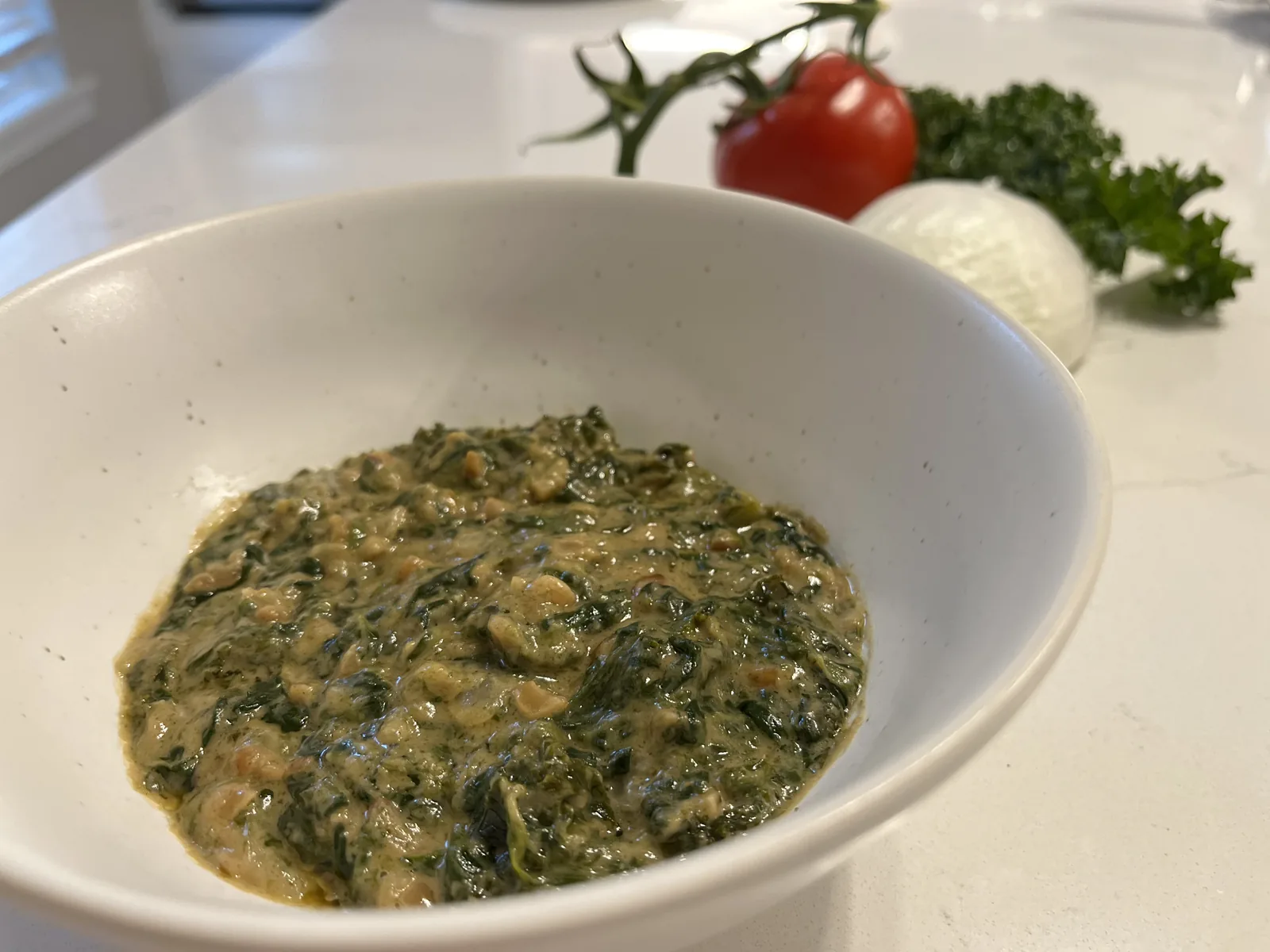
A bowl of ifisashi — leafy greens in a creamy peanut sauce Zambia flag Zambia 1h
Dinner •Zambian Home Table

Ifisashi

This ifisashi recipe simmers spinach, pumpkin leaves and sweet potato in a creamy sauce of ground peanuts, tomato and onion until everything turns soft and nutty. The greens are the heart of the dish, not a garnish — they wilt down into the peanut sauce and carry its flavour. Serve it with nshima for a proper Zambian dinner. One serving is about 375 g.

Everyday Nourishment

Leafy greens simmered in a creamy groundnut sauce — a filling, meat-free Zambian classic.

Pairs Well With
Nshima & roasted peanuts
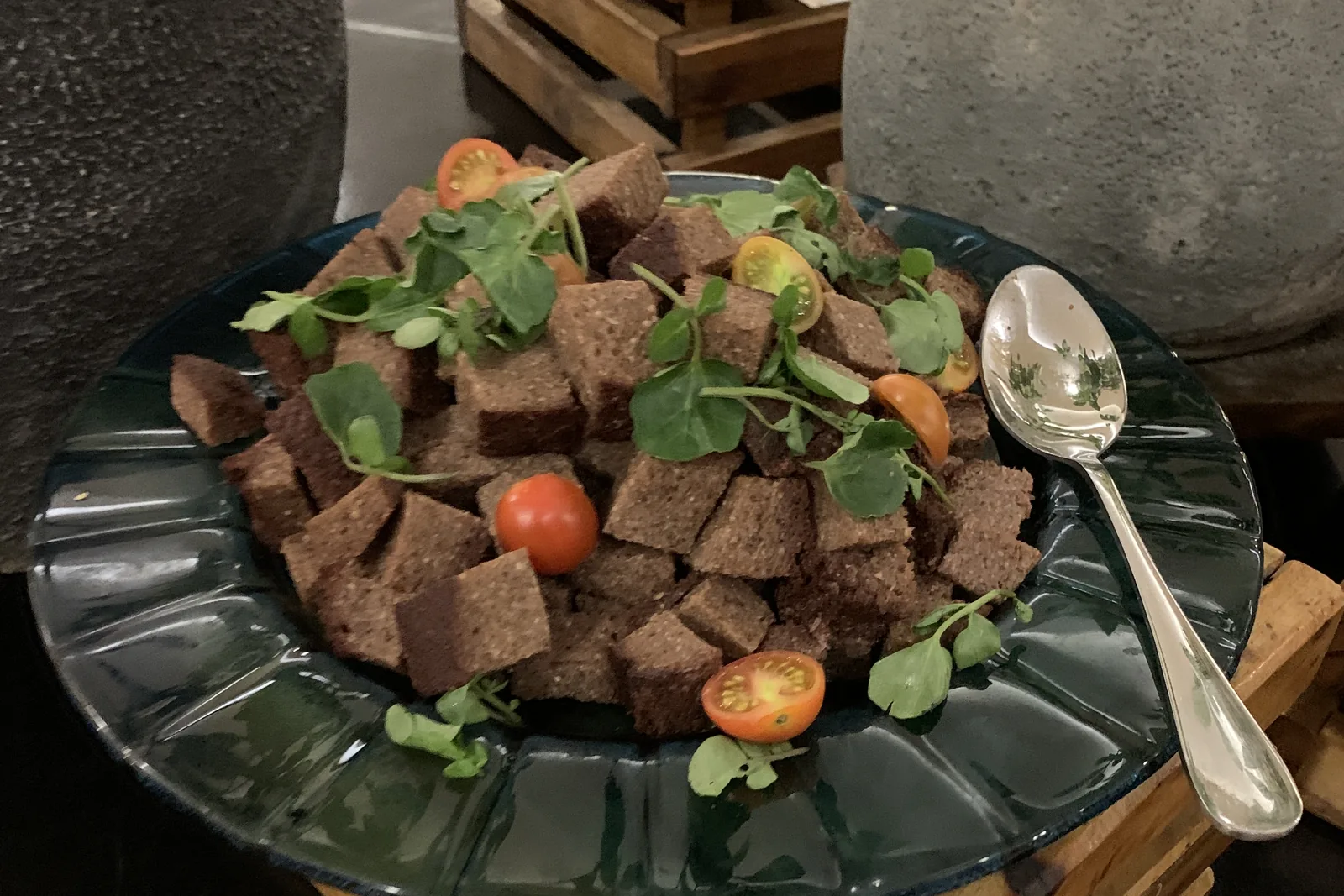
Cubed chikanda cake garnished with cherry tomatoes and herbs on a dark green plate Zambia flag Zambia 1h 5m
Snack & Tea •Bemba Heritage Snack

Chikanda

This chikanda recipe boils orchid-tuber meal and groundnut meal into a thick slurry, sets it with a little baking soda, and lets it cool into a firm, sliceable cake. It looks like bologna and slices like it, but it contains no meat at all — just tubers, peanuts and spice. One serving is about 158 g.

Snack & Sharing

A sliceable cake of orchid-tuber meal and groundnuts — Zambia's meat-free 'African polony'.

Pairs Well With
Chilli sauce & tomato relish
High Protein
Bœuf bourguignon — French beef braised in red wine France flag France 4h
Dinner •Burgundy Terroir

Bœuf Bourguignon

Beef braised gently in red wine until the connective tissue melts into a velvet, gelatin-rich sauce — the classic Burgundy Sunday dinner.

Cellular Repair

Beef braised in red wine until spoon-tender, with mushrooms and pearl onions.

Pairs Well With
Parsnip Purée & Steamed French Haricots Verts
High Protein
Vietnamese braised pork belly with golden eggs in caramel sauce Vietnam flag Vietnam 1h 45m
Dinner •One Pot

Vietnamese Braised Pork and Eggs

Pork belly slowly braised in coconut water and caramel until meltingly tender, with golden eggs that soak up the sweet-savoury sauce — the Vietnamese family dish that tastes better the next day.

Comfort & Sustained Energy

Slow-braised pork belly and eggs in coconut water and caramel.

Pairs Well With
Steamed rice & pickled mustard greens
High Protein

The Dinner Gazette

Never wonder what’s for dinner again

One email a week with easy dinner ideas from around the world — ingredients, steps and nutrition, tested in our kitchen first.

Delivered every Thursday morning. Unsubscribe anytime.