Curated recipes from 193 countries  •  New seasonal Mediterranean issue out now

Overview

Chipa

Paraguayan Cheese Bread Rings — Chipa Argolla

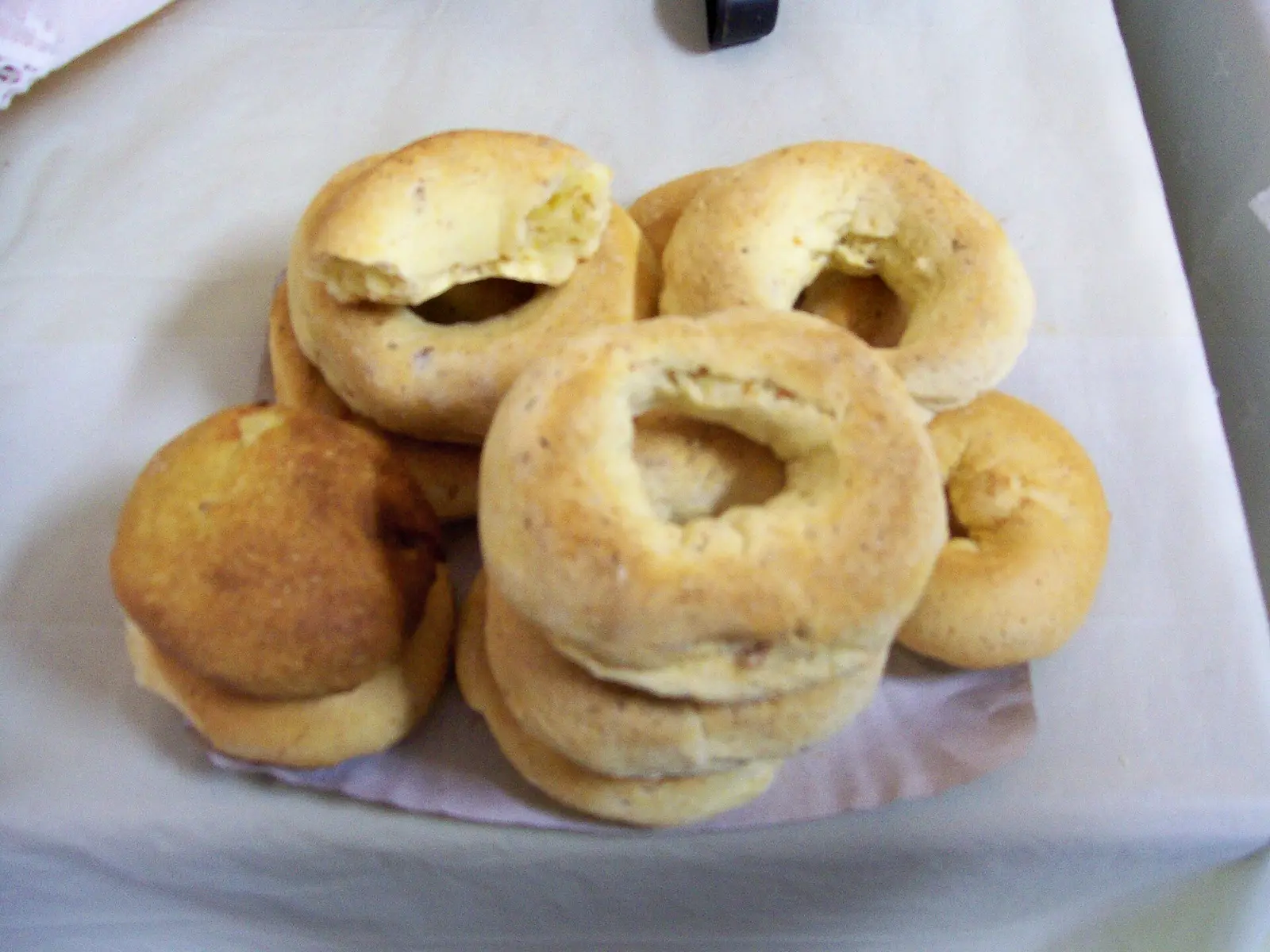
This chipa recipe makes 12 golden Paraguayan cheese bread rings from cassava starch, salty cheese, eggs and a pinch of anise. The dough is rolled into ropes, closed into rings and baked until puffed and lightly cracked — crisp on the outside, soft and chewy inside. One serving is about 185 g (two rings).

Chipa comes from the Guaraní people of the Asunción area, who baked a bread called mbujapé from corn flour or cassava starch mixed with animal fat; the recipe has existed in its cheese form since the 18th century, after the Spanish brought cattle, milk and cheese. Today about 70 varieties are known, but the ring — chipa argolla — is the one every Paraguayan recognises, sold warm from street baskets and buses. In 2014, Paraguay’s Law 5267 declared chipa a national food, and the country marks the National Chipa Day on the second Friday of August.

Pairs well with: Warm rings with a cup of cocido (mate cocido)

Provenance

Paraguay flag Paraguay

Paraguayan Heritage

Latin America & Caribbean

Time Dedication

50m

25m prep • 25m cook

Batch Yield

6 Servings

644 kcal per serving

1 serving ≈ 185 g

Technical Skill

Intermediate

Easy (Shaping by Hand)

Meal Timing & Digestive Fit

Breakfast

Not Advised

Lunch

Inappropriate

Dinner

Inappropriate

Snack & Tea

Ideal Light Bite

Occasions: Afternoon snack, breakfast with cocido, Holy Week, road trips, school snacks Cost: Low — about $1–2 per serving at home
A pile of golden baked chipa cheese bread rings, one broken open to show the soft crumb

Paraguayan Heritage

Photo: Ekem, CC BY-SA 3.0, via Wikimedia Commons

The Heritage Formulary

Measured Ingredients

Estimated cost: Low — about $1–2 per serving at home (USD)

A good chipa is golden and lightly cracked outside, soft and chewy inside, and best eaten warm within the hour.

Execution Methodology & Culinary Technique

Step-by-Step Cooking Guide

Active 50m
P

Prep Stage: Rub, Mix, Rest

25 Mins • Mixing & Shaping

Chipa dough is not like wheat dough: there is no gluten to develop, so the work is rubbing the fat into the starch until it feels like wet sand, then bringing it together with egg and milk. The dough should be soft and pliable, never sticky, and it shapes best while it is still warm from your hands.

Maestro Tip: Keep the milk back and add it spoon by spoon — cassava starch drinks up liquid unevenly, and a dough that is too wet will not hold a ring.

  1. 1

    Rub the Fat Into the Starch

    8 Mins Room temperature

    Put the cassava starch, baking powder and salt in a wide bowl and mix. Add the soft butter and rub it in with your fingertips until the mixture looks like fine, damp breadcrumbs. Stir in the anise seed and both grated cheeses.

    Rub, do not knead: you want the fat evenly spread, not a smooth paste. The mixture should clump when squeezed and fall apart when poked.

    Done when: Even, sandy crumbs with cheese threaded through; no lumps of butter left.

  2. 2

    Bring the Dough Together

    7 Mins Room temperature

    Pour in the beaten eggs and mix, then add the milk a spoonful at a time, kneading gently with your hands, until a soft dough forms that holds together without sticking to your fingers. It should feel like soft modelling clay. Cover and rest for 10 minutes.

    If the dough cracks when you roll it, it needs another spoonful of milk; if it sticks to your hands, dust it with a little more starch.

    Done when: A smooth, soft ball that holds its shape and does not stick.

  3. 3

    Shape the Rings

    10 Mins Room temperature

    Divide the dough into 12 equal pieces. Roll each piece on a clean surface into a rope about 15 cm (6 in) long and 2 cm (3/4 in) thick, then join the ends and pinch them together to make a ring. Place the rings on a lined baking tray, leaving space between them. These are chipa argolla — the classic ring shape; unlike mbejú, which is pressed flat and cooked in a pan, chipa is always shaped by hand and baked.

    Wet your fingertips to seal the join — a ring that opens in the oven still tastes fine, but a sealed one looks like the chipa sold on Paraguayan streets.

    Done when: Twelve even rings, joins sealed, sitting flat on the tray.

  4. 4

    Bake Until Golden

    20 Mins 200°C (400°F)

    Bake at 200°C (400°F) for 18–20 minutes, until the rings are puffed, golden and lightly cracked on top. They firm up as they cool, so take them out while the centres still look a little soft.

    Do not open the oven in the first 10 minutes — the rings puff on the first blast of heat and can sink if the door opens.

    Done when: Golden, puffed rings with fine cracks; the base sounds hollow when tapped.

  5. 5

    Cool Briefly and Eat Warm

    5 Mins Cooling, ~60°C (140°F)

    Move the rings to a wire rack for 5 minutes. Eat them warm, when the inside is soft and cheesy and the outside is still crisp — chipa is at its best within the hour.

    If they cool completely, warm them for 5 minutes in a hot oven; the microwave makes them rubbery.

    Done when: Warm to the touch, crisp outside, soft and stretchy inside.

Finishing Touches & Plating

Break a ring open while it is still warm and watch the steam rise — the chewy, cheesy middle is the whole point of chipa. Serve them in a cloth-lined basket, the way street vendors in Asunción carry them, with a hot drink alongside.

Nutritional Physiology & Benefits

Nutrition

Energy

644

kcal / serving

Protein

17g

Complete AA

Carbs

78g

Complex

Fats

29g

Healthy

Per serving (6 servings · 1 serving ≈ 185 g)
Energy644 kcal
Protein17 g
Carbohydrates78 g
Fat29 g
Fibre0.9 g
Sugar2.5 g
Sodium954 mg
Per 100g
Energy348 kcal
Protein9.3 g
Carbohydrates41.9 g
Fat15.9 g
Fibre0.5 g
Sugar1.3 g
Sodium516 mg

Nutrition values are estimated — calculated from USDA FoodData Central values for the listed ingredients.

Vitamins & minerals: Calcium and phosphorus (cheese), vitamin A (butter and eggs), B vitamins (eggs and cheese).

Naturally Gluten-Free Energy

Cassava starch contains no gluten at all, so chipa is a naturally wheat-free bread that suits people who avoid gluten — no special flour needed.

Protein to Keep You Full

With about 17 g of protein per serving from cheese and eggs, two warm rings are a genuinely filling snack, not an empty one.

Comfort Without Wheat

Warm, chewy and salty-sweet, chipa is the kind of snack that satisfies slowly — a small, honest pleasure with a cup of cocido.

Food Pairings

What to Eat With

To optimize nutrient absorption and elevate the sensory depth, pair with these authentic accompaniments:

Drinks

Cocido (Mate Cocido)

Chipa and cocido are Paraguay’s classic pair: the hot, bitter-sweet mate tea balances the salty cheese, and the rings are made for dunking.

Sides

Grilled Sausage or Meat

At an asado, chipa plays the role of bread — torn open and eaten with grilled sausage or beef, soaking up the juices.

More Pairings

Dulce de Leche

A spoonful of dulce de leche on a warm ring turns chipa into a sweet snack: the salty cheese and the caramel milk spread are a classic Paraguayan contrast.

Full Menus

The Holy Week Table

Chipa is the bread of Holy Week in Paraguay, baked in big batches for the family table — serve the rings warm with cocido, fruit and dulce de leche.

Complete menu

Serve warm chipa rings in a cloth-lined basket with cocido or coffee, a bowl of fresh fruit and dulce de leche for spreading — the classic Paraguayan afternoon snack.

Digestive Guardrails

What NOT to Combine

To prevent digestive distress, sluggishness, or palate clash, avoid pairing the dish with these elements:

Too Much Milk in the Dough

Cassava starch dough goes from perfect to sticky with one spoonful too many, and a wet dough bakes into flat, tough rings instead of puffed ones. Add the milk slowly and stop as soon as the dough holds together. This is general guidance, not medical advice.

Reheating in the Microwave

Microwaved chipa turns rubbery in seconds because the starch sets hard. Warm leftover rings in a hot oven for 5 minutes and they crisp up again.

General information only, not medical advice — consult a doctor for personal dietary decisions.

Who Should Eat It

Who Should Eat

  • General adultsA satisfying snack — two warm rings with a hot drink is a proper afternoon break.
  • ChildrenChildren love the ring shape and the cheesy middle; serve warm, not hot, and watch the anise — some children prefer it without.
  • ElderlyVery suitable — soft, warm and easy to chew; serve one ring at a time.
  • Pregnant womenGenerally suitable; make sure the eggs are fresh and the rings are baked right through.
  • Breastfeeding womenGenerally suitable; the protein and calcium support recovery — take two rings.
  • AthletesA handy portable snack: about 17 g of protein per serving with slow carbs for steady energy.
  • Weight gainA good choice — take two rings with cocido or a sweet spread.
  • Weight lossKeep it to one ring and skip the dulce de leche; chipa is energy-dense.

Health Conditions — Adjust or Avoid

Conditions

  • DiabetesCassava starch is the main source of carbs — keep it to one ring and ask your clinician about a suitable serving.
  • High blood pressureMost of the sodium comes from the cheese and added salt; use less salt and one ring, and ask your clinician about portion size.
  • Kidney diseaseLimit the portion — cheese and eggs are high in protein and phosphorus; ask your clinician about portion size.
  • GoutEat occasionally and in smaller portions — cheese and eggs are moderate in purines; ask your clinician if you are unsure.
  • Stomach issuesUsually gentle on the stomach, but the cheese and butter are rich — eat one ring slowly and avoid eating it very hot.
  • Cardiovascular diseaseKeep the portion modest — the rings are high in saturated fat from cheese and butter; balance them with fruit or salad.
  • Fatty liverKeep it to one ring and skip the dulce de leche; the snack is energy-dense.
  • Food allergiesContains milk, cheese, butter and egg. Naturally gluten-free — just check the cassava starch is certified gluten-free if you have coeliac disease.
  • Special therapeutic dietsIf you follow a prescribed low-sodium or low-phosphorus diet, use less salt and one ring, and check with your clinician.

If you have a medical condition, consult your doctor before changing your diet.

Storage & Use

Storage & Use

How to store
Cool completely, then keep in a cloth bag or airtight container.
In the fridge
2 days, in an airtight container.
In the freezer
1 month, in a sealed bag; thaw at room temperature.
How to reheat
Warm in the oven at 180°C (350°F) for 5 minutes until hot through, about 74°C (165°F) in the centre. Do not microwave.
Freezing recommended
Yes — freeze the day they are baked.
Signs it has spoiled
Hard, dry rings that smell stale or sour, or any mould.

More recipes to explore

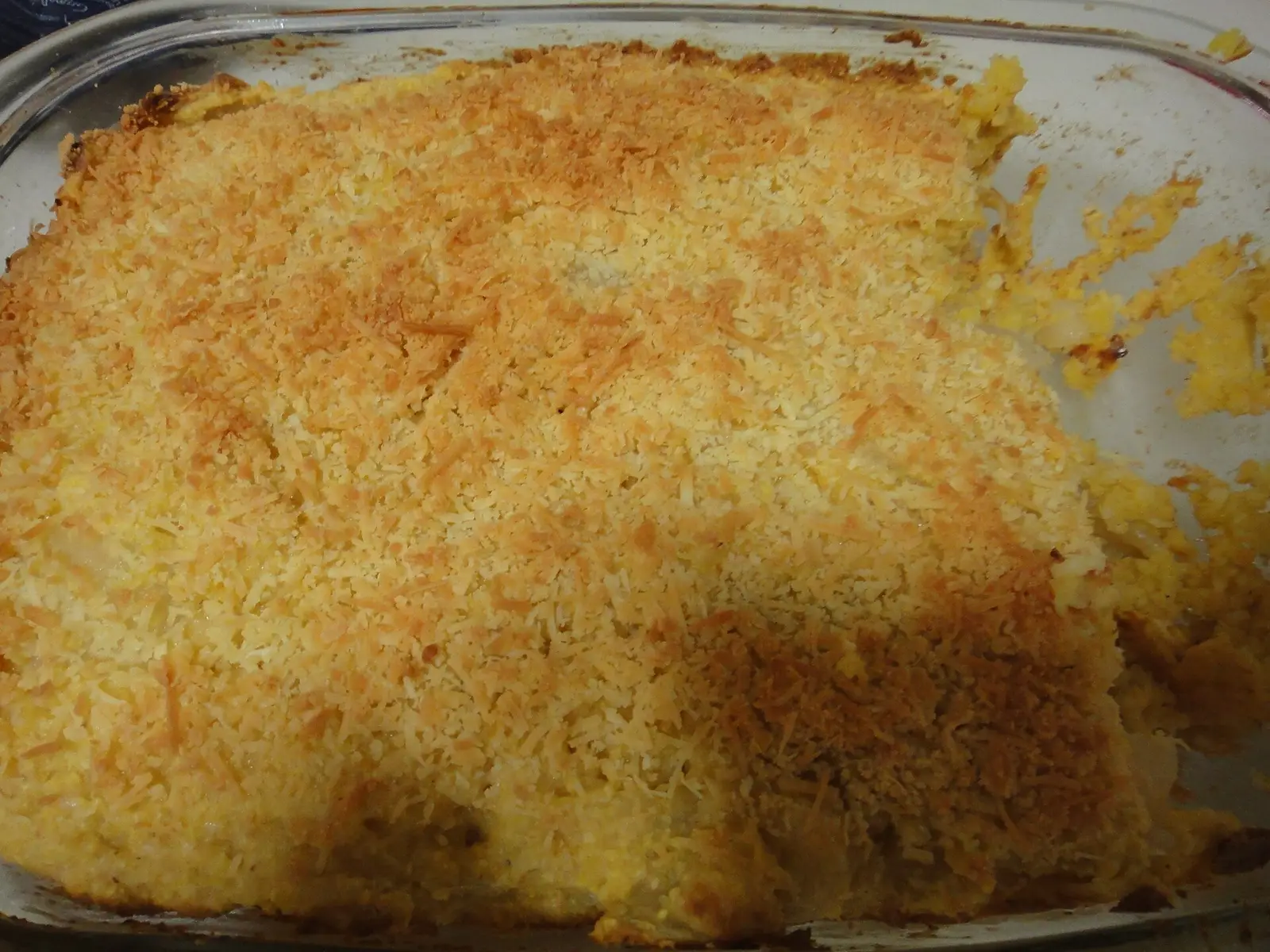
A golden baked sopa paraguaya cornmeal and cheese cake in a glass baking dish with one square cut out Paraguay flag Paraguay 1h 5m
Lunch •Asunción Heritage

Sopa Paraguaya

This sopa paraguaya recipe turns cornmeal, salty Paraguay cheese, onion, milk and eggs into a golden, spongy cake that slices like bread. Despite the name — sopa means soup — there is no broth here: the dish is solid, rich and meant to be cut into squares. One serving is about 180 g.

Comfort & Warmth

A golden, spongy cornmeal and cheese cake — Paraguay’s national dish, baked until the top is crisp and the inside stays soft.

Pairs Well With
Warm squares with grilled meat or a bowl of soup
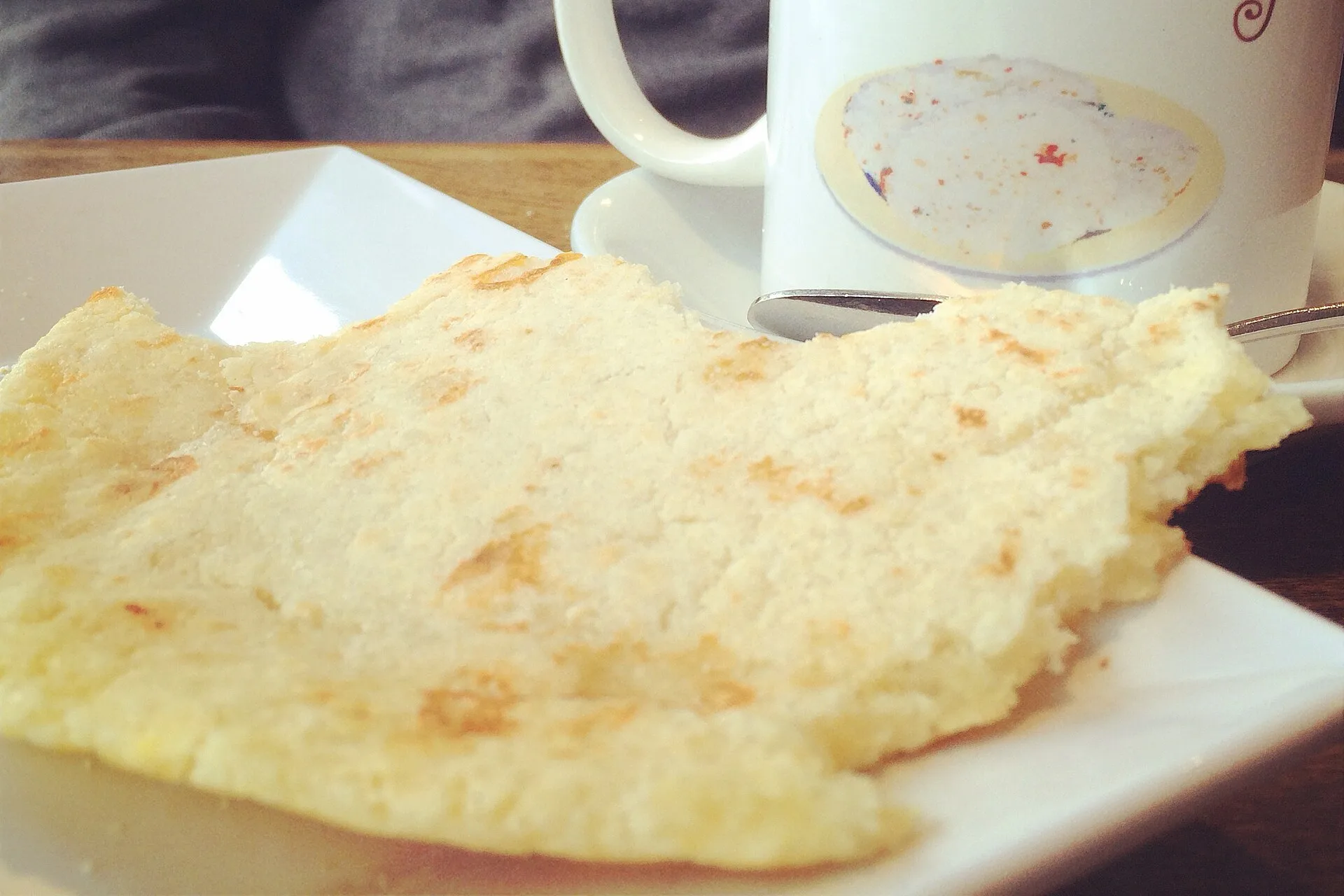
A golden mbejú cassava cheese pancake on a white plate beside a mug of cocido Paraguay flag Paraguay 30m
Snack & Tea •Guaraní Heritage

Mbejú

This mbeju recipe presses cassava starch and cheese into a golden griddled pancake — Paraguay’s classic snack, cooked in a dry pan and flipped once. It shares its two main ingredients with chipa, but the form is entirely different: chipa is kneaded and baked into bread rings, while mbejú stays a crumbly, sandy mixture that is pressed flat in the pan and never sees an oven. One serving is about 215 g (one pancake).

Snack & Sharing

A flat, griddled cassava-starch and cheese pancake — crisp at the edges, soft inside, cooked in a pan, never baked.

Pairs Well With
A warm pancake with a cup of mate cocido
Pan con tomate with jamón ibérico on toasted bread Spain flag Spain 15m
Snack & Tea •Catalan Aperitivo

Pan con Tomate & Jamón Ibérico

Country bread rubbed with ripe Ramallet tomato, drizzled with cold-pressed Arbequina olive oil and topped with jamón ibérico.

Vascular Health

Toasted tomato bread with jamón ibérico, olive oil and olives.

Pairs Well With
Castelvetrano Olives & Sparkling Mineral Water
Quick Prep (<30m)
Gỏi cuốn — Vietnamese fresh spring rolls with prawn and pork Vietnam flag Vietnam 1h 5m
Snack & Tea •Saigon Refresh

Gỏi Cuốn Tôm Thịt

Fresh rice paper rolls filled with poached prawns, tender pork, rice vermicelli, lettuce, herbs and carrot, served with a peanut dipping sauce.

Light Digestion

Nothing is fried, so the rolls stay light and fresh — a cool, herb-filled snack for hot days.

Pairs Well With
Artisanal Peanut Dip & Fresh Lotus Root Water
High Protein

The Dinner Gazette

Never wonder what’s for dinner again

One email a week with easy dinner ideas from around the world — ingredients, steps and nutrition, tested in our kitchen first.

Delivered every Thursday morning. Unsubscribe anytime.