
Curated recipes from 193 countries  •  New seasonal Mediterranean issue out now

Overview

Mbejú

Mbeyú — Paraguayan Cassava Cheese Pancake

This mbeju recipe presses cassava starch and cheese into a golden griddled pancake — Paraguay’s classic snack, cooked in a dry pan and flipped once. It shares its two main ingredients with chipa, but the form is entirely different: chipa is kneaded and baked into bread rings, while mbejú stays a crumbly, sandy mixture that is pressed flat in the pan and never sees an oven. One serving is about 215 g (one pancake).

Mbejú means ‘cake’ in Guaraní, and it is one of the oldest recipes of the Cario-Guaraní people who lived around Asunción: their bread, mbujapé, was cassava starch or corn flour mixed with animal fat and cooked on hot embers. The recipe has existed in its cheese form since the 18th century, after the Spanish brought cattle, milk and cheese. Traditionally about 16 ways of making it were known, and 11 are still recognised today. Along with chipa and sopa paraguaya, mbejú belongs to the tyrá foods eaten with mate cocido.

Pairs well with: A warm pancake with a cup of mate cocido

Provenance

Paraguay flag Paraguay

Guaraní Heritage

Latin America & Caribbean

Time Dedication

30m

15m prep • 15m cook

Batch Yield

4 Servings

734 kcal per serving

1 serving ≈ 215 g

Technical Skill

Easy

Easy (One Pan)

Meal Timing & Digestive Fit

Breakfast

Not Advised

Lunch

Inappropriate

Dinner

Inappropriate

Snack & Tea

Ideal Light Bite

Occasions: Breakfast, afternoon snack with mate cocido, coffee breaks, school snacks Cost: Low — about $1–2 per serving at home
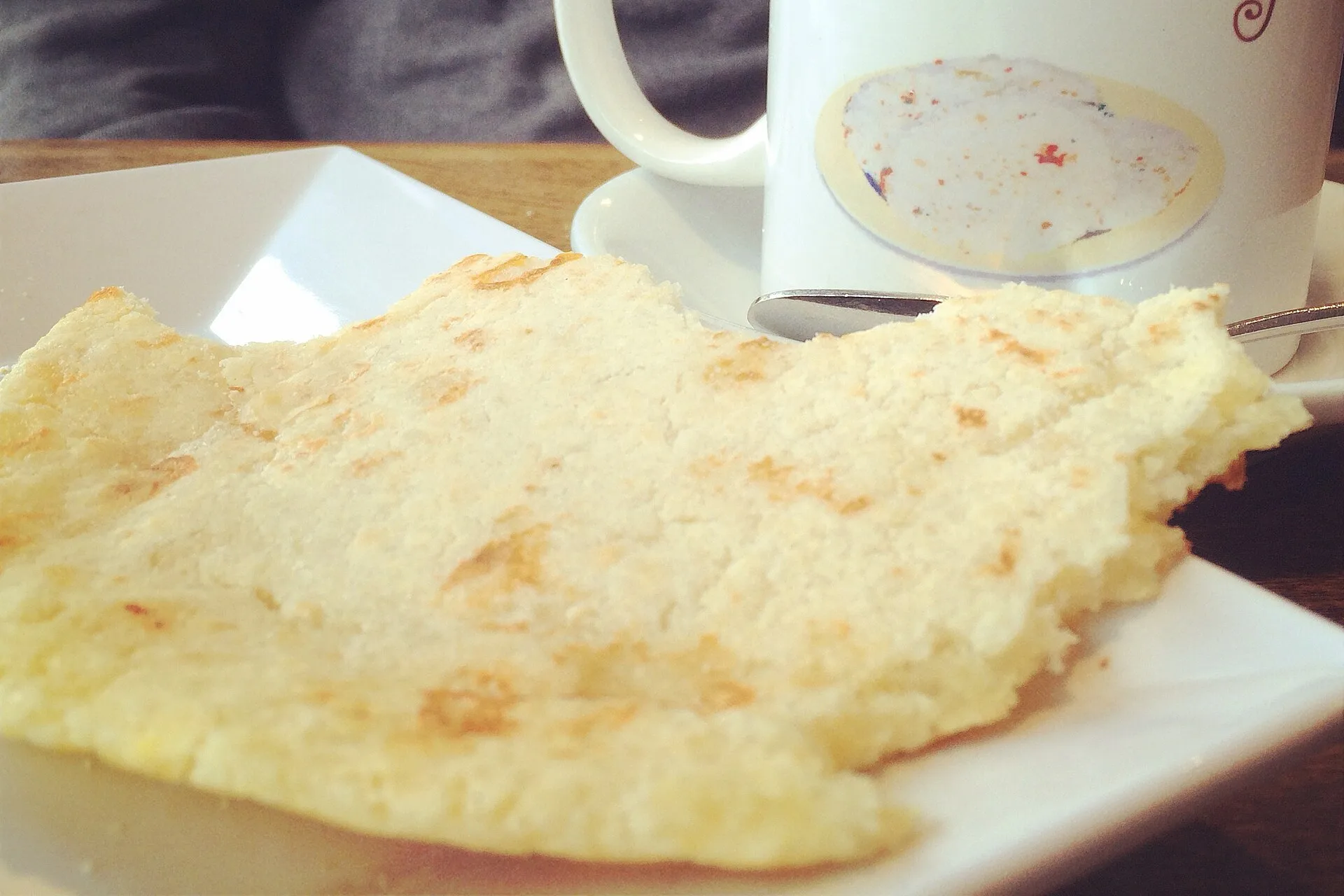
A golden mbejú cassava cheese pancake on a white plate beside a mug of cocido

Guaraní Heritage

Photo: Pelufi, CC BY-SA 4.0, via Wikimedia Commons

The Heritage Formulary

Measured Ingredients

Estimated cost: Low — about $1–2 per serving at home (USD)

A good mbejú is crisp and golden on both sides, soft and cheesy inside, and holds together when cut into wedges.

Execution Methodology & Culinary Technique

Step-by-Step Cooking Guide

Active 30m
P

Prep Stage: Sandy Crumbs, Not Dough

15 Mins • Mixing & Resting

Mbejú is not a dough and it is not a batter: the goal is damp, sandy crumbs that just cling together when squeezed. That is the whole trick of the dish, and it is what sets it apart from chipa, which is kneaded into a smooth dough and shaped into rings. Mix the crumbs, let them rest so the starch drinks up the milk, and keep the pan ready — each pancake cooks in minutes.

Maestro Tip: Squeeze a handful: if it holds its shape and then breaks apart easily, it is ready. If it runs through your fingers, add milk a spoonful at a time; if it is sticky, add starch.

  1. 1

    Mix the Crumbly Base

    8 Mins Room temperature

    Put the cassava starch, corn flour and salt in a wide bowl and mix. Rub in the soft butter with your fingertips until the mixture looks like damp sand, then stir in the grated cheese. Add the beaten egg and the milk a spoonful at a time, mixing with your hands, until the crumbs clump when squeezed but still fall apart easily. This is not chipa dough — do not knead it smooth.

    Stop adding milk the moment the crumbs clump: too much liquid makes a gummy pancake that will not crisp.

    Done when: Damp, sandy crumbs that hold a squeezed shape and break apart when poked.

  2. 2

    Rest the Crumbs

    5 Mins Room temperature

    Cover the bowl and rest the mixture for 5 minutes so the starch absorbs the milk evenly. While it rests, heat a heavy, dry frying pan or griddle over medium heat — no oil is needed, the butter in the crumbs does the work.

    A cast-iron pan holds the steady heat mbejú needs; a thin pan scorches the outside before the inside sets.

    Done when: Crumbs feel evenly damp; the pan is hot enough that a pinch of crumbs sizzles gently.

  3. 3

    Press the Pancake Into the Pan

    2 Mins Medium heat, ~170°C (340°F) pan

    Spoon a quarter of the mixture (about 230 g) into the centre of the hot, dry pan and press it flat with the back of a spoon or a flat plate into a round disc about 20 cm (8 in) wide and 1 cm (1/2 in) thick. Press firmly at the edges so the disc holds together.

    Press, do not spread: a firm, even disc cooks evenly and flips in one piece. Thin spots burn, thick spots stay raw in the middle.

    Done when: A flat, even disc with no gaps, edges pressed shut.

  4. 4

    Griddle the First Side

    4 Mins Medium heat, ~170°C (340°F) pan

    Cook for 3–4 minutes without moving it, until the underside is golden and crisp and the top looks set and dry. Shake the pan gently: the disc should slide as one piece. If it sticks, give it another minute — it releases when the crust forms.

    Resist the urge to peek underneath every minute; lifting the disc early tears it. Trust the edges: when they look golden, it is ready.

    Done when: Underside golden and crisp; the disc slides freely in the pan.

  5. 5

    Flip and Finish

    4 Mins Medium heat, ~170°C (340°F) pan

    Slide the disc onto a plate, lay the pan over it and flip the whole thing back into the pan, or flip it with a wide spatula. Cook the second side for 3–4 minutes until golden and crisp. Slide onto a plate, cut into wedges and serve warm. Repeat with the remaining mixture to make 4 pancakes.

    The plate flip is safer than the spatula for a first try — a broken mbejú still tastes good, but a whole one looks the part.

    Done when: Both sides golden and crisp at the edges, soft and cheesy inside; the pancake holds together when cut.

Finishing Touches & Plating

Cut each warm pancake into wedges and serve at once, while the edges are still crisp and the cheese inside is soft. Mbejú waits for no one — it is best in the first ten minutes, with a hot drink in the other hand.

Nutritional Physiology & Benefits

Nutrition

Energy

734

kcal / serving

Protein

15g

Complete AA

Carbs

102g

Complex

Fats

30g

Healthy

Per serving (4 servings · 1 serving ≈ 215 g)
Energy734 kcal
Protein15 g
Carbohydrates102 g
Fat30 g
Fibre1.8 g
Sugar3.4 g
Sodium986 mg
Per 100g
Energy341 kcal
Protein7 g
Carbohydrates47.3 g
Fat13.8 g
Fibre0.8 g
Sugar1.6 g
Sodium458 mg

Nutrition values are estimated — calculated from USDA FoodData Central values for the listed ingredients.

Vitamins & minerals: Calcium and phosphorus (cheese and milk), vitamin A (butter and egg), B vitamins (egg and cheese).

Quick Energy From Cassava

Cassava starch is almost pure carbohydrate, so a wedge of mbejú is fast, steady fuel — the traditional snack for a long morning of work.

Protein and Calcium From Cheese

With about 15 g of protein per pancake, the cheese turns a starchy snack into something that actually fills you up, with calcium for bones as well.

Gluten-Free by Tradition

Mbejú was gluten-free centuries before the word existed: cassava starch and corn flour contain no wheat at all.

Food Pairings

What to Eat With

To optimize nutrient absorption and elevate the sensory depth, pair with these authentic accompaniments:

Drinks

Mate Cocido

Mbejú is a tyrá food, made to be eaten with mate cocido: the hot, bitter tea balances the salty cheese and the crisp pancake is made for dunking.

Sides

Fried Eggs

For breakfast, serve a wedge of mbejú with a fried egg on top — the runny yolk soaks into the crisp pancake and turns a snack into a full morning meal.

Vegetables

Tomato and Avocado Salad

Fresh tomato and avocado with a pinch of salt add cool, creamy contrast to the hot, crisp pancake and lighten a rich snack.

Full Menus

The Tyrá Snack Table

Serve mbejú wedges beside chipa rings and a pot of cocido: the two snacks share the same cheese and starch, one griddled flat and one baked into rings, and together they are the classic Paraguayan afternoon.

Complete menu

Serve warm mbejú wedges with mate cocido or coffee, a tomato and avocado salad, and a fried egg for breakfast — or set the wedges beside chipa rings for the classic tyrá snack table.

Digestive Guardrails

What NOT to Combine

To prevent digestive distress, sluggishness, or palate clash, avoid pairing the dish with these elements:

Too Much Milk

The mixture must stay crumbly and sandy: too much milk turns it into a wet paste that cooks into a gummy, heavy pancake instead of a crisp one. Add the milk spoon by spoon and stop when the crumbs clump. This is general guidance, not medical advice.

Cooking on High Heat

High heat burns the outside before the cheese inside has melted, leaving a dark, bitter crust and a raw middle. Medium heat and patience give a golden crust and a soft centre.

General information only, not medical advice — consult a doctor for personal dietary decisions.

Who Should Eat It

Who Should Eat

  • General adultsA filling snack — one warm pancake with a hot drink is a proper afternoon break.
  • ChildrenChildren enjoy the wedges, especially with a fried egg; serve warm, not hot, and cut small.
  • ElderlyVery suitable — soft, warm and easy to chew; serve one wedge at a time.
  • Pregnant womenGenerally suitable; make sure the egg is fresh and the pancake is cooked right through.
  • Breastfeeding womenGenerally suitable; the protein and calcium support recovery — take a full pancake.
  • AthletesA handy portable snack: about 15 g of protein with fast carbs for steady energy.
  • Weight gainA good choice — take a full pancake with a fried egg.
  • Weight lossKeep it to half a pancake and load the plate with tomato salad; mbejú is energy-dense.

Health Conditions — Adjust or Avoid

Conditions

  • DiabetesCassava starch is the main source of carbs — keep it to half a pancake and ask your clinician about a suitable serving.
  • High blood pressureMost of the sodium comes from the cheese and added salt; use less salt and a smaller portion, and ask your clinician about portion size.
  • Kidney diseaseLimit the portion — cheese and egg are high in protein and phosphorus; ask your clinician about portion size.
  • GoutEat occasionally and in smaller portions — cheese and egg are moderate in purines; ask your clinician if you are unsure.
  • Stomach issuesUsually gentle on the stomach, but the cheese and butter are rich — eat a wedge slowly and avoid eating it very hot.
  • Cardiovascular diseaseKeep the portion modest — the pancake is high in saturated fat from cheese and butter; balance it with salad.
  • Fatty liverKeep it to half a pancake; the snack is energy-dense.
  • Food allergiesContains milk, cheese, butter and egg. Naturally gluten-free — just check the cassava starch is certified gluten-free if you have coeliac disease.
  • Special therapeutic dietsIf you follow a prescribed low-sodium or low-phosphorus diet, use less salt and a smaller portion, and check with your clinician.

If you have a medical condition, consult your doctor before changing your diet.

Storage & Use

Storage & Use

How to store
Cool completely, then store wedges in an airtight container.
In the fridge
2 days, in an airtight container.
In the freezer
Not recommended — frozen mbejú turns tough and dry when reheated.
How to reheat
Warm in a dry pan over medium heat for 2 minutes per side until hot through, about 74°C (165°F) in the centre. Do not microwave.
Freezing recommended
No — best eaten fresh the same day.
Signs it has spoiled
Sour smell, hard and dry wedges, or any mould.

More recipes to explore

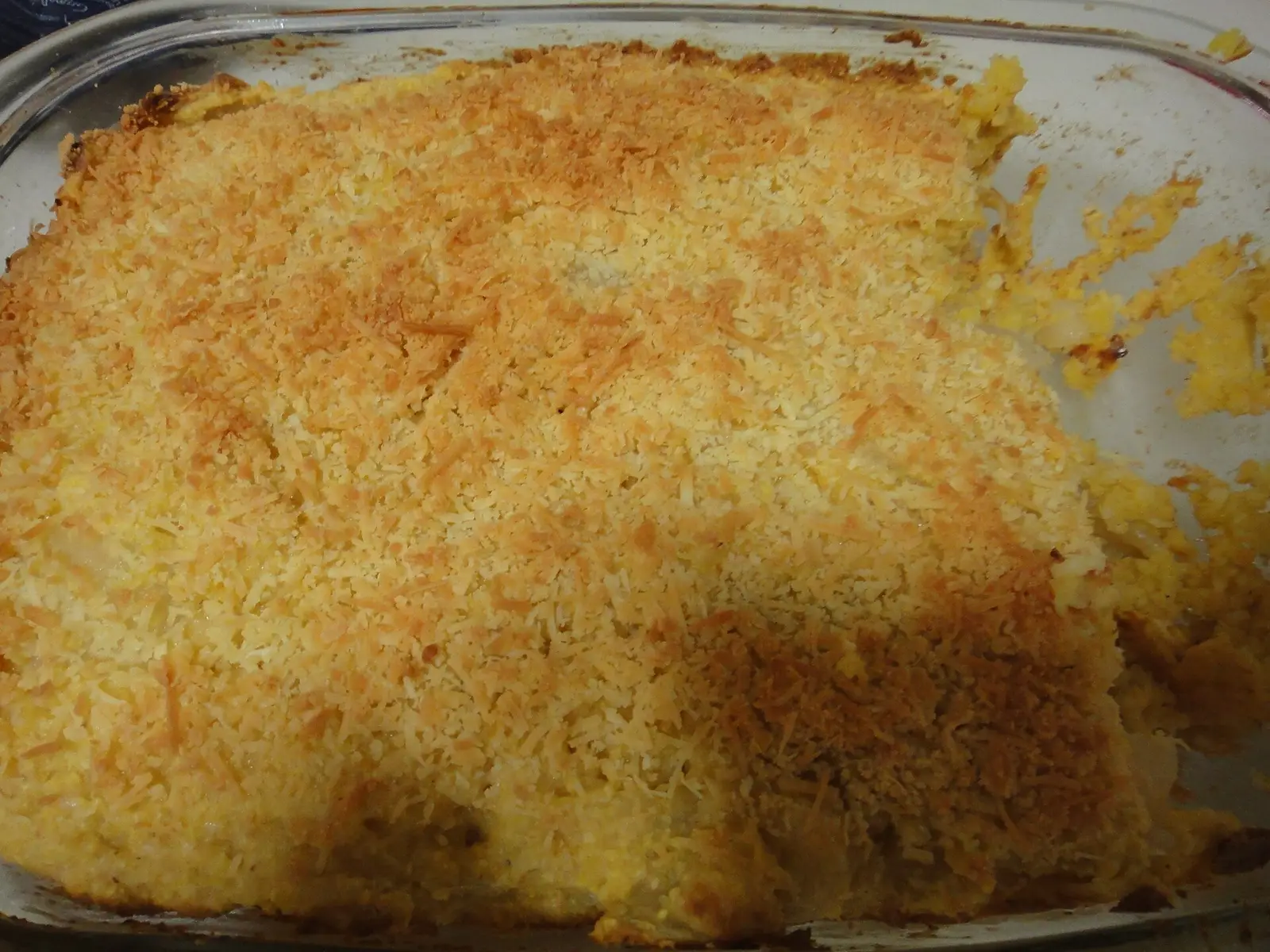
A golden baked sopa paraguaya cornmeal and cheese cake in a glass baking dish with one square cut out Paraguay flag Paraguay 1h 5m
Lunch •Asunción Heritage

Sopa Paraguaya

This sopa paraguaya recipe turns cornmeal, salty Paraguay cheese, onion, milk and eggs into a golden, spongy cake that slices like bread. Despite the name — sopa means soup — there is no broth here: the dish is solid, rich and meant to be cut into squares. One serving is about 180 g.

Comfort & Warmth

A golden, spongy cornmeal and cheese cake — Paraguay’s national dish, baked until the top is crisp and the inside stays soft.

Pairs Well With
Warm squares with grilled meat or a bowl of soup
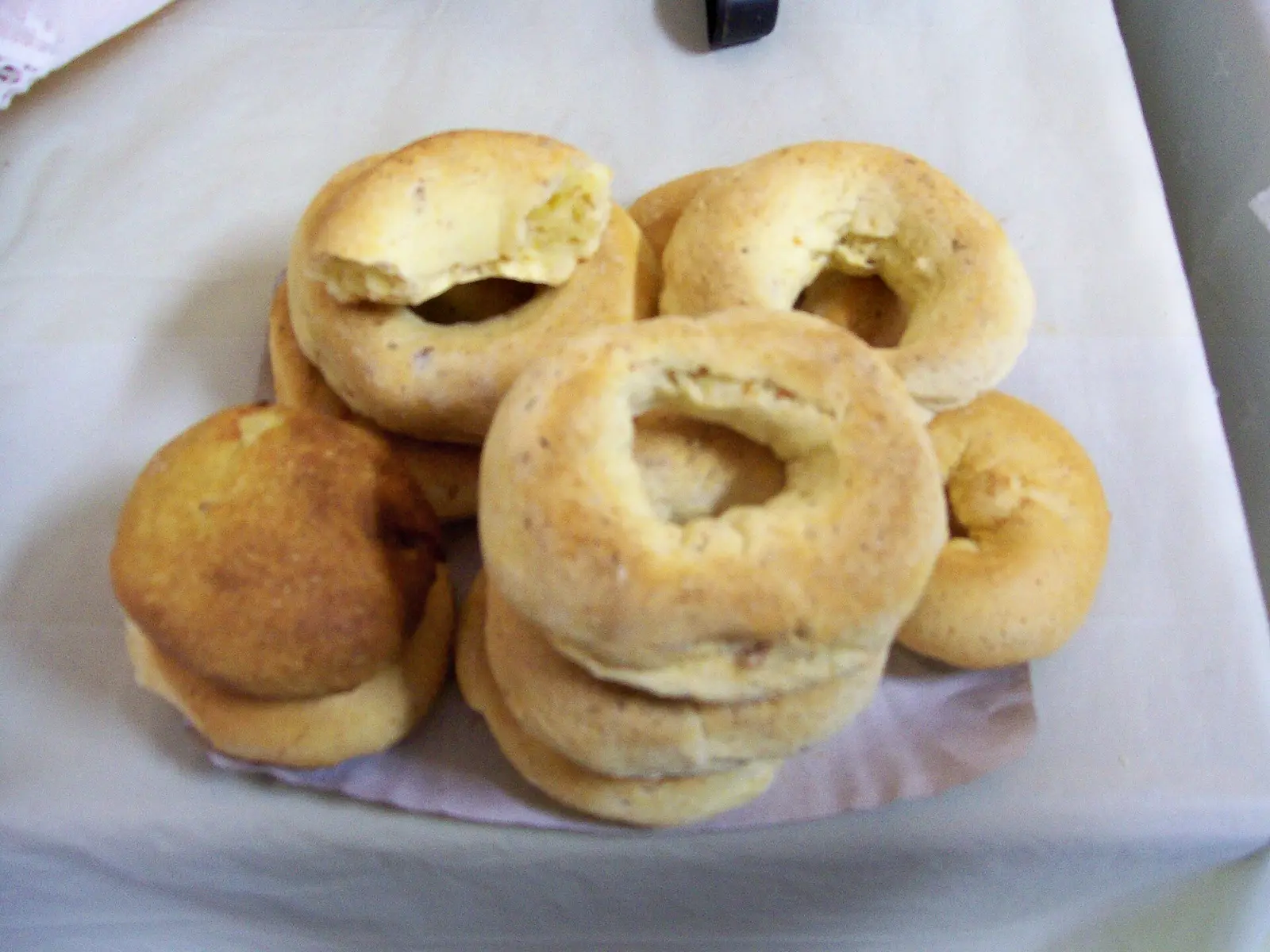
A pile of golden baked chipa cheese bread rings, one broken open to show the soft crumb Paraguay flag Paraguay 50m
Snack & Tea •Paraguayan Heritage

Chipa

This chipa recipe makes 12 golden Paraguayan cheese bread rings from cassava starch, salty cheese, eggs and a pinch of anise. The dough is rolled into ropes, closed into rings and baked until puffed and lightly cracked — crisp on the outside, soft and chewy inside. One serving is about 185 g (two rings).

Snack & Sharing

Small baked cheese bread rings made from cassava starch — crisp outside, chewy inside, best eaten warm.

Pairs Well With
Warm rings with a cup of cocido (mate cocido)
Pan con tomate with jamón ibérico on toasted bread Spain flag Spain 15m
Snack & Tea •Catalan Aperitivo

Pan con Tomate & Jamón Ibérico

Country bread rubbed with ripe Ramallet tomato, drizzled with cold-pressed Arbequina olive oil and topped with jamón ibérico.

Vascular Health

Toasted tomato bread with jamón ibérico, olive oil and olives.

Pairs Well With
Castelvetrano Olives & Sparkling Mineral Water
Quick Prep (<30m)
Gỏi cuốn — Vietnamese fresh spring rolls with prawn and pork Vietnam flag Vietnam 1h 5m
Snack & Tea •Saigon Refresh

Gỏi Cuốn Tôm Thịt

Fresh rice paper rolls filled with poached prawns, tender pork, rice vermicelli, lettuce, herbs and carrot, served with a peanut dipping sauce.

Light Digestion

Nothing is fried, so the rolls stay light and fresh — a cool, herb-filled snack for hot days.

Pairs Well With
Artisanal Peanut Dip & Fresh Lotus Root Water
High Protein

The Dinner Gazette

Never wonder what’s for dinner again

One email a week with easy dinner ideas from around the world — ingredients, steps and nutrition, tested in our kitchen first.

Delivered every Thursday morning. Unsubscribe anytime.