Curated recipes from 193 countries  •  New seasonal Mediterranean issue out now

Overview

Sopa Paraguaya

Paraguayan Cornmeal and Cheese Cake — the ‘Soup’ That Is a Cake

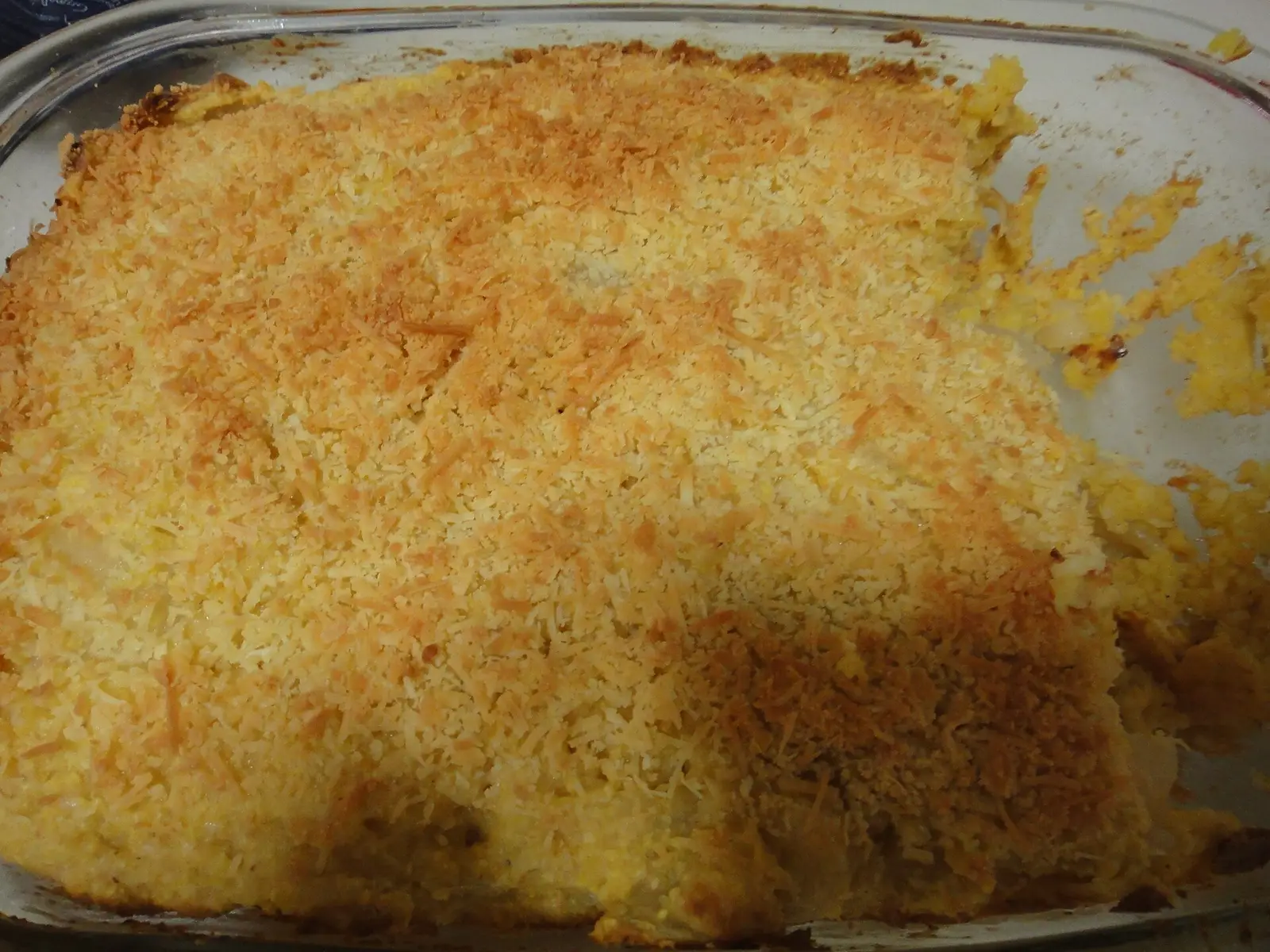
This sopa paraguaya recipe turns cornmeal, salty Paraguay cheese, onion, milk and eggs into a golden, spongy cake that slices like bread. Despite the name — sopa means soup — there is no broth here: the dish is solid, rich and meant to be cut into squares. One serving is about 180 g.

Sopa paraguaya grew from the meeting of Guaraní corn cooking and the cheese, milk and eggs the Spanish brought to Paraguay: corn flour was already a staple, and the new dairy foods turned it into a baked cake. According to a popular story, the cook of Paraguay’s first president, Don Carlos Antonio López, thickened his favourite cheese soup with too much corn flour and baked the result instead — and the president liked the ‘soup’ so much the name stuck. Along with chipa and mbejú, it belongs to the tyrá foods eaten with mate cocido.

Pairs well with: Warm squares with grilled meat or a bowl of soup

Provenance

Paraguay flag Paraguay

Asunción Heritage

Latin America & Caribbean

Time Dedication

1h 5m

20m prep • 45m cook

Batch Yield

8 Servings

419 kcal per serving

1 serving ≈ 180 g

Technical Skill

Intermediate

Easy (One Dish)

Meal Timing & Digestive Fit

Breakfast

Not Advised

Lunch

Prime Metabolic Fit

Dinner

Ideal Hearty Main

Snack & Tea

Inappropriate

Occasions: Sunday lunch, asado gatherings, family meals, potlucks Cost: Low — about $2–3 per serving at home
A golden baked sopa paraguaya cornmeal and cheese cake in a glass baking dish with one square cut out

Asunción Heritage

Photo: Everton Zanella Alvarenga, CC BY-SA 2.0, via Wikimedia Commons

The Heritage Formulary

Measured Ingredients

Estimated cost: Low — about $2–3 per serving at home (USD)

A good sopa paraguaya is golden on top, moist and spongy inside, and holds its shape when cut into squares.

Execution Methodology & Culinary Technique

Step-by-Step Cooking Guide

Active 1h 5m
P

Prep Stage: Onions First, Batter Second

20 Mins • Chopping & Mixing

Sopa paraguaya comes together in one bowl, but the order matters: the onion is cooked soft first so it disappears into the crumb instead of staying crunchy, and the cheese is grated before the batter is mixed so it folds in evenly. Grease the baking dish well — the cake likes to stick.

Maestro Tip: Grate the cheese coarsely, not finely: bigger shreds leave little melted pockets in the finished cake.

  1. 1

    Cook the Onion Soft

    8 Mins Medium heat, ~160°C (320°F) pan

    Melt 40g of the butter in a pan over medium heat, add the chopped onion and cook for about 8 minutes, stirring often, until it is completely soft and translucent but not browned. Tip the onion and all its butter into a large mixing bowl and let it cool for 5 minutes.

    Browned onion turns bitter in the cake; if it starts to colour, turn the heat down and add a spoonful of milk.

    Done when: The onion is soft, pale and sweet-smelling, with no crunch left.

  2. 2

    Mix the Batter

    5 Mins Room temperature

    Add the cornmeal, milk, beaten eggs and salt to the bowl with the onion. Stir with a wooden spoon until the mixture is smooth and thick, like a heavy porridge — about 2 minutes of steady stirring. Let it stand for 5 minutes so the cornmeal drinks up the milk.

    A thick batter is correct: it should fall from the spoon in slow ribbons, not run. If it looks dry, add milk one tablespoon at a time.

    Done when: The batter is smooth, thick and lump-free.

  3. 3

    Fold in the Cheese

    3 Mins Room temperature

    Fold the grated cheese through the rested batter until it is evenly scattered. Pour the batter into the greased baking dish and smooth the top. Dot the remaining 20g of butter over the surface in small pieces.

    Do not overmix once the cheese is in — a few gentle folds keep the crumb light.

    Done when: Cheese is visible all through the batter, top is level.

  4. 4

    Bake Until Golden

    40 Mins 180°C (350°F)

    Bake in the centre of the oven at 180°C (350°F) for 35–40 minutes, until the top is deep golden and crisp at the edges and a skewer pushed into the centre comes out clean. The cake will puff slightly and then settle as it cools.

    If the top browns too fast, lay a sheet of foil loosely over the dish for the last 10 minutes.

    Done when: Deep golden top, firm edges, skewer clean; the centre springs back when pressed.

  5. 5

    Rest and Cut

    10 Mins Cooling, ~60°C (140°F)

    Leave the cake in the dish for 10 minutes so it firms up, then cut it into 8 squares. Serve warm, when the cheese is still soft inside and the top is crisp.

    Cutting too soon makes the squares crumble; 10 minutes of patience gives clean edges.

    Done when: Squares hold their shape on the plate, moist inside and crisp on top.

Finishing Touches & Plating

Serve the squares warm, straight from the dish, with the top still crisp. A square of sopa paraguaya needs nothing on it — the cheese and onion do all the work — but it is at its best next to something grilled.

Nutritional Physiology & Benefits

Nutrition

Energy

419

kcal / serving

Protein

17g

Complete AA

Carbs

35g

Complex

Fats

24g

Healthy

Per serving (8 servings · 1 serving ≈ 180 g)
Energy419 kcal
Protein17 g
Carbohydrates35 g
Fat24 g
Fibre3.1 g
Sugar5.5 g
Sodium741 mg
Per 100g
Energy233 kcal
Protein9.7 g
Carbohydrates19.5 g
Fat13.2 g
Fibre1.7 g
Sugar3.1 g
Sodium412 mg

Nutrition values are estimated — calculated from USDA FoodData Central values for the listed ingredients.

Vitamins & minerals: Calcium and phosphorus (cheese and milk), vitamin A (butter and eggs), B vitamins and iron (cornmeal and eggs).

Slow Energy From Cornmeal

Whole-grain cornmeal digests slowly, so a square of sopa paraguaya keeps you full for hours without the sharp rise and fall of a sugary snack.

Protein From Cheese and Eggs

With about 17 g of protein per serving, the cheese and eggs make this far more filling than plain bread — a real lunch, not a side note.

Calcium for Bones

Cheese and milk are the main sources of calcium in this dish, supporting bones and teeth as part of a varied diet.

Food Pairings

What to Eat With

To optimize nutrient absorption and elevate the sensory depth, pair with these authentic accompaniments:

Sides

Grilled Beef (Asado)

Sopa paraguaya is the classic companion to Paraguay’s asado: the spongy cake soaks up meat juices and its mild, cheesy flavour balances smoky grilled beef.

Soups

Vori Vori (Chicken and Cornmeal Dumpling Soup)

Paraguayans often serve a square of sopa paraguaya alongside soup — the cake is the bread of the meal, there to be dunked and to make the soup go further.

Vegetables

Fresh Tomato and Onion Salad

A sharp, lightly salted tomato and onion salad cuts through the richness of the cheese and butter with acidity and crunch.

Drinks

Tereré or Mate Cocido

Cold tereré or hot mate cocido are the everyday drinks of Paraguay, and their bitter, herbal edge refreshes the palate between rich, cheesy bites.

Full Menus

The Asado Table

Put the whole dish in the middle of the table at an asado, with grilled meats, salad and tereré — everyone cuts their own square, and the cake disappears fast.

Complete menu

Serve warm squares of sopa paraguaya beside grilled beef or chicken from the asado, with a fresh tomato and onion salad and tereré or cold water to drink.

Digestive Guardrails

What NOT to Combine

To prevent digestive distress, sluggishness, or palate clash, avoid pairing the dish with these elements:

Too Much Extra Salt

Paraguay cheese is already salty, so adding salt freely can push the dish over the edge and leave it harsh. Taste the batter before adding the full teaspoon, and season lightly. This is general guidance, not medical advice.

Cutting While It Is Still Piping Hot

A cake cut straight from the oven falls apart because the crumb has not set. Give it 10 minutes in the dish and the squares will hold clean edges.

General information only, not medical advice — consult a doctor for personal dietary decisions.

Who Should Eat It

Who Should Eat

  • General adultsA filling, satisfying lunch — cornmeal, cheese and eggs in one warm square.
  • ChildrenChildren usually love it: soft, mild and cheesy. Cut squares small and serve warm, not hot.
  • ElderlyVery suitable — soft, warm and easy to chew; serve a modest square with soup or salad.
  • Pregnant womenGenerally suitable; make sure the eggs and cheese are fresh and the cake is baked right through.
  • Breastfeeding womenGenerally suitable; the protein and calcium support recovery — take a full square.
  • AthletesA solid refuelling food: about 17 g of protein and slow carbs per serving; pair it with grilled meat after training.
  • Weight gainA good choice — take a generous square with grilled meat and salad.
  • Weight lossKeep the square modest and load the plate with tomato salad; the cake is rich in cheese and butter.

Health Conditions — Adjust or Avoid

Conditions

  • DiabetesCornmeal is the main source of carbs — keep the square modest and ask your clinician about a suitable serving.
  • High blood pressureMost of the sodium comes from the cheese and added salt; use less salt and a smaller square, and ask your clinician about portion size.
  • Kidney diseaseLimit the portion — cheese and eggs are high in protein and phosphorus; ask your clinician about portion size.
  • GoutEat occasionally and in smaller portions — cheese and eggs are moderate in purines; ask your clinician if you are unsure.
  • Stomach issuesUsually gentle on the stomach, but the butter and cheese are rich — eat a smaller square and avoid eating it very hot.
  • Cardiovascular diseaseKeep the portion modest — the dish is high in saturated fat from cheese and butter; balance it with salad.
  • Fatty liverKeep the portion modest and favour the salad over a second square; the cake is energy-dense.
  • Food allergiesContains milk, cheese, butter and egg. Naturally gluten-free — just check the cornmeal is certified gluten-free if you have coeliac disease.
  • Special therapeutic dietsIf you follow a prescribed low-sodium or low-phosphorus diet, use less salt and a smaller portion, and check with your clinician.

If you have a medical condition, consult your doctor before changing your diet.

Storage & Use

Storage & Use

How to store
Cool completely, then store squares in an airtight container.
In the fridge
3 days, covered.
In the freezer
2 months, wrapped in portions; thaw overnight in the fridge.
How to reheat
Warm in the oven at 180°C (350°F) for 8–10 minutes until the centre reaches 74°C (165°F); the top crisps up again.
Freezing recommended
Yes, in portions — it reheats well.
Signs it has spoiled
Sour smell, mould on the surface, or a slimy texture.

More recipes to explore

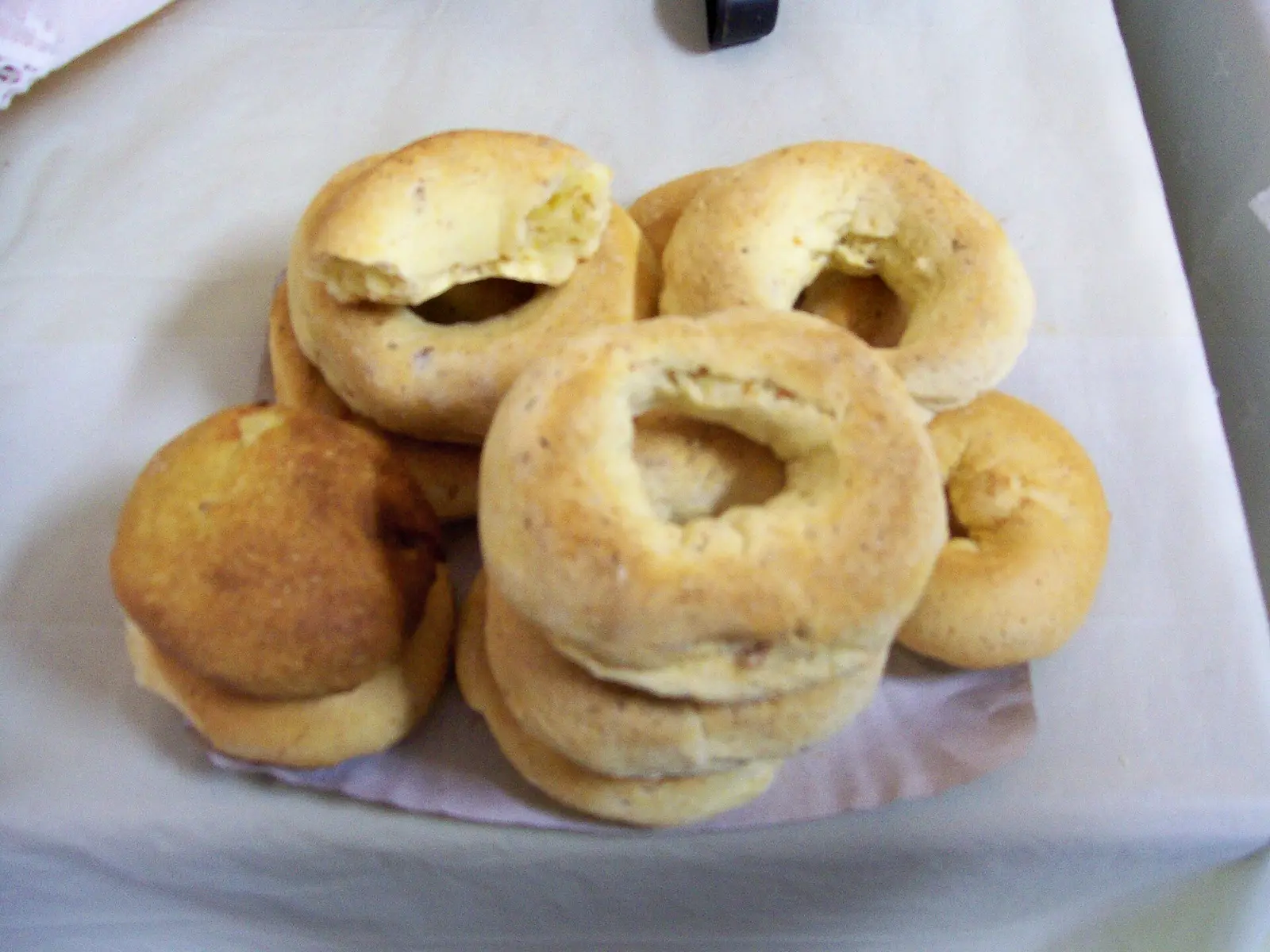
A pile of golden baked chipa cheese bread rings, one broken open to show the soft crumb Paraguay flag Paraguay 50m
Snack & Tea •Paraguayan Heritage

Chipa

This chipa recipe makes 12 golden Paraguayan cheese bread rings from cassava starch, salty cheese, eggs and a pinch of anise. The dough is rolled into ropes, closed into rings and baked until puffed and lightly cracked — crisp on the outside, soft and chewy inside. One serving is about 185 g (two rings).

Snack & Sharing

Small baked cheese bread rings made from cassava starch — crisp outside, chewy inside, best eaten warm.

Pairs Well With
Warm rings with a cup of cocido (mate cocido)
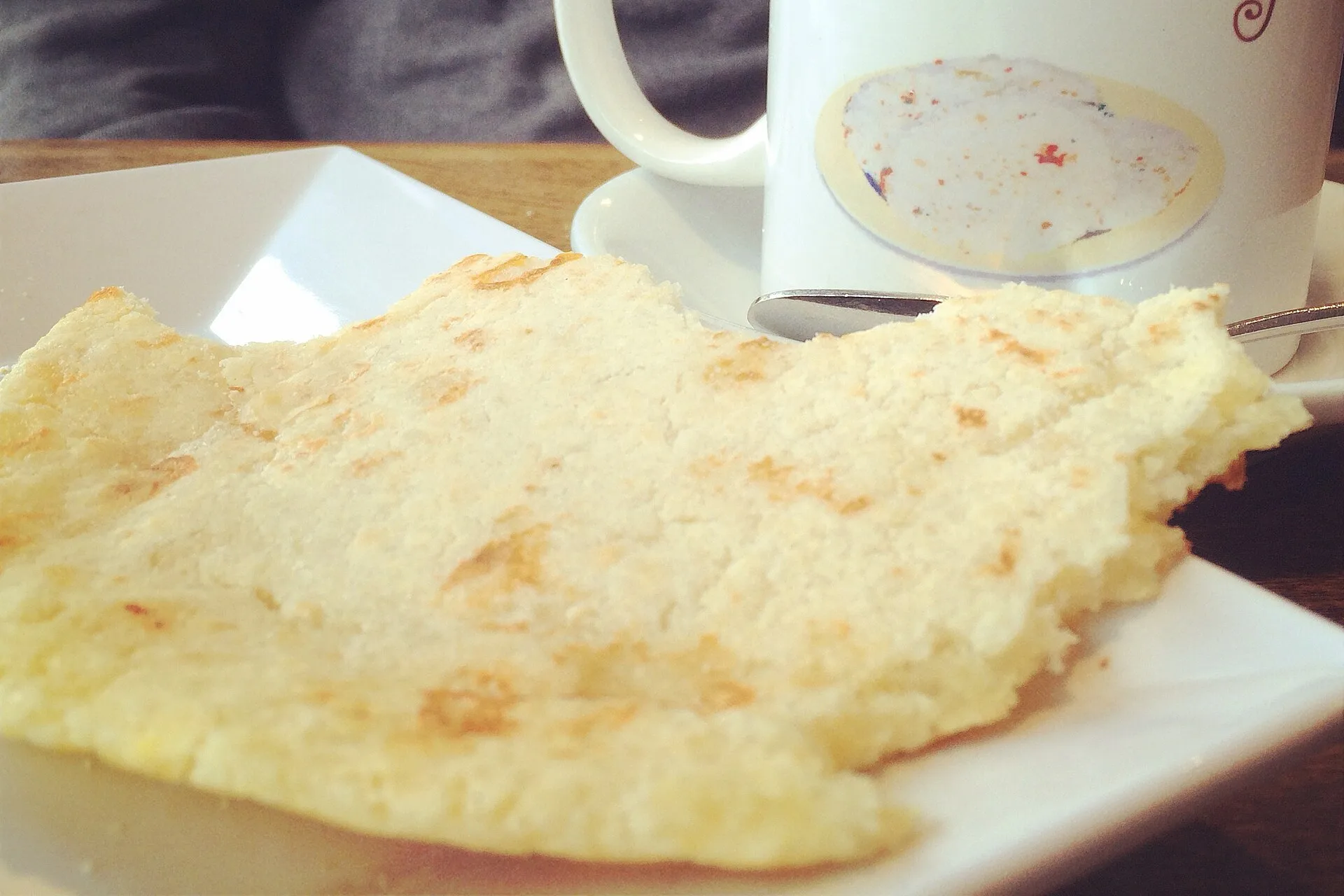
A golden mbejú cassava cheese pancake on a white plate beside a mug of cocido Paraguay flag Paraguay 30m
Snack & Tea •Guaraní Heritage

Mbejú

This mbeju recipe presses cassava starch and cheese into a golden griddled pancake — Paraguay’s classic snack, cooked in a dry pan and flipped once. It shares its two main ingredients with chipa, but the form is entirely different: chipa is kneaded and baked into bread rings, while mbejú stays a crumbly, sandy mixture that is pressed flat in the pan and never sees an oven. One serving is about 215 g (one pancake).

Snack & Sharing

A flat, griddled cassava-starch and cheese pancake — crisp at the edges, soft inside, cooked in a pan, never baked.

Pairs Well With
A warm pancake with a cup of mate cocido
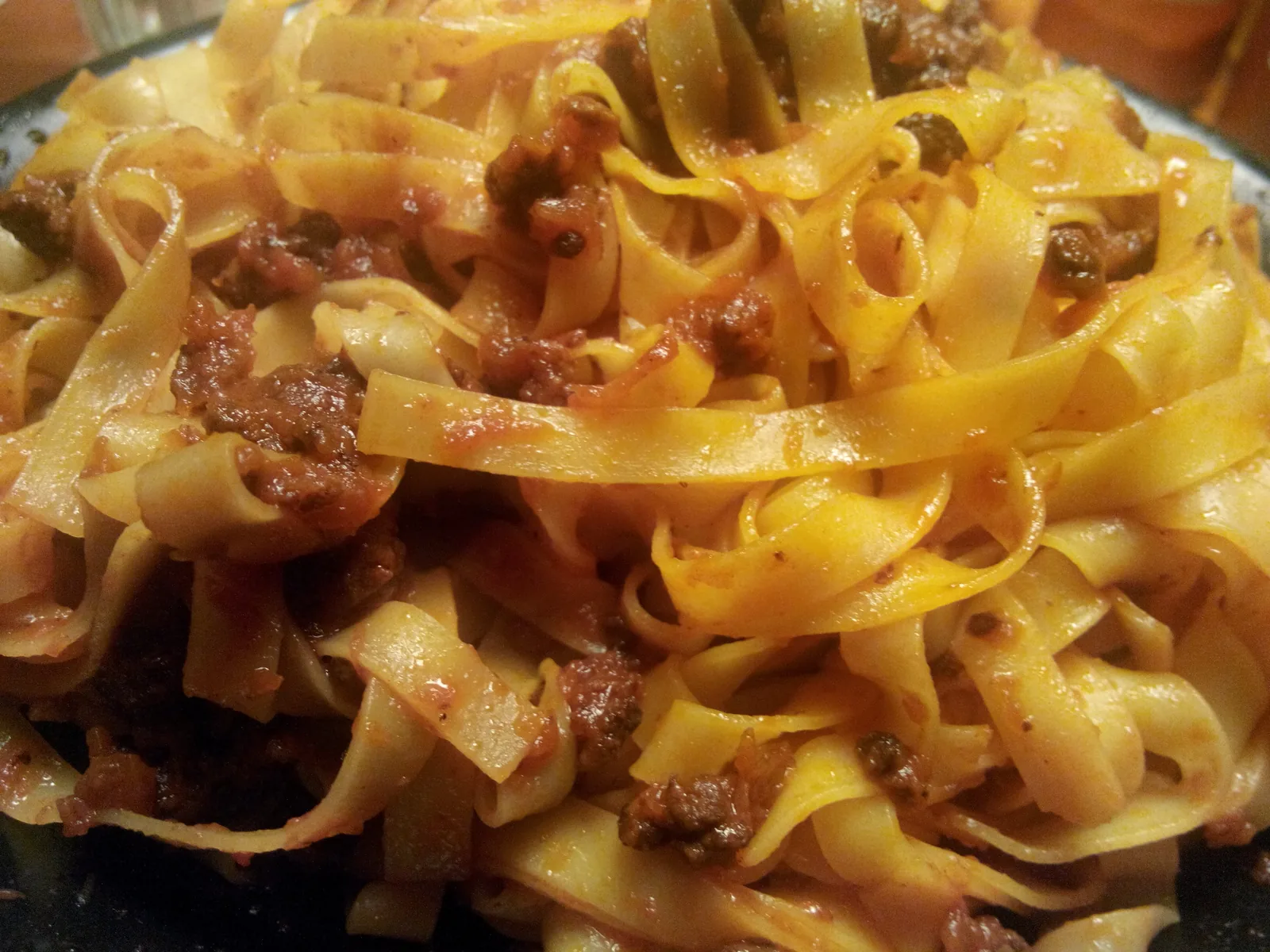
Tagliatelle al ragù Bolognese in a bowl with Parmigiano-Reggiano Italy flag Italy 4h 25m
Lunch •Emilia-Romagna

Tagliatelle al Ragù Bolognese

Slow-braised soffritto and coarse ground heritage meats layered over handmade egg yolk dough for mid-day stamina.

Lean Protein

Slow-simmered beef ragù tossed through fresh egg tagliatelle.

Pairs Well With
Bitter Radicchio & Aged Balsamico di Modena
Pasta & Noodles • High Protein
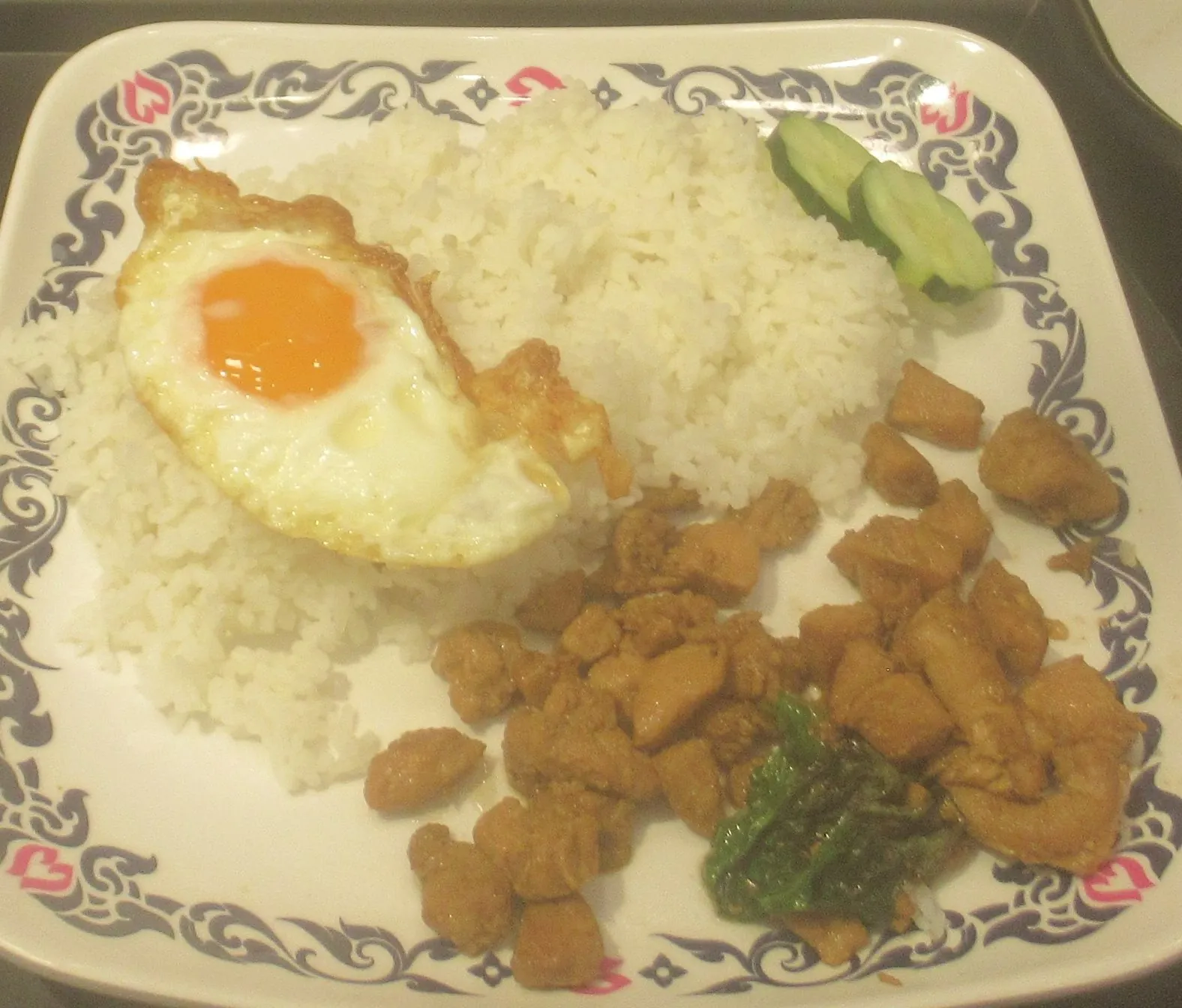
Pad kra pao gai — Thai holy basil chicken with fried egg and rice Thailand flag Thailand 30m
Lunch •Bangkok Street Flame

Pad Kra Pao Gai

High-heat wok flash of holy basil and crushed chillies over minced chicken, served over jasmine rice with a crispy-edged fried egg.

High Energy

Capsaicin brings the heat; holy basil adds a peppery, clove-like aroma.

Pairs Well With
Chilled Cucumber Salad & Fish Sauce Lime Dip
High Protein • Quick Prep (<30m)

The Dinner Gazette

Never wonder what’s for dinner again

One email a week with easy dinner ideas from around the world — ingredients, steps and nutrition, tested in our kitchen first.

Delivered every Thursday morning. Unsubscribe anytime.