Curated recipes from 193 countries  •  New seasonal Mediterranean issue out now

Overview

Chivo Guisado

Chivo Guisado Liniero, Chivo Liniero, Dominican Stewed Goat, Spicy Dominican Goat Stew

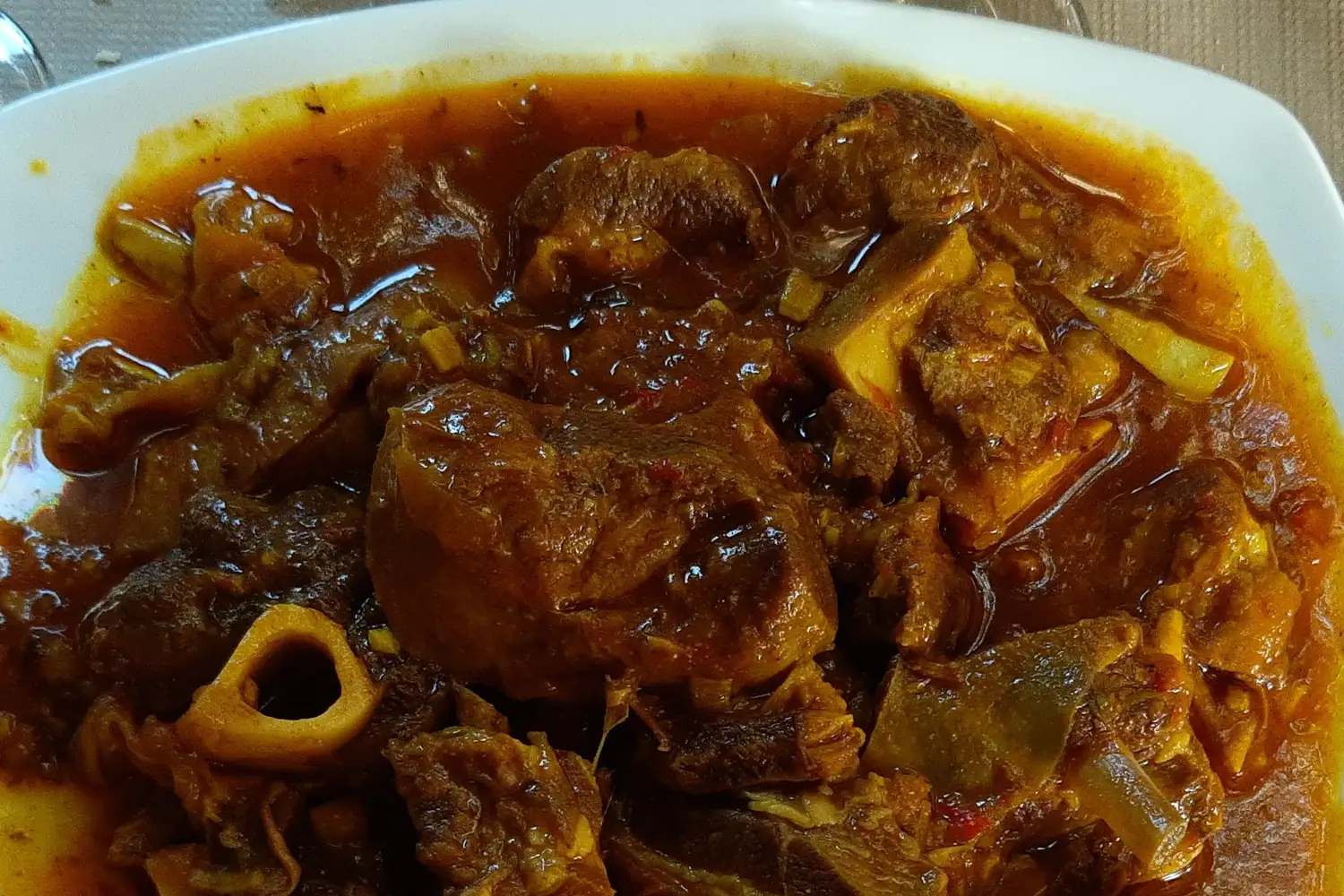
This chivo guisado recipe braises bone-in goat in rum, bitter orange, tomato and wild oregano until the meat falls from the bone, with cubanelle peppers and a scotch bonnet warming the sauce. It is the proud stew of the Dominican northwest, served with rice or cracked-corn chenchén. One serving is about 410 g.

Chivo guisado is the pride of the Dominican northwest, the dry La Línea region around Montecristi, where goats graze on wild oregano in the hills and the meat is said to carry that flavour with it. Cooks wash the meat in bitter orange, season it hard with garlic and oregano, and braise it slowly with rum, tomato and peppers until it falls from the bone. It is the stew of family celebrations, served with rice or with chenchén, the cracked-corn pilaf of the northwest.

Pairs well with: Serve with white rice or chenchén and avocado slices, and an ice-cold beer or lime soda.

Provenance

Dominican Republic flag Dominican Republic

Northwest Dominican Heritage

Latin America & Caribbean

Time Dedication

2h 40m

40m prep • 120m cook

Batch Yield

4 Servings

440 kcal per serving

1 serving ≈ 410 g

Technical Skill

Intermediate

Medium (Long Braise)

Meal Timing & Digestive Fit

Breakfast

Not Advised

Lunch

Hearty Midday Main

Dinner

Ideal Hearty Main

Snack & Tea

Inappropriate

High Protein Occasions: Family celebrations, Sunday dinners, festive gatherings with friends Cost: Medium — about $5–6 per serving at home
Bone-in goat stewed in a rich reddish-brown tomato and pepper sauce, served in a white dish

Northwest Dominican Heritage

Photo: Gerda Arendt, CC0, via Wikimedia Commons

The Heritage Formulary

Measured Ingredients

Estimated cost: Medium — about $5–6 per serving at home (USD)

Braised low and slow until the goat is tender and the sauce coats a spoon.

Execution Methodology & Culinary Technique

Step-by-Step Cooking Guide

Active 2h 40m
P

Prep Stage: Wash, Marinate & Chop

40 Mins • Washing, Marinating & Chopping

Wash the goat pieces in the bitter orange juice and vinegar, drain, then rub them with the crushed garlic, oregano, half the salt and a spoonful of the rum and leave to marinate for 30 minutes. While it rests, slice the onion and peppers, chop the tomatoes and measure out the tomato paste and remaining rum.

Maestro Tip: Do not skip the sour-orange wash: it is the step that keeps the goat sweet-tasting instead of strongly gamey.

  1. 1

    Wash and Marinate the Goat

    30 Mins Room temperature; keep below 21°C (70°F)

    Put the goat pieces in a bowl with the bitter orange juice and vinegar, rub them well, then drain and discard the wash. Rub in the crushed garlic, oregano, half the salt and 1 tablespoon of the rum. Cover and leave to marinate for 30 minutes, and no longer than 4 hours in the fridge.

    Marinate at room temperature only for the 30 minutes; longer marinating belongs in the fridge.

    Done when: Goat evenly coated with the seasoning, smelling of garlic and oregano.

  2. 2

    Brown the Goat

    15 Mins Oil at 175°C (350°F)

    Heat the oil in a heavy pot or caldero over medium-high heat. Lift the goat from the marinade, shake off the excess, and brown the pieces in batches without crowding the pot, about 3 to 4 minutes per side, until deep golden. Lift out and set aside.

    Brown in batches: crowded meat steams instead of browning, and the sauce loses its depth.

    Done when: Pieces deep golden on all sides, with browned bits stuck to the bottom of the pot.

  3. 3

    Build the Sauce

    10 Mins Medium-high heat, about 180°C (355°F)

    In the same pot, soften the onion, red pepper and cubanelle for 5 minutes, scraping up the browned bits. Stir in the tomato and tomato paste and cook for 3 minutes until the tomato darkens and the oil turns red at the edges.

    Let the tomato paste fry for a full 2 to 3 minutes: raw paste tastes tinny, fried paste tastes rich.

    Done when: Onions soft and golden; tomato darkened and glossy.

  4. 4

    Braise Low and Slow

    90 Mins Gentle simmer, about 95°C (200°F); meat cooked to at least 74°C (165°F)

    Return the goat to the pot with the remaining rum and the water, and tuck in the whole scotch bonnet. Bring to a gentle simmer, cover with the lid slightly ajar, and cook on low heat for about 90 minutes, turning the pieces once or twice and adding a splash of water if the pot runs dry, until the meat is tender enough to pull from the bone.

    Keep it at a lazy simmer, never a rolling boil: hard boiling toughens goat instead of tenderising it.

    Done when: Meat tender and yielding; a fork slides in easily and the thickest piece reads at least 74°C (165°F).

  5. 5

    Reduce and Season

    10 Mins Simmer, about 95°C (200°F)

    Lift out the scotch bonnet. Turn the heat up slightly and simmer uncovered for about 10 minutes until the sauce thickens enough to coat a spoon. Taste and add the remaining salt if needed.

    Taste before adding more salt: the long reduction concentrates the seasoning already in the pot.

    Done when: Sauce thick, glossy and clinging to the meat.

  6. 6

    Rest and Serve

    5 Mins Serve hot, above 60°C (140°F)

    Take the pot off the heat and rest for 5 minutes. Scatter the chopped cilantro over the top and serve straight from the pot with white rice or chenchén, avocado slices and lime wedges.

    A short rest lets the sauce settle and the flavours come together before serving.

    Done when: A rich, dark-red stew with tender goat and a sauce that coats the rice.

Finishing Touches & Plating

Serve the chivo guisado hot, straight from the pot, with plenty of sauce spooned over the rice. Put extra lime wedges and hot sauce on the table so everyone can season their own plate.

Nutritional Physiology & Benefits

Nutrition

Energy

440

kcal / serving

Protein

60g

Complete AA

Carbs

17g

Complex

Fats

13g

Healthy

Per serving (4 servings · 1 serving ≈ 410 g)
Energy440 kcal
Protein60 g
Carbohydrates17 g
Fat13 g
Fibre3.8 g
Sugar9.3 g
Sodium964 mg
Per 100g
Energy107 kcal
Protein14.5 g
Carbohydrates4.1 g
Fat3.2 g
Fibre0.9 g
Sugar2.3 g
Sodium235 mg

Nutrition values are estimated — calculated from USDA FoodData Central values for the listed ingredients.

Vitamins & minerals: Provides B vitamins, iron, zinc and selenium from the goat, vitamin C from the peppers, tomato and bitter orange, and vitamin A from the red pepper. All nutrition values are estimated.

Filling, High-Protein Dinner

With about 60 g of protein per serving, this stew is genuinely filling and works well after a long, active day.

Fresh Peppers, Tomato and Onion

Peppers, tomato, onion and bitter orange add vitamin C, fibre and colour to a meat-led dish.

Made from Whole Ingredients

Goat, vegetables, herbs and a splash of rum, slow-cooked at home, with no ultra-processed main component in the pot.

Food Pairings

What to Eat With

To optimize nutrient absorption and elevate the sensory depth, pair with these authentic accompaniments:

Sides

White Rice or Chenchén

Plain white rice or cracked-corn chenchén soaks up the dark sauce and is the traditional northwest pairing for this stew.

Vegetables

Avocado Slices

Creamy avocado cools the heat of the scotch bonnet and balances the richness of the goat.

Drinks

Ice-Cold Beer or Lime Soda

A cold beer or sharp lime soda refreshes the palate between bites of rich, spicy stew.

Full Menus

Tostones on the Side

Crisp fried green plantains add crunch and a starchy counterpoint to the saucy meat.

Complete menu

Serve the chivo guisado with white rice or chenchén, avocado slices and tostones, an ice-cold beer to drink, and fresh mango to finish.

Digestive Guardrails

What NOT to Combine

To prevent digestive distress, sluggishness, or palate clash, avoid pairing the dish with these elements:

Boiling the Goat Hard

A rolling boil toughens goat meat and clouds the sauce. Keep the braise at a gentle simmer the whole time. This is general food information, not medical advice.

Eating Leftover Stew Without Reheating Properly

Cooked stew left at room temperature can grow harmful bacteria. Refrigerate leftovers within 2 hours and reheat them all the way through to 74°C (165°F) before eating. This is general food information, not medical advice.

General information only, not medical advice — consult a doctor for personal dietary decisions.

Who Should Eat It

Who Should Eat

  • General adultsA satisfying dinner as written; enjoy in a normal portion with rice and avocado.
  • ChildrenSuitable for children over 2 years in smaller portions; serve the meat off the bone and leave the scotch bonnet out of their portion.
  • ElderlyFine in a moderate portion; the long braise makes the meat soft and easy to chew, but serve it off the bone.
  • Pregnant womenSafe when the goat is cooked right through to 74°C (165°F) and served hot; the rum is cooked for 90 minutes and the alcohol mostly evaporates.
  • Breastfeeding womenA filling, protein-rich meal; drink plenty of water alongside it, as the dish is fairly salty.
  • AthletesGood after training: very high in protein and iron for recovery, with rice for carbohydrate.
  • Weight gainHelpful for adding energy: the rich sauce and rice make it easy to eat a large, calorie-dense meal.
  • Weight lossBest as an occasional meal in a smaller portion, with extra vegetables and less rice, since a full serving is about 440 kcal.

Health Conditions — Adjust or Avoid

Conditions

  • DiabetesThe stew itself is low in carbohydrate, but the rice or chenchén adds a lot; keep the starchy side to a small portion. Ask a clinician or dietitian for advice tailored to you.
  • High blood pressureA serving has about 964 mg of sodium, mostly from the salt; use less salt and skip extra salty sides. Ask a clinician for advice tailored to you.
  • Kidney diseaseThe dish is high in protein and sodium, both of which may need limiting; eat a small portion only if your clinician advises it is suitable for you.
  • GoutGoat meat is high in purines, so keep the portion modest and avoid eating this dish often during a flare. Ask a clinician for advice tailored to you.
  • Stomach issuesRich stewed meat, chilli heat and acid from the bitter orange can irritate a sensitive stomach; eat a small portion, leave out the scotch bonnet, and avoid eating it late at night. Ask a clinician for advice tailored to you.
  • Cardiovascular diseaseGoat is leaner than beef but the dish is still rich, so treat this as an occasional meal rather than a regular dinner, and load the plate with vegetables. Ask a clinician for advice tailored to you.
  • Fatty liverThe rich sauce and starchy sides add fat and energy; choose a smaller portion with more vegetables and less rice. Ask a clinician for advice tailored to you.
  • Food allergiesContains no major allergen as written, but check the rum and stock labels if you use them, and note the scotch bonnet heat. Ask a clinician for advice tailored to you.
  • Special therapeutic dietsNot suitable for low-sodium or low-purine diets as written, but the salt can be reduced and the portion kept small. Ask a clinician or dietitian for advice tailored to you.

If you have a medical condition, consult your doctor before changing your diet.

Storage & Use

Storage & Use

How to store
Cool the stew quickly and store it in a covered container with the meat covered in sauce so it does not dry out.
In the fridge
Keeps 3 days in the fridge at 4°C (40°F) or below.
In the freezer
Freezes well for up to 3 months; thaw overnight in the fridge.
How to reheat
Reheat gently on the stove until it is bubbling and steaming hot all the way through to 74°C (165°F), adding a splash of water if the sauce has thickened.
Freezing recommended
Yes — the stew freezes well and the flavour improves after a night in the fridge.
Signs it has spoiled
Sour or off smell, slimy meat surface, or mould on the sauce.

More recipes to explore

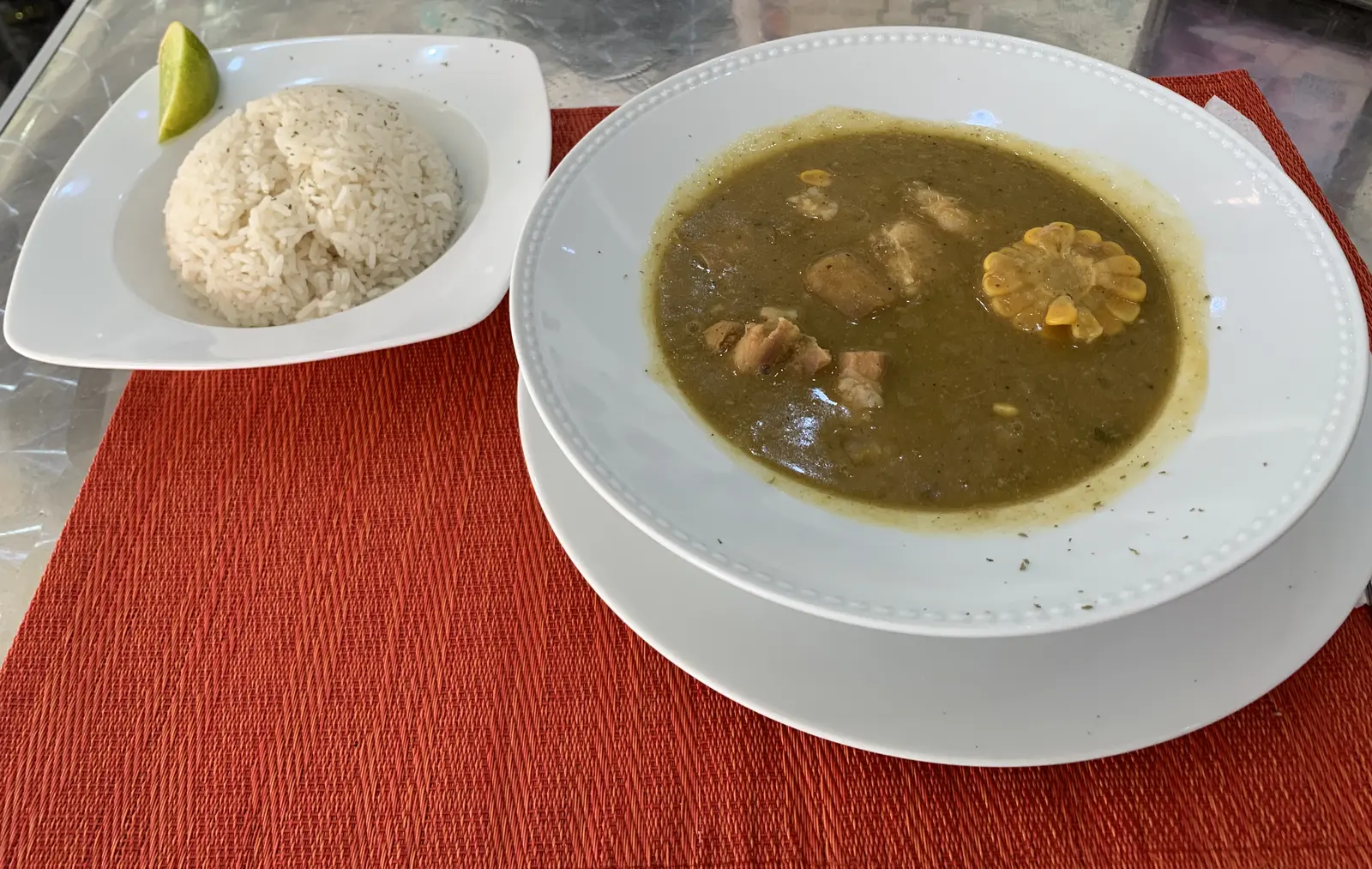
A bowl of Dominican sancocho stew with meat and a round of corn, served with white rice and a lime wedge Dominican Republic flag Dominican Republic 3h 15m
Dinner •Dominican Heritage

Sancocho Dominicano

This sancocho dominicano recipe simmers beef, pork ribs, chicken and longaniza sausage together with yuca, yautía, ñame, green plantain, pumpkin and corn until the broth turns thick and golden. The yautía slowly melts into the pot and gives the soup its signature body, while a squeeze of lime at the table brightens every spoonful. One serving is about 560 g.

Comfort & Warmth

A thick, slow-simmered celebration stew of mixed meats and starchy root vegetables, served hot in deep bowls with white rice on the side.

Pairs Well With
White rice, ripe avocado & lime wedges
Soups & Broths
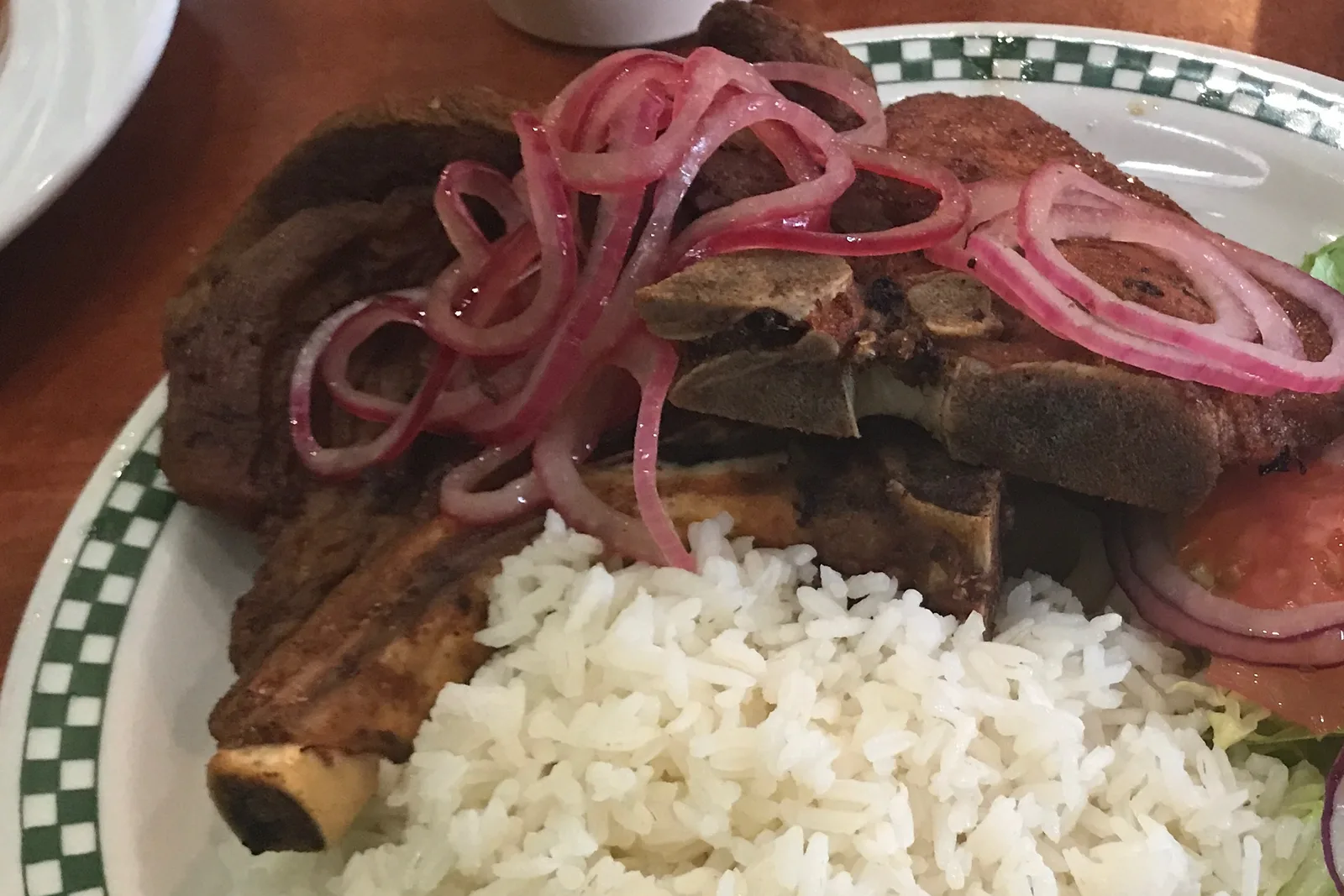
A La Bandera Dominicana plate with white rice, braised meat topped with pickled red onions, tomato and lettuce salad, with a cup of bean stew and tostones beside it Dominican Republic flag Dominican Republic 1h 30m
Lunch •Dominican Republic's National Lunch Plate

La Bandera Dominicana

This la bandera dominicana recipe makes the Dominican Republic's national lunch: a mound of white rice (arroz blanco) next to red beans stewed with squash (habichuelas guisadas) and chicken braised in sofrito and tomato (pollo guisado), with crisp twice-fried green plantains (tostones) and a fresh tomato and lettuce salad. The name means 'the flag', because the white rice, red beans and meat echo the colours of the Dominican flag. One serving is about 695 g.

Hearty & Satisfying

White rice, stewed red beans, braised chicken, tostones and salad on one plate — the lunch the Dominican Republic eats every day.

Pairs Well With
A tall glass of morir soñando, the Dominican orange-and-milk drink
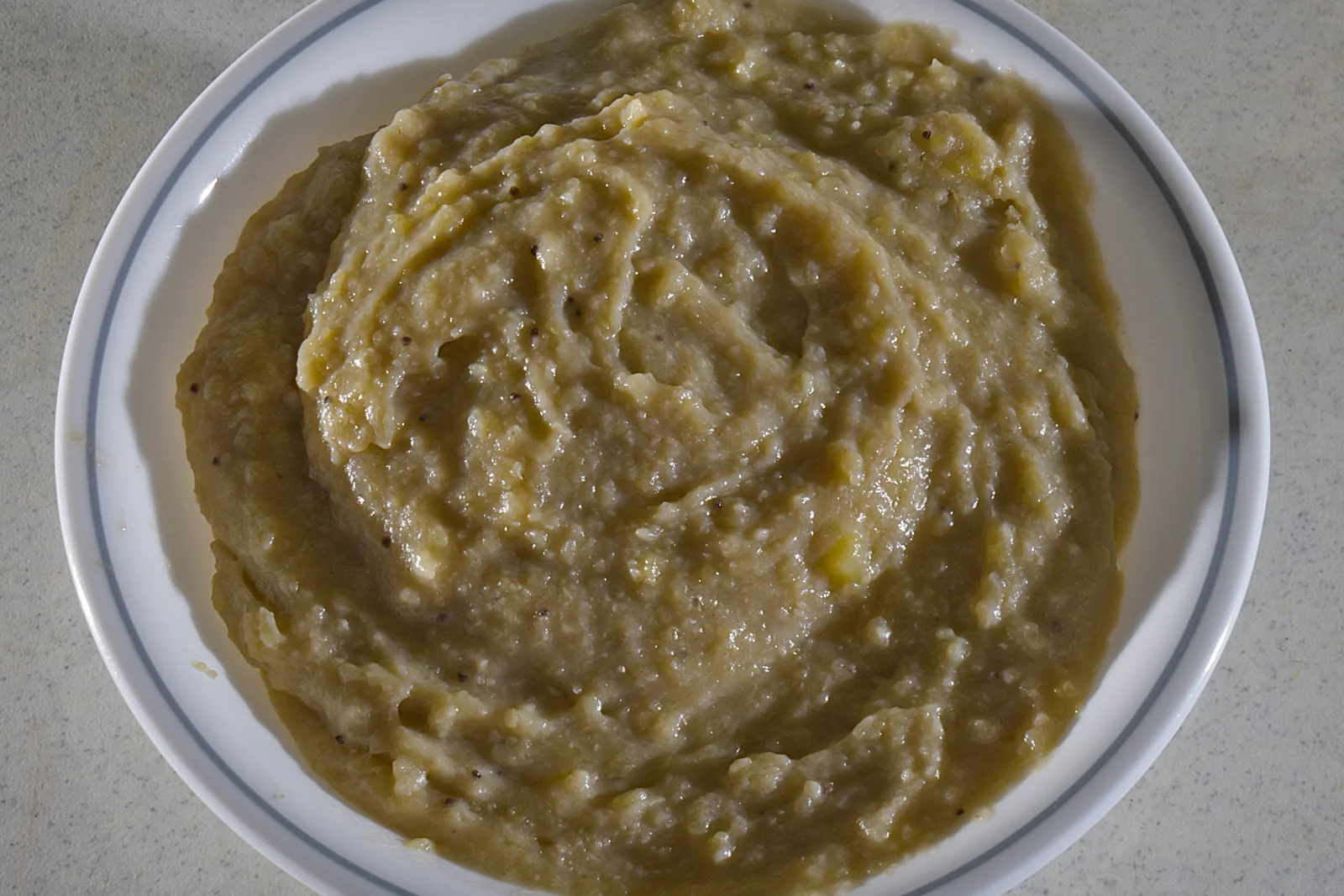
A bowl of smooth mashed green plantain (mangú) in a white bowl Dominican Republic flag Dominican Republic 40m
Breakfast •Dominican Breakfast Classic

Mangú Dominicano

Green plantains are boiled until tender, then mashed silky-smooth with butter and a little of their own cooking water, and finished with a tangle of red onions softened in vinegar and oil. It is the Dominican Republic's national breakfast dish, mild, starchy and comforting, with the sharp onions doing all the talking. One serving is about 280 g.

Hearty Breakfast Energy

Boiled green plantains mashed with butter and topped with tangy sautéed onions for a filling, slow-burning start to the day.

Pairs Well With
Sautéed red onions, fried eggs, fried cheese and fried Dominican salami (Los Tres Golpes)
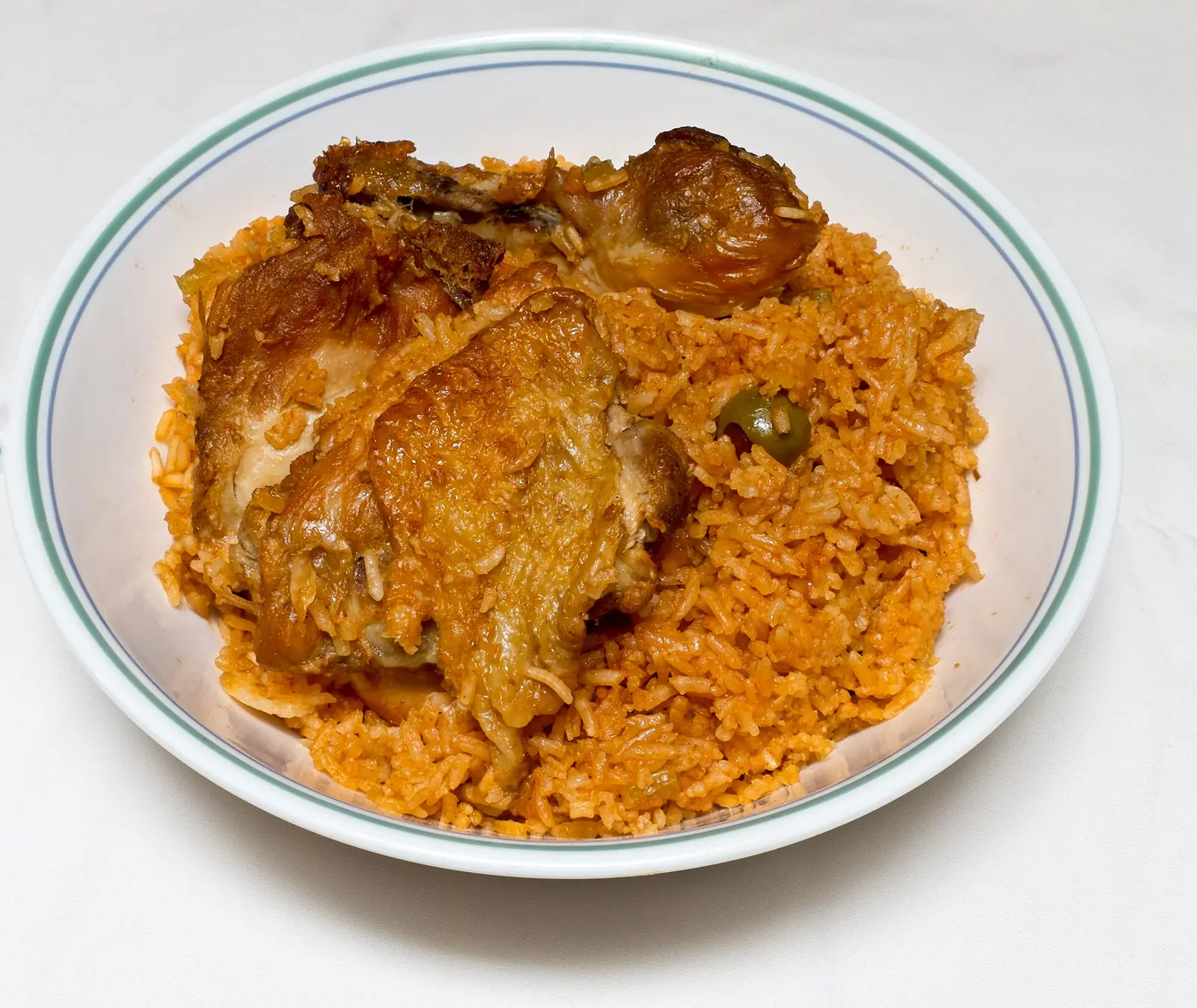
A white bowl of orange-red locrio de pollo with browned chicken pieces and a green olive on a white tablecloth Dominican Republic flag Dominican Republic 1h 20m
Dinner •Dominican One-Pot Classic

Locrio de Pollo

This locrio de pollo recipe starts with bone-in chicken thighs browned in a dark caramel — the quemado that gives the dish its deep colour — then simmers long-grain rice in the same pot with sofrito, tomato paste, pumpkin and green olives until every grain is orange-red and fragrant. It is a true one-pot dinner, and the crispy toasted rice at the bottom, the concón, is the prize everyone fights over. One serving is about 400 g.

Family Comfort

Bone-in chicken browned in caramelised sugar, then simmered with rice, sofrito, tomato, pumpkin and olives in one pot — the Dominican family dinner.

Pairs Well With
Fried plantains, avocado & green salad
High Protein

The Dinner Gazette

Never wonder what’s for dinner again

One email a week with easy dinner ideas from around the world — ingredients, steps and nutrition, tested in our kitchen first.

Delivered every Thursday morning. Unsubscribe anytime.