
Curated recipes from 193 countries  •  New seasonal Mediterranean issue out now

Overview

Mangú Dominicano

Dominican Mashed Green Plantains

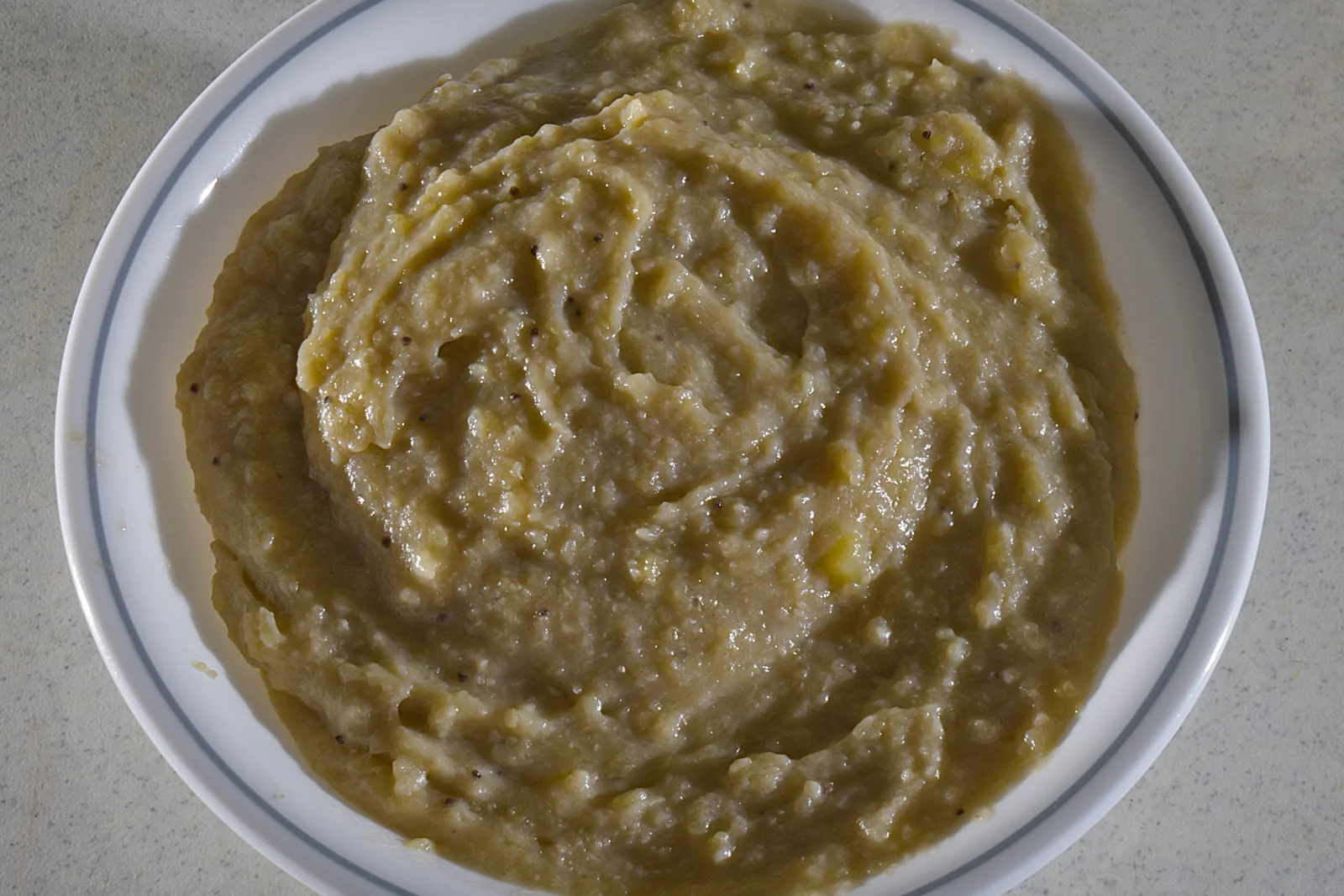
Green plantains are boiled until tender, then mashed silky-smooth with butter and a little of their own cooking water, and finished with a tangle of red onions softened in vinegar and oil. It is the Dominican Republic's national breakfast dish, mild, starchy and comforting, with the sharp onions doing all the talking. One serving is about 280 g.

Mangú is the national breakfast dish of the Dominican Republic: boiled green plantains mashed with butter and their own cooking water, topped with red onions softened in vinegar and oil. Its technique comes from the West African fufu tradition of boiling and mashing starchy roots, brought to the Caribbean through the transatlantic slave trade, while plantains themselves reached Hispaniola from the Canary Islands in the early 1500s. Dominican cookbooks were already describing the dish by 1938, and today it anchors Los Tres Golpes — mangú with fried cheese, fried salami and fried eggs — the country's most famous breakfast plate. The origin of the name mangú is disputed: one popular story credits American soldiers during the early-1900s occupation, but no document confirms it.

Pairs well with: Sautéed red onions, fried eggs, fried cheese and fried Dominican salami (Los Tres Golpes)

Provenance

Dominican Republic flag Dominican Republic

Dominican Breakfast Classic

Latin America & Caribbean

Time Dedication

40m

15m prep • 25m cook

Batch Yield

4 Servings

348 kcal per serving

1 serving ≈ 280 g

Technical Skill

Easy

Easy (One Pot)

Meal Timing & Digestive Fit

Breakfast

Prime Morning Fit

Lunch

Inappropriate

Dinner

Inappropriate

Snack & Tea

Inappropriate

Occasions: Family breakfast, weekend brunch, budget meals, cold mornings Cost: Low — about $1 per serving at home
A bowl of smooth mashed green plantain (mangú) in a white bowl

Dominican Breakfast Classic

Photo: Ll1324, CC0, via Wikimedia Commons

The Heritage Formulary

Measured Ingredients

Estimated cost: Low — about $1 per serving at home (USD)

Made from boiled green plantains mashed smooth with butter and reserved cooking water, topped with vinegar-sautéed red onions.

Execution Methodology & Culinary Technique

Step-by-Step Cooking Guide

Active 40m
P

Prep Stage: Peel & Slice

15 Mins • Knife Work

Peel the green plantains under running water — their skin is stiff and the sap can stain hands — and cut them into even 5 cm (2 in) chunks so they cook at the same speed. Slice the red onion into thin half-moons and measure out the butter, oil, vinegar and salt before the pot goes on, because the mashing has to happen while the plantains are still hot.

Maestro Tip: Rub a little oil on your hands before peeling: plantain sap is sticky and hard to wash off.

  1. 1

    Boil the Plantains

    20 Mins • Boiling Rolling boil, 100°C (212°F)

    Put the plantain chunks in a large pot with 1.5 litres of cold water and most of the salt. Bring to a rolling boil, then lower the heat slightly so the water keeps bubbling hard, and cook for 18–20 minutes. Before draining, scoop out 120 ml (1/2 cup) of the cooking water and set it aside — it is the secret to a smooth mash.

    Start timing only once the water is at a full rolling boil.

    Done when: A fork slides into the thickest chunk with no resistance and the pieces look pale and slightly swollen.

  2. 2

    Soften the Onions

    8 Mins • Sautéing Medium heat, about 160°C (320°F)

    While the plantains boil, warm the olive oil in a small pan over medium heat. Add the sliced red onion and a pinch of salt and cook, stirring often, for 6–8 minutes until the onion is soft, translucent and sweet-smelling. Stir in the vinegar and the minced garlic, if using, and cook 1 minute more, then take the pan off the heat.

    Do not let the onion brown — mangú onions should be soft and glossy, not caramelised.

    Done when: Onions are limp, shiny and translucent, with a sharp vinegar smell that has mellowed.

  3. 3

    Mash Until Silky

    10 Mins • Mashing Hot mash, about 90°C (194°F)

    Drain the plantains well and tip them straight back into the hot pot. Add the butter and mash with a potato masher or a strong fork, splashing in the reserved cooking water a little at a time. Keep mashing and beating for 5–8 minutes until the mash is completely smooth, soft and glossy, with no lumps. Taste and add the remaining salt if needed.

    Mash while the plantains are piping hot — once they cool they stiffen and will never go smooth. Add the water slowly; too much makes soup, too little makes a stiff paste.

    Done when: The mash holds soft peaks when you lift the masher and looks creamy and even, with no visible chunks.

  4. 4

    Top and Serve Hot

    2 Mins • Plating Serve hot, about 70°C (158°F)

    Spoon the hot mangú into a wide mound on each plate or into a shallow bowl. Lay the warm vinegared onions over the top, spooning over a little of the pan oil too. Serve immediately, while the mash is still soft and steaming.

    Mangú waits for no one — plate it the moment it is mashed, before it starts to set.

    Done when: The mash is soft enough to spread with a spoon and the onions sit glossy on top.

Finishing Touches & Plating

Eat mangú hot, the day it is made, with the onions on top. For the full Dominican breakfast, add fried eggs, fried cheese and fried salami — Los Tres Golpes — on the side.

Nutritional Physiology & Benefits

Nutrition

Energy

348

kcal / serving

Protein

3g

Complete AA

Carbs

68g

Complex

Fats

11g

Healthy

Per serving (4 servings · 1 serving ≈ 280 g)
Energy348 kcal
Protein3 g
Carbohydrates68 g
Fat11 g
Fibre5.3 g
Sugar31.6 g
Sodium543 mg
Per 100g
Energy124 kcal
Protein1.1 g
Carbohydrates24.1 g
Fat3.8 g
Fibre1.9 g
Sugar11.3 g
Sodium194 mg

Nutrition values are estimated — calculated from USDA FoodData Central values for the listed ingredients.

Vitamins & minerals: Potassium, vitamin C and vitamin B6 from the plantains, with magnesium and small amounts of folate from the onion. Nutrition is estimated.

Steady Morning Energy

A serving carries about 68 g of carbohydrate, mostly slow-digesting starch from green plantain, which releases energy gradually through the morning.

Rich in Potassium

Plantains are naturally high in potassium, and one serving of this mangú provides roughly 900 mg, a mineral that helps maintain normal blood pressure as part of a balanced diet.

Gentle Fibre

About 5 g of fibre per serving from the plantains and onion supports normal digestion, and the soft, smooth texture is easy on the stomach.

Food Pairings

What to Eat With

To optimize nutrient absorption and elevate the sensory depth, pair with these authentic accompaniments:

Sides

Fried Eggs

A fried egg adds the protein this starchy mash lacks, and its runny yolk turns into a rich sauce over the plain plantain.

Queso Frito (Fried Cheese)

Salty, golden fried cheese is the classic counterpoint: its salt and crisp edges balance the mild, soft mash, and together with egg and salami it completes Los Tres Golpes.

Vegetables

Avocado Slices

Creamy avocado adds healthy fats and a cool, fresh contrast to the hot mash, and its mild flavour never fights the sharp onions.

Drinks

Dominican Coffee or Hot Chocolate

A small cup of strong coffee or spiced hot chocolate is the traditional breakfast drink, and its bitterness cuts through the richness of the buttered mash.

Complete menu

Serve a mound of hot mangú topped with vinegared onions, with a fried egg and slices of avocado on the side and a cup of Dominican coffee to drink.

Digestive Guardrails

What NOT to Combine

To prevent digestive distress, sluggishness, or palate clash, avoid pairing the dish with these elements:

Very Salty Cured Meats on the Side

Mangú itself is modest in salt, but pairing it with large amounts of salty fried salami or other cured meats can push one meal's sodium well past 1,000 mg, which is a lot for people watching blood pressure. Keep the salami portion small and balance the plate with egg and avocado. This is general information, not medical advice — ask a clinician about your own sodium limits.

Sugary Soft Drinks With the Meal

A serving of mangú already brings about 68 g of carbohydrate, so a sweetened drink on top adds fast sugar to an already starchy meal and can spike blood sugar. Water, unsweetened coffee or hot chocolate are better matches. This is general information, not medical advice.

General information only, not medical advice — consult a doctor for personal dietary decisions.

Who Should Eat It

Who Should Eat

  • General adultsA hearty, satisfying breakfast — starchy and filling, best balanced with a protein side such as egg or cheese.
  • ChildrenWell suited: soft, mild and easy to chew. Serve a smaller portion and go easy on the vinegar in the onions for young children.
  • ElderlyThe smooth, soft texture is easy to eat, and the potassium is welcome; watch the salt if blood pressure is a concern.
  • Pregnant womenGenerally suitable — plantains supply potassium, vitamin B6 and fibre. Keep portions moderate and pair with protein.
  • Breastfeeding womenA filling, energy-rich breakfast that fits well with the higher energy needs of breastfeeding; pair with egg or cheese for protein.
  • AthletesGood pre-training fuel: high in carbohydrate for glycogen, but low in protein, so add eggs or cheese to round out the meal.
  • Weight gainHelpful: about 348 kcal per serving of soft, easy-to-eat food, and the Los Tres Golpes sides add more energy.
  • Weight lossEat a smaller portion (about half a serving) and fill the rest of the plate with egg, avocado and salad rather than fried salami and cheese.

Health Conditions — Adjust or Avoid

Conditions

  • DiabetesOne serving carries about 68 g of carbohydrate, so portion size matters — consider half a serving with plenty of egg, avocado and vegetables, and check your blood sugar as usual. Ask your clinician or dietitian for personal guidance.
  • High blood pressureThe mash itself is moderate in sodium (about 543 mg per serving), but fried salami and cheese sides add much more — keep those portions small. Ask your clinician about your sodium target.
  • Kidney diseasePlantains are high in potassium (roughly 900 mg per serving), which some kidney diets must limit. Ask your clinician or dietitian before eating this regularly.
  • GoutMangú itself is low in purines, but the traditional fried salami side is not — if gout is a concern, pair the mash with egg or cheese instead. Ask your clinician for personal advice.
  • Stomach issuesThe smooth, low-fat mash is usually gentle on the stomach, but the vinegar in the onions can irritate reflux or gastritis — use less vinegar or skip the onions if that affects you, and ask your clinician if symptoms persist.
  • Cardiovascular diseaseThe plantain base is low in saturated fat, but butter and fried sides add saturated fat and salt — use olive oil in place of butter and favour egg and avocado over fried salami. Ask your clinician for personal guidance.
  • Fatty liverThe dish is carbohydrate-heavy, so keep the portion moderate and avoid adding sugary drinks or extra fried sides. Ask your clinician or dietitian for personal advice.
  • Food allergiesContains milk (butter) — use olive oil instead if dairy is a problem. Naturally gluten-free. The traditional salami and cheese sides may contain other allergens, so check their labels.
  • Special therapeutic dietsNaturally gluten-free and vegetarian as written; swap butter for olive oil to make it dairy-free and vegan. For any prescribed therapeutic diet, ask your clinician or dietitian before adding this dish.

If you have a medical condition, consult your doctor before changing your diet.

Storage & Use

Storage & Use

How to store
Cool quickly, then store in a covered container.
In the fridge
2 days, covered.
In the freezer
1 month, in portions.
How to reheat
Warm gently in a pot over low heat with a splash of water or milk, mashing as it heats, until hot all the way through, to 74°C (165°F).
Freezing recommended
Possible, but it loses its silky texture — best eaten fresh.
Signs it has spoiled
Sour smell, grey colour, or a dry, hard surface.

More recipes to explore

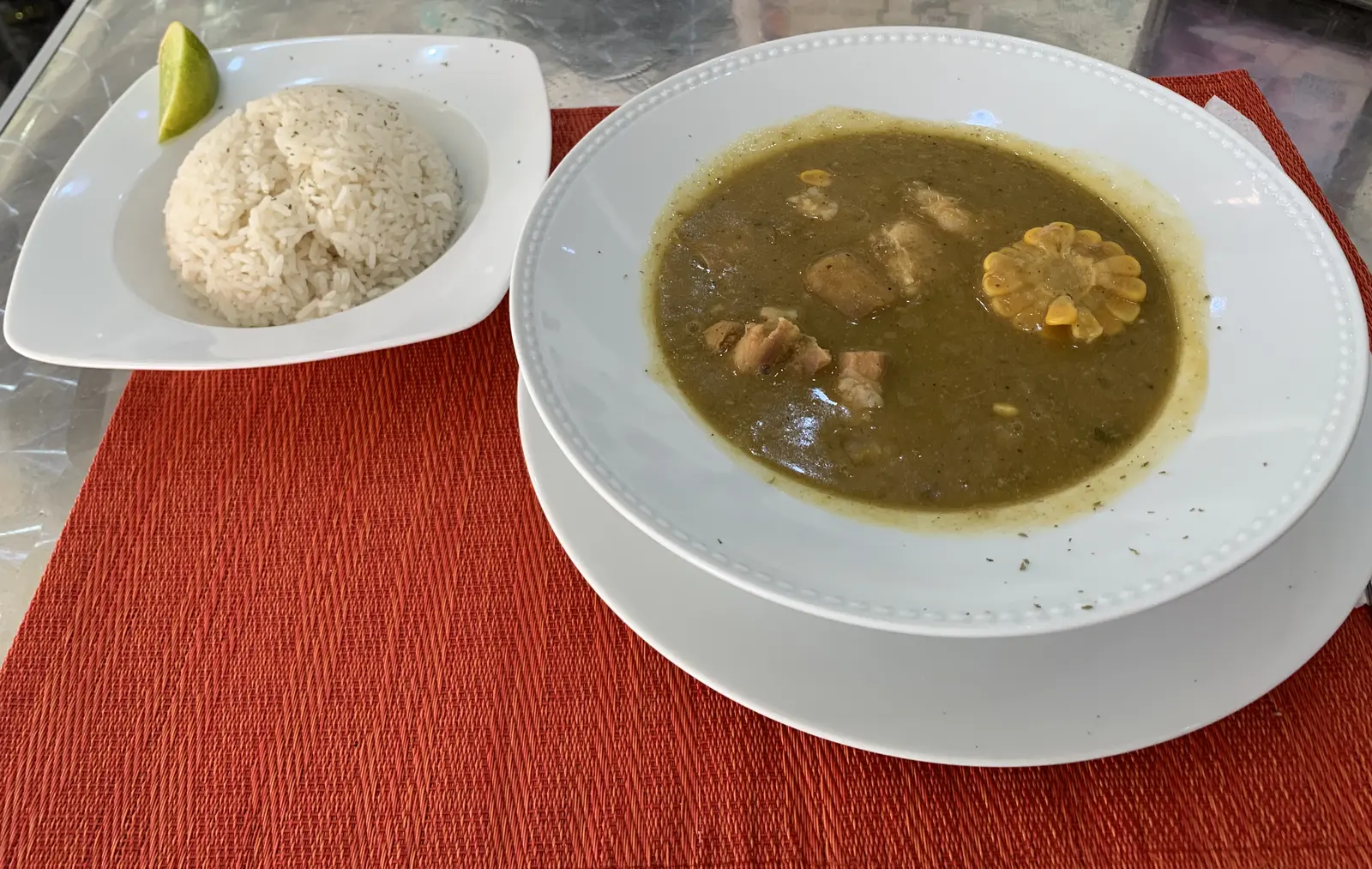
A bowl of Dominican sancocho stew with meat and a round of corn, served with white rice and a lime wedge Dominican Republic flag Dominican Republic 3h 15m
Dinner •Dominican Heritage

Sancocho Dominicano

This sancocho dominicano recipe simmers beef, pork ribs, chicken and longaniza sausage together with yuca, yautía, ñame, green plantain, pumpkin and corn until the broth turns thick and golden. The yautía slowly melts into the pot and gives the soup its signature body, while a squeeze of lime at the table brightens every spoonful. One serving is about 560 g.

Comfort & Warmth

A thick, slow-simmered celebration stew of mixed meats and starchy root vegetables, served hot in deep bowls with white rice on the side.

Pairs Well With
White rice, ripe avocado & lime wedges
Soups & Broths
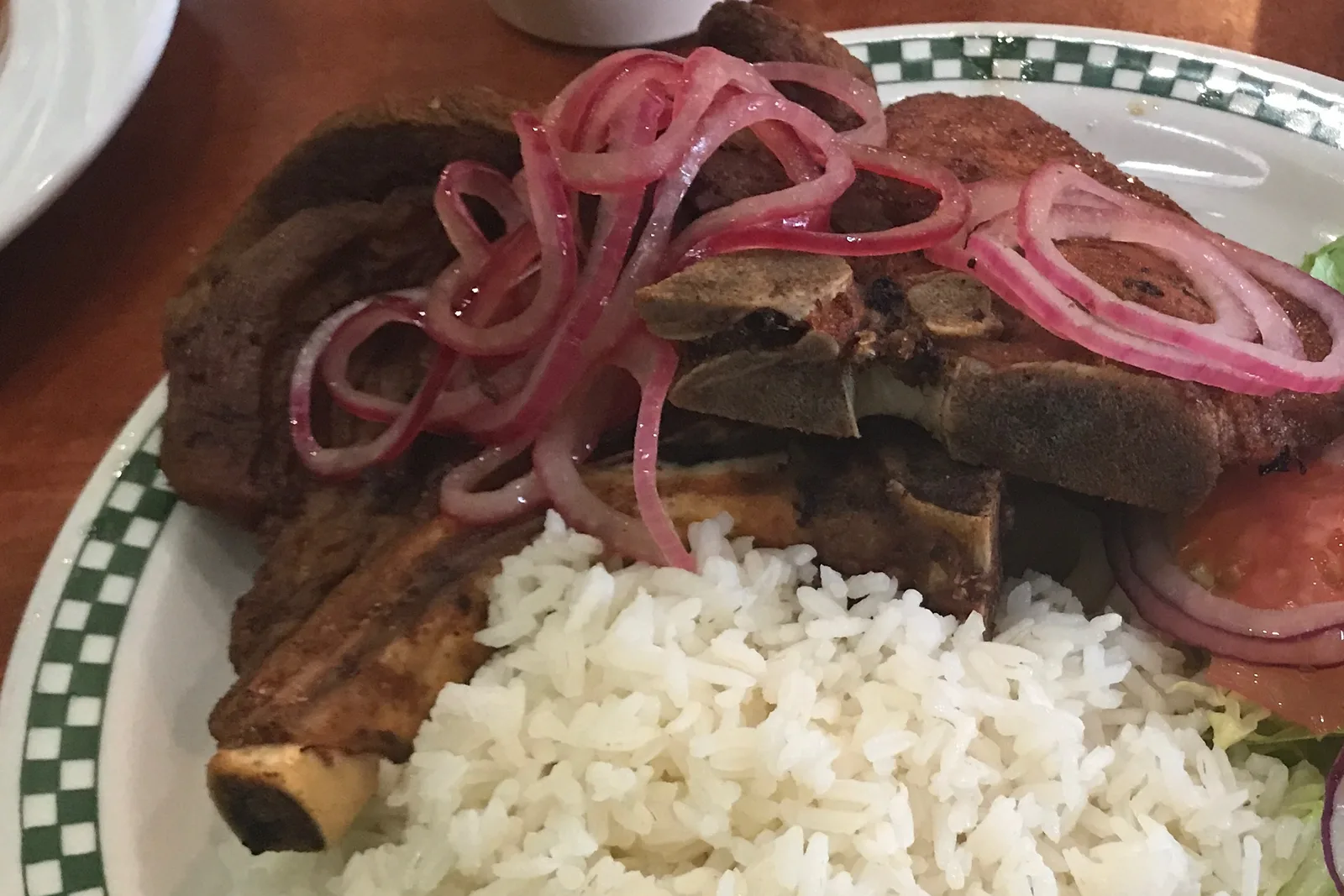
A La Bandera Dominicana plate with white rice, braised meat topped with pickled red onions, tomato and lettuce salad, with a cup of bean stew and tostones beside it Dominican Republic flag Dominican Republic 1h 30m
Lunch •Dominican Republic's National Lunch Plate

La Bandera Dominicana

This la bandera dominicana recipe makes the Dominican Republic's national lunch: a mound of white rice (arroz blanco) next to red beans stewed with squash (habichuelas guisadas) and chicken braised in sofrito and tomato (pollo guisado), with crisp twice-fried green plantains (tostones) and a fresh tomato and lettuce salad. The name means 'the flag', because the white rice, red beans and meat echo the colours of the Dominican flag. One serving is about 695 g.

Hearty & Satisfying

White rice, stewed red beans, braised chicken, tostones and salad on one plate — the lunch the Dominican Republic eats every day.

Pairs Well With
A tall glass of morir soñando, the Dominican orange-and-milk drink
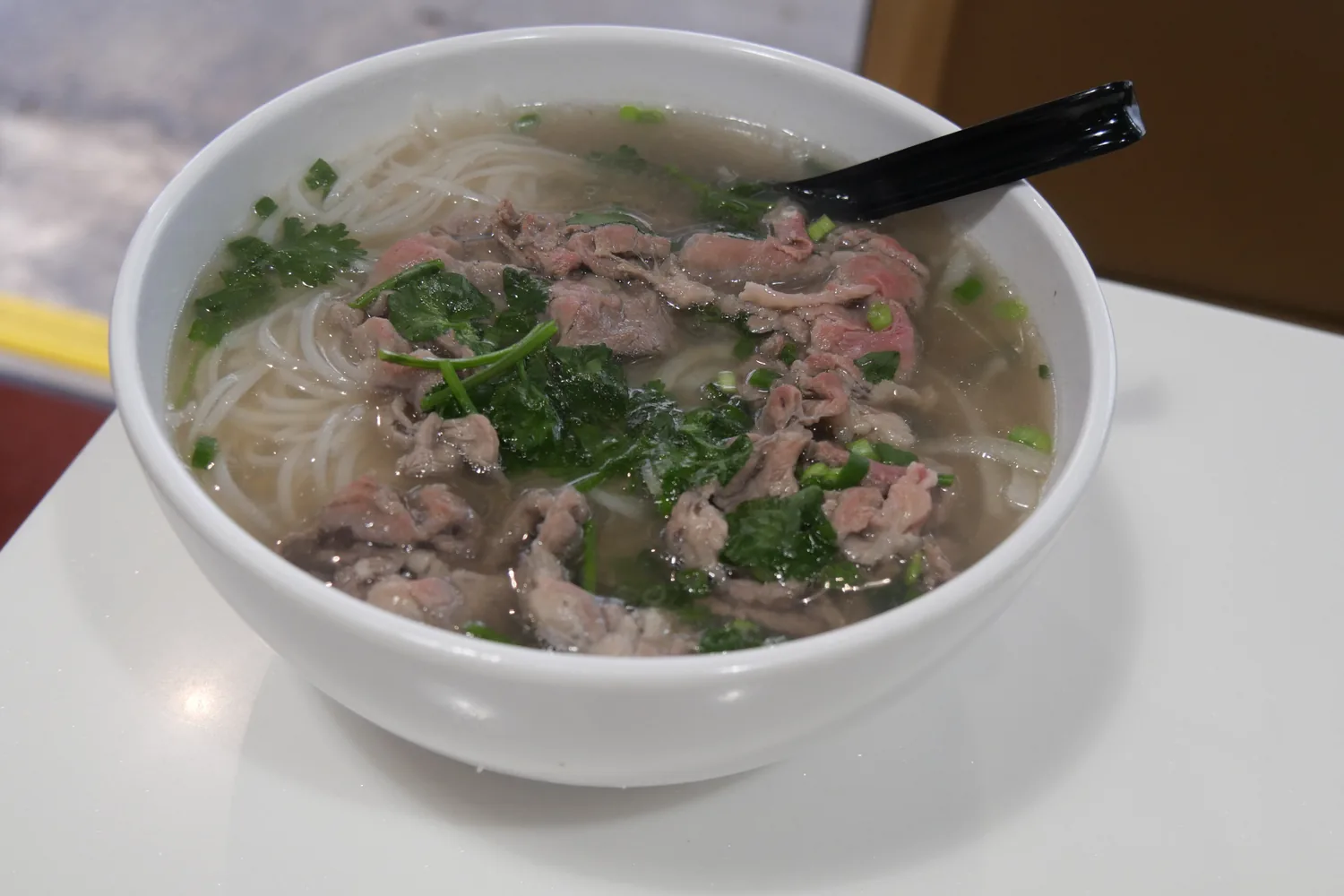
A bowl of Vietnamese phở bò with rare beef, rice noodles and fresh herbs Vietnam flag Vietnam 3h 30m
Breakfast •Hanoi Heritage

Phở Bò Tái Nạm

Slow-simmered star anise and cinnamon bone broth with hand-cut rice noodles, supplying clean restorative warmth and collagen. One serving is about 775 g.

Immunity & Warming

Slow-simmered bone broth with rice noodles, rare beef and fresh herbs.

Pairs Well With
Crispy quẩy, fresh lime & sawtooth coriander
Soups & Broths • High Protein
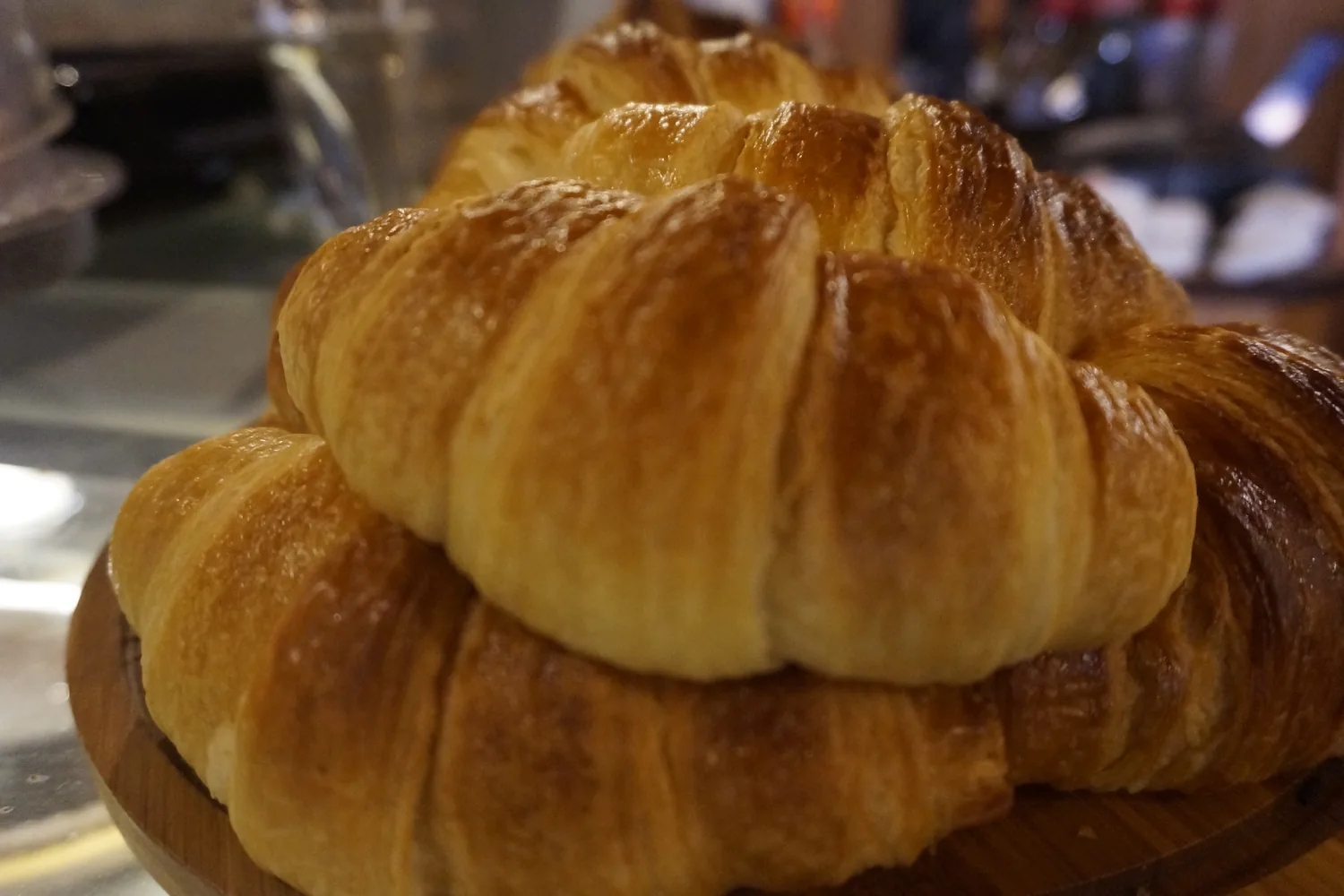
Golden butter croissants on a wooden board France flag France 20m
Breakfast •Parisian Boulangerie

Croissant au Beurre & Café

Laminated cultured butter pastry paired with washed Arabica, for a slow, pleasurable Parisian morning — best with a little protein alongside. One serving is about 390 g.

Sustained Focus

Flaky all-butter croissant with café au lait, Comté and green apple.

Pairs Well With
Comté cheese wedge & Green apple slices
Quick Prep (<30m)

The Dinner Gazette

Never wonder what’s for dinner again

One email a week with easy dinner ideas from around the world — ingredients, steps and nutrition, tested in our kitchen first.

Delivered every Thursday morning. Unsubscribe anytime.