

Curated recipes from 193 countries  •  New seasonal Mediterranean issue out now

Overview

Coq au Vin

Chicken in Red Wine

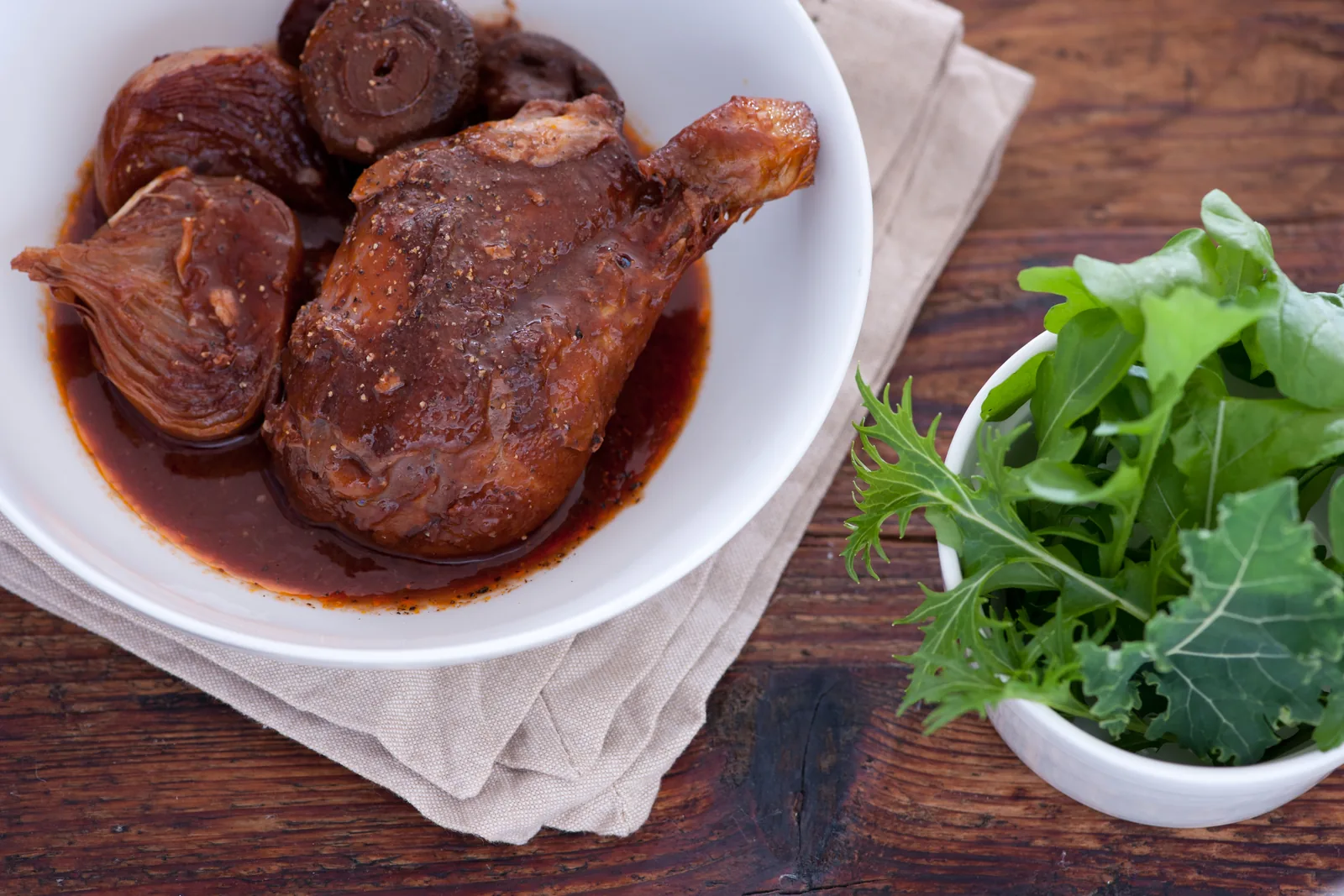
This coq au vin recipe is the Burgundy classic: chicken thighs browned with bacon, then braised in red wine with mushrooms, pearl onions and carrots until the meat is tender and the sauce is dark and glossy. One serving is about 375 g. It takes 1 hour 40 minutes, most of it hands-off while the pot simmers.

Coq au vin is one of the oldest dishes in French cooking: the idea of braising an old rooster in wine goes back centuries, because a tough old bird needed long, slow cooking in wine to become tender. The Burgundy version, with red wine, bacon, mushrooms and pearl onions, became the famous one in the twentieth century, and Julia Child's 1961 recipe in Mastering the Art of French Cooking made it a household name in the English-speaking world.

Pairs well with: Mashed potatoes, crusty bread & Burgundy wine

Provenance

France flag France

Burgundy Classic

Nordic & European

Time Dedication

1h 40m

25m prep • 75m cook

Batch Yield

4 Servings

718 kcal per serving

1 serving ≈ 375 g

Technical Skill

Intermediate

Medium (Slow Braise)

Meal Timing & Digestive Fit

Breakfast

Not Advised

Lunch

Hearty Midday Main

Dinner

Ideal Hearty Main

Snack & Tea

Inappropriate

Occasions: Sunday dinner, dinner parties, cold-weather comfort, French night Cost: Medium — about $5–6 per serving at home
A bowl of coq au vin with a braised chicken leg in dark red wine sauce with mushrooms and onions, greens on the side

Burgundy Classic

Photo: jules, CC BY 2.0, via Wikimedia Commons

The Heritage Formulary

Measured Ingredients

Estimated cost: Medium — about $5–6 per serving at home (USD)

A true coq au vin is a slow braise: tender chicken in a dark, glossy wine sauce, never a quick stew.

Execution Methodology & Culinary Technique

Step-by-Step Cooking Guide

Active 1h 40m
P

Prep Stage: Chicken, Vegetables, Wine

25 Mins • Peeling, Slicing, Seasoning

Pat the chicken dry and season it, peel the pearl onions, slice the carrots and garlic, halve the mushrooms, cut the bacon into lardons and measure out the wine, stock, flour and tomato paste. A braise is calm work only when everything is ready before the pot gets hot.

Maestro Tip: Dry chicken browns; wet chicken steams. Pat the thighs dry twice if you have to.

  1. 1

    Brown the bacon and chicken

    15 mins Medium-high heat, about 200°C (400°F)

    Heat the oil and half the butter in a heavy pot over medium-high heat. Fry the lardons until crisp, then lift them out. Brown the chicken thighs skin-side down for 5 minutes until deep gold, turn and brown the other side, then lift them out too. Do not crowd the pot — brown in two batches if you must.

    Brown in batches: a crowded pot steams the chicken instead of browning it.

    Done when: Deep gold skin, crisp lardons set aside, browned bits stuck to the pot.

  2. 2

    Soften the vegetables

    10 mins Medium heat, about 175°C (350°F)

    Lower the heat, add the remaining butter, and cook the pearl onions, carrots and mushrooms for 5 minutes until they start to colour. Stir in the garlic, tomato paste and flour and cook for 2 minutes more, scraping up the browned bits from the bottom of the pot — that is where the flavour lives.

    Scrape the bottom of the pot as you stir: those browned bits are the base of the sauce.

    Done when: Vegetables softened and lightly coloured, flour coating everything.

  3. 3

    Braise in wine

    45 mins Gentle simmer, about 90°C (195°F)

    Pour in the wine and stock, add the thyme and bay leaf, and return the chicken and lardons to the pot. Bring to a gentle simmer, then cover and cook on low heat for 45 minutes, turning the chicken once halfway. The chicken must reach 74°C (165°F) at the thickest part, and the meat should be tender enough to pull from the bone.

    A bare simmer, not a rolling boil: boiling toughens the chicken and clouds the sauce.

    Done when: Chicken tender to the bone, sauce reduced and glossy, meat at 74°C (165°F).

  4. 4

    Finish the sauce

    10 mins Medium heat, about 175°C (350°F)

    Lift out the chicken and vegetables and keep them warm. Turn the heat up and simmer the sauce for 5–8 minutes until it coats the back of a spoon. Taste and adjust the salt — the bacon and stock have already seasoned it. Return everything to the pot, remove the thyme and bay leaf, and scatter over the parsley.

    Reduce the sauce without the chicken in it, or the meat will overcook and fall apart.

    Done when: Sauce thick enough to coat a spoon, chicken glossy and hot.

  5. 5

    Serve

    2 mins Hot, about 70°C (158°F)

    Spoon the chicken, vegetables and sauce into warm bowls, with mashed potatoes or crusty bread on the side to catch the sauce. Serve while it is steaming.

    Warm the bowls first so a slow braise does not go cold on the plate.

    Done when: Steaming bowls of dark, glossy chicken and vegetables.

Finishing Touches & Plating

Let the pot rest for 5 minutes off the heat before serving, so the sauce settles and the flavours come together — then serve it steaming hot, with bread to mop up every drop.

Nutritional Physiology & Benefits

Nutrition

Energy

718

kcal / serving

Protein

37g

Complete AA

Carbs

18g

Complex

Fats

50g

Healthy

Per serving (4 servings · 1 serving ≈ 375 g)
Energy718 kcal
Protein37 g
Carbohydrates18 g
Fat50 g
Fibre2.8 g
Sugar5.9 g
Sodium1191 mg
Per 100g
Energy191 kcal
Protein9.8 g
Carbohydrates4.8 g
Fat13.4 g
Fibre0.8 g
Sugar1.6 g
Sodium318 mg

Nutrition values are estimated — calculated from USDA FoodData Central values for the listed ingredients.

Vitamins & minerals: Vitamin B3 and B6 (chicken), vitamin D and selenium (mushrooms), vitamin A (carrots), iron (chicken and bacon).

High-Protein Comfort

About 37 g of protein per serving makes this a deeply satisfying dinner that keeps you full for hours.

Vegetables in the Sauce

Mushrooms, onions and carrots braise in the wine, so the vegetables are not a sidethought — they are part of the dish itself.

Slow Cooking, Gentle Fat

A long, slow braise in wine needs no frying at the end, and the sauce carries its flavour from wine and vegetables rather than from added cream.

Food Pairings

What to Eat With

To optimize nutrient absorption and elevate the sensory depth, pair with these authentic accompaniments:

Sides

Buttery Mashed Potatoes

Soft mash is the classic partner: it soaks up the dark wine sauce and turns the braise into a complete plate.

Crusty Bread

A chunk of crusty bread is for the sauce at the bottom of the bowl — in Burgundy, leaving sauce behind is the real mistake.

Vegetables

Green Beans

Simply steamed green beans add a fresh, green contrast to a dark, rich braise.

Drinks

The Same Red Wine

Drink the same Burgundy you cooked with: it matches the sauce exactly, because it is the sauce.

Full Menus

Start With a Salad

A light salad with a sharp vinaigrette before the braise wakes up the palate for a rich main course.

Complete menu

Start with a green salad, serve the coq au vin with buttery mashed potatoes and the same Burgundy you cooked with, and finish with cheese.

Digestive Guardrails

What NOT to Combine

To prevent digestive distress, sluggishness, or palate clash, avoid pairing the dish with these elements:

Undercooked Chicken

Chicken that has not reached 74°C (165°F) at the thickest part can carry harmful bacteria. Braise until the meat is tender and a thermometer reads 74°C (165°F). This is general information, not medical advice.

A Rolling Boil

Boiling the braise hard makes the chicken tough and stringy and turns the sauce cloudy. Keep it at a bare simmer, with only the occasional bubble breaking the surface. This is general information, not medical advice.

Cooking With Sweet Wine

A sweet or cheap cooking wine makes the sauce sugary and dull. Use a dry red you would happily drink, or the whole dish suffers. This is general information, not medical advice.

General information only, not medical advice — consult a doctor for personal dietary decisions.

Who Should Eat It

Who Should Eat

  • General adultsA rich, satisfying dinner for most adults; one serving with mashed potatoes makes a full plate.
  • ChildrenThe alcohol cooks off during the long braise, but the flavour is strong and winey — serve children a small portion with plenty of potatoes.
  • ElderlyTender, easy to eat and high in protein; serve the meat off the bone with soft mashed potatoes.
  • Pregnant womenGenerally suitable when the chicken is cooked fully through to 74°C (165°F); the alcohol largely cooks off in the 45-minute simmer, but ask your clinician if you are unsure.
  • Breastfeeding womenGenerally suitable; the chicken provides protein and iron, and the dish should be cooked fully through.
  • AthletesA strong recovery meal: about 37 g of protein and plenty of iron per serving, with potatoes for carbohydrate.
  • Weight gainA good choice — eat the full serving with mashed potatoes and bread to catch the sauce.
  • Weight lossKeep to one thigh with the vegetables and sauce, and skip the bread; the full serving is about 718 calories.

Health Conditions — Adjust or Avoid

Conditions

  • DiabetesAbout 18 g of carbohydrate per serving, mostly from the vegetables, so the sauce itself is light — count the potatoes or bread instead, and ask your clinician about fitting it into your meal plan.
  • High blood pressureAbout 1191 mg of sodium per serving from the bacon, stock and salt; use low-sodium stock and ask your clinician about portion size.
  • Kidney diseaseHigh in protein, so people with kidney disease should keep to the serving size in the recipe and ask their clinician about protein portions.
  • GoutChicken and bacon are higher in purines, so keep portions moderate and ask your clinician if gout is a concern.
  • Stomach issuesRich and winey, and the sauce can be heavy on a sensitive stomach; eat a smaller portion and ask your clinician if symptoms persist.
  • Cardiovascular diseaseHigh in saturated fat from chicken skin and bacon, so treat it as an occasional dish; ask your clinician about saturated fat in your overall diet.
  • Fatty liverRich and high in fat, so keep the portion as written and balance it with vegetables; ask your clinician about fitting it into your plan.
  • Food allergiesContains wheat (gluten) from the flour and sulphites from the wine. People with a wheat allergy or sulphite sensitivity must not eat this; ask your clinician.
  • Special therapeutic dietsNot gluten-free as written; for a gluten-free version use cornflour instead of wheat flour and check the stock label, and ask your clinician or dietitian.

If you have a medical condition, consult your doctor before changing your diet.

Storage & Use

Storage & Use

How to store
Cool quickly and store in a covered container in the fridge, with the chicken in the sauce.
In the fridge
3 days, in a covered container.
In the freezer
Up to 3 months; freeze in portions with the sauce. Thaw in the fridge overnight.
How to reheat
Reheat gently in a covered pot over low heat until hot all the way through, to 74°C (165°F); add a splash of stock if the sauce has thickened.
Freezing recommended
Yes — braised dishes freeze well and often taste better the next day.
Signs it has spoiled
Sour or off smell, slimy surface, or mould — discard, do not taste to check.

More recipes to explore

Golden butter croissants on a wooden board France flag France 20m
Breakfast •Parisian Boulangerie

Croissant au Beurre & Café

Laminated cultured butter pastry paired with washed Arabica, for a slow, pleasurable Parisian morning — best with a little protein alongside. One serving is about 390 g.

Sustained Focus

Flaky all-butter croissant with café au lait, Comté and green apple.

Pairs Well With
Comté cheese wedge & Green apple slices
Quick Prep (<30m)

Bœuf bourguignon — French beef braised in red wine France flag France 4h
Dinner •Burgundy Terroir

Bœuf Bourguignon

Beef braised gently in red wine until the connective tissue melts into a velvet, gelatin-rich sauce — the classic Burgundy Sunday dinner.

Cellular Repair

Beef braised in red wine until spoon-tender, with mushrooms and pearl onions.

Pairs Well With
Parsnip Purée & Steamed French Haricots Verts
High Protein
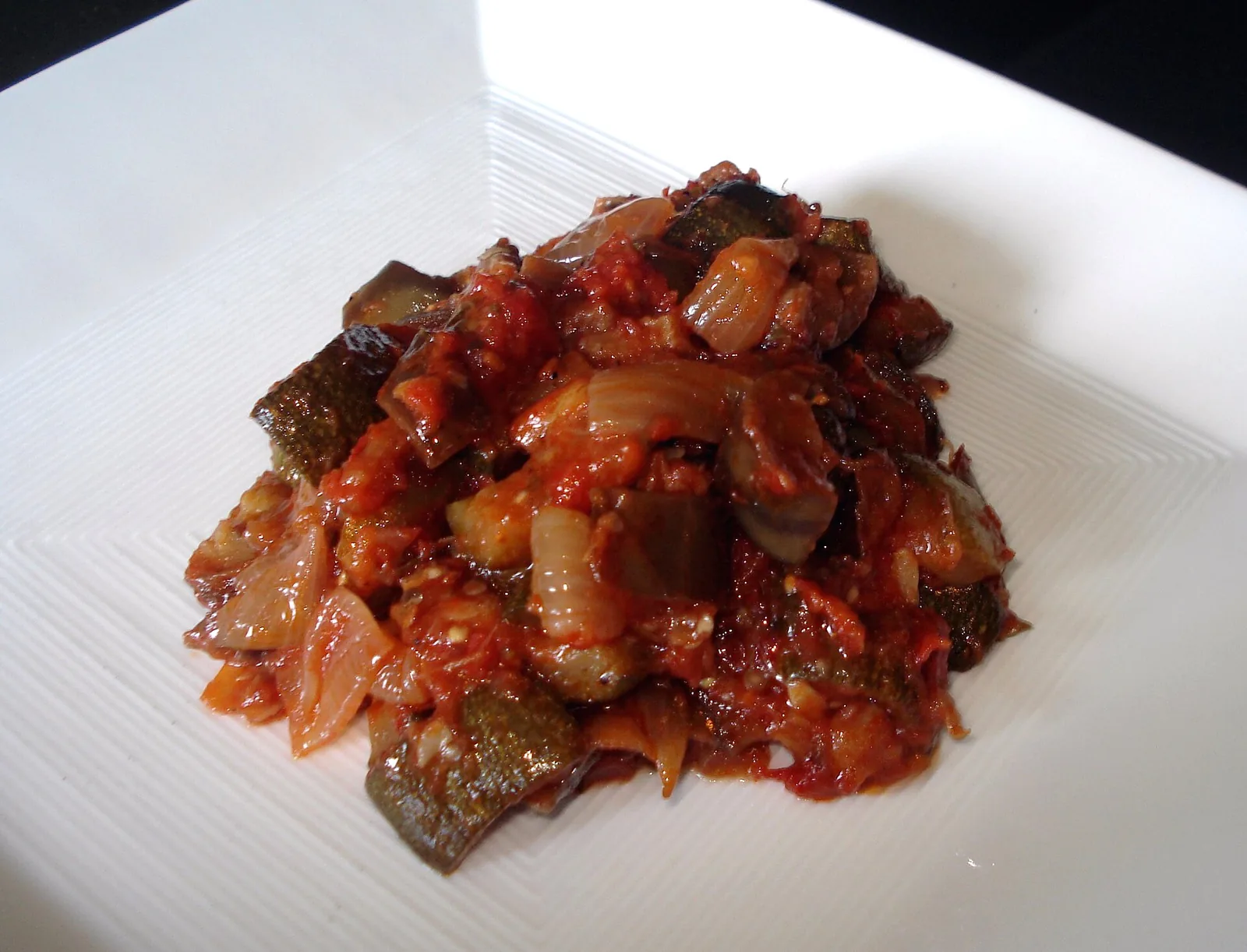
A mound of classic ratatouille with eggplant, zucchini, tomato and onion on a white plate France flag France 1h 15m
Dinner •Nice Provençal

Ratatouille

This ratatouille recipe cooks eggplant, zucchini, peppers and tomatoes separately first, so each vegetable keeps its own texture, then brings them together for a slow, fragrant simmer. One serving is about 400 g.

Light & Vegetable-Rich

Slow-simmered summer vegetables in olive oil — light, fragrant and full of fibre.

Pairs Well With
Crusty sourdough bread, grilled fish or a fried egg
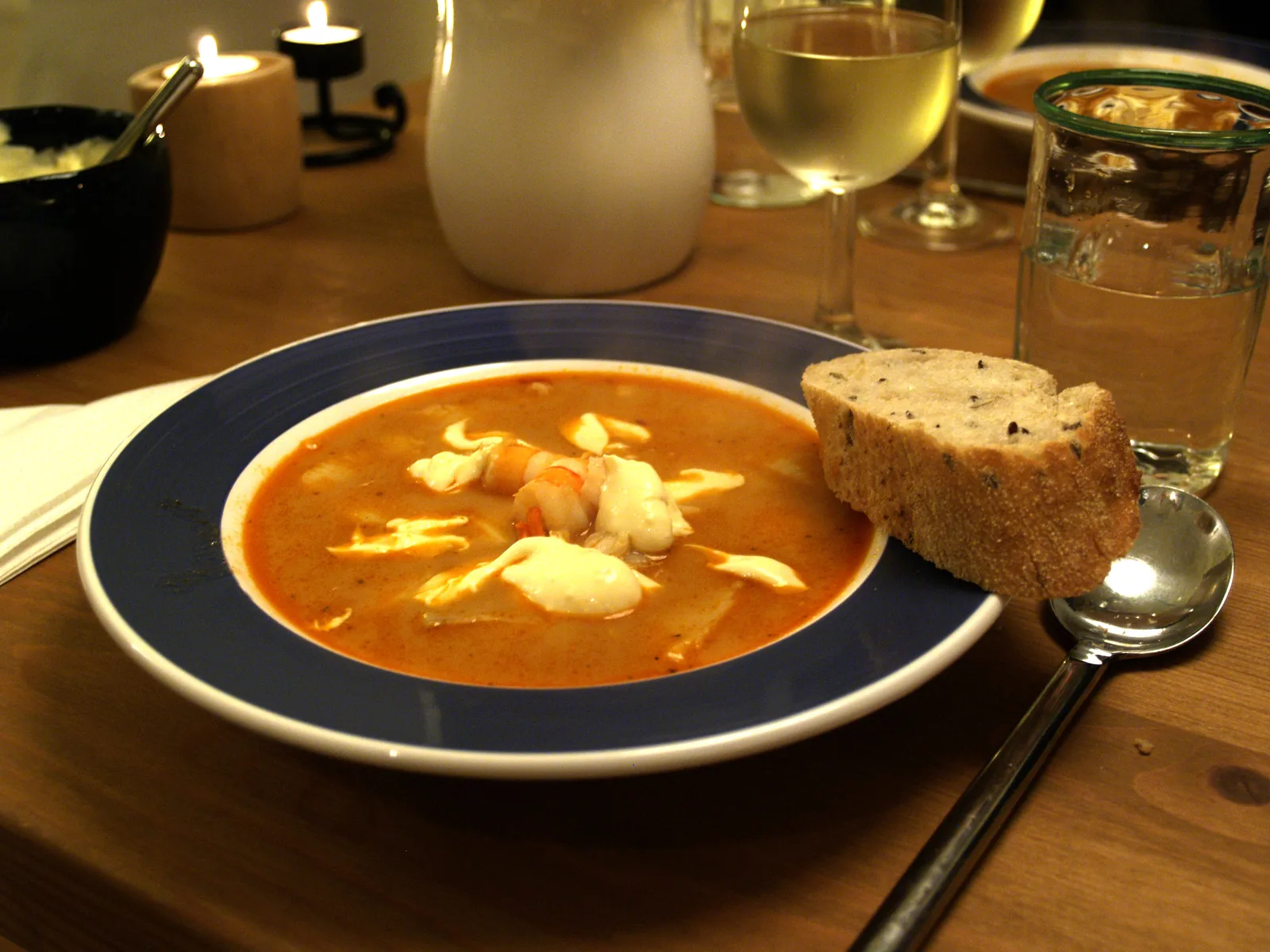
A bowl of bouillabaisse, a saffron-orange fish stew with rouille and a slice of bread France flag France 1h 15m
Dinner •Marseille Harbour Classic

Bouillabaisse

This bouillabaisse recipe simmers cod, prawns and mussels in a saffron and tomato broth with fennel and orange, and serves it with rouille and toasted baguette. One serving is about 483 g.

Comfort & Warmth

A saffron-gold fish stew with rouille and crusty bread.

Pairs Well With
Toasted baguette with rouille and a glass of dry white wine
Soups & Broths

The Dinner Gazette

Never wonder what’s for dinner again

One email a week with easy dinner ideas from around the world — ingredients, steps and nutrition, tested in our kitchen first.

Delivered every Thursday morning. Unsubscribe anytime.