Curated recipes from 193 countries  •  New seasonal Mediterranean issue out now

Overview

Corvina a la Plancha

Grilled Corvina, Corvina a la Parrilla, Uruguayan Grilled Croaker

This corvina a la plancha recipe sears skin-on croaker fillets on a smoking-hot griddle with olive oil, garlic and lemon, until the skin is crisp and the flesh flakes at 63°C (145°F). One serving is about 125 g.

Corvina is the croaker of the Rio de la Plata, and on Uruguay's Atlantic coast it is the fish of the parrilla — the grill that anchors every asado. The classic treatment is the simplest one: a whole fish or a skin-on fillet, sea salt, and fire, served with lemon and chimichurri. The famous beach parador La Huella in Jose Ignacio built its name on exactly this kind of cooking — a big corvina grilled over coals and eaten with nothing more than salt, butter and lemon.

Pairs well with: Chimichurri, roast potatoes and a tomato salad

Provenance

Uruguay flag Uruguay

Uruguayan Coastal Classic

Latin America & Caribbean

Time Dedication

25m

15m prep • 10m cook

Batch Yield

4 Servings

207 kcal per serving

1 serving ≈ 125 g

Technical Skill

Easy

Easy (Grilled)

Meal Timing & Digestive Fit

Breakfast

Not Advised

Lunch

Hearty Midday Main

Dinner

Ideal Hearty Main

Snack & Tea

Inappropriate

High Protein Occasions: Summer grilling, beach dinner, light dinner, family gatherings Cost: Moderate — about $5–6 per serving at home
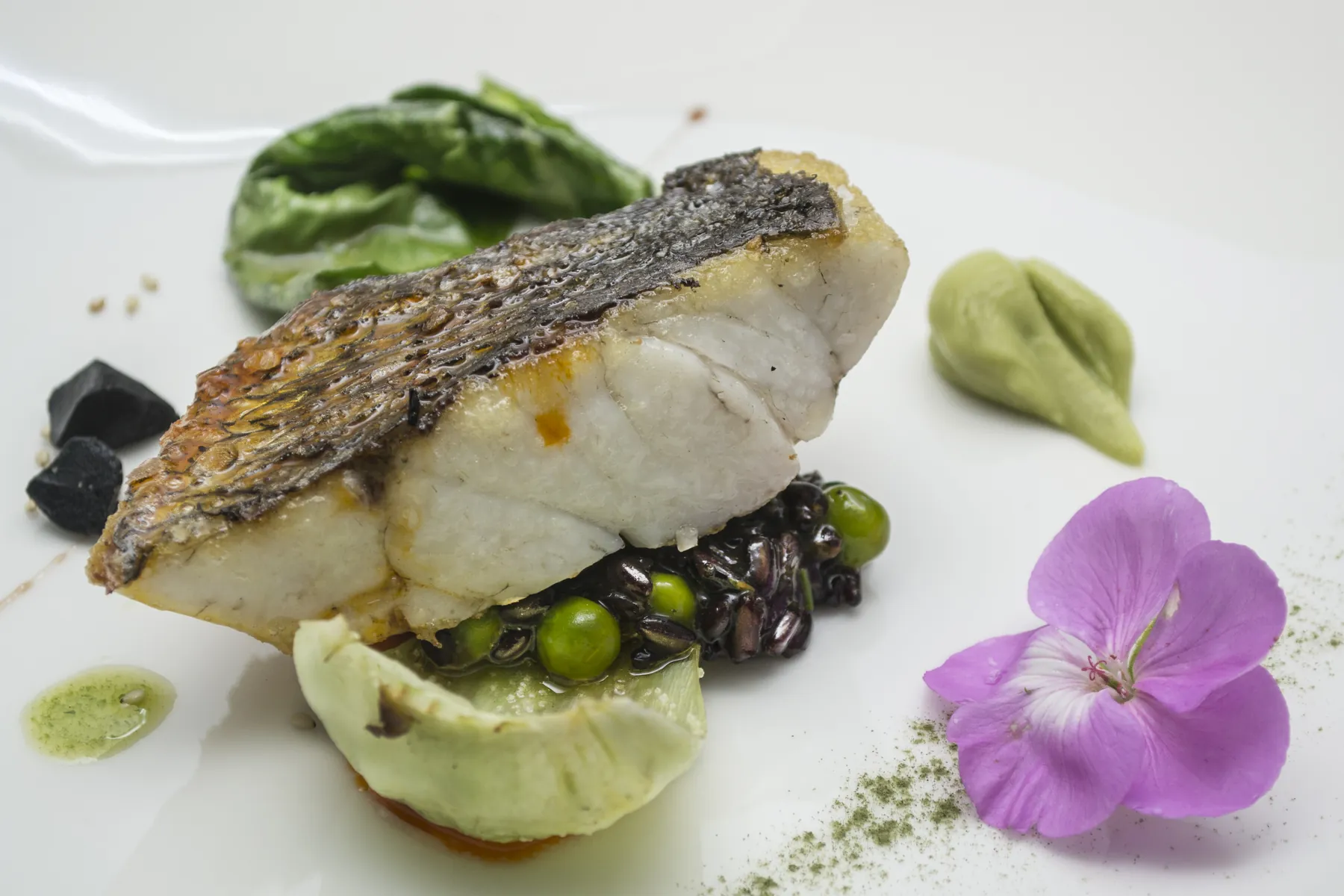
A seared corvina fillet with crisp golden skin on a white plate with pak choi, peas and a purple flower garnish

Uruguayan Coastal Classic

Photo: Restaurante Granero, Public domain, via Wikimedia Commons

The Heritage Formulary

Measured Ingredients

Estimated cost: Moderate — about $5–6 per serving at home (USD)

True corvina a la plancha is cooked fast on a very hot surface, skin-side down first, and taken off the heat the moment the flesh turns opaque — overcooked corvina dries out in a minute.

Execution Methodology & Culinary Technique

Step-by-Step Cooking Guide

Active 25m
P

Dry the fillets and season

10 minutes

Pat the corvina fillets very dry on both sides with paper towels and pull out any pin bones. Season the flesh side with the salt and pepper, rub with half the olive oil, and scatter the sliced garlic over the top. Chop the parsley, halve the lemon, and have a fish spatula ready.

Maestro Tip: Dry skin is the whole secret — wet skin steams and sticks, dry skin crisps and releases.

  1. 1

    Season the fillets

    5 minutes Room temperature (20°C / 68°F)

    Pat the fillets dry, season the flesh side with salt and pepper, and rub with olive oil. Lay the sliced garlic on top of each fillet so it perfumes the fish as it cooks.

    Season just before cooking — salt left sitting draws moisture out of the flesh.

    Done when: Fillets are dry to the touch, evenly seasoned, with garlic resting on top.

  2. 2

    Heat the plancha

    5 minutes High heat (220°C / 425°F)

    Heat a cast-iron griddle, flat plancha or heavy frying pan over high heat until a drop of water dances and evaporates at once. Brush the surface lightly with the remaining oil.

    A properly hot plancha is non-negotiable — a lukewarm pan sticks and tears the skin.

    Done when: The pan is smoking faintly and water sizzles away on contact.

  3. 3

    Sear skin-side down

    4 minutes High heat (220°C / 425°F)

    Lay the fillets skin-side down, pressing each one flat with the spatula for 10 seconds so the skin makes full contact. Cook without moving them for about 4 minutes, until the skin is golden and crisp and the flesh has turned opaque halfway up the side.

    Do not move the fish — it releases from the pan on its own once the skin is crisp.

    Done when: Skin is golden and crackling; the flesh is opaque halfway up.

  4. 4

    Flip and finish to 63°C (145°F)

    4 minutes Medium-high heat (200°C / 400°F)

    Turn the fillets gently with the fish spatula and cook for 3–4 minutes more on the flesh side, until the thickest part flakes easily and the centre reaches 63°C (145°F) on a thermometer. Squeeze half the lemon over the pan in the last minute.

    Fish keeps cooking off the heat — pull it at 63°C (145°F), not beyond.

    Done when: The flesh flakes in clean layers and the centre is just opaque at 63°C (145°F).

  5. 5

    Rest and serve

    2 minutes Warm plates (about 50°C / 120°F)

    Slide the fillets onto warm plates skin-side up, spoon the garlic and lemon pan juices over them, scatter with parsley, and serve at once with the lemon wedges.

    Skin-side up keeps the crisp skin away from the plate juices.

    Done when: Fillets are hot, glistening and fragrant, with the skin still crisp.

Finishing Touches & Plating

Slide the fillets onto warm plates skin-side up so the skin stays crisp, spoon over the garlic and lemon pan juices, scatter with parsley, and serve at once with lemon wedges.

Nutritional Physiology & Benefits

Nutrition

Energy

207

kcal / serving

Protein

27g

Complete AA

Carbs

2g

Complex

Fats

10g

Healthy

Per serving (4 servings · 1 serving ≈ 125 g)
Energy207 kcal
Protein27 g
Carbohydrates2 g
Fat10 g
Fibre0.3 g
Sugar0.3 g
Sodium377 mg
Per 100g
Energy166 kcal
Protein21.6 g
Carbohydrates1.3 g
Fat7.8 g
Fibre0.2 g
Sugar0.2 g
Sodium302 mg

Nutrition values are estimated — calculated from USDA FoodData Central values for the listed ingredients.

Vitamins & minerals: Vitamin B12 and selenium from the corvina, vitamin C from the lemon, and vitamin K from the parsley. All nutrition values are estimated.

Lean protein, low in fat

About 27.0 g of protein per serving with only 9.8 g of fat — a light, filling fish that suits an evening meal without heaviness.

Vitamin B12 and selenium

Corvina is a natural source of vitamin B12 and selenium, nutrients that support normal energy metabolism and immune function.

Naturally gluten-free and low-carb

Just fish, oil, garlic, lemon and parsley — about 1.7 g of carbohydrates per serving and no wheat at all.

Food Pairings

What to Eat With

To optimize nutrient absorption and elevate the sensory depth, pair with these authentic accompaniments:

Sauces

Chimichurri

Chimichurri — parsley, garlic, oil and vinegar — is the classic Uruguayan partner: its sharp, herby acidity wakes up the mild white fish and echoes the lemon in the dish.

Sides

Roast potatoes

Crisp roast potatoes give the plate something starchy and golden to balance the lean fish, and they are perfect for soaking up the garlic and lemon juices.

Vegetables

Tomato and onion salad

A simple salad of sliced tomato, red onion and olive oil adds freshness and acidity that cuts through the rich fish skin.

Drinks

Chilled white wine

A cold, dry white wine — a Uruguayan Albariño or a Vinho Verde — matches the clean, delicate flavour of the corvina without overwhelming it.

Complete menu

Serve the corvina with chimichurri, roast potatoes and a tomato and onion salad — the classic Uruguayan coastal plate.

Digestive Guardrails

What NOT to Combine

To prevent digestive distress, sluggishness, or palate clash, avoid pairing the dish with these elements:

Moving the fish too soon

Lifting a fillet before the skin has crisped tears the flesh and leaves the skin stuck to the pan. Wait until it releases on its own — patience is the technique. This is general guidance, not medical advice.

Cooking past 63°C (145°F)

Corvina dries out fast once it passes 63°C (145°F) — the flesh goes from silky to chalky in a minute. Use a thermometer and pull the fish on time. This is general guidance, not medical advice.

Heavy creamy sauces

A thick cream or cheese sauce buries the delicate flavour of the fish. Keep the sauce light — lemon, garlic and oil — and let the corvina speak. This is general guidance, not medical advice.

General information only, not medical advice — consult a doctor for personal dietary decisions.

Who Should Eat It

Who Should Eat

  • General adultsOne fillet at 207 kcal with 27.0 g of protein makes a light, satisfying dinner. Add potatoes or salad to make it a full plate.
  • ChildrenA mild, flaky white fish that children usually accept happily. Serve the fillet with lemon on the side and check carefully for any small bones.
  • ElderlySoft, flaky and easy to chew, with lean protein that suits older adults. Serve a small fillet with soft potatoes and skip the extra salt.
  • Pregnant womenA fully cooked fish with no raw ingredients, rich in protein and low in mercury compared with large predatory fish. Eat a moderate portion and check the fish is cooked through to 63°C (145°F).
  • Breastfeeding womenA lean, protein-rich fish that fits well into a breastfeeding diet. Pair with potatoes for energy and keep the portion moderate.
  • AthletesAbout 27.0 g of protein per serving for muscle repair, with little fat — add roast potatoes or rice for the carbohydrates a training day needs.
  • Weight gainAt 207 kcal per fillet, this fish alone is too light for weight gain — pair it with roast potatoes, rice and olive oil to add energy.
  • Weight lossAt 207 kcal and only 1.7 g of carbohydrates per serving, this is one of the lightest mains on the site — a fillet with a big salad is an easy weight-loss plate.

Health Conditions — Adjust or Avoid

Conditions

  • DiabetesAbout 1.7 g of carbohydrates per serving, so this fish barely moves blood sugar on its own — the carbohydrates come from the sides you choose, such as potatoes or rice; ask your clinician or dietitian for a portion that fits your plan.
  • High blood pressureAbout 377 mg of sodium per serving from the added salt. Keep the salt light and let the lemon do the seasoning; ask your clinician about your own sodium limits.
  • Kidney diseaseFish is a good low-potassium protein choice in modest portions, but the salt matters — keep it light and ask your clinician before eating fish regularly.
  • GoutWhite fish is low in purines, so corvina is one of the safer fish choices for gout. Keep the portion to one fillet and skip rich seafood sauces; ask your clinician for guidance.
  • Stomach issuesA plain grilled fish with lemon is gentle on most stomachs. Eat slowly and skip the raw garlic and chilli in the chimichurri if your stomach is tender; ask your clinician if symptoms persist.
  • Cardiovascular diseaseA lean white fish with little saturated fat, rich in protein and low in calories — a good heart-healthy main. Keep the oil moderate and load the plate with vegetables; ask your clinician about what fits your heart-health plan.
  • Fatty liverLean fish with almost no carbohydrates is a light choice for fatty liver. Pair with vegetables rather than fried sides; ask your clinician for a portion that fits your plan.
  • Food allergiesContains fish (croaker). People with a fish allergy should not eat this dish, and anyone cooking it alongside other foods should watch for cross-contact on the grill.
  • Special therapeutic dietsA plain grilled fish as written fits many therapeutic diets, including low-carbohydrate and gluten-free plans. Ask your clinician or dietitian before including it in a therapeutic meal plan.

If you have a medical condition, consult your doctor before changing your diet.

Storage & Use

Storage & Use

How to store
Cool the fish quickly and store in a sealed container. The skin will soften, so it is best eaten fresh.
In the fridge
1 day in the refrigerator.
In the freezer
Not recommended — grilled fish turns dry and cottony after freezing.
How to reheat
Reheat gently in a covered pan over low heat until steaming hot, 74°C (165°F), just 2–3 minutes — overheating dries it out.
Freezing recommended
No — cook only what you will eat, and freeze raw fillets instead.
Signs it has spoiled
Sour or ammonia smell, slimy surface or dull grey flesh means it should be thrown away.

More recipes to explore

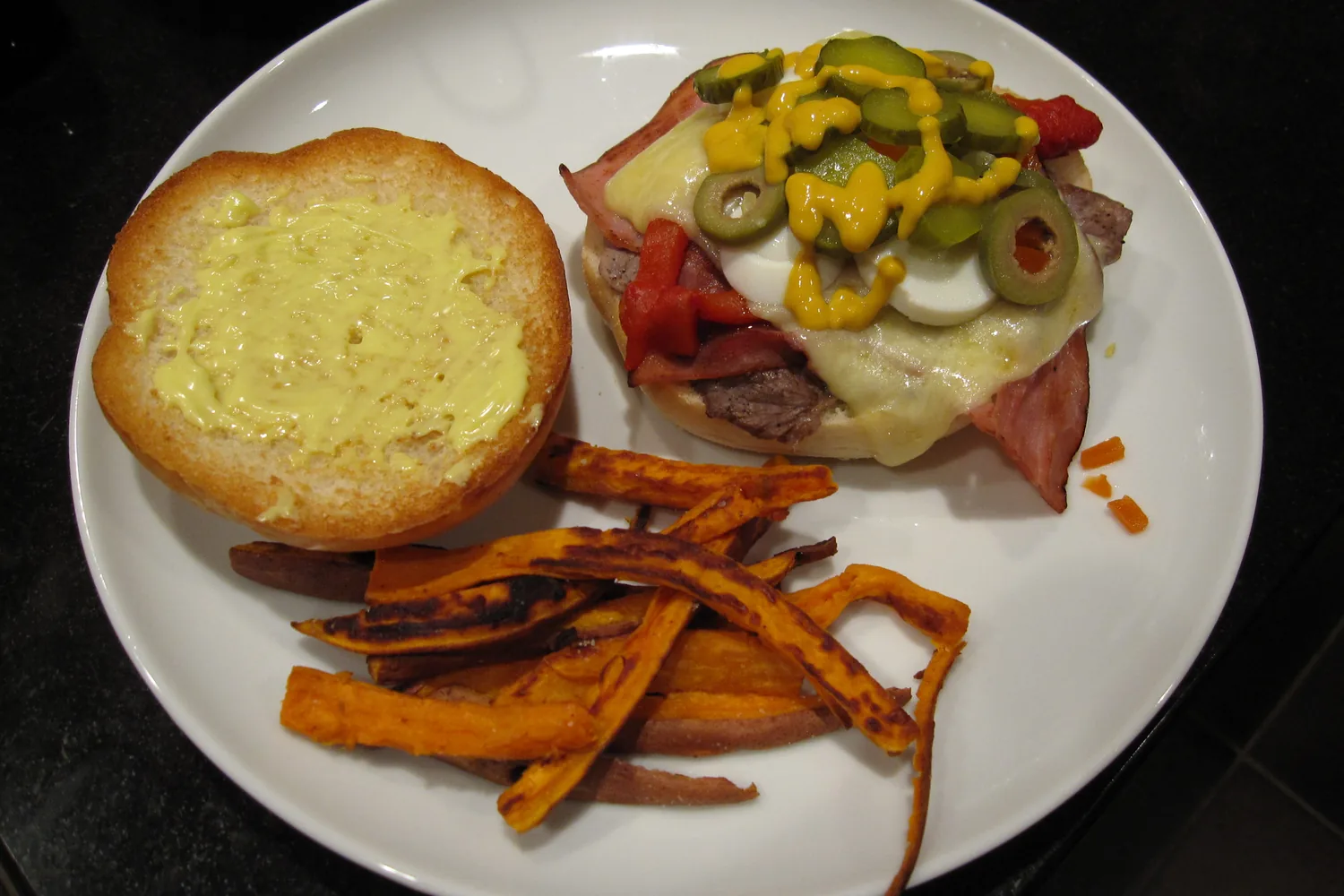
An open chivito sandwich on a white plate: a bun topped with grilled steak, ham, melted mozzarella, sliced hard-boiled egg, green olives, pickles and mustard, with sweet potato fries beside it Uruguay flag Uruguay 35m
Lunch •Punta del Este Classic

Chivito

This chivito recipe builds Uruguay's national sandwich: a thin grilled steak layered with ham, crisp bacon, melted mozzarella and a fried egg, finished with tomato, lettuce, green olives, mayonnaise and mustard in a soft toasted roll. One serving is about 445 g. It is a big, messy, deeply satisfying lunch that comes together in about 35 minutes.

Comfort & Warmth

A towering Uruguayan sandwich of grilled steak, ham, bacon, melted mozzarella and a fried egg in a soft roll.

Pairs Well With
French fries and a cold lager or a glass of Uruguayan tannat
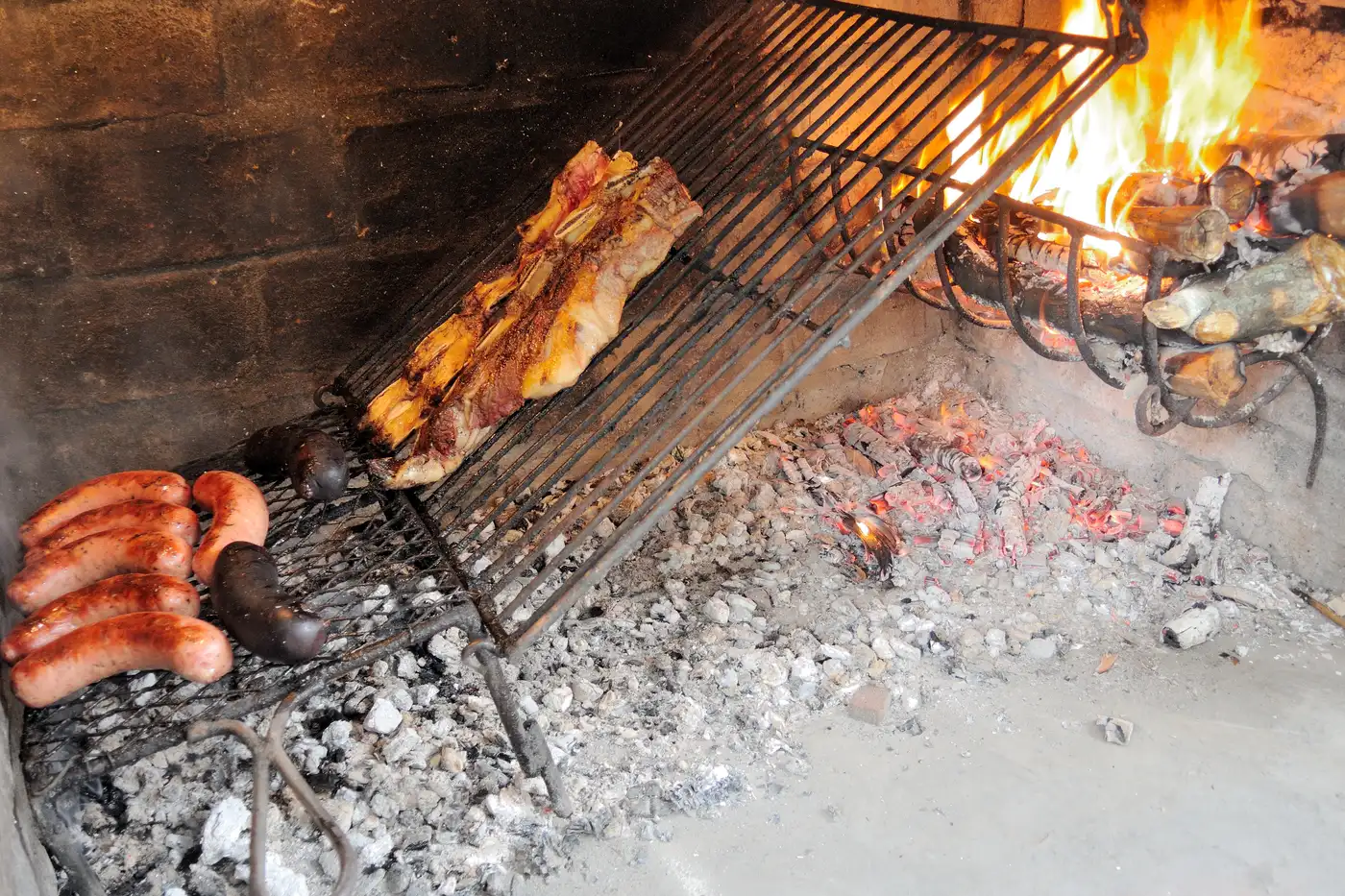
Beef short ribs, chorizo and morcilla grilling over wood embers on a Uruguayan parrilla Uruguay flag Uruguay 2h
Dinner •Montevideo Parrilla Heritage

Uruguayan Asado

Uruguayan asado is a mixed grill cooked slowly over wood embers on the parrilla, the iron grill that stands at the centre of Uruguayan family life. Beef short ribs, flank and skirt steak go on first, followed by chorizo and morcilla, all seasoned with nothing but coarse salt, and the meal is served piece by piece as each cut is ready, with chimichurri and salsa criolla on the table. One serving is about 425 g.

High-Protein & Satisfying

A slow mixed grill of beef cuts, chorizo and morcilla over wood embers, served with chimichurri and salsa criolla — the heart of the Uruguayan Sunday asado.

Pairs Well With
Salsa criolla & ensalada rusa
High Protein
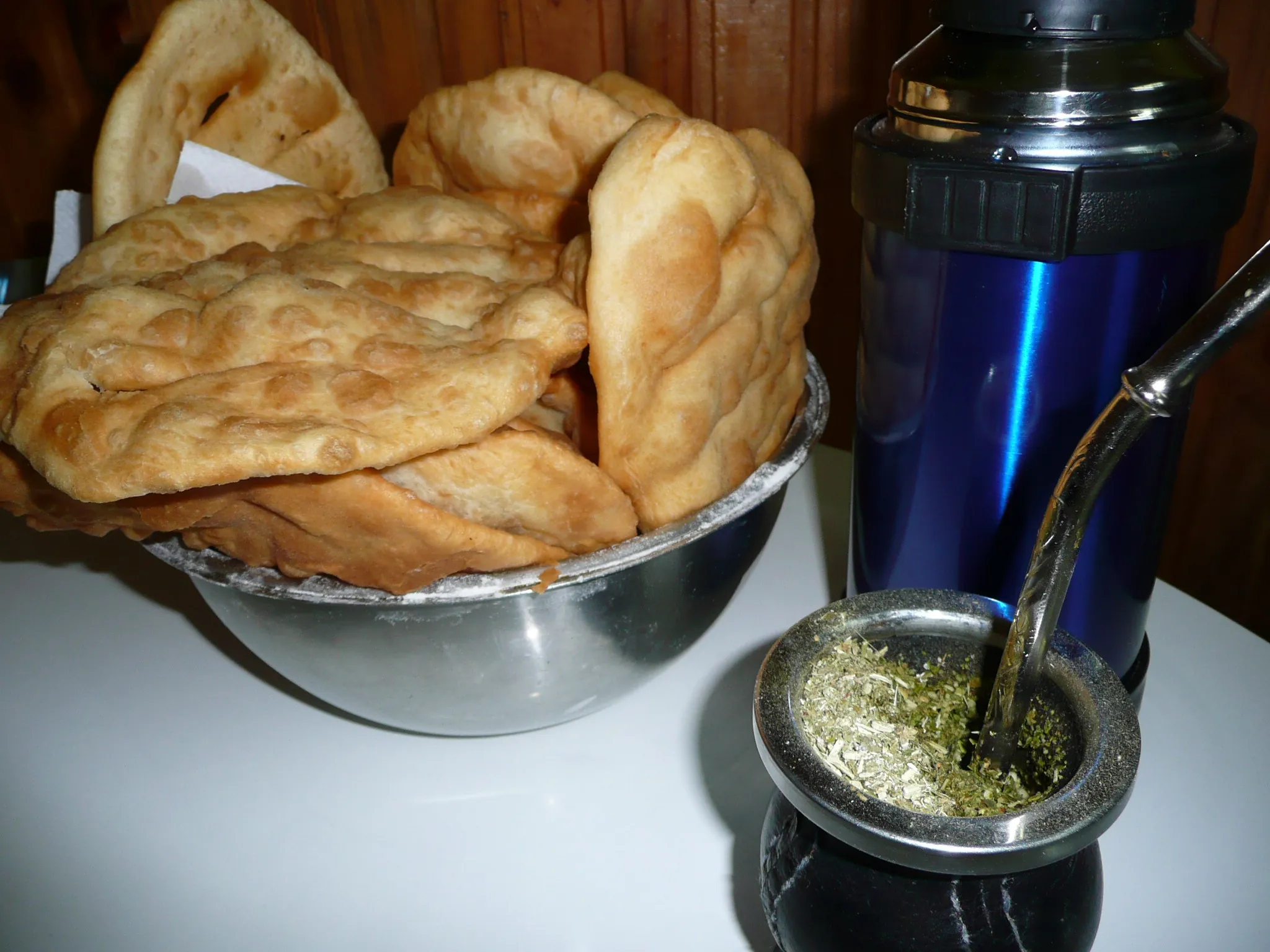
A bowl of golden torta fritas beside a mate gourd with a metal straw and a blue thermos Uruguay flag Uruguay 40m
Snack & Tea •Uruguay's Rainy-Day Snack

Torta Fritas

Torta fritas are Uruguay's beloved rainy-day snack: thin rounds of wheat-flour dough, fried until puffed and golden, then eaten plain, dusted with sugar or spread with dulce de leche. When the clouds roll in over Montevideo, home kitchens and street stalls start frying, and the smell of hot dough means it is time for mate. One serving is about 170 g.

Comfort & Warmth

Golden discs of fried wheat dough, crisp outside and soft inside, made for grey rainy afternoons with a hot mate.

Pairs Well With
Hot mate, dulce de leche and a dusting of sugar
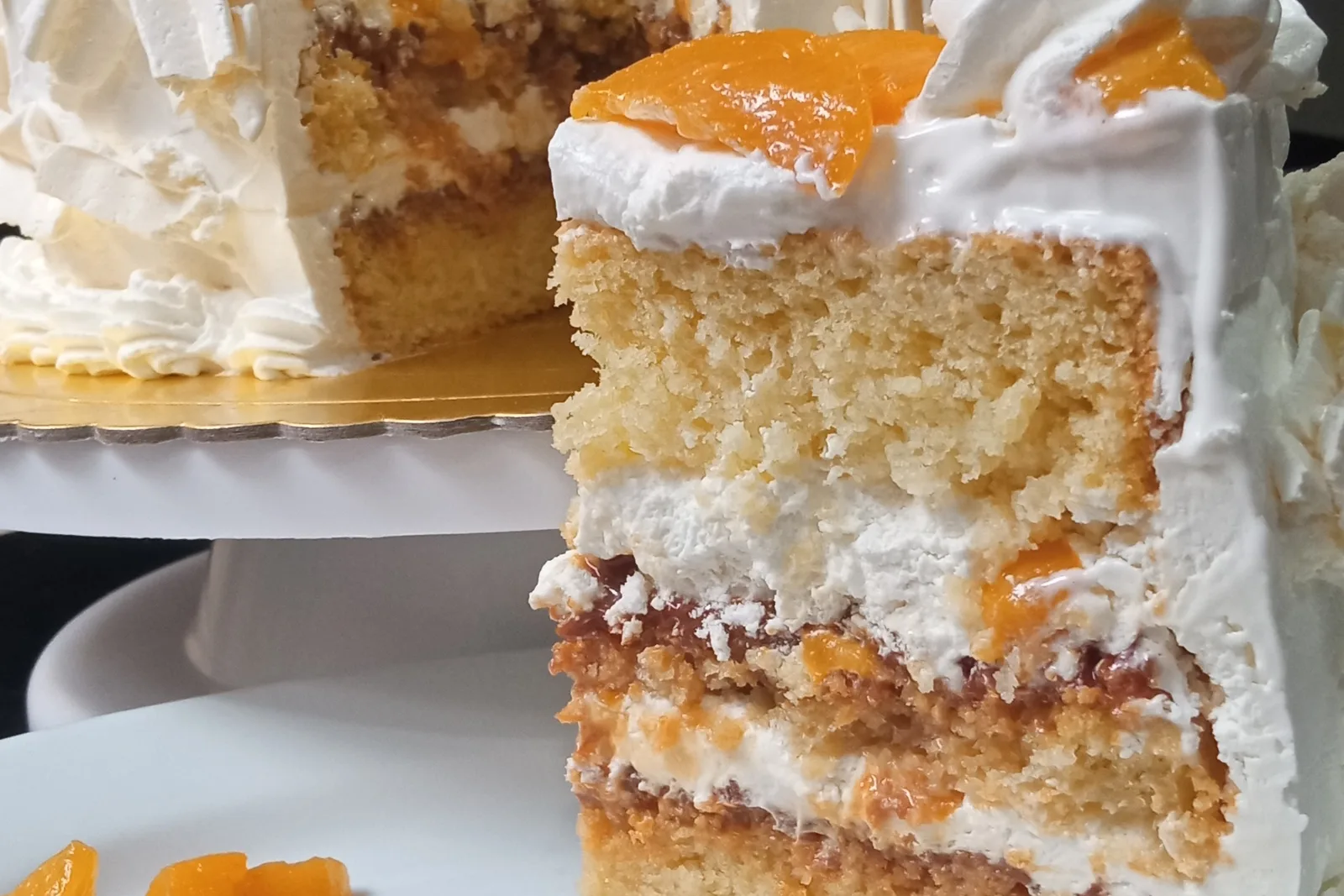
A slice of chaja cake with sponge, whipped cream, dulce de leche and peach layers, with the whole meringue-topped cake behind it Uruguay flag Uruguay 2h 45m
Snack & Tea •Paysandú Heritage

Chaja

This chaja recipe builds Uruguay's most original dessert layer by layer: a soft sponge cake soaked in peach syrup, crisp meringue, sweet whipped cream, peaches in syrup and dulce de leche, finished with crushed meringue all over the outside. It was created in Paysandú in 1927 and named after the chaja bird, whose soft white plumage the cake is said to resemble. One serving is about 195 g.

Celebration & Sharing

A cloud-light Uruguayan layer cake of sponge, crisp meringue, whipped cream, peaches and dulce de leche — Paysandú's most original dessert.

Pairs Well With
A slice of chaja with coffee or mate, at a birthday or Sunday table

The Dinner Gazette

Never wonder what’s for dinner again

One email a week with easy dinner ideas from around the world — ingredients, steps and nutrition, tested in our kitchen first.

Delivered every Thursday morning. Unsubscribe anytime.