Curated recipes from 193 countries  •  New seasonal Mediterranean issue out now

Overview

Cozido a Portuguesa

Portuguese Boiled Dinner, Portuguese Mixed Meat Boil

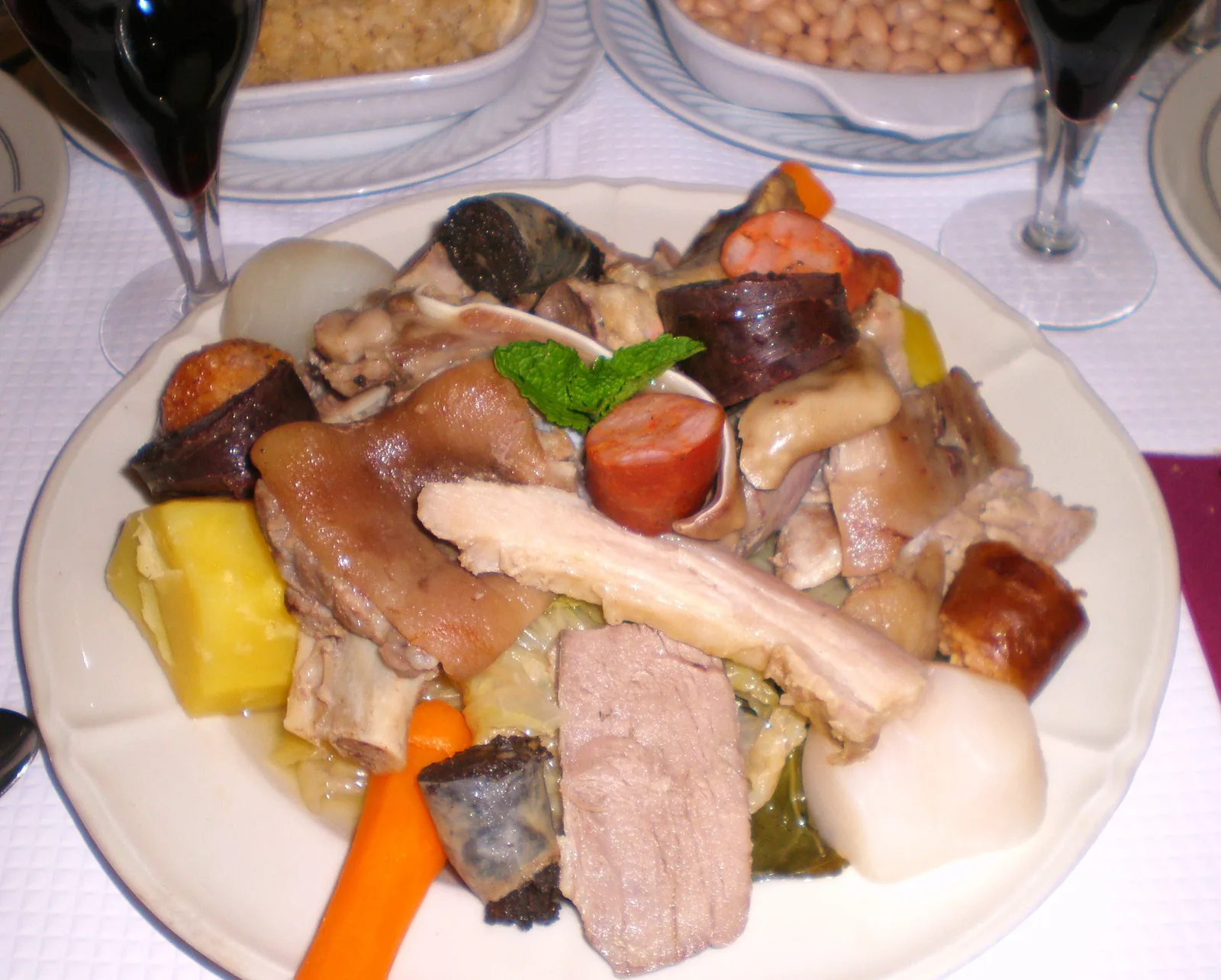
This cozido a portuguesa recipe simmers beef, pork shoulder, ribs, chicken, chouriço and morcela in one big pot, then adds cabbage, carrots, turnips and potatoes, and cooks rice in the rich broth. One serving is about 530 g.

Cozido à portuguesa grew out of the farm kitchens of Portugal, where families threw every cut of meat and whatever vegetables were on hand into one pot and let it simmer — a way to feed many people from modest ingredients. The first written recipe appears in Arte de Cozinha by Domingos Rodrigues, cook to the royal household, published in 1680. Some writers link it to the Spanish olla podrida, and in Portugal it gained the local cured sausages — chouriço, morcela and farinheira — that make it its own. Every region makes its own version, and on São Miguel in the Azores the pot is buried in volcanic soil at Furnas and cooked by the heat of the earth.

Pairs well with: Red wine from the Douro, crusty bread and a simple green salad

Provenance

Portugal flag Portugal

Portugal's Festive Boiled Dinner

Mediterranean & Italy

Time Dedication

3h 10m

40m prep • 150m cook

Batch Yield

8 Servings

893 kcal per serving

1 serving ≈ 530 g

Technical Skill

Intermediate

Medium (One Pot)

Meal Timing & Digestive Fit

Breakfast

Not Advised

Lunch

Hearty Midday Main

Dinner

Ideal Hearty Main

Snack & Tea

Inappropriate

High Protein Occasions: Sunday family lunch, Carnival, winter holidays, festive gatherings Cost: Medium — about $5–7 per serving at home
A platter of cozido a portuguesa — boiled meats, chouriço and morcela sausages, potatoes, carrots and cabbage, garnished with mint

Portugal's Festive Boiled Dinner

Photo: Uxbona, CC BY-SA 3.0, via Wikimedia Commons

The Heritage Formulary

Measured Ingredients

Estimated cost: Medium — about $5–7 per serving at home (USD)

A real cozido is simmered gently, never boiled hard, and the rice is always cooked in the broth. Nutrition is estimated from USDA values.

Execution Methodology & Culinary Technique

Step-by-Step Cooking Guide

Active 3h 10m
P

Prep Stage: Cut the Meats and Vegetables

40 Mins • Cutting & Sorting

Cut the beef and pork into large chunks, cut the ribs between the bones, and quarter the onion. Peel the potatoes, carrots and turnip and cut them into big pieces so they survive the long simmer. Keep the meats, sausages and vegetables in separate bowls — they go into the pot at different times.

Maestro Tip: Cut everything large: small pieces fall apart in a two-hour simmer, and cozido is served in proud, generous chunks.

  1. 1

    Start the Meats in Cold Water

    20 Mins Boiling, about 100°C (212°F), then simmering at about 95°C (203°F)

    Put the beef, pork shoulder, ribs and chicken in the largest pot you own with the onion, garlic, bay leaves and olive oil. Cover with cold water by about 5 cm, bring to a boil over high heat, and skim off the foam as it rises.

    Starting in cold water gives a clearer broth; starting in hot water traps the foam in the meat.

    Done when: Broth boiling, foam skimmed, water clear on top.

  2. 2

    Simmer Low and Slow

    90 Mins Simmering, about 95°C (203°F)

    Turn the heat down so the pot barely simmers — a few lazy bubbles, not a rolling boil — and cook for 90 minutes. Add the salt after the first hour, once you can taste how salty the sausages have made the broth.

    A gentle simmer keeps the meats tender; a hard boil makes them stringy and clouds the broth.

    Done when: Meats nearly tender when pierced, broth rich and golden.

  3. 3

    Add the Sausages

    30 Mins Simmering, about 95°C (203°F)

    Add the chouriço and morcela to the pot and simmer for 25–30 minutes. The sausages flavour the broth and must be heated right through; the chicken should reach 74°C (165°F) at the thickest part.

    Prick the morcela once with a knife before it goes in — it can burst in the simmer if the skin is tight.

    Done when: Sausages hot through, skins intact, broth smoky and deep.

  4. 4

    Add the Vegetables

    40 Mins Simmering, about 95°C (203°F)

    Lift the meats and sausages out to a warm platter and cover them. Add the potatoes, carrots, turnip and cabbage wedges to the pot and simmer for 25–30 minutes until the potatoes are tender when pierced with a knife.

    Cooking the vegetables after the meats come out keeps them from turning to mush under the heavy cuts.

    Done when: Potatoes tender, carrots soft but holding shape, cabbage silky.

  5. 5

    Cook the Rice in the Broth

    25 Mins Simmering, about 95°C (203°F)

    Scoop out about 1 litre of the hot broth into a second pan, add the rinsed rice, and simmer covered for 18–20 minutes until the rice is tender and has absorbed the broth. Fluff with a fork.

    Rice cooked in the broth is the soul of the dish — never cook it in plain water.

    Done when: Rice tender, fluffy, and golden from the broth.

  6. 6

    Rest and Serve on Platters

    10 Mins Serving hot, meats above 74°C (165°F)

    Return the meats, sausages and vegetables to the pot for 5 minutes to heat through, then lift everything onto large warm platters: meats and sausages on one, vegetables on another, rice in a bowl. Scatter the mint over the top and serve the broth in a jug for anyone who wants a bowl of soup first.

    Warm platters keep a feast like this hot while everyone serves themselves.

    Done when: Everything hot, glistening and arranged in generous piles.

Finishing Touches & Plating

Serve family-style on big platters in the middle of the table, with the rice and a jug of broth alongside — cozido is a meal to share, not to plate one by one.

Nutritional Physiology & Benefits

Nutrition

Energy

893

kcal / serving

Protein

55g

Complete AA

Carbs

54g

Complex

Fats

50g

Healthy

Per serving (8 servings · 1 serving ≈ 530 g)
Energy893 kcal
Protein55 g
Carbohydrates54 g
Fat50 g
Fibre5.2 g
Sugar5.8 g
Sodium917 mg
Per 100g
Energy169 kcal
Protein10.4 g
Carbohydrates10.2 g
Fat9.4 g
Fibre1 g
Sugar1.1 g
Sodium173 mg

Nutrition values are estimated — calculated from USDA FoodData Central values for the listed ingredients.

Vitamins & minerals: Provides B vitamins and iron from the beef and pork, vitamin C from the cabbage and potatoes, vitamin A from the carrots, and potassium from the potatoes. Nutrition is estimated.

High in Protein

With about 55 g of protein per serving, this is one of the most filling dinners on the site — beef, pork, chicken and sausages together.

Iron and B Vitamins

The red meats and blood sausage are rich in iron and B12, nutrients that support energy and red blood cells.

Vegetables in Every Bite

Cabbage, carrots, turnip and potatoes add fibre, vitamin C and potassium to balance the rich meats.

Food Pairings

What to Eat With

To optimize nutrient absorption and elevate the sensory depth, pair with these authentic accompaniments:

Drinks

Douro Red Wine

A robust Portuguese red stands up to the rich meats and smoky sausages without being overwhelmed.

Sides

Crusty Bread

Crusty bread is made for mopping up the broth — serve it warm and let everyone tear their own pieces.

Vegetables

Simple Green Salad

A sharp, lemon-dressed green salad cuts through the richness and refreshes the palate between bites.

Full Menus

A Sunday Family Feast

Cozido is the centrepiece of a Portuguese Sunday table — start with a bowl of the broth as soup, then the platters, then fresh fruit.

Complete menu

Start with a bowl of the hot broth as soup, then serve the platters of meats and vegetables with rice in the broth, crusty bread and a Douro red wine.

Digestive Guardrails

What NOT to Combine

To prevent digestive distress, sluggishness, or palate clash, avoid pairing the dish with these elements:

Boiling It Hard

A rolling boil toughens the meats and turns the vegetables to mush — keep the pot at a lazy simmer. This is general food information, not medical advice.

Salting Early and Heavily

Chouriço and morcela release a lot of salt as they cook, so salting the pot at the start can leave the broth far too salty. Taste first, then season. This is general food information, not medical advice.

General information only, not medical advice — consult a doctor for personal dietary decisions.

Who Should Eat It

Who Should Eat

  • General adultsA rich, generous feast — one serving is a full meal, and the sodium is high, so enjoy it as an occasion dish.
  • ChildrenChildren usually love the sausages, rice and potatoes; give them the milder meats and skip the morcela if the flavour is too strong.
  • ElderlySoft, slow-cooked meats are easy to chew; serve smaller pieces and keep the portion modest.
  • Pregnant womenFine when every meat is cooked right through — the chicken must reach 74°C (165°F) and the pork must be fully tender.
  • Breastfeeding womenA very filling, protein-rich meal; the salt is high, so one modest serving is enough.
  • AthletesExcellent after heavy training — about 55 g of protein and 54 g of carbohydrate per serving for recovery.
  • Weight gainEasy to enrich: take a larger helping of meats and rice with extra bread.
  • Weight lossAt 893 kcal a serving this is a feast dish, not an everyday dinner — enjoy a smaller plate with extra cabbage and salad.

Health Conditions — Adjust or Avoid

Conditions

  • DiabetesThe dish is high in carbohydrate from the rice and potatoes — about 54 g per serving. Keep the rice portion small and ask your clinician about portion size.
  • High blood pressureThe dish is high in sodium at about 917 mg per serving, mostly from the cured sausages. Keep to a small serving and ask your clinician about your sodium target.
  • Kidney diseaseThis dish is high in sodium and protein, so it may not suit a restricted diet. Ask your clinician before making it a regular meal.
  • GoutRich in purines from the meats and sausages, so it can be a trigger food. Ask your clinician if flare-ups are frequent.
  • Stomach issuesA heavy, fatty meal can bother reflux or a sensitive stomach; eat a modest portion and avoid eating late at night. Ask your clinician if symptoms persist.
  • Cardiovascular diseaseHigh in saturated fat and sodium from the cured meats, so keep portions small and load the plate with cabbage and salad. Ask your clinician about fitting it into your eating plan.
  • Fatty liverA very rich, fatty dish — enjoy it occasionally and in a small portion. Ask your clinician for personal guidance.
  • Food allergiesContains pork; check sausage labels — some chouriço and morcela contain wheat fillers. The dish contains no egg, milk or nuts as written. Ask your clinician about safe substitutes if you have a wheat allergy.
  • Special therapeutic dietsNot suitable for vegetarian, vegan or low-sodium diets as written. A lighter version can use chicken and fresh pork only, with no cured sausages. Ask your clinician about a version that fits your diet.

If you have a medical condition, consult your doctor before changing your diet.

Storage & Use

Storage & Use

How to store
Cool quickly, then store meats, vegetables and rice in separate covered containers so nothing turns soggy.
In the fridge
3–4 days at 4°C (40°F) or below; keep the broth in its own container.
In the freezer
Up to 3 months for the meats and broth; vegetables and rice freeze poorly and go soft.
How to reheat
Reheat gently in the broth at a simmer until steaming hot, at least 74°C (165°F); do not boil hard.
Freezing recommended
Yes for meats and broth — up to 3 months; thaw in the fridge overnight.
Signs it has spoiled
Sour or off smell in the broth, slimy meat surfaces, or vegetables that have turned grey and soft.

More recipes to explore

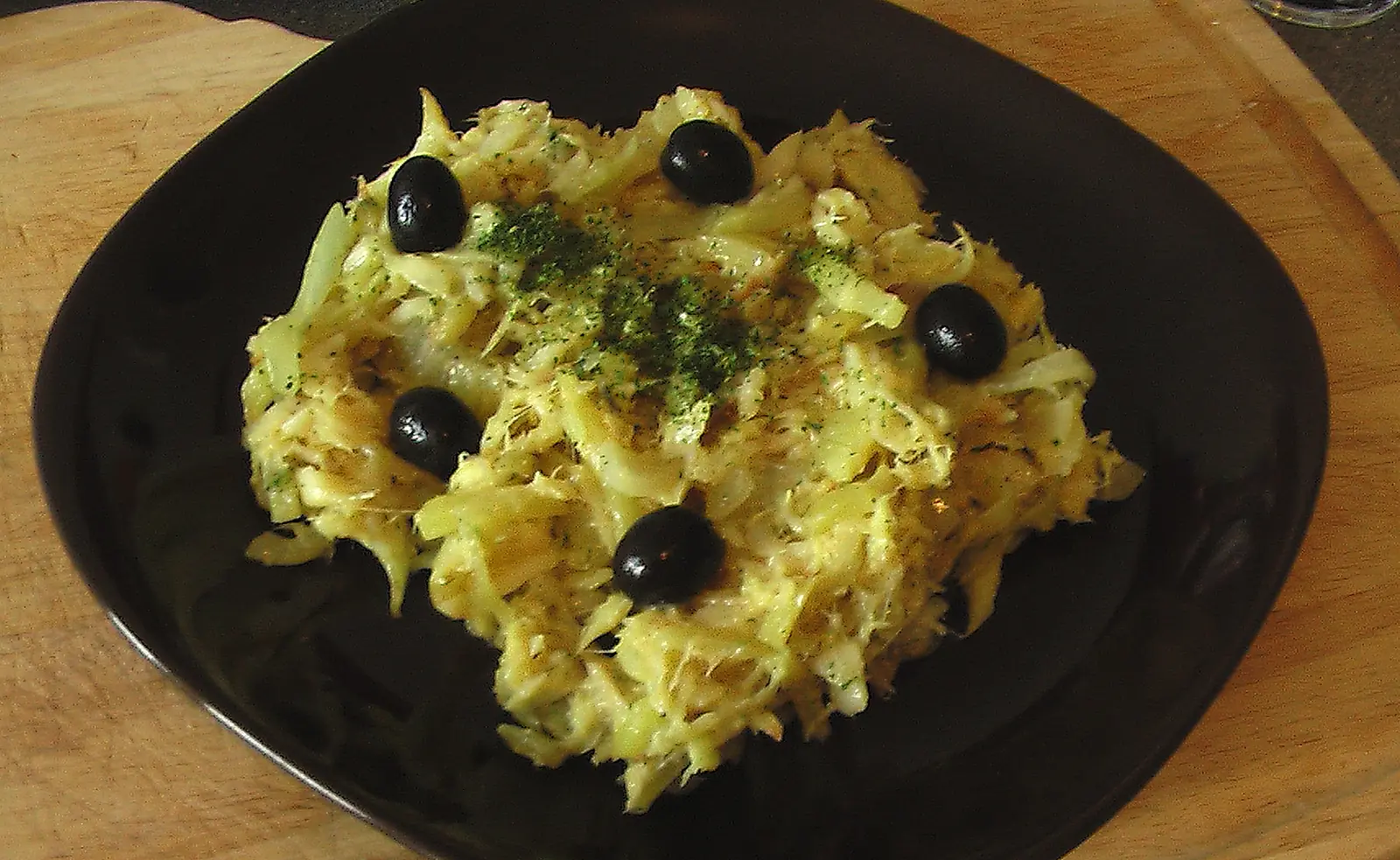
A plate of bacalhau à brás — shredded salt cod with egg and matchstick potatoes, black olives and parsley Portugal flag Portugal 50m
Dinner •Lisbon Tavern Classic

Bacalhau à Brás

Bacalhau à brás recipe: desalted shredded cod, golden matchstick potatoes and softly scrambled egg, finished with black olives and parsley. One serving is about 350 g.

Comfort & Protein

Shredded salt cod folded with egg and crisp matchstick potatoes — a filling, protein-rich Lisbon supper.

Pairs Well With
A simple green salad and a glass of vinho verde
High Protein
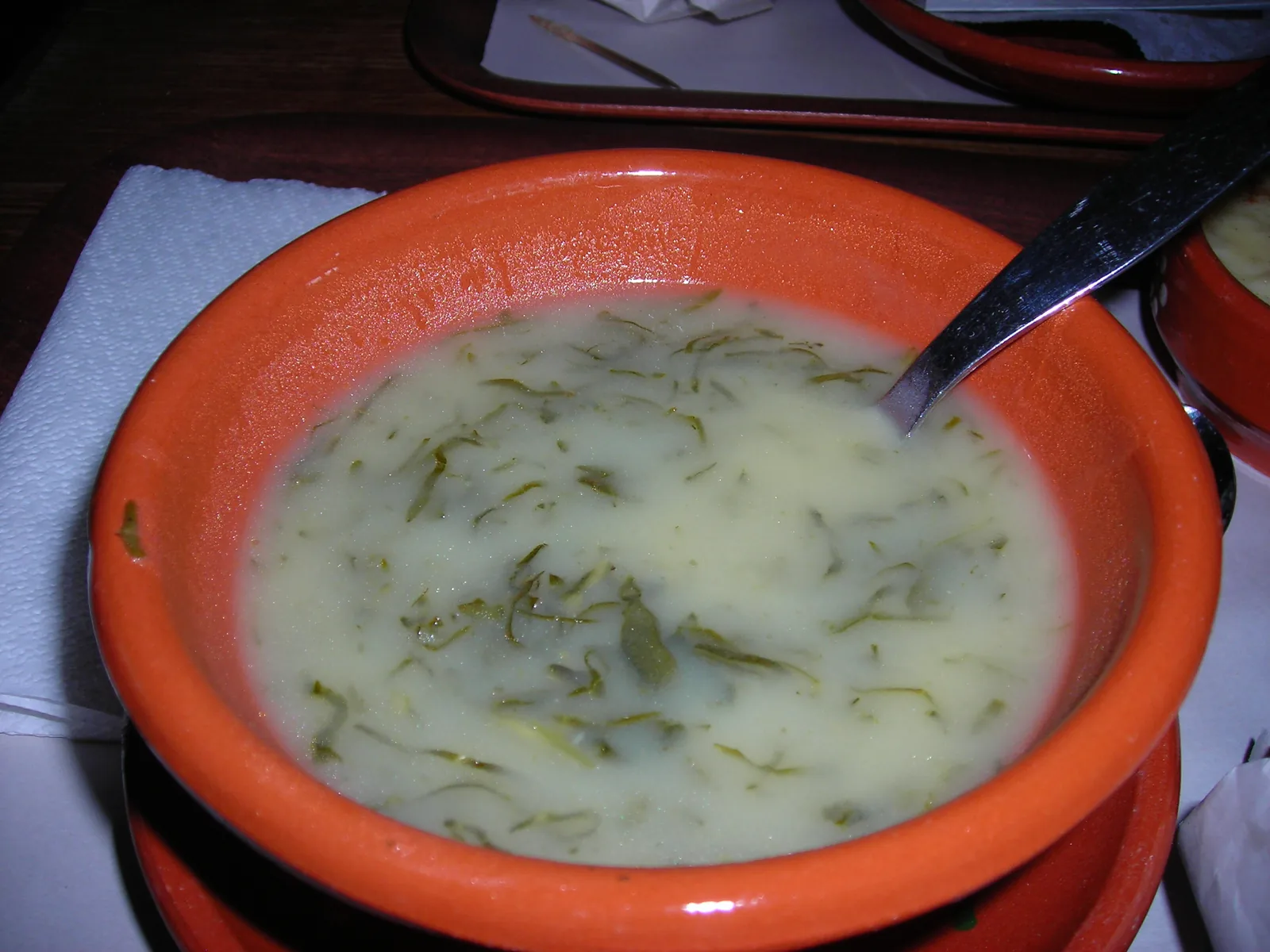
A terracotta bowl of caldo verde — pale potato soup with shredded green kale and a spoon Portugal flag Portugal 50m
Dinner •Minho National Soup

Caldo Verde

Caldo verde recipe: creamy potato soup blended smooth, with ribbons of kale and slices of chouriço, finished with a thread of olive oil. One serving is about 590 g.

Comfort & Warmth

Silky potato soup with finely shredded kale and smoky chouriço — Portugal's best-loved bowl.

Pairs Well With
Crusty broa bread and a glass of vinho verde
Soups & Broths
A tray of pastel de nata — golden custard tarts with blistered, caramelised tops in flaky pastry Portugal flag Portugal 50m
Snack & Tea •Belém Monastery Tart

Pastel de Nata

Pastel de nata recipe: shatteringly crisp puff pastry shells filled with warm, vanilla-cinnamon egg custard, baked until blistered on top. One serving is about 187 g (2 tarts).

Sweet Treat

Crisp, flaky pastry cups filled with cinnamon-scented egg custard, blistered in a very hot oven.

Pairs Well With
A small strong coffee (bica) and a dusting of cinnamon
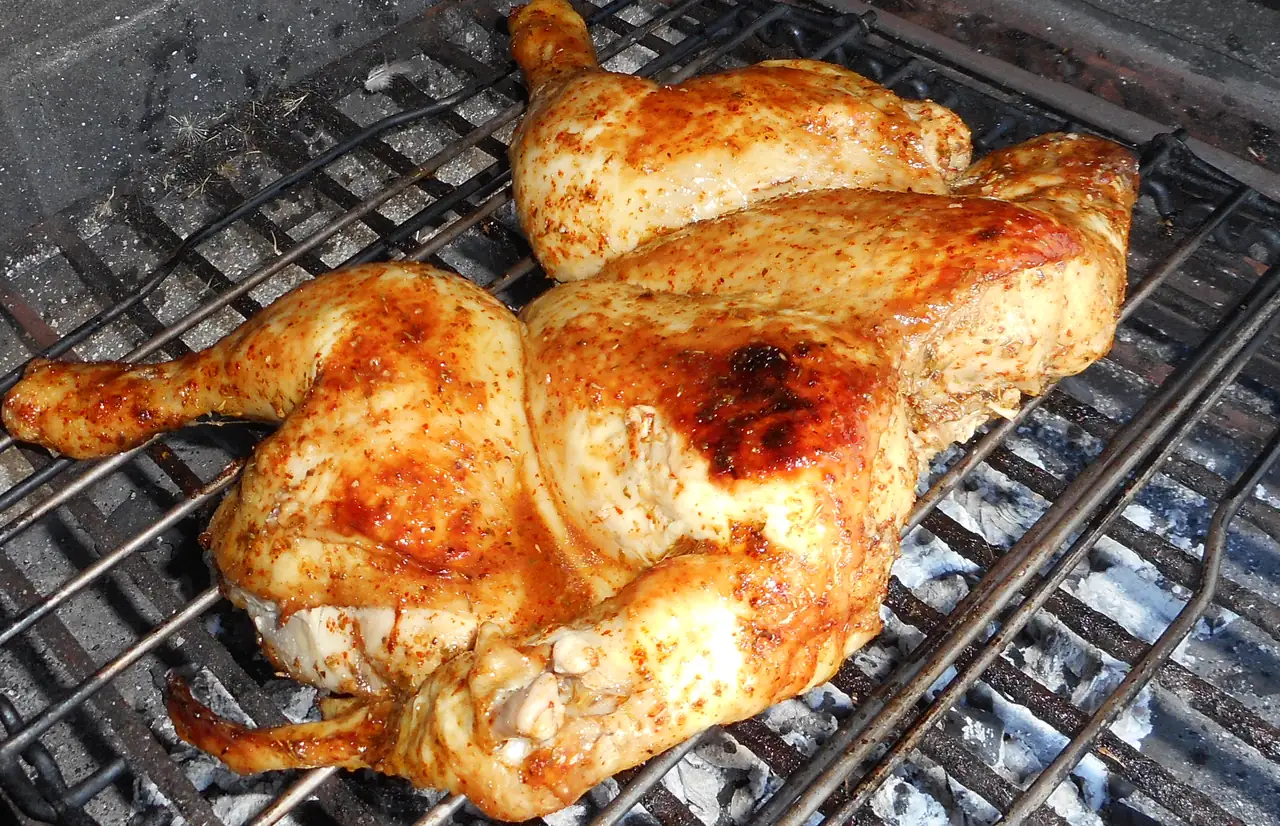
Butterflied piri piri chicken grilling over charcoal, golden-red with chilli spice Portugal flag Portugal 55m
Dinner •Algarve Heritage

Frango Piri Piri

Frango piri piri is Portugal's most famous chicken: a whole bird butterflied flat, rubbed with a fiery paste of piri piri chillies, garlic, lemon and paprika, then grilled over charcoal until the skin turns crisp and red-gold. This piri piri chicken recipe is the Algarve way — an overnight marinade, a hot grill, and a warm butter baste at the end. One serving is about 210 g.

Spicy Char-Grill

A butterflied chicken marinated in piri piri chilli, garlic and lemon, grilled over charcoal until the skin is crisp and reddened.

Pairs Well With
Chips, tomato-onion salad and a cold beer.
High Protein

The Dinner Gazette

Never wonder what’s for dinner again

One email a week with easy dinner ideas from around the world — ingredients, steps and nutrition, tested in our kitchen first.

Delivered every Thursday morning. Unsubscribe anytime.