Curated recipes from 193 countries  •  New seasonal Mediterranean issue out now

Overview

Crema Catalana

Crema de Sant Josep, Catalan Burnt Cream

Crema Catalana is a silky milk custard flavoured with citrus zest and cinnamon, chilled until set and finished with a crackling layer of caramelised sugar. One serving is about 132 g. This crema catalana recipe is cooked on the stove, not baked, which is what makes it lighter and fresher-tasting than its French cousin.

Crema catalana is one of the oldest desserts in Europe: Catalan cookbooks record a sweet egg-and-milk custard as far back as the 14th century, in the Llibre de Sent Sovi. It is the traditional dessert of Saint Joseph's Day, 19 March, when it is served across Catalonia. It is often compared with creme brulee, but the two are different dishes: crema catalana is made with milk, not cream, flavoured with lemon, orange and cinnamon, and cooked on the stove rather than baked in a water bath.

Pairs well with: Carquinyoli, the crisp Catalan almond biscuit, and a small cup of coffee.

Provenance

Spain flag Spain

Catalan Classic Dessert

Mediterranean & Italy

Time Dedication

30m

15m prep • 15m cook

Batch Yield

6 Servings

223 kcal per serving

1 serving ≈ 132 g

Technical Skill

Intermediate

Medium (Custard Work)

Meal Timing & Digestive Fit

Breakfast

Not Advised

Lunch

Inappropriate

Dinner

Inappropriate

Snack & Tea

Ideal Light Bite

Occasions: Saint Joseph's Day (19 March), family celebrations, dinner parties, afternoon desserts Cost: Low — about $1–2 per serving at home
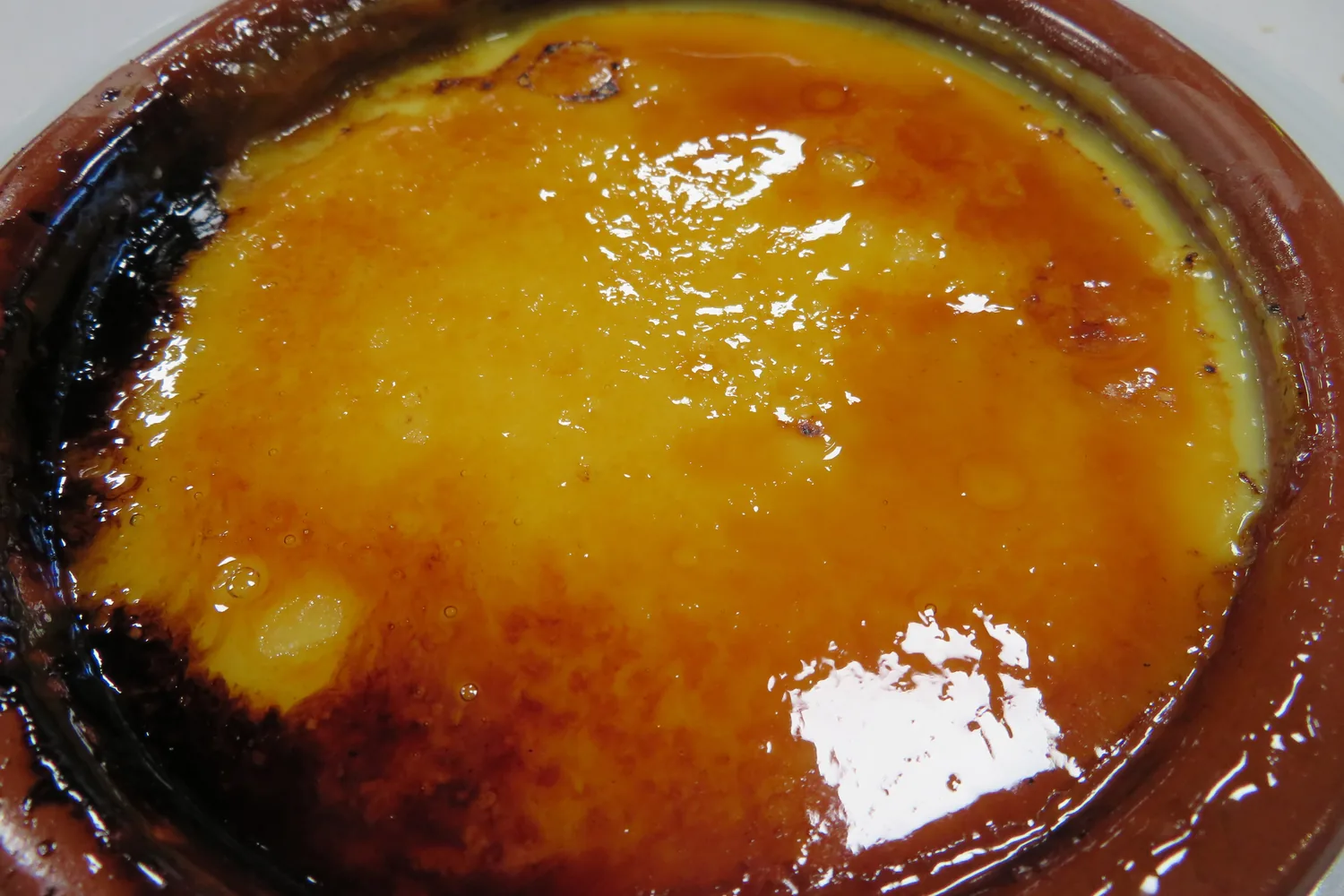
Crema Catalana, a golden caramelised custard in a traditional terracotta dish

Catalan Classic Dessert

Photo: Juan Emilio Prades Bel, CC BY 4.0, via Wikimedia Commons

The Heritage Formulary

Measured Ingredients

Estimated cost: Low — about $1–2 per serving at home (USD)

A Catalan classic: stovetop milk custard, citrus and cinnamon, with a torched sugar crust.

Execution Methodology & Culinary Technique

Step-by-Step Cooking Guide

Active 30m
P

Prep Stage: Infuse the Milk and Whisk the Yolks

15 Mins • Stove and Bowl Work

Warm the milk with the lemon and orange zest and the cinnamon stick until it just steams, then leave it to infuse while you whisk the yolks with the sugar and cornstarch until pale and smooth. Set out six shallow terracotta or ceramic dishes so the custard can be poured the moment it thickens.

Maestro Tip: Shallow, wide dishes are traditional and they chill faster than deep ramekins.

  1. 1

    Infuse the Milk

    8 Mins Medium heat, about 80°C (175°F)

    Put the milk, both zests and the cinnamon stick in a pan over medium heat and warm it until it just begins to steam, about 5 minutes. Take it off the heat, cover and leave it for 5 minutes so the citrus and cinnamon perfume the milk, then fish out the cinnamon stick.

    Never let the milk boil; boiled milk tastes flat and can scorch on the bottom of the pan.

    Done when: The milk smells of lemon and cinnamon and steams gently.

  2. 2

    Whisk the Yolks and Sugar

    3 Mins No heat

    Whisk the yolks with the 100 g of sugar and the cornstarch until the mixture is pale, thick and smooth, about 2 minutes. The cornstarch should be fully dissolved with no white streaks left.

    Whisk until the mixture falls from the whisk in a slow ribbon; that is the sign the sugar has dissolved.

    Done when: A pale, glossy mixture with no grit or streaks.

  3. 3

    Cook the Custard

    8 Mins Low heat, about 80°C (175°F)

    Pour the warm milk into the yolk mixture in a slow stream, whisking all the time, then pour everything back into the pan. Cook over low heat, stirring constantly with a wooden spoon, for 5 to 6 minutes until the custard thickens enough to coat the spoon. Take it off the heat the moment it coats; do not let it boil.

    Stir in figure-of-eights so the corners of the pan get scraped too; custard catches first in the corners.

    Done when: The custard coats the back of a spoon and leaves a clear line when you run a finger through it.

  4. 4

    Chill Until Set

    2 Hours Fridge, about 4°C (39°F)

    Pour the custard into the six dishes, let it cool for 20 minutes, then cover with cling film pressed onto the surface and chill in the fridge for at least 2 hours until fully set. The custard should tremble slightly when you shake the dish, not wobble like liquid.

    Film on the surface stops a skin forming while the custard chills.

    Done when: The surface is set and just trembles when shaken.

  5. 5

    Caramelise the Sugar Top

    4 Mins Blowtorch flame, about 1300°C (2372°F)

    Just before serving, blot any moisture from the custard surface, sprinkle 10 g of sugar evenly over each dish and caramelise it with a kitchen blowtorch, moving in slow circles until the sugar melts into an even amber glass. If you have no torch, slide the dishes under a very hot grill for 2 to 3 minutes, watching constantly. Let the top harden for 2 minutes, then serve.

    Caramelise at the last minute; the sugar top softens and weeps if it sits in the fridge.

    Done when: An even amber crust that cracks sharply when tapped with a spoon.

Finishing Touches & Plating

Serve the crema cold, straight from the fridge, with the caramel top cracked at the table and a carquinyoli biscuit on the side.

Nutritional Physiology & Benefits

Nutrition

Energy

223

kcal / serving

Protein

5g

Complete AA

Carbs

35g

Complex

Fats

7g

Healthy

Per serving (6 servings · 1 serving ≈ 132 g)
Energy223 kcal
Protein5 g
Carbohydrates35 g
Fat7 g
Fibre0.4 g
Sugar30.8 g
Sodium45 mg
Per 100g
Energy170 kcal
Protein4.1 g
Carbohydrates26.5 g
Fat5.5 g
Fibre0.3 g
Sugar23.4 g
Sodium34 mg

Nutrition values are estimated — calculated from USDA FoodData Central values for the listed ingredients.

Vitamins & minerals: A source of calcium and vitamin B12 from the milk and egg yolks, with small amounts of vitamin A. Nutrition is estimated.

Lighter Than Cream Custards

Made with milk instead of cream, crema catalana is noticeably lighter than a French-style burnt custard.

Calcium in a Dessert

Milk and egg yolks make each small portion a modest source of calcium and vitamin B12.

Real Citrus and Cinnamon

The flavour comes from fresh zest and a cinnamon stick, not from artificial flavourings.

Food Pairings

What to Eat With

To optimize nutrient absorption and elevate the sensory depth, pair with these authentic accompaniments:

Sides

Carquinyoli Biscuits

The crisp, almond-studded Catalan biscuit is the traditional partner, made for scooping up the soft custard.

Drinks

A Small Black Coffee

Bitter coffee balances the sweet caramel top and cleanses the palate.

Sweet Moscatel

A small glass of Moscatel echoes the citrus and cinnamon in the custard without overpowering it.

More Pairings

Fresh Berries

A few raspberries or strawberries add a tart contrast to the sweet, creamy custard.

Complete menu

Crema Catalana with carquinyoli biscuits and a small black coffee, after a light Catalan dinner of tomato bread and grilled fish.

Digestive Guardrails

What NOT to Combine

To prevent digestive distress, sluggishness, or palate clash, avoid pairing the dish with these elements:

Boiling the Custard

Boiling scrambles the yolks and turns the custard grainy; cook it gently and take it off the heat as soon as it coats the spoon. This is general guidance, not medical advice.

Caramelising Too Early

A caramel top made hours ahead absorbs moisture from the fridge and turns sticky instead of shattering; torch it just before serving. This is general guidance, not medical advice.

General information only, not medical advice — consult a doctor for personal dietary decisions.

Who Should Eat It

Who Should Eat

  • General adultsA light, elegant dessert; one small dish is a satisfying end to a meal.
  • ChildrenUsually loved for the crackling sugar top, though the cinnamon and citrus are grown-up flavours; let them crack the top themselves.
  • ElderlySoft, smooth and easy to eat; keep the portion small because it is sweet.
  • Pregnant womenThe yolks are cooked in the custard, which is reassuring, but the dish is high in sugar; keep to one small portion. Ask your clinician if unsure.
  • Breastfeeding womenA comforting dessert; the sugar is the only thing to watch, so one dish is enough.
  • AthletesA quick source of carbs after training, but low in protein; pair it with a protein-rich main course.
  • Weight gainAn easy way to add energy after a meal; the sugar and milk add up quickly.
  • Weight lossSweet at about 31 g of sugar per serving; enjoy it as an occasional treat and skip the biscuit.

Health Conditions — Adjust or Avoid

Conditions

  • DiabetesAbout 35 g of carbs and 31 g of sugar per serving; a half portion is a safer choice, and the caramel top is pure sugar. Ask your clinician about portion size.
  • High blood pressureVery low in sodium at about 45 mg per serving, so it fits easily into a low-sodium day.
  • Kidney diseaseModerate in protein and phosphorus from the milk and yolks; ask your clinician whether the portion suits your plan.
  • GoutLow in purines and not a concern for gout in a normal portion.
  • Stomach issuesA smooth, mild custard is usually gentle, though citrus zest can bother some people with reflux. Ask your clinician if unsure.
  • Cardiovascular diseaseModerate in saturated fat from the milk and yolks; keep it as an occasional dessert and use semi-skimmed milk if you make it often. Ask your clinician about your overall pattern.
  • Fatty liverHigh in added sugar, which matters more than the fat here; keep portions small and occasional. Ask your clinician about your overall pattern.
  • Food allergiesContains milk and egg; the carquinyoli pairing contains almonds and gluten, so check before serving it alongside.
  • Special therapeutic dietsNot suitable for dairy-free or egg-free diets as written; for a lower-sugar version, reduce the custard sugar to 70 g, and ask your clinician first.

If you have a medical condition, consult your doctor before changing your diet.

Storage & Use

Storage & Use

How to store
Cover each dish with cling film pressed onto the surface and chill; caramelise only just before serving.
In the fridge
2 days, without the caramel top.
In the freezer
Not recommended; the custard turns grainy and weeps on thawing.
How to reheat
Do not reheat; crema catalana is served cold.
Freezing recommended
No — freezing spoils the smooth texture.
Signs it has spoiled
Sour smell, watery separation or mould on the surface.

More recipes to explore

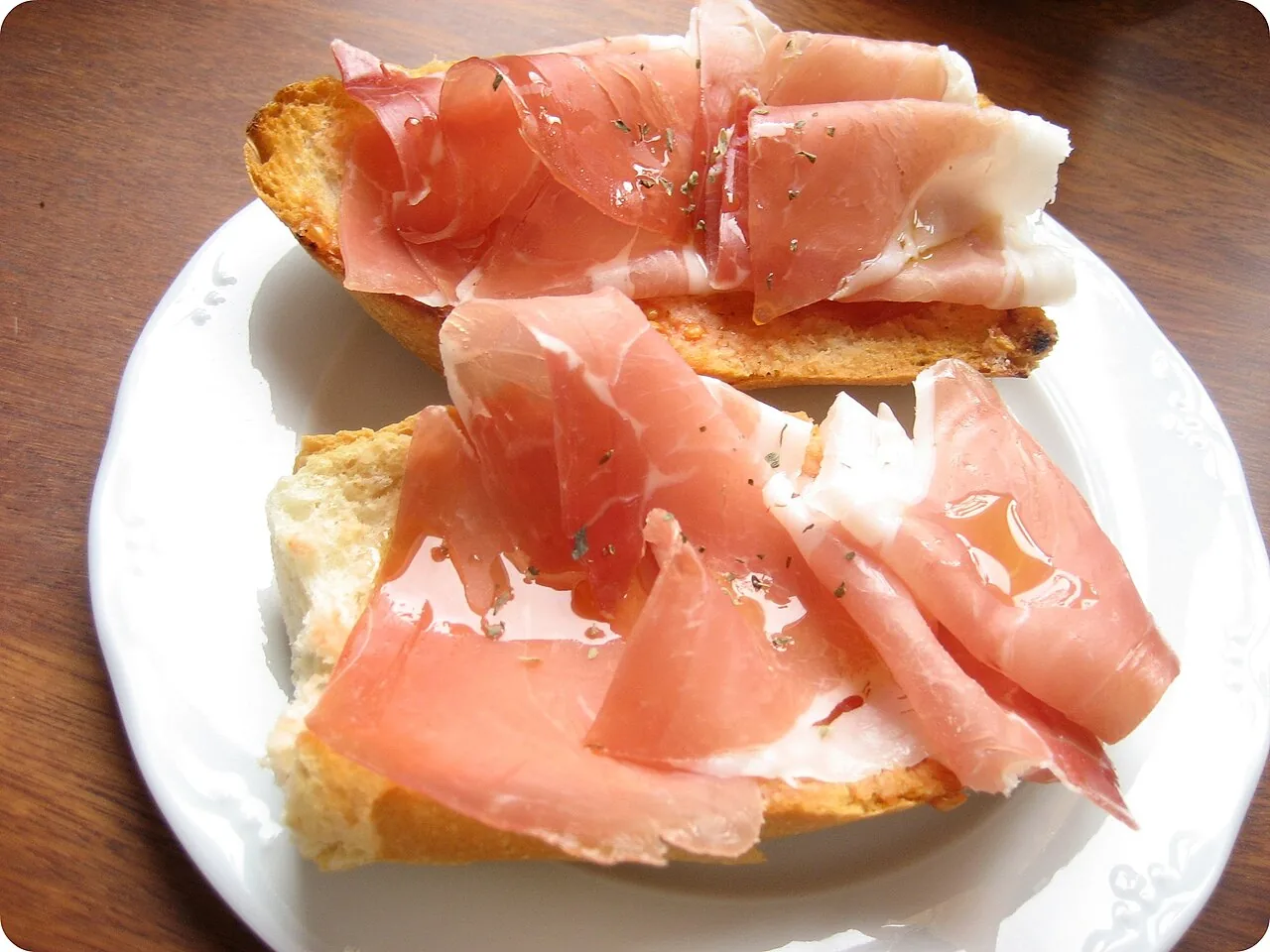
Pan con tomate with jamón ibérico on toasted bread Spain flag Spain 15m
Snack & Tea •Catalan Aperitivo

Pan con Tomate & Jamón Ibérico

Country bread rubbed with ripe Ramallet tomato, drizzled with cold-pressed Arbequina olive oil and topped with jamón ibérico.

Vascular Health

Toasted tomato bread with jamón ibérico, olive oil and olives.

Pairs Well With
Castelvetrano Olives & Sparkling Mineral Water
Quick Prep (<30m)
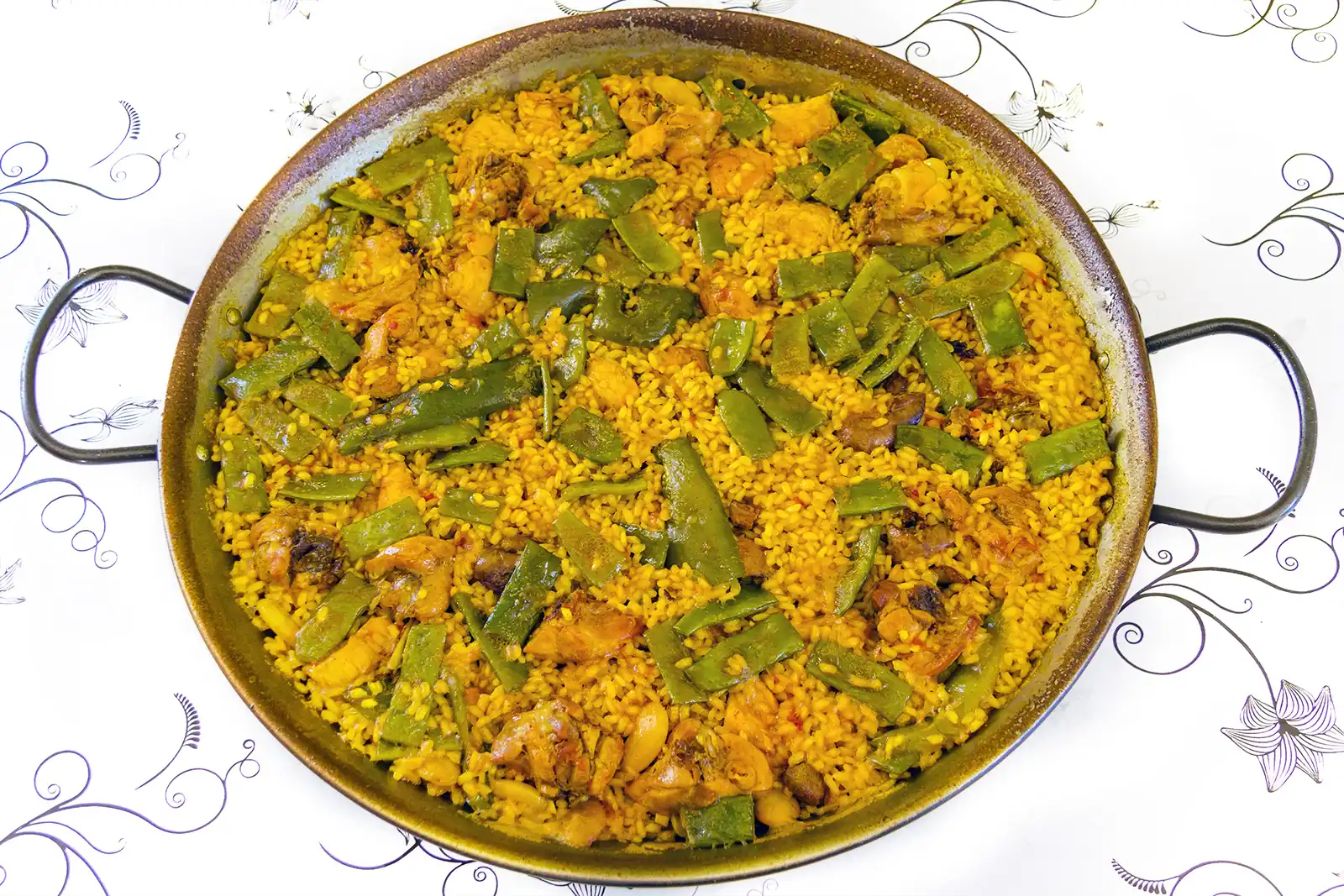
A wide paella pan of paella valenciana with saffron rice, green beans and chicken Spain flag Spain 1h 10m
Dinner •Valencia Rice Fields

Paella Valenciana

This paella valenciana recipe cooks Bomba rice in a wide, shallow pan with chicken, rabbit, green beans and garrofó beans, scented with saffron and rosemary. One serving is about 470 g.

Comfort & Warmth

Saffron rice cooked in a wide pan with chicken, rabbit and green beans.

Pairs Well With
A green salad and a glass of white wine
High Protein
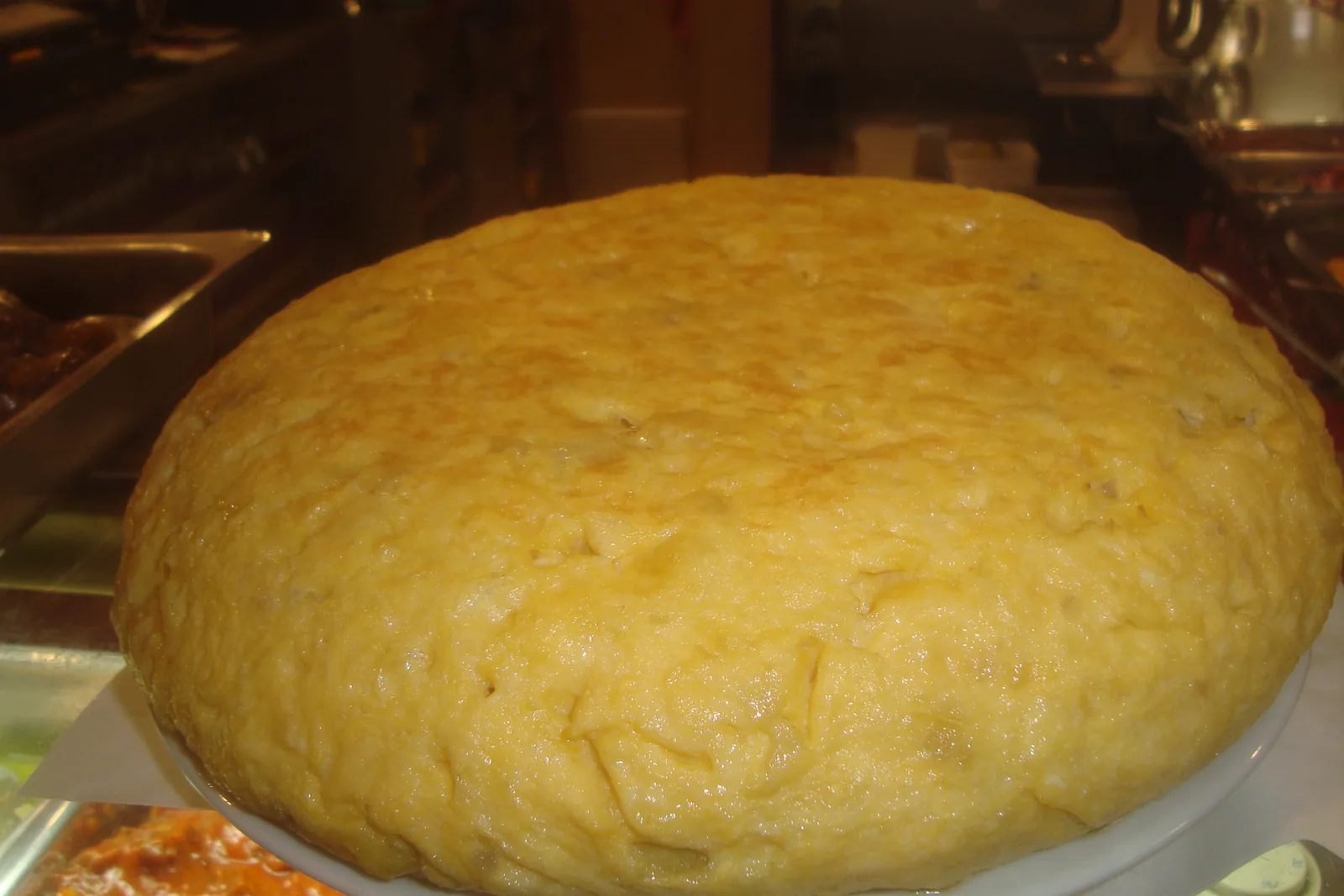
A whole golden tortilla española, a thick Spanish potato omelette, on a plate Spain flag Spain 55m
Snack & Tea •Navarre Bar Classic

Tortilla Española

This spanish tortilla recipe slowly cooks potatoes and onion in olive oil, folds them into beaten eggs, and turns out a thick, golden cake that is soft in the middle. One serving is about 220 g.

Comfort & Warmth

A thick, golden omelette of slow-cooked potatoes, onion and egg.

Pairs Well With
Pan con tomate and a glass of red wine
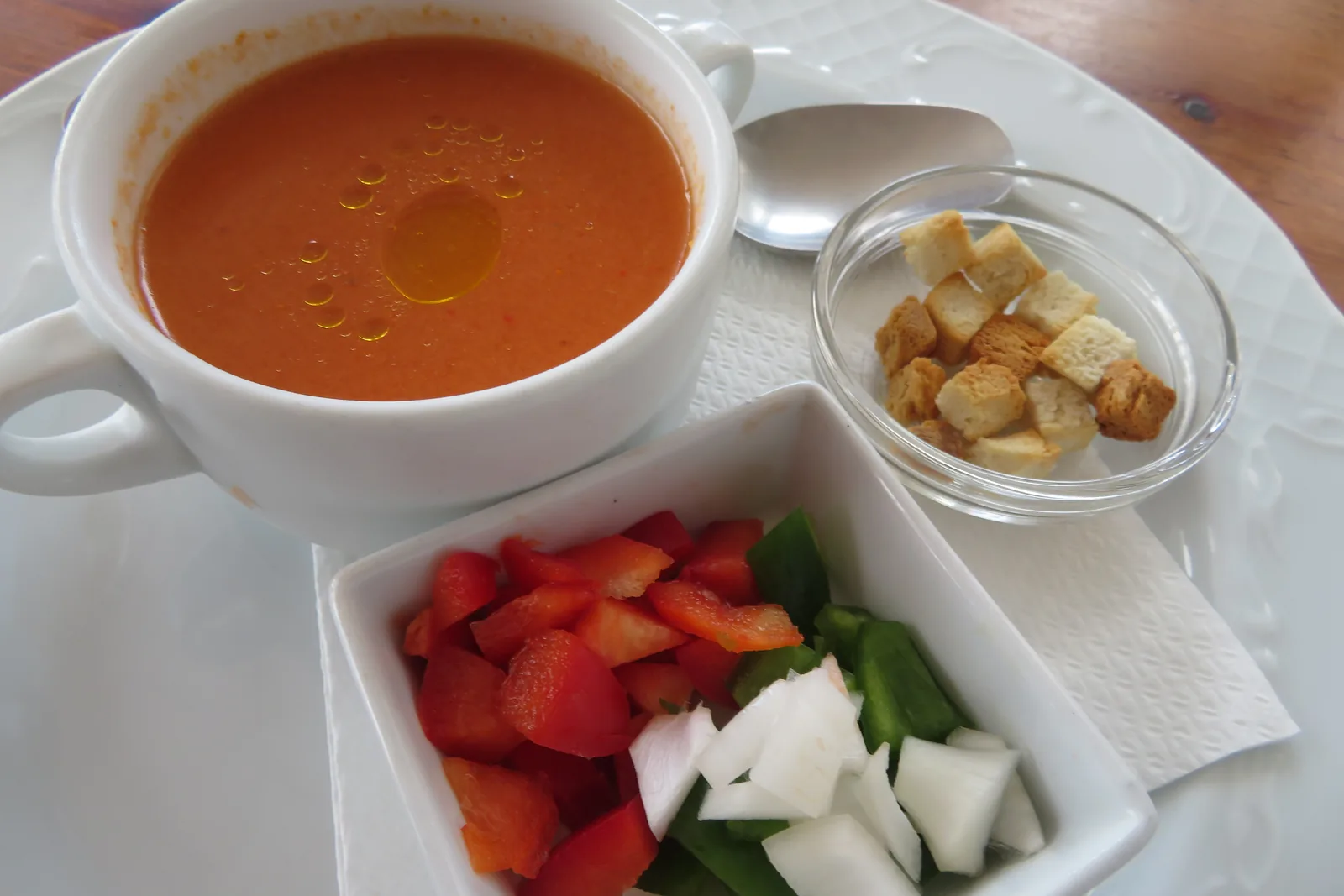
A cup of chilled orange-red gazpacho with olive oil, served with diced peppers and onion and a bowl of croutons Spain flag Spain 20m
Lunch •Andalusian Classic

Gazpacho

This gazpacho recipe is the Andalusian classic: ripe tomatoes, cucumber, green pepper, onion and garlic blended raw with bread, sherry vinegar and olive oil, then chilled until ice cold. One serving is about 395 g. It takes 20 minutes plus chilling, and there is no cooking at all.

Light & Refreshing

Chilled raw tomato soup blended with cucumber, pepper and olive oil, served cold with diced vegetables and croutons.

Pairs Well With
Croutons, diced vegetables & crusty bread
Soups & Broths • Quick Prep (<30m)

The Dinner Gazette

Never wonder what’s for dinner again

One email a week with easy dinner ideas from around the world — ingredients, steps and nutrition, tested in our kitchen first.

Delivered every Thursday morning. Unsubscribe anytime.