Curated recipes from 193 countries  •  New seasonal Mediterranean issue out now

Overview

Dan Dan Noodles

Dandanmian, Tantanmen

This dan dan noodles recipe builds the classic Sichuan bowl: wheat noodles in a hot chili-sesame broth, topped with minced pork fried with Sichuan pepper, crushed peanuts, pickled mustard greens and bok choy. The sauce is mala — spicy and numbing at once. One serving is about 450 g.

Dan dan noodles come from Chengdu, the capital of Sichuan, where street vendors sold them from baskets hung on a carrying pole — dan dan — over the shoulder. The original is a small bowl of noodles tossed in a mala meat sauce with pickled vegetables, peanuts and spring onions, with almost no soup; the soupy version in this recipe comes from Hong Kong and is the form most people outside Sichuan know. The dish travelled to Japan with Sichuanese chef Chen Kenmin, where it became tantanmen — a different dish, and not the one in this recipe.

Pairs well with: Pickled vegetables and cold cucumber

Provenance

China flag China

Chengdu Street Classic

East & South Asia

Time Dedication

40m

20m prep • 20m cook

Batch Yield

4 Servings

731 kcal per serving

1 serving ≈ 450 g

Technical Skill

Intermediate

Medium (Sauce + Noodles)

Meal Timing & Digestive Fit

Breakfast

Not Advised

Lunch

Prime Metabolic Fit

Dinner

Ideal Hearty Main

Snack & Tea

Inappropriate

Pasta & Noodles Occasions: Weekend lunches, Sichuan food nights, cold-weather meals, noodle lovers Cost: Low — about $3–4 per serving at home
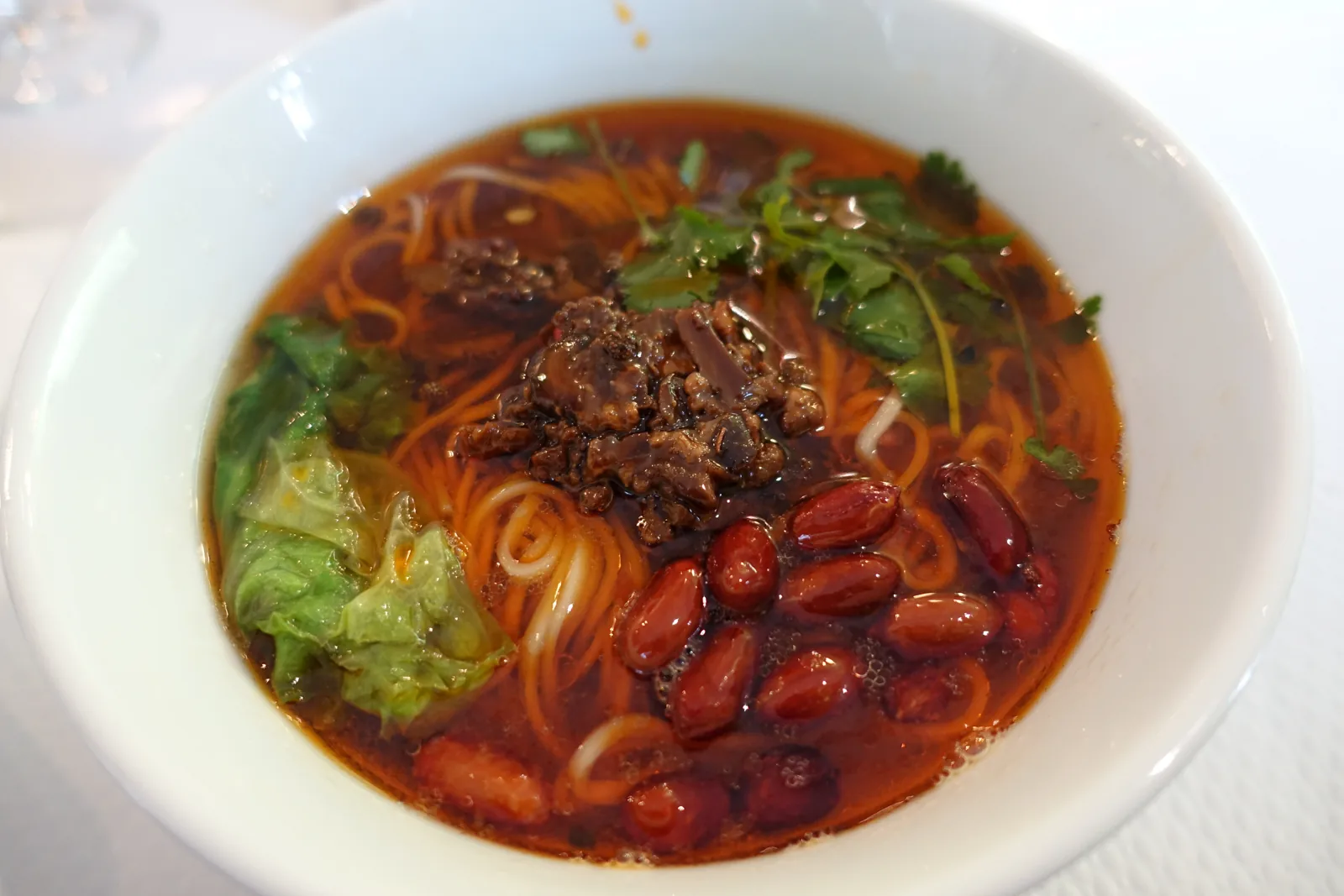
A bowl of dan dan noodles in red chili broth with minced pork, peanuts, greens and cilantro

Chengdu Street Classic

Photo: Guilhem Vellut, CC BY 2.0, via Wikimedia Commons

The Heritage Formulary

Measured Ingredients

Estimated cost: Low — about $3–4 per serving at home (USD)

A good dan dan is judged by the balance: spicy and numbing from chili and Sichuan pepper, nutty from sesame and peanuts, and sour enough from black vinegar to keep you going back.

Execution Methodology & Culinary Technique

Step-by-Step Cooking Guide

Active 40m
P

Prep Stage: Mix the Sauce and Fry the Pork

20 Mins • Mix + Fry

Whisk the tahini, chili oil, soy sauce, black vinegar, sugar and half the Sichuan pepper into a smooth sauce base — it will look split at first, then come together. Toast and grind the remaining Sichuan pepper, mince the garlic and ginger, crush the peanuts, dice the zha cai, slice the green onions and halve the bok choy, and get the stock heating and the noodle water boiling.

Maestro Tip: Whisk the sauce base until it is completely smooth before the noodles go in — lumps of tahini will not dissolve in the bowl.

  1. 1

    Mix the Sauce Base

    5 Mins Room temperature, about 20°C (68°F)

    Whisk the tahini, chili oil, soy sauce, black vinegar, sugar and half the ground Sichuan pepper together in a bowl until smooth and glossy. Taste it: it should be spicy, nutty, salty and sour all at once, with the numbing tingle just starting. Divide the sauce between four serving bowls.

    If the tahini seizes up, add a spoon of warm water and keep whisking — it will come back together.

    Done when: A smooth, deep-red sauce that tastes spicy, nutty, salty and sour.

  2. 2

    Fry the Pork with Sichuan Pepper

    8 Mins Medium-high heat, about 190°C (375°F)

    Heat a dry pan over medium-high heat and fry the ground pork, breaking it into small crumbles, for 5–6 minutes until browned and crisp at the edges. Add the garlic, ginger and remaining Sichuan pepper and fry for 1 more minute until fragrant. Ground pork must reach 71°C (160°F). Set the pork aside.

    Let the pork sit undisturbed for a minute before stirring — that is how the crisp edges form.

    Done when: The pork is browned and crisp, fragrant with garlic and Sichuan pepper, and reads 71°C (160°F).

  3. 3

    Cook the Noodles and Bok Choy

    5 Mins Boiling water, 100°C (212°F)

    Cook the noodles in a large pot of boiling water per the packet, adding the bok choy for the last minute so it turns bright green but stays crisp. Drain well — water left on the noodles thins the sauce.

    Drain the noodles thoroughly; a wet noodle makes a watery bowl.

    Done when: The noodles are just tender and the bok choy is bright green and crisp.

  4. 4

    Heat the Stock and Build the Bowls

    5 Mins Simmering, about 95°C (200°F)

    Bring the chicken stock to a gentle simmer. Pour a ladle of hot stock into each bowl and stir it into the sauce base until smooth, then add the noodles and toss so every strand is coated. Top each bowl with the fried pork, bok choy, crushed peanuts, zha cai and green onions.

    Stir the stock into the sauce before the noodles go in — it is much harder to mix once the bowl is full.

    Done when: Each bowl has glossy, red-coated noodles with the toppings sitting on top.

  5. 5

    Serve at Once

    2 Mins Hot, about 70°C (158°F)

    Serve immediately with chopsticks and a spoon, and tell everyone to toss the bowl well before eating — the sauce settles at the bottom and the first bite should have a bit of everything.

    Tossing is part of the dish: an untossed bowl is bland at the top and fiery at the bottom.

    Done when: A steaming bowl that smells of chili, sesame and Sichuan pepper, ready to toss.

Finishing Touches & Plating

Toss each bowl thoroughly at the table so the sauce coats every strand, then eat while it is steaming hot — dan dan waits for no one, and the noodles drink up the broth as they sit.

Nutritional Physiology & Benefits

Nutrition

Energy

731

kcal / serving

Protein

31g

Complete AA

Carbs

71g

Complex

Fats

36g

Healthy

Per serving (4 servings · 1 serving ≈ 450 g)
Energy731 kcal
Protein31 g
Carbohydrates71 g
Fat36 g
Fibre5.1 g
Sugar6.0 g
Sodium1352 mg
Per 100g
Energy162 kcal
Protein6.9 g
Carbohydrates15.8 g
Fat8 g
Fibre1.1 g
Sugar1.3 g
Sodium300 mg

Nutrition values are estimated — calculated from USDA FoodData Central values for the listed ingredients.

Vitamins & minerals: Vitamin A and K (bok choy), vitamin C (bok choy, green onion), B vitamins and iron (pork), niacin (peanuts).

High in Protein

About 31 g of protein per serving from the pork, noodles and peanuts, so this is a filling lunch that keeps you going.

Fresh Greens in a Rich Bowl

Bok choy and green onion bring fibre, vitamin C and crunch that balance the spicy, oily broth.

Mala in Moderation

Chili and Sichuan pepper bring heat and tingle, and the vinegar and peanuts keep the bowl balanced rather than just hot.

Food Pairings

What to Eat With

To optimize nutrient absorption and elevate the sensory depth, pair with these authentic accompaniments:

Vegetables

Smashed Cucumber Salad

Cold, garlicky cucumber is the classic cool counterpoint to a hot, numbing bowl.

Sides

Pickled Vegetables

Extra pickles on the side add sour crunch that cuts through the rich sesame-chili sauce.

Soups

Hot and Sour Soup

A small bowl of hot and sour soup on the side keeps the Sichuan theme without doubling the noodles.

Drinks

Cold Beer or Iced Tea

A cold lager or unsweetened iced tea cools the chili heat between bites.

Complete menu

Serve the dan dan noodles with a cold smashed cucumber salad and pickled vegetables on the side — the cool crunch balances the hot, numbing broth.

Digestive Guardrails

What NOT to Combine

To prevent digestive distress, sluggishness, or palate clash, avoid pairing the dish with these elements:

Skipping the Sichuan Pepper

Without Sichuan pepper there is no numbing half of mala, and the dish becomes just another spicy noodle soup. If you cannot find it, make a different noodle dish instead. This is general guidance, not medical advice.

Undercooked Ground Pork

Ground pork must reach 71°C (160°F) all the way through — check the largest crumbles with a thermometer before serving. This is general guidance, not medical advice.

General information only, not medical advice — consult a doctor for personal dietary decisions.

Who Should Eat It

Who Should Eat

  • General adultsA filling, spicy lunch — about 731 kcal a serving, with 31 g of protein.
  • ChildrenNot suitable for young children as written — the chili and Sichuan pepper are strong; make a mild version with no chili oil for ages 10+.
  • ElderlySoft noodles and minced pork are easy to eat, but the chili heat may be too much; serve a mild version.
  • Pregnant womenGenerally suitable in normal portions, but the chili can trigger heartburn — keep portions modest and ask your clinician.
  • Breastfeeding womenGenerally suitable in normal portions; keep the chili light and ask your clinician if heartburn is an issue.
  • AthletesAbout 31 g of protein per serving makes it a solid post-training lunch; add extra noodles for more energy.
  • Weight gainA filling, protein-rich bowl; add a second helping of noodles if you need more calories.
  • Weight lossThe chili oil and pork make this high in fat — use half the chili oil and leaner pork, and watch the noodle portion.

Health Conditions — Adjust or Avoid

Conditions

  • DiabetesNoodles are the main carbohydrate at about 71 g per serving — keep to one serving and ask your clinician about portion size.
  • High blood pressureSoy sauce, stock and zha cai are salty, about 1,352 mg of sodium per serving — use low-sodium stock and less soy sauce. Ask your clinician.
  • Kidney diseaseHigh in protein and salt; keep portions modest and ask your clinician whether it fits your plan.
  • GoutPork is moderate in purines, but the rich topping is fatty — keep portions modest and ask your clinician.
  • Stomach issuesChili, vinegar and Sichuan pepper can irritate a sensitive stomach — make a mild version with less chili oil. Ask your clinician if symptoms persist.
  • Cardiovascular diseaseChili oil and pork are high in fat; use half the chili oil and lean pork for a lighter version. Ask your clinician.
  • Fatty liverChili oil and pork add fat; use half the chili oil and lean pork. Ask your clinician.
  • Food allergiesContains wheat (gluten), soy, sesame and peanuts. Choose tamari and gluten-free noodles for a gluten-free version, and check every label.
  • Special therapeutic dietsAsk your clinician or dietitian about the sodium and chili heat before making this a regular meal.

If you have a medical condition, consult your doctor before changing your diet.

Storage & Use

Storage & Use

How to store
Store the sauce base, pork topping, noodles and stock separately in airtight containers in the fridge.
In the fridge
Pork topping and sauce 3 days; cooked noodles 2 days; stock 3 days.
In the freezer
Pork topping freezes well for 2 months; the sauce base freezes for 1 month; noodles do not freeze well.
How to reheat
Warm the stock and pork gently in a pan until steaming and the pork reaches 74°C (165°F); cook fresh noodles rather than reheating old ones.
Freezing recommended
Yes for the pork topping, up to 2 months — not the noodles.
Signs it has spoiled
Sour smell from the stock, slimy pork, or noodles that smell musty.

More recipes to explore

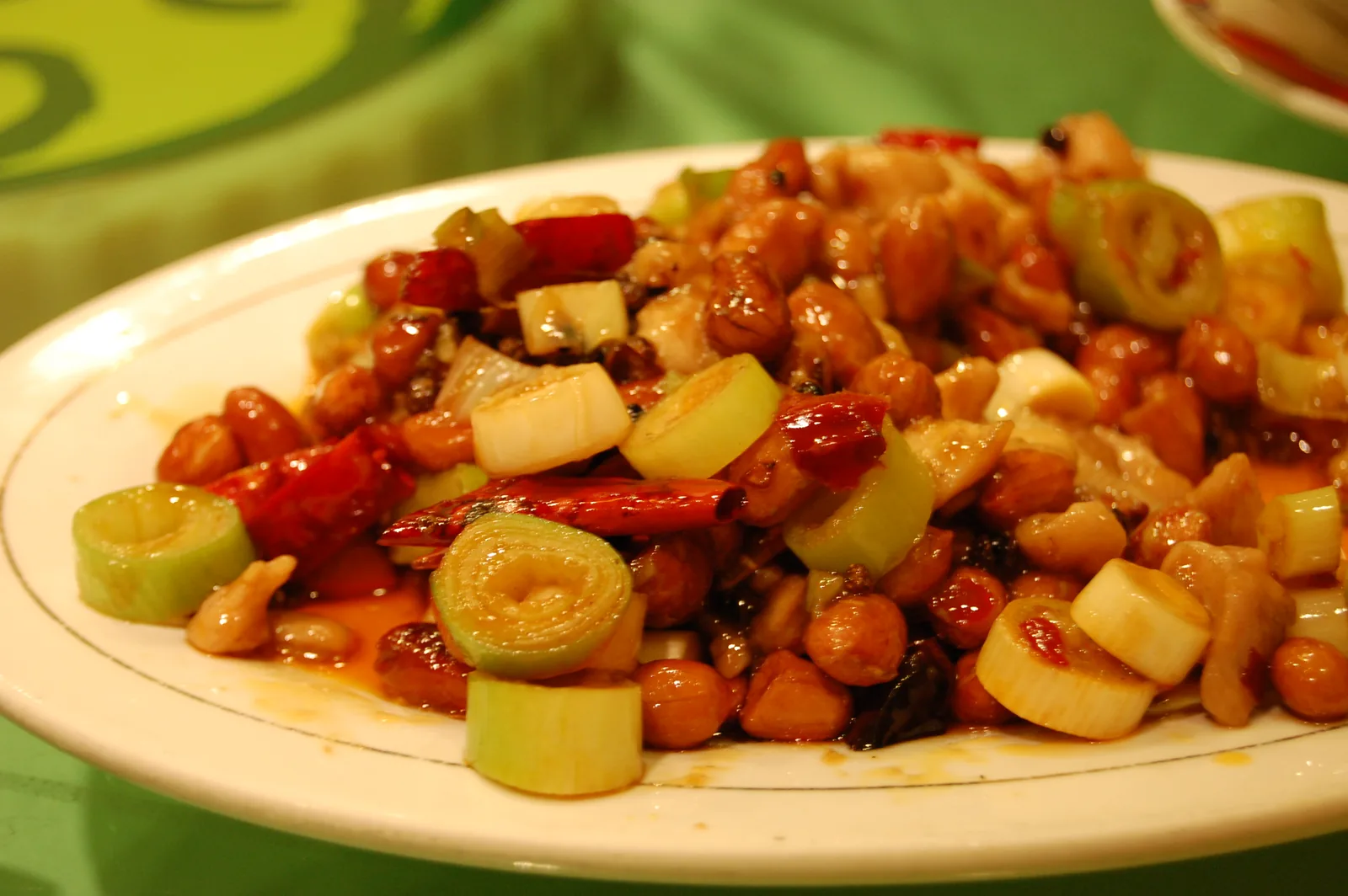
Kung pao chicken in a white dish: diced chicken, roasted peanuts, dried red chillies and scallions in a glossy sauce China flag China 35m
Dinner •Sichuan Heritage

Kung Pao Chicken

This kung pao chicken recipe is the Sichuan original: bite-sized chicken wok-fried with dried red chillies, tingling Sichuan peppercorns, scallions and crisp roasted peanuts, all glossed with a sweet-sour soy and black vinegar sauce. It is hot, numbing, a little sweet and deeply savoury — the mala flavour that defines Sichuan cooking. One serving is about 200 g, served with rice.

Bold & Satisfying

A fast wok stir-fry of chicken, peanuts and dried chillies with Sichuan peppercorns, ready in about 35 minutes.

Pairs Well With
Steamed jasmine rice and a cool cucumber salad to balance the heat.
High Protein • Quick Prep (<30m)
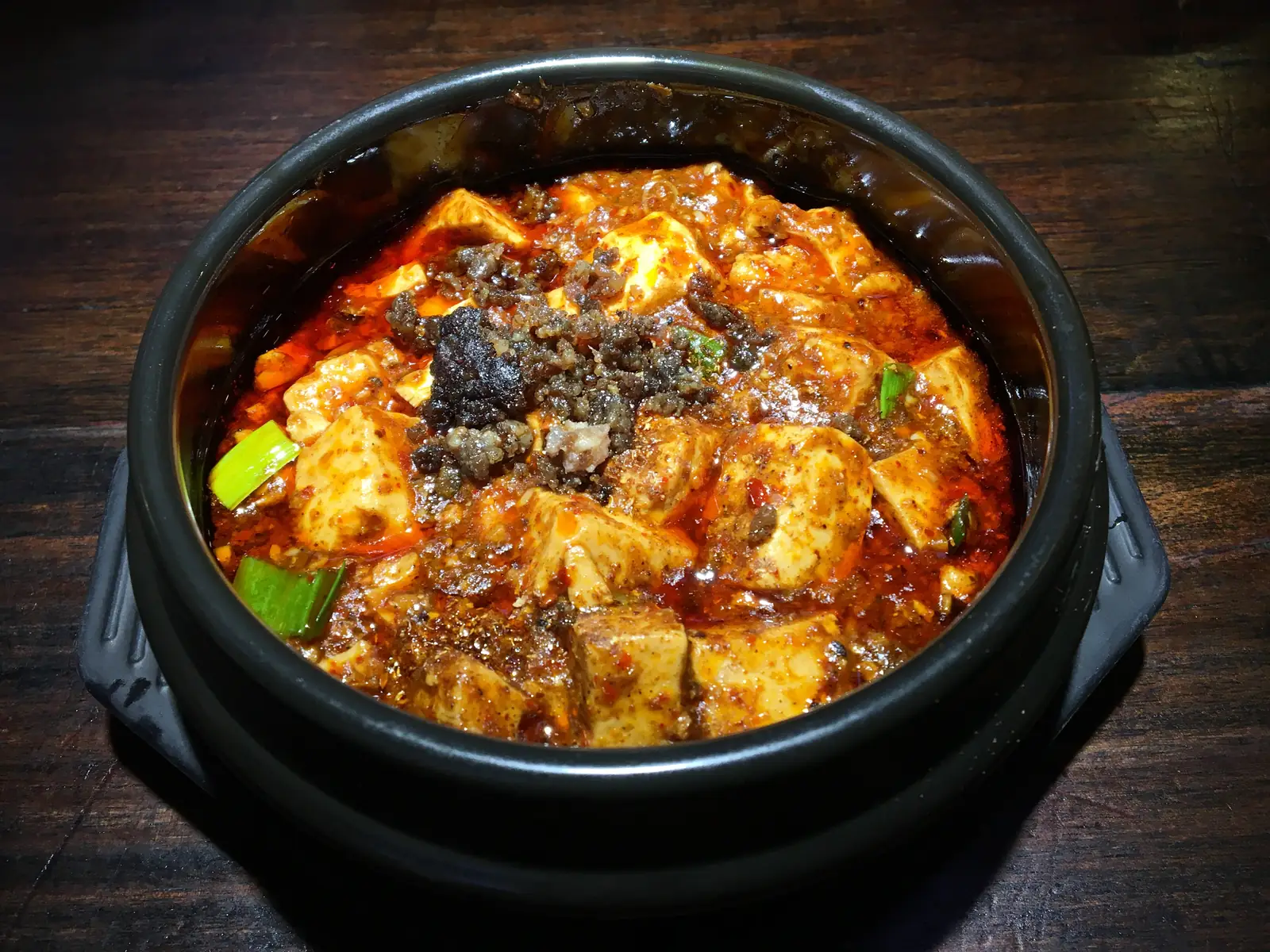
Mapo tofu in a black pot: silken tofu cubes in a bright red mala sauce with minced beef and scallions China flag China 35m
Dinner •Chengdu Heritage

Mapo Tofu

This mapo tofu recipe is the Chengdu classic: cubes of silken tofu simmered in a bright red mala sauce of doubanjiang, fermented black beans and Sichuan peppercorns, with crisp minced beef scattered through it. The sauce is numbing, hot, salty and fragrant all at once — and it is the sauce, not the tofu, that makes the dish. One serving is about 220 g, served with rice.

Bold & Warming

Silken tofu simmered in a numbing-spicy doubanjiang sauce with minced beef, ready in about 35 minutes.

Pairs Well With
Steamed jasmine rice and a cool cucumber salad to balance the mala heat.
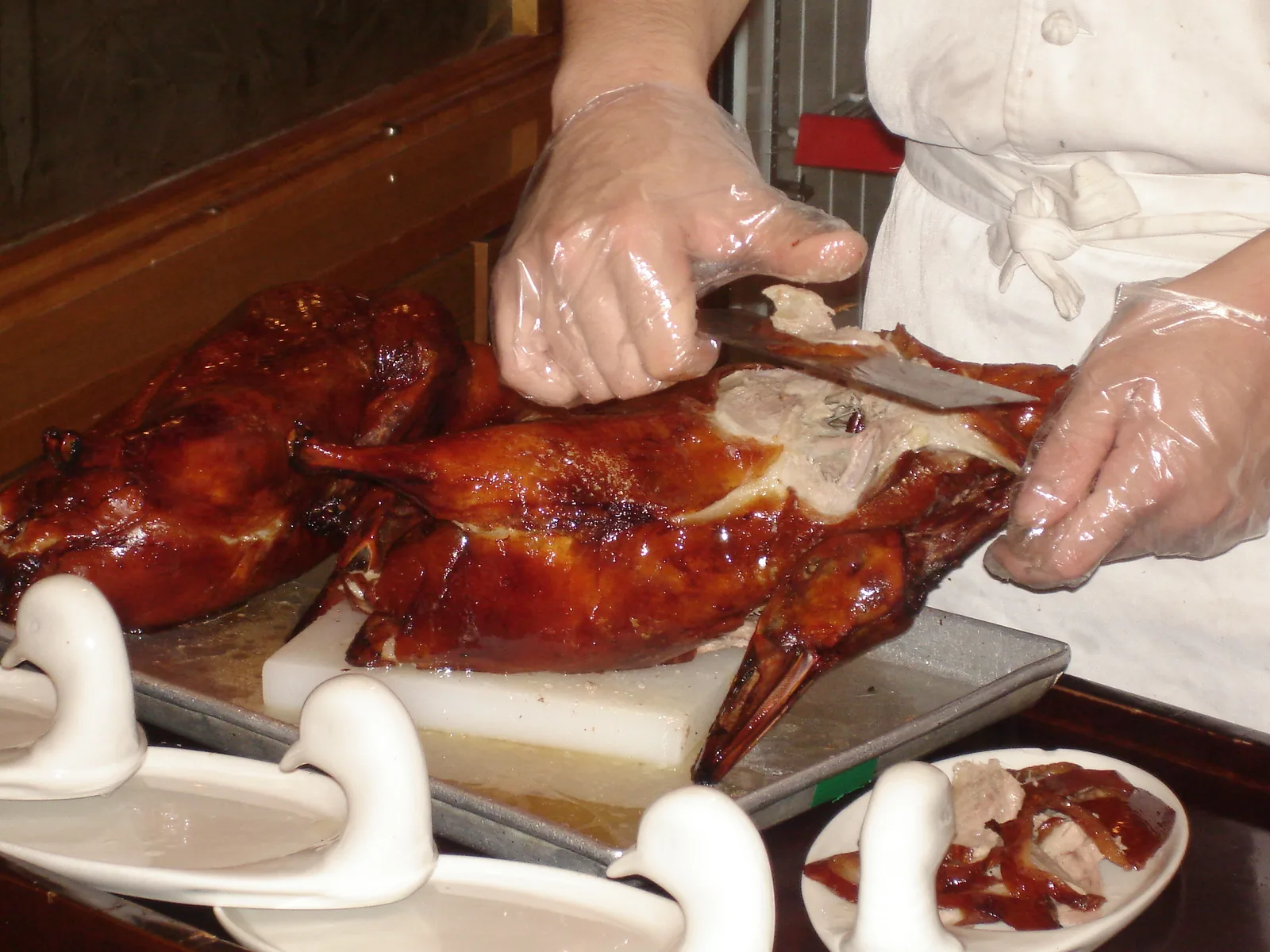
A whole lacquered Peking duck being carved at the table by a chef, with sliced crisp skin on a plate China flag China 2h 20m
Dinner •Beijing Heritage

Peking Duck

This peking duck recipe is the Beijing classic: a whole duck blanched, glazed with maltose and honey, air-dried until the skin is taut, then roasted until the skin turns deep mahogany and shatters like glass. It is carved at the table and eaten wrapped in thin pancakes with hoisin, scallion and cucumber. One serving is about 395 g, duck, pancakes and condiments together.

Celebration & Feast

A whole duck glazed, air-dried and roasted until the skin is lacquered and crisp, carved at the table with pancakes.

Pairs Well With
Thin pancakes, hoisin, scallion and cucumber — the classic wrap.
High Protein
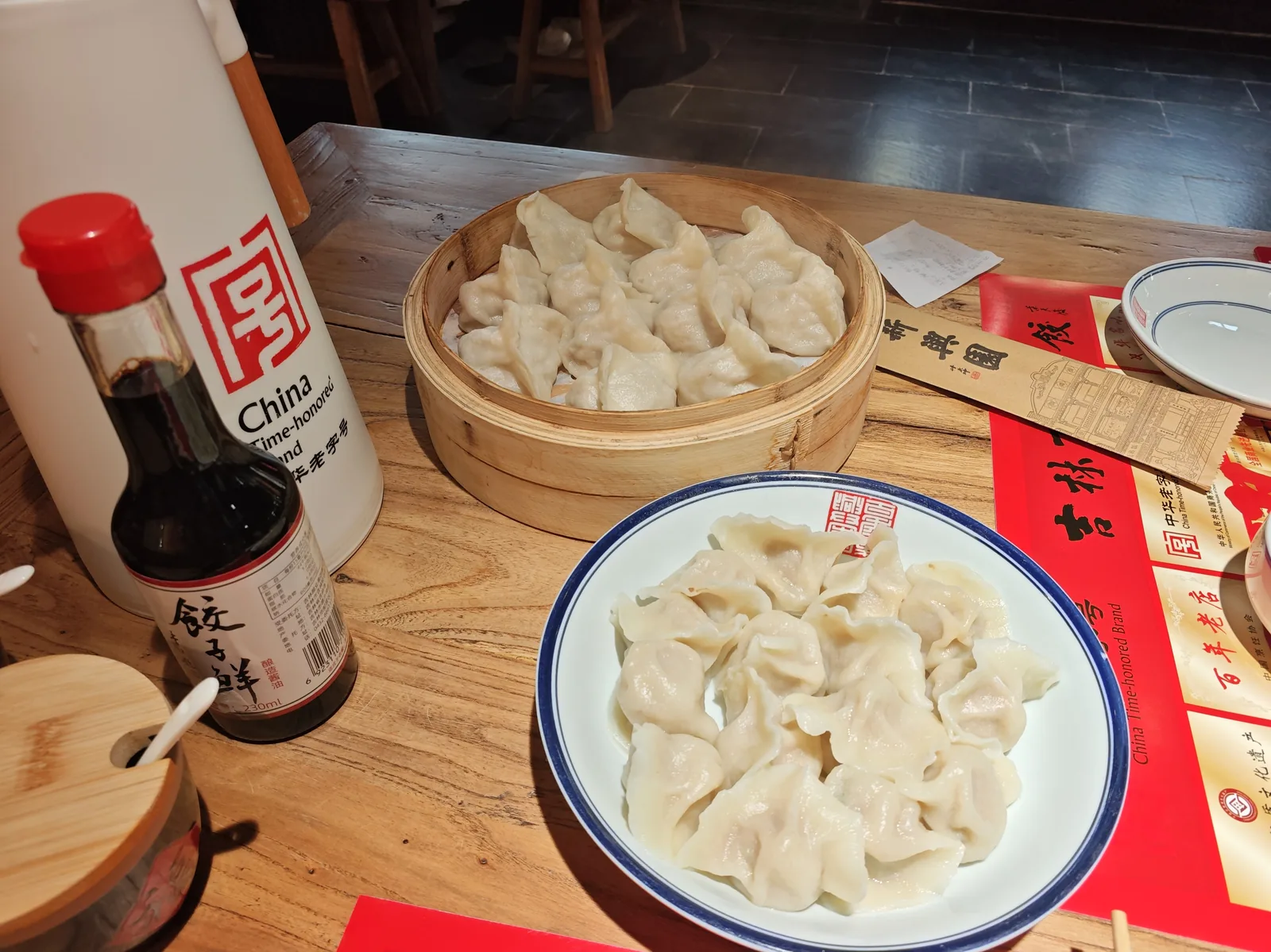
A bamboo steamer of steamed jiaozi beside a plate of boiled jiaozi, with a bottle of black vinegar China flag China 1h 15m
Dinner •Northern Chinese Classic

Steamed Pork Jiaozi

This steamed pork jiaozi recipe shows how to mix and roll the dough, fill it with seasoned pork and Chinese cabbage, and steam the dumplings until the pork is cooked through. One serving is about 275 g — 8 dumplings with dipping sauce.

Comfort & Warmth

Soft, hand-rolled dumplings filled with juicy pork and cabbage, steamed until tender and dipped in black vinegar — a northern Chinese family staple.

Pairs Well With
Hot and sour soup and a pot of jasmine tea

The Dinner Gazette

Never wonder what’s for dinner again

One email a week with easy dinner ideas from around the world — ingredients, steps and nutrition, tested in our kitchen first.

Delivered every Thursday morning. Unsubscribe anytime.