Curated recipes from 193 countries  •  New seasonal Mediterranean issue out now

Overview

Malawaax

Djiboutian Sweet Flatbread; Malawah; Malawax

This djibouti malawaax recipe turns a simple batter of flour, milk, egg and cardamom into eight thin, golden flatbreads with crisp lacy edges and a soft, sweet centre. Cooked one at a time in a hot pan and brushed with butter, they are the flatbread Djiboutian families stack high for breakfast and tear into over cups of spiced tea. One serving is about 220 g.

Malawaax, also spelled malawah or malawax, is the thin sweet flatbread of the Somali coast and Djibouti, eaten for breakfast and during Ramadan. The batter of flour, milk, egg, sugar and cardamom is poured in a spiral with a ladle and cooked like a crepe, then brushed with butter or ghee and stacked high. Families eat it with honey and spiced tea, and sometimes pour sweet tea over it like syrup.

Pairs well with: Serve warm with honey, a ripe banana and a cup of spiced black tea.

Provenance

Djibouti flag Djibouti

Djibouti Heritage

African Heritage

Time Dedication

30m

10m prep • 20m cook

Batch Yield

4 Servings

453 kcal per serving

1 serving ≈ 220 g

Technical Skill

Easy

Easy (One Pan)

Meal Timing & Digestive Fit

Breakfast

Prime Morning Fit

Lunch

Inappropriate

Dinner

Inappropriate

Snack & Tea

Inappropriate

Occasions: Breakfast, Ramadan mornings, weekend tea time Cost: Low — about $1–2 per serving at home
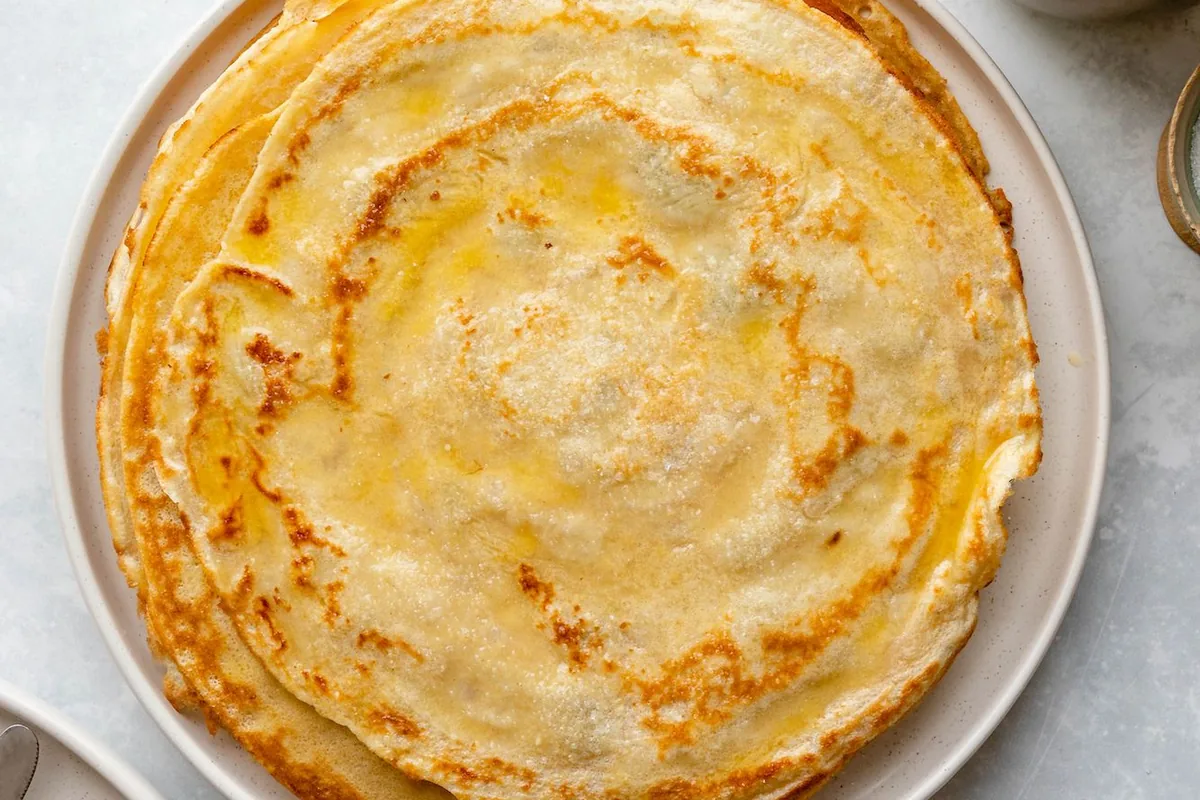
A stack of thin golden malawaax flatbreads on a plate beside a cup of tea

Djibouti Heritage

Photo: Alantheman12, CC BY-SA 4.0, via Wikimedia Commons

The Heritage Formulary

Measured Ingredients

Estimated cost: Low — about $1–2 per serving at home (USD)

Cooked one at a time in a hot pan so each flatbread turns thin, golden and crisp at the edges.

Execution Methodology & Culinary Technique

Step-by-Step Cooking Guide

Active 30m
P

Prep Stage: One Batter, Ten Minutes of Rest

10 Mins • Whisk & Rest

Measure the flour, sugar, cardamom, cinnamon and salt into a large bowl, then whisk in the milk, water and eggs until the batter is completely smooth. Let it rest for 10 minutes while you set out a non-stick pan, a ladle and a plate lined with a clean cloth.

Maestro Tip: Resting lets the flour hydrate, so the batter pours thin and the flatbreads stay soft instead of tearing.

  1. 1

    Whisk the Batter Smooth

    5 Mins • Whisking Room temperature — no heat

    Whisk the flour, sugar, cardamom, cinnamon and salt together in a large bowl. Pour in the milk and water, add the eggs, and whisk until the batter is completely smooth with no lumps, about 2 minutes. It should pour like thin cream.

    If lumps remain, pour the batter through a fine sieve into a jug — it makes pouring the spiral much easier.

    Done when: A smooth batter that coats the back of a spoon thinly and drips off in a steady ribbon.

  2. 2

    Rest the Batter

    10 Mins • Resting Room temperature — no heat

    Cover the bowl and leave the batter to rest for 10 minutes. While it rests, set a large non-stick pan over medium heat and put a plate lined with a clean cloth beside the stove.

    Do not skip the rest: it lets the flour hydrate so the flatbreads pour thin and stay soft.

    Done when: The batter looks slightly thicker and a few tiny bubbles appear on the surface.

  3. 3

    Heat the Pan

    2 Mins • Medium Heat Medium heat, about 175°C (350°F)

    Brush the hot pan very lightly with melted butter — just a thin film. Flick in a drop of water: it should sizzle and vanish in a second. If the butter smokes, the pan is too hot; lift it off the heat for a few seconds.

    Too little butter and the flatbread sticks; too much and it fries instead of steaming soft. A thin film is enough.

    Done when: Butter melts and shimmers without smoking.

  4. 4

    Pour the Spiral

    1 Min • Pouring Medium heat, about 175°C (350°F)

    Pour about 80 ml (1/3 cup) of batter into the centre of the pan, then immediately swirl it outward in a spiral with the back of the ladle, spreading it into a thin round about 20 cm across. Work quickly before the batter sets.

    Keep the ladle moving in one smooth spiral from the centre out — stopping leaves a thick patch in the middle.

    Done when: A thin, even round with the surface starting to dry at the edges.

  5. 5

    Cook the First Side

    1 Min • Medium Heat Medium heat, about 175°C (350°F)

    Cook for 60 to 90 seconds until the surface looks dry, the edges lift away from the pan, and golden spots appear underneath. Brush the top very lightly with melted butter.

    Lift an edge with a spatula to check the colour — pale gold with a few deeper spots is right; dark brown means the pan is too hot.

    Done when: Surface dry, edges lifting, underside pale gold with golden spots.

  6. 6

    Flip and Finish

    1 Min • Medium Heat Medium heat, about 175°C (350°F)

    Flip the flatbread with a wide spatula and cook the second side for 30 to 45 seconds until lightly golden. The egg must be fully set with no wet batter remaining. Slide it onto the cloth-lined plate and cover it to keep it soft.

    The second side cooks faster — watch it, and do not press the flatbread down, or it turns tough.

    Done when: Both sides lightly golden, fully set with no wet batter, and soft enough to fold.

  7. 7

    Repeat and Stack

    15 Mins • Medium Heat Medium heat, about 175°C (350°F)

    Repeat with the remaining batter, brushing the pan lightly with butter before each flatbread, until you have 8 flatbreads. Stack them under the cloth as you go so the steam keeps them soft. Serve warm, two per person, drizzled with about 1/2 tablespoon of honey each.

    The first flatbread is often the least perfect — cooks call it the test one. Eat it yourself and carry on; the rest will be better.

    Done when: Eight thin, golden flatbreads, soft and foldable, stacked warm under the cloth.

Finishing Touches & Plating

Stack the flatbreads under a clean cloth as you cook so they stay warm and soft, then drizzle each serving with honey just before it reaches the table.
Nutritional Physiology & Benefits

Nutrition

Energy

453

kcal / serving

Protein

13g

Complete AA

Carbs

74g

Complex

Fats

12g

Healthy

Per serving (4 servings · 1 serving ≈ 220 g)
Energy453 kcal
Protein13 g
Carbohydrates74 g
Fat12 g
Fibre2.0 g
Sugar25.5 g
Sodium367 mg
Per 100g
Energy206 kcal
Protein5.7 g
Carbohydrates33.4 g
Fat5.5 g
Fibre0.9 g
Sugar11.6 g
Sodium167 mg

Nutrition values are estimated — calculated from USDA FoodData Central values for the listed ingredients.

Vitamins & minerals: Provides calcium and riboflavin from the milk and egg, plus small amounts of iron from the flour and manganese from the cardamom and cinnamon. Nutrition is estimated.

Quick Energy for the Morning

About 73 g of carbohydrate per serving, mostly from flour and milk, gives a steady start to the day when paired with protein from the egg.

Warm Spice, No Heat

Cardamom and cinnamon bring fragrance and warmth without any chilli, so the flatbreads suit children and anyone who prefers mild flavours.

A Lighter Sweet Start

At about 453 kcal per serving with just 12 g of fat, malawaax is a lighter sweet breakfast than fried doughs or pastries, especially served with fruit.

Food Pairings

What to Eat With

To optimize nutrient absorption and elevate the sensory depth, pair with these authentic accompaniments:

Drinks

Spiced Black Tea

The classic partner: hot, sweet, cardamom-spiced tea poured over or sipped alongside the flatbread, because its warmth and spice echo the cardamom in the batter and balance the honey.

Sides

Honey Drizzle

A thin drizzle of honey adds floral sweetness and keeps the soft centre moist; it works better than jam here because it soaks gently into the thin bread instead of sliding off.

Ripe Banana

Sliced banana adds softness, potassium and natural sweetness, and its mild flavour lets the cardamom stay the star of the plate.

Full Menus

A Djiboutian Breakfast Table

Serve the stack in the middle of the table with tea, honey and fruit so everyone tears off their own flatbread; follow with fresh fruit for a complete, unhurried breakfast.

Complete menu

Two malawaax with honey and sliced banana, plus a cup of spiced black tea, make a complete Djiboutian breakfast.

Digestive Guardrails

What NOT to Combine

To prevent digestive distress, sluggishness, or palate clash, avoid pairing the dish with these elements:

A Second Very Sweet Drink

Malawaax with honey is already sweet, so pairing it with sweetened juice or a sugary soft drink stacks sugar on sugar in one meal. Plain tea or water is the kinder match. This is general guidance, not medical advice.

Heavy, Greasy Fried Sides

Fried meats or oily pastries alongside these butter-brushed flatbreads make the meal heavy and greasy rather than light and fresh; keep the sides to fruit, tea and honey. This is general guidance, not medical advice.

General information only, not medical advice — consult a doctor for personal dietary decisions.

Who Should Eat It

Who Should Eat

  • General adultsA light, sweet breakfast — two flatbreads with tea and fruit make a satisfying start to the day.
  • ChildrenWell suited — mild, soft and sweet; cut into strips for small hands and go easy on the honey for younger children.
  • ElderlyWell suited — soft, easy to chew and easy to digest when served warm.
  • Pregnant womenGenerally suitable; the eggs are fully cooked through in the hot pan, and the flatbreads are best eaten freshly made.
  • Breastfeeding womenGenerally suitable; the milk, egg and carbohydrate give quick energy, and the recipe is low in fat.
  • AthletesA useful pre-training breakfast — about 73 g of carbohydrate per serving — but add a protein-rich side such as yoghurt afterwards for recovery.
  • Weight gainA good choice — take an extra flatbread and add more honey or a banana on the side.
  • Weight lossEnjoy one flatbread instead of two and skip the extra honey; the sugar and honey are the calories to watch.

Health Conditions — Adjust or Avoid

Conditions

  • DiabetesThe flour, sugar and honey are all fast carbohydrate — keep to one flatbread, skip the honey drizzle, and ask your clinician about portion size.
  • High blood pressureThe recipe is low in sodium at about 367 mg per serving, but keep the added salt as written and avoid salty sides; ask your clinician if you follow a low-sodium plan.
  • Kidney diseaseModerate in potassium from the milk and banana if served; keep the portion to one flatbread and ask your clinician about portion size.
  • GoutLow in purines as written — a suitable occasional breakfast; ask your clinician if you are on a prescribed low-purine plan.
  • Stomach issuesUsually gentle when served warm, but the sugar and honey can bother a sensitive stomach; try one plain flatbread first and skip the spices if they trouble you.
  • Cardiovascular diseaseLow in saturated fat as written if the butter is kept to the measured amount; use oil instead of butter if your clinician advises it, and ask your clinician about the sugar.
  • Fatty liverKeep the portion modest and skip the honey — the added sugar is the main concern here; ask your clinician about portion size.
  • Food allergiesContains wheat (gluten), milk and egg. The recipe is not suitable for coeliac disease or for milk or egg allergy unless a tested substitute is used — ask your clinician or dietitian first.
  • Special therapeutic dietsIf you follow a prescribed low-sugar, gluten-free or dairy-free diet, this recipe needs tested substitutes and portion advice — check with your clinician.

If you have a medical condition, consult your doctor before changing your diet.

Storage & Use

Storage & Use

How to store
Cool completely, then stack with baking paper between the layers and store in an airtight container or sealed bag.
In the fridge
2 to 3 days.
In the freezer
Up to 1 month; stack with baking paper between layers and seal well.
How to reheat
Warm in a dry pan over medium heat, about 175°C (350°F), for 30 seconds a side, or in the microwave for 15 to 20 seconds; reheat until steaming hot throughout, at least 74°C (165°F).
Freezing recommended
Yes — it freezes well for up to 1 month; thaw at room temperature for 20 minutes, then warm in a dry pan.
Signs it has spoiled
Sour or musty smell, stiff or slimy texture, or any mould spots.

More recipes to explore

Two bowls of lamb and vegetable soup with carrots and potatoes, served with banana and flatbread Djibouti flag Djibouti 1h 30m
Lunch •Djibouti Heritage

Fah-Fah

This fah-fah recipe simmers lamb shoulder low and slow until the broth turns rich and golden, then adds potatoes, carrots and cabbage so the vegetables cook in the seasoned liquid. Served with banana and flatbread, it is the soup Djiboutian families gather around at lunch. One serving is about 492 g.

Comfort & Warmth

Slow-simmered lamb broth with potatoes, carrots, cabbage and warm spices.

Pairs Well With
Banana, laxoox flatbread and lemon wedges
Soups & Broths
A platter of spiced rice topped with browned lamb, lime wedges and salad Djibouti flag Djibouti 1h 45m
Dinner •Djibouti Heritage

Skoudehkaris

This skoudehkaris recipe browns lamb shoulder in a spice-scented pot, then simmers it with tomatoes and broth before the basmati rice goes in to soak up every drop. The result is a fragrant, rust-coloured one-pot dinner that tastes like a Djiboutian family table. One serving is about 510 g.

Comfort & Warmth

One-pot spiced rice with browned lamb, tomatoes and warm Horn of Africa spices.

Pairs Well With
Cool yoghurt, fresh salad and lime wedges
A bowl of Vietnamese phở bò with rare beef, rice noodles and fresh herbs Vietnam flag Vietnam 3h 30m
Breakfast •Hanoi Heritage

Phở Bò Tái Nạm

Slow-simmered star anise and cinnamon bone broth with hand-cut rice noodles, supplying clean restorative warmth and collagen. One serving is about 775 g.

Immunity & Warming

Slow-simmered bone broth with rice noodles, rare beef and fresh herbs.

Pairs Well With
Crispy quẩy, fresh lime & sawtooth coriander
Soups & Broths • High Protein
Golden butter croissants on a wooden board France flag France 20m
Breakfast •Parisian Boulangerie

Croissant au Beurre & Café

Laminated cultured butter pastry paired with washed Arabica, for a slow, pleasurable Parisian morning — best with a little protein alongside. One serving is about 390 g.

Sustained Focus

Flaky all-butter croissant with café au lait, Comté and green apple.

Pairs Well With
Comté cheese wedge & Green apple slices
Quick Prep (<30m)

The Dinner Gazette

Never wonder what’s for dinner again

One email a week with easy dinner ideas from around the world — ingredients, steps and nutrition, tested in our kitchen first.

Delivered every Thursday morning. Unsubscribe anytime.