
Curated recipes from 193 countries  •  New seasonal Mediterranean issue out now

Overview

Draniki

Belarusian Potato Pancakes, Draniki z Bulby

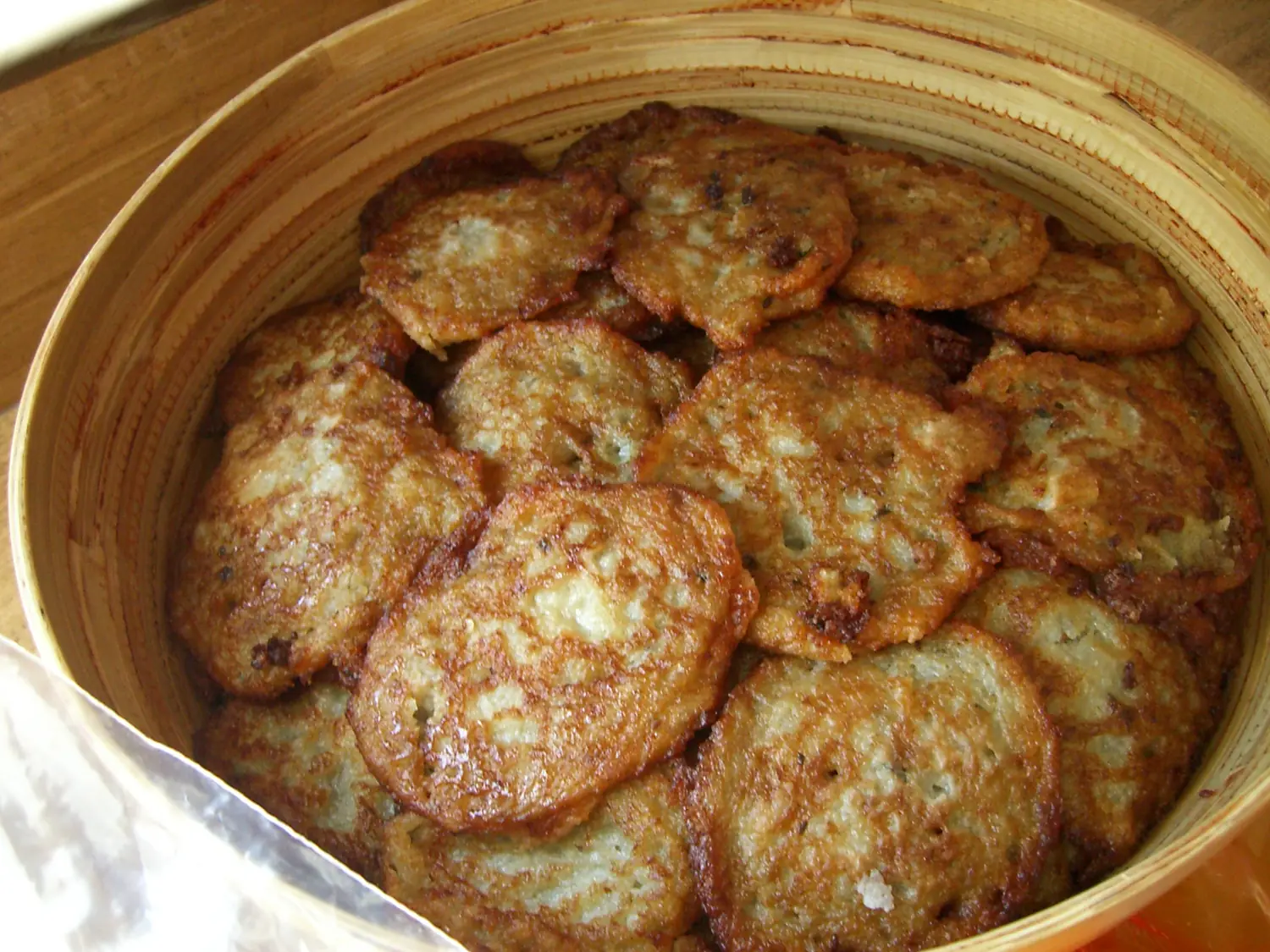
This draniki recipe turns grated potato, onion and egg into golden, lacy-edged pancakes that are shatteringly crisp on the outside and soft in the middle. A spoonful of flour holds the batter together, and they are fried in hot oil and served straight from the pan with sour cream. One serving is about 280 g, with sour cream.

Potatoes reached Belarus in the 18th century and quickly became the country's second bread. Draniki, named from the Belarusian word for grating, grew out of that potato culture and became the national dish, cooked in farmhouse kitchens and served at family tables. The first printed potato pancake recipes in the region appeared in the 1830s, and the dish has stayed essentially the same ever since: grated potato, onion, egg, hot oil, sour cream.

Pairs well with: Sour cream, smoked salmon & fresh dill

Provenance

Belarus flag Belarus

Belarusian Heritage

Nordic & European

Time Dedication

40m

15m prep • 25m cook

Batch Yield

4 Servings

378 kcal per serving

1 serving ≈ 280 g

Technical Skill

Intermediate

Medium (Pan-Fry)

Meal Timing & Digestive Fit

Breakfast

Not Advised

Lunch

Prime Metabolic Fit

Dinner

Ideal Hearty Main

Snack & Tea

Inappropriate

Quick Prep (<30m) Occasions: Family lunches, weekend brunch, winter gatherings, Maslenitsa week Cost: Low — about $2–3 per serving at home
Golden-brown Belarusian draniki potato pancakes piled in a wooden bowl

Belarusian Heritage

Photo: Daniel Spils, CC BY-SA 2.0, via Wikimedia Commons

The Heritage Formulary

Measured Ingredients

Estimated cost: Low — about $2–3 per serving at home (USD)

Cooked the traditional way: finely grated potato squeezed dry, fried until crisp, served hot with sour cream.

Execution Methodology & Culinary Technique

Step-by-Step Cooking Guide

Active 40m
P

Prep Stage: Grate, Squeeze & Mix

15 Mins • Grating

Peel the potatoes and onion. Grate them on the fine side of a box grater into a bowl, working fast so the potato does not darken. Tip the pulp into a clean tea towel and squeeze out as much liquid as you can, then return it to the bowl and stir in the beaten eggs, flour, salt and pepper until just combined.

Maestro Tip: Squeezing the liquid out is the whole secret: wet batter steams instead of frying, and the pancakes turn soft instead of crisp.

  1. 1

    Grate the Potatoes & Onion

    10 Mins No heat

    Grate the peeled potatoes and the onion on the fine holes of a box grater, straight into a large bowl. Grate the onion in between batches of potato — its juice slows the browning while you work.

    A food processor with a fine grating disc works too, but stop as soon as the pulp looks fine and even; over-processing turns it to glue.

    Done when: A wet, fine pulp with no large shreds of potato.

  2. 2

    Squeeze Dry & Mix the Batter

    5 Mins No heat

    Scoop the pulp into a clean tea towel, gather the corners and twist hard over the sink until no more liquid runs out. Return the dry pulp to the bowl and fold in the beaten eggs, flour, salt and pepper. The batter should be thick enough to hold a spoonful shape.

    Save the squeezed liquid for a minute: the white starch settles at the bottom and can be stirred back in for extra crispness, or simply discarded.

    Done when: A thick batter that mounds on a spoon and does not spread flat on its own.

  3. 3

    Heat the Oil

    3 Mins Medium-high heat, ~180°C (355°F)

    Pour the oil into a large heavy frying pan to a depth of about 5 mm and heat over medium-high heat until it shimmers and a drop of batter sizzles fiercely on contact.

    If the oil is not hot enough the pancakes soak it up and go greasy; if it smokes, take the pan off the heat for a few seconds.

    Done when: Oil shimmering, batter sizzles loudly when it hits the pan.

  4. 4

    Fry Until Golden & Crisp

    18 Mins Medium heat, ~175°C (350°F)

    Drop heaped tablespoons of batter into the pan and flatten each one gently with the back of the spoon. Fry for 3 to 4 minutes a side until deep golden brown with lacy, crisp edges. Work in batches so the pan stays hot, adding a little more oil between batches. Lift out with a slotted spoon and drain on paper towels.

    Do not crowd the pan: too many pancakes at once drops the oil temperature and they steam instead of crisping.

    Done when: Deep golden brown on both sides, crisp at the edges, soft and steaming inside; the centre is fully cooked through.

  5. 5

    Serve Hot with Sour Cream

    2 Mins Serve hot, ~70°C (158°F)

    Pile the draniki on a warm plate and serve at once with the sour cream on the side, so the pancakes stay crisp. Eat them while they are still crackling from the pan.

    If a batch must wait, keep it in a single layer on a rack in a warm oven at 120°C (250°F) — never stack them under a lid or they go soft.

    Done when: Hot, crisp pancakes with a cool spoonful of sour cream.

Finishing Touches & Plating

Stack the draniki loosely so steam escapes, scatter a little chopped dill over the top if you like, and put the sour cream on the table in its own bowl so everyone can take as much as they want.

Nutritional Physiology & Benefits

Nutrition

Energy

378

kcal / serving

Protein

9g

Complete AA

Carbs

46g

Complex

Fats

18g

Healthy

Per serving (4 servings · 1 serving ≈ 280 g)
Energy378 kcal
Protein9 g
Carbohydrates46 g
Fat18 g
Fibre5.2 g
Sugar4.7 g
Sodium544 mg
Per 100g
Energy135 kcal
Protein3.2 g
Carbohydrates16.3 g
Fat6.6 g
Fibre1.9 g
Sugar1.7 g
Sodium194 mg

Nutrition values are estimated — calculated from USDA FoodData Central values for the listed ingredients.

Vitamins & minerals: Potatoes supply vitamin C, vitamin B6 and potassium, eggs add vitamin B12 and selenium, and the onion adds small amounts of folate and manganese. All nutrition values are estimated.

Steady Energy

One serving gives about 46 g of carbohydrate from potato, a slow-burning fuel that keeps you going through a long afternoon.

Fibre from Real Potato

About 5.3 g of fibre per serving comes from the grated potato and onion, which supports normal digestion.

Potassium & Vitamin C

Potatoes are a useful source of potassium and vitamin C, and the egg adds protein and vitamin B12 to the plate.

Food Pairings

What to Eat With

To optimize nutrient absorption and elevate the sensory depth, pair with these authentic accompaniments:

Sauces

Sour Cream

Cool, tangy sour cream cuts through the fried richness and is the classic Belarusian partner — the contrast is the whole point of the dish.

Sides

Smoked Salmon & Dill

Salty smoked salmon and fresh dill turn draniki into a celebration plate, and the fish adds lean protein to balance the fried potato.

Vegetables

Cucumber & Tomato Salad

A sharp, crunchy salad with vinegar dressing refreshes the palate between bites of rich, salty pancake.

Drinks

Black Tea with Lemon

Hot black tea cleanses the palate after fried food, and lemon adds a bright note that matches the sour cream.

Full Menus

Machanka for Dipping

In Belarus, draniki are often dunked into machanka, a rich pork sauce; the crisp pancake soaks up the sauce without falling apart.

Complete menu

Start with a cucumber and tomato salad, serve the draniki hot with sour cream and smoked salmon, and finish with black tea and lemon.

Digestive Guardrails

What NOT to Combine

To prevent digestive distress, sluggishness, or palate clash, avoid pairing the dish with these elements:

Very Sweet Sauces

Sweet jam or syrup on top of already fried, salty pancakes pushes sugar and fat together in one heavy bite; if you like a sweet version, serve it as a separate small plate rather than on the main serving. This is general food information, not medical advice.

Extra Salty Toppings

The pancakes are already salted and often eaten with salty fish or cured meat, so adding more salty toppings can push one meal far above a comfortable sodium level. This is general food information, not medical advice.

General information only, not medical advice — consult a doctor for personal dietary decisions.

Who Should Eat It

Who Should Eat

  • General adultsA filling, satisfying lunch — about 9 g protein and 5.3 g fibre per serving, best eaten hot and in a sensible portion.
  • ChildrenChildren usually love the crisp, mild flavour; cut pancakes into strips for small children and serve with sour cream for dipping.
  • ElderlySoft inside and easy to chew, but the fried crust can be tough for some — serve smaller, well-drained pieces and keep portions modest.
  • Pregnant womenFine as an occasional lunch; eggs and potato are well tolerated, but keep the portion modest and avoid undercooked egg in the batter.
  • Breastfeeding womenA comforting, energy-rich lunch; the egg and potato supply protein and B vitamins, but fried food is heavy, so one serving is enough.
  • AthletesGood post-training fuel for the carbohydrate, with egg protein for recovery — pair with smoked salmon or a boiled egg for more protein.
  • Weight gainEnergy-dense and easy to eat in large amounts, so it suits weight gain when served with sour cream and salmon.
  • Weight lossTasty but fried and energy-dense at 378 kcal a serving; keep to one serving, drain well, and fill half the plate with salad.

Health Conditions — Adjust or Avoid

Conditions

  • DiabetesPotato is starchy, so keep the serving to the stated 280 g and skip sweet toppings; the flour adds a little more starch. Ask your clinician about portions.
  • High blood pressureOne serving carries about 544 mg sodium, so keep other salty foods out of the same meal and do not add extra salt at the table. Ask your clinician about portions.
  • Kidney diseasePotato is high in potassium, which matters for some kidney diets; portions should stay modest. Ask your clinician about portions.
  • GoutPotato, egg and onion are low in purines, so the dish itself is not a typical gout trigger; the fried fat is the main thing to watch. Ask your clinician about portions.
  • Stomach issuesFried food can be heavy on a sensitive stomach; eat slowly, drain the pancakes well, and skip the sour cream if dairy bothers you. Ask your clinician about portions.
  • Cardiovascular diseaseFried in oil, so the fat content is the main concern; one modest serving with a big salad is a better balance than a second helping. Ask your clinician about portions.
  • Fatty liverThe dish is fried and energy-dense, so keep portions modest and avoid eating it late at night. Ask your clinician about portions.
  • Food allergiesContains egg, wheat flour (gluten) and milk (sour cream). People with egg, wheat or milk allergy should not eat it unless a safe substitute is used. Ask your clinician about safe alternatives.
  • Special therapeutic dietsNot suitable for a low-fat therapeutic diet as written; a baked version with less oil changes the dish and should be discussed with a clinician.

If you have a medical condition, consult your doctor before changing your diet.

Storage & Use

Storage & Use

How to store
Cool quickly and store in a single layer in an airtight container, with paper towels between layers.
In the fridge
Draniki keep 2 days in the fridge at 4°C (40°F) or below.
In the freezer
Up to 1 month; freeze in a single layer on a tray first, then bag.
How to reheat
Reheat in a hot oven at 200°C (400°F) for 8 to 10 minutes until crisp and steaming hot throughout, to 74°C (165°F); do not microwave or they go soggy.
Freezing recommended
Yes — they freeze well and crisp up again in the oven.
Signs it has spoiled
Sour smell, slimy surface, or grey discolouration through the pancake.

More recipes to explore

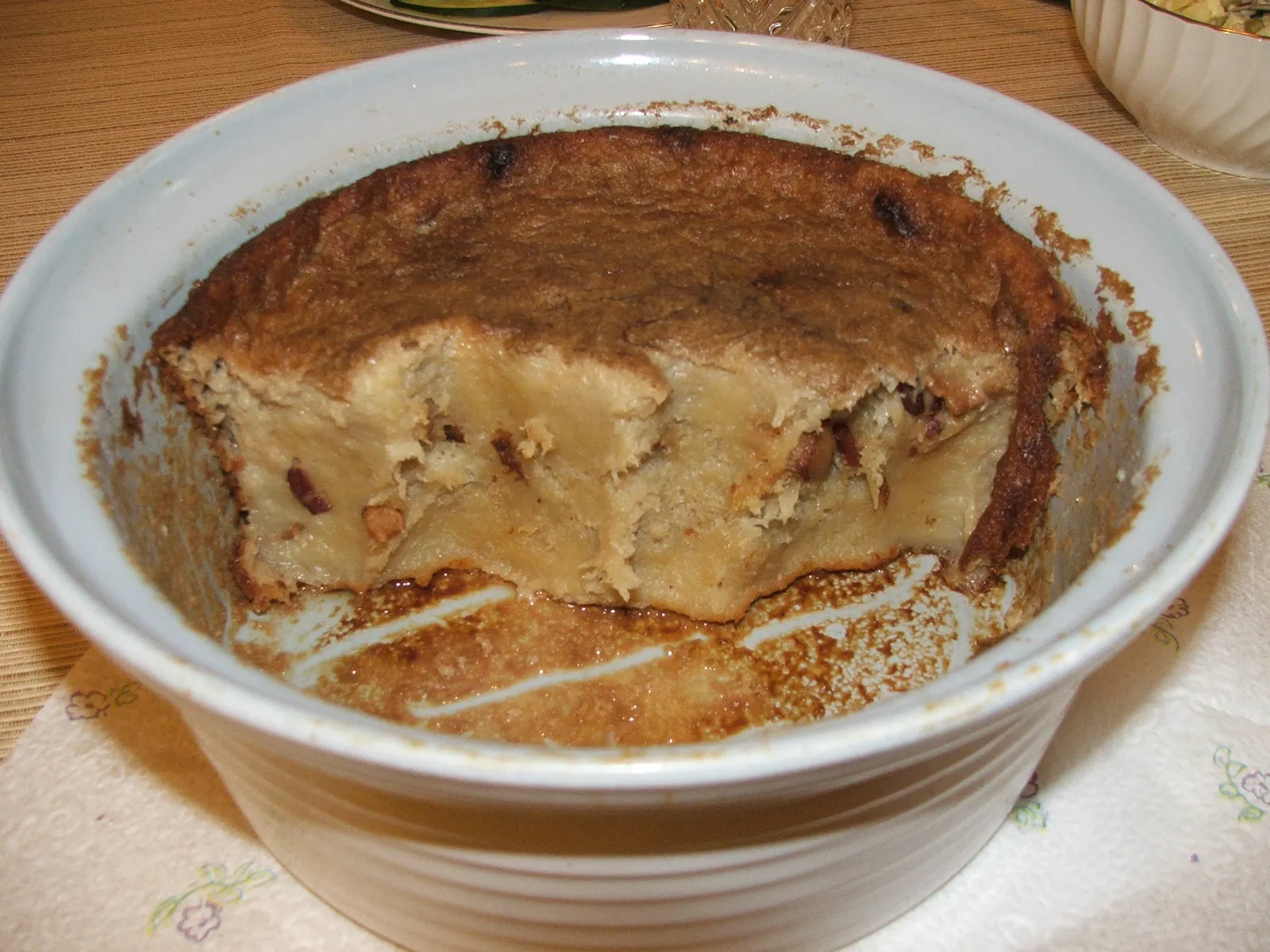
Golden-brown baked Belarusian potato babka in a white ceramic dish, a wedge cut out showing the pale potato inside with pieces of bacon Belarus flag Belarus 1h 40m
Dinner •Belarusian Heritage

Belarusian Potato Babka

This belarusian potato babka recipe turns grated potato, onion, egg and pieces of pork and bacon into a deep, golden casserole that bakes slowly until the top is crisp and the inside is soft and steaming. Unlike draniki, which are fried as thin pancakes, babka is baked as one thick cake in a dish and sliced at the table like a savoury loaf. One serving is about 292 g, with sour cream.

Comfort & Warmth

A golden baked potato casserole with pork and bacon, crisp on top and soft inside, served hot in thick slices with cool sour cream.

Pairs Well With
Sour cream, pickled cucumbers & dill

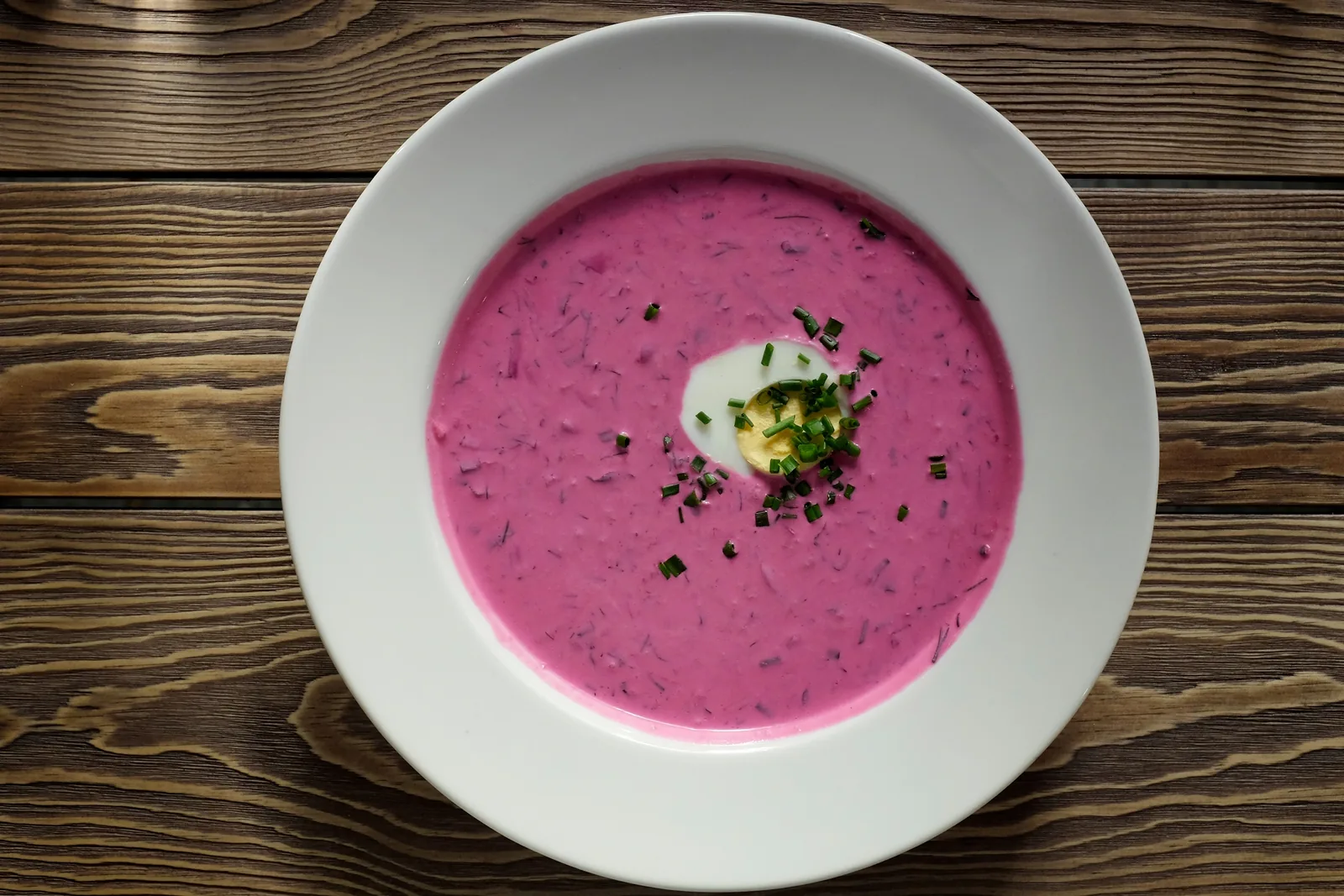
A bowl of vivid pink cold beet soup topped with half a hard-boiled egg and chopped chives on a wooden table Belarus flag Belarus 45m
Lunch •Belarusian Heritage

Kholodnik

This kholodnik recipe is Belarus's answer to a hot summer day: cooked beetroot blended with cold kefir into a vivid pink soup, then filled with cucumber, spring onion, dill and halved hard-boiled eggs. It is served fridge-cold, with hot boiled potatoes on the side to dip and spoon in. One serving is about 431 g, with potatoes.

Light & Refreshing

A chilled magenta beet soup with kefir, cucumber, egg and dill, served with hot boiled potatoes on the side — summer in a bowl.

Pairs Well With
Hot boiled potatoes, rye bread & cold kvass
Soups & Broths
Tagliatelle al ragù Bolognese in a bowl with Parmigiano-Reggiano Italy flag Italy 4h 25m
Lunch •Emilia-Romagna

Tagliatelle al Ragù Bolognese

Slow-braised soffritto and coarse ground heritage meats layered over handmade egg yolk dough for mid-day stamina.

Lean Protein

Slow-simmered beef ragù tossed through fresh egg tagliatelle.

Pairs Well With
Bitter Radicchio & Aged Balsamico di Modena
Pasta & Noodles • High Protein
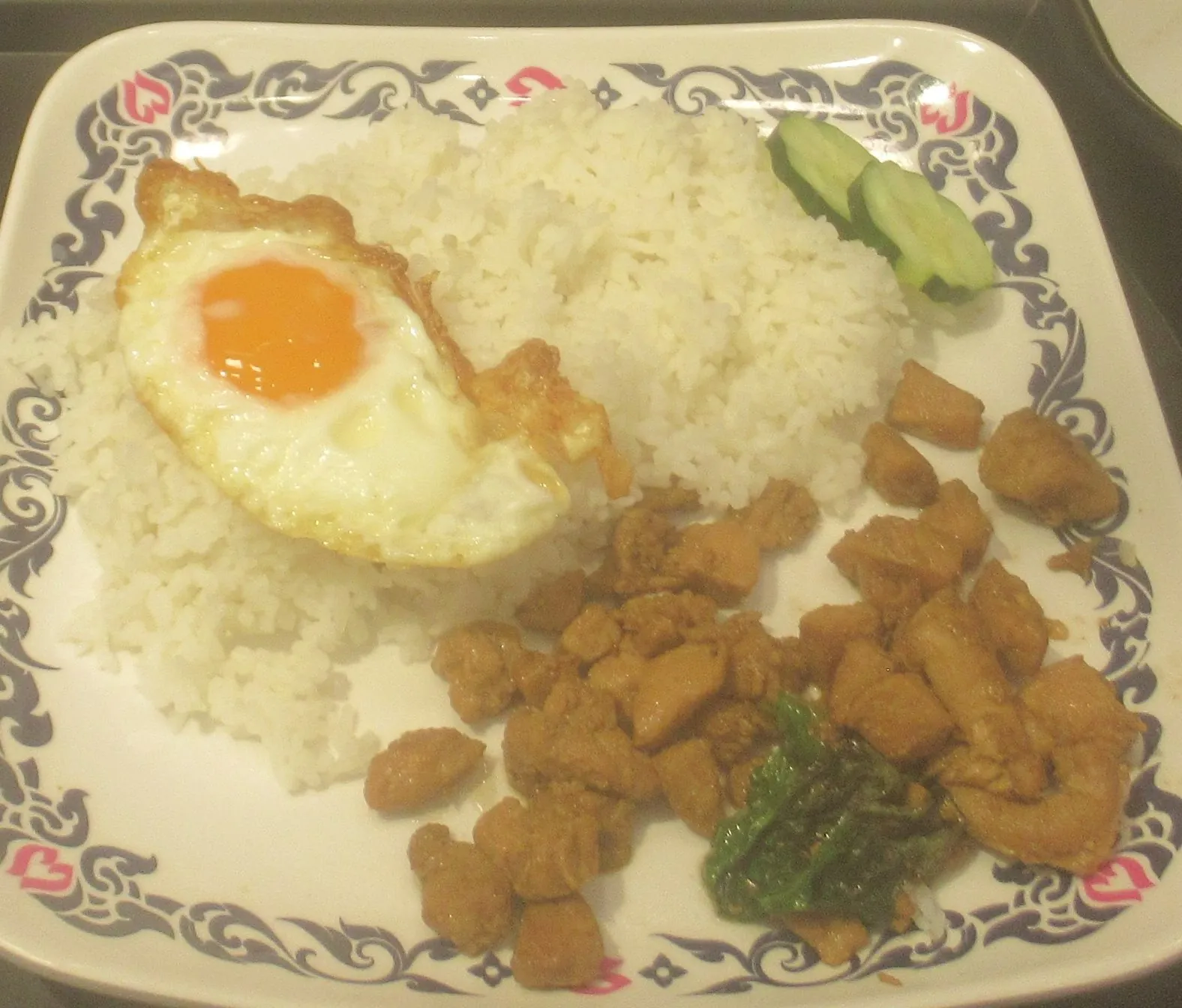
Pad kra pao gai — Thai holy basil chicken with fried egg and rice Thailand flag Thailand 30m
Lunch •Bangkok Street Flame

Pad Kra Pao Gai

High-heat wok flash of holy basil and crushed chillies over minced chicken, served over jasmine rice with a crispy-edged fried egg.

High Energy

Capsaicin brings the heat; holy basil adds a peppery, clove-like aroma.

Pairs Well With
Chilled Cucumber Salad & Fish Sauce Lime Dip
High Protein • Quick Prep (<30m)

The Dinner Gazette

Never wonder what’s for dinner again

One email a week with easy dinner ideas from around the world — ingredients, steps and nutrition, tested in our kitchen first.

Delivered every Thursday morning. Unsubscribe anytime.