Curated recipes from 193 countries  •  New seasonal Mediterranean issue out now

Overview

Kholodnik

Belarusian Cold Beet Soup, Chaladnik

This kholodnik recipe is Belarus's answer to a hot summer day: cooked beetroot blended with cold kefir into a vivid pink soup, then filled with cucumber, spring onion, dill and halved hard-boiled eggs. It is served fridge-cold, with hot boiled potatoes on the side to dip and spoon in. One serving is about 431 g, with potatoes.

Cold beet soups grew out of the shared food culture of the Polish-Lithuanian Commonwealth, where beetroot, soured milk and summer herbs were everyday food. In Belarusian it is called chaladnik, from the word for cold, and it became the summer soup of farmhouse kitchens: beets from the garden, kefir from the dairy, cucumber and dill at their peak. The first written recipe for the Lithuanian version was recorded in Warsaw at the end of the 18th century, and the soup has been a hot-weather staple across Belarus, Poland, Lithuania and Ukraine ever since.

Pairs well with: Hot boiled potatoes, rye bread & cold kvass

Provenance

Belarus flag Belarus

Belarusian Heritage

Nordic & European

Time Dedication

45m

20m prep • 25m cook

Batch Yield

4 Servings

263 kcal per serving

1 serving ≈ 431 g

Technical Skill

Easy

Easy (No-Cook Serve)

Meal Timing & Digestive Fit

Breakfast

Not Advised

Lunch

Prime Metabolic Fit

Dinner

Ideal Hearty Main

Snack & Tea

Inappropriate

Soups & Broths Occasions: Hot summer lunches, garden parties, picnics, light weekday meals Cost: Low — about $2–3 per serving at home
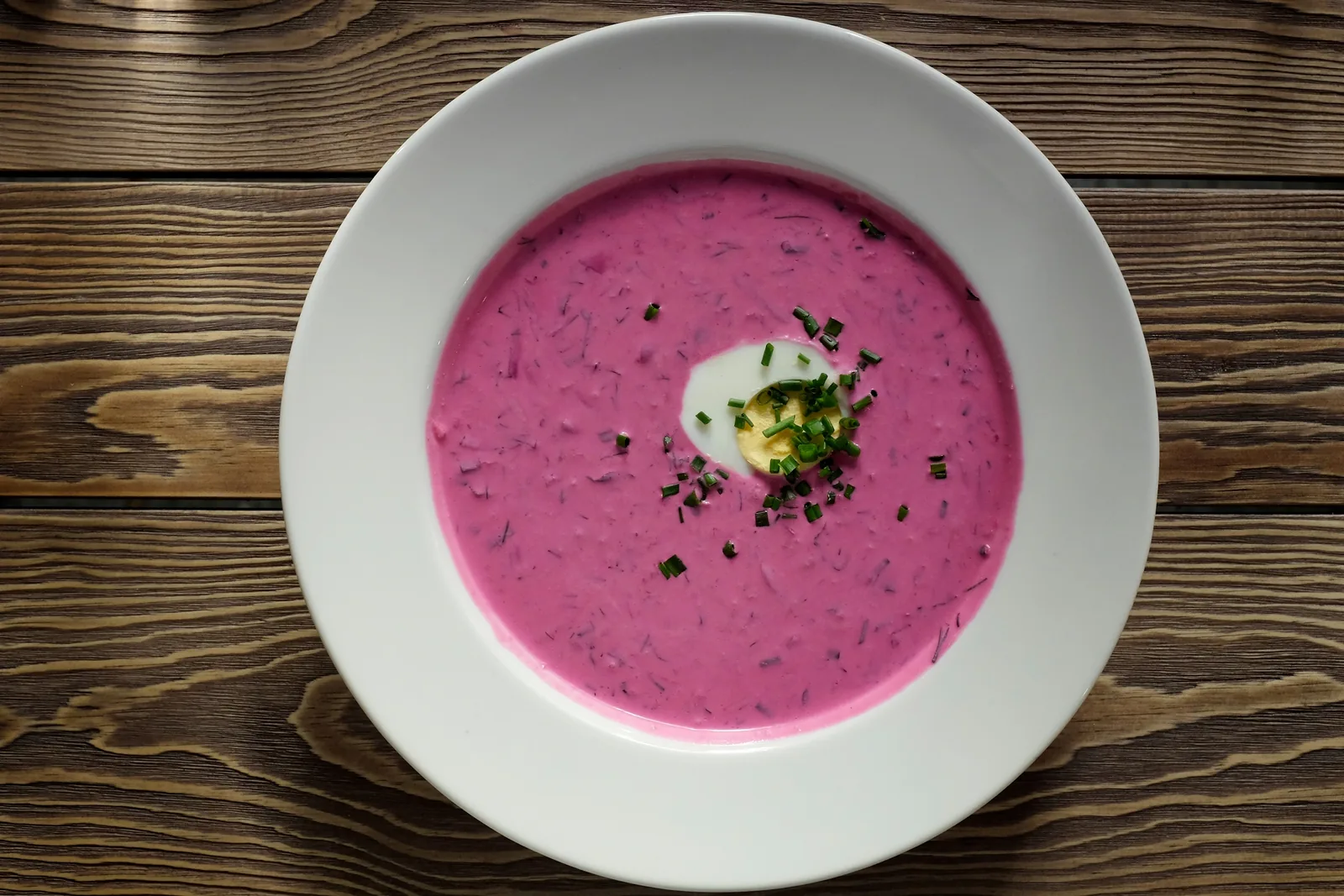
A bowl of vivid pink cold beet soup topped with half a hard-boiled egg and chopped chives on a wooden table

Belarusian Heritage

Photo: Dmitry Dzema, CC BY-SA 4.0, via Wikimedia Commons

The Heritage Formulary

Measured Ingredients

Estimated cost: Low — about $2–3 per serving at home (USD)

Made the traditional way: beetroot boiled in its skin, mixed cold with kefir, chilled until ice-cold and served with hot potatoes.

Execution Methodology & Culinary Technique

Step-by-Step Cooking Guide

Active 45m
P

Prep Stage: Boil, Cool & Chop

20 Mins • Boiling & Chopping

Boil the beetroot whole in the skin and the eggs in a separate pan. While they cook, dice the cucumber, slice the spring onions and chop the dill. Once the beetroot is tender, cool it under cold water, slip off the skin and grate it coarsely. Boil the potatoes in salted water until tender.

Maestro Tip: Boiling beetroot in its skin keeps the colour in the root instead of bleeding into the water — and it peels in seconds once cool.

  1. 1

    Boil the Beetroot & Eggs

    25 Mins Boiling water, 100°C (212°F)

    Put the scrubbed beetroot in a pan, cover with cold water and boil for 20 to 25 minutes until a knife slides in easily. In a second pan, boil the eggs for 10 minutes, then cool them in cold water. Boil the potatoes separately in salted water until tender, about 20 minutes.

    Test the largest beet: if the knife meets resistance in the centre, give it 5 more minutes — undercooked beet stays woody in the soup.

    Done when: Beetroot tender all the way through; eggs fully set; potatoes tender but not splitting.

  2. 2

    Cool & Grate the Beetroot

    10 Mins No heat — cool under cold water

    Cool the beetroot under cold running water, then rub off the skin with your hands and grate it coarsely into a large bowl. Peel the eggs and halve them. Keep everything cold from here on.

    Wear gloves or rub a little oil on your hands first — beet juice stains skin for hours.

    Done when: Smooth, skin-free beetroot grated into even shreds; eggs peeled cleanly.

  3. 3

    Mix the Cold Soup

    10 Mins Chilled, 4°C (39°F)

    Stir the cold kefir into the grated beetroot until the soup turns an even vivid pink. Add the diced cucumber, spring onions and most of the dill, then the lemon juice and salt. Taste and adjust: it should be tangy, lightly salty and refreshing, never sweet.

    The soup must be cold before the kefir goes in — warm beetroot would curdle the kefir and dull the colour.

    Done when: An even magenta soup with cucumber and herbs folded through; tangy on the tongue.

  4. 4

    Chill Until Ice-Cold

    120 Mins Chill in the fridge, ~4°C (39°F)

    Cover the bowl and chill for at least 2 hours, or overnight. The flavours settle and the soup must be properly cold — kholodnik is served at fridge temperature, 4°C (40°F) or below. Do not leave the finished soup out at room temperature for more than 2 hours.

    Chilling overnight deepens the colour and lets the dill and onion perfume the kefir; stir once before serving.

    Done when: Soup cold to the touch at 4°C (40°F) or below, colour deep and even.

  5. 5

    Serve with Egg & Hot Potatoes

    5 Mins Soup chilled, 4°C (39°F); potatoes hot, ~70°C (158°F)

    Ladle the cold soup into bowls, lay half an egg in each, add a spoonful of sour cream and a scattering of dill. Serve at once with the hot boiled potatoes on a separate plate, so each person can spoon potato into the cold soup or eat it alongside.

    The hot-cold contrast is the pleasure of the dish — reheat the potatoes if they have gone lukewarm, but never warm the soup itself.

    Done when: Ice-cold pink soup, creamy swirl of sour cream, hot potatoes steaming on the side.

Finishing Touches & Plating

Give the soup one last stir, check the salt and lemon once more after chilling — cold food tastes less salty than warm food — and serve with the dill and sour cream on top.
Nutritional Physiology & Benefits

Nutrition

Energy

263

kcal / serving

Protein

12g

Complete AA

Carbs

40g

Complex

Fats

7g

Healthy

Per serving (4 servings · 1 serving ≈ 431 g)
Energy263 kcal
Protein12 g
Carbohydrates40 g
Fat7 g
Fibre4.4 g
Sugar16.9 g
Sodium573 mg
Per 100g
Energy61 kcal
Protein2.7 g
Carbohydrates9.3 g
Fat1.7 g
Fibre1 g
Sugar3.9 g
Sodium133 mg

Nutrition values are estimated — calculated from USDA FoodData Central values for the listed ingredients.

Vitamins & minerals: Beetroot supplies folate, manganese and potassium, kefir adds calcium and vitamin B12, and the egg adds vitamin D and selenium. All nutrition values are estimated.

Light & Hydrating

Mostly kefir, beetroot and cucumber, so one serving is only about 263 kcal yet feels like a full lunch with the potatoes.

Folate & Potassium

Beetroot is a natural source of folate and potassium, and the kefir adds calcium and protein to the bowl.

Fermented Dairy & Fibre

Kefir is a fermented food, and the beetroot, cucumber and potato together give about 4.4 g of fibre per serving.

Food Pairings

What to Eat With

To optimize nutrient absorption and elevate the sensory depth, pair with these authentic accompaniments:

Sides

Hot Boiled Potatoes

The classic partner: hot, floury potatoes against ice-cold soup is the contrast Belarusians love, and the potato makes the light soup a full meal.

Dark Rye Bread

Dense, sour rye bread is made for dunking in the pink soup, and its malty flavour stands up to the beetroot and kefir.

Vegetables

Radish & Spring Onion Salad

Peppery radishes and spring onion echo the crunch already in the soup and add a fresh bite without weighing the meal down.

Drinks

Cold Kvass

Lightly sour, lightly sparkling kvass matches the soup's tang and cools you down further on a hot day.

Full Menus

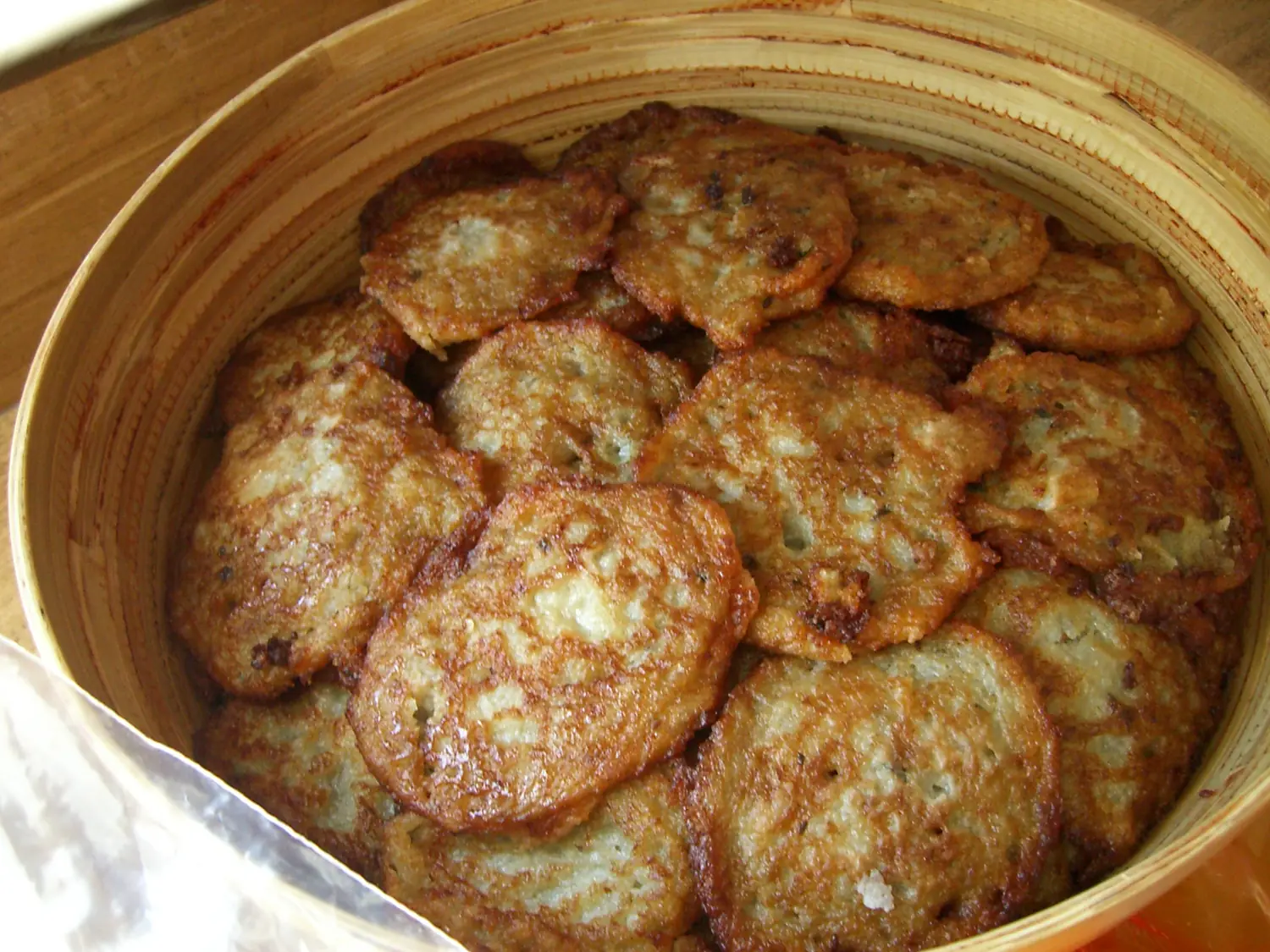
Draniki on the Side

A small plate of crisp draniki turns the soup into a feast — the warm, salty pancake against the cold soup is a classic Belarusian summer lunch.

Complete menu

Serve the kholodnik ice-cold with hot boiled potatoes and dark rye bread, a radish salad on the side, and cold kvass to drink.

Digestive Guardrails

What NOT to Combine

To prevent digestive distress, sluggishness, or palate clash, avoid pairing the dish with these elements:

Leaving It Warm on the Table

Kholodnik is a dairy soup and must stay cold: do not leave it out at room temperature for more than 2 hours, and keep it at 4°C (40°F) or below in the fridge. This is general food-safety information, not medical advice.

Very Salty Smoked Fish Alongside

The soup is already salted and the potatoes are boiled in salted water, so a large portion of salty smoked fish in the same meal can make the whole lunch very high in sodium. This is general food information, not medical advice.

General information only, not medical advice — consult a doctor for personal dietary decisions.

Who Should Eat It

Who Should Eat

  • General adultsA light, refreshing lunch at 263 kcal — filling enough with the potatoes, and easy to digest on a hot day.
  • ChildrenChildren enjoy the bright pink colour and mild flavour; serve the egg and potatoes first and let them try the soup in a small cup.
  • ElderlySoft, cool and easy to eat, with no chewing difficulty; keep the potatoes well cooked and the soup properly chilled.
  • Pregnant womenKefir and egg are generally well tolerated; keep portions moderate and use pasteurised kefir and fully cooked eggs.
  • Breastfeeding womenA light, hydrating lunch with calcium from kefir and folate from beetroot; use pasteurised kefir and fully cooked eggs.
  • AthletesLight on energy for a training day — treat it as a recovery lunch with the potatoes, or add an extra egg for more protein.
  • Weight gainLight and low in fat, so it is not the best choice for weight gain unless served with extra potatoes, bread and sour cream.
  • Weight lossAt 263 kcal with 4.4 g fibre, it is a genuinely light lunch; the potatoes are the main carbohydrate, so keep them to the stated amount.

Health Conditions — Adjust or Avoid

Conditions

  • DiabetesBeetroot is naturally sweet, so the soup carries about 16.9 g sugar per serving; keep to one serving and skip sweet drinks with it. Ask your clinician about portions.
  • High blood pressureOne serving carries about 573 mg sodium, so avoid adding more salt or salty fish to the same meal. Ask your clinician about portions.
  • Kidney diseaseBeetroot and potato are high in potassium, which matters for some kidney diets; keep portions modest. Ask your clinician about portions.
  • GoutBeetroot is rich in oxalates, which some people with a history of kidney stones are advised to limit; portions should stay modest. Ask your clinician about portions.
  • Stomach issuesCold, mild and easy on the stomach for most people, but the raw onion and cucumber can trouble sensitive stomachs — use less onion if needed. Ask your clinician about portions.
  • Cardiovascular diseaseLow in fat and rich in vegetables, so it fits a heart-friendly pattern well; the sodium is the part to watch. Ask your clinician about portions.
  • Fatty liverLight and low in fat, and the beetroot fibre helps; keep the sour cream modest. Ask your clinician about portions.
  • Food allergiesContains milk (kefir, sour cream) and egg. People with milk or egg allergy should not eat it unless safe substitutes are used. Ask your clinician about safe alternatives.
  • Special therapeutic dietsThe soup is naturally low-fat and vegetable-based, but any therapeutic diet should be checked against the full ingredient list with a clinician.

If you have a medical condition, consult your doctor before changing your diet.

Storage & Use

Storage & Use

How to store
Cool quickly and store in a covered container in the fridge; keep the boiled potatoes and eggs separate.
In the fridge
Kholodnik keeps 2 days in the fridge at 4°C (40°F) or below; do not leave it out at room temperature for more than 2 hours.
In the freezer
Do not freeze — kefir separates and the cucumber turns soft when thawed.
How to reheat
Do not reheat: kholodnik is served cold. If it has warmed up, chill it again to 4°C (40°F) or below before serving; reheat only the boiled potatoes, to 74°C (165°F).
Freezing recommended
No — freezing ruins the texture of the kefir and cucumber.
Signs it has spoiled
Sour or yeasty smell beyond the normal kefir tang, slimy cucumber, or a fizzy taste.

More recipes to explore

Golden-brown Belarusian draniki potato pancakes piled in a wooden bowl Belarus flag Belarus 40m
Lunch •Belarusian Heritage

Draniki

This draniki recipe turns grated potato, onion and egg into golden, lacy-edged pancakes that are shatteringly crisp on the outside and soft in the middle. A spoonful of flour holds the batter together, and they are fried in hot oil and served straight from the pan with sour cream. One serving is about 280 g, with sour cream.

Comfort & Warmth

Golden potato pancakes, crisp outside and soft inside, served hot with cool sour cream — the everyday Belarusian classic.

Pairs Well With
Sour cream, smoked salmon & fresh dill
Quick Prep (<30m)
Golden-brown baked Belarusian potato babka in a white ceramic dish, a wedge cut out showing the pale potato inside with pieces of bacon Belarus flag Belarus 1h 40m
Dinner •Belarusian Heritage

Belarusian Potato Babka

This belarusian potato babka recipe turns grated potato, onion, egg and pieces of pork and bacon into a deep, golden casserole that bakes slowly until the top is crisp and the inside is soft and steaming. Unlike draniki, which are fried as thin pancakes, babka is baked as one thick cake in a dish and sliced at the table like a savoury loaf. One serving is about 292 g, with sour cream.

Comfort & Warmth

A golden baked potato casserole with pork and bacon, crisp on top and soft inside, served hot in thick slices with cool sour cream.

Pairs Well With
Sour cream, pickled cucumbers & dill
Tagliatelle al ragù Bolognese in a bowl with Parmigiano-Reggiano Italy flag Italy 4h 25m
Lunch •Emilia-Romagna

Tagliatelle al Ragù Bolognese

Slow-braised soffritto and coarse ground heritage meats layered over handmade egg yolk dough for mid-day stamina.

Lean Protein

Slow-simmered beef ragù tossed through fresh egg tagliatelle.

Pairs Well With
Bitter Radicchio & Aged Balsamico di Modena
Pasta & Noodles • High Protein
Pad kra pao gai — Thai holy basil chicken with fried egg and rice Thailand flag Thailand 30m
Lunch •Bangkok Street Flame

Pad Kra Pao Gai

High-heat wok flash of holy basil and crushed chillies over minced chicken, served over jasmine rice with a crispy-edged fried egg.

High Energy

Capsaicin brings the heat; holy basil adds a peppery, clove-like aroma.

Pairs Well With
Chilled Cucumber Salad & Fish Sauce Lime Dip
High Protein • Quick Prep (<30m)

The Dinner Gazette

Never wonder what’s for dinner again

One email a week with easy dinner ideas from around the world — ingredients, steps and nutrition, tested in our kitchen first.

Delivered every Thursday morning. Unsubscribe anytime.