Curated recipes from 193 countries  •  New seasonal Mediterranean issue out now

Overview

Dulce de Leche

Manjar, Arequipe, Cajeta (regional names for milk caramel)

This dulce de leche recipe slowly cooks whole milk and sugar into a thick, glossy caramel spread — the defining sweet of Argentina. One serving is 30 g, about two tablespoons, with 113 kcal. It takes two hours of gentle simmering and patient stirring, but the result is a jar of deep golden caramel that belongs on toast, in alfajores, and swirled through ice cream.

Dulce de leche — literally 'sweet of milk' — is the caramel spread at the heart of Argentine food, spooned onto toast, sandwiched into alfajores, and swirled through ice cream. Its exact origin is disputed across Latin America, with Argentina, Uruguay and Chile all claiming it, but in Argentina it became a national pantry staple in the 19th century and has stayed one ever since. The traditional method is simple and slow: milk and sugar simmered for hours in an open pot until the water evaporates and the sugars caramelise into a thick, golden spread. It is the same idea as French confiture de lait, but in Argentina it is not a curiosity — it is an everyday food.

Pairs well with: Buttered toast is the everyday partner — the warm, salty butter against the sweet caramel is the classic Argentine merienda.

Provenance

Argentina flag Argentina

Argentine Pantry Classic

Latin America & Caribbean

Time Dedication

2h 10m

10m prep • 120m cook

Batch Yield

16 Servings

113 kcal per serving

1 serving ≈ 30 g

Technical Skill

Intermediate

Easy (Slow Simmer)

Meal Timing & Digestive Fit

Breakfast

Not Advised

Lunch

Inappropriate

Dinner

Inappropriate

Snack & Tea

Ideal Light Bite

Occasions: Afternoon snacks, baking days, filling alfajores, dessert toppings, homemade gifts Cost: Low — about $1–2 per serving at home

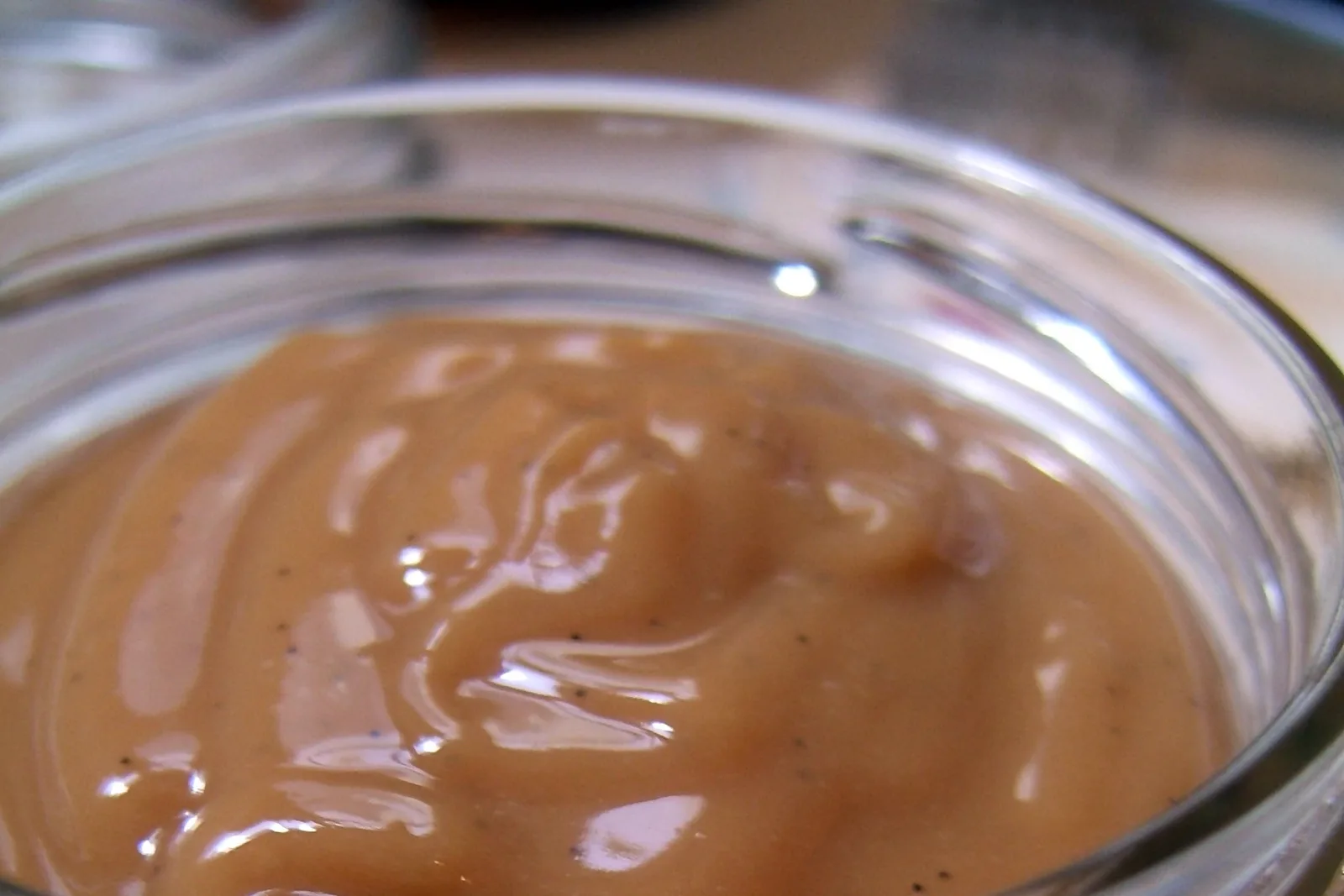
A glass jar of smooth, glossy golden dulce de leche caramel spread

Argentine Pantry Classic

Photo: audinou, CC BY 2.0, via Wikimedia Commons

The Heritage Formulary

Measured Ingredients

Estimated cost: Low — about $1–2 per serving at home (USD)
Whole milk and sugar are simmered gently for two hours in an open pot until thick and golden, with no sealed cans involved.

Execution Methodology & Culinary Technique

Step-by-Step Cooking Guide

Active 2h 10m
P

Dissolve and Heat

10 minutes

Pour the milk into a heavy-based saucepan, stir in the sugar until dissolved, and add the baking soda. Set the pan over medium heat and have a wooden spoon ready — the milk will rise and foam as it heats, so you need to be at the stove for the first few minutes.

Maestro Tip: Use the widest, heaviest pot you own — a wide surface helps the water evaporate, and a heavy base stops the milk from scorching.

  1. 1

    Dissolve the Sugar

    10 Minutes Medium heat, about 90°C (195°F)

    Pour the milk into a heavy-based saucepan and stir in the sugar over medium heat until it has fully dissolved. Stir in the baking soda — the milk will foam up briefly, which is normal. Keep stirring until the foam settles.

    The baking soda is what stops the milk curdling over a two-hour cook — do not skip it.

    Done when: The sugar is completely dissolved, the milk is hot and steaming, and the foam from the baking soda has settled back down.

  2. 2

    Bring to a Gentle Simmer

    30 Minutes Low simmer, about 90°C (194°F)

    Bring the milk just to a bare simmer, then turn the heat down to low so the surface barely trembles. The milk must never boil hard, or it will rise up and spill over. Stir every 5–10 minutes, scraping the bottom and sides of the pot.

    A marble or a small clean plate dropped into the pot rattles when the milk is about to boil over — an old trick that warns you before the mess happens.

    Done when: A gentle simmer with small bubbles breaking the surface; no rolling boil and no skin forming on top.

  3. 3

    Simmer and Reduce

    60 Minutes Low simmer, about 90°C (194°F)

    Keep simmering on low, stirring every 10 minutes as the milk slowly reduces and turns from white to pale gold. As it thickens, stir more often — every 3–5 minutes — and scrape the sides down, because the thicker it gets, the faster it can catch and burn.

    Do not walk away for long stretches in the second hour — this is when a dulce de leche goes from perfect to burnt in minutes.

    Done when: The milk has reduced by more than half, turned a pale caramel colour, and coats the spoon when you lift it out.

  4. 4

    Finish to a Deep Gold

    20 Minutes Low simmer, about 90°C (194°F)

    In the last 15–20 minutes the mixture darkens to a deep golden brown and thickens noticeably. Stir constantly now, watching for the moment a spoon dragged across the bottom leaves a clear trail that closes slowly behind it. Take the pot off the heat at that point — it thickens further as it cools.

    It is better to stop a minute early than a minute late — an overcooked batch turns grainy and bitter, and there is no way back.

    Done when: Deep golden brown, thick enough that a spoon trail across the bottom stays visible for a second or two before closing.

  5. 5

    Strain and Jar

    20 Minutes Cool to room temperature, about 21°C (70°F)

    Stir in the vanilla extract, then pass the dulce de leche through a fine sieve into a clean bowl to catch any small lumps. Let it cool for 20 minutes, then spoon into a clean glass jar and seal. Store in the fridge.

    The sieve is the difference between a good batch and a great one — it catches the tiny milk solids that form during the long cook.

    Done when: Smooth, glossy and thick, with no lumps; it pours slowly from the spoon and holds its shape in the jar.

Finishing Touches & Plating

Let the dulce de leche cool in the pot, then spoon it into a clean glass jar and seal it. It thickens as it cools into a slow, spoonable caramel — spread it on toast, sandwich it between alfajores, or warm a spoonful and drizzle it over ice cream.

Nutritional Physiology & Benefits

Nutrition

Energy

113

kcal / serving

Protein

2g

Complete AA

Carbs

22g

Complex

Fats

2g

Healthy

Per serving (16 servings · 1 serving ≈ 30 g)
Energy113 kcal
Protein2 g
Carbohydrates22 g
Fat2 g
Fibre0.0 g
Sugar22.0 g
Sodium45 mg
Per 100g
Energy377 kcal
Protein6.7 g
Carbohydrates73 g
Fat7 g
Fibre0 g
Sugar73.3 g
Sodium150 mg

Nutrition values are estimated — calculated from USDA FoodData Central values for the listed ingredients.

Vitamins & minerals: Provides calcium and vitamin B12 from the milk, with small amounts of vitamin A. Nutrition is estimated.

Quick Energy

About 21.9 g of carbohydrate per 30 g serving, mostly sugars, giving quick energy — useful spread on toast before a morning walk or training session.

Four Simple Ingredients

Made from just milk, sugar, baking soda and vanilla — no preservatives, no artificial colours, and nothing you cannot pronounce.

Calcium and B12 from Milk

Whole milk brings calcium and vitamin B12 to the spread, so a spoonful carries more nutrition than plain sugar or jam.

Food Pairings

What to Eat With

To optimize nutrient absorption and elevate the sensory depth, pair with these authentic accompaniments:

Sides

Alfajores

The two halves of an alfajor hold the caramel in place, and the crumbly biscuit soaks up just enough of it to stay soft without falling apart.

Toast with Banana

A banana's fresh, mild sweetness and soft texture pair naturally with caramel — spread the dulce de leche on toast and top with sliced banana.

More Pairings

Vanilla Ice Cream

Warm dulce de leche poured over cold vanilla ice cream melts into a sauce as it hits the scoop — hot and cold, sweet and creamy at once.

Drinks

Coffee or Mate

A spoonful stirred into coffee or spread on toast beside a cup of mate is how Argentines actually eat it — the bitter drink balances the sweet spread.

Complete menu

Spread dulce de leche on buttered toast with a cup of mate or coffee for a classic Argentine afternoon snack, or use it to fill alfajores.

Digestive Guardrails

What NOT to Combine

To prevent digestive distress, sluggishness, or palate clash, avoid pairing the dish with these elements:

Milk Allergy and Lactose — Do Not Serve Freely

Dulce de leche is made from milk and contains lactose and milk protein. Anyone with a milk allergy must not eat it, and people with lactose intolerance should keep to very small amounts or avoid it. This is general information, not medical advice.

Spoiled Jars

A jar that smells sour, shows mould, or has a fermented, fizzy taste has gone off and must be thrown away — do not scrape the top off and use the rest. This is general information, not medical advice.

Never Boil a Sealed Can

Never make dulce de leche by boiling a sealed can of condensed milk — sealed cans can explode when heated. This recipe cooks the milk and sugar in an open pot, which is the safe way. This is general information, not medical advice.

General information only, not medical advice — consult a doctor for personal dietary decisions.

Who Should Eat It

Who Should Eat

  • General adultsA spoonful of dulce de leche on toast or in baking is a simple pleasure — keep to the 30 g serving, as it is very sweet and energy-dense.
  • ChildrenChildren love it spread thinly on toast or swirled into yoghurt; keep portions small because of the sugar, and watch for milk allergy.
  • ElderlySoft, easy to eat and comforting; a thin spread is plenty, and the sugar means small portions are best.
  • Pregnant womenMade from milk simmered for two hours, so it is fully cooked and safe; keep to small servings because of the sugar and ask your clinician about any concerns.
  • Breastfeeding womenA small spoonful in baking or on toast fits fine; it adds energy, which breastfeeding mothers often need, but keep portions modest.
  • AthletesA quick source of energy before or after training — spread it on toast with a banana for fast carbohydrate.
  • Weight gainEnergy-dense and easy to eat — a generous spread on toast or in desserts adds calories without much volume.
  • Weight lossDelicious but very high in sugar and energy for its weight — stick to the 30 g serving and treat it as a condiment, not a snack on its own.

Health Conditions — Adjust or Avoid

Conditions

  • DiabetesVery high in sugar, so a 30 g serving is the maximum sensible portion and it should be an occasional treat; ask your clinician about portions.
  • High blood pressureLow in sodium, so salt is not the issue — the concern is the sugar, so keep servings small; ask your clinician about portions.
  • Kidney diseaseMilk-based, so it adds potassium and phosphorus; keep to small, occasional servings and ask your clinician.
  • GoutSugar-sweetened foods can raise uric acid, so keep this as an occasional small treat; ask your clinician.
  • Stomach issuesMilk and sugar together can trouble sensitive stomachs, especially with lactose intolerance — keep to a thin spread; ask your clinician if symptoms persist.
  • Cardiovascular diseaseHigh in sugar and saturated fat from the milk, so treat it as an occasional small portion rather than a daily habit; ask your clinician.
  • Fatty liverHigh in added sugar, which is best limited — keep to the 30 g serving and only occasionally; ask your clinician.
  • Food allergiesContains milk (major allergen). Naturally gluten-free and egg-free as written. Ask your clinician if you are unsure.
  • Special therapeutic dietsNaturally gluten-free and vegetarian; not suitable for dairy-free or vegan diets as written. Check any diet plan with your clinician before adapting the recipe.

If you have a medical condition, consult your doctor before changing your diet.

Storage & Use

Storage & Use

How to store
Store in a clean, sealed glass jar in the fridge; always use a clean spoon to serve it.
In the fridge
2–3 weeks in a sealed glass jar.
In the freezer
Up to 3 months in a freezer-safe container; thaw in the fridge overnight.
How to reheat
Warm gently in a pan of hot water or in short bursts in the microwave, stirring between bursts, until spreadable.
Freezing recommended
Yes, in small portions.
Signs it has spoiled
Sour smell, mould, or a fermented, fizzy taste.

More recipes to explore

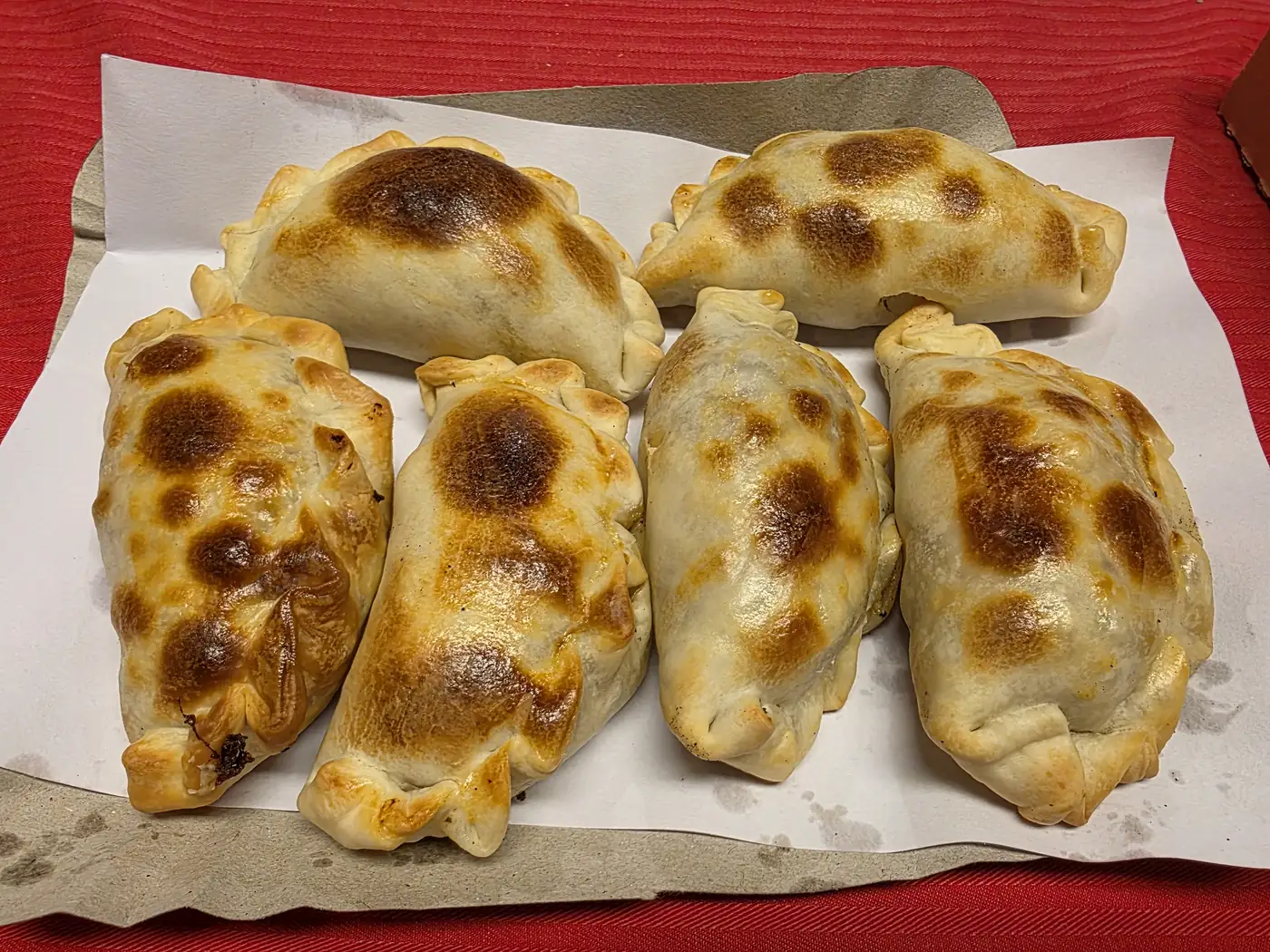
Golden baked Argentine beef empanadas with crimped edges on a plate Argentina flag Argentina 1h 25m
Lunch •Buenos Aires Heritage

Argentine Empanadas

Argentine empanadas are half-moon pastries of short, flaky wheat pastry — no yeast, no puff — folded over a savoury filling of seasoned ground beef, onion, hard-boiled egg, green olives and a few raisins, then sealed with the classic rope crimp called the repulgue and baked until deep gold. This is the beef empanada de carne found in bakeries and rotisseries across Buenos Aires. One serving (two empanadas) is about 260 g.

Hearty & Satisfying

Golden baked pastry wrapped around spiced beef, olive and egg — the hand-held lunch Argentina runs on.

Pairs Well With
Chimichurri & a simple green salad
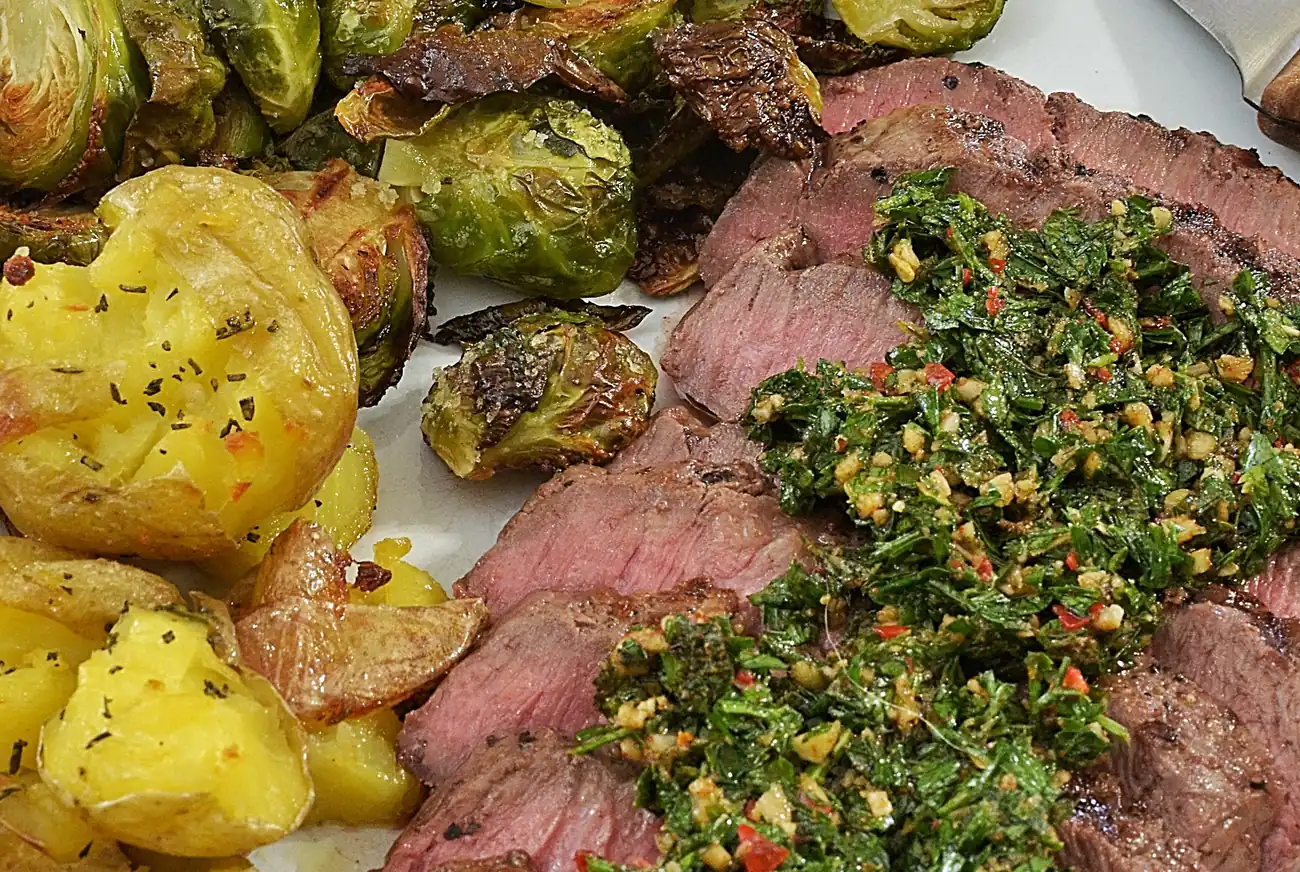
Sliced flat iron steak topped with green chimichurri on a plate Argentina flag Argentina 32m
Dinner •Pampas Asado Heritage

Chimichurri Steak

Chimichurri steak is the centrepiece of the Argentine asado: a thick sirloin grilled over high heat until charred outside and juicy inside, rested, sliced, and served with chimichurri — the raw sauce of parsley, garlic, oregano, red wine vinegar and olive oil that Argentina puts on almost everything grilled. The sauce is made first so its flavours can meld while the steak cooks. One serving is about 215 g.

High-Protein & Satisfying

A thick grilled sirloin, rested and sliced, drowned in bright garlicky chimichurri — the heart of the Argentine asado.

Pairs Well With
Roasted potatoes & grilled vegetables
High Protein
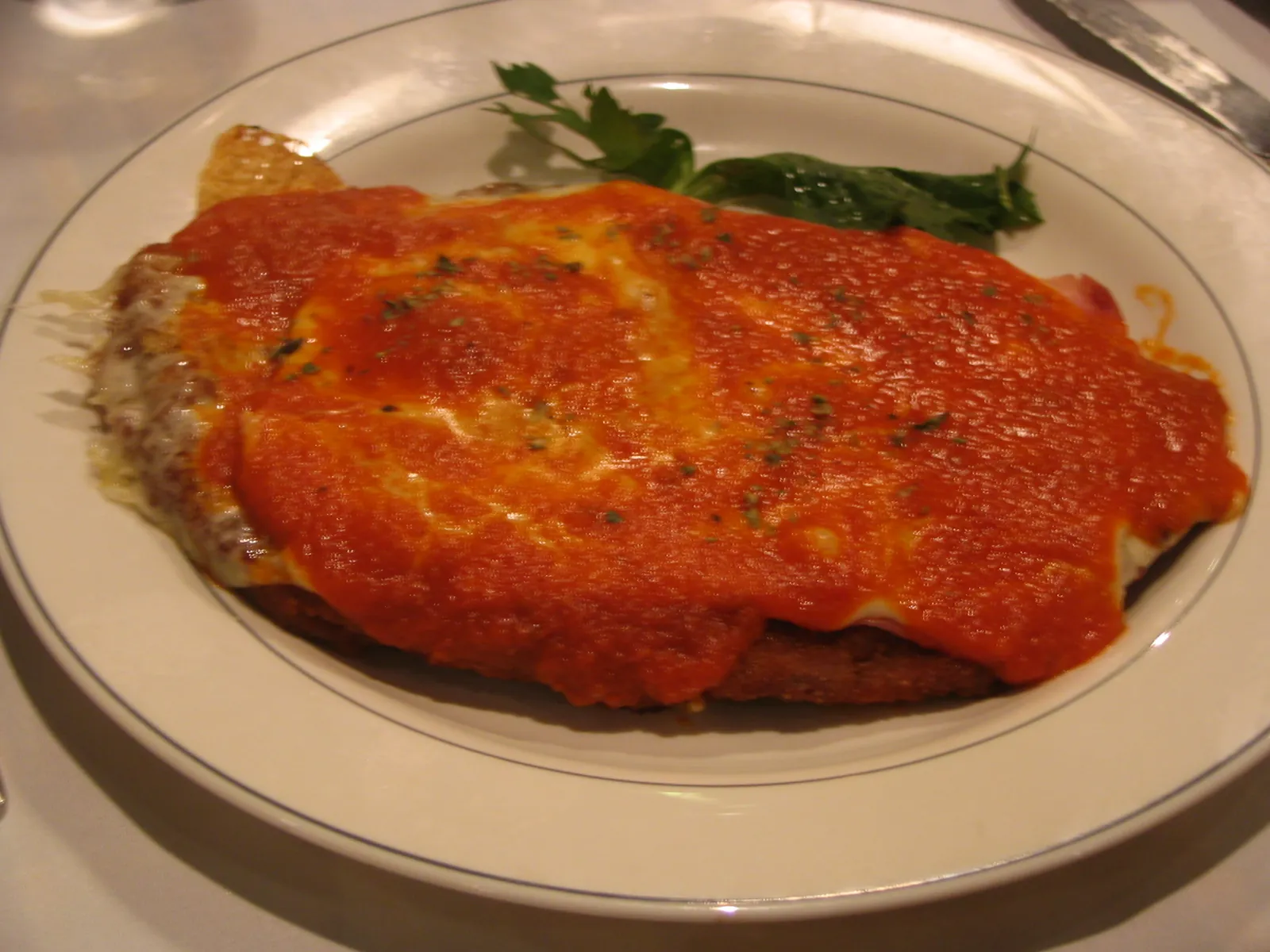
Breaded milanesa steak topped with tomato sauce and melted cheese Argentina flag Argentina 45m
Dinner •Buenos Aires Heritage

Milanesa a la Napolitana

Milanesa a la napolitana starts as a milanesa — a thin beef steak pounded flat, dredged in flour and egg, coated in breadcrumbs and fried until crisp — and then becomes something else entirely: topped with tomato sauce, a slice of ham and a blanket of mozzarella, it goes back into the oven until the cheese bubbles. It is the dish Argentine families order at the neighbourhood bodegon, always with French fries. One serving is about 350 g, before the fries.

Comforting & Satisfying

A crisp breaded steak, fried golden, then finished in the oven under tomato sauce, ham and bubbling mozzarella — Argentina's favourite comfort plate.

Pairs Well With
French fries & a green salad
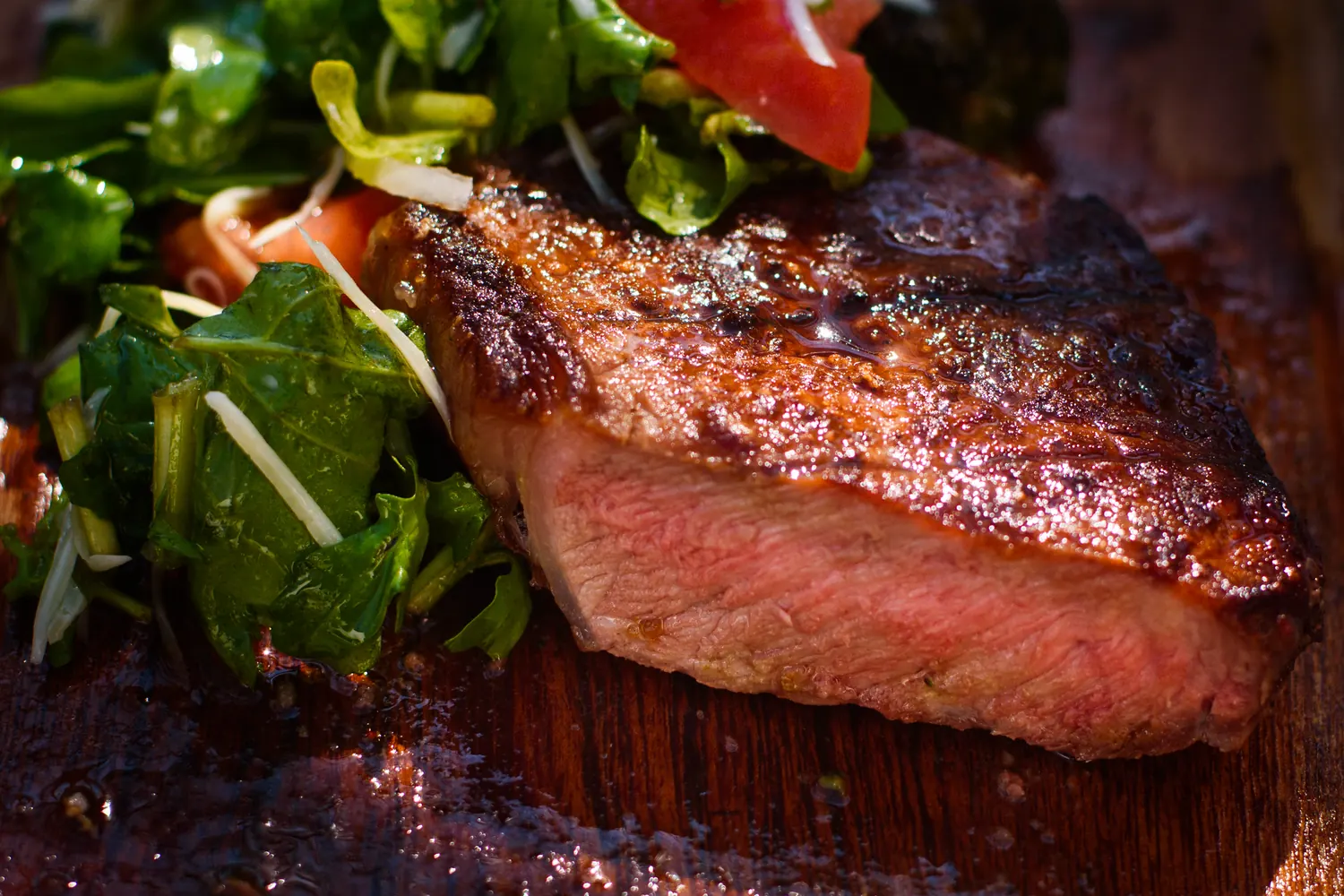
A grilled bife de chorizo steak, pink inside, with green salad on a wooden board Argentina flag Argentina 2h 30m
Dinner •Buenos Aires Parrilla Heritage

Argentine Asado

This argentine asado recipe is the full Sunday parrillada: tira de asado, vacio, entrana and bife de chorizo, plus chorizo, morcilla, mollejas and chinchulines, all cooked slowly over quebracho charcoal embers and seasoned with nothing but coarse salt. It opens with provoleta, grilled provolone with oregano, and the meat is served piece by piece as each cut is ready, with chimichurri and salsa criolla on the table. One serving is about 460 g.

High-Protein & Satisfying

A slow mixed grill of beef cuts, chorizo, morcilla and achuras over quebracho embers, opened with grilled provoleta and served with chimichurri and salsa criolla.

Pairs Well With
Chimichurri, salsa criolla & Malbec
High Protein

The Dinner Gazette

Never wonder what’s for dinner again

One email a week with easy dinner ideas from around the world — ingredients, steps and nutrition, tested in our kitchen first.

Delivered every Thursday morning. Unsubscribe anytime.