Curated recipes from 193 countries  •  New seasonal Mediterranean issue out now

Overview

Egyptian Baladi Bread

Aish Baladi, Eish Baladi, Egyptian Wholemeal Flatbread

This egyptian baladi bread recipe makes 8 puffed wholemeal rounds from a wet, bran-dusted dough, baked in a very hot oven until steam inflates each one into a pocket. It is Egypt's daily bread — aish means life — torn by hand to scoop up ful, dips and stews. One serving is about 100 g.

In Egypt, bread is not called khobz as it is elsewhere in the Arab world — it is called aish, which means life, and aish baladi, the traditional flatbread, is the loaf that name was made for. It is a yeasted, pocket-style bread made mostly from wholemeal flour, its crust rich with wheat bran, baked for a minute or two in a very hot oven where steam inflates it like a balloon. The bread is so central to Egyptian life that the state has subsidised it for decades, and when the government tried to cut the subsidy in January 1977, the Bread Riots that followed forced the cut to be reversed. Fresh baladi bread appears at every meal, torn by hand to scoop up ful medames, molokhia and dips — and it is the bread Egyptians reach for first, every day.

Pairs well with: Ful medames, ta'ameya and a chopped baladi salad

Provenance

Egypt flag Egypt

Egyptian Daily Bread

Middle Eastern

Time Dedication

2h 5m

110m prep • 15m cook

Batch Yield

8 Servings

239 kcal per serving

1 serving ≈ 100 g

Technical Skill

Intermediate

Medium (Hot Oven Flatbread)

Meal Timing & Digestive Fit

Breakfast

Not Advised

Lunch

Prime Metabolic Fit

Dinner

Ideal Hearty Main

Snack & Tea

Inappropriate

Occasions: Everyday lunches, ful medames breakfasts, Ramadan evenings, family weekends, picnics Cost: Low — about $1 per serving at home
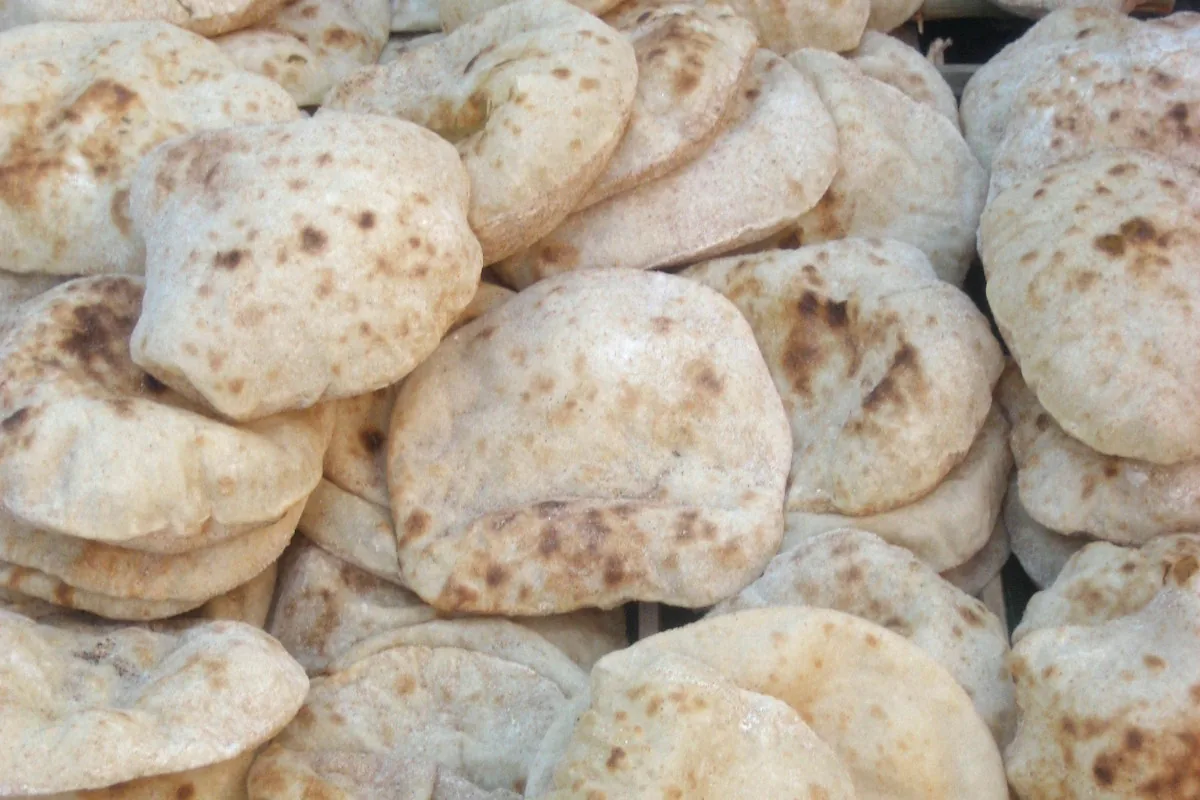
A rack of fresh Egyptian baladi bread — puffed golden wholemeal rounds speckled with bran

Egyptian Daily Bread

Photo: dustinpsmith, CC BY 2.0, via Wikimedia Commons

The Heritage Formulary

Measured Ingredients

Estimated cost: Low — about $1 per serving at home (USD)

A good baladi round is thin, wholemeal and bran-speckled, puffed into a pocket by very hot steam — never thick, never white, and never flat like a cracker. A cook following this recipe produces a thin pocket flatbread, not a thick sliced loaf (Moroccan khobz) and not a white pita (Lebanese pita bread).

Execution Methodology & Culinary Technique

Step-by-Step Cooking Guide

Active 2h 5m
P

Prep Stage: Mix, Knead and Rise

110 Mins • Mixing Bowl

Whisk the 400g wholemeal flour, 100g white bread flour, 7g instant yeast and 5g sugar in a large bowl, then add the 8g salt, the 10ml sunflower oil and the 350ml warm water and mix to a wet, sticky dough. Knead for about 10 minutes until smooth and elastic — wet your hands rather than adding flour — then cover and leave in a warm place for 1 hour until doubled in size. Punch the dough down, divide it into 8 equal pieces, shape each into a smooth ball, flatten into a round about 18 cm across, press each round into the 30g wheat bran on both sides, and rest on a bran-dusted tray for 25 minutes until puffy.

Maestro Tip: The dough is meant to be wet and sticky — a dry dough will not puff. Wet your hands to handle it instead of adding more flour.

  1. 1

    Mix and Knead the Dough

    15 Mins Room temperature, about 20°C (68°F)

    Put the 400g wholemeal flour, 100g white bread flour, 7g instant yeast and 5g sugar in a large bowl and whisk for 30 seconds. Add the 8g salt, the 10ml sunflower oil and the 350ml warm water, and stir with a wooden spoon until a wet, sticky dough forms. Turn it onto a lightly oiled surface and knead for about 10 minutes until smooth and elastic, wetting your hands when it sticks.

    Resist adding flour — the wet dough is what makes the steam that puffs the bread. Oil your hands and the work surface instead.

    Done when: The dough is smooth, springs back when poked, and feels wet and tacky rather than dry.

  2. 2

    First Rise Until Doubled

    60 Mins Warm place, about 25°C (77°F)

    Shape the dough into a ball, put it in a lightly oiled bowl, turn it once to coat, and cover the bowl with cling film or a damp cloth. Leave in a warm, draught-free place for about 1 hour until doubled in size.

    An oven with only the light on is a good warm spot. If the kitchen is cold, the rise may take 20 minutes longer.

    Done when: The dough has doubled in size and a fingertip pressed in leaves a dent that fills back slowly.

  3. 3

    Shape the Rounds and Coat With Bran

    10 Mins Room temperature, about 20°C (68°F)

    Punch the dough down gently and divide it into 8 equal pieces, about 114g each. Roll each piece into a smooth ball, then flatten it with your palm into a round about 18 cm across and 5 mm thick. Press each round into the 30g wheat bran on both sides so the bran sticks, and set the rounds on a bran-dusted tray.

    Keep the rounds even in thickness — thin spots burn and thick spots will not puff.

    Done when: Eight even rounds, about 18 cm across, coated with bran on both sides and holding their shape.

  4. 4

    Second Rise Until Puffy

    25 Mins Warm place, about 25°C (77°F); oven 260°C (500°F)

    Cover the rounds loosely with a clean tea towel and rest for 25 minutes until they look puffy and feel light when lifted. Meanwhile, heat the oven to its hottest setting, 260°C (500°F), with a baking stone or an upturned baking tray inside.

    Do not skip this rest — a round that has not risen enough will stay flat in the oven and never form a pocket.

    Done when: The rounds are visibly puffed and feel light and airy when lifted.

  5. 5

    Bake the First Batches

    10 Mins 260°C (500°F)

    Slide 2 rounds directly onto the hot stone or tray and bake for 2–3 minutes until they balloon up and are lightly blistered and golden in spots. Lift them out with tongs and wrap them in a clean tea towel so they stay soft, then bake the next batch the same way. Bake all 8 rounds in 4 batches.

    Work fast and keep the oven door shut between batches — the heat is what makes the steam, and every open door costs you a puff.

    Done when: The rounds have ballooned into pockets, are lightly blistered and golden in spots, and feel light for their size.

  6. 6

    Bake the Remaining Batches and Serve

    5 Mins 260°C (500°F)

    Bake the remaining rounds in the same way, 2 at a time for 2–3 minutes each, wrapping each batch in the tea towel as it comes out. Serve the bread warm from the towel, torn by hand.

    If a round refuses to puff, the stone has cooled — let the oven recover for 2 minutes before the next batch, and check the round rested long enough.

    Done when: All 8 rounds are puffed, blistered and golden in spots, soft inside, and hollow when torn open.

Finishing Touches & Plating

Serve the baladi bread the moment it leaves the oven, still puffed and warm. A good round is speckled with bran, blistered in spots, and hollow inside — tear it open and it should steam.

Nutritional Physiology & Benefits

Nutrition

Energy

239

kcal / serving

Protein

9g

Complete AA

Carbs

49g

Complex

Fats

3g

Healthy

Per serving (8 servings · 1 serving ≈ 100 g)
Energy239 kcal
Protein9 g
Carbohydrates49 g
Fat3 g
Fibre7.5 g
Sugar0.9 g
Sodium391 mg
Per 100g
Energy239 kcal
Protein8.8 g
Carbohydrates48.9 g
Fat2.7 g
Fibre7.5 g
Sugar0.9 g
Sodium391 mg

Nutrition values are estimated — calculated from USDA FoodData Central values for the listed ingredients.

Vitamins & minerals: Fibre, iron and folate (wholemeal flour and wheat bran), thiamin and niacin (yeast and enriched flour), magnesium (wholemeal flour).

Steady Energy From Wholemeal

Wholemeal flour gives slow-digesting carbohydrates, so one round with ful medames keeps you full for hours.

Simple, Fully Vegan Ingredients

Just wholemeal flour, white flour, yeast, salt, sugar, oil, water and bran — no dairy, no egg and no honey, so the bread is fully vegan.

Fibre, Iron and Folate

Wholemeal flour and wheat bran supply fibre, iron and folate, and the yeast adds B vitamins, in a small, satisfying round.

Food Pairings

What to Eat With

To optimize nutrient absorption and elevate the sensory depth, pair with these authentic accompaniments:

Sides

Ful Medames

Ful medames is the classic partner: the mashed fava beans are scooped up with torn baladi bread, and the bread's nutty bran crust balances the beans' richness.

Ta'ameya

Ta'ameya (Egyptian falafel) tucked into a baladi pocket with tomato and tahini makes a complete, filling sandwich — the bread is made to be filled.

Vegetables

Baladi Salad

A chopped baladi salad of tomato, cucumber and onion with lemon gives a fresh, acidic contrast to the warm, earthy bread.

Drinks

Sweet Mint Tea

Sweet mint tea is the drink of the Egyptian table: its warmth and sweetness sit well beside the nutty, savoury bread.

Complete menu

Serve warm baladi bread torn at the table beside ful medames, ta'ameya and a chopped baladi salad, and finish with a glass of sweet mint tea.

Digestive Guardrails

What NOT to Combine

To prevent digestive distress, sluggishness, or palate clash, avoid pairing the dish with these elements:

A Second Heavy Starch on the Same Plate

Baladi bread is already filling, so a second heavy starch such as a large plate of rice on the same plate can leave the meal very heavy. Choose the bread or the rice, not both. This is general information, not medical advice.

Leaving the Bread Out Overnight

Baladi bread goes stale within hours once it cools, turning dry and leathery. Eat it the day it is baked, or freeze it the same day and reheat it in a hot oven. This is general information, not medical advice.

General information only, not medical advice — consult a doctor for personal dietary decisions.

Who Should Eat It

Who Should Eat

  • General adultsOne round with ful medames or a dip is a typical portion at lunch.
  • ChildrenSuitable from age 2+; tear off a small piece of the soft pocket and serve it with ful or a mild dip.
  • ElderlyGood choice — soft, warm and easy to tear; serve fresh from the oven with soup or a soft dip.
  • Pregnant womenGenerally suitable; the bread is fully baked through and the wholemeal flour supplies folate and iron. Eat it fresh and warm.
  • Breastfeeding womenGenerally suitable; the bread with a protein-rich dish such as ful medames gives steady energy. Keep portions moderate.
  • AthletesA useful pre-training lunch: filling wholemeal carbohydrates with a protein-rich filling. Eat 1–2 hours before training.
  • Weight gainA good choice — eat two rounds with ful medames, cheese and a drizzle of olive oil.
  • Weight lossEat one round with a vegetable dish and skip a second helping — the bread is filling, and two rounds add up quickly.

Health Conditions — Adjust or Avoid

Conditions

  • DiabetesOne serving has 48.9 g of carbohydrate, so keep the portion to one round with a protein-rich dish and skip sweet spreads; check with your clinician about portion size.
  • High blood pressureOne serving has 391 mg of sodium, so keep salty accompaniments small; check with your clinician if you follow a low-sodium diet.
  • Kidney diseaseOne round is modest in protein and sodium, but check with your clinician about portion size and frequency if you follow a restricted diet.
  • GoutThe plain bread is low in purines and generally fine in a small portion; check with your clinician if you are on a strict low-purine plan.
  • Stomach issuesThe bread is usually gentle, but the bran can trouble a sensitive stomach; eat it warm and well chewed, and keep the portion to one round. Check with your clinician if symptoms persist.
  • Cardiovascular diseaseThe bread itself is low in fat and high in fibre, so it fits well with a lean dish; avoid very fatty accompaniments and check with your clinician about your overall diet.
  • Fatty liverKeep the portion to one round, choose a lean dish such as ful medames, and eat it with vegetables rather than cheese; check with your clinician about how often it fits your diet.
  • Food allergiesContains wheat (gluten). Not suitable for coeliac disease; check with your clinician about safe substitutes.
  • Special therapeutic dietsIf you follow a prescribed low-sodium or gluten-free diet, this recipe does not fit as written — check with your clinician before adapting it.

If you have a medical condition, consult your doctor before changing your diet.

Storage & Use

Storage & Use

How to store
Cool completely, then store in a sealed bag at room temperature.
In the fridge
2 days in a sealed bag; the bread firms up when cold.
In the freezer
Up to 2 months, wrapped individually in cling film and placed in a freezer bag.
How to reheat
Warm in a 200°C (400°F) oven for 2–3 minutes until puffed again and hot through; reheat until steaming hot.
Freezing recommended
Yes — freeze the plain rounds the day they are baked, up to 2 months.
Signs it has spoiled
Sour or musty smell, mould spots, or a slimy surface — discard if any appear.

More recipes to explore

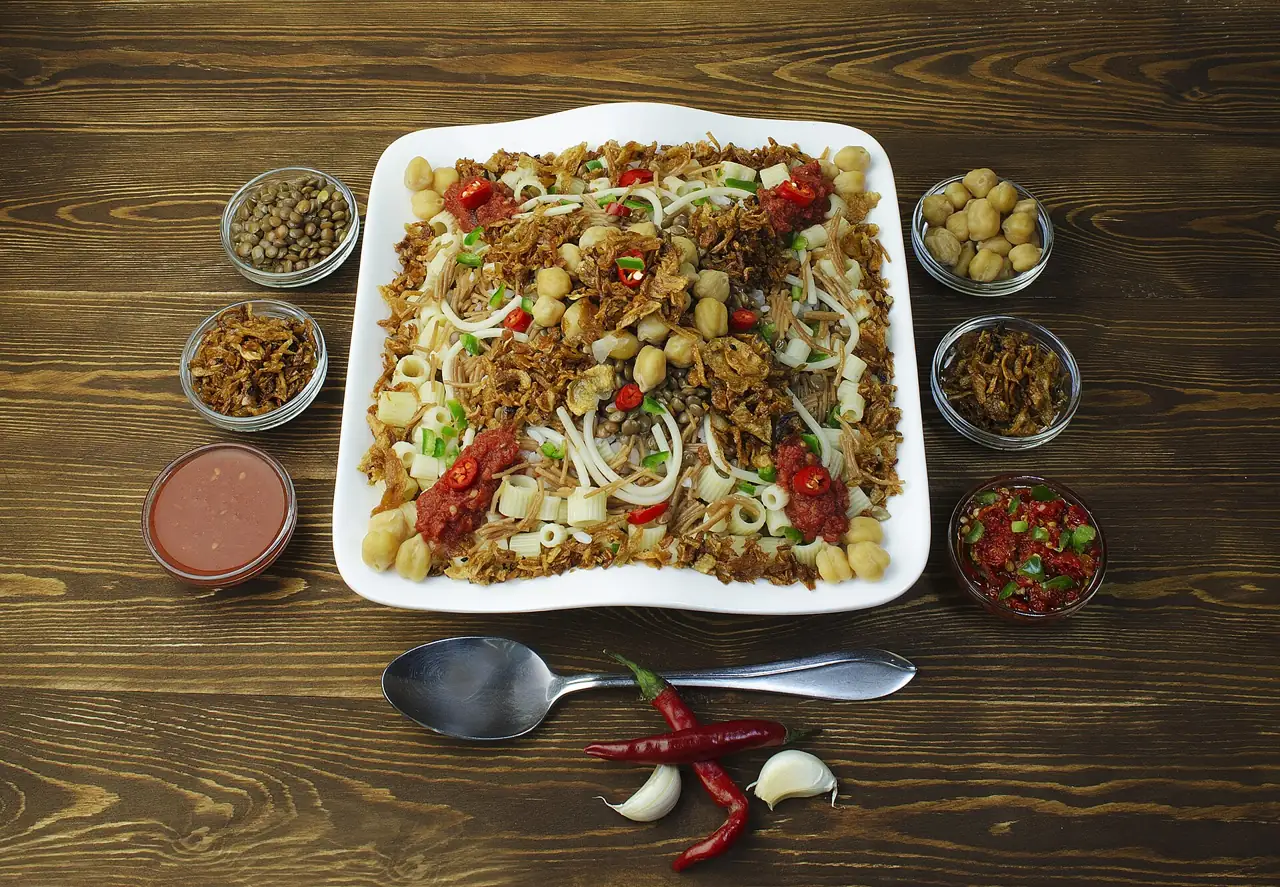
A platter of Egyptian koshari with rice, lentils, macaroni, chickpeas, crispy fried onions and tomato sauce Egypt flag Egypt 1h 15m
Dinner •Cairo Street Food

Egyptian Koshari

This egyptian koshari recipe builds Egypt's national dish at home: brown lentils and short-grain rice cooked with toasted vermicelli, layered with macaroni and chickpeas, then topped with a spiced tomato sauce, garlic vinegar and a heap of crispy fried onions. One serving is about 600 g.

Comfort & Warmth

Layers of lentils, rice and pasta with a spiced tomato sauce and crispy onions.

Pairs Well With
Garlic vinegar (daqqa), hot sauce and pickled vegetables
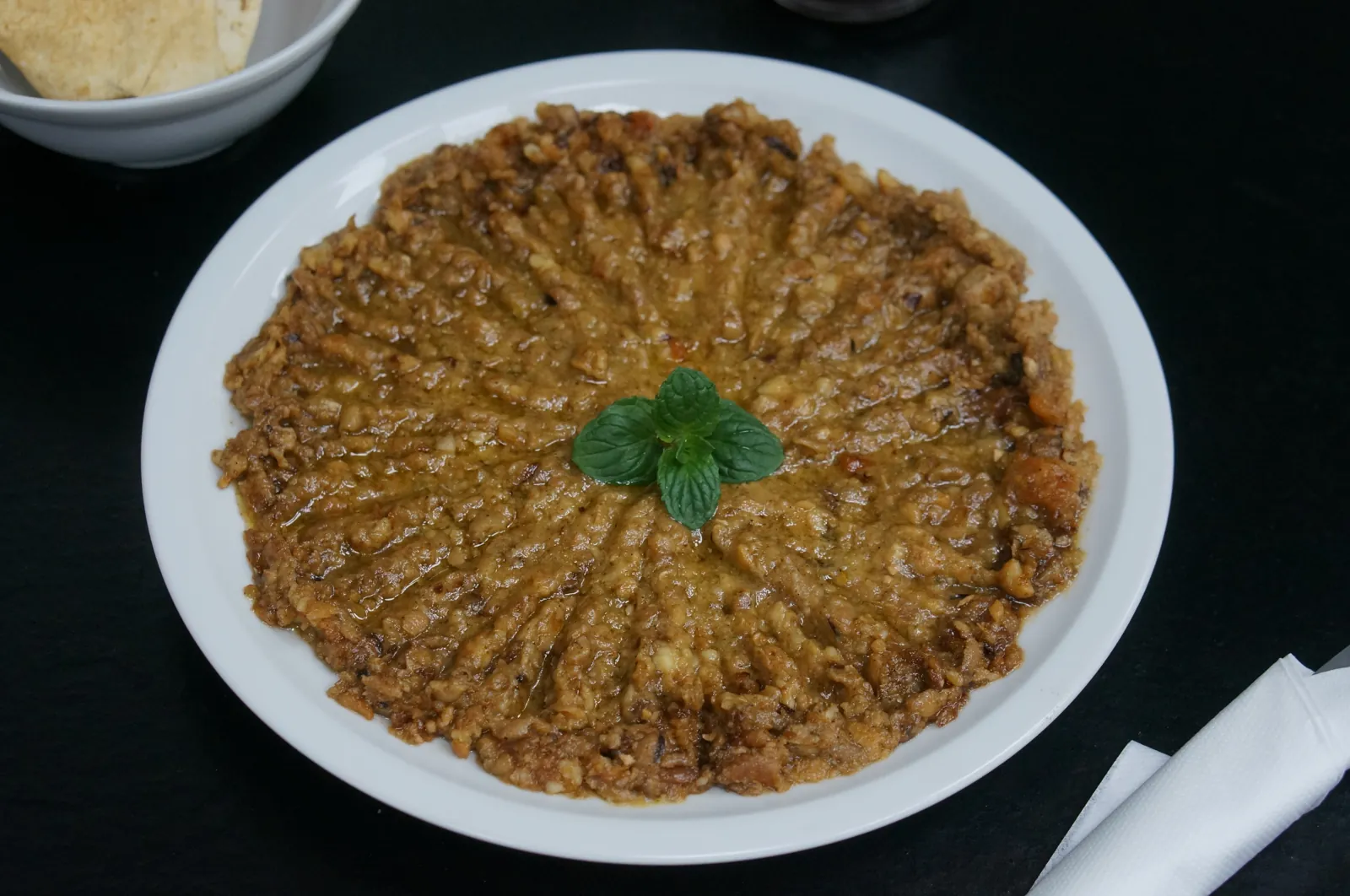
A white plate of mashed ful medames glistening with olive oil, garnished with fresh mint, with flatbread in a bowl beside it Egypt flag Egypt 1h 45m
Breakfast •Cairo Breakfast

Ful Medames

Ful medames is Egypt's beloved breakfast of fava beans simmered until soft, then lightly mashed and dressed with olive oil, lemon juice, garlic and cumin. It is creamy, tangy and deeply savoury, scooped up with warm flatbread. One serving is about 283 g.

Plant Protein & Energy

Slow-cooked fava beans with olive oil give steady energy and 15.9 g of protein per serving, with no meat at all.

Pairs Well With
Warm baladi bread, pickled vegetables and a boiled egg
High Protein
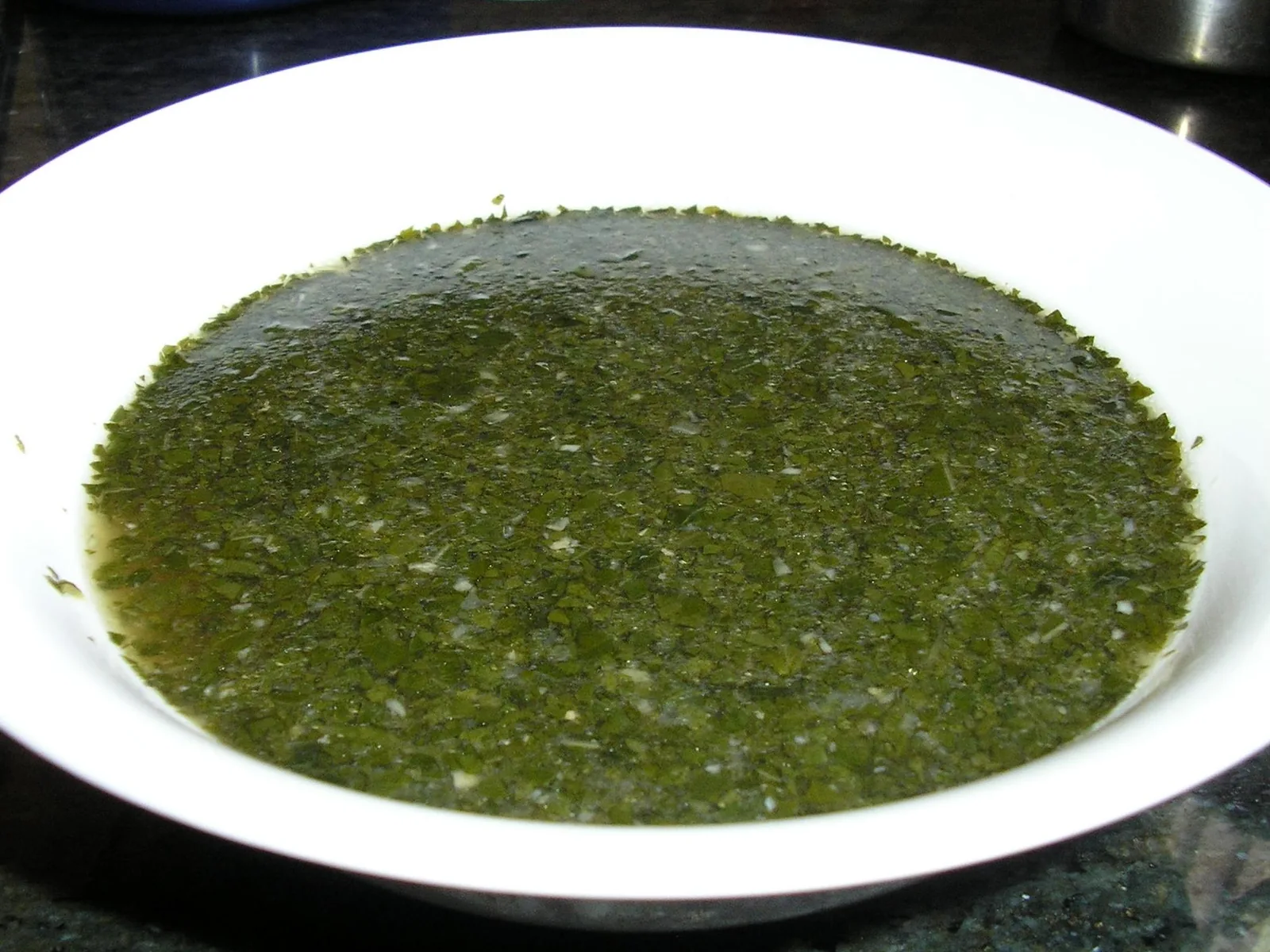
A white bowl of bright green molokhia soup made from finely chopped jute leaves Egypt flag Egypt 1h 15m
Dinner •Egyptian Family Table

Molokhia

This molokhia recipe turns finely chopped jute leaves into Egypt's beloved green soup: simmered briefly in a rich chicken broth, then finished with ta'leya — garlic and ground coriander fried in ghee until it sizzles. Ladled over white rice with a squeeze of lemon, it is slippery, garlicky and deeply comforting. One serving is about 550 g.

Comfort & Warmth

A bright green jute-leaf soup simmered in chicken broth and finished with a sizzling garlic and coriander ta'leya.

Pairs Well With
White rice, lemon wedges and browned chicken pieces
Soups & Broths
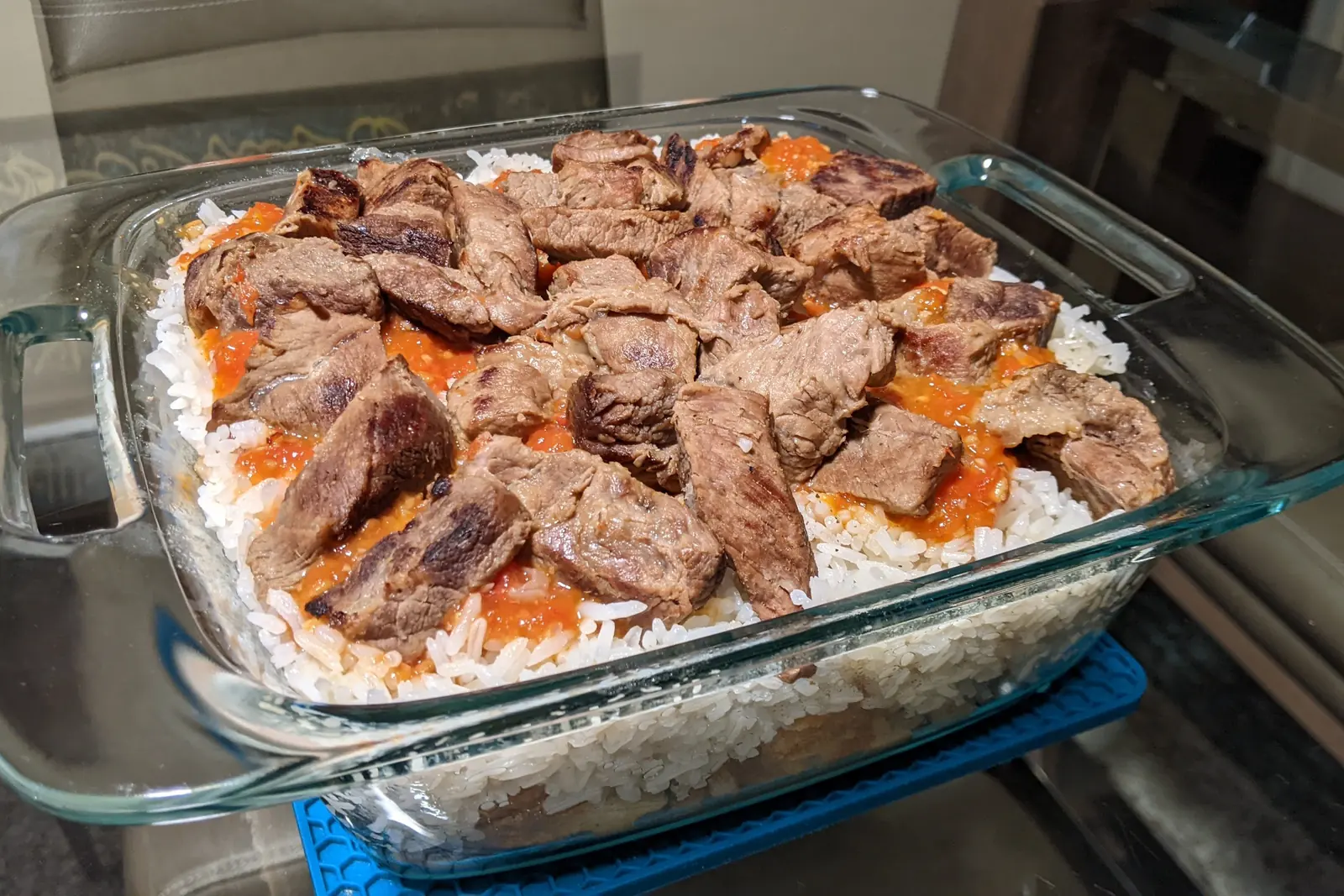
Egyptian fattah in a glass dish: white rice topped with tomato sauce and chunks of beef Egypt flag Egypt 2h 20m
Dinner •Cairo Heritage

Egyptian Fattah

Egyptian fattah is the dish Egypt celebrates with: crisp toasted bread soaked in beef broth, a deep layer of fluffy rice, tender chunks of beef, and a garlicky tomato-vinegar sauce spooned over the top. This egyptian fattah recipe is the Eid al-Adha classic — built in layers in one big dish, and carried to the table for everyone to share. One serving is about 330 g.

Feast & Celebration

Crisp bread, fluffy rice, tender beef and garlicky tomato sauce layered in one generous sharing dish.

Pairs Well With
Green salad, pickles and mint tea.
High Protein

The Dinner Gazette

Never wonder what’s for dinner again

One email a week with easy dinner ideas from around the world — ingredients, steps and nutrition, tested in our kitchen first.

Delivered every Thursday morning. Unsubscribe anytime.