Curated recipes from 193 countries  •  New seasonal Mediterranean issue out now

Overview

Molokhia

Mulukhiyah, Molokhiya, Mloukhia, Jew's Mallow Soup

This molokhia recipe turns finely chopped jute leaves into Egypt's beloved green soup: simmered briefly in a rich chicken broth, then finished with ta'leya — garlic and ground coriander fried in ghee until it sizzles. Ladled over white rice with a squeeze of lemon, it is slippery, garlicky and deeply comforting. One serving is about 550 g.

Molokhia takes its name from the jute plant, Corchorus olitorius, whose leaves are finely chopped and simmered into a soup that is widely regarded as Egypt's national dish. In Egypt the leaves are cooked in chicken broth — rabbit was the older, traditional meat — and finished with ta'leya, garlic and ground coriander fried in ghee. The soup is served over white rice with lemon, and the moment the sizzling ta'leya hits the pot, the tasha, is the sound every Egyptian cook listens for.

Pairs well with: White rice, lemon wedges and browned chicken pieces

Provenance

Egypt flag Egypt

Egyptian Family Table

Middle Eastern

Time Dedication

1h 15m

15m prep • 60m cook

Batch Yield

4 Servings

595 kcal per serving

1 serving ≈ 550 g

Technical Skill

Intermediate

Intermediate (Broth & Ta'leya)

Meal Timing & Digestive Fit

Breakfast

Not Advised

Lunch

Hearty Midday Main

Dinner

Ideal Hearty Main

Snack & Tea

Inappropriate

Soups & Broths Occasions: Family dinner, Ramadan evenings, winter nights Cost: Low — about $3–4 per serving at home
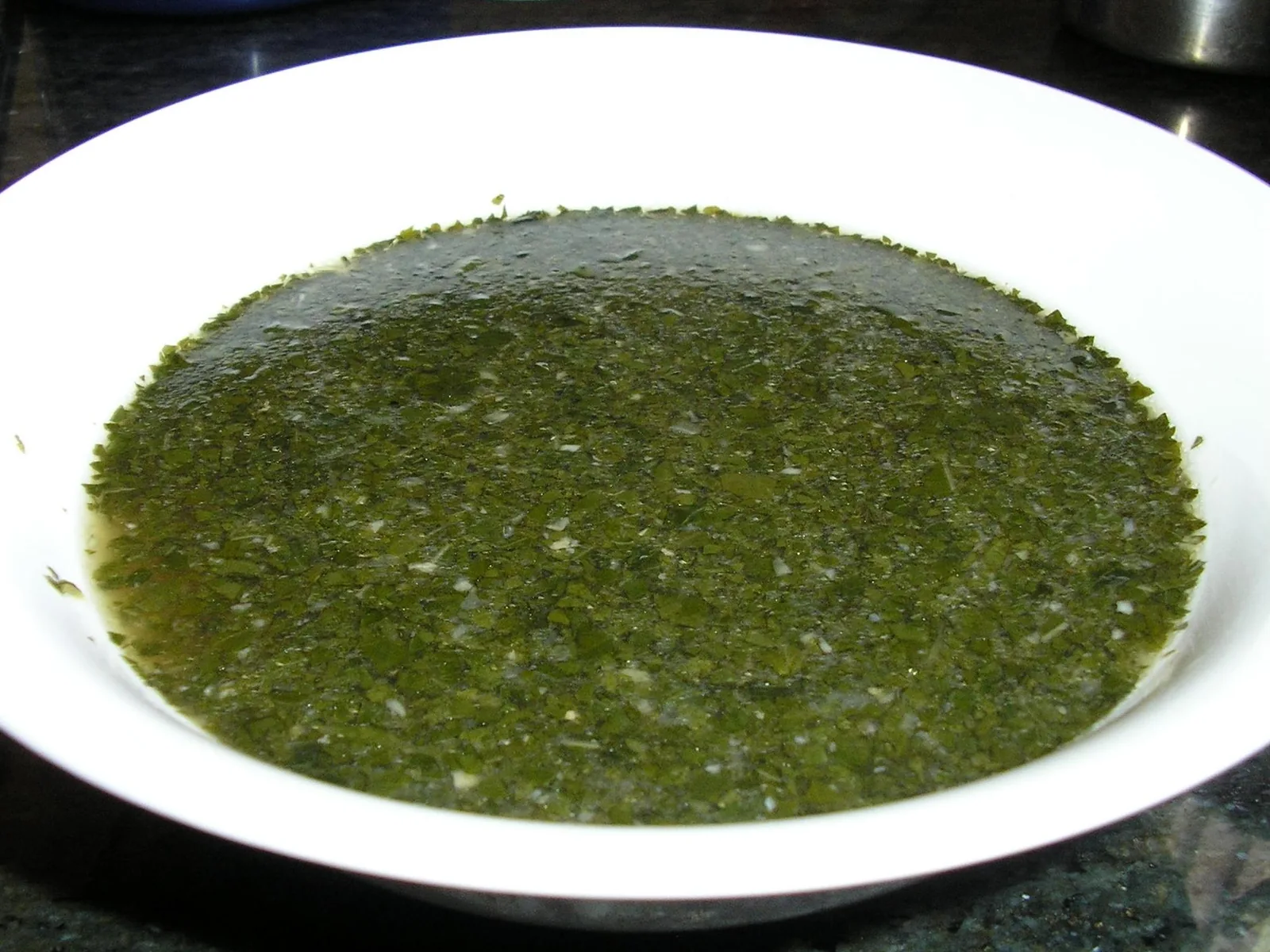
A white bowl of bright green molokhia soup made from finely chopped jute leaves

Egyptian Family Table

Photo: Yosi I, CC BY 2.5, via Wikimedia Commons

The Heritage Formulary

Measured Ingredients

Estimated cost: Low — about $3–4 per serving at home (USD)

Good molokhia is bright green and silky, never dull or stringy, with the garlic and coriander clearly present in every spoonful.

Execution Methodology & Culinary Technique

Step-by-Step Cooking Guide

Active 1h 15m
P

Prep Stage: Thaw the Leaves, Crush the Garlic

15 Mins • Thawing & Knife Work

Put the frozen molokhia in a bowl to thaw while you work. Crush the garlic, halve the onion, pierce the tomato once with a knife, and measure out the ground coriander, cumin and salt. Rinse the rice until the water runs clear.

Maestro Tip: Frozen chopped molokhia is the practical choice outside Egypt — it is the same leaf, already minced to the right fineness. Thaw it fully so it drops into the broth in one go.

  1. 1

    Simmer the Chicken for Broth

    50 Mins Gentle simmer, ~95°C (203°F)

    Put the chicken pieces, onion, tomato, bay leaves, cardamom and cumin in a large pot with 1.5 litres of water. Bring to a gentle simmer, skim off any foam, then cover and cook for 40–45 minutes until the chicken is cooked through to 74°C (165°F) and the broth tastes rich. Lift the chicken out and set it aside; strain the broth and return it to the pot. Fish out the tomato and discard it.

    Skim the foam in the first 10 minutes — that is what keeps the broth clear and clean-tasting.

    Done when: The chicken is cooked through to 74°C (165°F) and the broth is clear and rich.

  2. 2

    Cook the Rice

    20 Mins Low simmer, ~95°C (203°F), then rest off the heat

    While the chicken simmers, cook the rinsed rice in 400 ml of water with a pinch of salt: bring to a boil, cover, turn the heat to the lowest setting and cook for 15 minutes, then rest off the heat for 5 minutes. Fluff with a fork and keep warm.

    Do not lift the lid while the rice cooks — the steam is doing the work.

    Done when: The rice is tender, separate and fluffy, with no water left in the pot.

  3. 3

    Cook the Molokhia in the Broth

    10 Mins Gentle simmer, ~95°C (203°F)

    Bring the strained broth back to a gentle simmer and stir in the thawed molokhia. Cook for 8–10 minutes at the gentlest simmer, stirring now and then, until the leaves are soft and the soup turns silky and bright green. Season with the salt. Do not cover the pot and do not let it boil hard.

    The leaves need only a few minutes — overcooking is what turns molokhia dull and stringy.

    Done when: The soup is bright green, silky and slightly thick, with the leaves fully soft.

  4. 4

    Fry the Ta'leya and Finish

    5 Mins Medium heat, ~175°C (350°F)

    Melt the ghee in a small frying pan over medium heat. Add the crushed garlic and ground coriander and fry for 1–2 minutes, stirring constantly, until the garlic is pale gold and smells nutty. Pour the sizzling ta'leya straight into the soup — it will hiss and bubble — and stir once. Meanwhile, brown the cooked chicken pieces in a little ghee until golden on the outside.

    Have the soup pot ready before the garlic goes in — the ta'leya must go from pan to pot while it is still sizzling, and pale gold garlic turns brown in seconds.

    Done when: The ta'leya sizzles as it hits the soup, the garlic is pale gold (never brown), and the chicken is golden outside.

  5. 5

    Serve Over Rice

    5 Mins Serve hot, ~70°C (158°F)

    Spoon rice into wide bowls, ladle the hot molokhia over it, and set the browned chicken pieces on top or alongside. Put the lemon wedges on the table so everyone can squeeze their own.

    Serve at once — molokhia thickens as it cools, and it is at its best steaming hot over fresh rice.

    Done when: The bowls are steaming, the soup is bright green over the rice, and the lemon is on the table.

Finishing Touches & Plating

Ladle the soup over a mound of rice in wide bowls, set the browned chicken pieces on top or alongside, and put lemon wedges on the table. Eat it hot, with a spoonful of rice in every spoonful of soup.
Nutritional Physiology & Benefits

Nutrition

Energy

595

kcal / serving

Protein

58g

Complete AA

Carbs

58g

Complex

Fats

15g

Healthy

Per serving (4 servings · 1 serving ≈ 550 g)
Energy595 kcal
Protein58 g
Carbohydrates58 g
Fat15 g
Fibre5.1 g
Sugar2.3 g
Sodium613 mg
Per 100g
Energy108 kcal
Protein10.5 g
Carbohydrates10.6 g
Fat2.7 g
Fibre0.9 g
Sugar0.4 g
Sodium111 mg

Nutrition values are estimated — calculated from USDA FoodData Central values for the listed ingredients.

Vitamins & minerals: Vitamin A and vitamin C (jute leaves, tomato), folate and iron (jute leaves, chicken), vitamin B6 (chicken, garlic). Nutrition is estimated.

Leafy Greens, Generously

Jute leaves are a dark leafy green, so a bowl of molokhia carries the fibre, folate and vitamin A that come with leafy greens — in a form most people happily finish.

Chicken, Rice and Broth

Lean chicken, rice and hot broth together make a complete, filling dinner: protein, carbohydrate and fluid in one bowl, without feeling heavy.

Warm, Soft and Easy to Eat

The soup is soft, warm and slippery, which makes it easy to swallow and gentle on the stomach — one reason it is a family staple, not just a special-occasion dish.

Food Pairings

What to Eat With

To optimize nutrient absorption and elevate the sensory depth, pair with these authentic accompaniments:

Sides

White Rice

Rice is not optional here — the soup is ladled over it, and the grains catch the slippery broth so every spoonful holds together.

Lemon Wedges

A squeeze of lemon at the table cuts through the richness of the ghee and brightens the earthy jute leaves — the soup tastes flat without it.

Drinks

Mint Tea

Hot mint tea after a garlicky, rich bowl cleans the palate and settles the stomach — the usual Egyptian way to finish the meal.

Full Menus

Browned Chicken on the Side

The chicken that made the broth is browned in a little ghee and served alongside, so the meal has something to bite into next to the soft soup and rice.

Complete menu

Serve the molokhia ladled over white rice with the browned chicken alongside, lemon wedges on the table, and finish with hot mint tea.

Digestive Guardrails

What NOT to Combine

To prevent digestive distress, sluggishness, or palate clash, avoid pairing the dish with these elements:

Boiling the Soup Hard After Adding the Leaves

A hard rolling boil after the molokhia goes in can make the leaves separate from the broth and turn the soup dull and stringy. Keep it at the gentlest simmer. This is general guidance, not medical advice.

Burning the Garlic in the Ta'leya

Garlic that goes past golden turns bitter, and there is no way to fish that bitterness out of the soup — pull the pan off the heat the moment the garlic smells nutty and looks pale gold.

General information only, not medical advice — consult a doctor for personal dietary decisions.

Who Should Eat It

Who Should Eat

  • General adultsA complete, comforting dinner — soup, chicken and rice in one meal.
  • ChildrenSuitable from age 2+; the soup is soft and mild. Serve the chicken shredded and let them squeeze their own lemon.
  • ElderlyVery suitable — soft, warm, easy to swallow and easy to digest.
  • Pregnant womenGenerally suitable; the leafy greens add folate and iron. Keep the portion moderate and make sure the chicken is cooked through.
  • Breastfeeding womenGenerally suitable; the protein, fluids and warm broth support recovery — eat a satisfying bowl.
  • AthletesA good post-training meal: plenty of protein, rice for glycogen and salt to replace what you sweated out.
  • Weight gainA good choice — take a generous second helping of rice and chicken.
  • Weight lossFilling for its calories — keep to one bowl and favour the soup over extra rice.

Health Conditions — Adjust or Avoid

Conditions

  • DiabetesThe rice is the main carb source — keep the rice portion to about 150 g cooked and ask your clinician about portion size.
  • High blood pressureMost of the sodium comes from added salt; season lightly and ask your clinician about a suitable portion.
  • Kidney diseaseLimit the portion — the soup is rich in potassium from the jute leaves; ask your clinician about portion size.
  • GoutEat occasionally and in smaller portions — chicken and meat broths are moderately high in purines.
  • Stomach issuesUsually gentle — a good choice for a sensitive stomach, but eat it warm, not piping hot, and go easy on the lemon if acid bothers you.
  • Cardiovascular diseaseA reasonable choice — leafy greens, lean chicken and little saturated fat if you keep the ghee to the recipe amount.
  • Fatty liverKeep the portion modest and favour the soup and chicken over extra rice and ghee.
  • Food allergiesContains no gluten, egg, nuts or seafood. Ghee is clarified butter — it holds almost no milk protein, but anyone with a severe milk allergy should swap it for oil.
  • Special therapeutic dietsIf you follow a prescribed low-sodium or low-potassium diet, use less salt and a smaller portion, and check with your clinician.

If you have a medical condition, consult your doctor before changing your diet.

Storage & Use

Storage & Use

How to store
Cool quickly and store the soup, rice and chicken in separate airtight containers.
In the fridge
3 days (the soup thickens as it sits — loosen with a splash of hot broth or water).
In the freezer
2 months for the soup alone; rice and chicken freeze separately.
How to reheat
Reheat gently until simmering; reheat to 74°C (165°F). Do not boil hard — it dulls the colour and texture.
Freezing recommended
Yes for the soup — it freezes well for up to 2 months.
Signs it has spoiled
Sour smell, slimy surface, or mould.

More recipes to explore

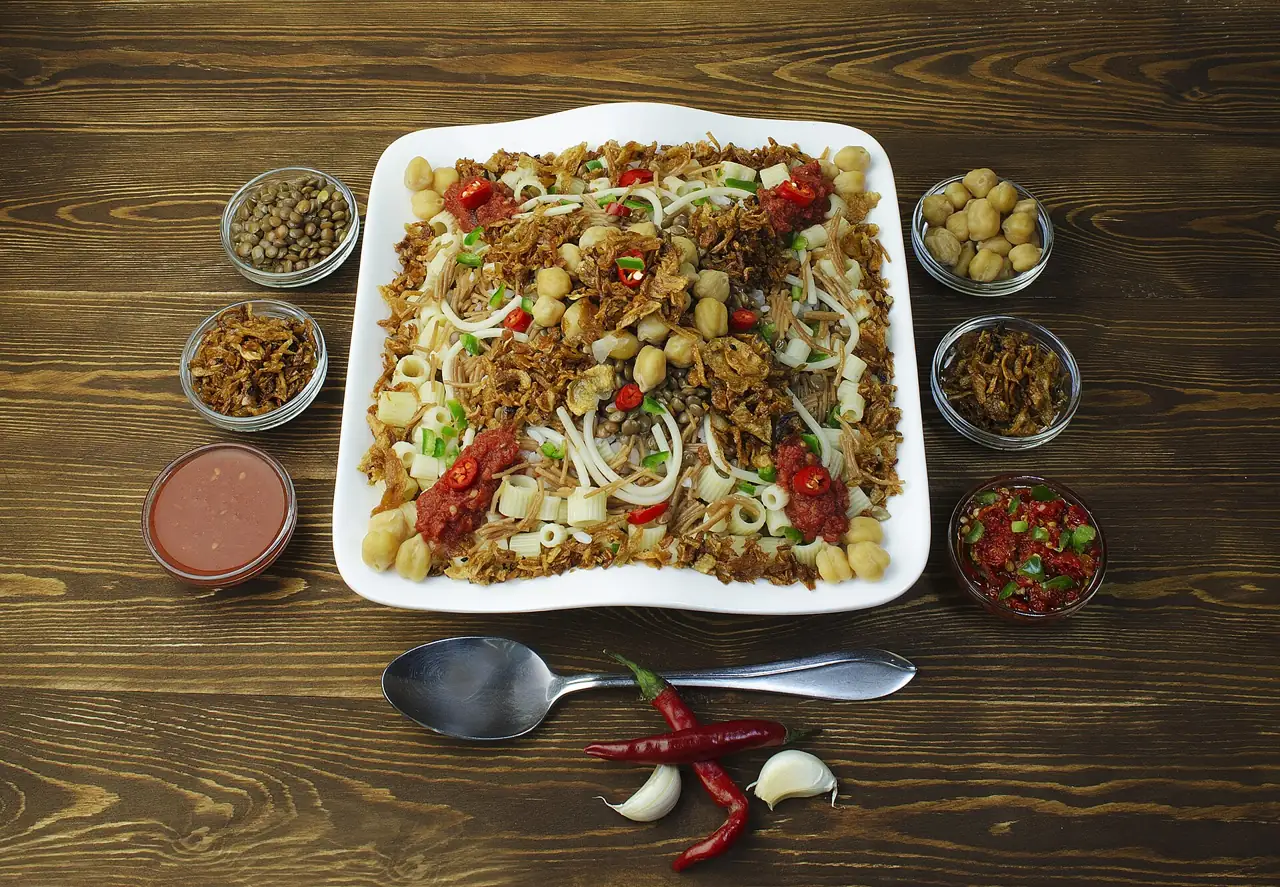
A platter of Egyptian koshari with rice, lentils, macaroni, chickpeas, crispy fried onions and tomato sauce Egypt flag Egypt 1h 15m
Dinner •Cairo Street Food

Egyptian Koshari

This egyptian koshari recipe builds Egypt's national dish at home: brown lentils and short-grain rice cooked with toasted vermicelli, layered with macaroni and chickpeas, then topped with a spiced tomato sauce, garlic vinegar and a heap of crispy fried onions. One serving is about 600 g.

Comfort & Warmth

Layers of lentils, rice and pasta with a spiced tomato sauce and crispy onions.

Pairs Well With
Garlic vinegar (daqqa), hot sauce and pickled vegetables
A white plate of mashed ful medames glistening with olive oil, garnished with fresh mint, with flatbread in a bowl beside it Egypt flag Egypt 1h 45m
Breakfast •Cairo Breakfast

Ful Medames

Ful medames is Egypt's beloved breakfast of fava beans simmered until soft, then lightly mashed and dressed with olive oil, lemon juice, garlic and cumin. It is creamy, tangy and deeply savoury, scooped up with warm flatbread. One serving is about 283 g.

Plant Protein & Energy

Slow-cooked fava beans with olive oil give steady energy and 15.9 g of protein per serving, with no meat at all.

Pairs Well With
Warm baladi bread, pickled vegetables and a boiled egg
High Protein
Bœuf bourguignon — French beef braised in red wine France flag France 4h
Dinner •Burgundy Terroir

Bœuf Bourguignon

Beef braised gently in red wine until the connective tissue melts into a velvet, gelatin-rich sauce — the classic Burgundy Sunday dinner.

Cellular Repair

Beef braised in red wine until spoon-tender, with mushrooms and pearl onions.

Pairs Well With
Parsnip Purée & Steamed French Haricots Verts
High Protein
Vietnamese braised pork belly with golden eggs in caramel sauce Vietnam flag Vietnam 1h 45m
Dinner •One Pot

Vietnamese Braised Pork and Eggs

Pork belly slowly braised in coconut water and caramel until meltingly tender, with golden eggs that soak up the sweet-savoury sauce — the Vietnamese family dish that tastes better the next day.

Comfort & Sustained Energy

Slow-braised pork belly and eggs in coconut water and caramel.

Pairs Well With
Steamed rice & pickled mustard greens
High Protein

The Dinner Gazette

Never wonder what’s for dinner again

One email a week with easy dinner ideas from around the world — ingredients, steps and nutrition, tested in our kitchen first.

Delivered every Thursday morning. Unsubscribe anytime.