
Curated recipes from 193 countries  •  New seasonal Mediterranean issue out now

Overview

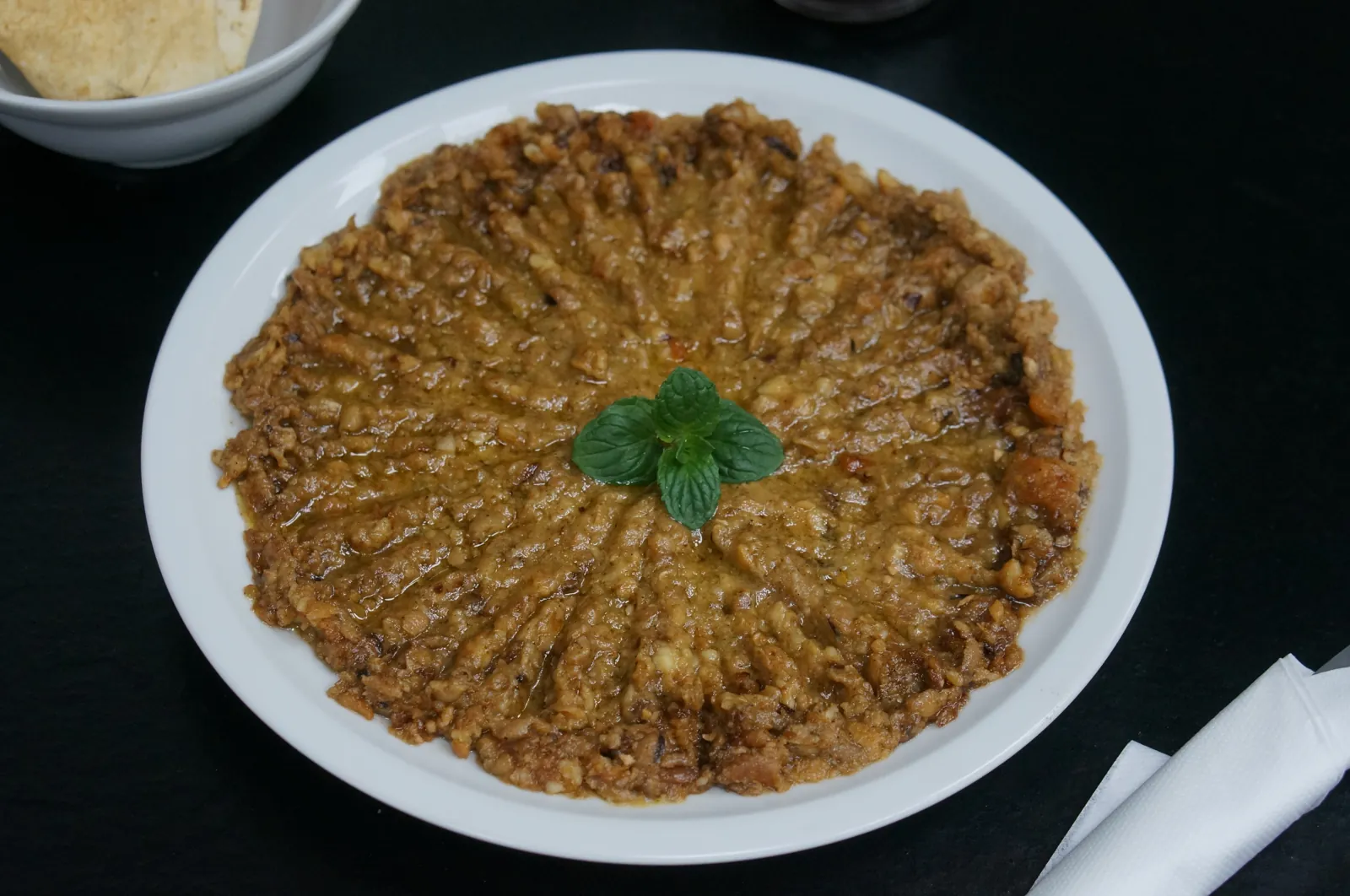
Ful Medames

Fūl Mudammas, Foul Medames, Egyptian Fava Beans

Ful medames is Egypt's beloved breakfast of fava beans simmered until soft, then lightly mashed and dressed with olive oil, lemon juice, garlic and cumin. It is creamy, tangy and deeply savoury, scooped up with warm flatbread. One serving is about 283 g.

Ful medames is one of the oldest dishes still eaten for breakfast anywhere. Fava beans were a staple of ancient Egypt, and archaeologists found a cache of 2,600 dried fava beans at a late Neolithic site near Nazareth. In Cairo the beans simmer overnight in tall copper pots, ready to ladle out at dawn, mashed to order with oil, lemon and cumin and eaten with bread — a breakfast that has fed the city, rich and poor alike, for centuries.

Pairs well with: Warm baladi bread, pickled vegetables and a boiled egg

Provenance

Egypt flag Egypt

Cairo Breakfast

Middle Eastern

Time Dedication

1h 45m

15m prep • 90m cook

Batch Yield

4 Servings

359 kcal per serving

1 serving ≈ 283 g

Technical Skill

Easy

Easy (One Pot)

Meal Timing & Digestive Fit

Breakfast

Prime Morning Fit

Lunch

Inappropriate

Dinner

Inappropriate

Snack & Tea

Inappropriate

High Protein Occasions: Weekend breakfasts, family breakfasts, Ramadan suhoor, vegetarian breakfasts, budget meals Cost: Low — about $2–3 per serving at home
A white plate of mashed ful medames glistening with olive oil, garnished with fresh mint, with flatbread in a bowl beside it

Cairo Breakfast

Photo: Tarboosh, CC0, via Wikimedia Commons

The Heritage Formulary

Measured Ingredients

Estimated cost: Low — about $2–3 per serving at home (USD)

Real ful is simmered low and slow from dried beans until completely soft, then mashed roughly — never blended smooth — and dressed with olive oil, lemon and cumin at the end.

Execution Methodology & Culinary Technique

Step-by-Step Cooking Guide

Active 1h 45m
P

Prep Stage: Soak Overnight

8-12 Hours (overnight, hands-off)

Rinse the dried fava beans, pick out any stones or broken beans, and cover with plenty of cold water. Leave to soak overnight, 8-12 hours. The beans will roughly double in size. Drain and rinse before cooking. This soak is hands-off time on top of the 15 minutes of active preparation.

Maestro Tip: If you forgot to soak, use two 400 g cans of fava beans, drained and rinsed, and skip straight to mashing — the dish is ready in about 15 minutes.

  1. 1

    Soak the Beans

    8-12 Hours (overnight) Room temperature

    Rinse 300 g dried small fava beans, pick out any stones, and cover with plenty of cold water in a large bowl. Leave overnight. Drain and rinse the soaked beans the next morning.

    The beans should look plump and have split skins; if any still look shrunken, soak for another couple of hours.

    Done when: Beans plump, roughly doubled in size, skins loosening.

  2. 2

    Simmer Until Tender

    75 Mins Gentle simmer, about 95 °C (200 °F)

    Put the drained beans in a heavy pot with 1.5 litres of fresh water. Bring to a boil over medium-high heat, skim off any foam, then turn down to the gentlest simmer, cover with the lid ajar, and cook for about 75 minutes until the beans are completely soft. Top up with a little boiling water if the pot runs dry.

    Do not salt the water — salt added now toughens the skins and stretches the cooking time. Keep the heat low; a hard boil bursts the beans and clouds the liquid.

    Done when: A bean crushes easily between finger and thumb, with no chalky centre.

  3. 3

    Mash and Season

    10 Mins Low heat, about 90 °C (195 °F)

    Drain the beans, keeping about 120 ml (1/2 cup) of the cooking liquid. Return the beans to the pot with the reserved liquid and mash roughly with a potato masher — leave plenty of whole beans for texture. Stir in 2 tablespoons of the olive oil, the lemon juice, the crushed garlic, the cumin and the salt. Warm through for 2-3 minutes over low heat.

    Mash only until creamy with texture left; a smooth puree is not ful. If it looks dry, add a spoonful of the cooking liquid at a time.

    Done when: Thick, creamy and spoonable, with whole beans still visible.

  4. 4

    Top with Tomato, Onion and Parsley

    5 Mins —

    Spoon the hot ful into a wide, shallow bowl and spread it out. Scatter the diced tomato, red onion and chopped parsley over the top, then drizzle with the remaining 2 tablespoons of olive oil.

    Spread the ful flat so the toppings sit on top where you can see them — that is how it is served in Cairo.

    Done when: Bright toppings scattered over warm, glossy beans.

  5. 5

    Serve Warm with Bread

    5 Mins Serve hot, above 60 °C (140 °F)

    Serve immediately while hot, with warm baladi or pita bread for scooping, and pickled vegetables on the side if you have them. Eat with bread, not a fork — tearing and scooping is the point.

    Ful cools and thickens quickly; if it stiffens before serving, stir in a spoonful of hot water.

    Done when: Steaming, glossy and ready to scoop.

Finishing Touches & Plating

Taste once more before serving — the balance should be tangy from the lemon, warm from the cumin and rich from the olive oil. Add a pinch more salt or a squeeze of lemon if either is shy.

Nutritional Physiology & Benefits

Nutrition

Energy

359

kcal / serving

Protein

16g

Complete AA

Carbs

44g

Complex

Fats

15g

Healthy

Per serving (4 servings · 1 serving ≈ 283 g)
Energy359 kcal
Protein16 g
Carbohydrates44 g
Fat15 g
Fibre11.7 g
Sugar5.6 g
Sodium599 mg
Per 100g
Energy127 kcal
Protein5.6 g
Carbohydrates15.4 g
Fat5.2 g
Fibre4.1 g
Sugar2 g
Sodium212 mg

Nutrition values are estimated — calculated from USDA FoodData Central values for the listed ingredients.

Vitamins & minerals: Folate and iron (fava beans), vitamin C (lemon, tomato and parsley), vitamin K (parsley), magnesium and potassium (beans and tomato). Nutrition is estimated.

Plant Protein That Keeps You Full

One serving gives 15.9 g of protein and 11.7 g of fibre from the beans alone, which is why this breakfast keeps Egyptians going until lunch.

Fibre for Steady Digestion

Fava beans are naturally high in soluble and insoluble fibre, which supports regular digestion and slows how fast the meal's energy is released.

Folate and Iron, No Meat Needed

Fava beans provide folate and iron, while the lemon juice adds vitamin C, which helps the body absorb the iron from the beans.

Food Pairings

What to Eat With

To optimize nutrient absorption and elevate the sensory depth, pair with these authentic accompaniments:

Sides

Warm Baladi Bread

The essential partner — soft, chewy flatbread is the spoon for ful, and its mild flavour lets the lemon and cumin shine.

Vegetables

Pickled Vegetables

Sharp, crunchy pickles cut through the creamy beans and reset the palate between scoops, which is why they appear on every Cairo breakfast table.

More Pairings

Hard-Boiled Egg

A sliced boiled egg adds extra protein and a gentle richness that rounds out the tangy beans without competing with them.

Drinks

Sweet Mint Tea

Hot, sweet mint tea is the traditional finish — its warmth and sweetness balance the garlic and lemon in the dish.

Complete menu

Ful medames with warm baladi bread, pickled vegetables and a sliced hard-boiled egg, finished with sweet mint tea — a complete Egyptian breakfast.

Digestive Guardrails

What NOT to Combine

To prevent digestive distress, sluggishness, or palate clash, avoid pairing the dish with these elements:

Fava Beans with G6PD Deficiency (Favism)

People with G6PD deficiency should not eat fava beans at all — the beans can trigger the breakdown of red blood cells (favism), which can be serious. If you or your child has G6PD deficiency, skip this dish entirely. This is general information, not medical advice; ask your clinician if you are unsure.

Very Salty Pickles on the Side

The dish already carries about 599 mg of sodium per serving; piling on very salty pickles pushes the salt load much higher in one meal, so keep pickles to a small handful.

Heavy Fried Foods Alongside

Ful is already rich with olive oil; adding fried foods on the same plate makes the meal very heavy in fat and slow to digest, so keep the sides fresh and light.

General information only, not medical advice — consult a doctor for personal dietary decisions.

Who Should Eat It

Who Should Eat

  • General adultsAn excellent everyday breakfast — filling, cheap and high in fibre and plant protein.
  • ChildrenSuitable from the age when beans are tolerated; mash it smoother for young children and keep the onion light. Do not serve to a child with G6PD deficiency.
  • ElderlySoft, easy to chew and rich in fibre and folate; a good choice, but watch the salt if blood pressure is a concern.
  • Pregnant womenA good source of folate and iron; make sure the beans are fully cooked and served hot. Ask your clinician about fava beans if you have any blood condition.
  • Breastfeeding womenFine in normal portions; the protein and iron support recovery. Keep the garlic moderate if your baby seems sensitive to strong flavours in milk.
  • AthletesA strong recovery breakfast: 15.9 g of protein and 43.8 g of carbohydrates per serving, plus an egg on the side for more protein.
  • Weight gainAdd extra olive oil, a boiled egg and more bread — the dish takes extra calories happily.
  • Weight lossKeep the portion to one serving and go lighter on the olive oil and bread; the fibre still keeps you full for hours.

Health Conditions — Adjust or Avoid

Conditions

  • DiabetesBeans release energy slowly, but one serving still carries 43.8 g of carbohydrates — keep the portion as listed and go easy on the bread. Ask your clinician about portion sizes for you.
  • High blood pressureHold back on added salt and on salty pickles alongside; the lemon, garlic and cumin carry the flavour without salt. Ask your clinician if you are unsure about sodium.
  • Kidney diseaseFava beans are high in potassium and protein, so portions matter if you follow a restricted diet. Ask your clinician before making this a regular meal.
  • GoutBeans contain moderate amounts of purines; an occasional serving is usually fine, but frequent large portions may raise uric acid. Ask your clinician if you have gout.
  • Stomach issuesBeans can cause gas and bloating; the overnight soak and thorough cooking help, and eating slowly with bread rather than on an empty stomach is gentler. Ask your clinician if symptoms persist.
  • Cardiovascular diseaseThe olive oil and fibre fit a heart-friendly pattern; keep the oil to the amount listed and skip extra salty sides. Ask your clinician about your overall diet.
  • Fatty liverA modest portion with plenty of vegetables and less bread keeps the energy in check; the dish itself is low in saturated fat. Ask your clinician for personal guidance.
  • Food allergiesContains legumes (fava beans). People with a legume allergy should avoid it, and anyone with G6PD deficiency must not eat fava beans. If you have an allergy, ask your clinician before trying it.
  • Special therapeutic dietsIf you follow a prescribed low-potassium, low-protein or low-purine diet, keep the portion small and check with your clinician first.

If you have a medical condition, consult your doctor before changing your diet.

Storage & Use

Storage & Use

How to store
Cool within 2 hours and store in an airtight container; keep the toppings separate.
In the fridge
Cooked ful keeps 3-4 days in the fridge.
In the freezer
Up to 3 months, without the fresh toppings.
How to reheat
Reheat gently in a pan over low heat with a splash of water until it reaches 74 °C (165 °F) throughout; stir in fresh lemon juice and olive oil after reheating. Do not reheat more than once.
Freezing recommended
Yes — up to 3 months; freeze the plain mashed beans only, and add fresh toppings after reheating.
Signs it has spoiled
Sour smell, slimy surface, or mould.

More recipes to explore

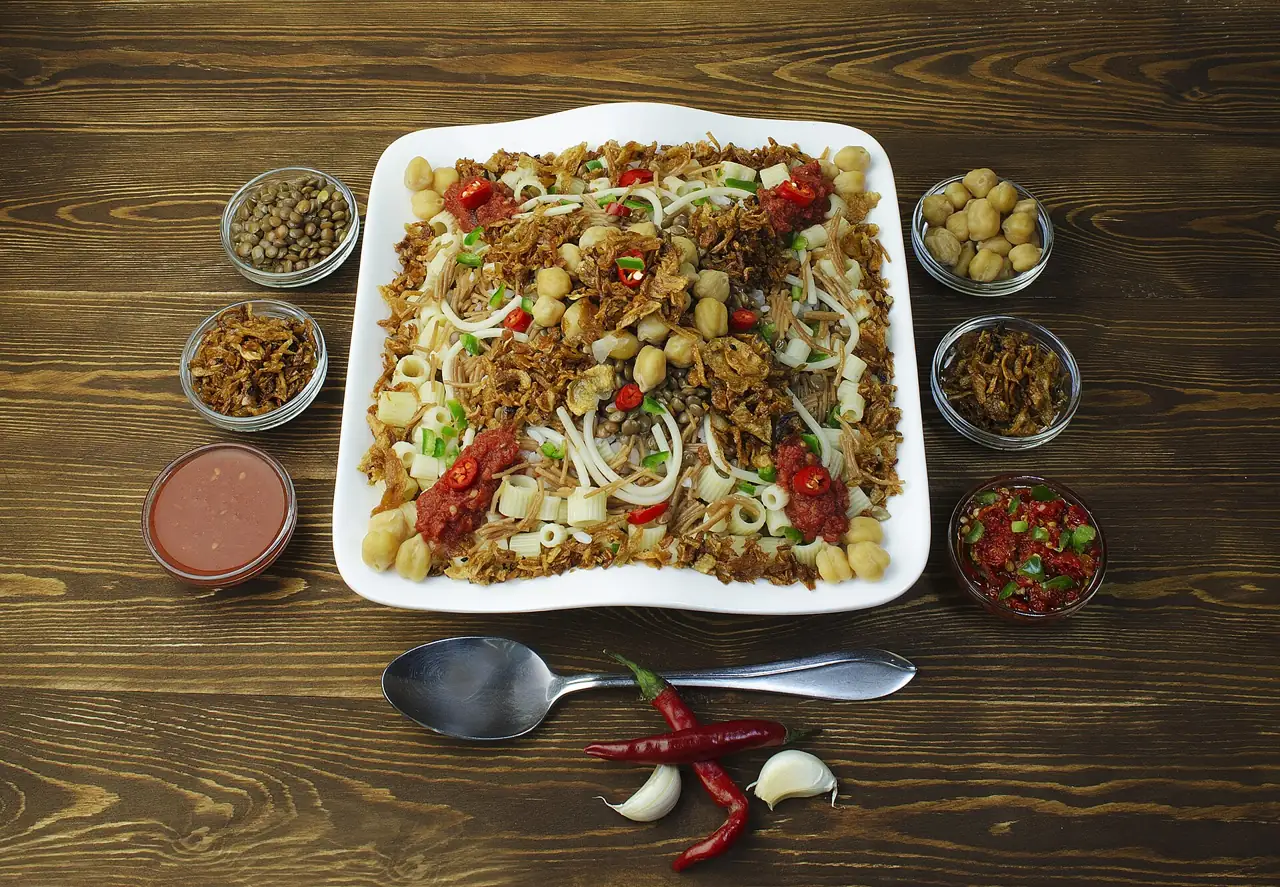
A platter of Egyptian koshari with rice, lentils, macaroni, chickpeas, crispy fried onions and tomato sauce Egypt flag Egypt 1h 15m
Dinner •Cairo Street Food

Egyptian Koshari

This egyptian koshari recipe builds Egypt's national dish at home: brown lentils and short-grain rice cooked with toasted vermicelli, layered with macaroni and chickpeas, then topped with a spiced tomato sauce, garlic vinegar and a heap of crispy fried onions. One serving is about 600 g.

Comfort & Warmth

Layers of lentils, rice and pasta with a spiced tomato sauce and crispy onions.

Pairs Well With
Garlic vinegar (daqqa), hot sauce and pickled vegetables
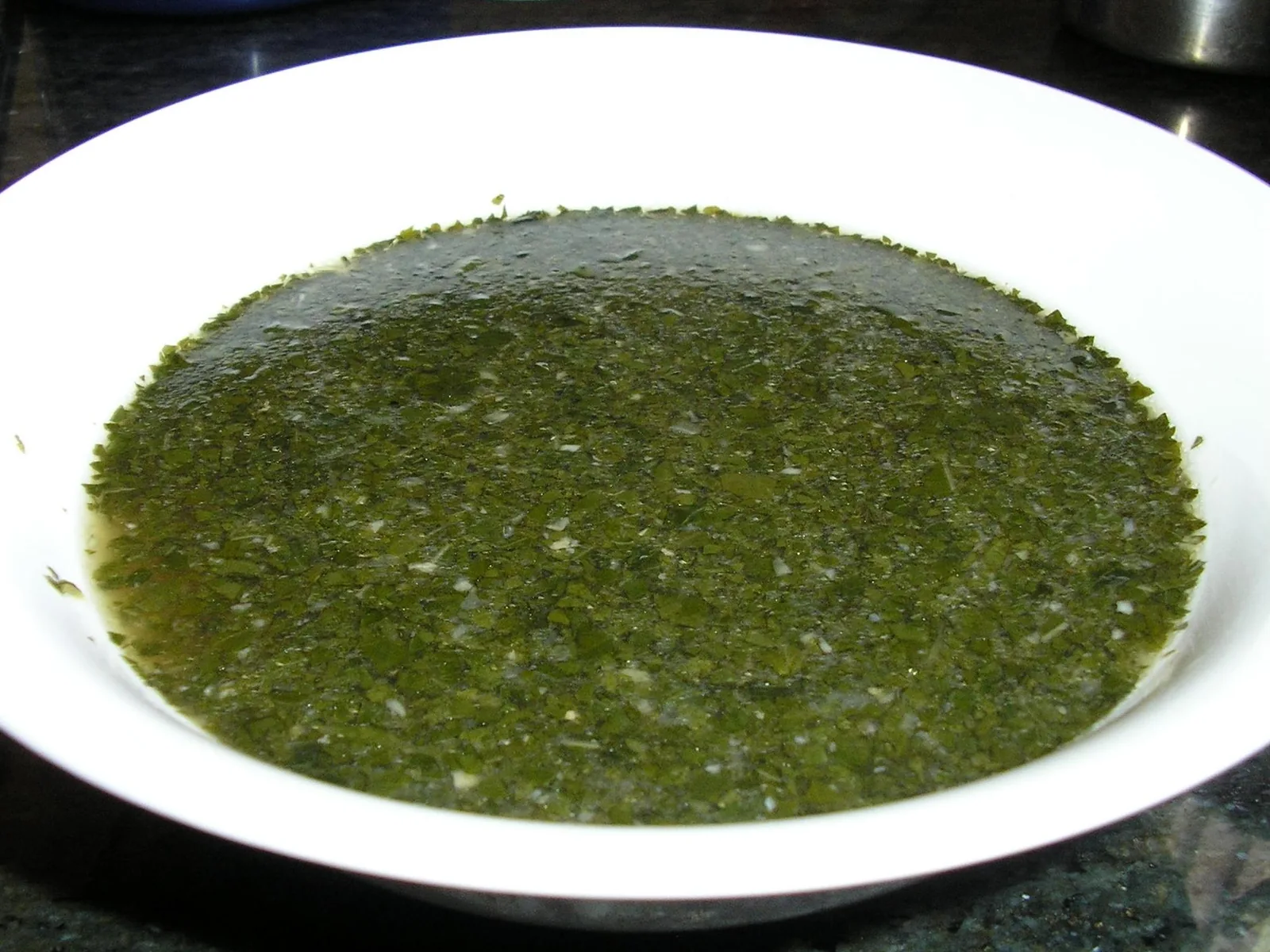
A white bowl of bright green molokhia soup made from finely chopped jute leaves Egypt flag Egypt 1h 15m
Dinner •Egyptian Family Table

Molokhia

This molokhia recipe turns finely chopped jute leaves into Egypt's beloved green soup: simmered briefly in a rich chicken broth, then finished with ta'leya — garlic and ground coriander fried in ghee until it sizzles. Ladled over white rice with a squeeze of lemon, it is slippery, garlicky and deeply comforting. One serving is about 550 g.

Comfort & Warmth

A bright green jute-leaf soup simmered in chicken broth and finished with a sizzling garlic and coriander ta'leya.

Pairs Well With
White rice, lemon wedges and browned chicken pieces
Soups & Broths
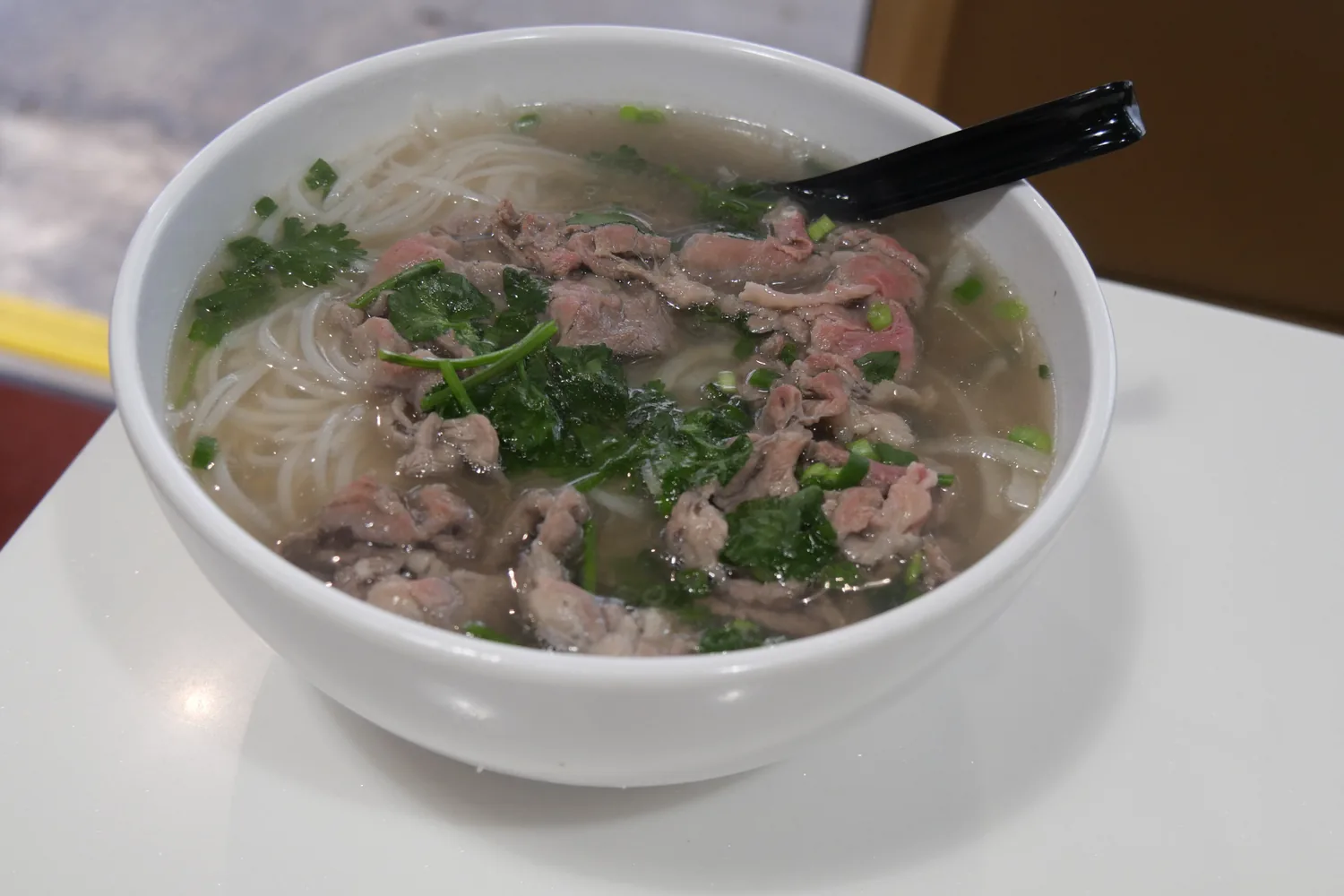
A bowl of Vietnamese phở bò with rare beef, rice noodles and fresh herbs Vietnam flag Vietnam 3h 30m
Breakfast •Hanoi Heritage

Phở Bò Tái Nạm

Slow-simmered star anise and cinnamon bone broth with hand-cut rice noodles, supplying clean restorative warmth and collagen. One serving is about 775 g.

Immunity & Warming

Slow-simmered bone broth with rice noodles, rare beef and fresh herbs.

Pairs Well With
Crispy quẩy, fresh lime & sawtooth coriander
Soups & Broths • High Protein
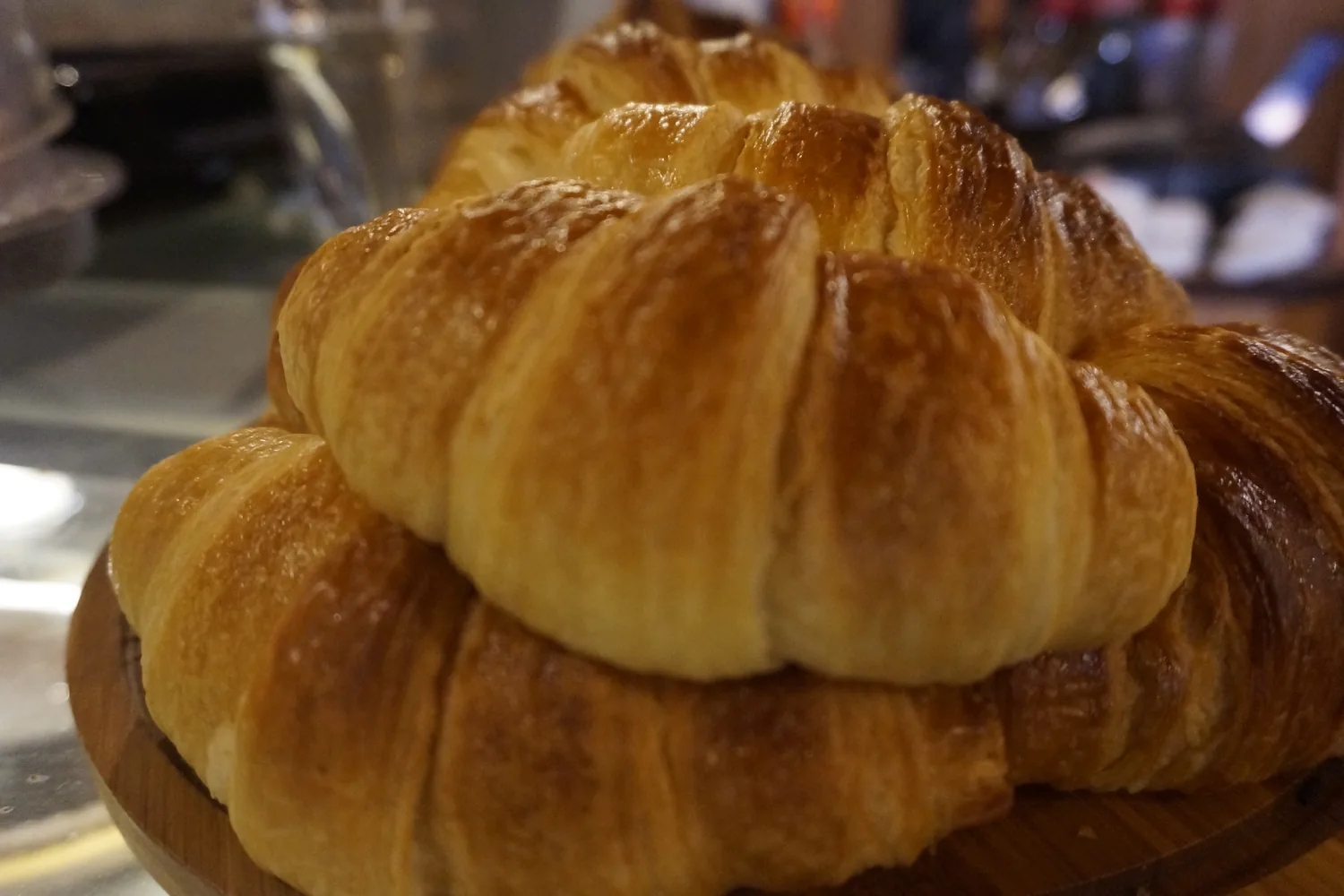
Golden butter croissants on a wooden board France flag France 20m
Breakfast •Parisian Boulangerie

Croissant au Beurre & Café

Laminated cultured butter pastry paired with washed Arabica, for a slow, pleasurable Parisian morning — best with a little protein alongside. One serving is about 390 g.

Sustained Focus

Flaky all-butter croissant with café au lait, Comté and green apple.

Pairs Well With
Comté cheese wedge & Green apple slices
Quick Prep (<30m)

The Dinner Gazette

Never wonder what’s for dinner again

One email a week with easy dinner ideas from around the world — ingredients, steps and nutrition, tested in our kitchen first.

Delivered every Thursday morning. Unsubscribe anytime.