
Curated recipes from 193 countries  •  New seasonal Mediterranean issue out now

Overview

Egyptian Fried Eggplant

Betengan Maqli, Batenjan Ma'li, Fried Eggplant with Garlic Vinegar

This egyptian fried eggplant recipe salts and fries eggplant slices until golden, then dresses them with a garlic, vinegar and cumin dakka. One serving is about 248 g and carries 168 calories. Serve warm with baladi bread, tomato and parsley.

Betengan maqli — fried eggplant — is one of the first dishes on an Egyptian mezze table, and its flavour comes from the dakka, the raw garlic, vinegar, lemon and cumin dressing spooned over the warm slices. The salting step is old kitchen sense: salt draws water out of the eggplant so it fries golden instead of drinking the oil and turning soggy. Cook test: this is not mesa'ah, where the fried eggplant is simmered in a garlic tomato sauce until it collapses; not sabich, the Israeli pita sandwich that stuffs fried eggplant with egg and tahini; and not the cubed eggplant salad with peppers — here the slices stay whole, crisp at the edges, and the dressing stays raw and punchy.

Pairs well with: Warm baladi bread and tahini salad.

Provenance

Egypt flag Egypt

Egyptian Mezze Classic

Middle Eastern

Time Dedication

55m

40m prep • 15m cook

Batch Yield

4 Servings

168 kcal per serving

1 serving ≈ 248 g

Technical Skill

Easy

Easy (Pan-Frying)

Meal Timing & Digestive Fit

Breakfast

Not Advised

Lunch

Prime Metabolic Fit

Dinner

Ideal Hearty Main

Snack & Tea

Inappropriate

Occasions: Mezze spreads, Ramadan iftars, family lunches, summer picnics Cost: Low — about $2 per serving at home
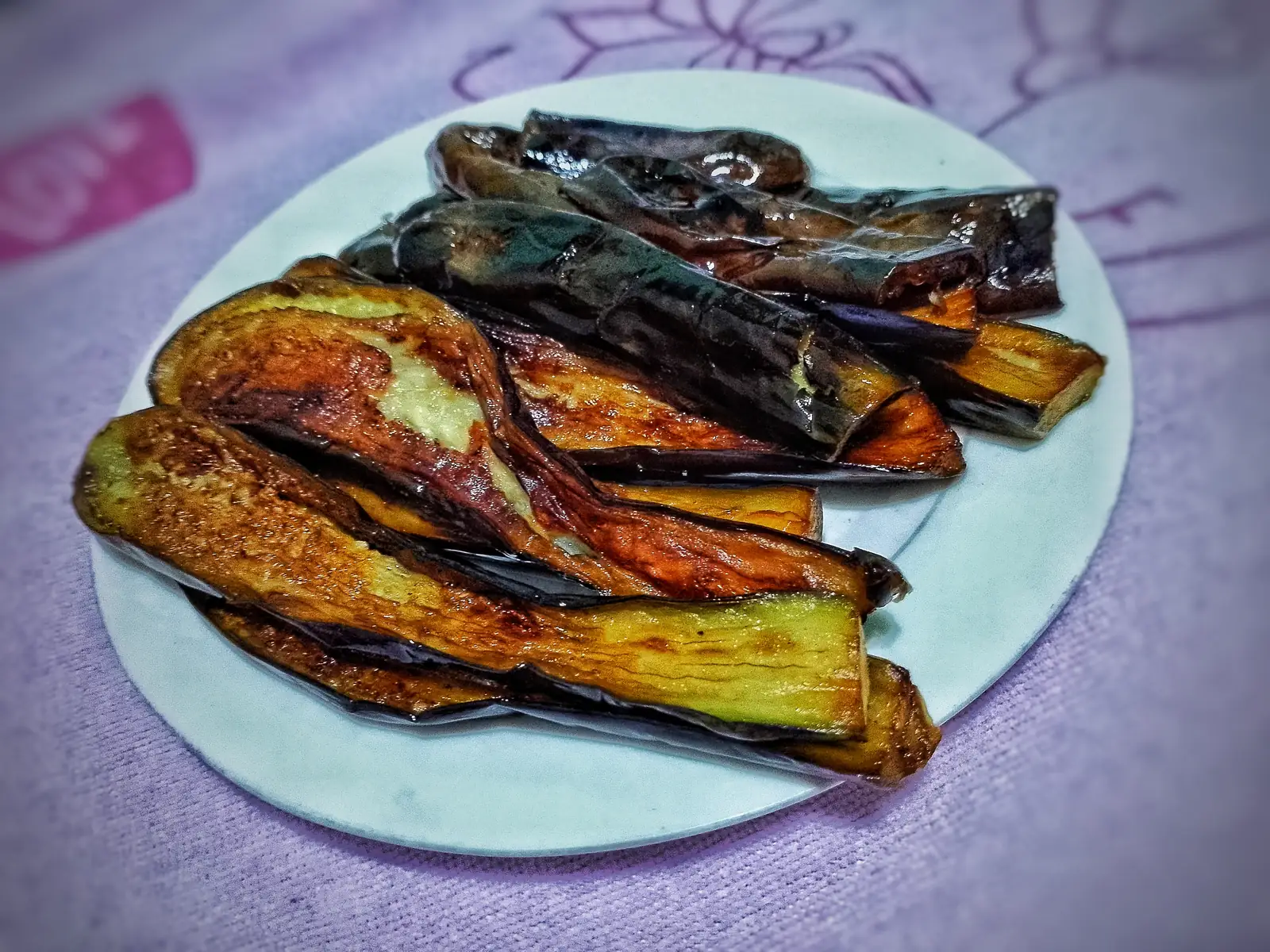
A plate of Egyptian fried eggplant, golden fried slices piled on a white plate

Egyptian Mezze Classic

Photo: Roderick Suñaz Sumalinog, CC BY-SA 4.0, via Wikimedia Commons

The Heritage Formulary

Measured Ingredients

Estimated cost: Low — about $2 per serving at home (USD)

This version salts the slices to draw out moisture, fries them in sunflower oil until golden, and spoons a raw garlic, vinegar, lemon and cumin dakka over the warm slices instead of simmering them in sauce.

Execution Methodology & Culinary Technique

Step-by-Step Cooking Guide

Active 55m
P

Prep Stage: Salting, Dakka and Frying

40 Mins • Salting, Dakka and Frying

Slice the eggplants into 1 cm rounds, salt them and leave them for 30 minutes while you make the dakka: crush the garlic with the cumin and chilli flakes, then stir in the vinegar and lemon juice. Dice the tomato and chop the parsley so everything is ready when the eggplant comes out of the pan.

Maestro Tip: Do not skip the salting — it is what keeps the eggplant from drinking the oil and turning greasy.

  1. 1

    Salt the eggplant

    30 Mins No heat

    Lay the eggplant slices in a colander, sprinkle them with the 5 g of salt and leave them for 30 minutes. Beads of water will appear on the surface as the salt draws the moisture out. Rinse the slices briefly under cold water and pat them very dry with kitchen paper.

    Pat them truly dry — wet eggplant spits in hot oil and never browns properly.

    Done when: Slices flexible and dry to the touch, with no water beading on the surface.

  2. 2

    Make the dakka

    5 Mins No heat

    Crush the garlic to a smooth paste with the ground cumin and the chilli flakes, using a pinch of the salt from the recipe if it helps. Stir in the white vinegar and the lemon juice until you have a thin, punchy dressing. Taste it: it should be sharp, salty and warm with cumin.

    Make the dakka while the eggplant salts, so the garlic has time to mellow in the vinegar.

    Done when: A thin, fragrant dressing, sharp on the tongue.

  3. 3

    Fry the eggplant

    10 Mins Medium-high heat, oil about 175°C (350°F)

    Heat the sunflower oil in a large frying pan over medium-high heat until it shimmers. Fry the slices in batches, without crowding the pan, for 2 to 3 minutes on each side until deep golden and tender in the middle. Lift out with tongs and drain on kitchen paper.

    Crowding the pan drops the oil temperature and the eggplant steams instead of frying — cook in batches and let the oil come back up between them.

    Done when: Deep golden on both sides, soft and creamy inside, not oily to the touch.

  4. 4

    Dress and rest

    5 Mins No heat — warm slices

    Arrange the warm slices on a serving plate, slightly overlapping. Spoon the dakka evenly over the top so every slice gets garlic, vinegar and cumin. Leave the plate for 5 minutes so the dressing soaks a little into the warm eggplant.

    Dress the slices while they are still warm — cold eggplant does not take up the dressing.

    Done when: Every slice glossed with dressing, plate smelling of garlic and cumin.

  5. 5

    Serve

    5 Mins No heat — serve warm

    Scatter the diced tomato and chopped parsley over the slices. Serve warm, with baladi bread on the side for scooping up the dakka left on the plate.

    Serve within half an hour — the slices are at their best warm and crisp at the edges.

    Done when: Warm slices topped with bright tomato and green parsley, bread alongside.

Finishing Touches & Plating

Scatter the diced tomato and parsley over the warm slices and serve at once with baladi bread for scooping up the dakka.

Nutritional Physiology & Benefits

Nutrition

Energy

168

kcal / serving

Protein

3g

Complete AA

Carbs

15g

Complex

Fats

12g

Healthy

Per serving (4 servings · 1 serving ≈ 248 g)
Energy168 kcal
Protein3 g
Carbohydrates15 g
Fat12 g
Fibre6.8 g
Sugar8.2 g
Sodium204 mg
Per 100g
Energy68 kcal
Protein1.1 g
Carbohydrates6.1 g
Fat4.8 g
Fibre2.7 g
Sugar3.3 g
Sodium82 mg

Nutrition values are estimated — calculated from USDA FoodData Central values for the listed ingredients.

Vitamins & minerals: Vitamin K and folate (eggplant, parsley), vitamin C (tomato, parsley, lemon), potassium (eggplant, tomato).

Fibre From the Eggplant

Each serving carries about 6.8 g of fibre, almost all of it from the eggplant itself.

Light for a Fried Dish

At 168 calories a serving, this is a light mezze — the salting step keeps the eggplant from soaking up too much oil.

Potassium and Vitamin C

Eggplant, tomato and parsley give potassium and vitamin C in a dish that is mostly vegetables.

Food Pairings

What to Eat With

To optimize nutrient absorption and elevate the sensory depth, pair with these authentic accompaniments:

Sides

Baladi Bread

Warm, pocketed baladi bread is made for this dish — it scoops up the garlicky dakka left on the plate.

Sauces

Tahini Salad

Cool, creamy tahini with lemon softens the sharp vinegar dressing and adds a nutty richness.

Soups

Lentil Soup

A small bowl of Egyptian lentil soup turns the mezze into a full lunch and adds protein to the table.

Drinks

Mint Tea

Unsweetened mint tea cleans the palate after the garlicky, oily slices and suits a mezze spread.

Complete menu

Serve the eggplant with baladi bread, tahini salad and lentil soup, followed by fresh fruit.

Digestive Guardrails

What NOT to Combine

To prevent digestive distress, sluggishness, or palate clash, avoid pairing the dish with these elements:

Oil Heated Past Its Smoke Point

Sunflower oil heated until it smokes breaks down, tastes bitter and coats the eggplant in burnt flavours; keep the oil at about 175°C (350°F) and change it if it darkens. This is general food safety information, not medical advice.

Very Salty Pickles on the Same Plate

The dakka and the salting already season this dish, so salty pickles or brined cheese on the same plate push the salt load up; serve it with fresh bread and salad instead. This is general nutrition information, not medical advice.

General information only, not medical advice — consult a doctor for personal dietary decisions.

Who Should Eat It

Who Should Eat

  • General adultsA bold mezze — one serving with bread and tahini salad is a full lunch.
  • ChildrenMildly spiced and soft, but the raw garlic is strong; serve a small portion and leave the chilli out.
  • ElderlySoft, easy to chew and easy to digest; serve warm with bread and tahini.
  • Pregnant womenFine when freshly fried and served hot; eat it the same day and ask a clinician.
  • Breastfeeding womenA satisfying, vegetable-rich lunch; keep the portion moderate and pair it with lentil soup.
  • AthletesLight on protein, so pair it with lentil soup or tahini to make a proper recovery meal.
  • Weight gainServe a generous portion with extra bread and tahini to raise the energy of the meal.
  • Weight lossOne serving with salad and no extra bread keeps the meal light at 168 calories.

Health Conditions — Adjust or Avoid

Conditions

  • DiabetesAbout 15.1 g of carbohydrate per serving, mostly from the eggplant and tomato — take one serving with salad and ask a clinician about portion size.
  • High blood pressureSodium is modest at about 204 mg per serving; keep the salty pickles off the plate and ask a clinician.
  • Kidney diseaseEggplant and tomato add potassium; keep the portion moderate and ask a clinician about what fits your plan.
  • GoutNo purine-rich ingredients; keep the portion moderate and ask a clinician.
  • Stomach issuesRaw garlic, vinegar and fried food can irritate a sensitive stomach; eat a small portion and ask a clinician if symptoms flare.
  • Cardiovascular diseaseVegetables with a modest amount of unsaturated oil fit a heart-friendly pattern; drain the slices well and ask a clinician.
  • Fatty liverLight and vegetable-based with no added sugar; keep the oil measured and ask a clinician about fat intake.
  • Food allergiesContains no major allergen as written; check the bread served alongside for wheat, and the tahini for sesame. Ask a clinician about any allergy.
  • Special therapeutic dietsA soft, easy-to-chew dish that suits many therapeutic diets; ask a clinician or dietitian before changing your diet.

If you have a medical condition, consult your doctor before changing your diet.

Storage & Use

Storage & Use

How to store
Cool within 2 hours, then store the slices in a sealed container with the dressing.
In the fridge
2 days in the fridge at 4°C (39°F) or below.
In the freezer
Do not freeze — the fried eggplant turns soggy and watery when thawed.
How to reheat
Reheat in a hot oven at 200°C (400°F) for 5 minutes until piping hot, about 74°C (165°F) in the centre.
Freezing recommended
No — freezing ruins the texture of fried eggplant.
Signs it has spoiled
Slimy slices, sour or off smell, or mould on the dressing — discard it.

More recipes to explore

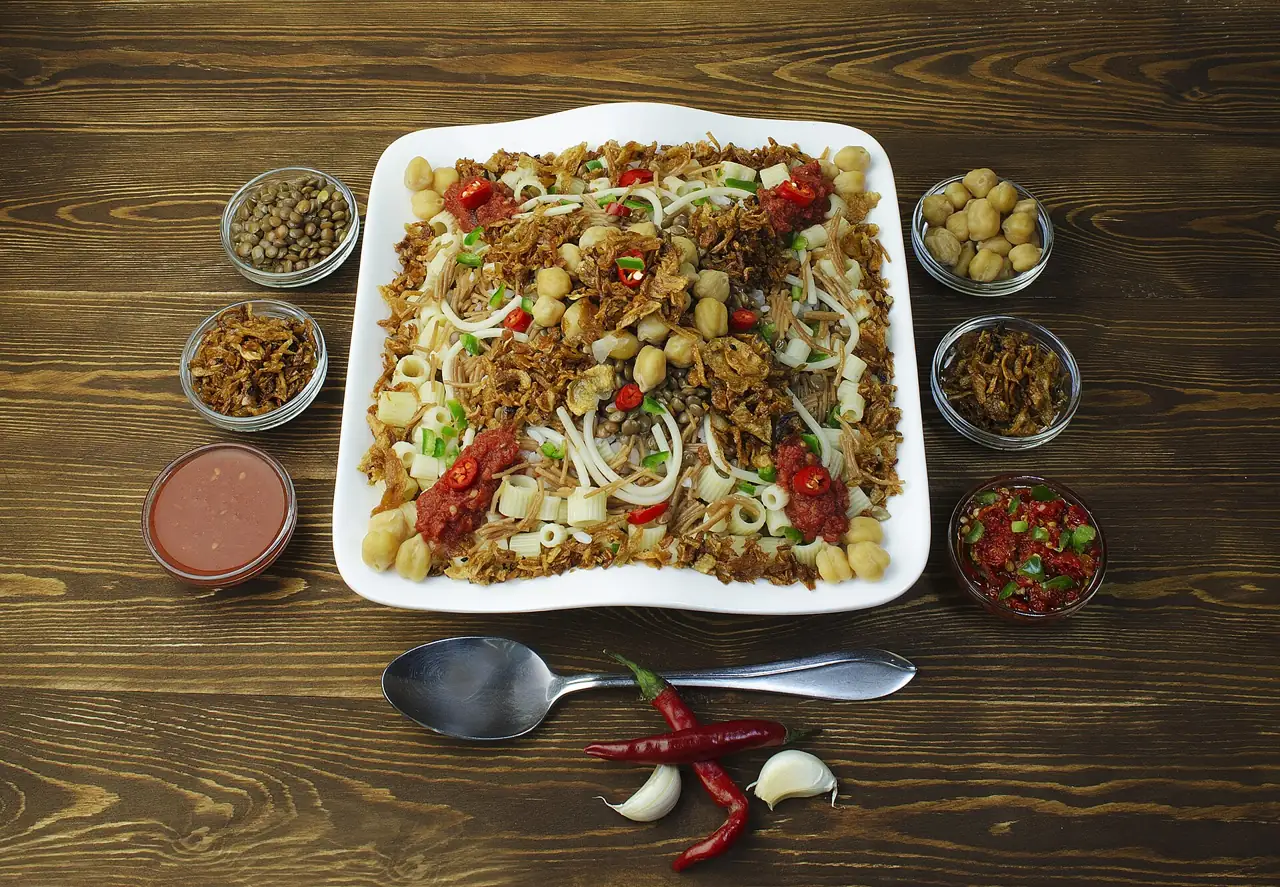
A platter of Egyptian koshari with rice, lentils, macaroni, chickpeas, crispy fried onions and tomato sauce Egypt flag Egypt 1h 15m
Dinner •Cairo Street Food

Egyptian Koshari

This egyptian koshari recipe builds Egypt's national dish at home: brown lentils and short-grain rice cooked with toasted vermicelli, layered with macaroni and chickpeas, then topped with a spiced tomato sauce, garlic vinegar and a heap of crispy fried onions. One serving is about 600 g.

Comfort & Warmth

Layers of lentils, rice and pasta with a spiced tomato sauce and crispy onions.

Pairs Well With
Garlic vinegar (daqqa), hot sauce and pickled vegetables
A white plate of mashed ful medames glistening with olive oil, garnished with fresh mint, with flatbread in a bowl beside it Egypt flag Egypt 1h 45m
Breakfast •Cairo Breakfast

Ful Medames

Ful medames is Egypt's beloved breakfast of fava beans simmered until soft, then lightly mashed and dressed with olive oil, lemon juice, garlic and cumin. It is creamy, tangy and deeply savoury, scooped up with warm flatbread. One serving is about 283 g.

Plant Protein & Energy

Slow-cooked fava beans with olive oil give steady energy and 15.9 g of protein per serving, with no meat at all.

Pairs Well With
Warm baladi bread, pickled vegetables and a boiled egg
High Protein
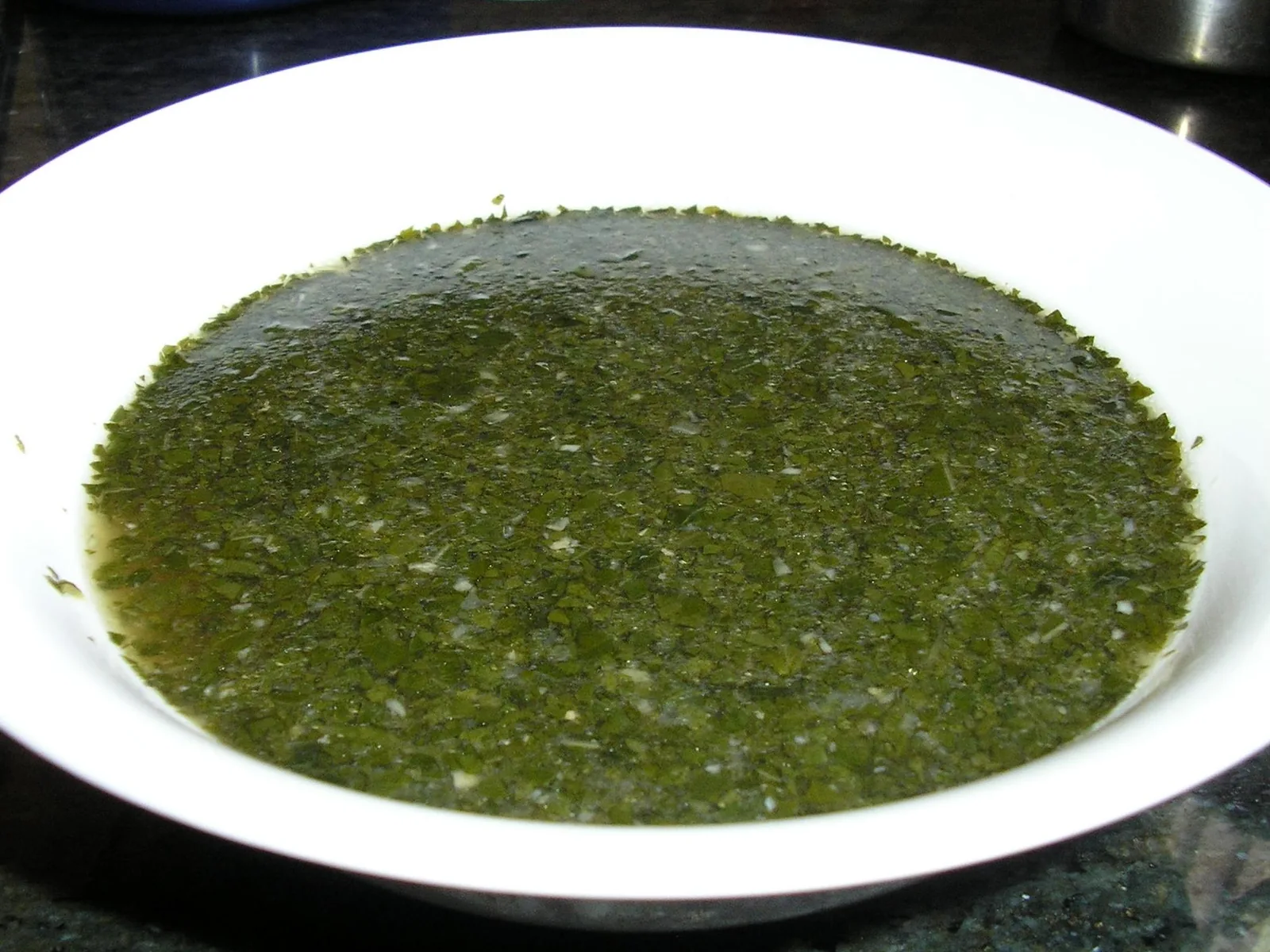
A white bowl of bright green molokhia soup made from finely chopped jute leaves Egypt flag Egypt 1h 15m
Dinner •Egyptian Family Table

Molokhia

This molokhia recipe turns finely chopped jute leaves into Egypt's beloved green soup: simmered briefly in a rich chicken broth, then finished with ta'leya — garlic and ground coriander fried in ghee until it sizzles. Ladled over white rice with a squeeze of lemon, it is slippery, garlicky and deeply comforting. One serving is about 550 g.

Comfort & Warmth

A bright green jute-leaf soup simmered in chicken broth and finished with a sizzling garlic and coriander ta'leya.

Pairs Well With
White rice, lemon wedges and browned chicken pieces
Soups & Broths
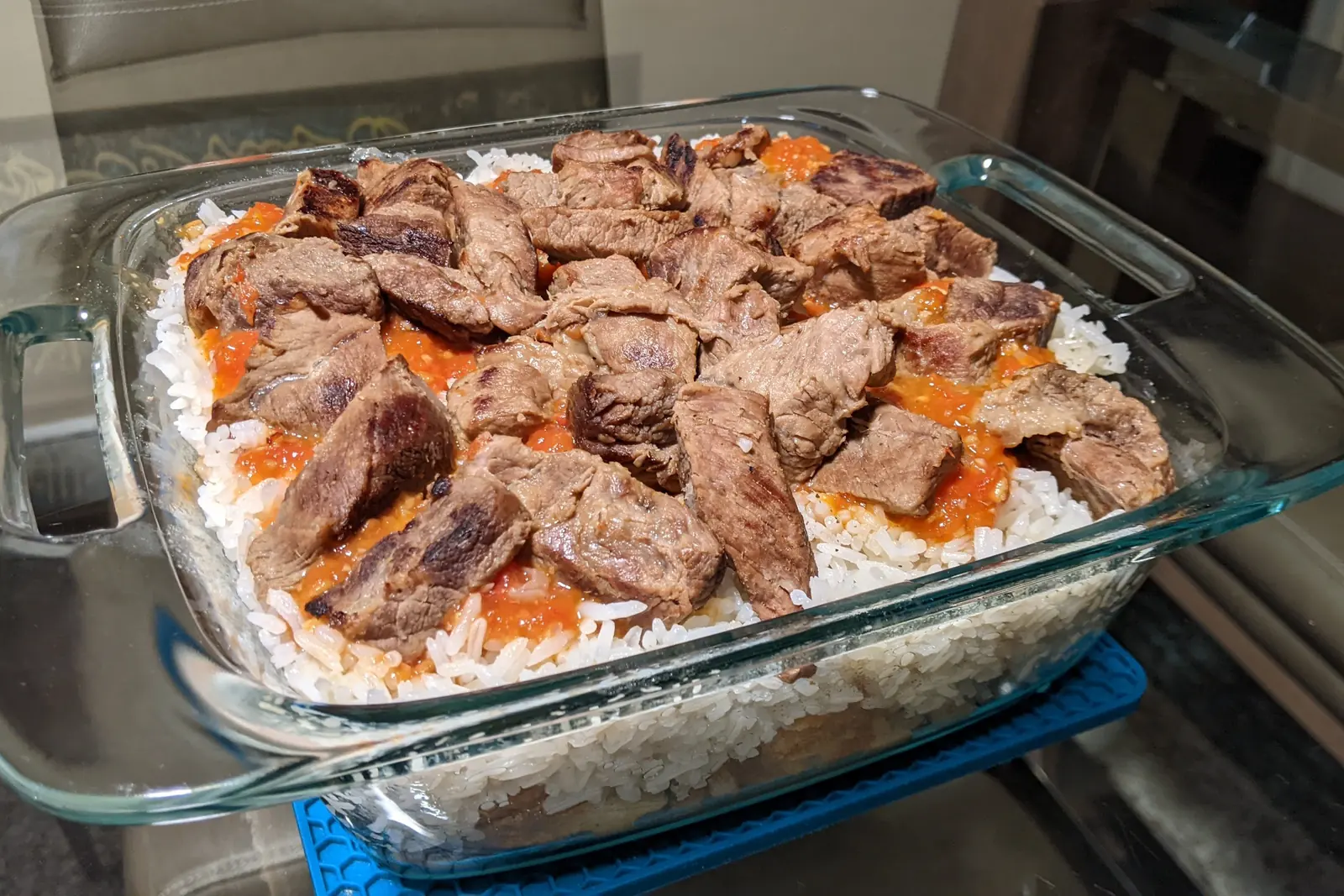
Egyptian fattah in a glass dish: white rice topped with tomato sauce and chunks of beef Egypt flag Egypt 2h 20m
Dinner •Cairo Heritage

Egyptian Fattah

Egyptian fattah is the dish Egypt celebrates with: crisp toasted bread soaked in beef broth, a deep layer of fluffy rice, tender chunks of beef, and a garlicky tomato-vinegar sauce spooned over the top. This egyptian fattah recipe is the Eid al-Adha classic — built in layers in one big dish, and carried to the table for everyone to share. One serving is about 330 g.

Feast & Celebration

Crisp bread, fluffy rice, tender beef and garlicky tomato sauce layered in one generous sharing dish.

Pairs Well With
Green salad, pickles and mint tea.
High Protein

The Dinner Gazette

Never wonder what’s for dinner again

One email a week with easy dinner ideas from around the world — ingredients, steps and nutrition, tested in our kitchen first.

Delivered every Thursday morning. Unsubscribe anytime.