
Curated recipes from 193 countries  •  New seasonal Mediterranean issue out now

Overview

Eomuk Tang

Korean Fish Cake Soup, Odeng Soup

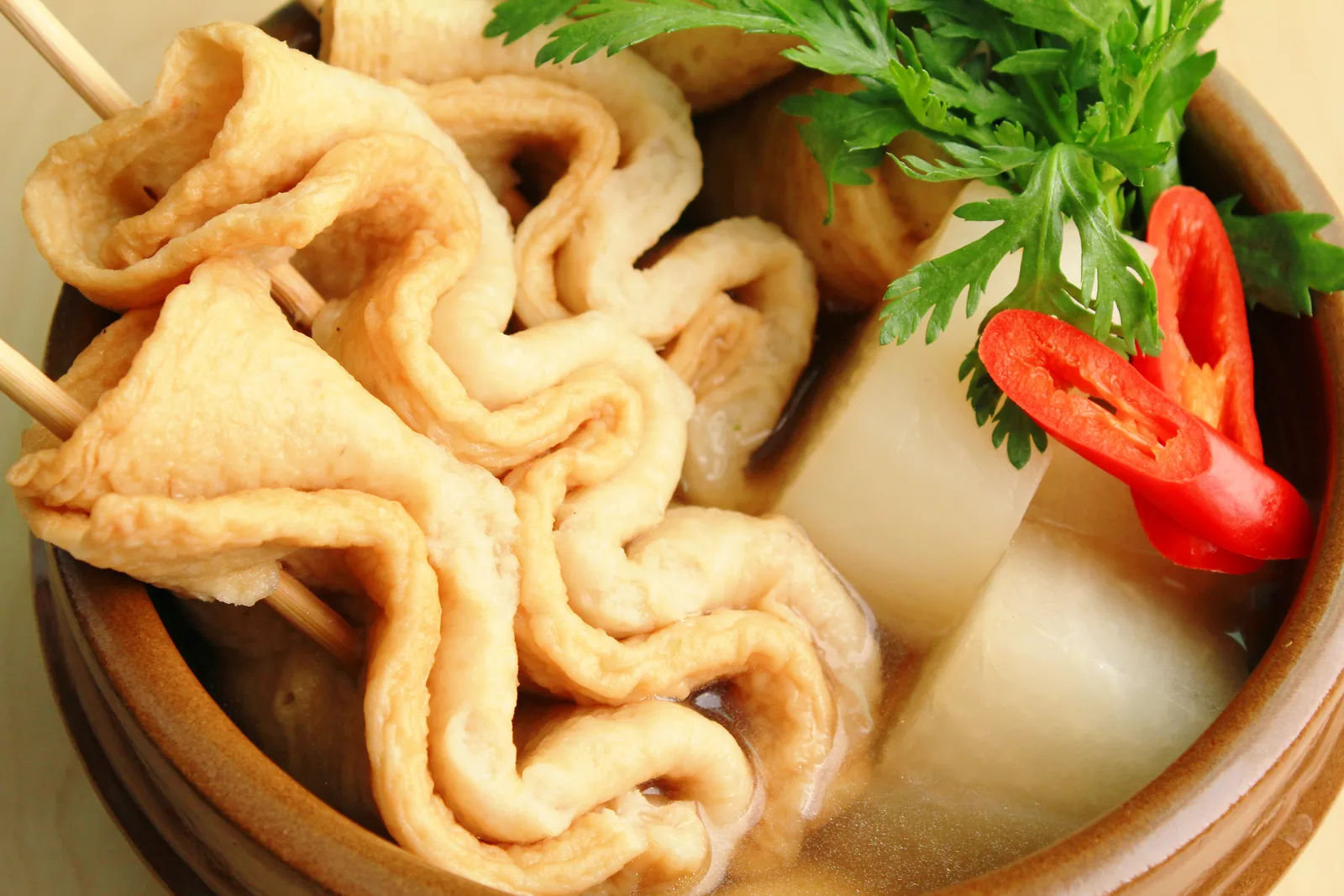
This eomuk tang recipe recreates Korea's beloved street-food fish cake soup: soft, folded fish cakes on bamboo skewers simmered in a clear anchovy and kelp broth with sweet daikon radish, finished with green onion and a little chilli. It is the bowl every Korean market stall serves steaming hot, and it comes together in one pot. One serving is about 538 g.

Fish cakes reached Korea in the early 20th century and took root in the port city of Busan, where fish-cake factories still cluster around the harbour. Street vendors began simmering folded cakes on skewers in anchovy broth and selling them in paper cups, and eomuk tang became the warming snack of Korean markets and winter streets.

Pairs well with: Steamed rice, kimchi and a cup of hot barley tea

Provenance

South Korea flag South Korea

Busan Street-Food Classic

East & South Asia

Time Dedication

40m

15m prep • 25m cook

Batch Yield

4 Servings

164 kcal per serving

1 serving ≈ 538 g

Technical Skill

Easy

Easy (One Pot)

Meal Timing & Digestive Fit

Breakfast

Not Advised

Lunch

Inappropriate

Dinner

Inappropriate

Snack & Tea

Ideal Light Bite

Soups & Broths Occasions: Market snacks, cold afternoons, light suppers, rainy days Cost: Low — about $2–3 per serving at home
Eomuk tang — Korean fish cake soup with folded fish cakes on skewers, daikon radish and red chilli in a clear broth

Busan Street-Food Classic

Photo: Chloe Lim, CC BY 2.0, via Wikimedia Commons

The Heritage Formulary

Measured Ingredients

Estimated cost: Low — about $2–3 per serving at home (USD)

A good eomuk tang is judged by its broth: clear, clean-tasting and lightly savoury, never cloudy or fishy.

Execution Methodology & Culinary Technique

Step-by-Step Cooking Guide

Active 40m
P

Prep Stage: Fold & Skewer the Fish Cakes

15 Mins • Knife Work

Cut the fish cake sheets into strips, fold each one accordion-style and thread it onto a bamboo skewer — the classic street-stall shape that soaks up broth without falling apart. Peel and cut the radish, snap the heads off the dried anchovies, and have the onion, garlic and kelp ready before the pot goes on.

Maestro Tip: Soak the bamboo skewers in water for 10 minutes first so they do not burn or splinter.

  1. 1

    Simmer the Anchovy Broth

    15 Mins Bare simmer, ~95°C (203°F)

    Put the water, anchovies, kelp, onion and garlic in a large pot. Bring just to a simmer, then cook gently for 15 minutes. Lift out the kelp after 10 minutes so it does not turn bitter, and skim any foam from the surface.

    Never let the broth boil hard — a bare simmer keeps it clear and sweet.

    Done when: Broth smells clean and savoury, not fishy; kelp removed in time.

  2. 2

    Add the Radish

    10 Mins Gentle simmer, ~95°C (203°F)

    Strain out the anchovies, onion and garlic with a slotted spoon. Add the radish half-moons and simmer for 10 minutes until they turn translucent at the edges and a knife slips in easily.

    Straining now keeps the finished soup clear and easy to eat.

    Done when: Radish is tender and slightly sweet, still holding its shape.

  3. 3

    Cook the Fish Cakes

    8 Mins Gentle simmer, ~95°C (203°F)

    Slide the skewered fish cakes into the pot so they are fully covered by broth. Simmer for 8 minutes until they puff slightly and turn a deeper golden colour.

    Do not boil vigorously or the cakes will toughen and split.

    Done when: Fish cakes are puffed, tender and hot all the way through.

  4. 4

    Season and Serve

    2 Mins Simmer, ~95°C (203°F)

    Stir in the soy sauce, then taste and add the salt a pinch at a time — the fish cakes are already salty, so season lightly. Ladle into deep bowls with a skewer or two per person, spoon over broth and radish, and scatter green onion and chilli on top.

    Taste before adding all the salt: the broth concentrates as it simmers.

    Done when: Broth is savoury and balanced, fish cakes hot and springy.

Finishing Touches & Plating

Serve steaming hot, straight from the pot, with the skewers standing in the bowl the way market stalls serve them. Offer extra soy sauce and chilli on the side so each person seasons their own bowl.

Nutritional Physiology & Benefits

Nutrition

Energy

164

kcal / serving

Protein

16g

Complete AA

Carbs

19g

Complex

Fats

2g

Healthy

Per serving (4 servings · 1 serving ≈ 538 g)
Energy164 kcal
Protein16 g
Carbohydrates19 g
Fat2 g
Fibre2.4 g
Sugar3.0 g
Sodium1364 mg
Per 100g
Energy31 kcal
Protein3 g
Carbohydrates3.6 g
Fat0.4 g
Fibre0.5 g
Sugar0.6 g
Sodium254 mg

Nutrition values are estimated — calculated from USDA FoodData Central values for the listed ingredients.

Vitamins & minerals: The radish and green onion add vitamin C, the anchovy broth supplies calcium and iodine from the kelp, and the fish cakes provide vitamin B12.

Light but Satisfying

Fish cakes give real protein for very little fat, and the hot broth fills the stomach — a snack that satisfies without heaviness.

Gentle on the Stomach

A clear, low-fat broth with tender radish is easy to digest and rehydrates, which is why it is a go-to comfort bowl in cold weather.

Steady Energy

The fish cake protein plus a little carbohydrate from the radish gives steady energy, and the warm broth helps you feel alert rather than sluggish.

Food Pairings

What to Eat With

To optimize nutrient absorption and elevate the sensory depth, pair with these authentic accompaniments:

Sides

Steamed Rice

Plain rice soaks up the savoury broth and turns a light snack into a proper small meal.

Vegetables

Baechu Kimchi

The sour crunch of kimchi cuts through the mild, savoury broth and wakes up the palate between spoonfuls.

Drinks

Hot Barley Tea (Bori-cha)

Roasted, caffeine-free barley tea is the traditional partner — warm, nutty and easy on the stomach with a salty soup.

Cold Makgeolli

For an evening snack, the gentle fizz and mild sweetness of rice wine balances the salty broth.

Complete menu

Start with eomuk tang as the warming centrepiece, with a small bowl of rice and kimchi on the side; finish with hot barley tea.

Digestive Guardrails

What NOT to Combine

To prevent digestive distress, sluggishness, or palate clash, avoid pairing the dish with these elements:

Very Salty Side Dishes

The soup is already salty from the fish cakes and soy sauce, so pairing it with another very salty dish (salted pickles, soy-heavy sauces) can push sodium far higher than intended. This is general information, not medical advice.

Leaving the Broth Standing for Hours

Fish and seafood broths spoil faster than meat broths at room temperature, so do not leave the pot out all afternoon; cool and refrigerate promptly. This is general food-safety information, not medical advice.

General information only, not medical advice — consult a doctor for personal dietary decisions.

Who Should Eat It

Who Should Eat

  • General adultsA light, balanced snack — protein from the fish cakes, vegetables and a clear broth in one bowl.
  • ChildrenSuitable for children who can manage skewers; remove the skewers for younger children and skip the chilli.
  • ElderlyExcellent — soft, warm and easy to chew; keep the soy sauce light to hold sodium down.
  • Pregnant womenGenerally suitable; the broth is light, but make sure the fish cakes are piping hot through and keep sodium moderate.
  • Breastfeeding womenGenerally suitable; the protein and fluids support recovery — keep the soy sauce moderate.
  • AthletesA good light snack between training sessions, with about 16 g of protein per bowl and easy-to-digest carbs.
  • Weight gainA good choice — add a bowl of rice and a second skewer, and drink all the broth.
  • Weight lossChoose one skewer instead of two, load up on radish, and drink the broth slowly — it is filling for few calories.

Health Conditions — Adjust or Avoid

Conditions

  • DiabetesThe soup itself is low in carbohydrate; keep rice to a small bowl and load up on radish if you watch blood sugar.
  • High blood pressureThe fish cakes and soy sauce are salty — use half the soy sauce, skip the added salt, and drink less of the broth. Ask your clinician about portion size.
  • Kidney diseaseLimit how much broth you drink (most sodium and potassium sit in the liquid) and ask your clinician about portion size.
  • GoutFish cakes are a processed fish product, so eat occasionally and in a modest portion.
  • Stomach issuesThe clear broth is usually gentle, but skip the fresh chilli if your stomach is sensitive.
  • Cardiovascular diseaseA low-fat soup that fits well; keep the soy sauce light and favour radish over extra fish cakes.
  • Fatty liverKeep the portion modest and enjoy it as a light snack rather than a large meal.
  • Food allergiesContains fish (fish cakes, anchovy broth) and soy (soy sauce). Fish cakes often contain wheat starch and egg white — check the label if you have a wheat, egg or soy allergy.
  • Special therapeutic dietsIf you follow a prescribed low-sodium diet, use half the soy sauce, no added salt, and check with your clinician.

If you have a medical condition, consult your doctor before changing your diet.

Storage & Use

Storage & Use

How to store
Cool quickly and store the broth, fish cakes and radish together in airtight containers; keep skewers in the soup or remove them first.
In the fridge
2 days for the soup; the fish cakes soften further on reheating.
In the freezer
Broth only, up to 2 months; fish cakes turn rubbery when frozen, so do not freeze them.
How to reheat
Reheat gently until the soup reaches a rolling simmer and the fish cakes are hot through, at least 74°C (165°F).
Freezing recommended
No — the fish cakes lose their texture; make it fresh and refrigerate leftovers instead.
Signs it has spoiled
Sour or off smell, cloudy film on the broth surface, or slimy fish cakes.

More recipes to explore

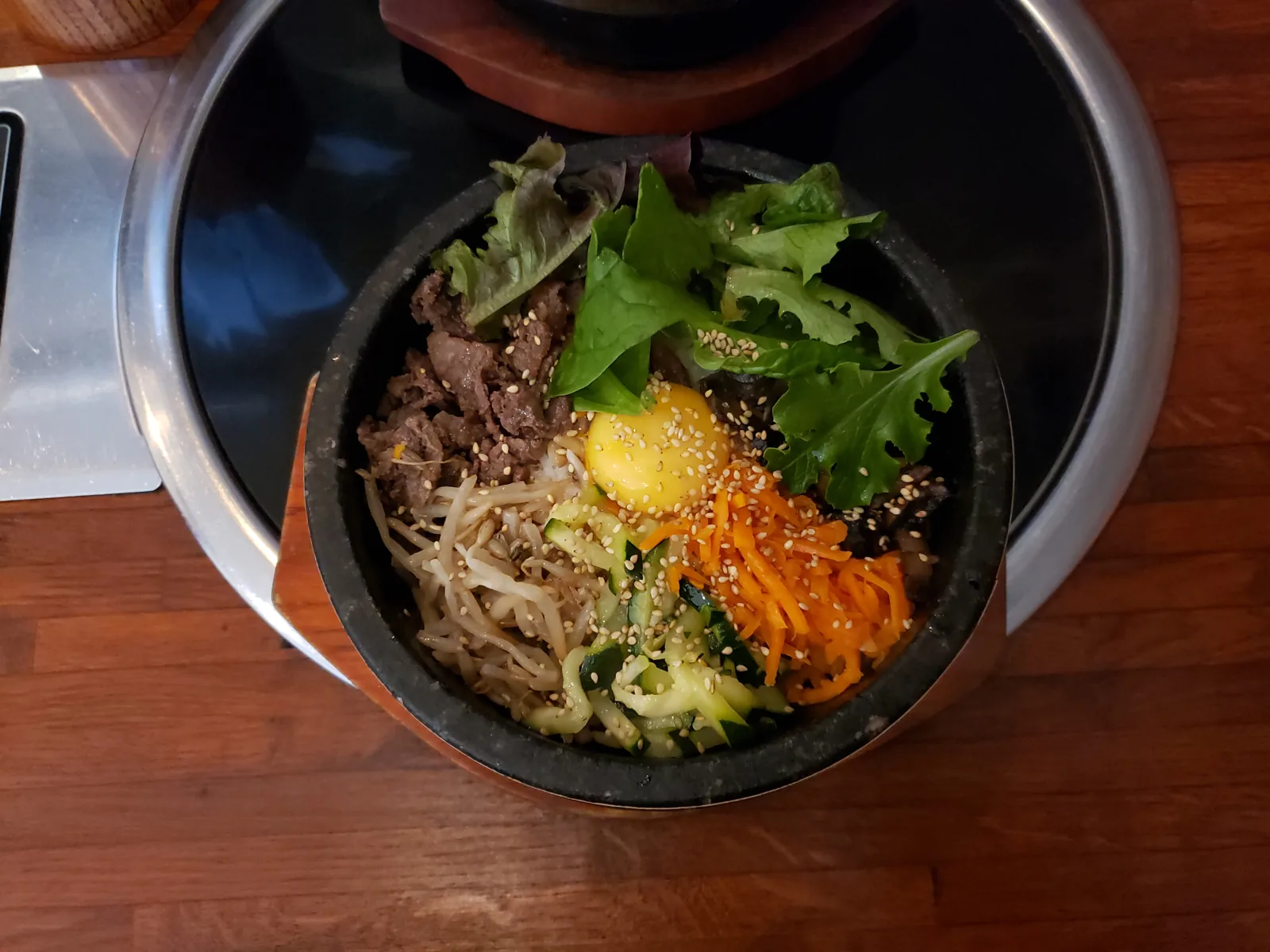
Dolsot bibimbap in a hot black stone bowl — bulgogi beef, egg yolk, carrots, zucchini, bean sprouts and sesame seeds over rice South Korea flag South Korea 1h 5m
Dinner •Korean Heritage

Bibimbap

This bibimbap recipe builds Korea's most famous rice bowl the dolsot way: hot rice in a sizzling stone pot, ringed with five separately seasoned namul vegetables, bulgogi beef and a fried egg, with gochujang to stir through at the table. The stone bowl crisps the bottom layer of rice into golden nurungji while you eat. One serving is about 510 g.

Colourful & Satisfying

Warm rice, five seasoned vegetables, bulgogi beef and a fried egg, mixed at the table with gochujang.

Pairs Well With
Kimchi, kongnamul-guk (bean sprout soup) & barley tea
Korean fried chicken pieces coated in a glossy red yangnyeom glaze South Korea flag South Korea 45m
Dinner •Korean Heritage

Korean Fried Chicken

This Korean fried chicken recipe is the real thing: boneless chicken in a thin potato-starch batter, fried twice — once to cook it through, once at higher heat to drive out moisture and shatter the crust — then tossed in a glossy yangnyeom glaze of gochujang, honey and garlic. The double fry is what keeps the skin crisp under the sauce. One serving is about 250 g.

Crispy & Bold

Double-fried chicken in a thin potato-starch crust, tossed in a sticky sweet-spicy yangnyeom glaze.

Pairs Well With
Pickled radish (chikin-mu), cold beer & steamed rice
High Protein • Quick Prep (<30m)
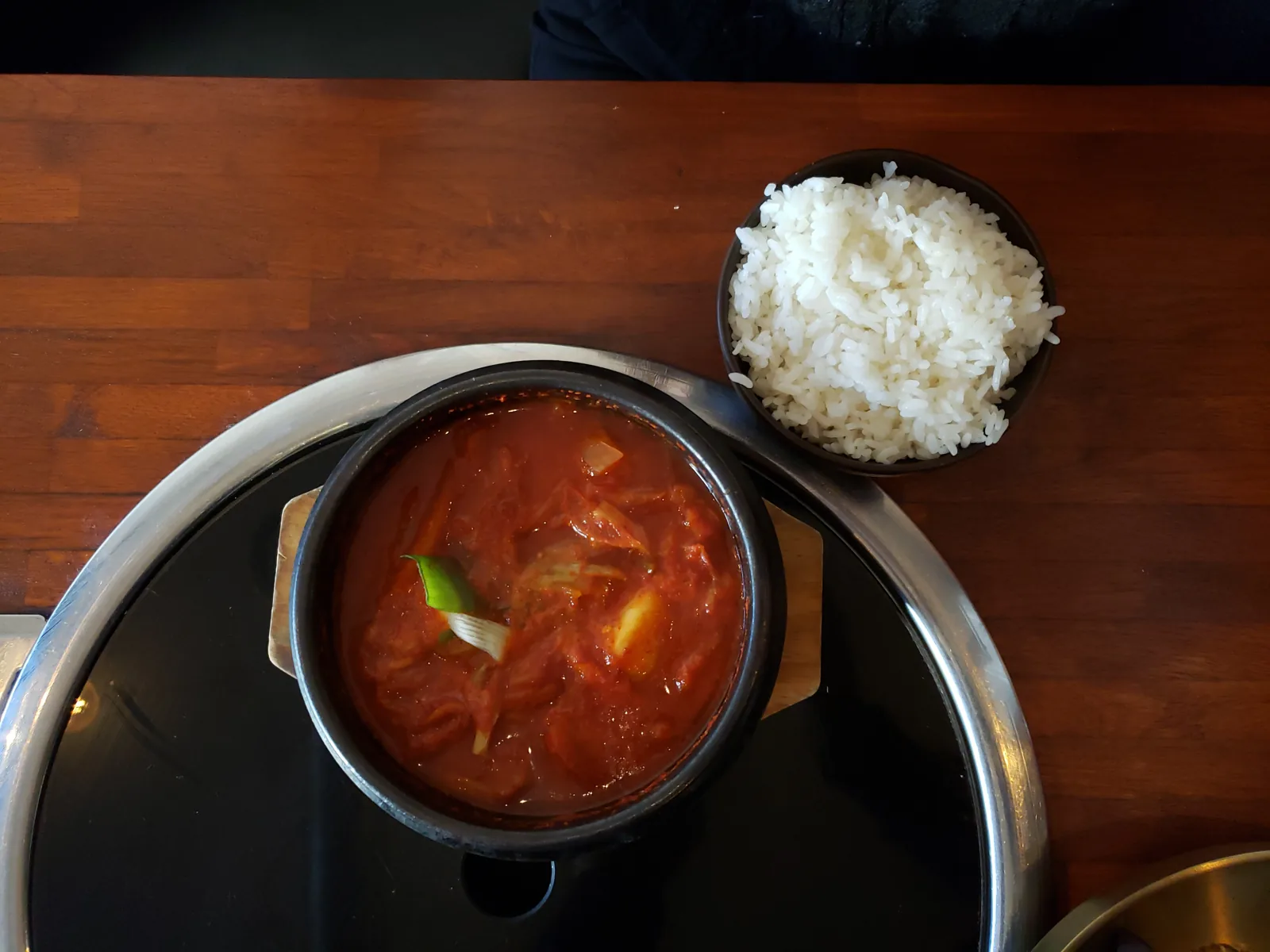
Kimchi jjigae — a red kimchi stew with tofu and spring onions in a black stone pot, served with a bowl of rice South Korea flag South Korea 45m
Dinner •Korean Heritage

Kimchi Jjigae

This kimchi jjigae recipe is the Korean comfort stew: aged, well-fermented kimchi fried with pork belly, then simmered in its own brine with tofu until the broth turns brick-red and rich. It is a stew, not the kimchi itself — the North Korean white kimchi published earlier is the pickled cabbage, while this is what you cook with it. One serving is about 425 g.

Comfort & Warmth

Aged kimchi and pork belly simmered in kimchi brine with tofu — sour, spicy and deeply savoury.

Pairs Well With
Steamed rice, fried egg & banchan
Soups & Broths • Fermented / Gut Health
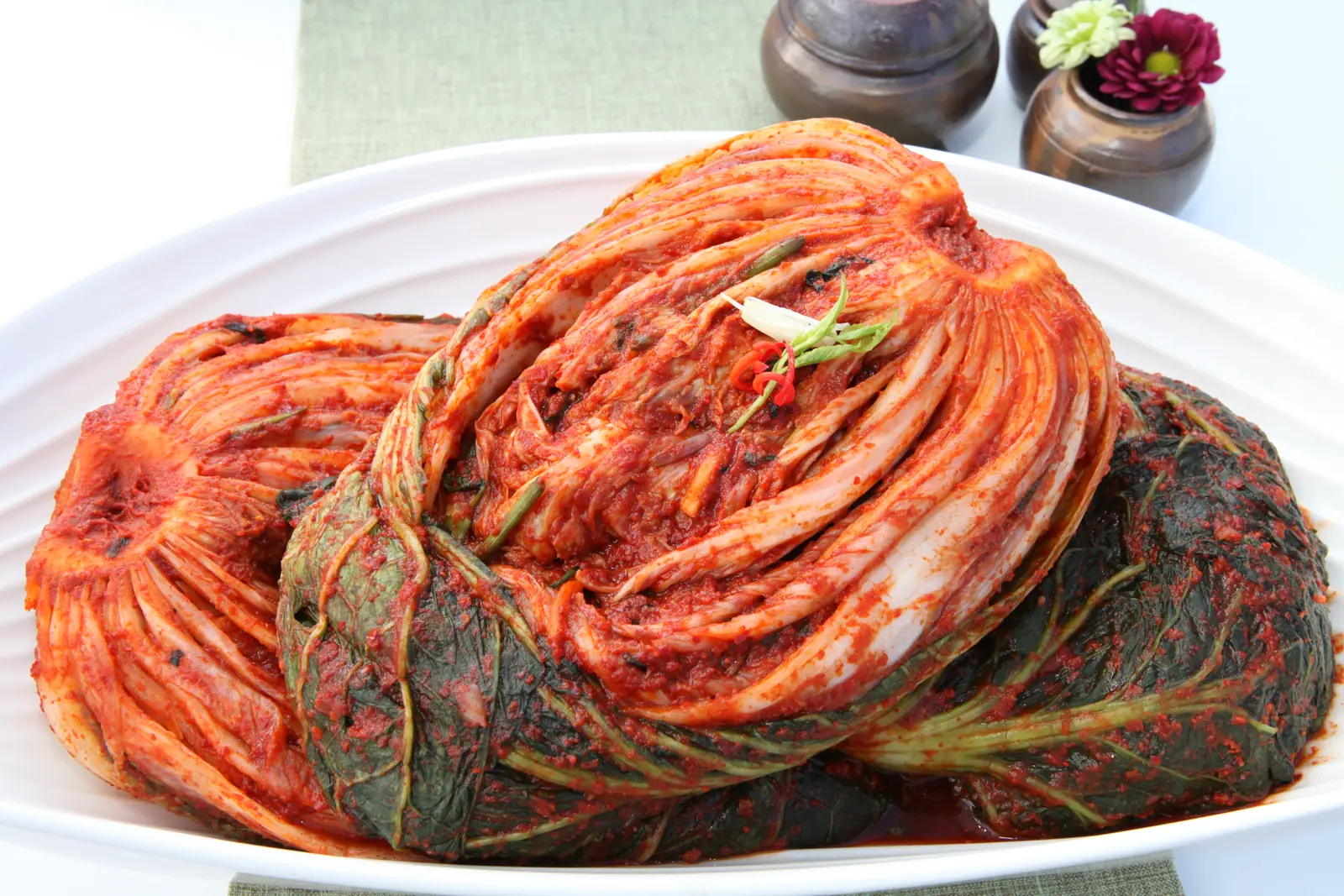
Whole heads of baechu kimchi coated in red gochugaru paste on a white platter South Korea flag South Korea 2h 35m
Dinner •Korean Kimjang Heritage

Baechu Kimchi

This kimchi recipe turns one head of napa cabbage into classic baechu kimchi: salted leaves packed with a bright red gochugaru paste, then left to ferment until tangy and fizzy. It is the spicy southern-style kimchi most people picture when they hear the word kimchi, and it keeps for weeks in the fridge. One serving is about 165 g.

Fermented & Fiery

Crisp, spicy, sour napa cabbage kimchi — Korea's everyday banchan, fermented at home in a jar.

Pairs Well With
Serve a small bowl with steamed rice, grilled meat or a fried egg.
Fermented / Gut Health

The Dinner Gazette

Never wonder what’s for dinner again

One email a week with easy dinner ideas from around the world — ingredients, steps and nutrition, tested in our kitchen first.

Delivered every Thursday morning. Unsubscribe anytime.