
Curated recipes from 193 countries  •  New seasonal Mediterranean issue out now

Overview

Equatorial Guinea Abala

Abalá — Steamed Malanga Parcels in Leaves

Grated malanga (taro) mixed with red palm oil, onion and salt, spooned into softened plantain leaves and steamed until firm and fragrant. Unwrap each parcel at the table and eat it warm with grilled fish or a tomato relish. One serving is about 300 g.

Abala is a traditional dish of the Fang people of Equatorial Guinea, where malanga — also called taro or cocoyam — is a staple root crop. The grated root is mixed with red palm oil and salt, wrapped in plantain leaves and steamed, a way of cooking that needs no pot of water and travels well: the parcels are a classic portable lunch for market days and work in the fields. They are usually eaten with the hands, unwrapped at the table, alongside grilled fish or a soup.

Pairs well with: Grilled fish, tomato-onion relish & steamed greens

Provenance

Equatorial Guinea flag Equatorial Guinea

Fang Heritage

African Heritage

Time Dedication

1h 35m

40m prep • 55m cook

Batch Yield

4 Servings

392 kcal per serving

1 serving ≈ 300 g

Technical Skill

Intermediate

Intermediate (Leaf Parcels)

Meal Timing & Digestive Fit

Breakfast

Not Advised

Lunch

Prime Metabolic Fit

Dinner

Ideal Hearty Main

Snack & Tea

Inappropriate

Occasions: Family lunches, market days, celebrations, packed lunches Cost: Low — about $2–3 per serving at home
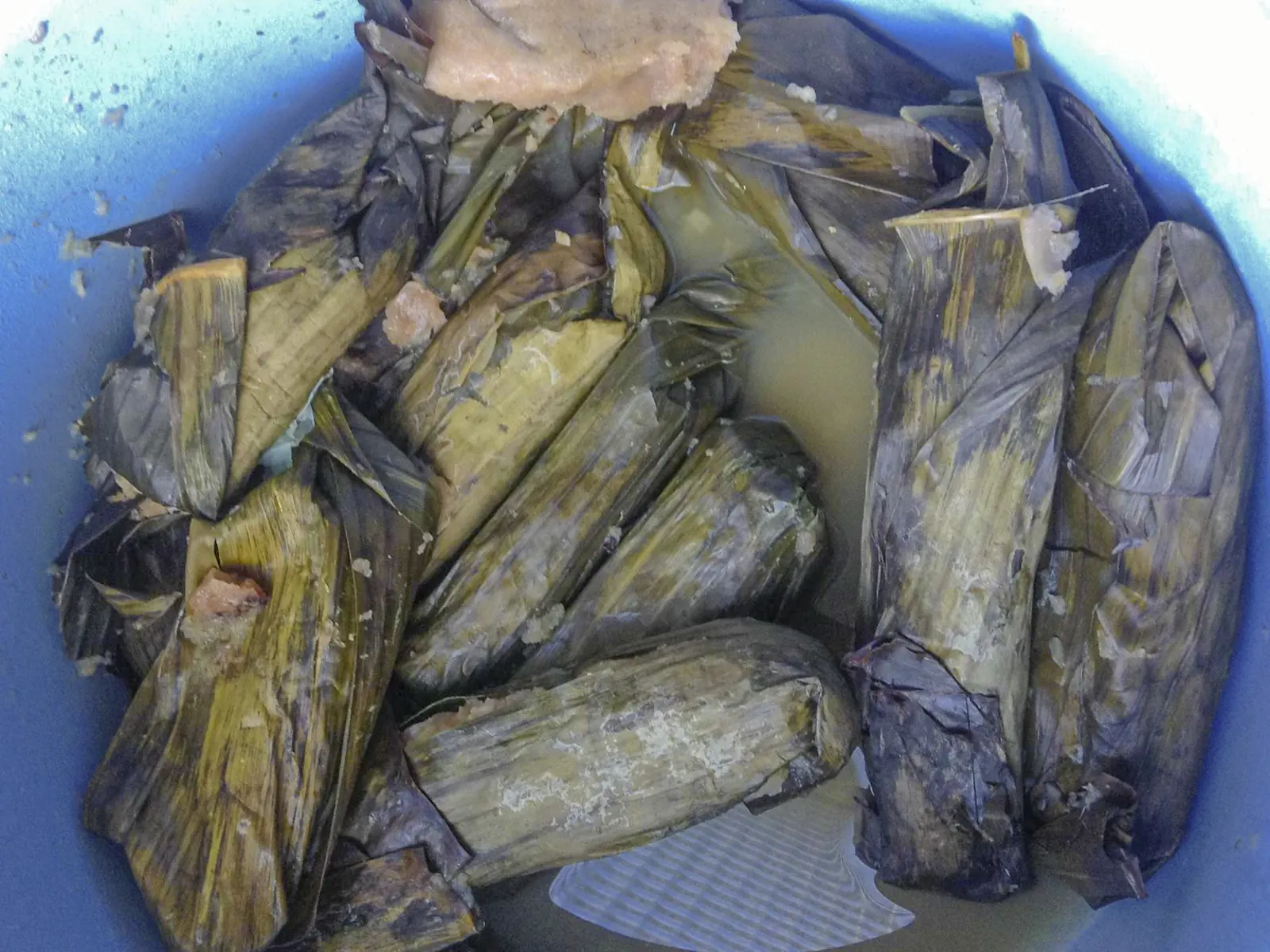
Leaf-wrapped abala parcels steaming in a pot in Equatorial Guinea, one parcel unwrapped to show the pale orange malanga inside

Fang Heritage

Photo: Miguel Obono, CC BY-SA 4.0, via Wikimedia Commons

The Heritage Formulary

Measured Ingredients

Estimated cost: Low — about $2–3 per serving at home (USD)

A good abala is judged by its parcel: firm enough to hold its shape when unwrapped, golden from palm oil, and cooked all the way through with no raw centre.

Execution Methodology & Culinary Technique

Step-by-Step Cooking Guide

Active 1h 35m
P

Prep Stage: Grate & Soften the Leaves

40 Mins • Grating & Wrapping

Peel and finely grate the malanga into a large bowl, then stir in the palm oil, grated onion and garlic, chilli and salt, adding water a little at a time until the mixture is soft and spoonable. Meanwhile soften the leaf squares in boiling water until they bend without cracking, then pat dry.

Maestro Tip: Grate the malanga last, just before mixing — the cut flesh browns quickly in the air, and the palm oil coats it and keeps the colour golden.

  1. 1

    Mix the Malanga Paste

    10 Mins Room temperature

    Put the grated malanga in a large bowl with the grated onion, garlic and chilli. Pour in the warmed palm oil and sprinkle over the salt. Stir with a wooden spoon, adding the water a spoonful at a time, until the paste is evenly orange, soft and holds its shape on the spoon.

    Taste a tiny pinch of the paste for salt now — you cannot season the parcels once they are wrapped.

    Done when: The paste is uniformly golden-orange, moist and spoonable, with no dry white streaks of unmixed malanga.

  2. 2

    Fill and Fold the Parcels

    15 Mins Room temperature

    Lay a softened leaf square shiny-side down. Spoon about 150 g of paste into the centre, fold the two long sides over it, then fold the ends under to make a neat parcel about the size of your palm. Repeat to make 8 parcels, placing each one seam-side down so it does not open.

    Do not overfill — a parcel that is too fat bursts in the steamer. If a leaf tears, double-wrap it with a second square.

    Done when: 8 snug parcels, each firmly folded with the seam underneath.

  3. 3

    Steam Until Firm

    50 Mins • Rolling Steam Steaming, 100°C (212°F)

    Set a steamer basket over a pot of boiling water, or line the bottom of a large pot with spare leaf pieces and add 2 cm of water. Pack the parcels in seam-side down, cover tightly and steam for 50 minutes, topping up the water if it runs low so the pot never boils dry.

    Keep the lid on and the heat steady — lifting the lid lets the steam out and the parcels take longer to set.

    Done when: A parcel unwrapped at the centre of the pot is firm, sliceable and cooked all the way through, with no raw, chalky centre.

  4. 4

    Rest and Serve

    5 Mins Serve warm, above 60°C (140°F)

    Turn off the heat and let the parcels rest for 5 minutes in the covered pot so the malanga firms up and the parcels are easy to handle. Serve warm, still in their leaves, and let each person unwrap their own at the table.

    Unwrap over the plate — a little golden palm oil always escapes, and it is the best part.

    Done when: Parcels hold their shape when unwrapped and cut cleanly with a spoon.

Finishing Touches & Plating

Serve the parcels warm in their leaves with grilled fish and a tomato-onion relish on the side. Unwrap at the table, spoon the relish over the malanga, and eat with your hands or a fork.

Nutritional Physiology & Benefits

Nutrition

Energy

392

kcal / serving

Protein

4g

Complete AA

Carbs

69g

Complex

Fats

12g

Healthy

Per serving (4 servings · 1 serving ≈ 300 g)
Energy392 kcal
Protein4 g
Carbohydrates69 g
Fat12 g
Fibre10.7 g
Sugar2.0 g
Sodium513 mg
Per 100g
Energy131 kcal
Protein1.4 g
Carbohydrates23 g
Fat3.9 g
Fibre3.6 g
Sugar0.7 g
Sodium171 mg

Nutrition values are estimated — calculated from USDA FoodData Central values for the listed ingredients.

Vitamins & minerals: Vitamin C and B6, potassium and magnesium (malanga), vitamin E and beta-carotene (red palm oil), and small amounts of folate (onion and garlic).

Gentle Steamed Energy

Steaming cooks the malanga without frying, so the parcels stay light on fat for a starchy staple — the only fat is the palm oil mixed into the paste.

Plant-Based & Fibre-Rich

Malanga is a whole root vegetable, and one serving carries about 10.7 g of fibre, which helps the meal feel filling for longer.

Steady Fuel for Active Days

About 69 g of slow starch per serving gives steady energy, which is why abala is a classic midday meal for people working outdoors.

Food Pairings

What to Eat With

To optimize nutrient absorption and elevate the sensory depth, pair with these authentic accompaniments:

Sides

Grilled Fish

Abala is mild and starchy, so a piece of smoky grilled fish supplies the protein and the savoury contrast the parcels need — the classic pairing in Equatorial Guinea.

Sauces

Tomato-Onion Relish

A sharp relish of chopped tomato, onion and a little chilli cuts through the richness of the palm oil and brightens each bite of malanga.

Vegetables

Steamed Greens

A side of steamed cocoyam leaves or spinach adds colour, freshness and extra fibre, balancing the dense, starchy parcels.

Drinks

Hibiscus Drink

A cold, lightly sweetened hibiscus drink is refreshing with hot steamed parcels and is a familiar drink across Central Africa.

Complete menu

Start with two abala parcels per person, unwrapped at the table, with a piece of grilled fish, a tomato-onion relish and steamed greens; finish with a cold hibiscus drink.

Digestive Guardrails

What NOT to Combine

To prevent digestive distress, sluggishness, or palate clash, avoid pairing the dish with these elements:

Raw or Undercooked Malanga

Raw malanga contains needle-shaped calcium oxalate crystals that irritate the mouth and throat, so never taste the raw paste or serve parcels that are still chalky in the centre — steam until fully firm and cooked through. This is general food-safety information, not medical advice.

Very Salty Side Dishes

Each serving already carries about 513 mg of sodium from the salt in the paste, so pairing abala with very salty sauces or cured fish can push the meal's salt load up quickly — keep the sides fresh and lightly seasoned. This is general information, not medical advice.

Eating the Leaf Wrapper

The plantain or banana leaf is a wrapper, not food — it keeps the parcel moist while steaming. Always unwrap the parcel and eat only the malanga inside.

General information only, not medical advice — consult a doctor for personal dietary decisions.

Who Should Eat It

Who Should Eat

  • General adultsA filling, fully plant-based lunch — two parcels with grilled fish and greens make a complete meal.
  • ChildrenSuitable from age 2+ once fully steamed and cooled to a safe temperature; leave out the chilli and cut the parcel into small pieces.
  • ElderlyVery suitable — soft, warm and easy to chew, with no hard pieces; serve freshly steamed and well cooked.
  • Pregnant womenGenerally suitable when the parcels are steamed right through; keep the chilli out and eat them freshly made and hot.
  • Breastfeeding womenGenerally suitable — the starchy parcels and palm oil give steady energy; keep portions moderate and pair with fish or greens.
  • AthletesA useful carbohydrate-heavy lunch before or after training, but add a protein side such as grilled fish — the parcels alone carry only about 4.2 g of protein per serving.
  • Weight gainA good choice — the parcels are energy-dense from starch and palm oil, so eat two per serving with fish and greens.
  • Weight lossKeep to one parcel per serving, load the plate with steamed greens and tomato relish, and skip extra palm oil on the side.

Health Conditions — Adjust or Avoid

Conditions

  • DiabetesMalanga is starchy, so keep to one parcel per serving, pair it with greens and grilled fish rather than extra starch, and check with your clinician about portion size.
  • High blood pressureOne serving carries about 513 mg of sodium; use a little less salt in the paste and choose fresh, lightly seasoned sides — ask your clinician if you follow a low-sodium diet.
  • Kidney diseaseMalanga is naturally high in potassium, so people on a potassium-restricted diet should eat a smaller portion and ask their clinician first.
  • GoutThe parcels are low in purines and generally suitable in moderation; keep the portion modest and favour fish or greens as the side.
  • Stomach issuesFully steamed malanga is usually gentle, but skip the chilli and eat the parcels warm and freshly made; if raw or undercooked malanga irritates your mouth, it was not steamed long enough.
  • Cardiovascular diseaseRed palm oil is high in saturated fat, so treat abala as an occasional meal rather than an everyday staple, keep the portion to one parcel, and ask your clinician about frequency.
  • Fatty liverThe parcels are energy-dense from starch and palm oil, so keep the portion small, load up on steamed greens, and ask your clinician if you follow a prescribed diet.
  • Food allergiesNaturally gluten-free, nut-free, dairy-free, egg-free and peanut-free. The only caution is palm oil itself — people with a known palm-oil sensitivity should avoid it. Check any bought leaves for added coatings if you have a latex or plant allergy.
  • Special therapeutic dietsIf you follow a prescribed low-sodium, low-potassium or low-saturated-fat diet, adjust the salt and palm oil and check with your clinician before eating.

If you have a medical condition, consult your doctor before changing your diet.

Storage & Use

Storage & Use

How to store
Cool the parcels within 2 hours and keep them in their leaves in airtight containers.
In the fridge
3 days at 4°C (39°F) or below.
In the freezer
1 month, wrapped tightly; the texture softens on thawing.
How to reheat
Re-steam for 10 minutes, or microwave in the leaf until the centre reaches 74°C (165°F).
Freezing recommended
Possible, but the parcels are best eaten fresh — freezing softens the malanga.
Signs it has spoiled
Sour smell, slimy surface, or mould on the leaf or the malanga.

More recipes to explore

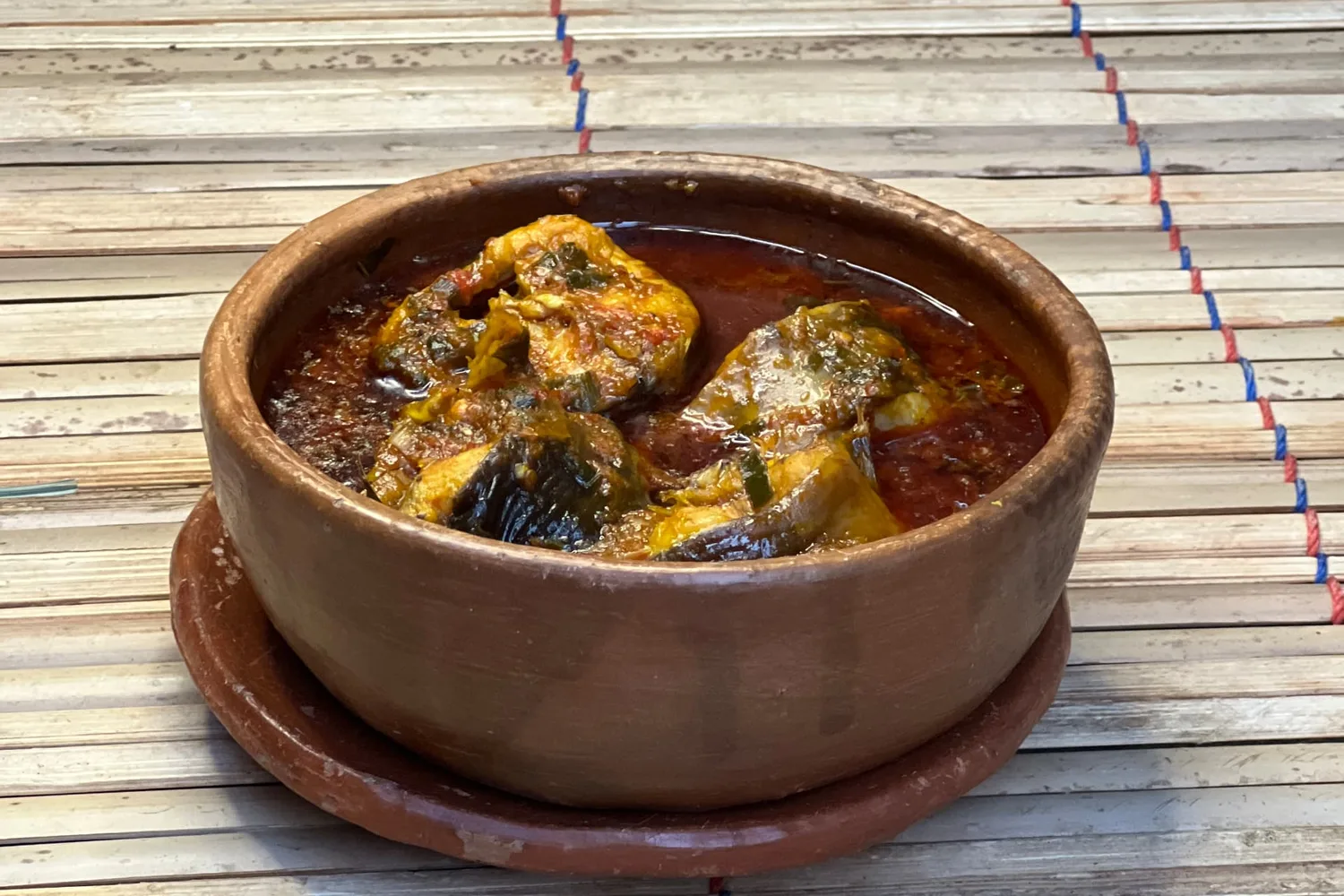
Pepesup — red snapper pieces in a red pepper broth served in a clay bowl on a woven mat Equatorial Guinea flag Equatorial Guinea 45m
Lunch •Malabo Heritage

Pepesup (Equatorial Guinea Fish Pepper Soup)

This pepesup recipe is Equatorial Guinea's coastal classic: red snapper fillets simmered in a thin, fiery broth of tomato, red pepper, onion and habanero, finished with lemon and dried herbs. It is light but boldly spiced, and the fish stays tender because it goes in last. One serving is about 450 g.

Comfort & Warmth

Red snapper simmered in a hot, tomato-pepper broth with onion, herbs and lemon — a light, fiery coastal soup.

Pairs Well With
Steamed white rice, boiled yam or cassava, and a cold light beer or lime soda
Soups & Broths
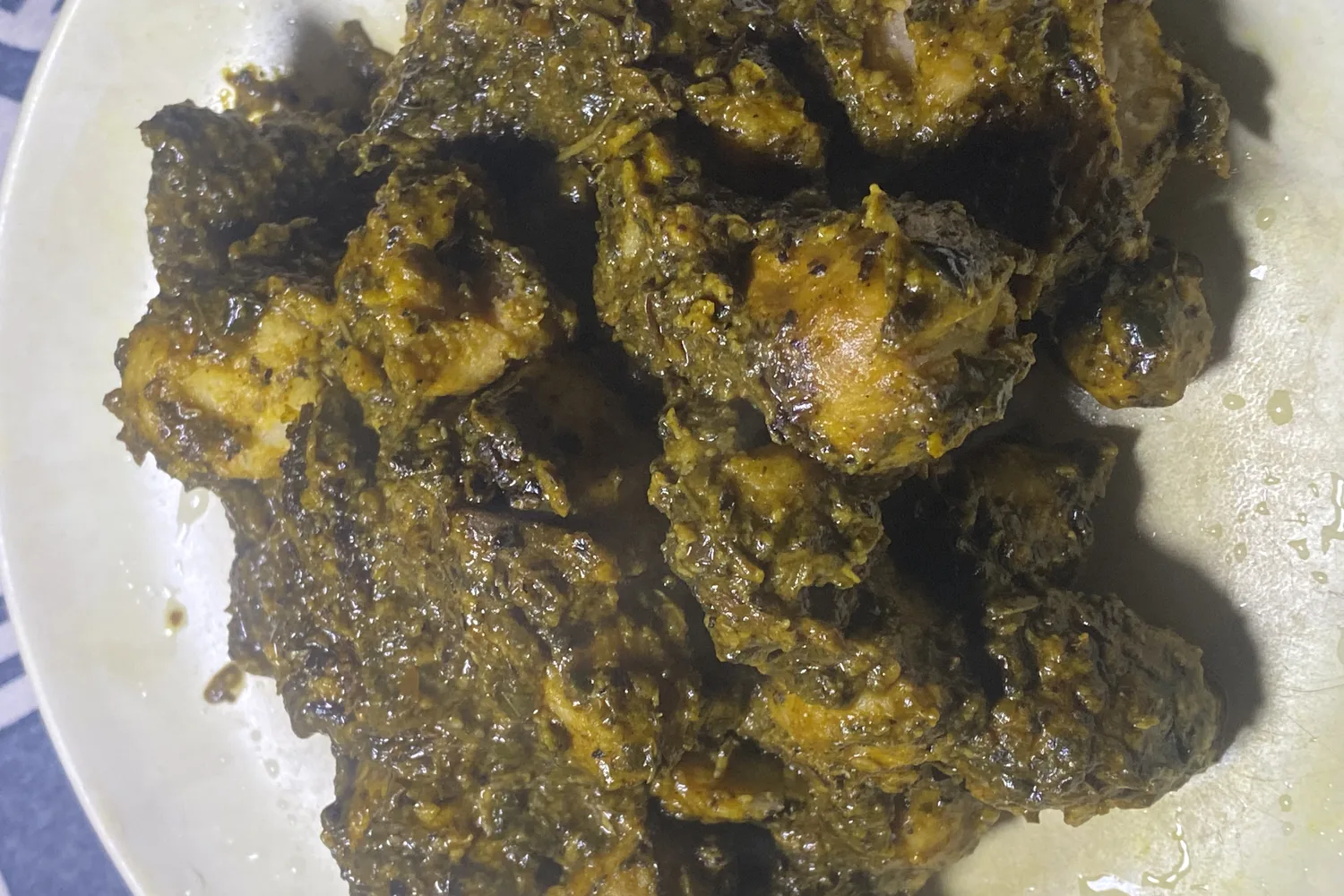
Equatorial Guinea cocoyam — steamed cocoyam chunks coated in a dark green spinach and palm-oil sauce on a white plate Equatorial Guinea flag Equatorial Guinea 50m
Lunch •Bioko Heritage

Equatorial Guinea Cocoyam with Greens

This equatorial guinea cocoyam recipe is the everyday staple lunch of the islands and the mainland: cocoyam — known locally as malanga — steamed until soft and floury, then served with a mild, leafy greens sauce of spinach, tomato, onion and red palm oil. It is simple, filling and entirely plant-based. One serving is about 300 g.

Simple & Wholesome

Cocoyam steamed until tender, served with a mild spinach, tomato and palm-oil greens sauce — a fully plant-based staple lunch.

Pairs Well With
A squeeze of lime, sliced avocado, and a glass of cold water or hibiscus drink
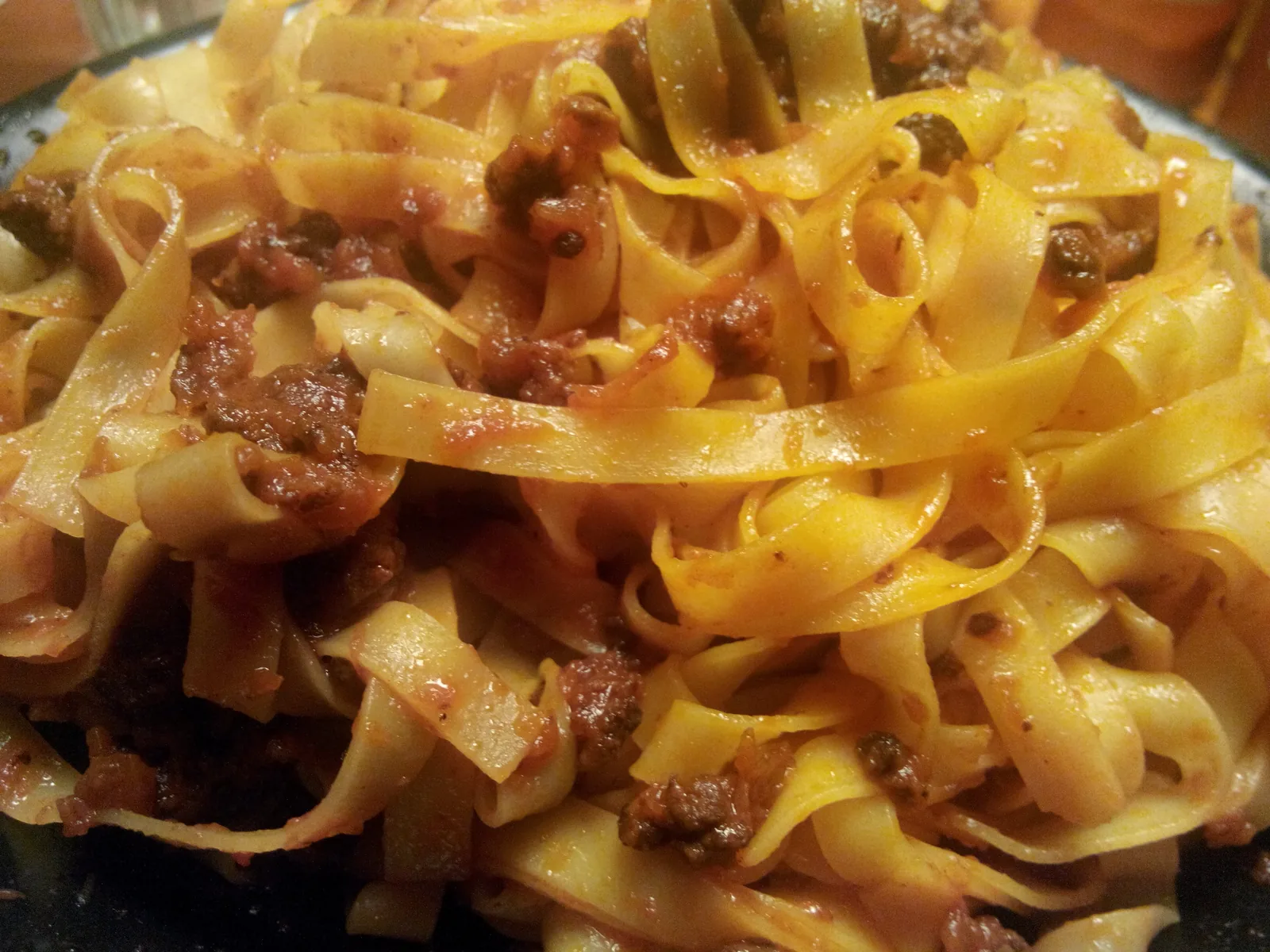
Tagliatelle al ragù Bolognese in a bowl with Parmigiano-Reggiano Italy flag Italy 4h 25m
Lunch •Emilia-Romagna

Tagliatelle al Ragù Bolognese

Slow-braised soffritto and coarse ground heritage meats layered over handmade egg yolk dough for mid-day stamina.

Lean Protein

Slow-simmered beef ragù tossed through fresh egg tagliatelle.

Pairs Well With
Bitter Radicchio & Aged Balsamico di Modena
Pasta & Noodles • High Protein
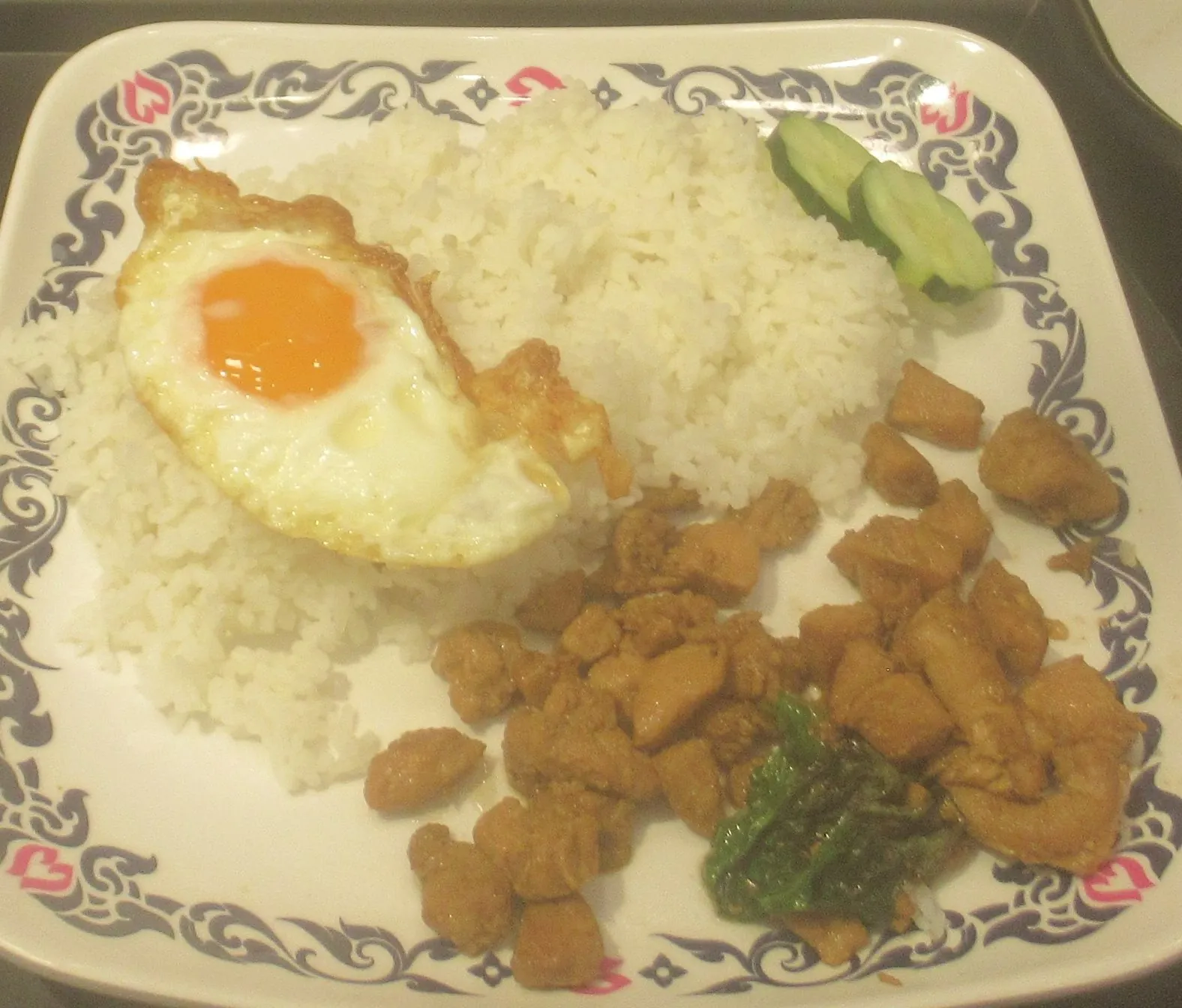
Pad kra pao gai — Thai holy basil chicken with fried egg and rice Thailand flag Thailand 30m
Lunch •Bangkok Street Flame

Pad Kra Pao Gai

High-heat wok flash of holy basil and crushed chillies over minced chicken, served over jasmine rice with a crispy-edged fried egg.

High Energy

Capsaicin brings the heat; holy basil adds a peppery, clove-like aroma.

Pairs Well With
Chilled Cucumber Salad & Fish Sauce Lime Dip
High Protein • Quick Prep (<30m)

The Dinner Gazette

Never wonder what’s for dinner again

One email a week with easy dinner ideas from around the world — ingredients, steps and nutrition, tested in our kitchen first.

Delivered every Thursday morning. Unsubscribe anytime.